



Concrete Pool Deck Installation
New concrete pool deck installation across North Carolina — slip-resistant finish, drainage graded away from the pool coping, isolated coping joint, and a base plan built for wet-freeze-thaw cycles. Zero deposit, licensed and insured, quote written down before we start.
Get your free quote
We respond in less than 2 hours.
Recent Pool Decks Projects
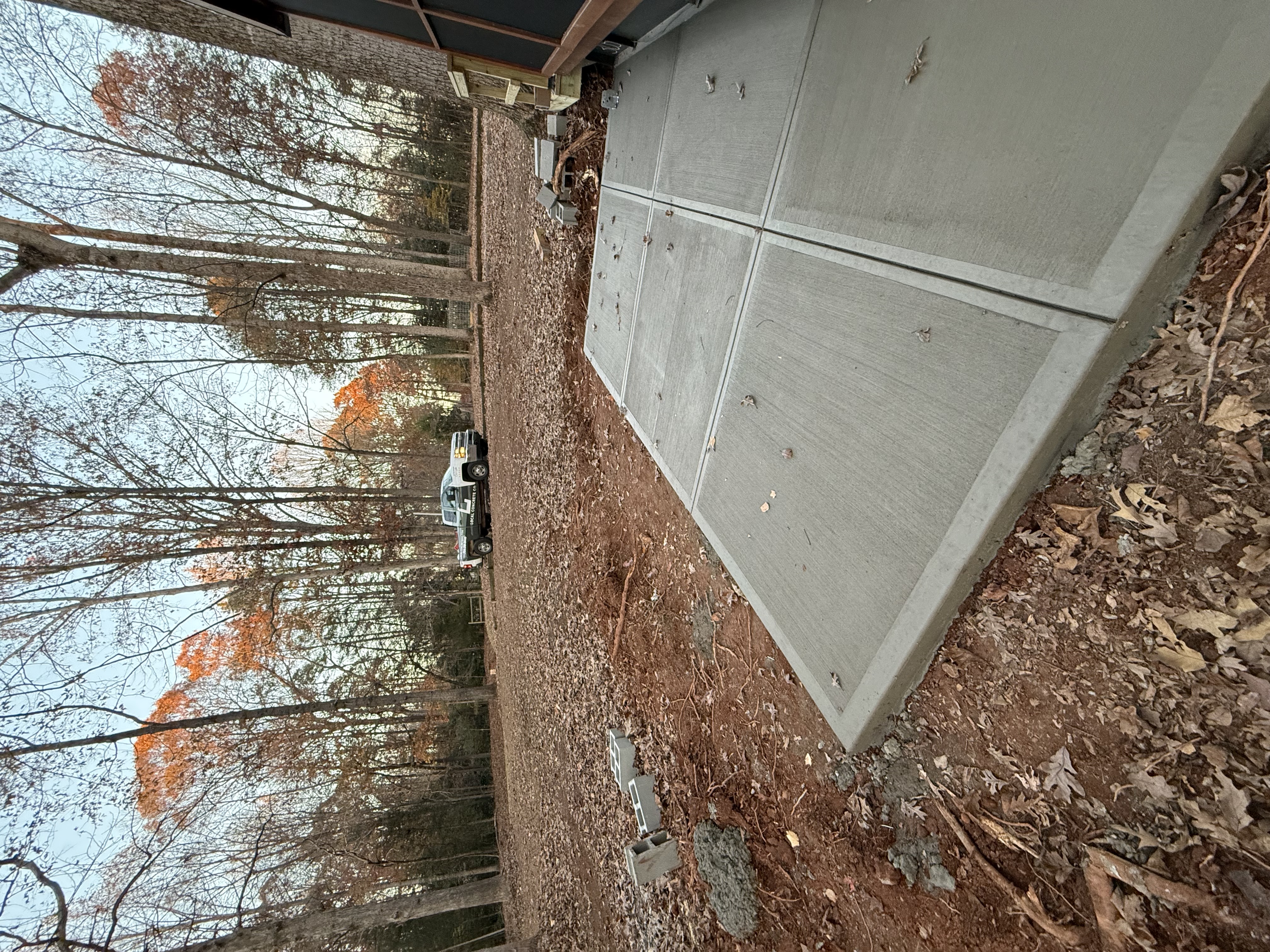
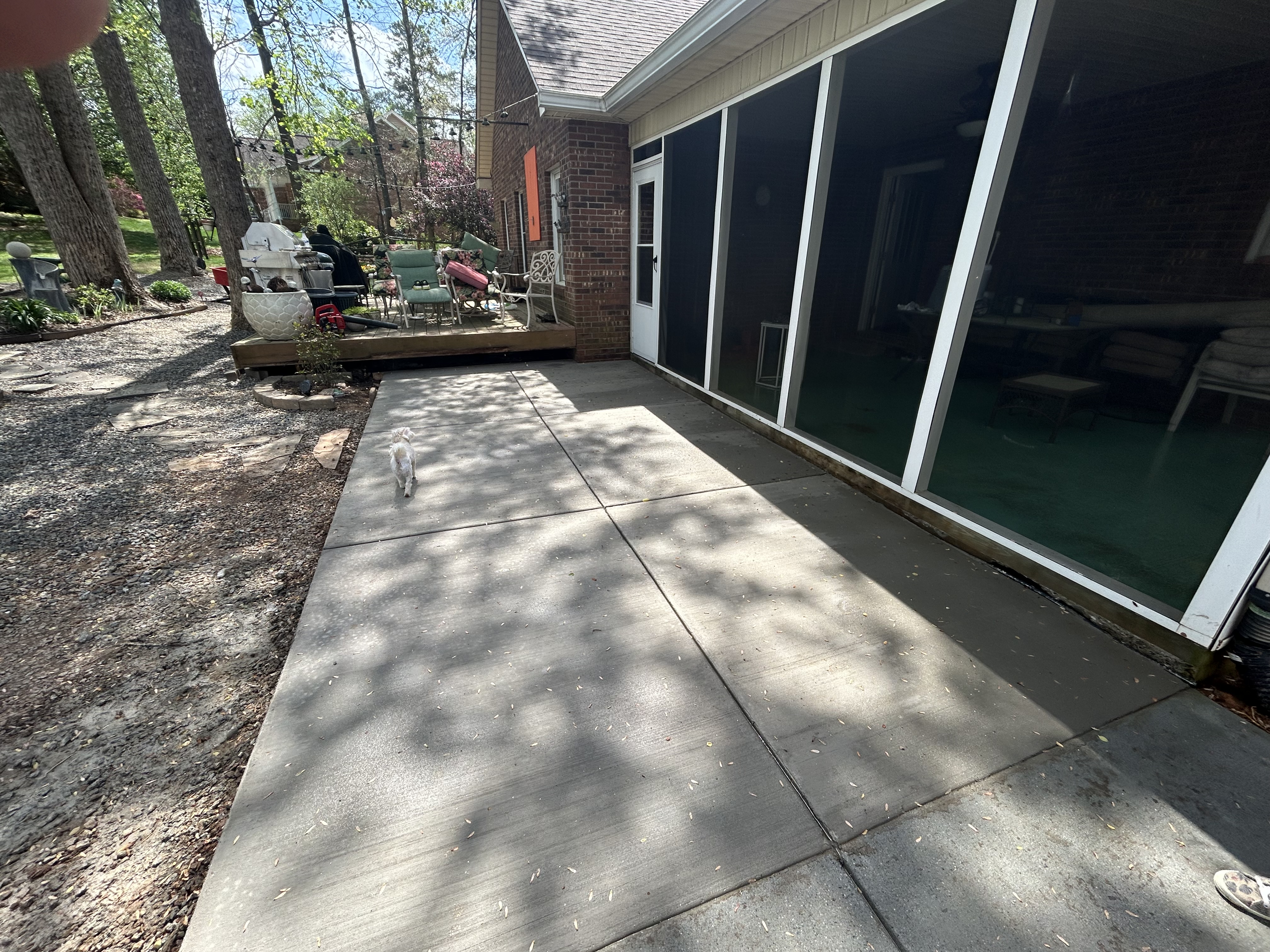
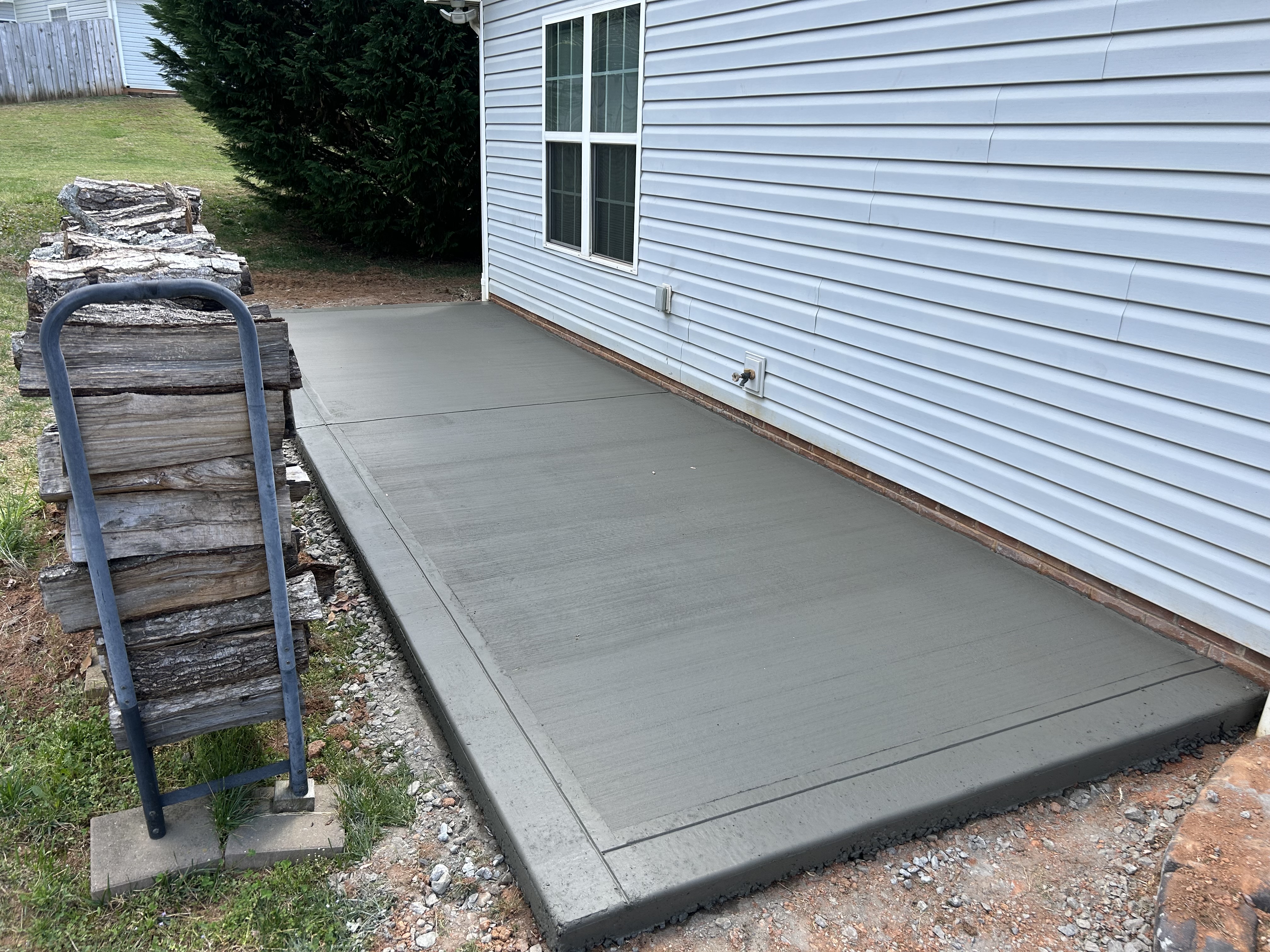
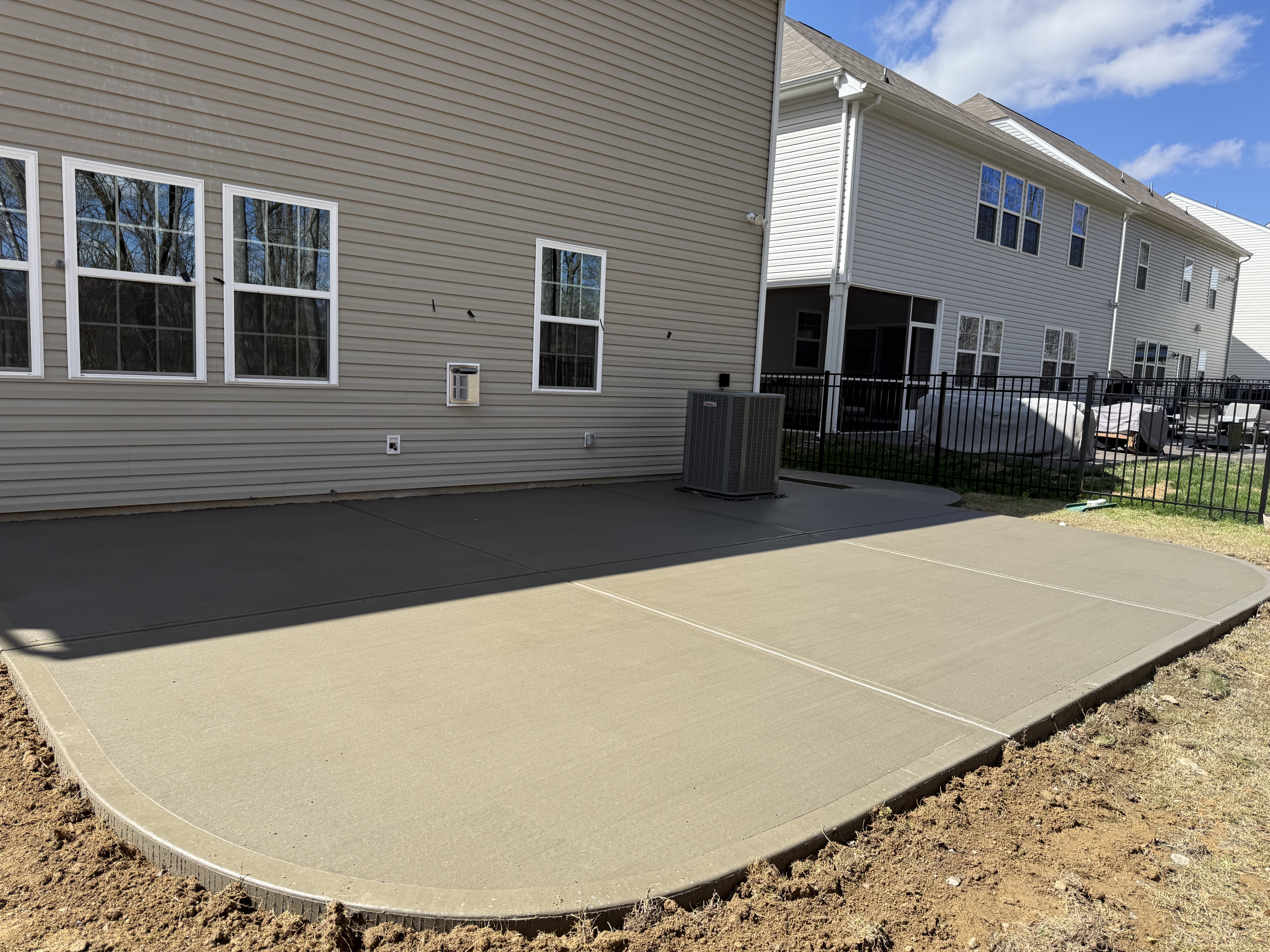
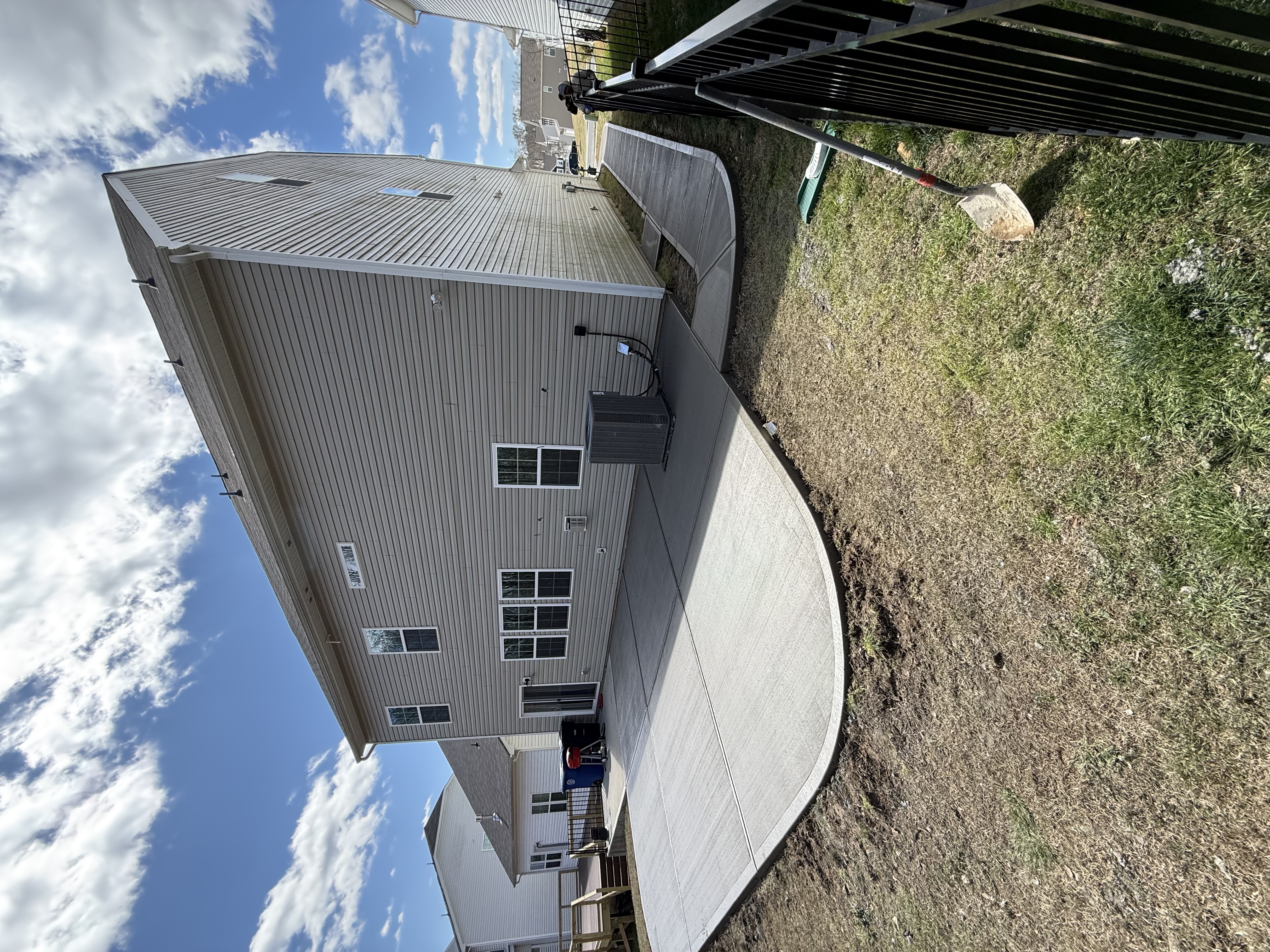
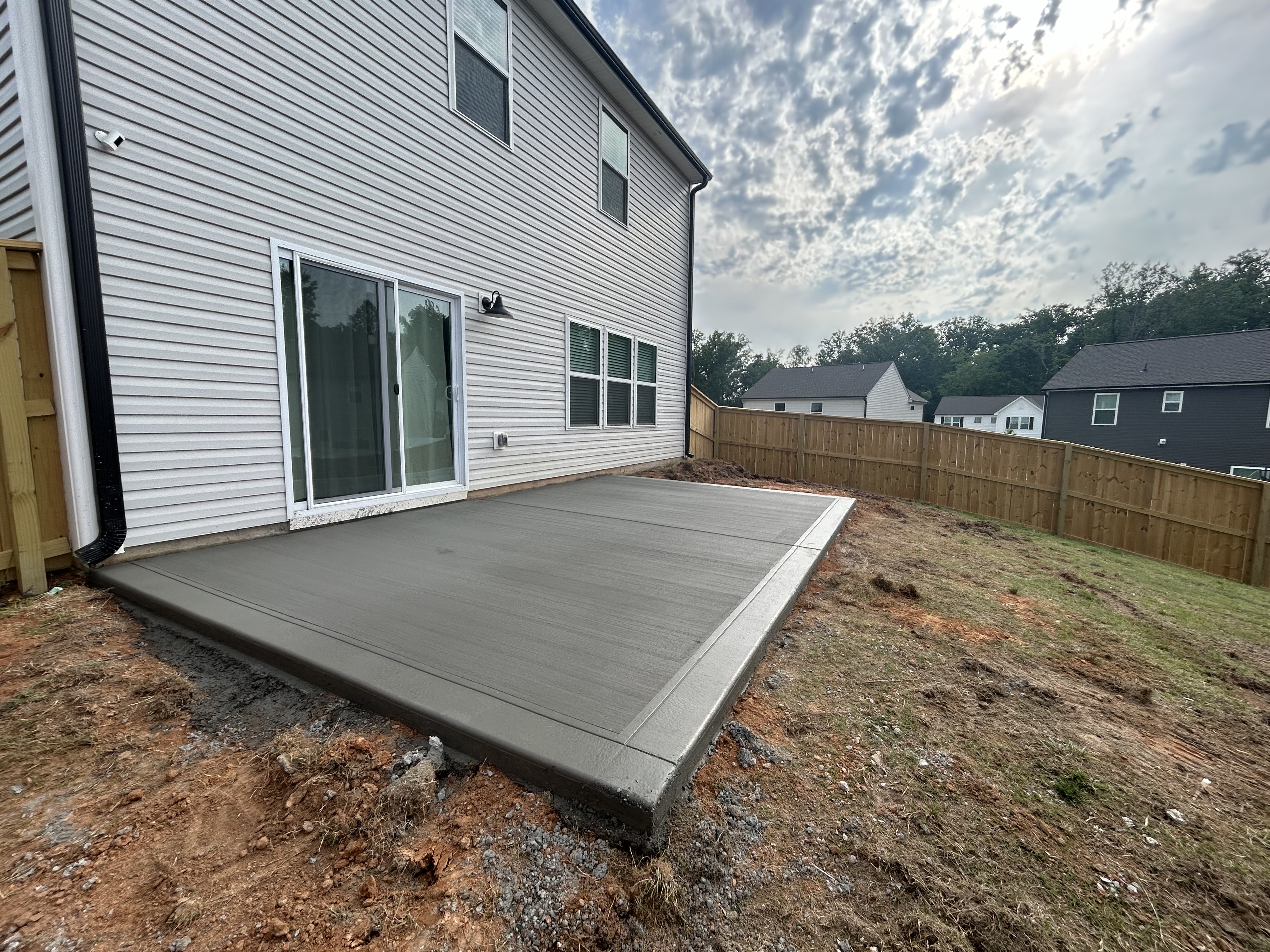
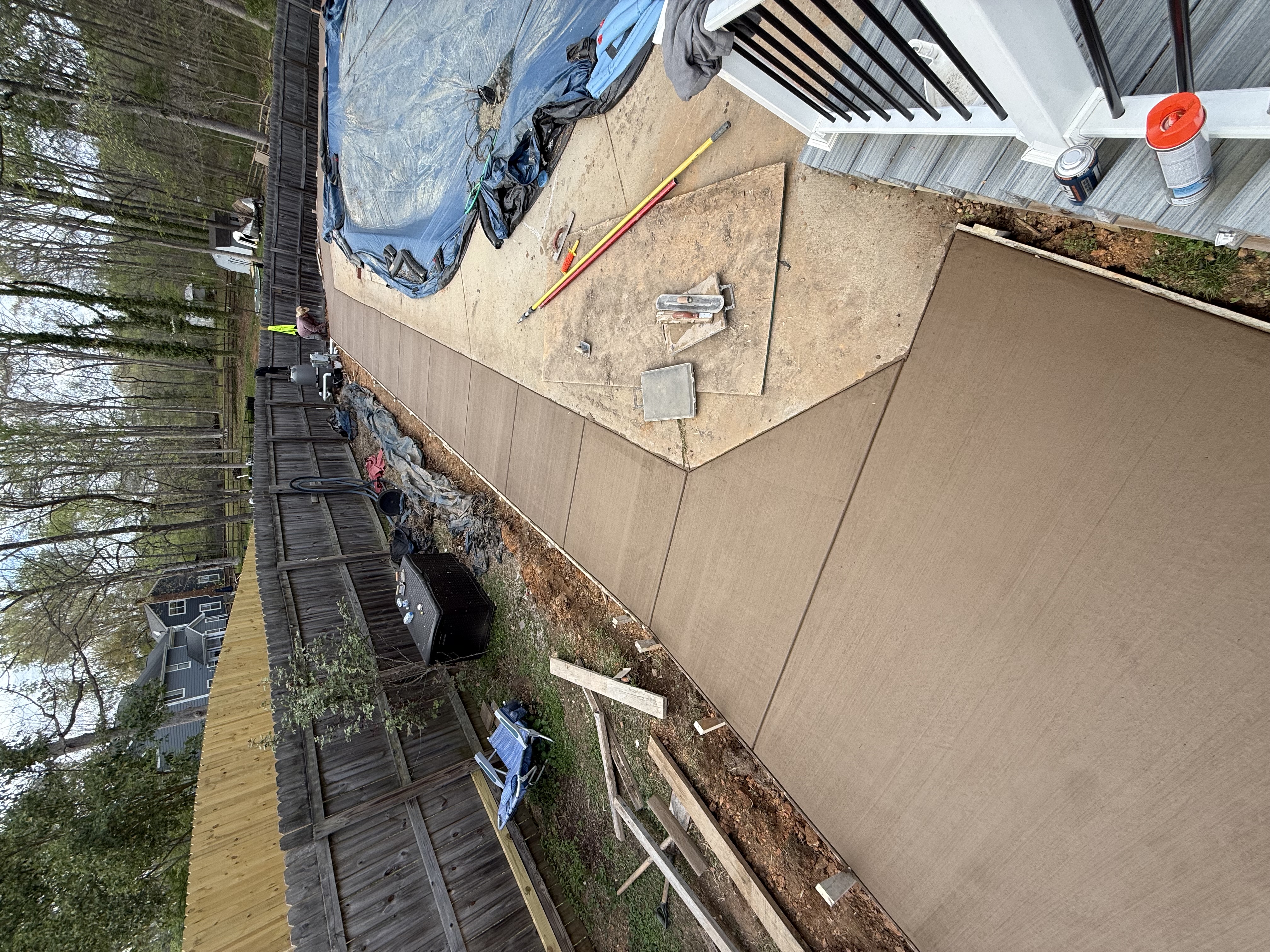
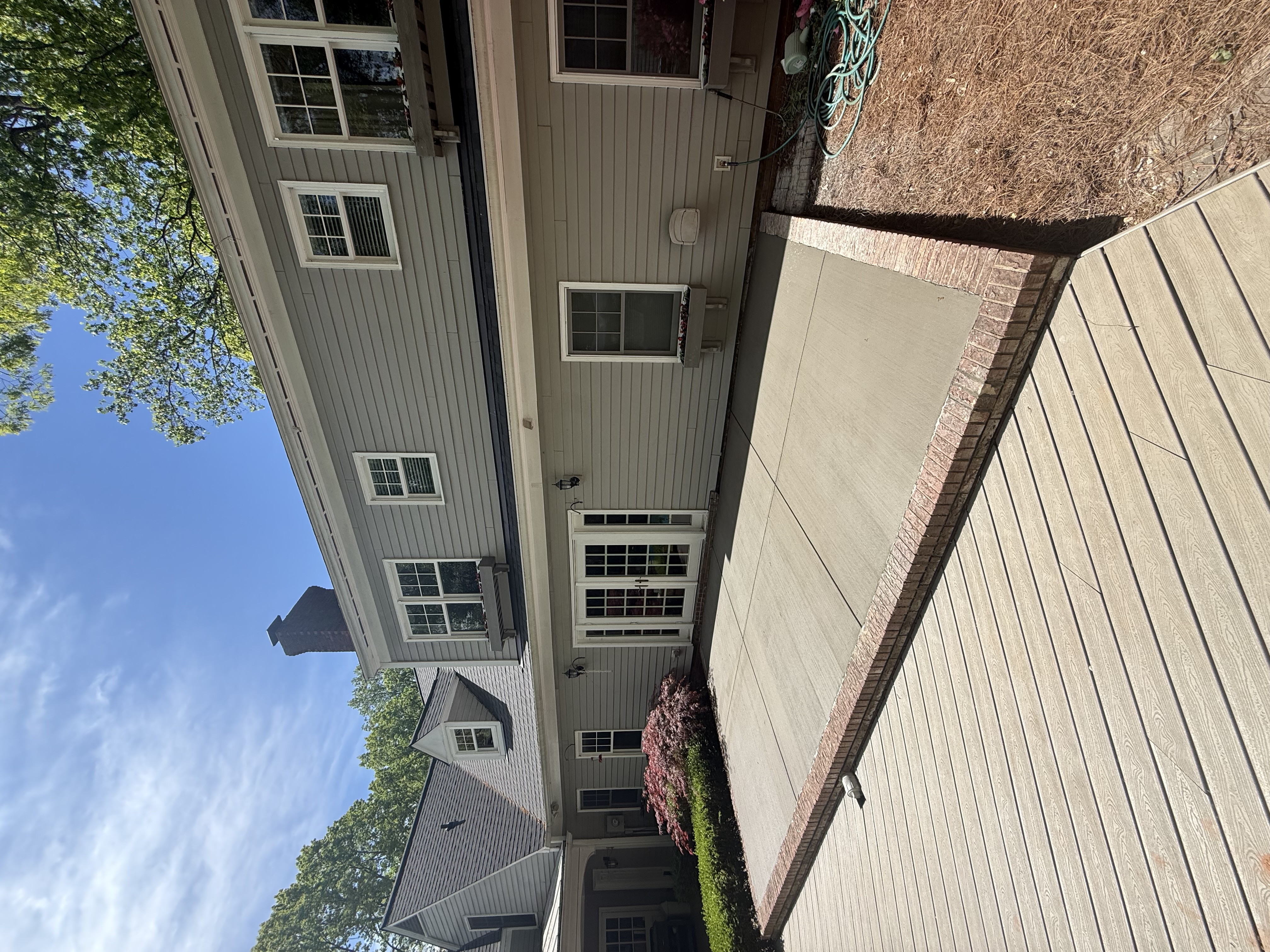
Real customer jobs we've poured. Swipe through and picture yours next.
Pool Decks
Recent Job
Pool Decks
Recent Job
Pool Decks
Recent Job
Pool Decks
Recent Job
Pool Decks
Recent Job
Pool Decks
Recent Job
Pool Decks
Recent Job
Pool Decks
Recent Job
Pool Decks
Recent Job
Pool Decks
Recent Job
Pool Decks
Recent Job
Pool Decks
Recent Job
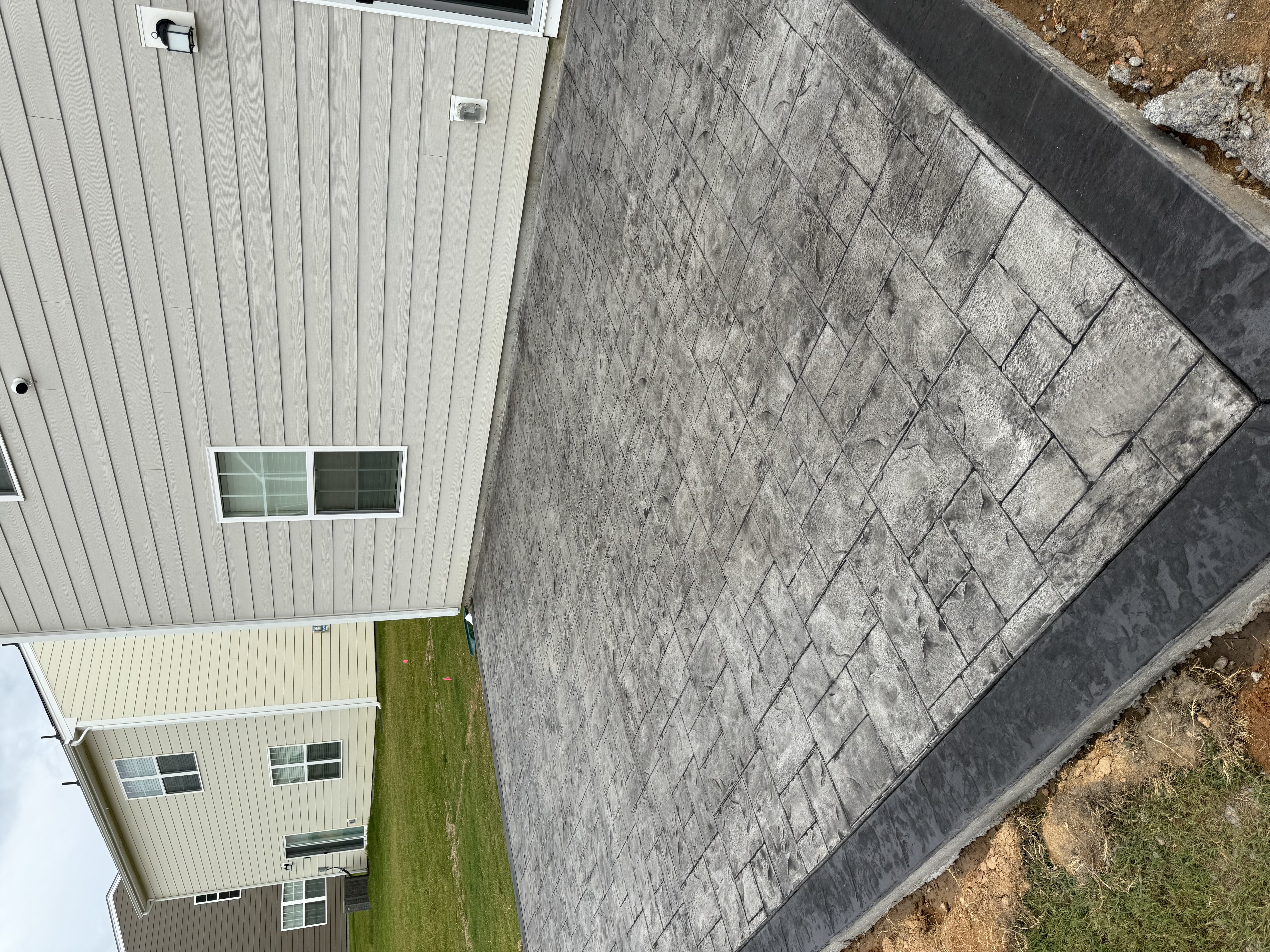
Pool Decks
Recent Job
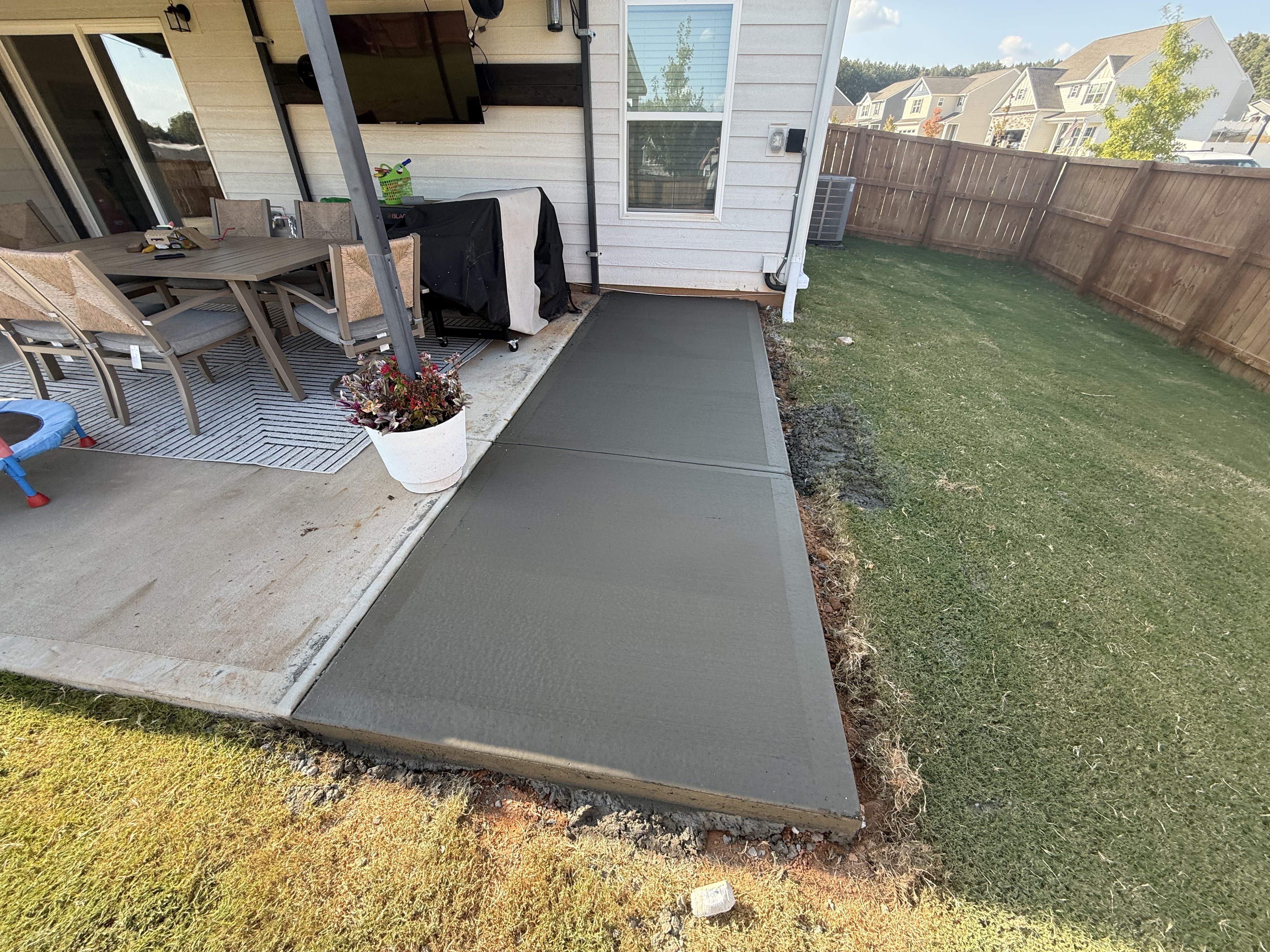
Pool Decks
Recent Job
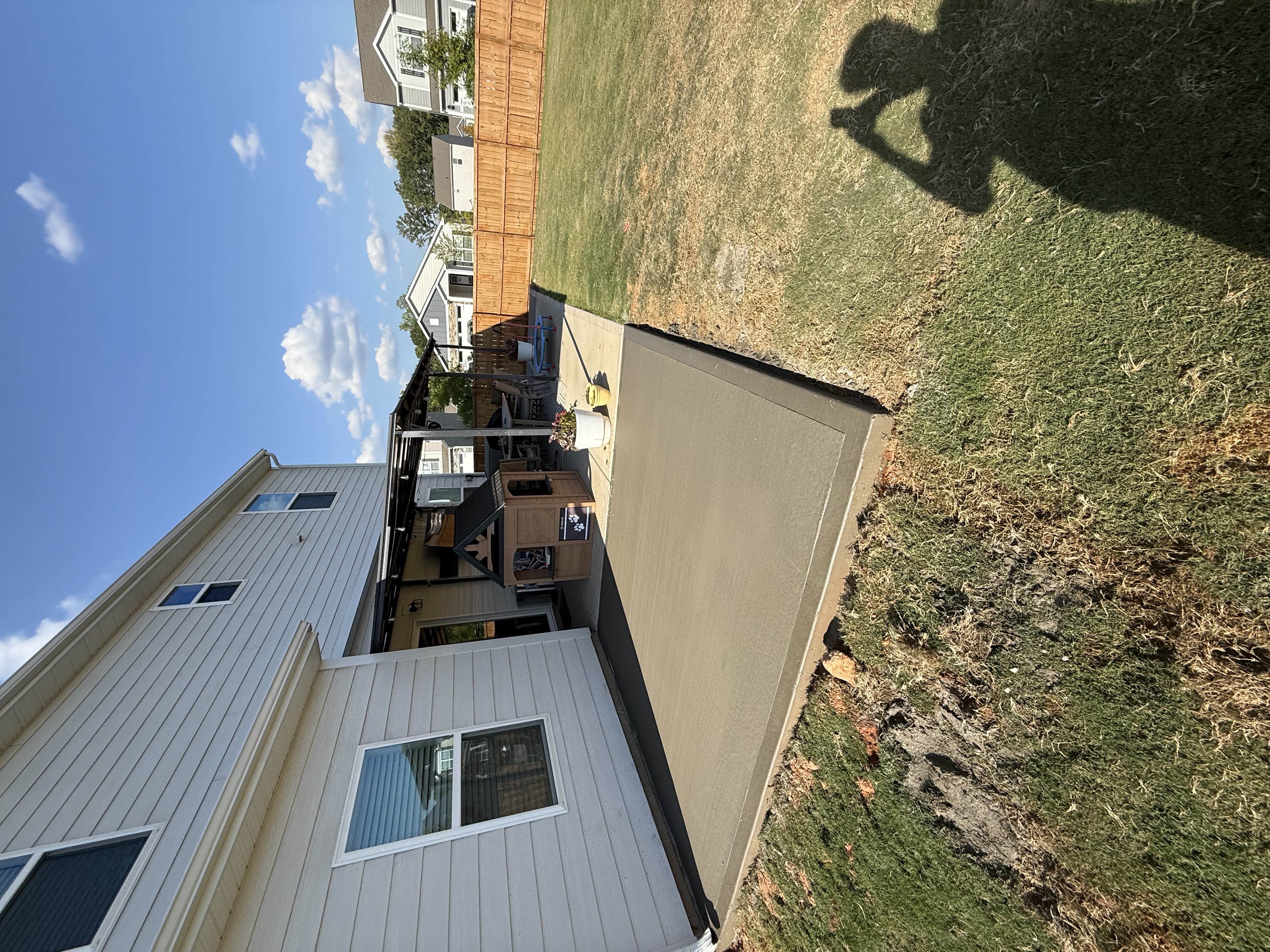
Pool Decks
Recent Job
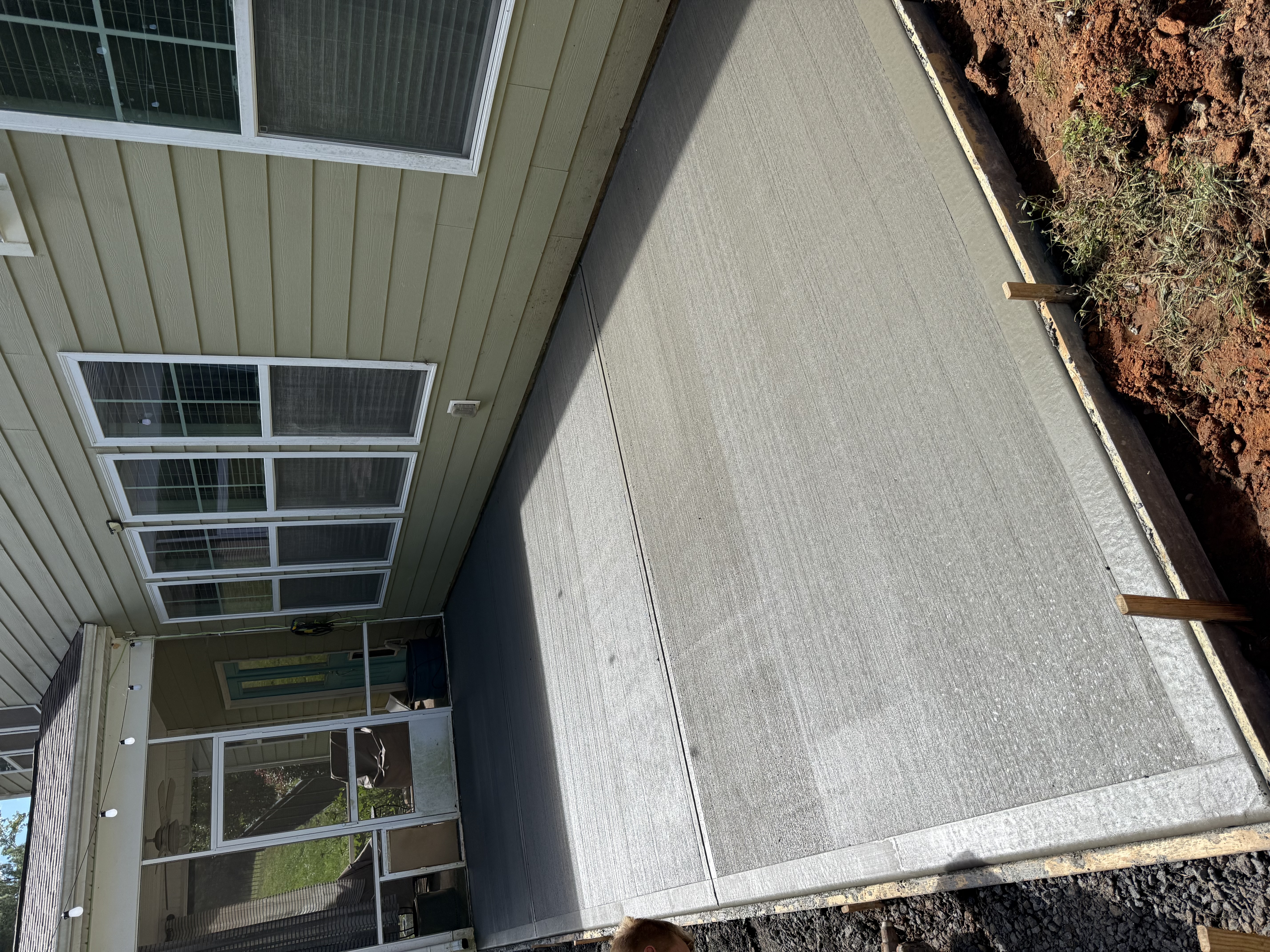
Pool Decks
Recent Job
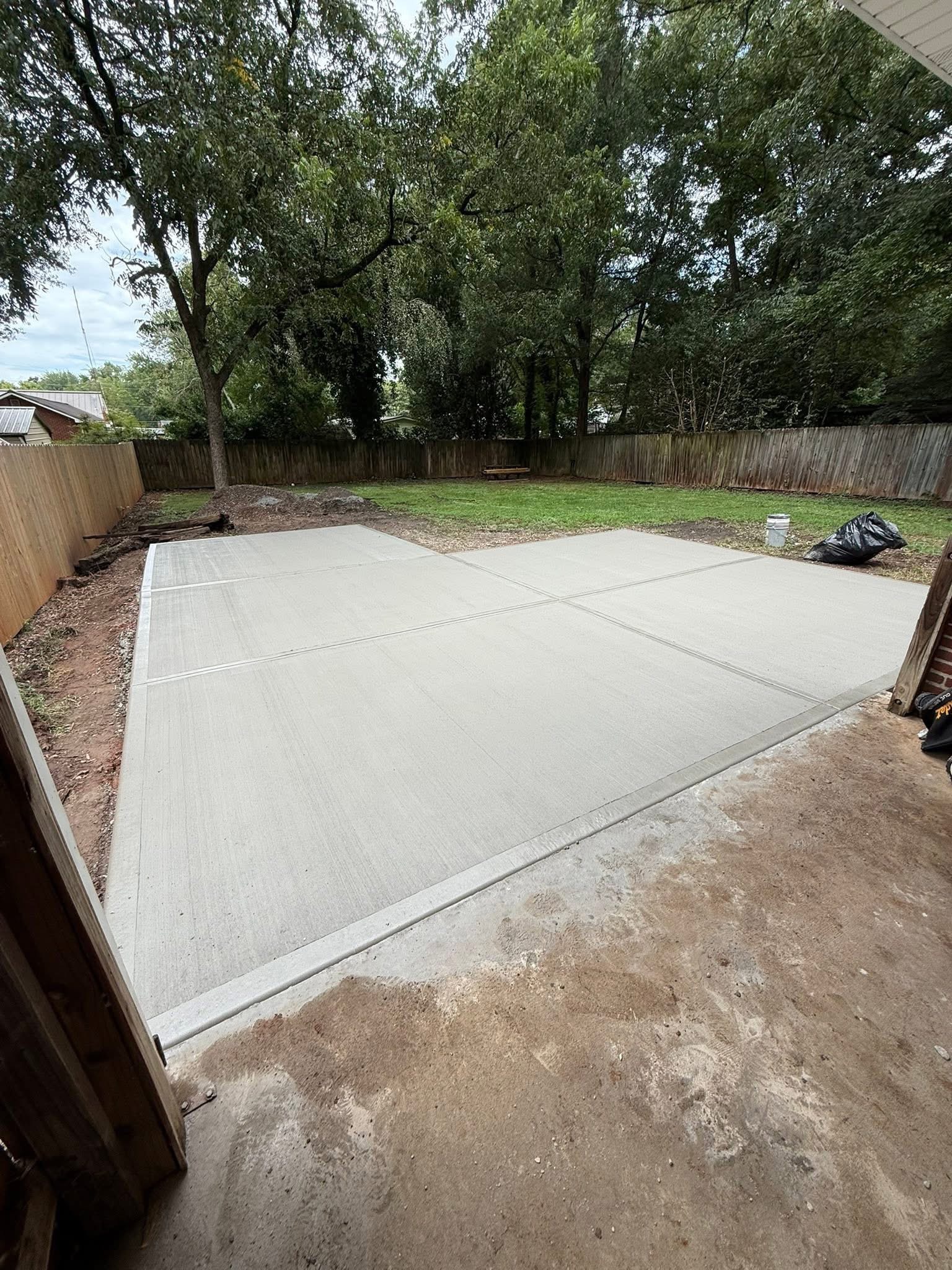
Pool Decks
Recent Job
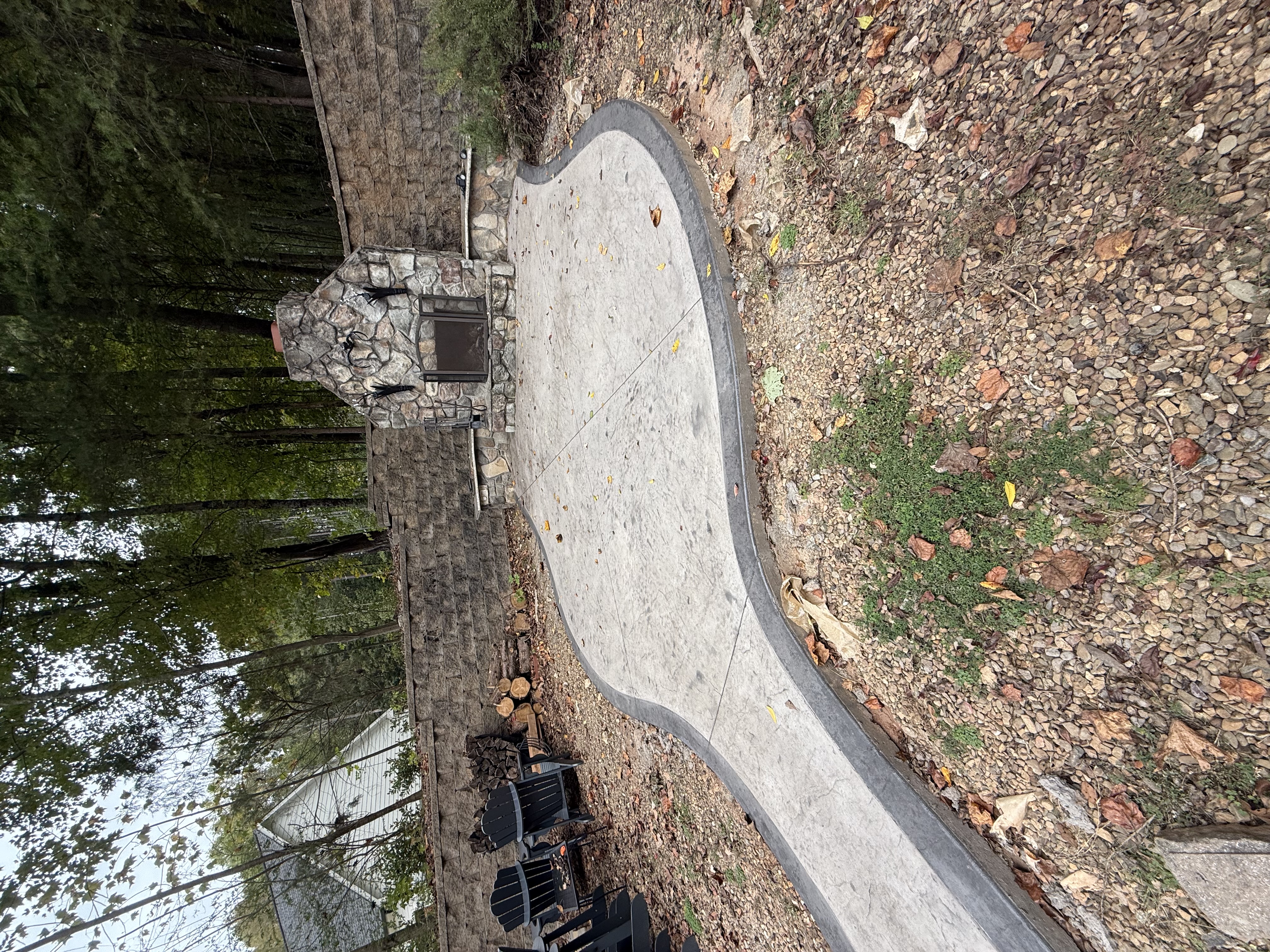
Pool Decks
Recent Job
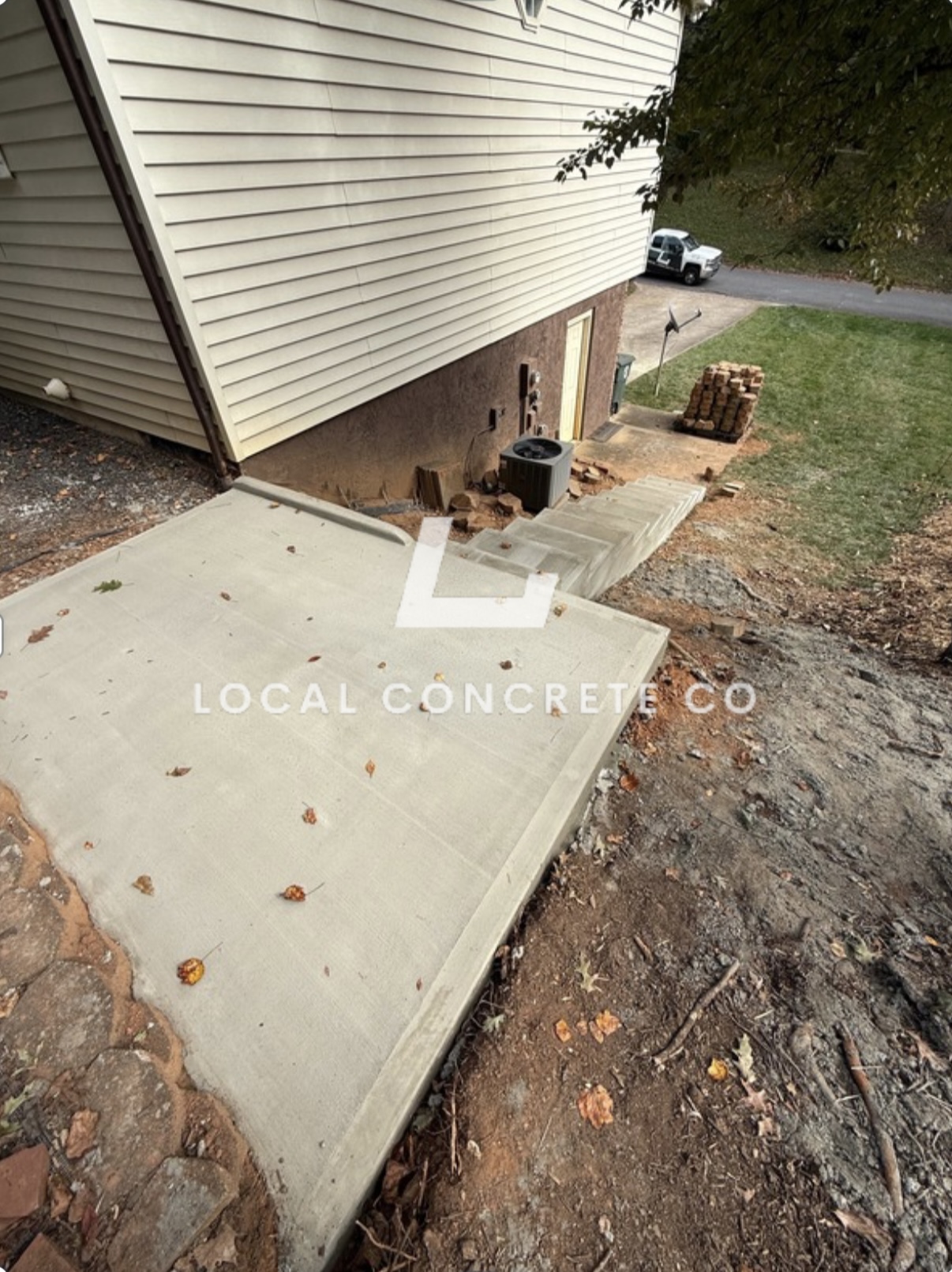
Pool Decks
Recent Job
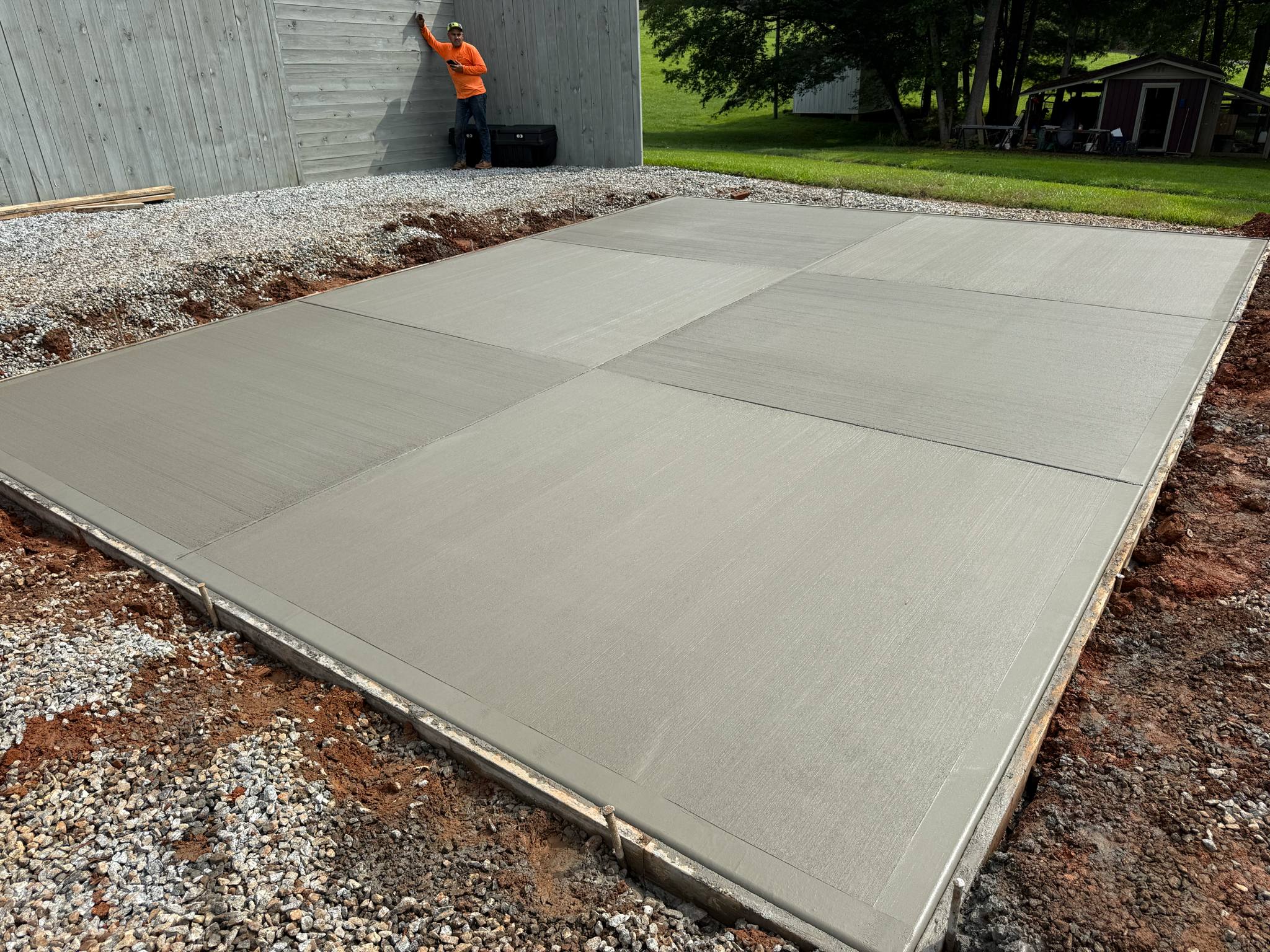
Pool Decks
Recent Job
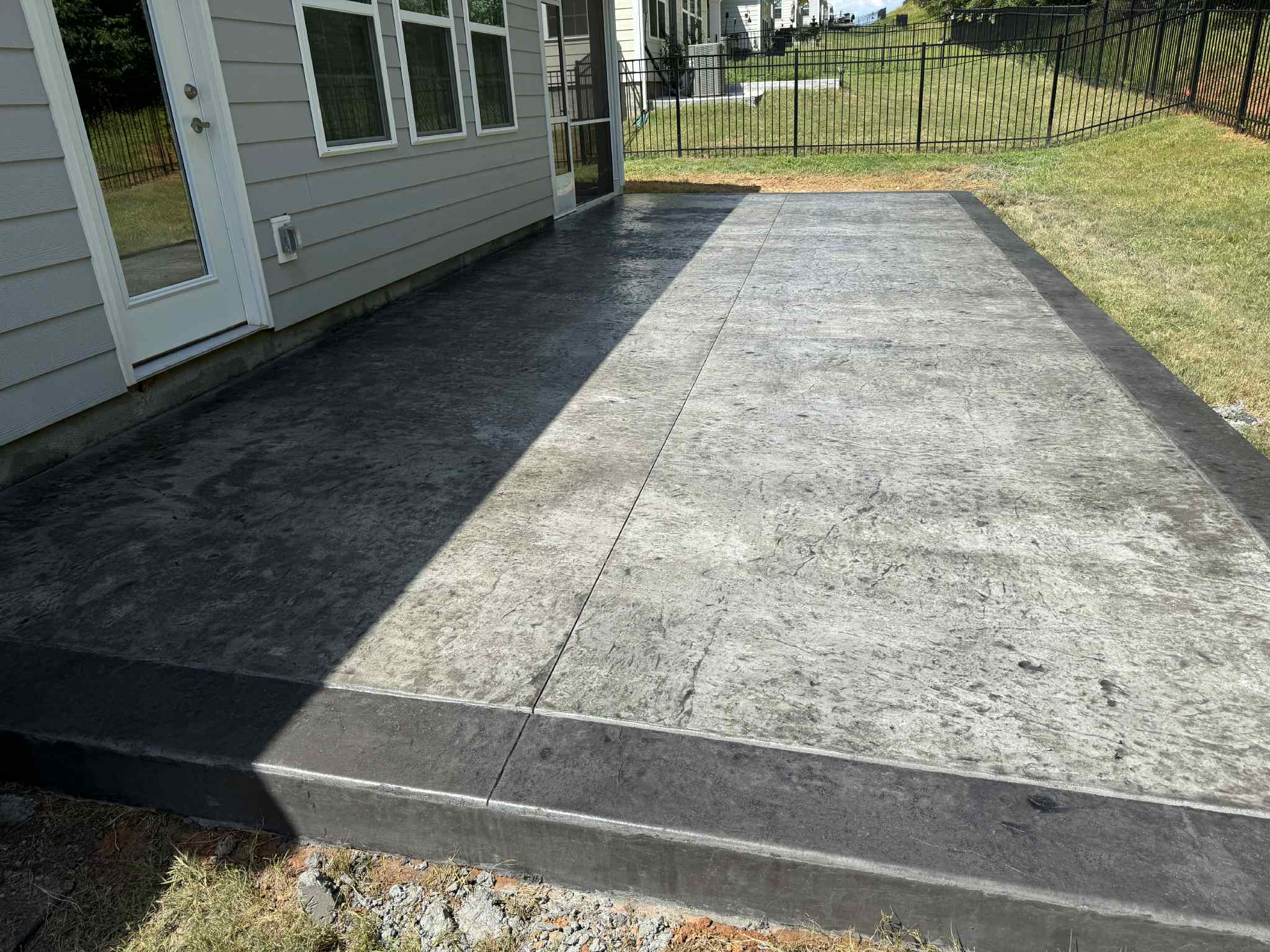
Pool Decks
Recent Job
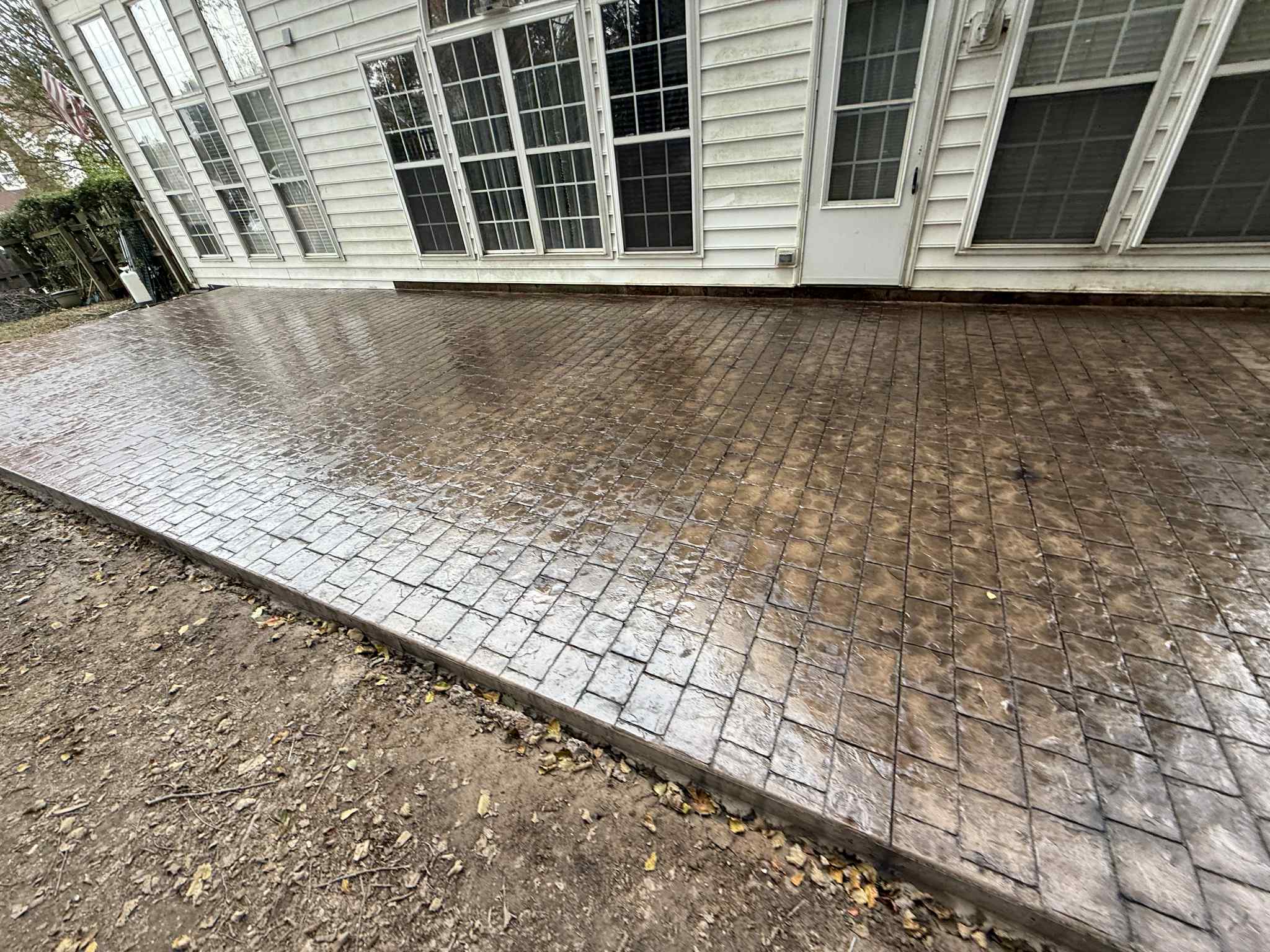
Pool Decks
Recent Job
Real Projects We've Completed
A cross-section of our real project work — driveways, patios, porches, pool decks. Every pair below is a real Local Concrete Contractor install.
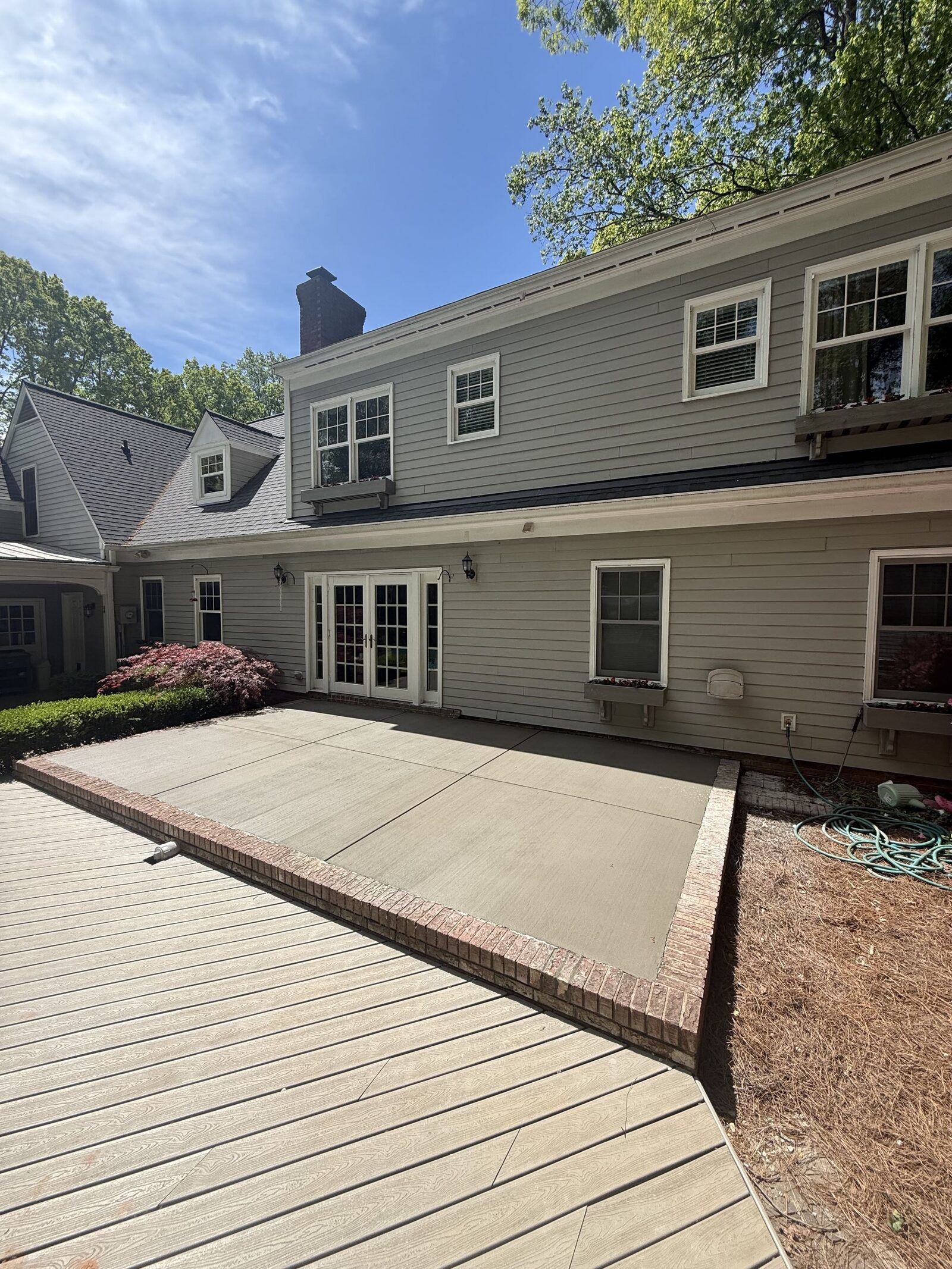

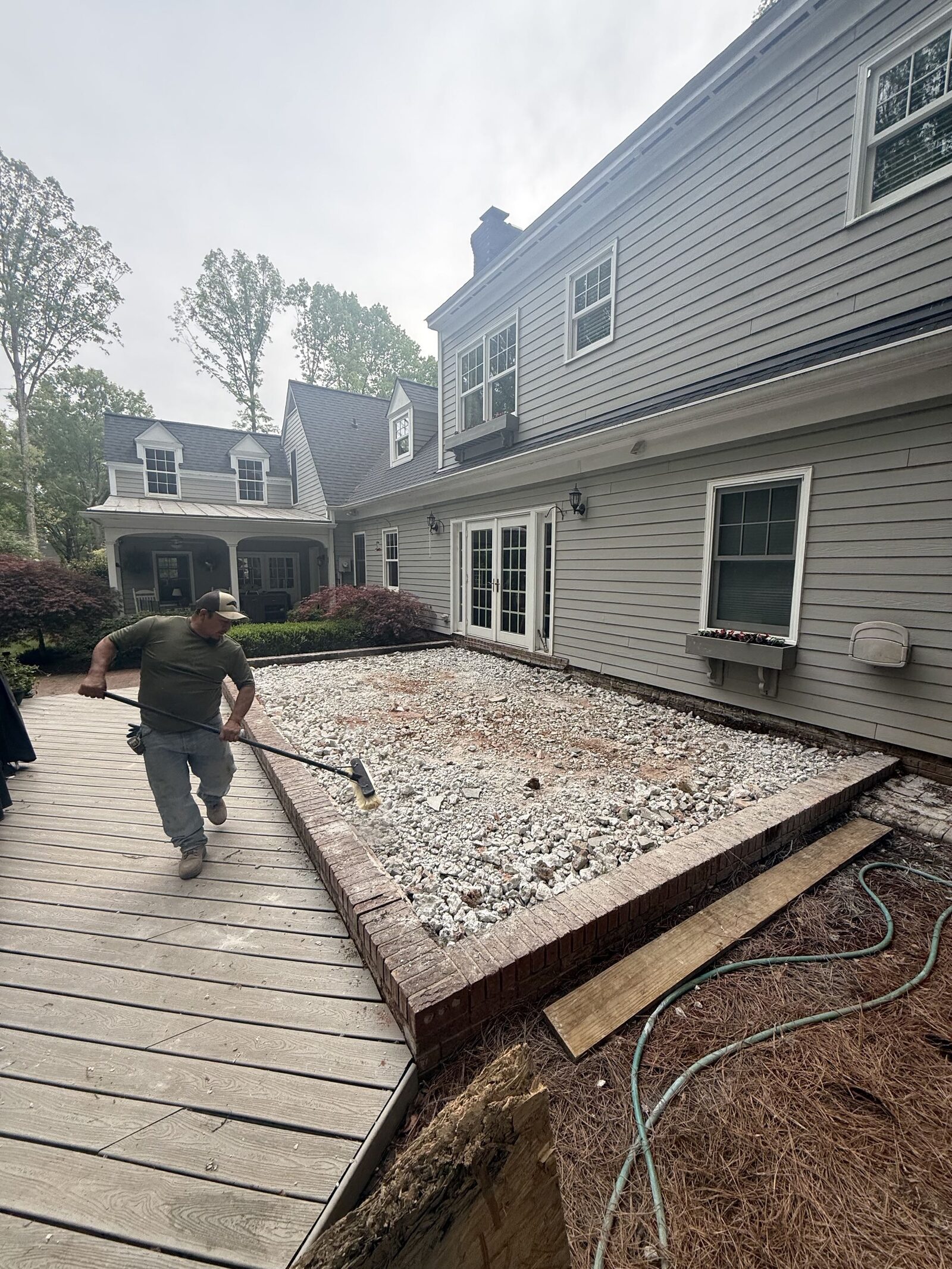
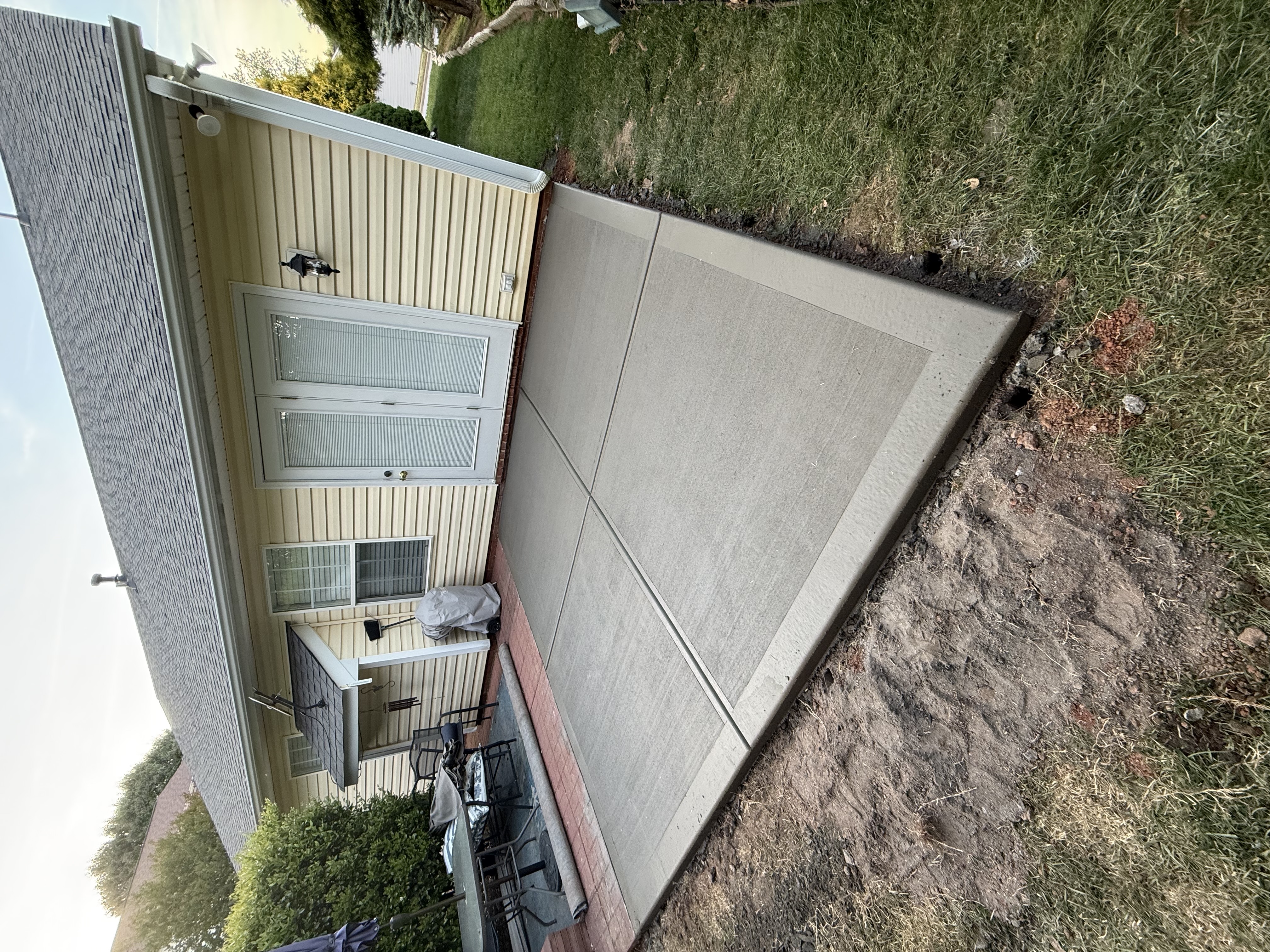
Backyard Patio
Full tear-out, new pour with brick-border detail
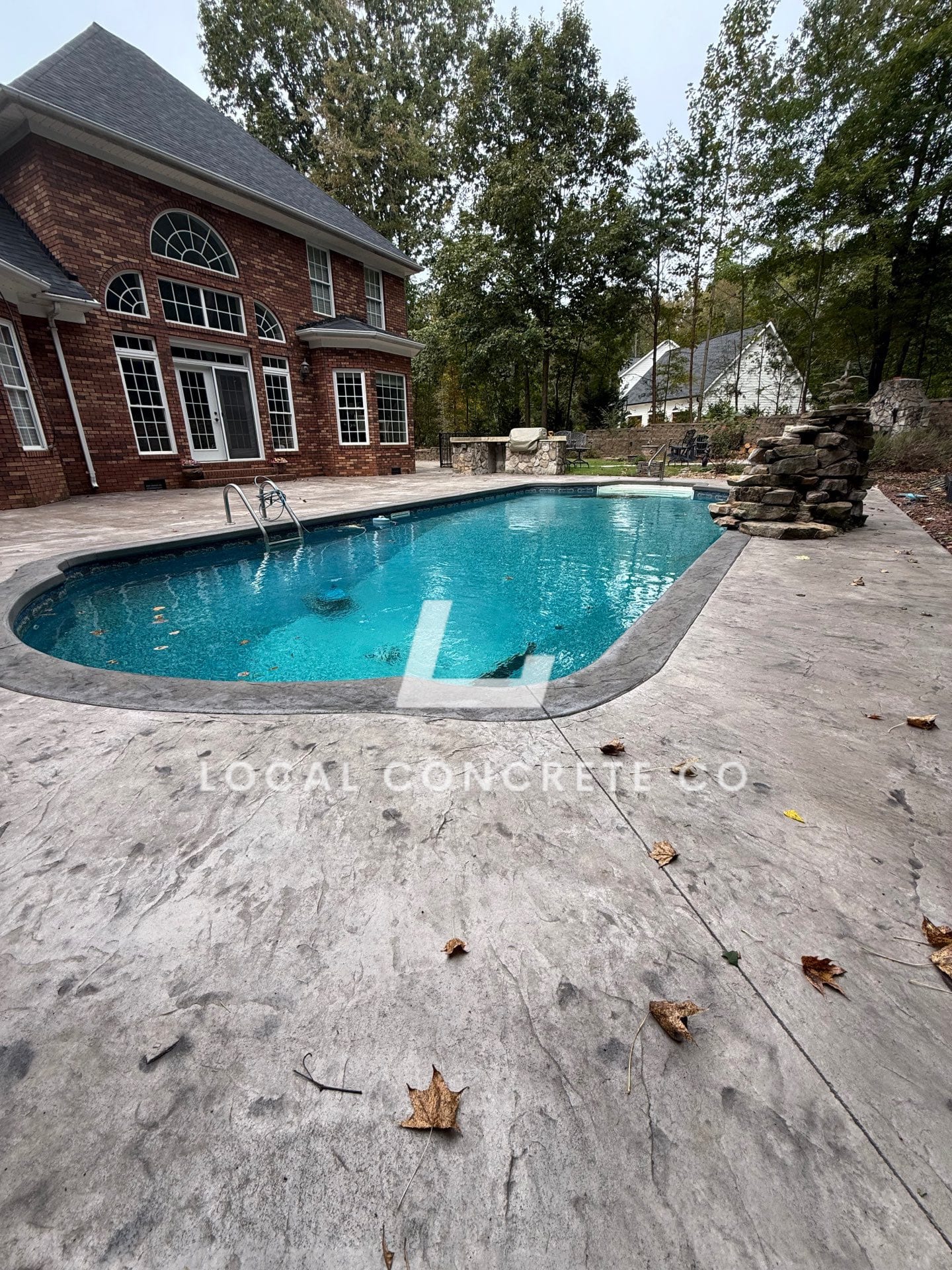
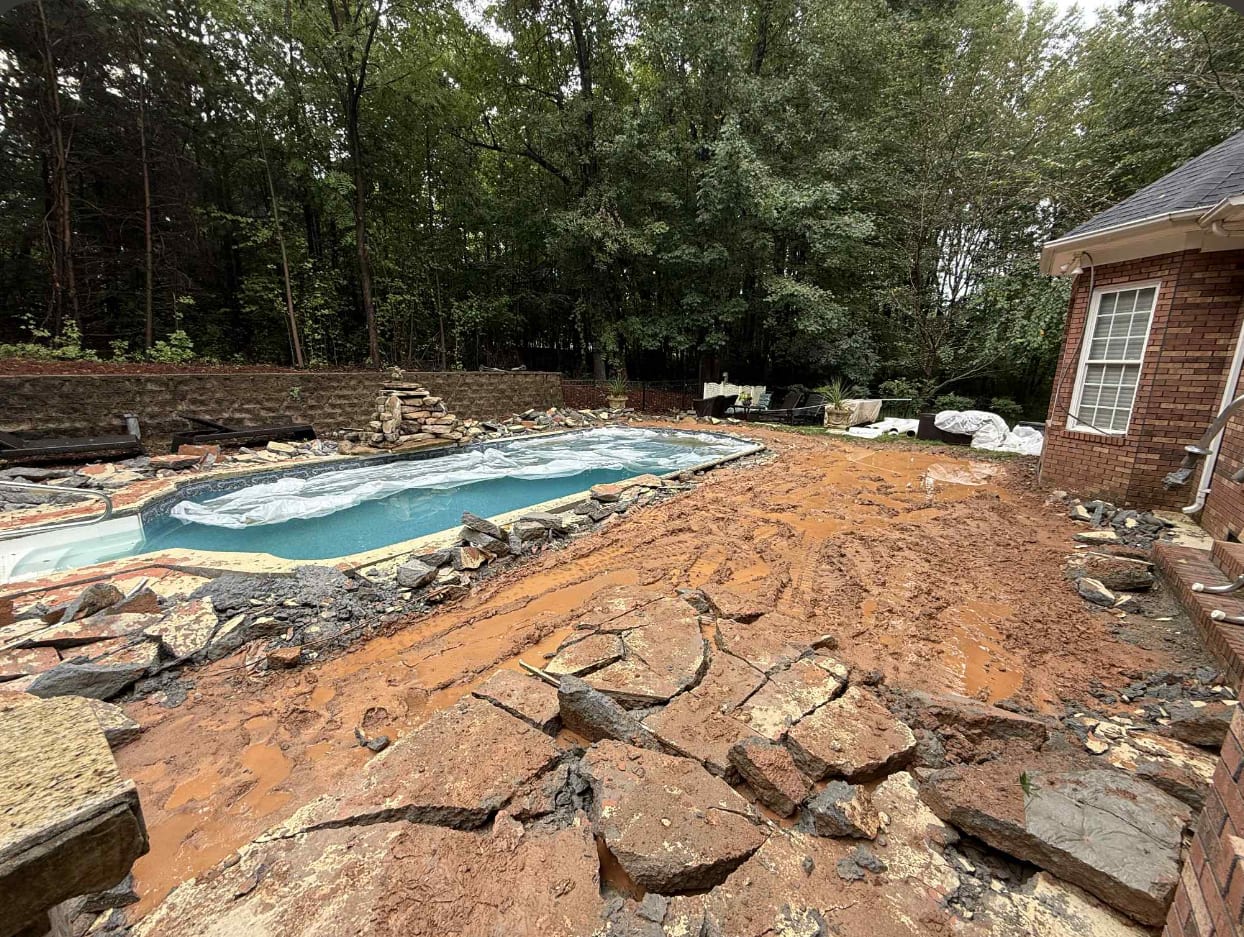
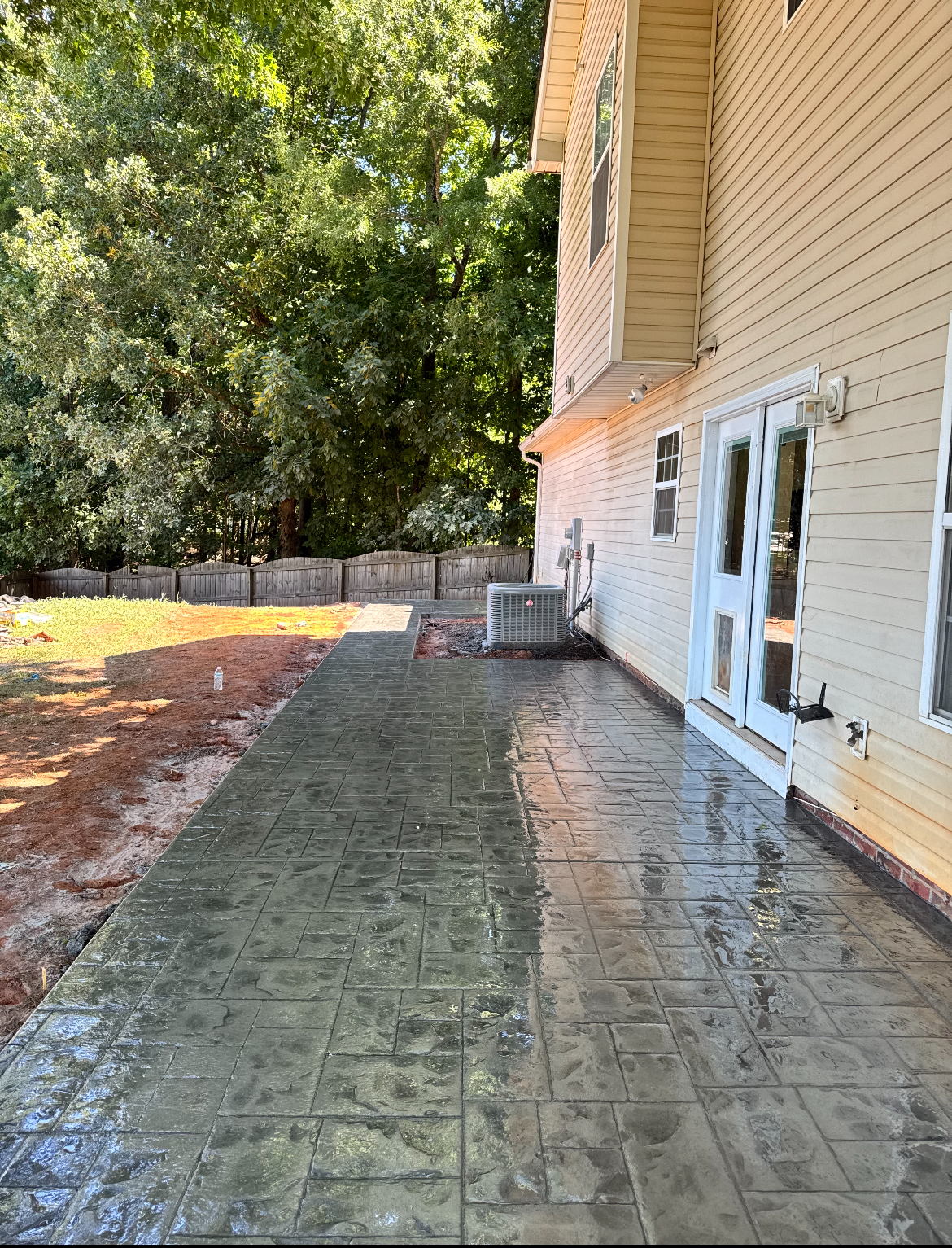
Stamped Pool Deck
Weathered deck replaced with textured stamped pour
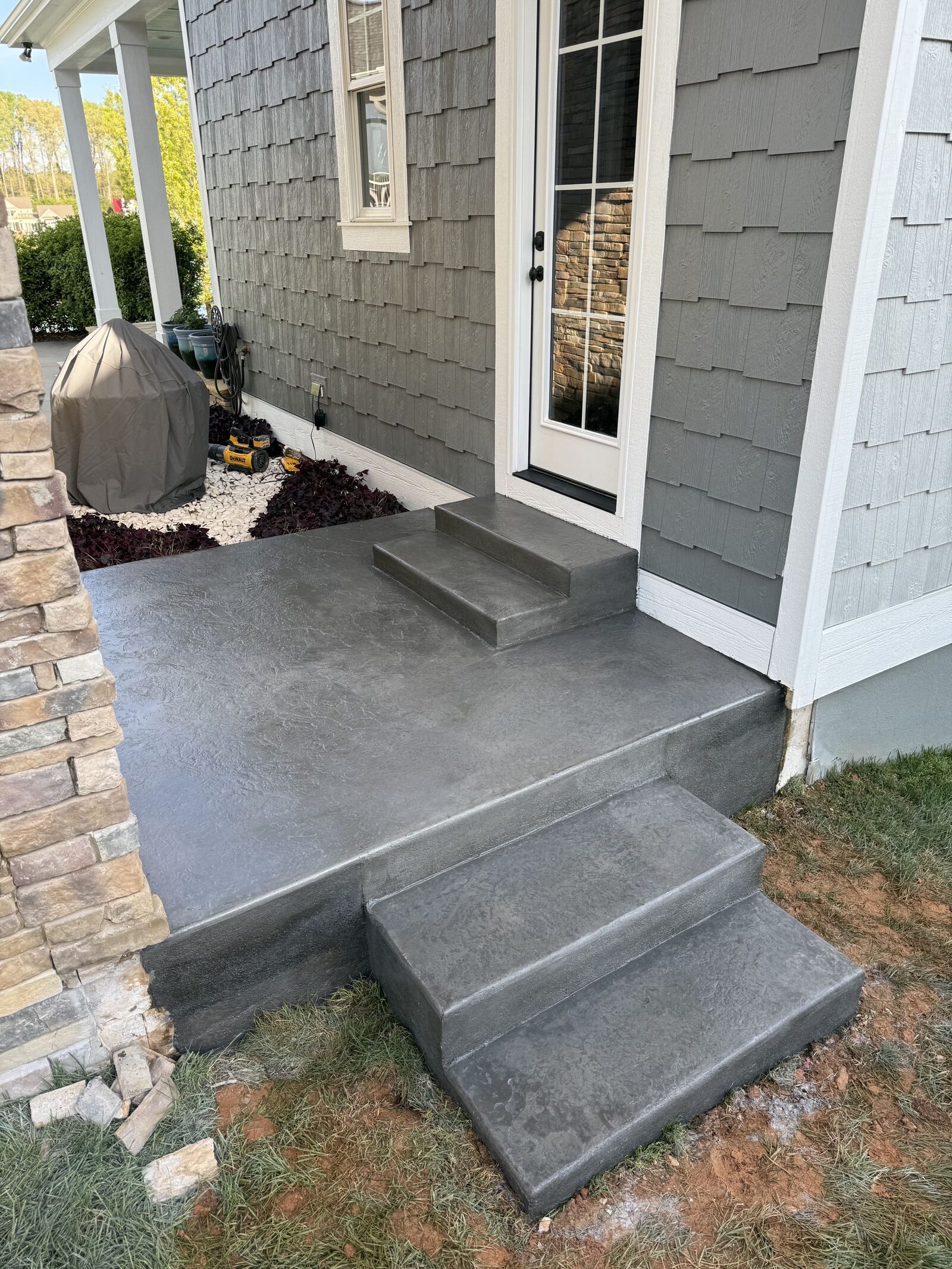
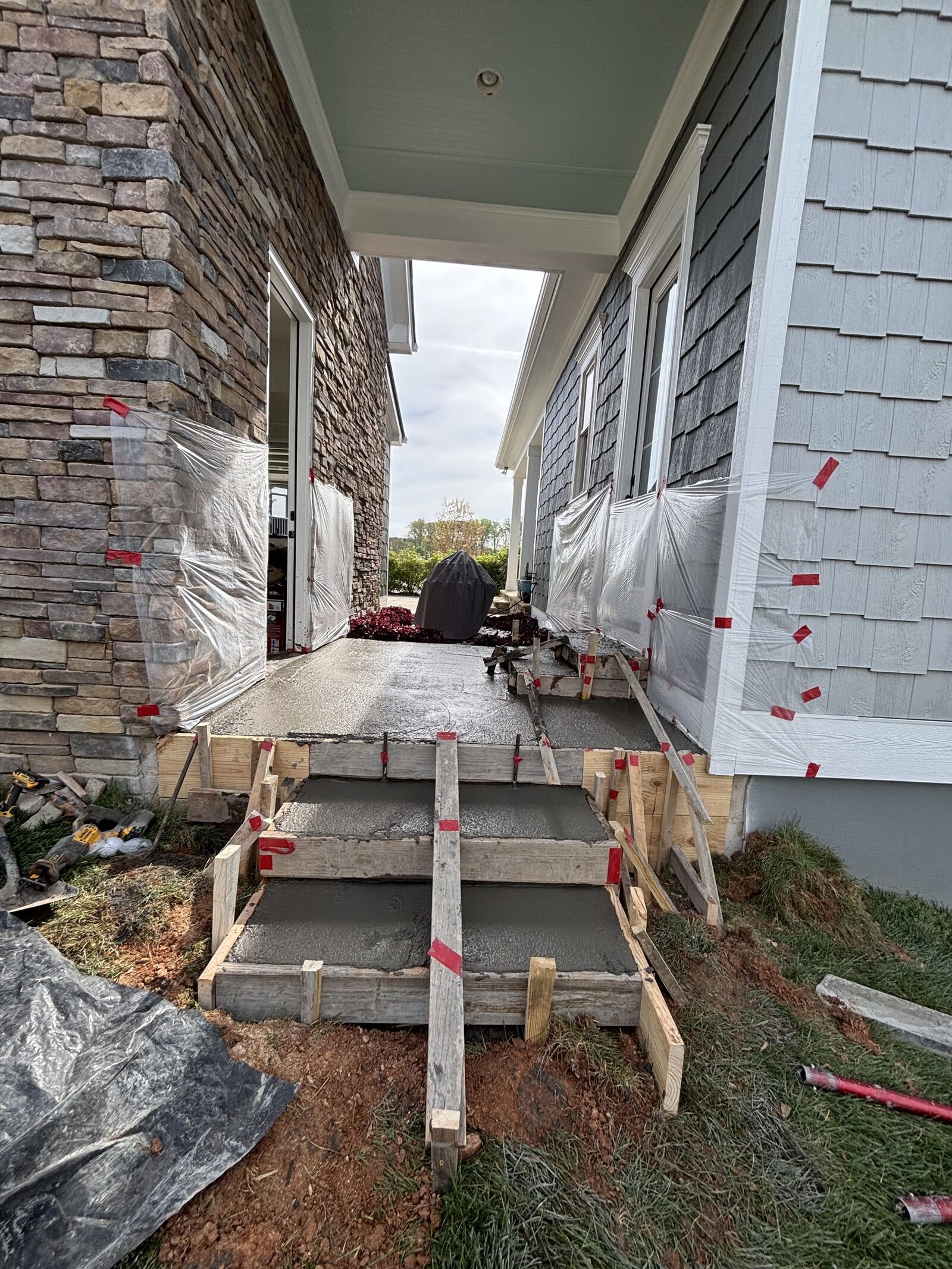
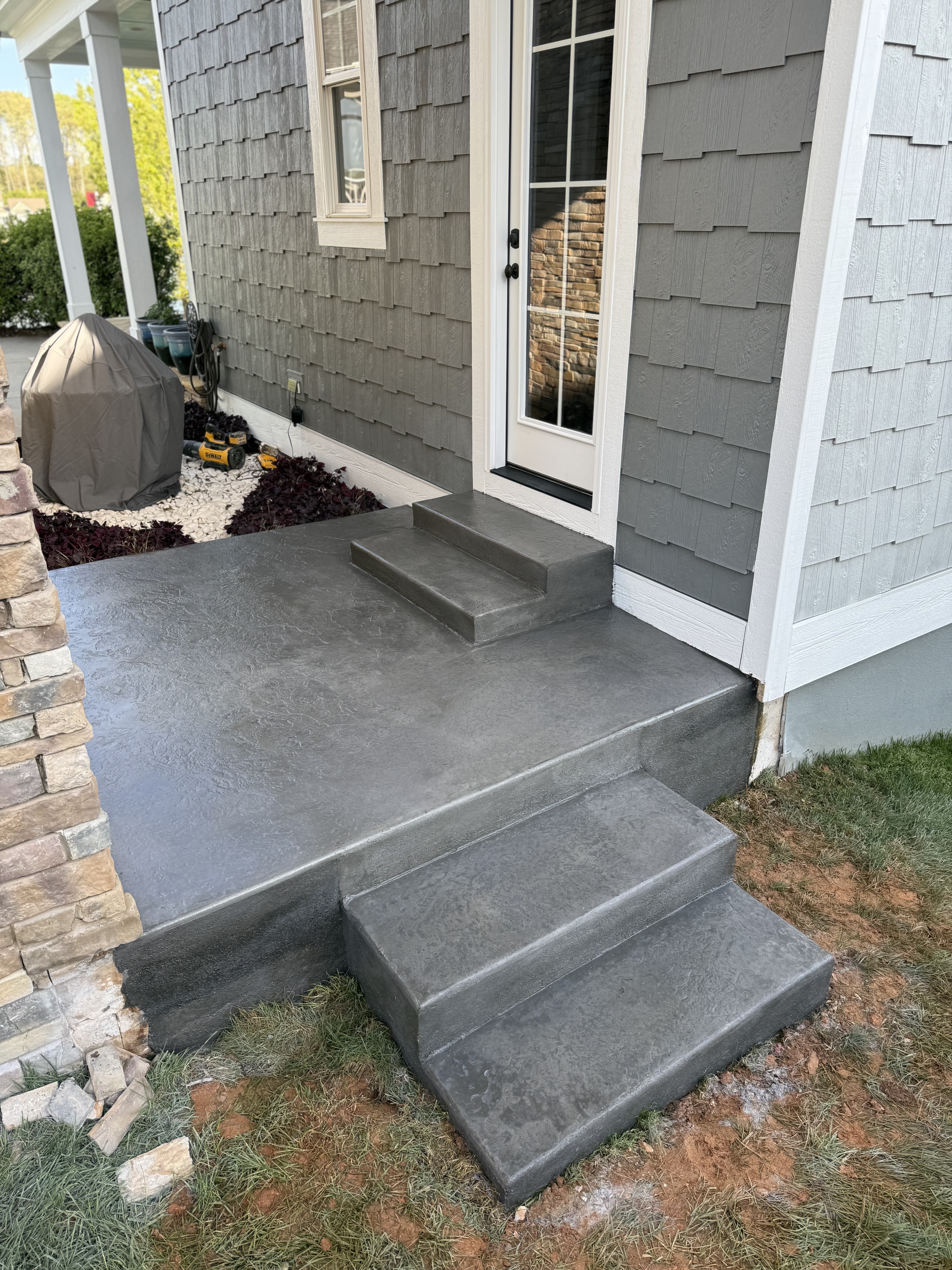
Front Porch & Steps
New entry pad plus poured steps to the door
A pool deck lives in the harshest slab environment on a residential property. It sees standing water most of the summer, chlorine and salt splashing across the surface, wet bare feet demanding traction, and NC freeze-thaw pulling at the top paste every winter. On top of that, the deck has to stay in the same plane as the pool coping without ever transferring load into the pool shell. When a pool deck fails — spalling, sliding, cracking into the coping — it's almost always because one of those constraints got compromised at install. Getting slip resistance, drainage, and the coping joint right up front is what separates a deck that lasts thirty years from one that starts spalling in five.
Local Concrete Contractor pours new residential pool decks across North Carolina. Every job starts with a site walk — we look at the pool coping condition, existing grade, drainage direction, the deck footprint, the finish preference for wet traction, and how the deck will tie into any adjacent patio, walkway, or house structure. That walk turns into a written spec: base prep, mix design, thickness, reinforcement, slip finish, coping isolation joint, drainage plan, and any expansion joint layout. You see the number and you see where it came from. Zero deposit, no pressure sales, no assumptions baked into the quote.
Our Concrete Pool Deck Services
Pool deck work covers a lot more than a strip of concrete around the pool. Each variation changes the finish choice, drainage plan, and coping isolation detail.
- New concrete pool deck installation on new pools and existing pool renovations
- Full deck replacements where the existing deck has failed and needs to come out around the pool
- Deck extensions — adding a larger seating area, a sun-lounger zone, or a full outdoor entertaining pad off the existing deck
- Deck-to-patio ties where the pool deck connects to a covered patio, screened porch, or outdoor kitchen
- Broom, salt, exposed aggregate, and stamped finishes selected for wet-foot traction and NC sun
- Cool-deck style finishes and integral color for surfaces that need to stay cooler under summer sun
- Resurface options over existing structurally-sound decks where the finish has worn or spalled cosmetically
- Coping-adjacent detail work — clean saw-cut isolation joints and matched finish at the pool edge
- Expansion joint layout across large decks to handle thermal movement
On a resurface job, the underlying deck has to actually be sound — spalling, wide cracks, or panel settlement mean the resurface will pull up within a few seasons. We walk the deck, tell you whether it's a resurface or a full replace conversation, and price both.
Slip Resistance — Which Finish Actually Works Around a Pool
Wet feet on smooth concrete is how people slip and fall. Every legitimate pool deck finish choice is a slip-resistance decision first and an aesthetic decision second. Not every finish that looks good on a patio belongs around a pool.
- Broom finish — the default for pool decks. A medium-to-stiff broom pull across the fresh surface produces a directional texture that grips wet feet well without being aggressive enough to scrape skin. Low cost, high traction, easy to patch or replace a panel later
- Salt finish — coarse salt broadcast into fresh concrete then washed out, leaving a pocked texture. Distinctive look, excellent wet traction, common on modern pool builds
- Exposed aggregate — the top paste is washed off after set to reveal stone underneath. Very high traction on wet feet, forgiving of chlorine and salt splash, distinctive appearance. Sometimes chosen for the entire deck or for a border band
- Stamped concrete with a textured pattern — flagstone, slate, or cobblestone patterns provide surface variation that helps traction; a slip-resistant additive gets mixed into the sealer to prevent the coating from glossing over the texture
- Cool-deck style finishes — a light-color sprayed topping that stays cooler underfoot in NC summer sun; often specified where the deck sees full afternoon sun
What to avoid around a pool: hard-troweled smooth finishes (mirror-slick when wet), high-gloss sealers without a slip additive, and any finish that fills its surface texture with pool debris over time. The finish decision goes on the written spec so there's no last-day surprise.
Get your free quote
We respond in less than 2 hours.
Why Local Concrete Contractor?
- 01.Precision craftsmanship
- 02.Transparent pricing models
- 03.Dedicated project manager
- 04.Zero Deposit Required
Our Concrete Installation Process
Every pool decks we pour runs through the same 18 checkpoints — from the on-site consult through the final walkthrough.
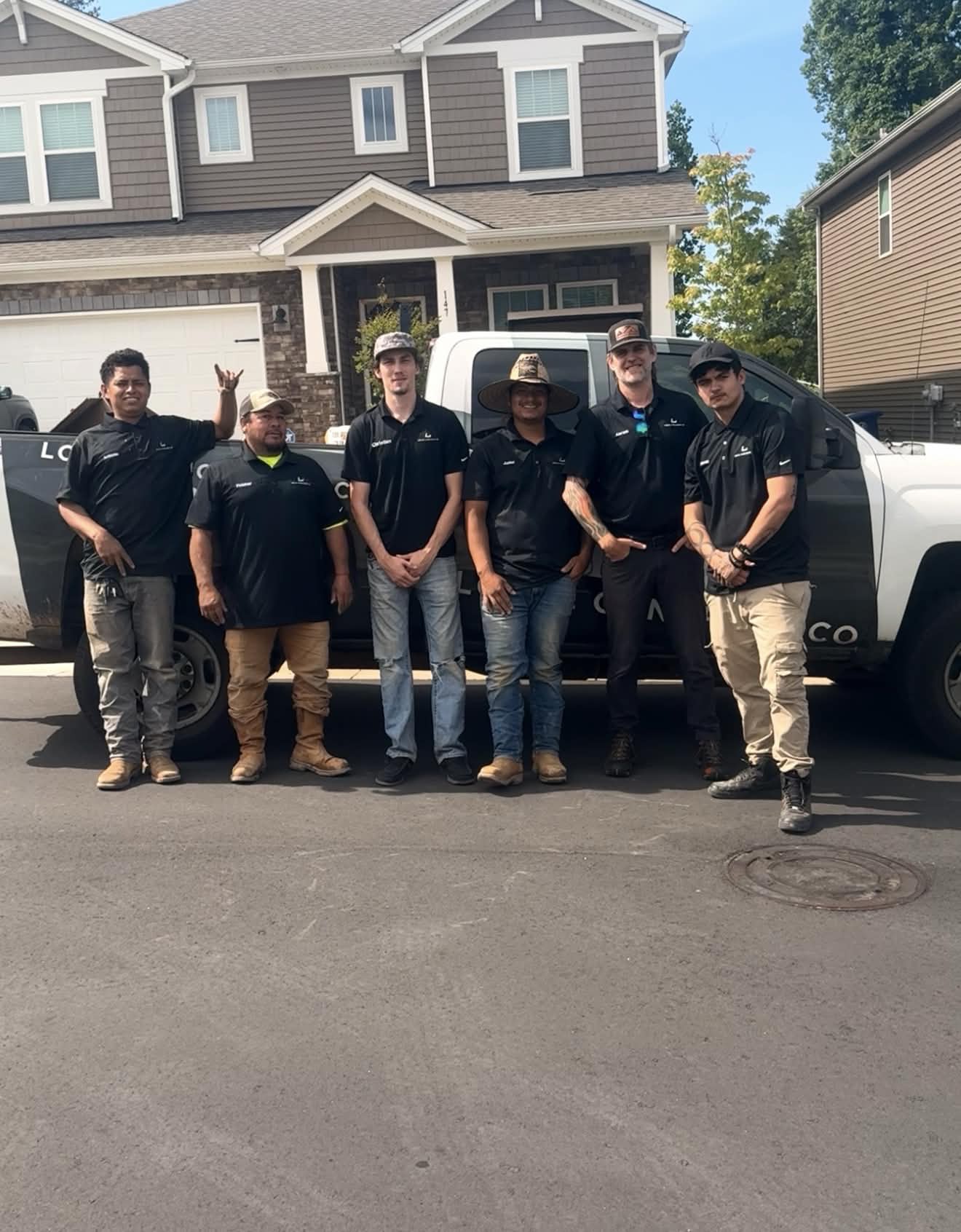
Consultation & Estimate
We meet on-site to assess scope, discuss vision, and provide a detailed, transparent quote tailored to your property.

Logistics & Scheduling
Coordinating crew, equipment, and weather windows to ensure a seamless project start.
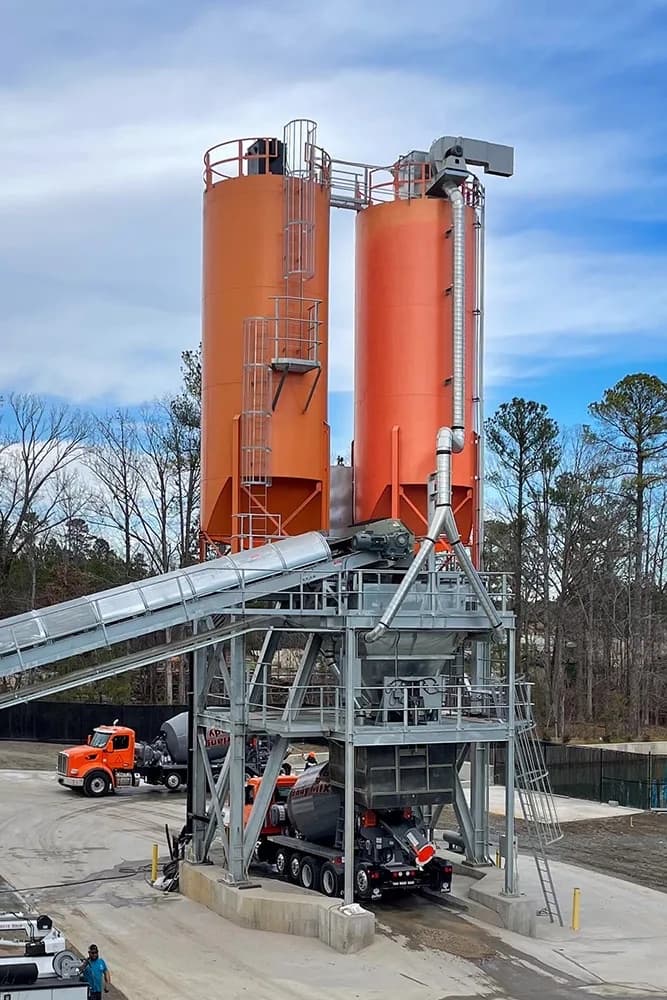
Custom Mix Design
Ordering specific concrete additives and slump requirements based on current temperature and humidity patterns.
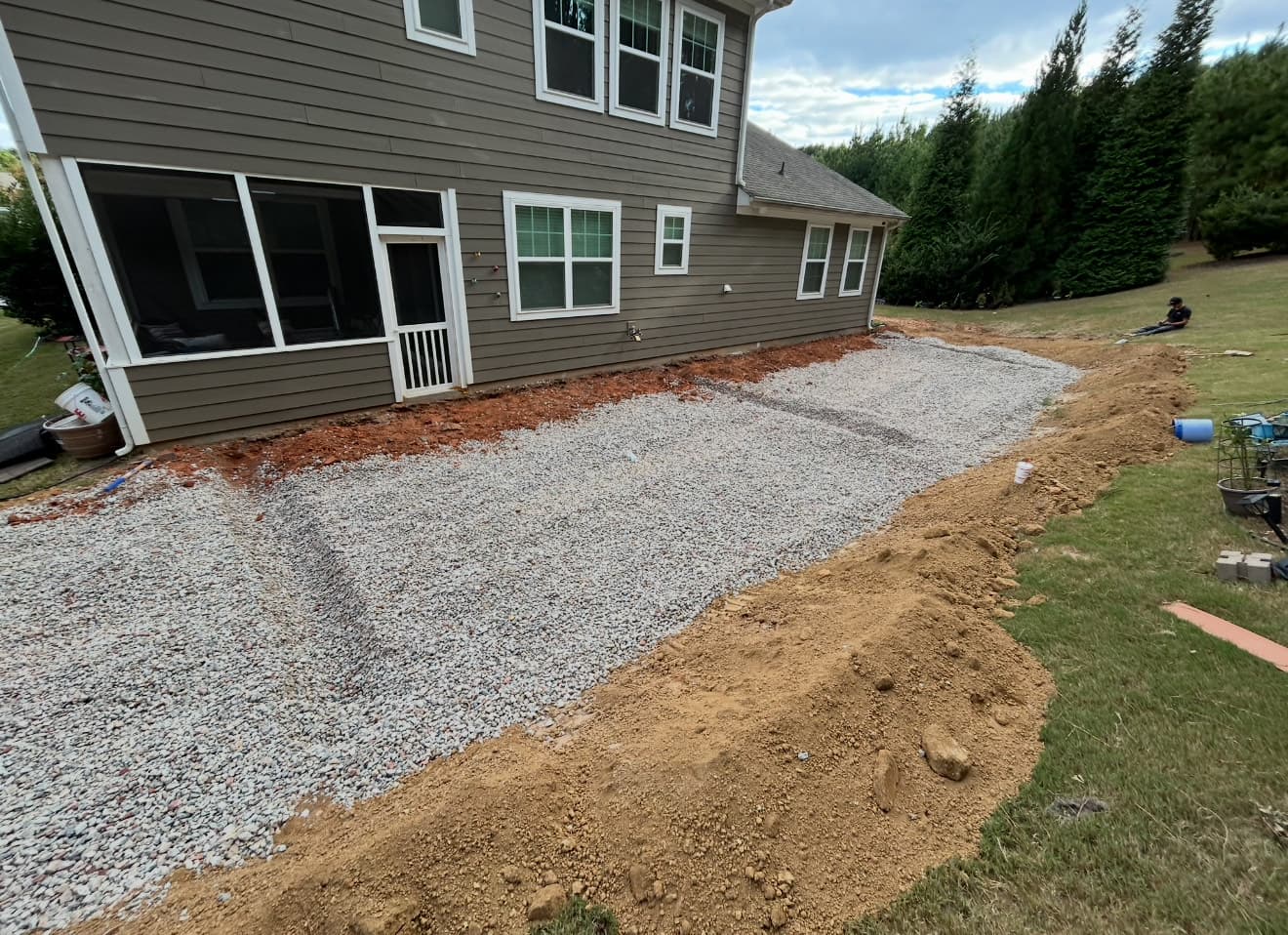
Site Preparation
Preparing the workspace and establishing safe access routes for our equipment and crew.
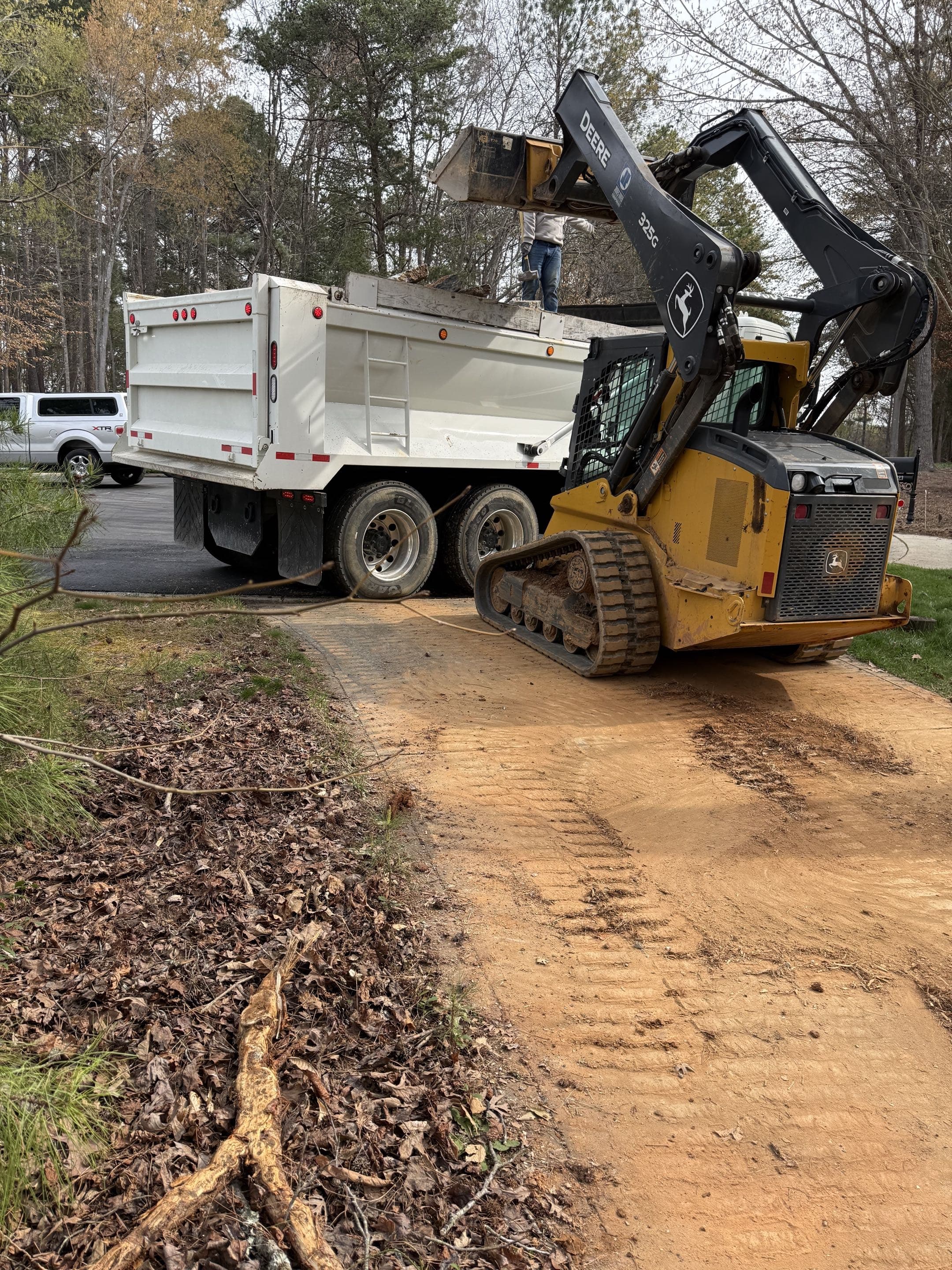
Demolition
Removal and disposal of existing concrete, leaving a clean slate for your new installation.
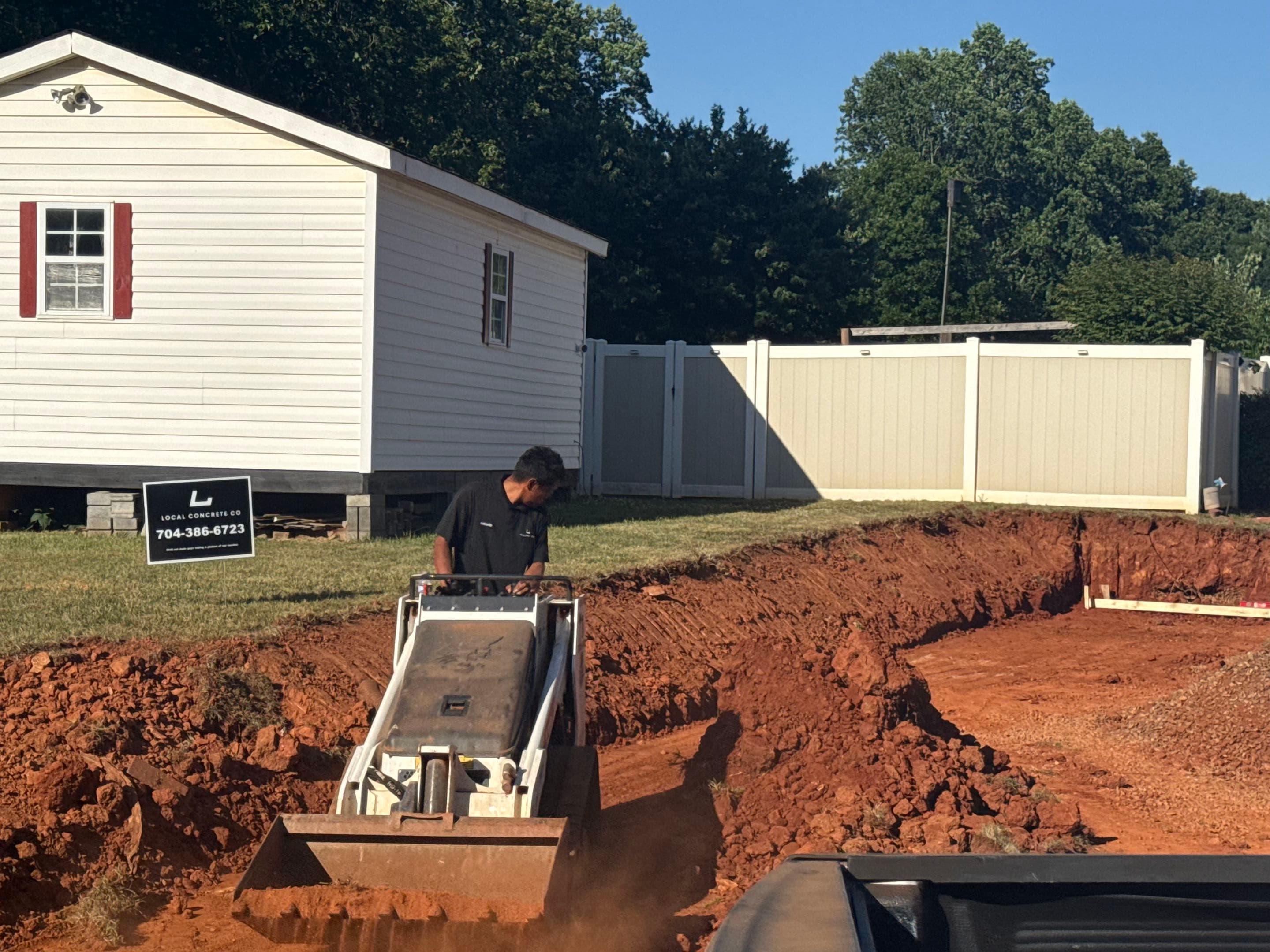
Grading & Forming
Expert grading for proper drainage and setting high-quality lumber forms for clean edges.
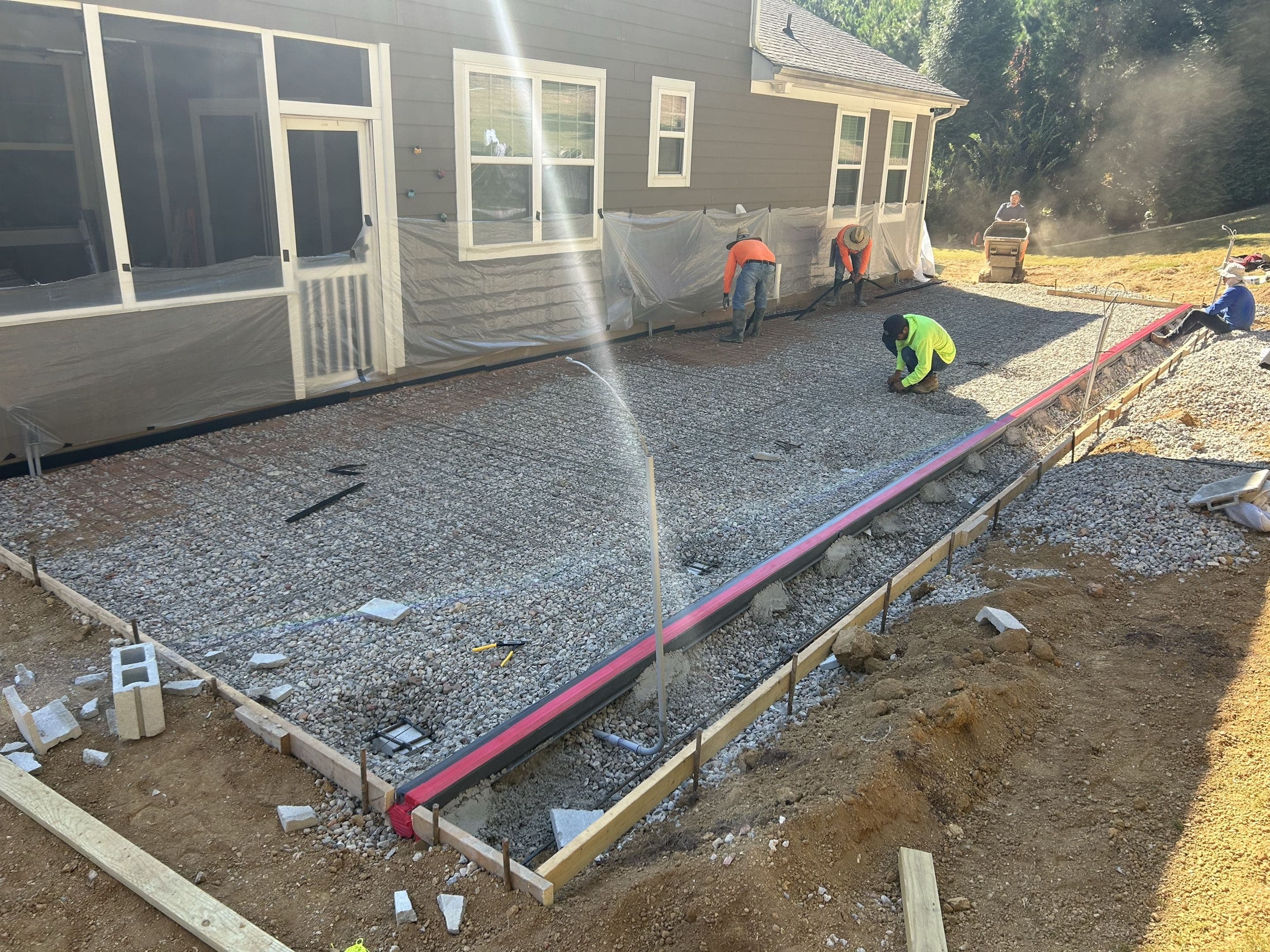
Reinforcement
Installation of steel rebar or wire mesh grid, using 1/2 inch grid for structural tensile strength.
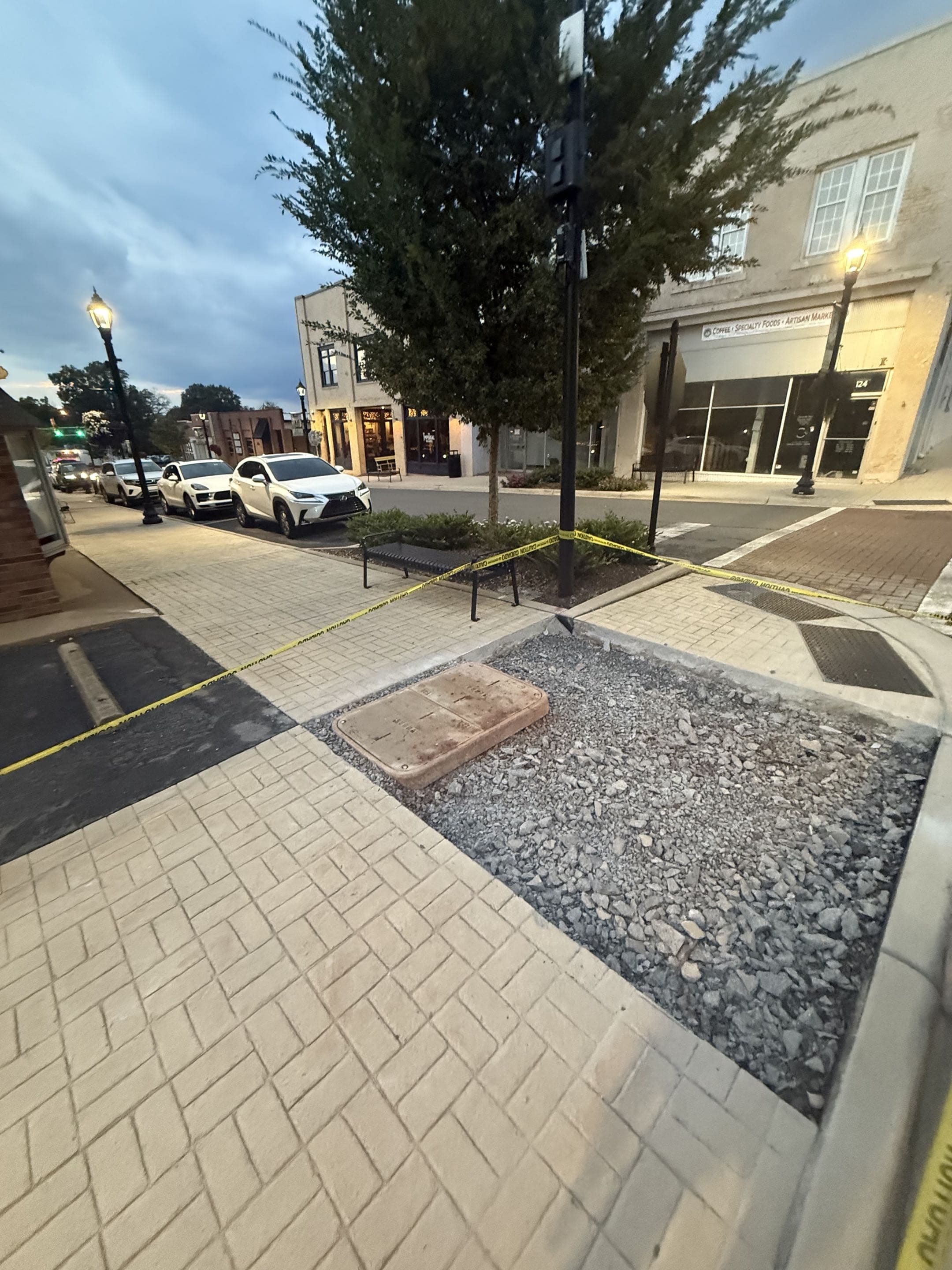
Pre-Pour Inspection
A final check of elevation, form stability, and reinforcement placement before the truck arrives.
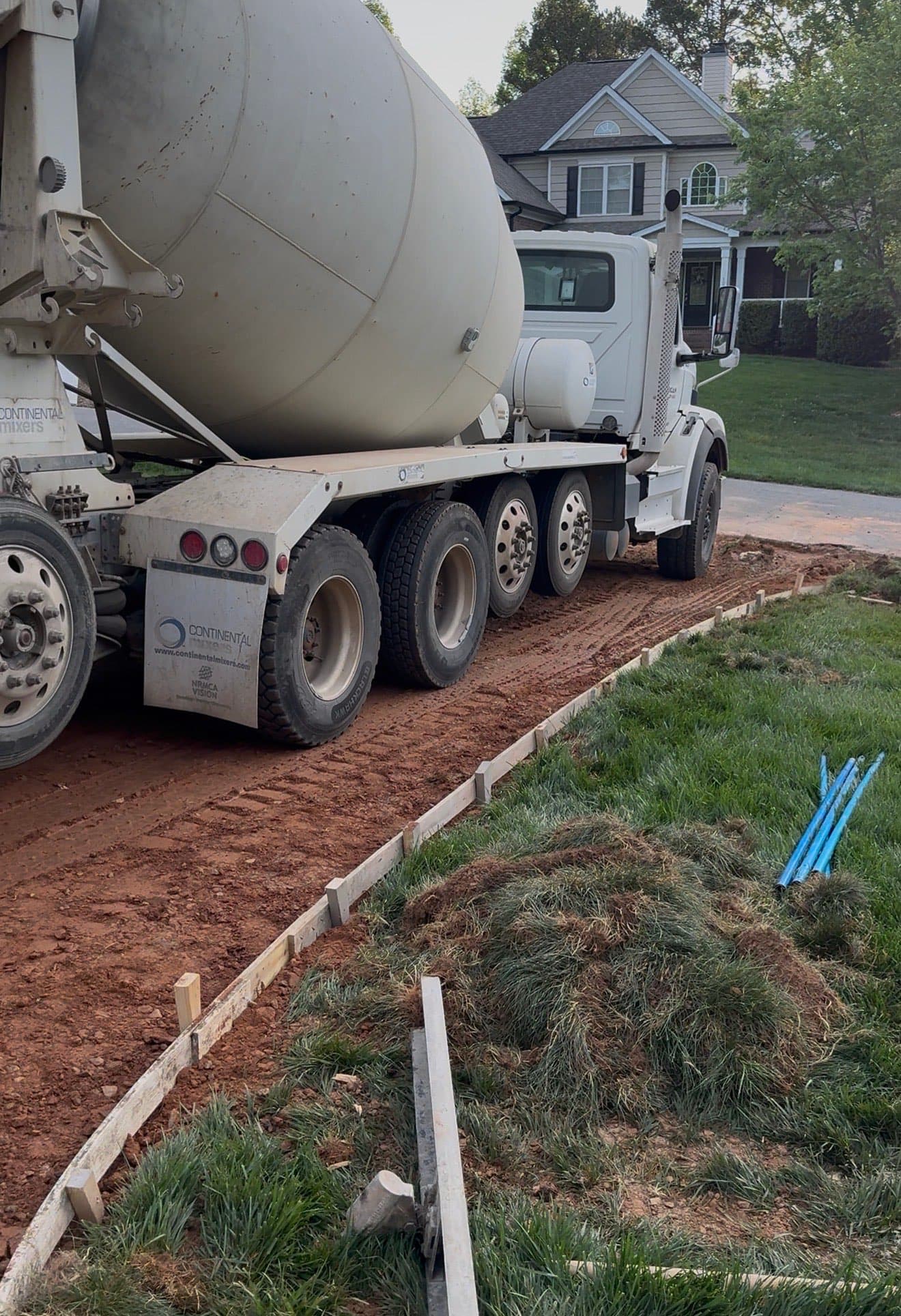
Slump Testing
Verifying concrete consistency on-site to ensure it meets the engineered mix design.
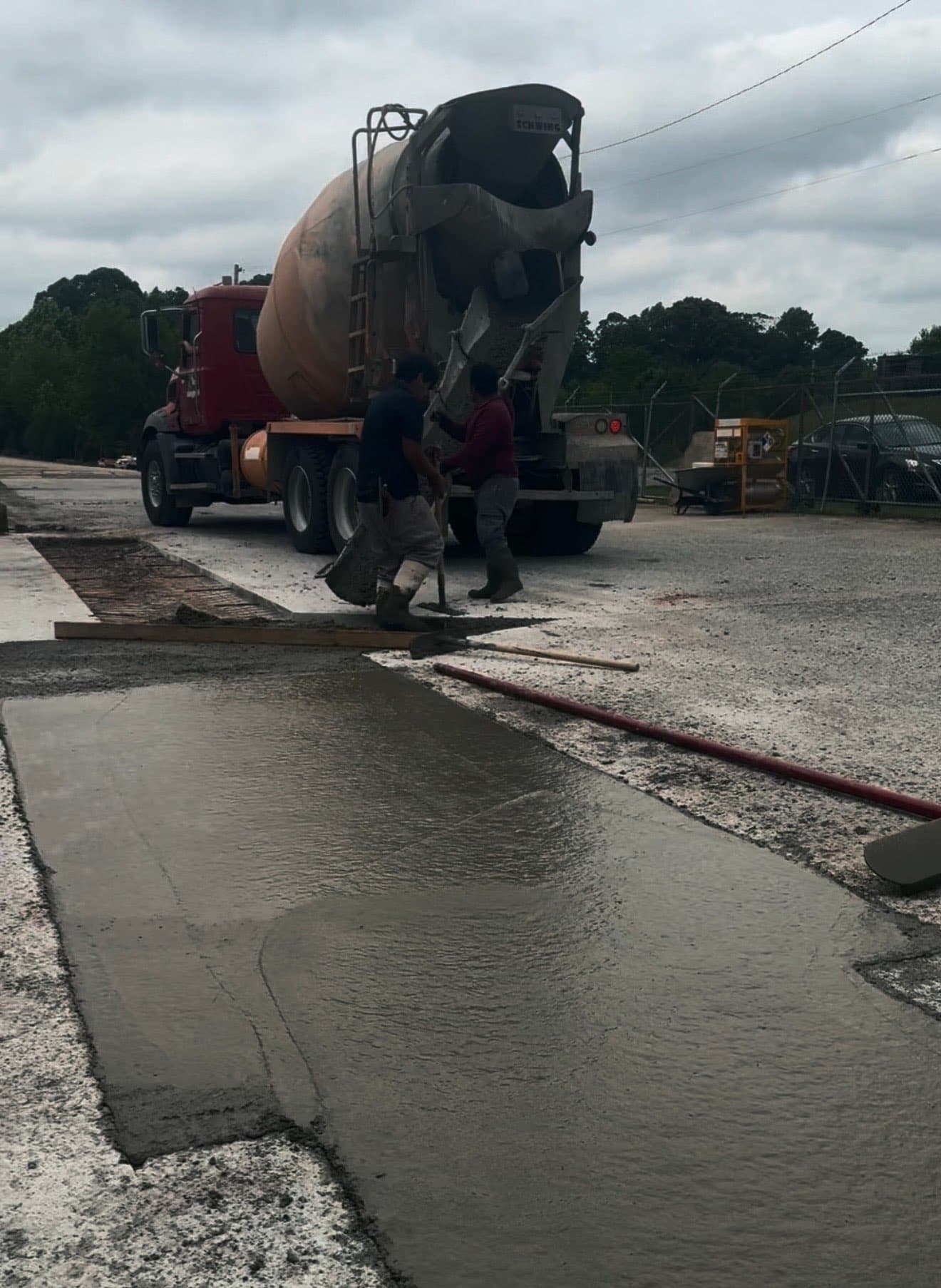
Placement
Controlled pouring and placement of concrete to avoid cold joints and ensure uniformity.
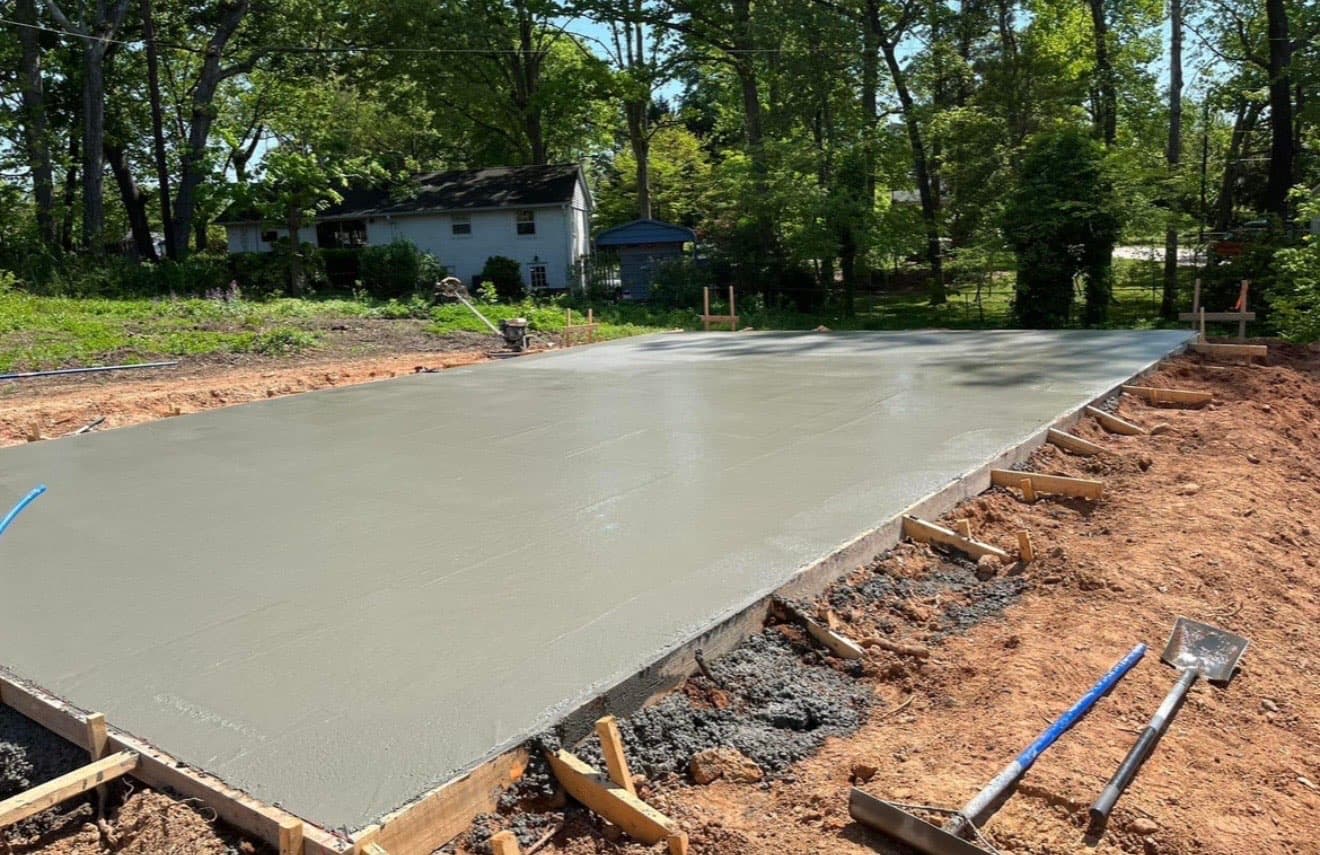
Bull Floating
Pushing aggregate down and bringing 'cream' to the surface for a smooth finishable layer.
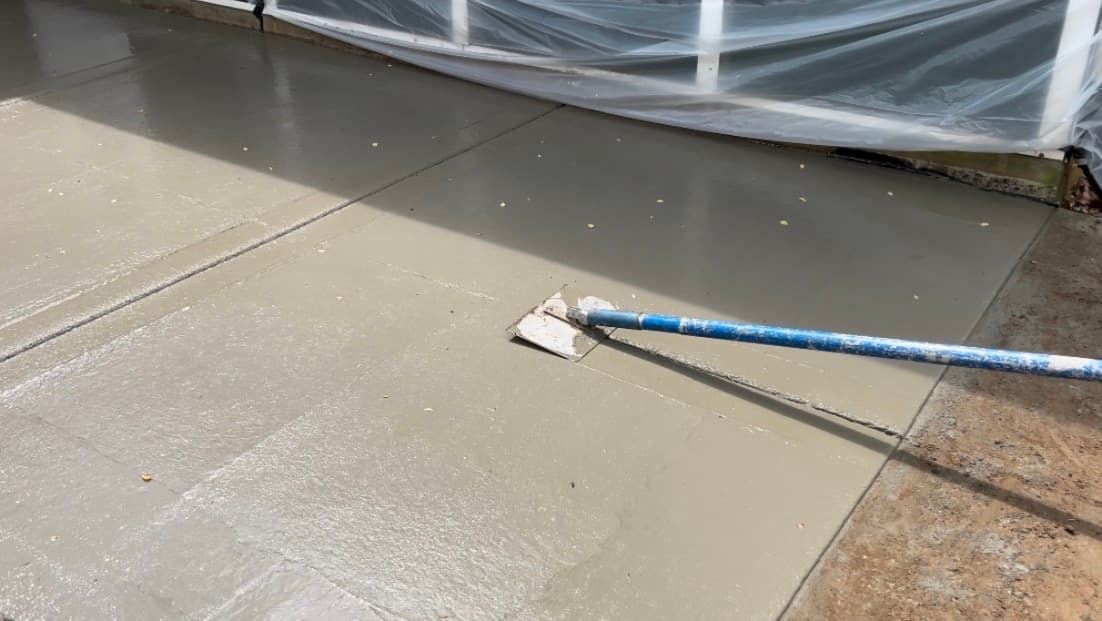
Edging & Jointing
Creating rounded edges for durability and cutting control joints to manage expansion.
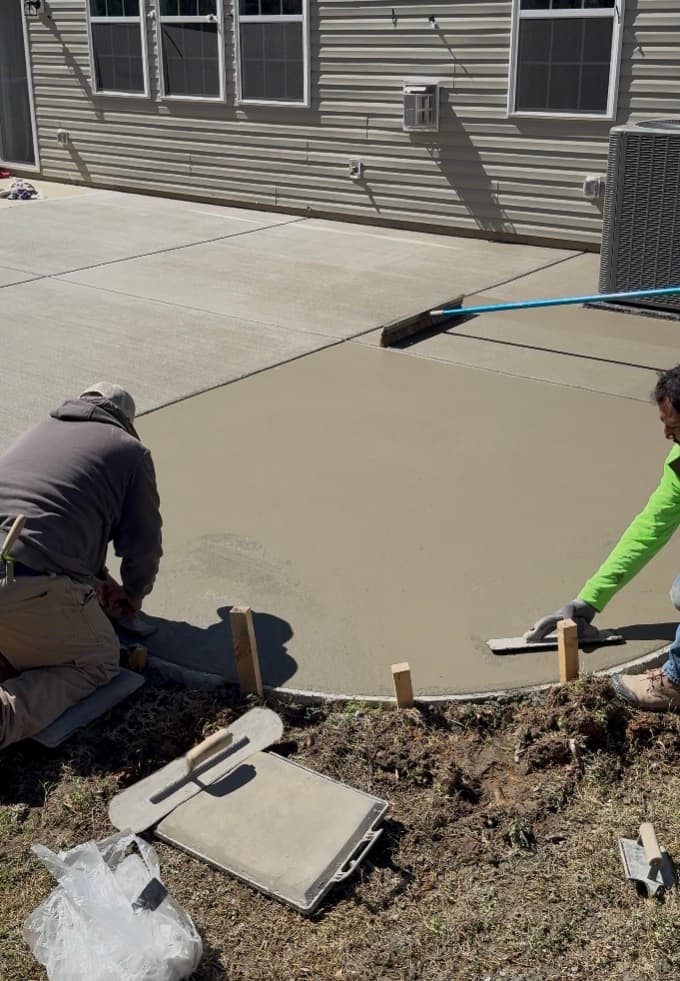
Fresno Finish
Final smoothing pass to close the surface pores and prepare for texturing.
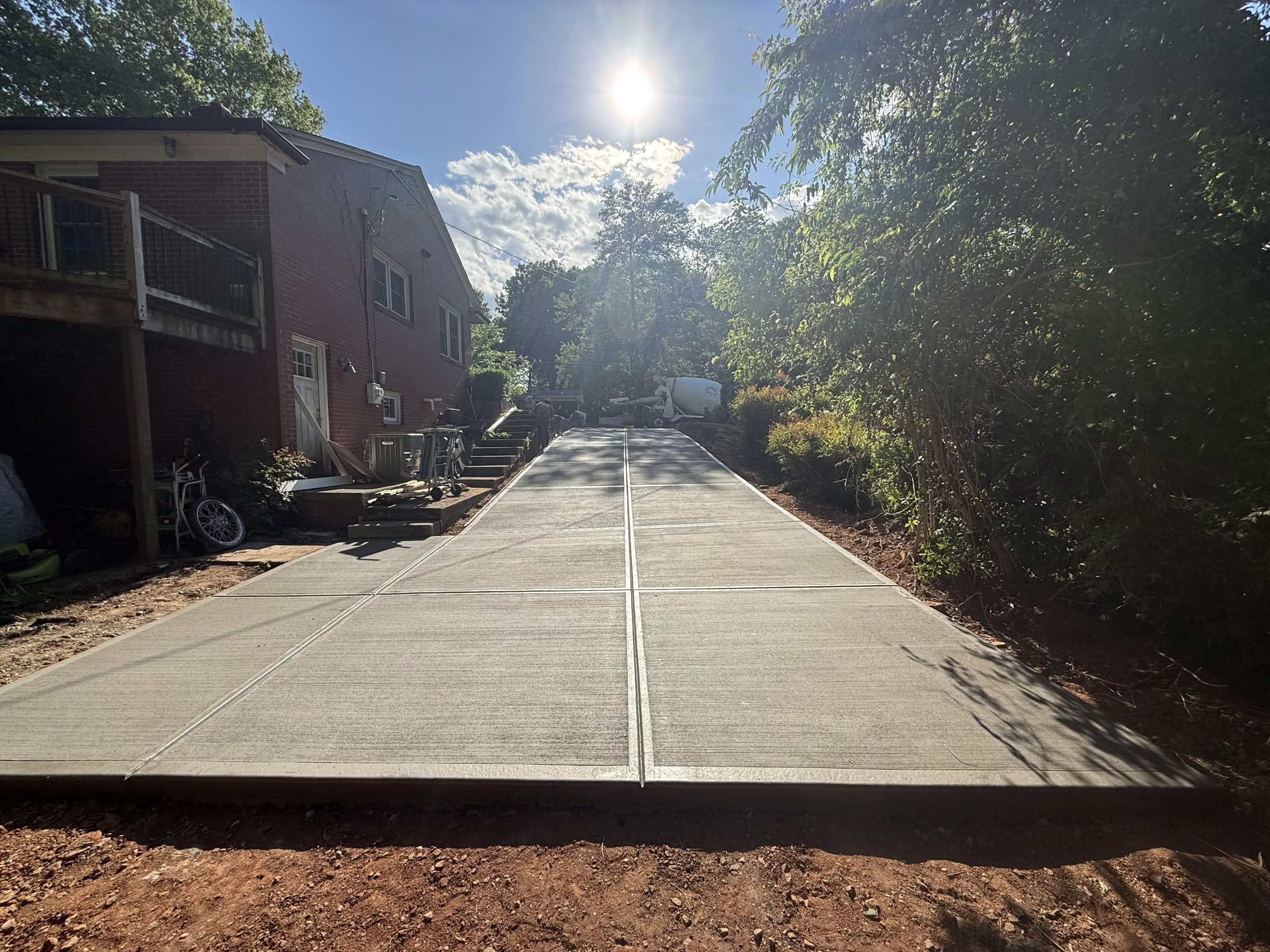
Decorative Detailing
Applying final broom texture, stamp patterns, or color treatments as specified for your project.
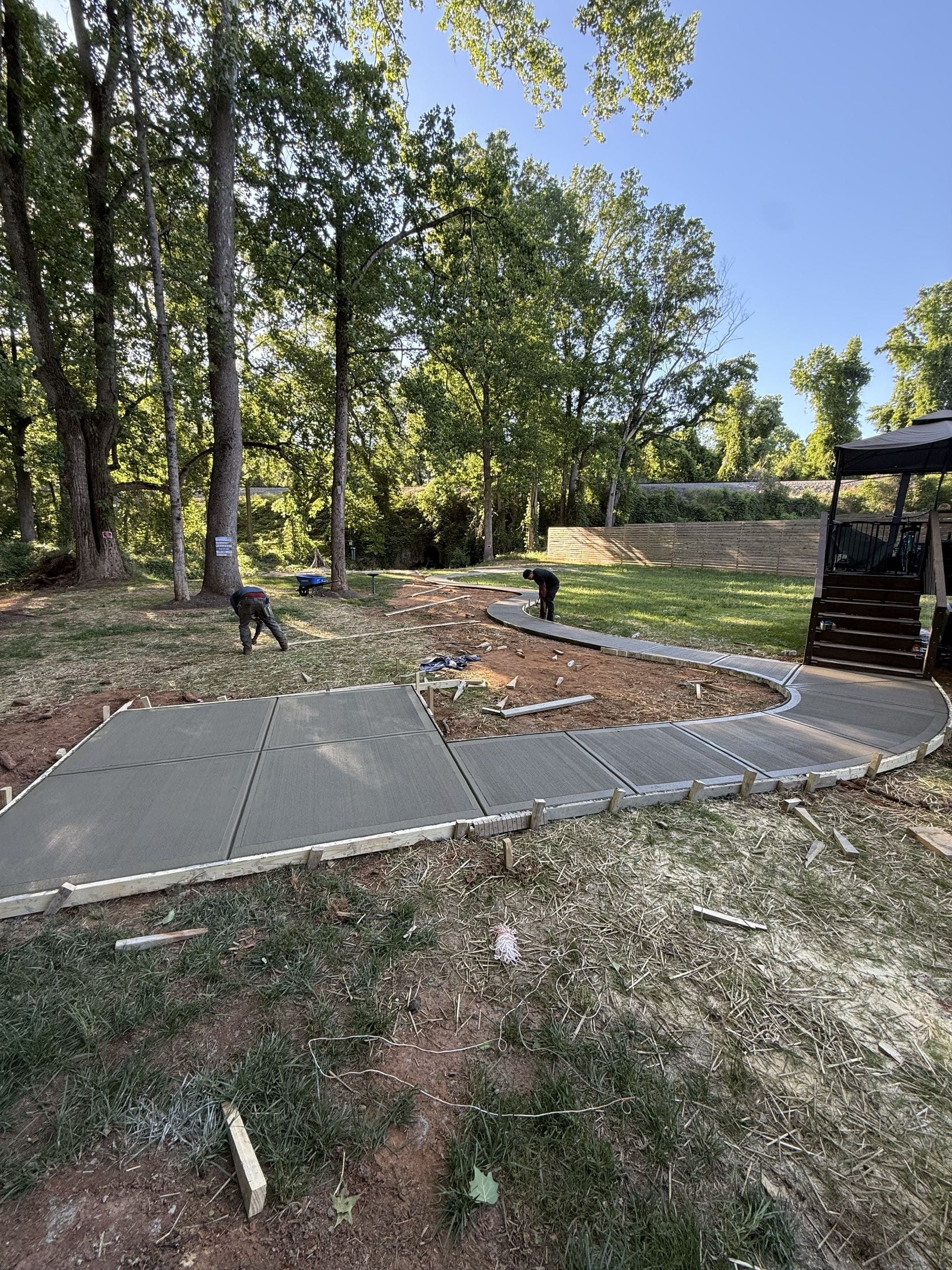
Form Removal
Careful stripping of forms once concrete has reached initial set stability.
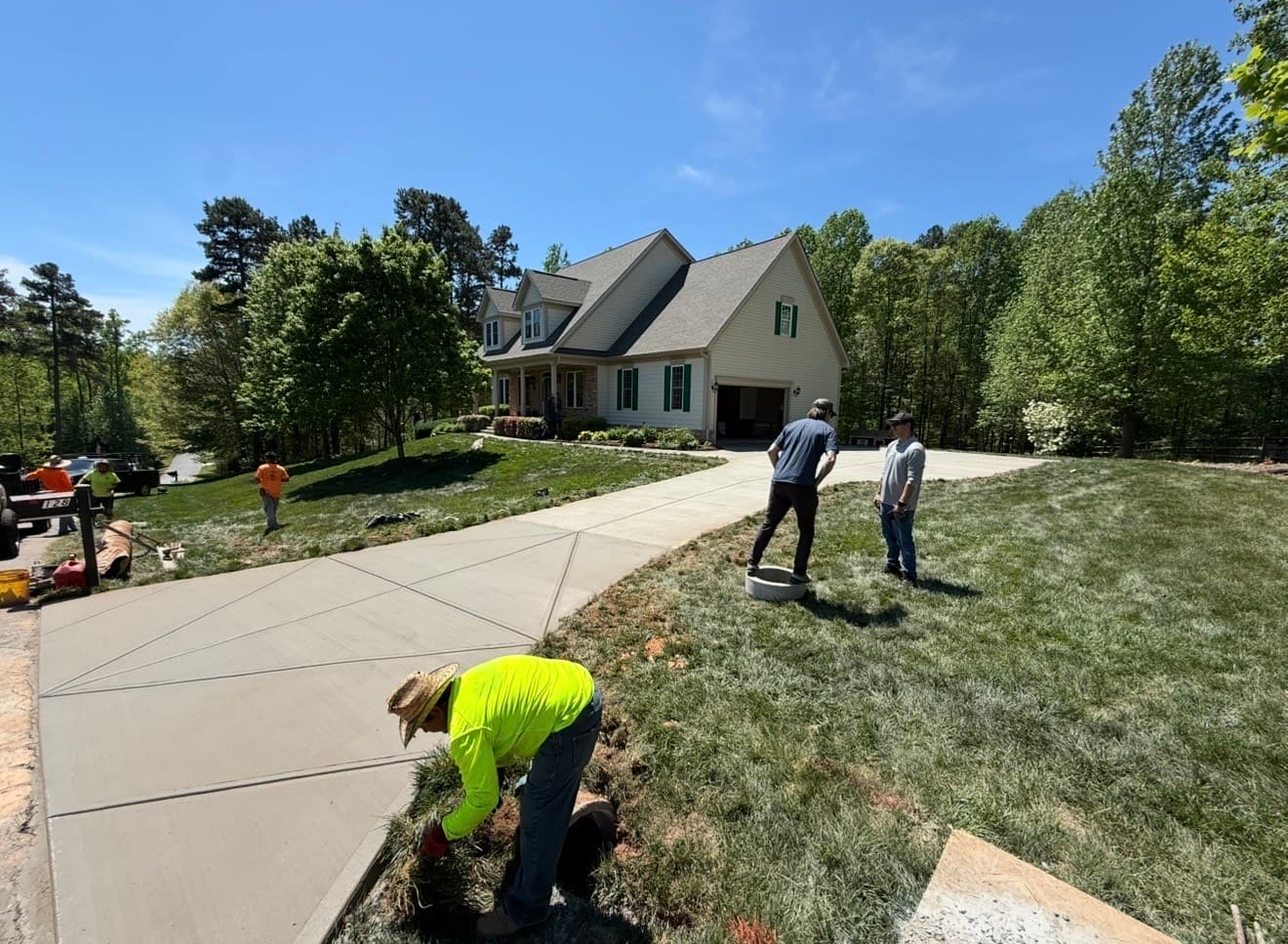
Final Walkthrough
Reviewing the finished project with you to ensure every detail meets the standard.

Usage Guide
Providing clear instructions on cure times — when you can walk, drive, and park on your new concrete.
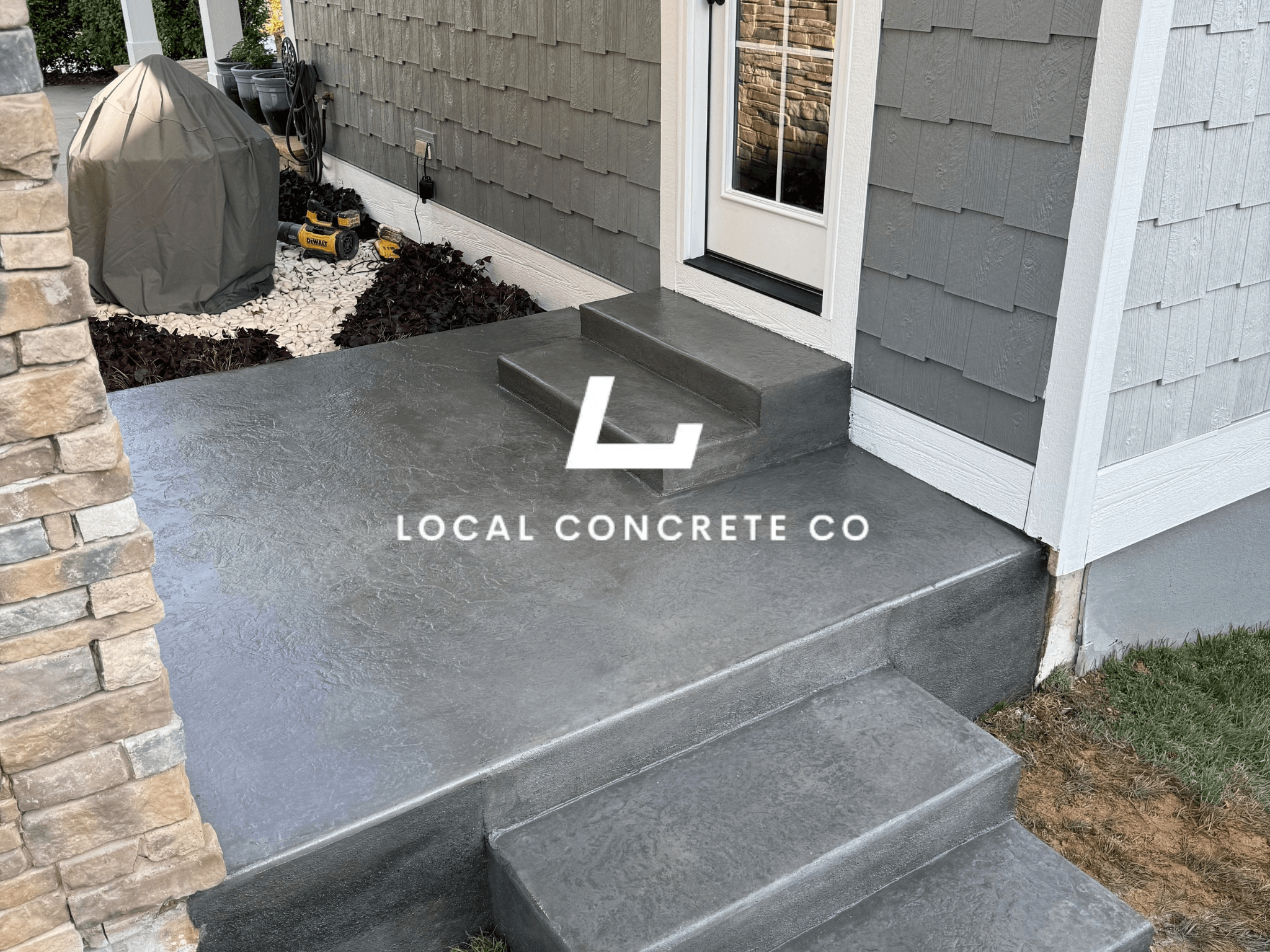
Project Completion
The job is done right, ensuring you have a durable surface for years to come.
The Coping Joint — Why It Has to Be Isolated
The single most important detail on any pool deck is the joint between the concrete deck and the pool coping. That joint has to be isolated — the deck and the pool have to be able to move independently, because they will. Skipping the isolation joint is what causes pool decks to crack their own coping and, worst case, telegraph movement into the pool shell.
What a proper coping joint looks like:
- A compressible expansion joint material sits between the deck slab and the coping — never a bonded pour
- The joint runs the full depth of the deck slab, top to bottom, with no concrete bridge
- The top of the joint is finished with a flexible sealant that keeps water and debris out but flexes with movement
- The deck slopes away from the coping at a minimum quarter-inch per foot fall so water sheds off the deck, not toward the pool
- On decks with saltwater pools, the sealant choice is upgraded for chloride resistance
- The joint gets renewed on a maintenance rhythm — the sealant typically holds five to seven years before needing a refresh
A pool deck poured tight against the coping with no isolation joint will crack, usually within the first winter or two. The crack starts at the coping and radiates out across the deck. Fixing it after the fact means saw-cutting the joint in and losing the finish along the seam. Doing it right at the pour costs an hour and saves the whole deck.
Resurface Versus Replace
An existing pool deck with cosmetic wear — a faded finish, some surface spalling, minor discoloration — can often be resurfaced with a bonded topping that gives the deck ten to fifteen more years. But resurfacing over a structurally-compromised deck is one of the most common mistakes homeowners make. The topping is only as sound as what's underneath it.
Resurfacing usually makes sense when:
- The existing deck is structurally sound — no wide cracks, no settlement, no panel displacement
- The base under the deck is stable — no washout, no ongoing clay movement
- The finish is cosmetically worn but the paste is still intact across most of the surface
- The coping and coping joint are in good condition
- The deck is under twenty years old and was built to reasonable spec
Replacement usually makes sense when:
- Cracks are wider than a quarter-inch or are settling across panels
- Spalling has broken through the paste and exposed reinforcement in multiple areas
- The deck has pulled away from the coping or the coping is cracking
- Base failure is causing ongoing settlement — a resurface won't hold on a moving deck
- The deck is past its thirtieth birthday with multiple failure modes
- Reinforcement corrosion is showing through the surface
A resurface on a bad deck is a two-year fix at best. We walk the deck, tell you honestly which conversation you're in, and price both options.
Why Homeowners Work With Us
Local Concrete Contractor runs residential and light commercial concrete work across the North Carolina Piedmont and out into the coastal plain. Everything about how we quote and how we invoice is set up around one idea: the homeowner shouldn't be the one holding the risk.
What that looks like on your pool deck:
- Zero deposit — you pay after the deck is poured, finished, and walked with you, not before
- Free on-site quotes with the actual scope, mix design, thickness, reinforcement, slip finish, and coping joint detail written down
- Licensed and insured — proof of coverage available before we set the first form board
- No pressure sales, no timeshare tactics, no "sign today or the price goes up"
- Real photos of prior pool decks in nearby neighborhoods, not stock images
- Straight answers on the cost drivers (square footage, thickness, base condition, finish choice, coping detail, tie-in complexity) so you can see where the number comes from
- Same crew from base prep through final finish — no subcontracting the deck out to whoever is closest
If you're still comparing quotes, ask each contractor what slip finish they recommend for wet feet, how they detail the coping joint, and how they slope the deck away from the pool. Those three answers separate a pool deck that lasts three decades from one you're resurfacing in eight years.
Pool Decks
FAQ
Straight answers on pool decks installation — thickness, base prep, cure time, deposit, and what it takes to make the slab last.
Get Free QuoteWhat's the best finish for a concrete pool deck?
Broom finish is the default and the workhorse — medium-to-stiff broom pull gives wet feet reliable traction at low cost. Salt finish and exposed aggregate offer more visual character with equal or better wet traction. Stamped patterns work when a slip-resistant additive is mixed into the sealer to keep the coating from glossing over the texture. What to avoid: any hard-troweled smooth finish or a glossy sealer without slip additive — both turn dangerous when wet.
How thick should a pool deck be?
Why does the deck need a joint at the coping?
Can we resurface our old pool deck?
Should the pool deck slope away from the pool?
Does salt from a saltwater pool damage concrete?
Ready to talk about your project?
Free estimate. No pressure, no sales tactics. Zero deposit.
Get Free Quote