



Best Concrete Contractors Charlotte NCResidential & CommercialConcrete Construction
Local Concrete Contractor is the best concrete contractor Charlotte NC. Check out our Charlotte Concrete Contractor Reviews we have over 300+ 5 star reviews. From residential driveways and stamped patios through commercial slabs and structural foundations, every pour uses high-strength fiber-reinforced concrete on a compacted base with structural rebar.

Pay on Completion
You take zero financial risk on residential work. If we don't pour your concrete, you don't pay us — period.
We never ask for money upfront — not for materials, not for permits, not for anything.
No payment milestones during the job. You pay one time, after the work is done.
Your driveway, patio, or slab has to be in the ground and finished before you owe a dime.
Charlotte Concrete Contractor Services
Get driveway quotes in Charlotte, patio quotes in Charlotte, or stamped concrete quotes in Charlotte — free written estimate back in 24 hours. Every pour is backed by high-strength concrete and commercial-grade reinforcement.
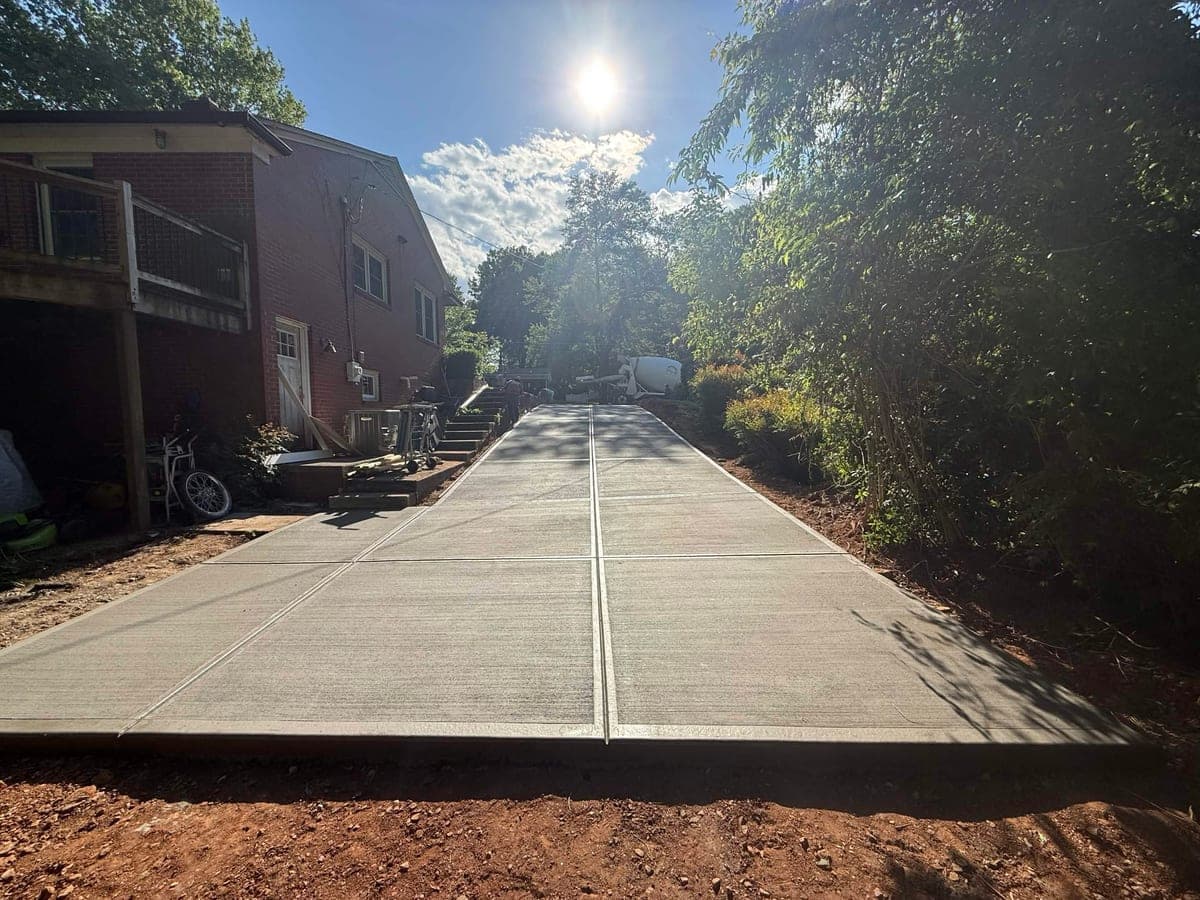
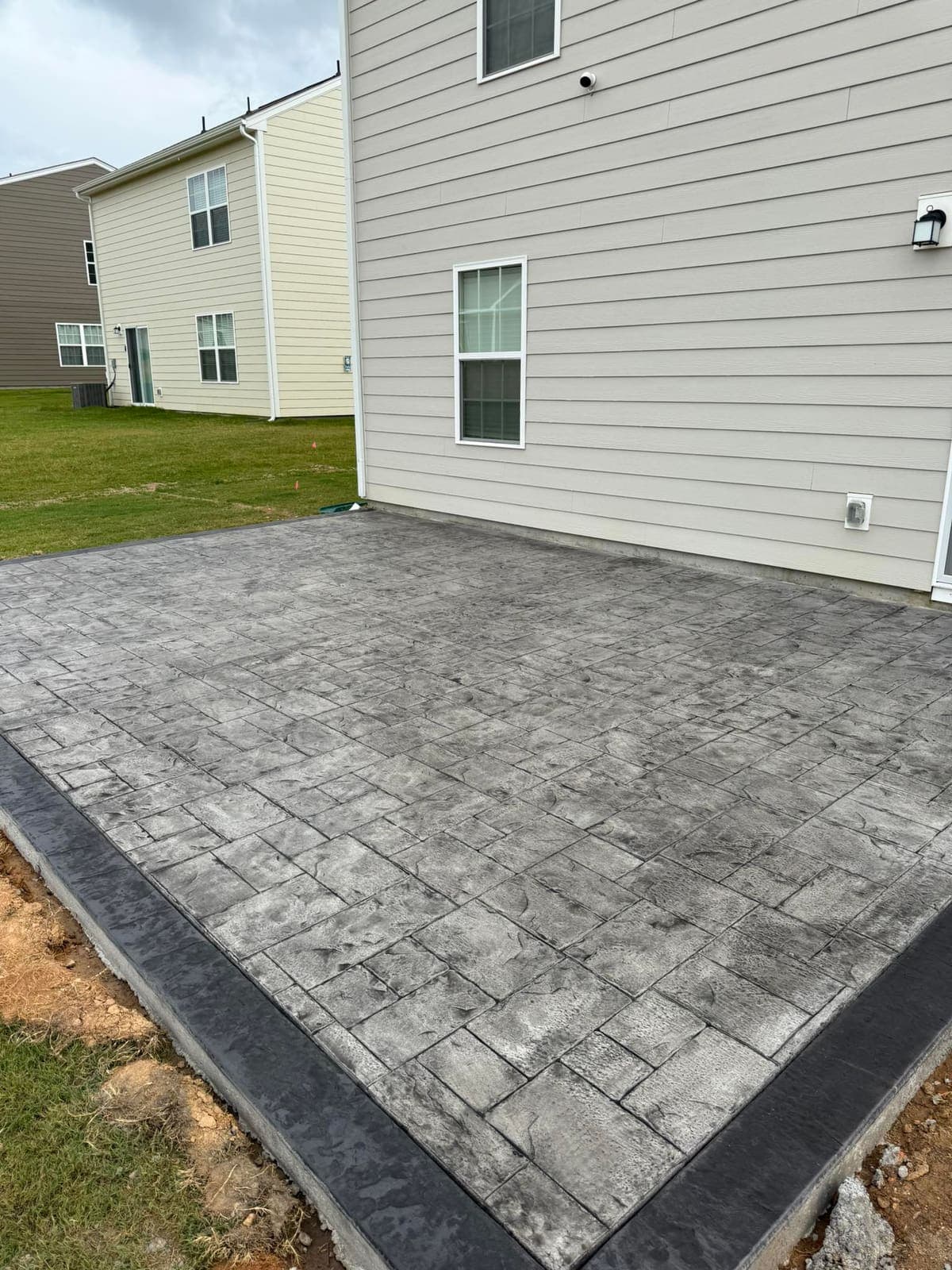
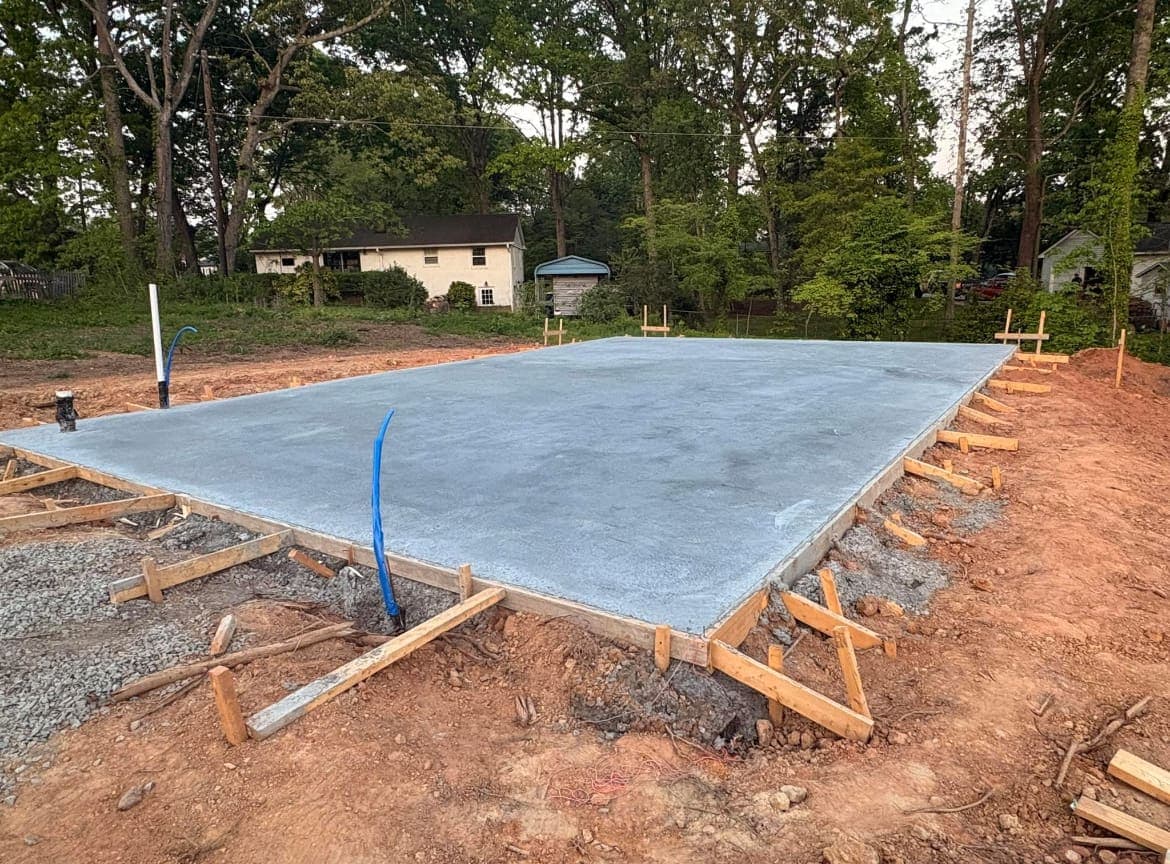
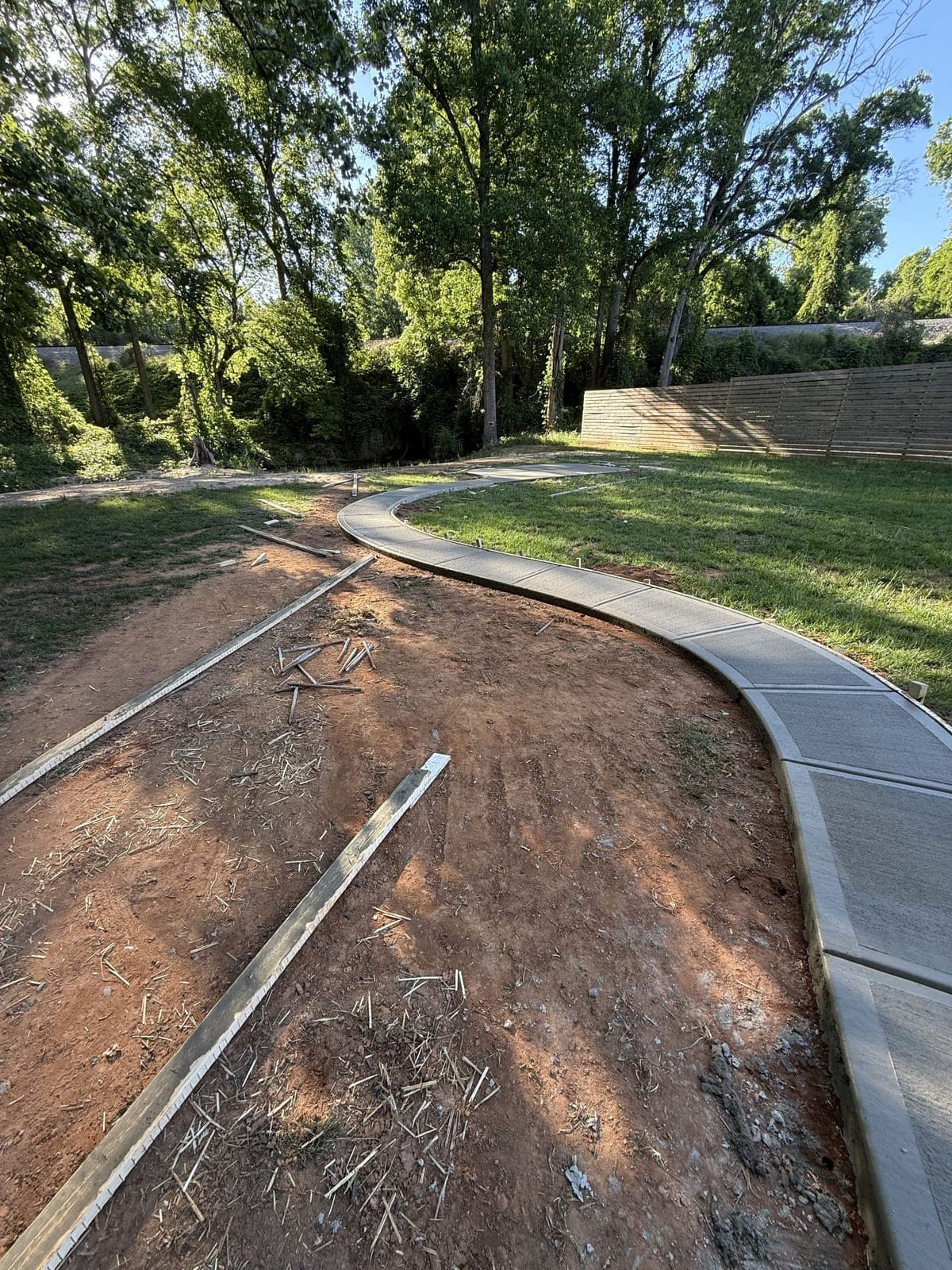
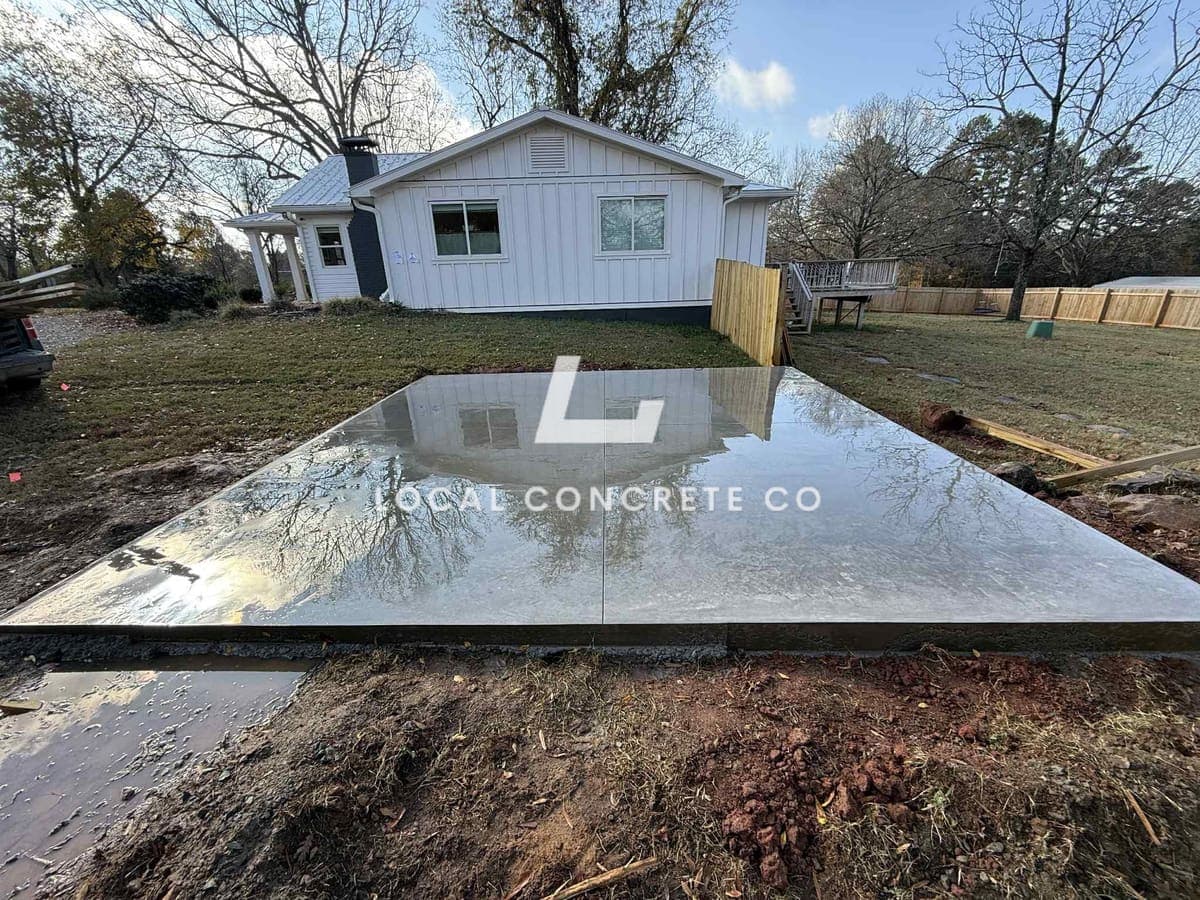
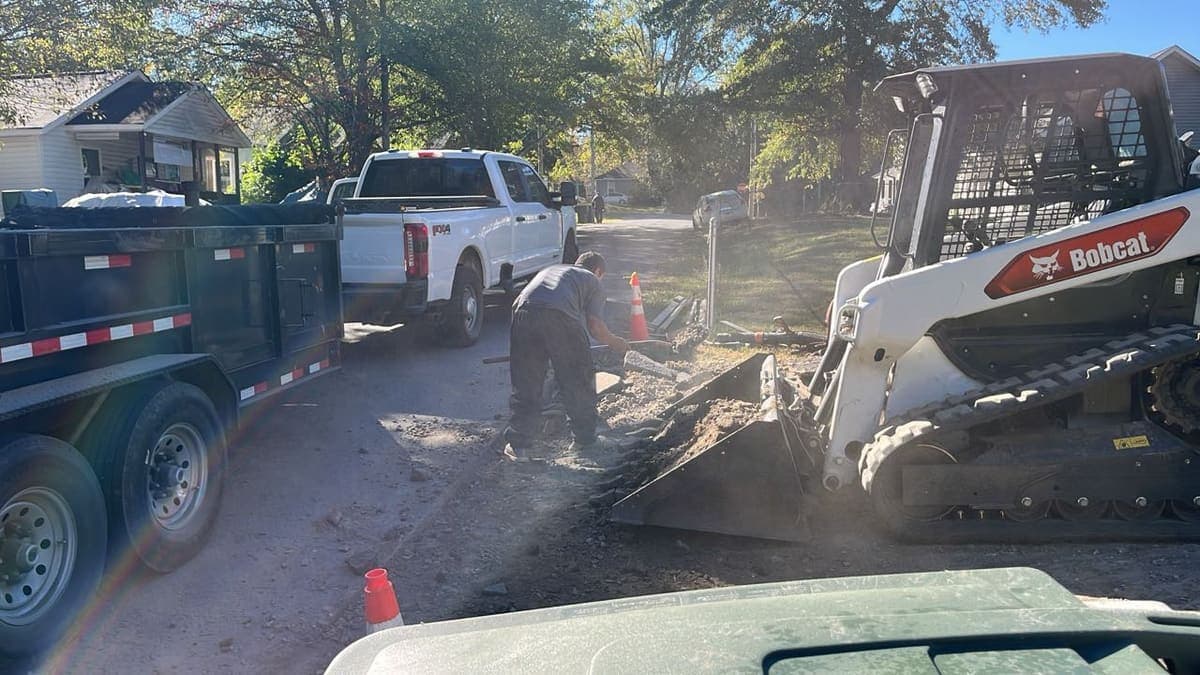
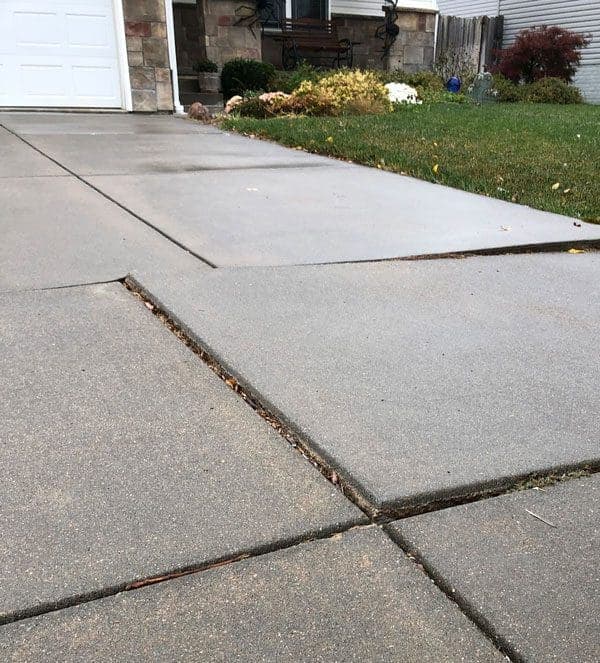
Best Concrete Contractors Charlotte NC Reviews
"Over 7 companies couldn't do the job and could not handle the scope of work, but they could and did an amazing job."

"They did it spot on! That was absolutely perfect to the specifications."
"Right from the beginning they answered my questions. It was an amazing experience."
Concrete Contractor Construction Portfolio
See the transformation. Drag the slider to reveal the restoration precision of our commercial and residential projects.
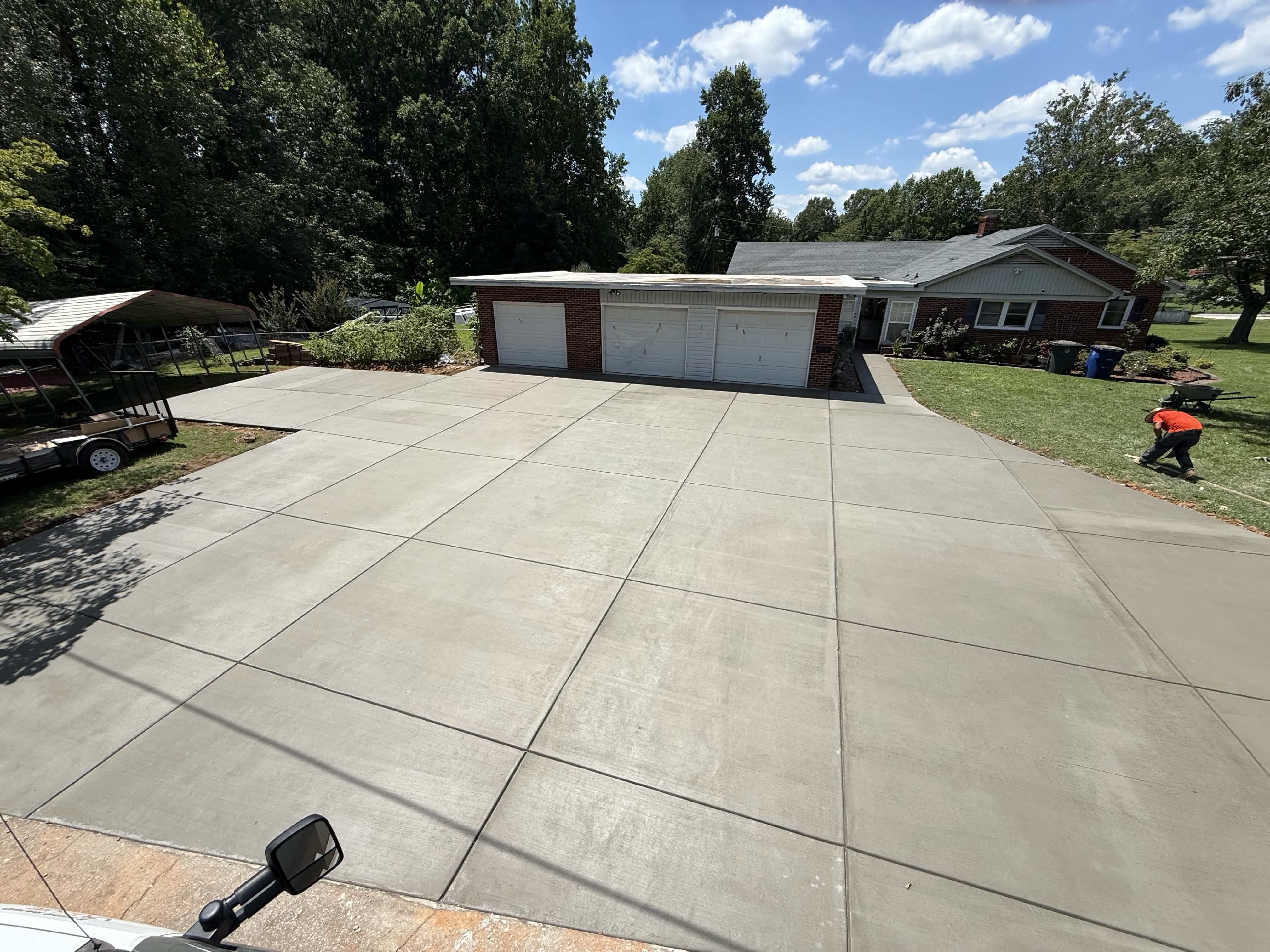
Finishing Touches in Motion
Watch our crew bring precision and artistry to the final stages of a premium concrete installation.
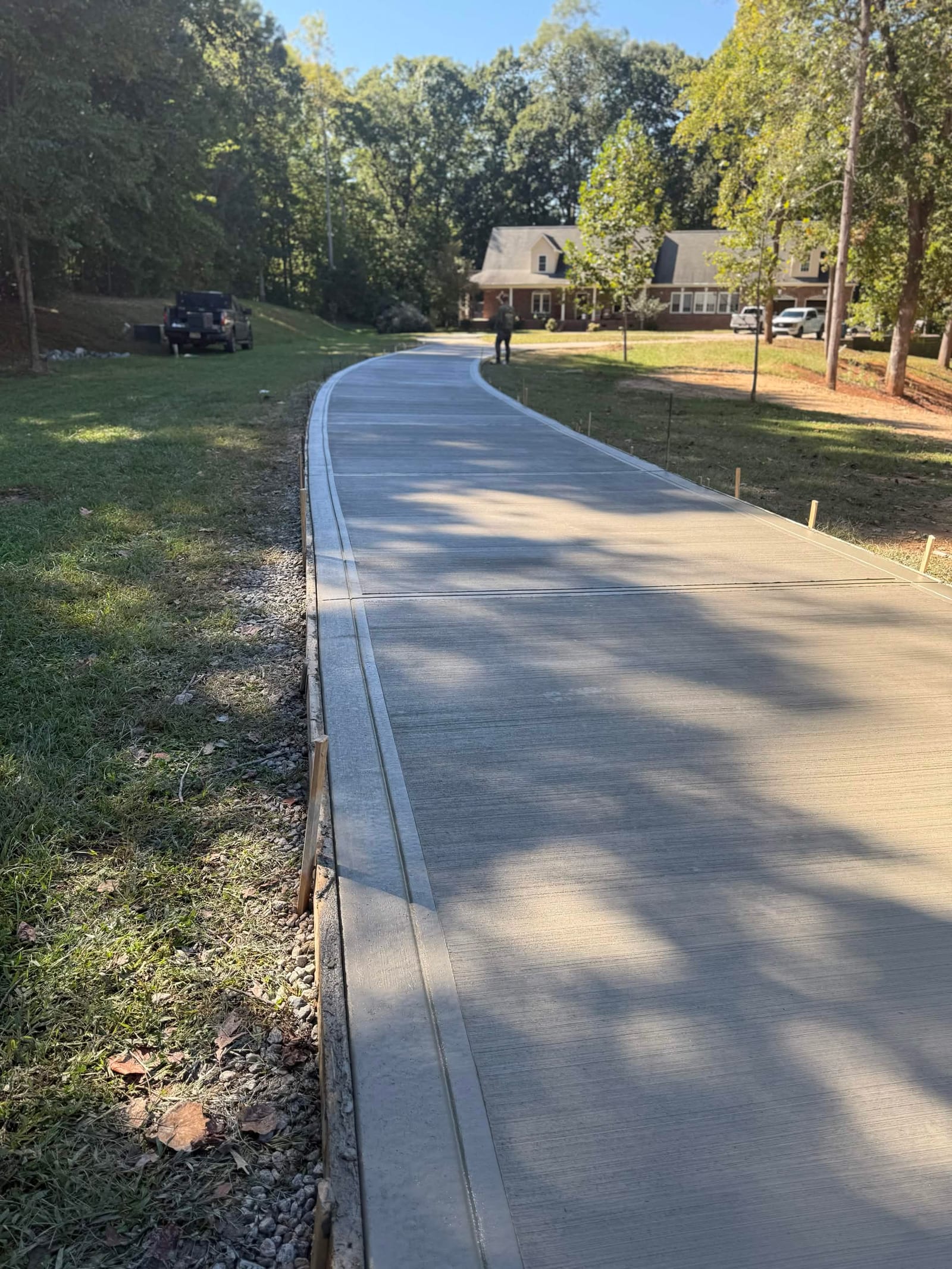
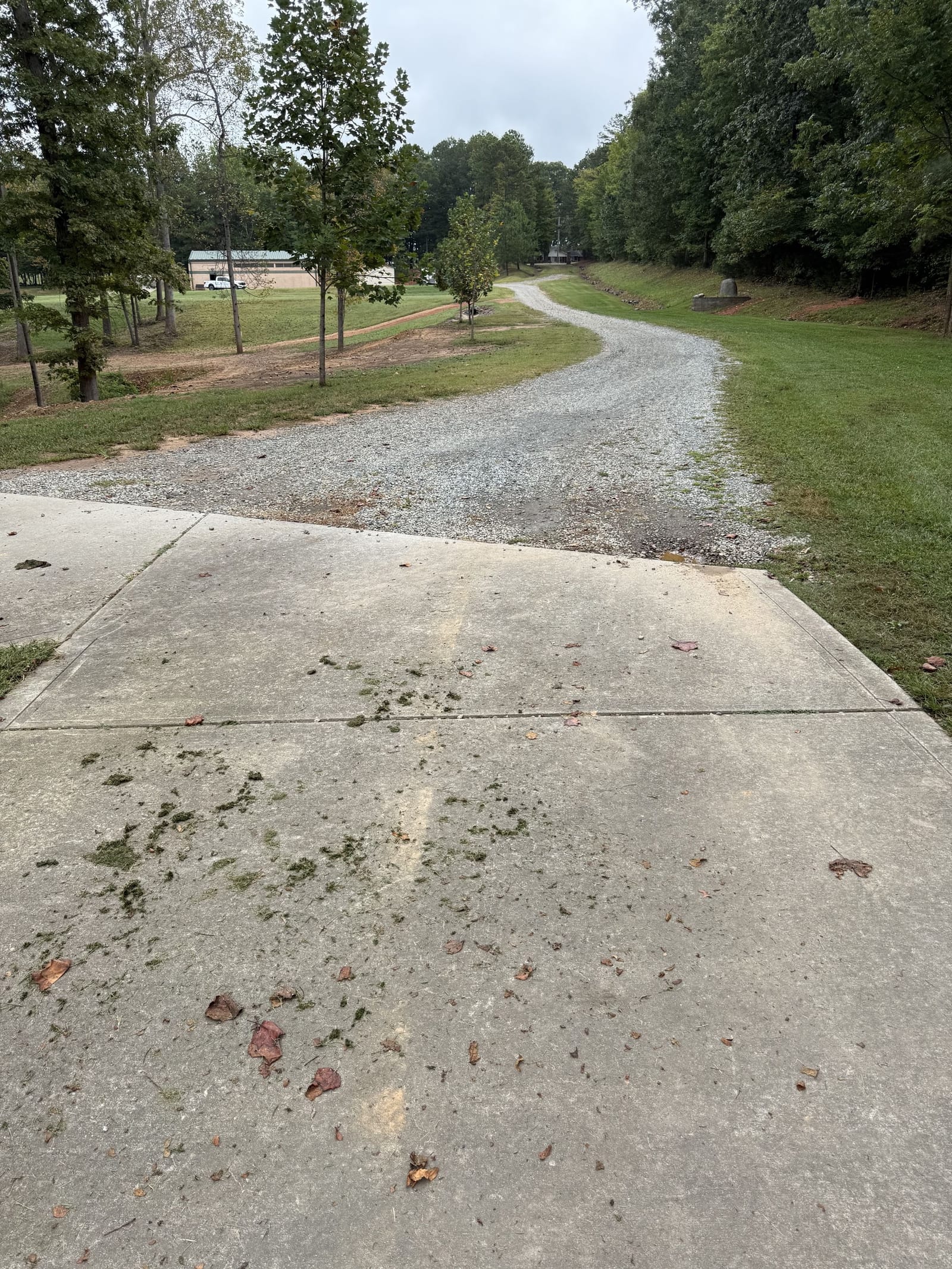
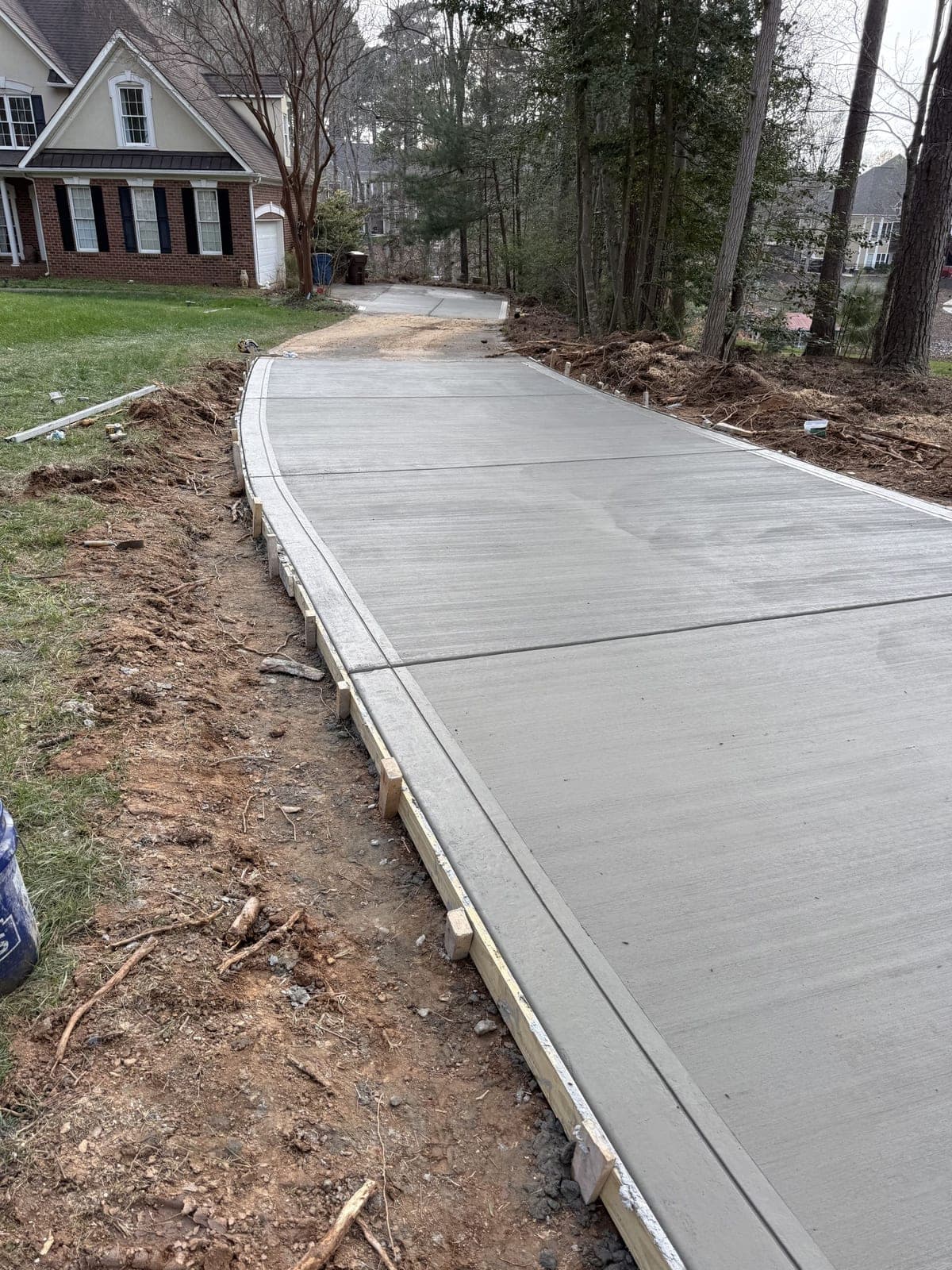
Driveway
Full residential replacement
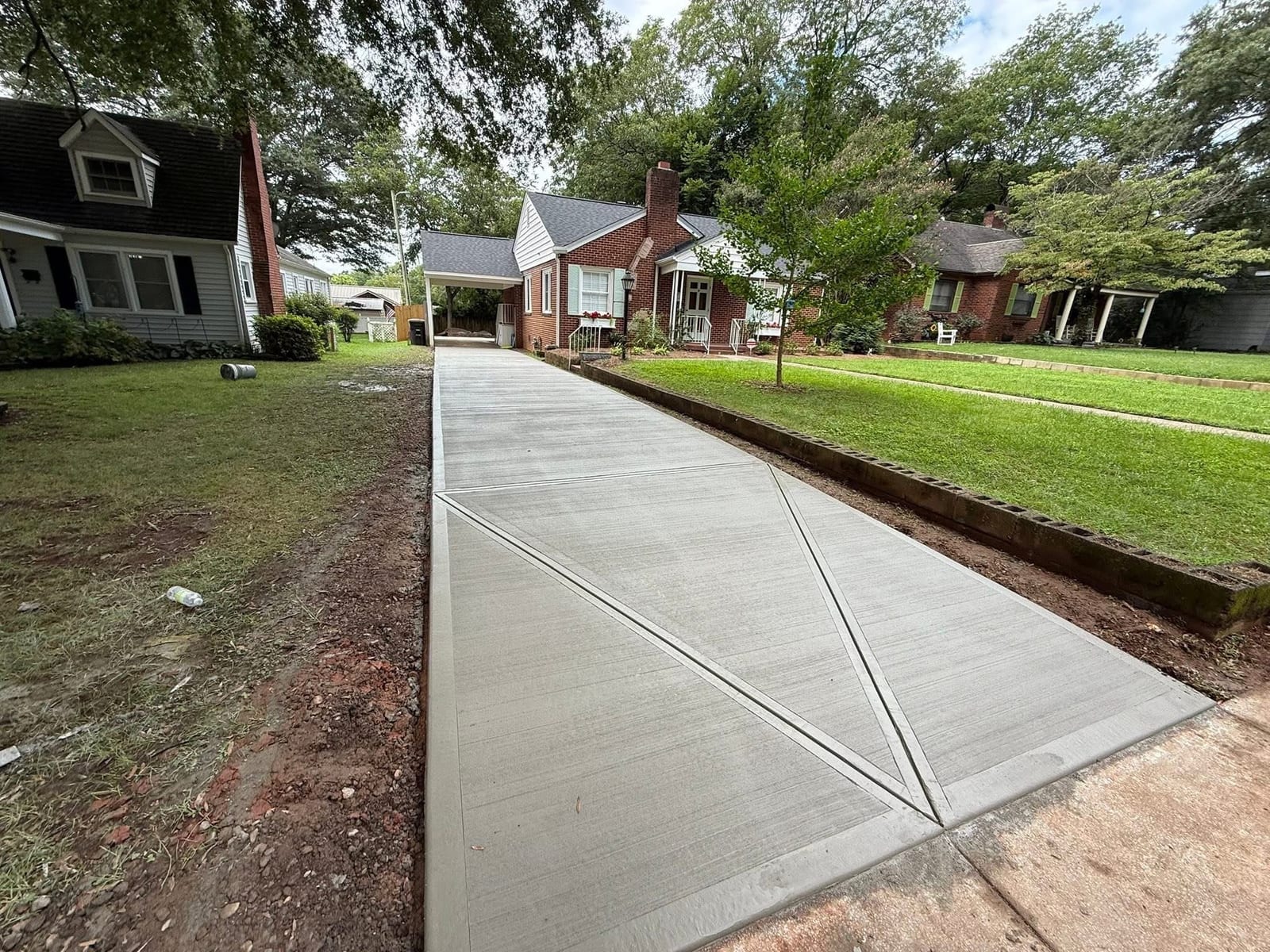
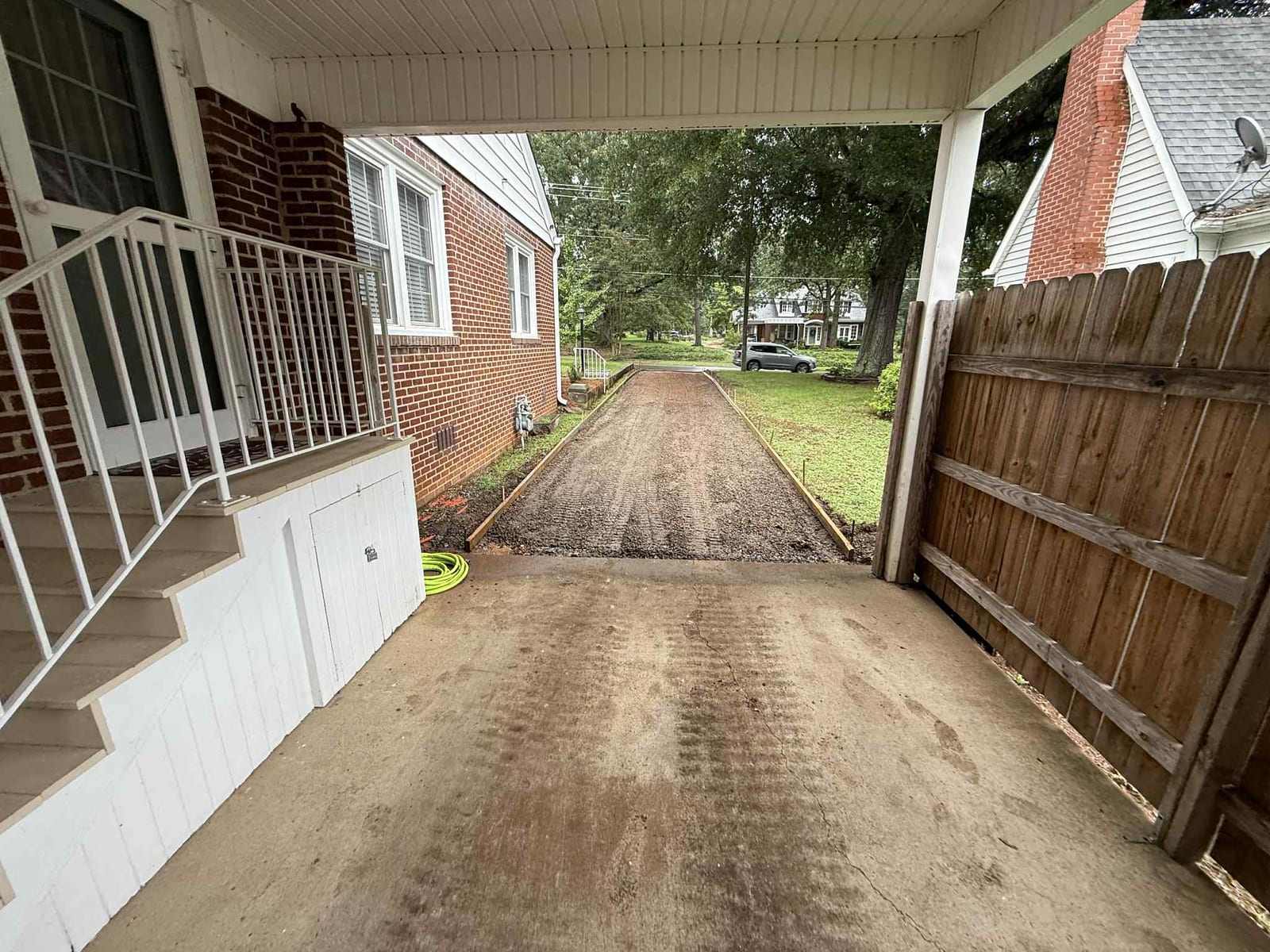
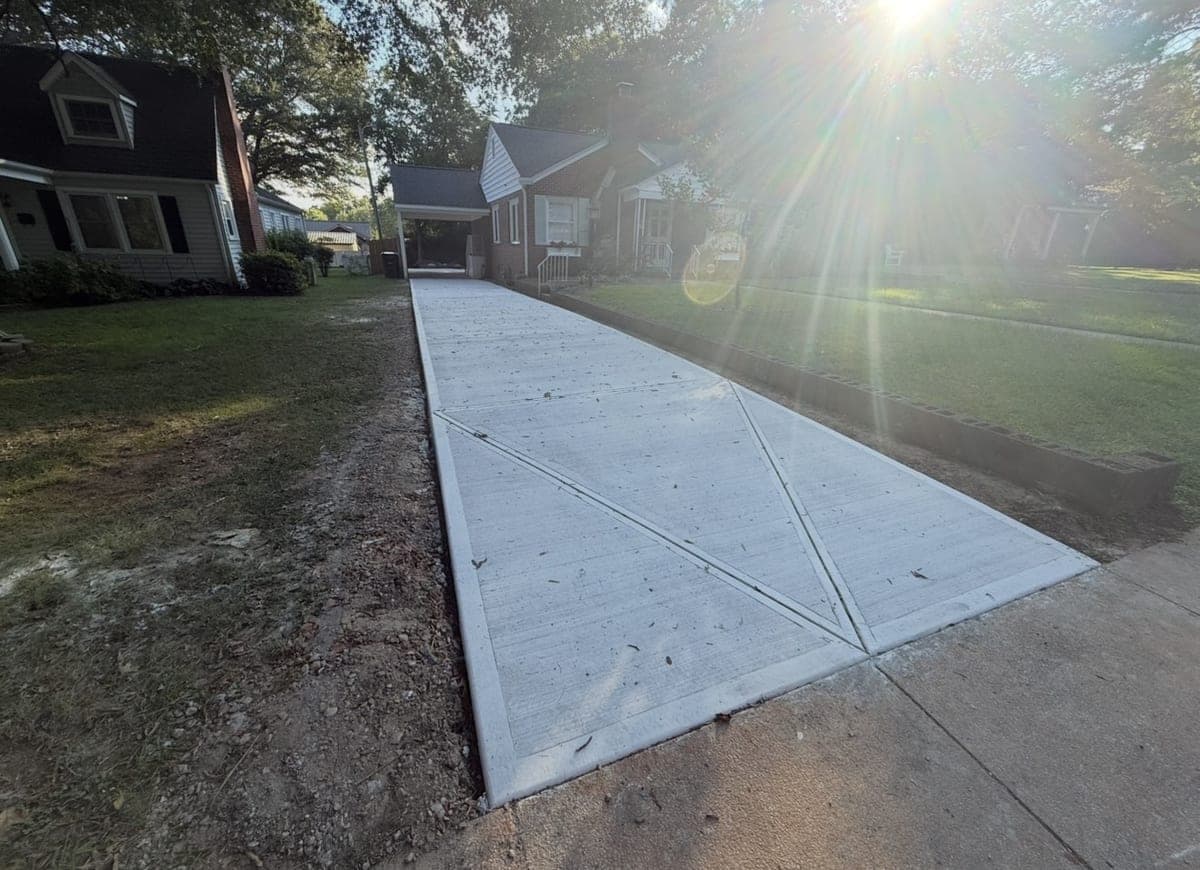
Driveway
Driveway revamp
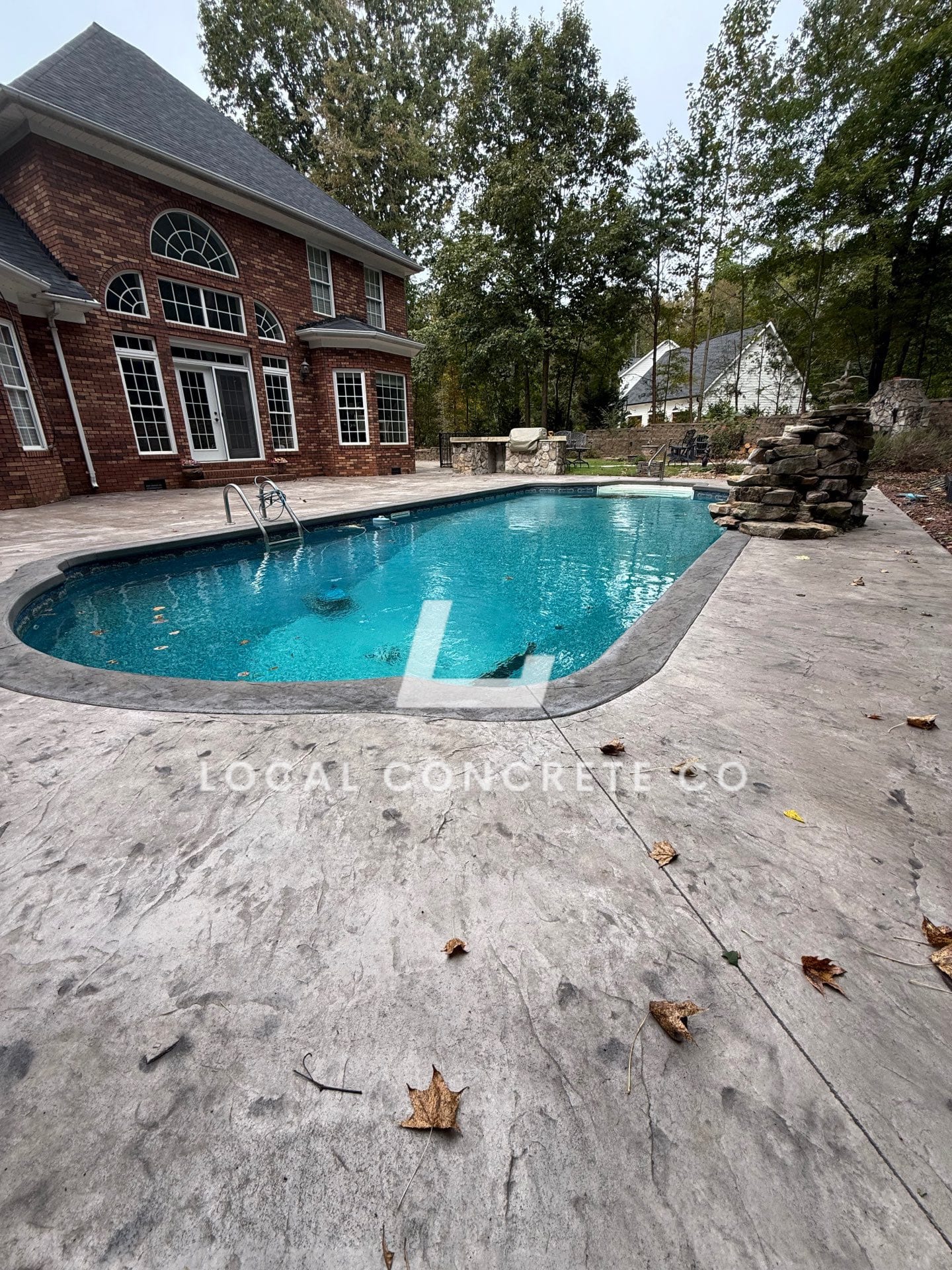
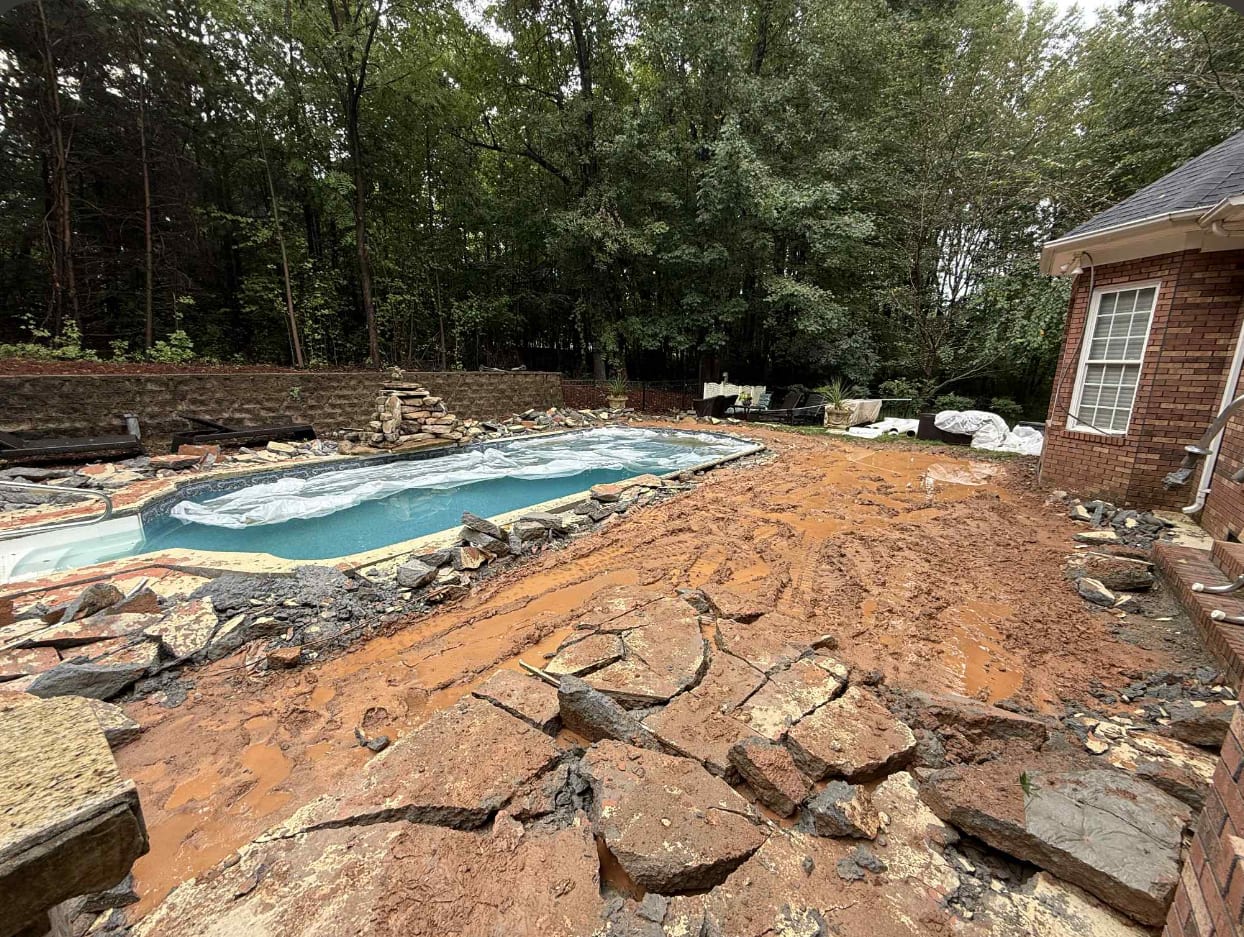
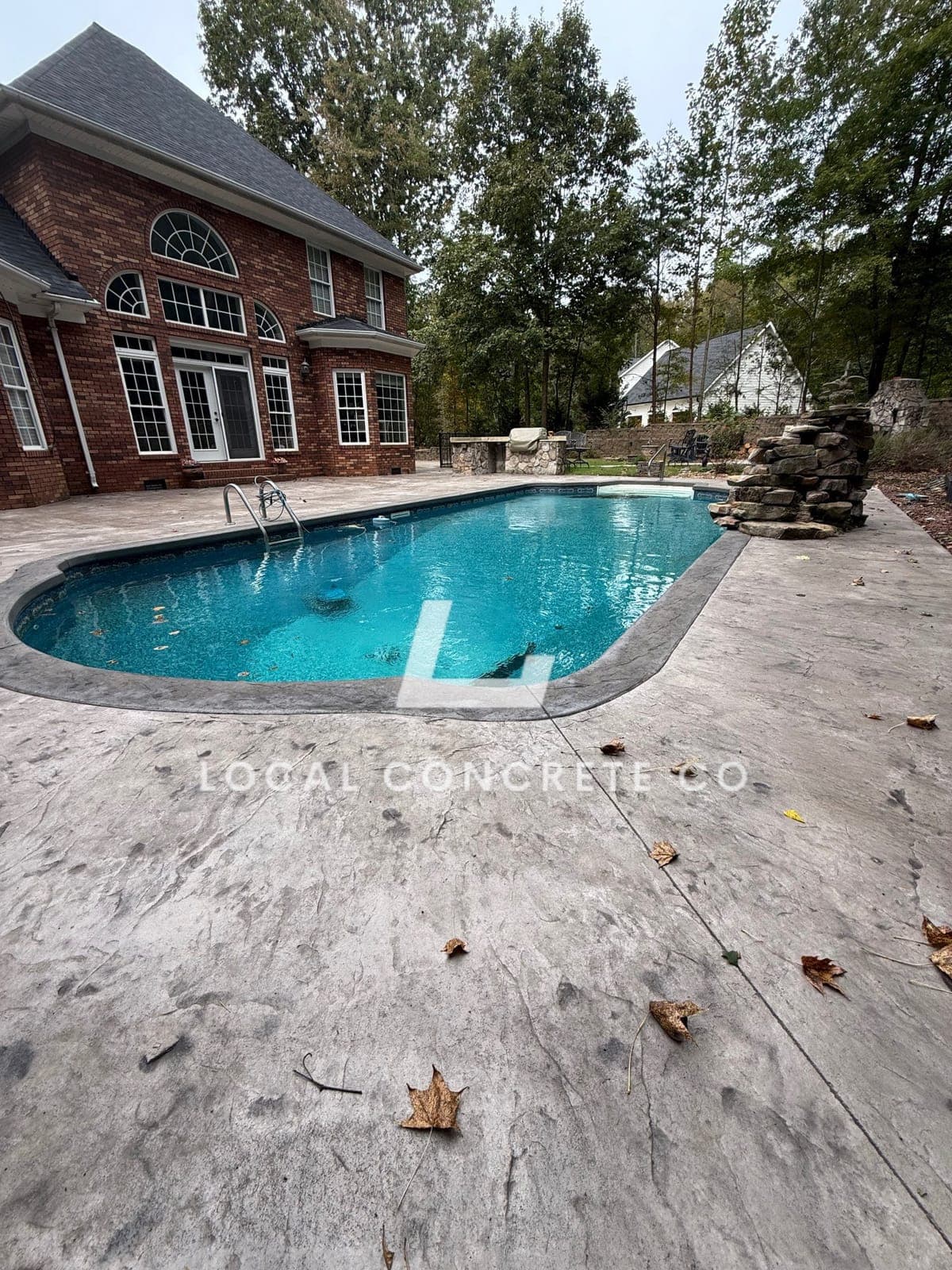
Stamped Pool Deck
Total demolition and replace
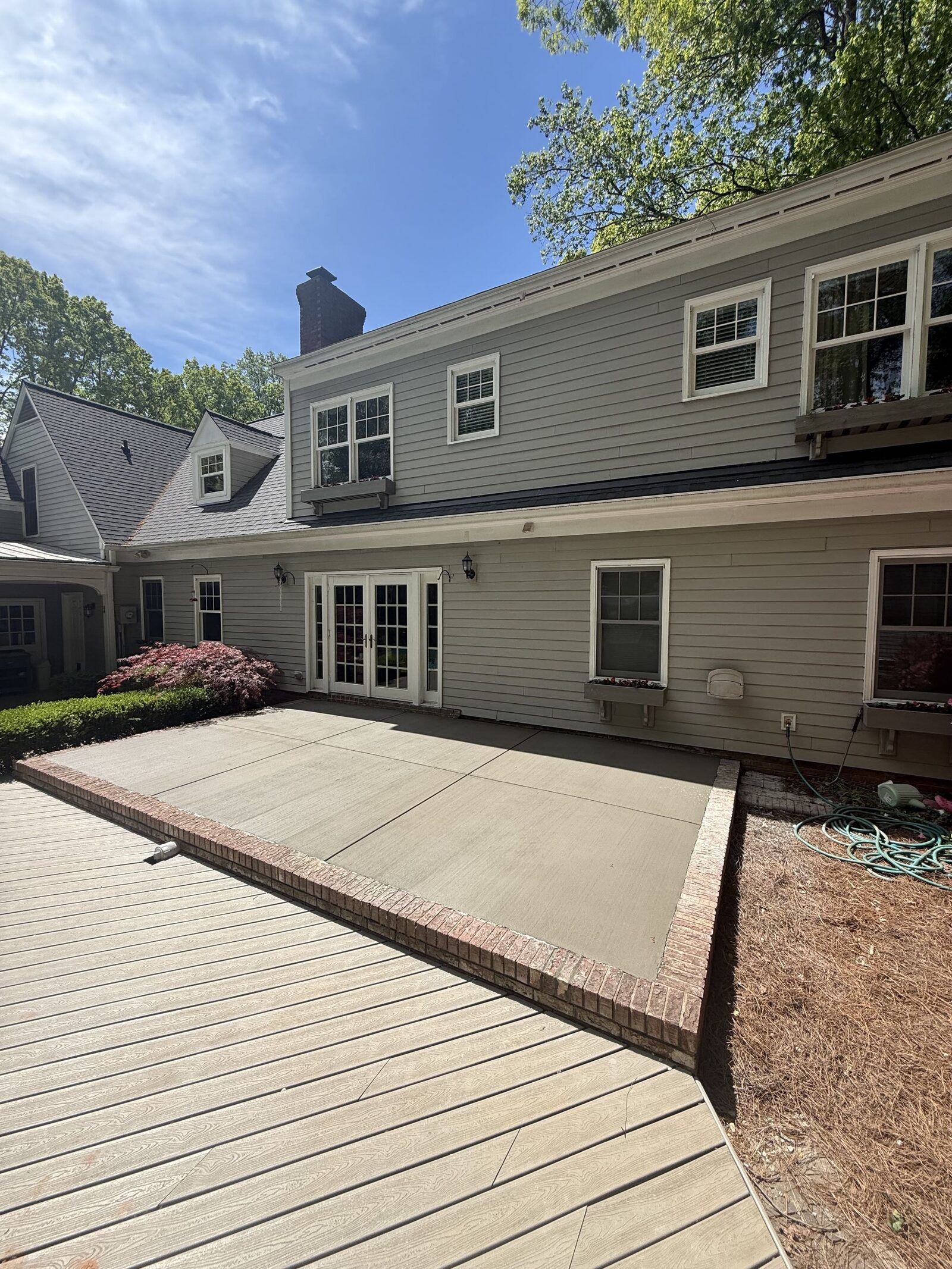
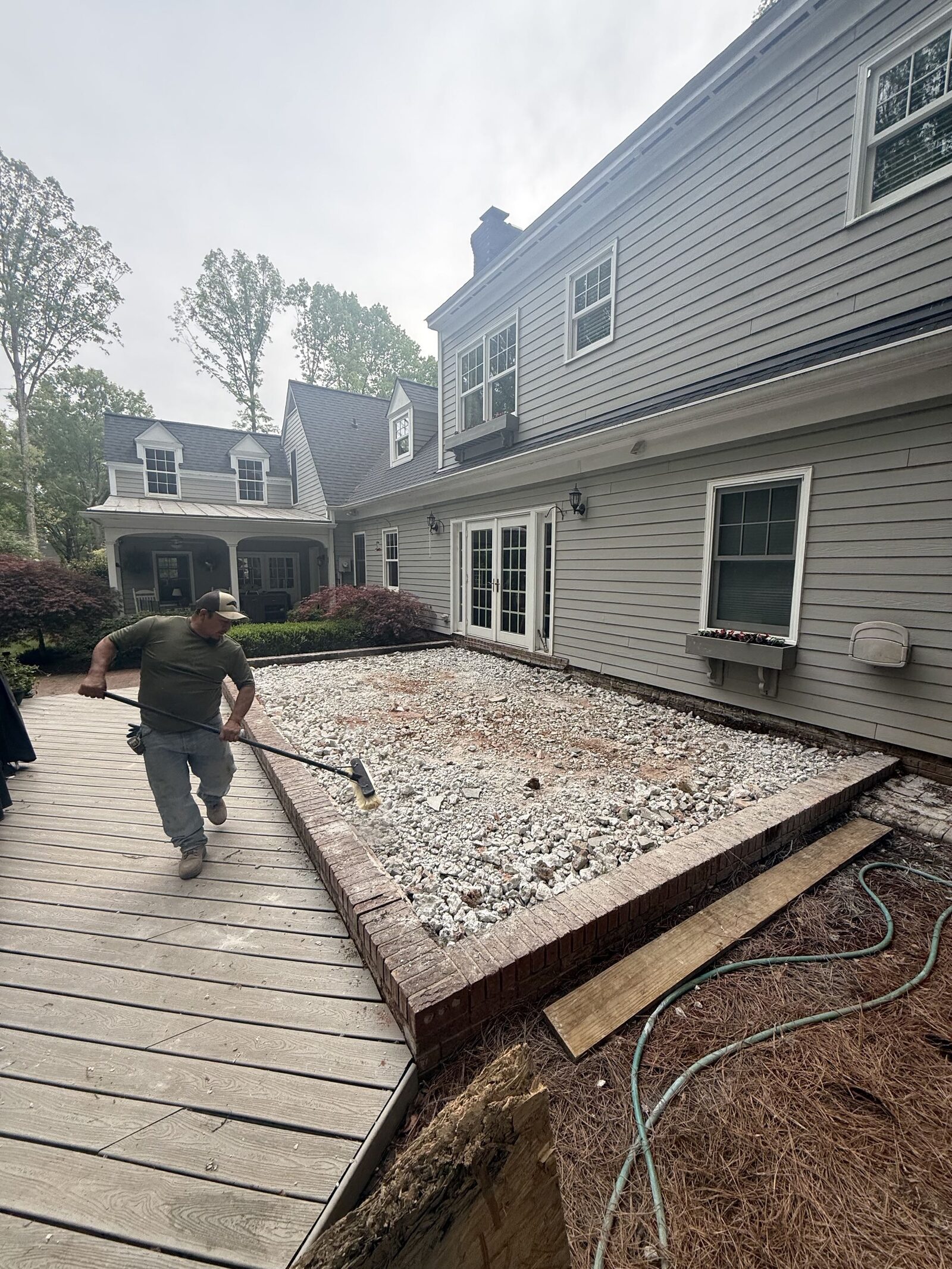
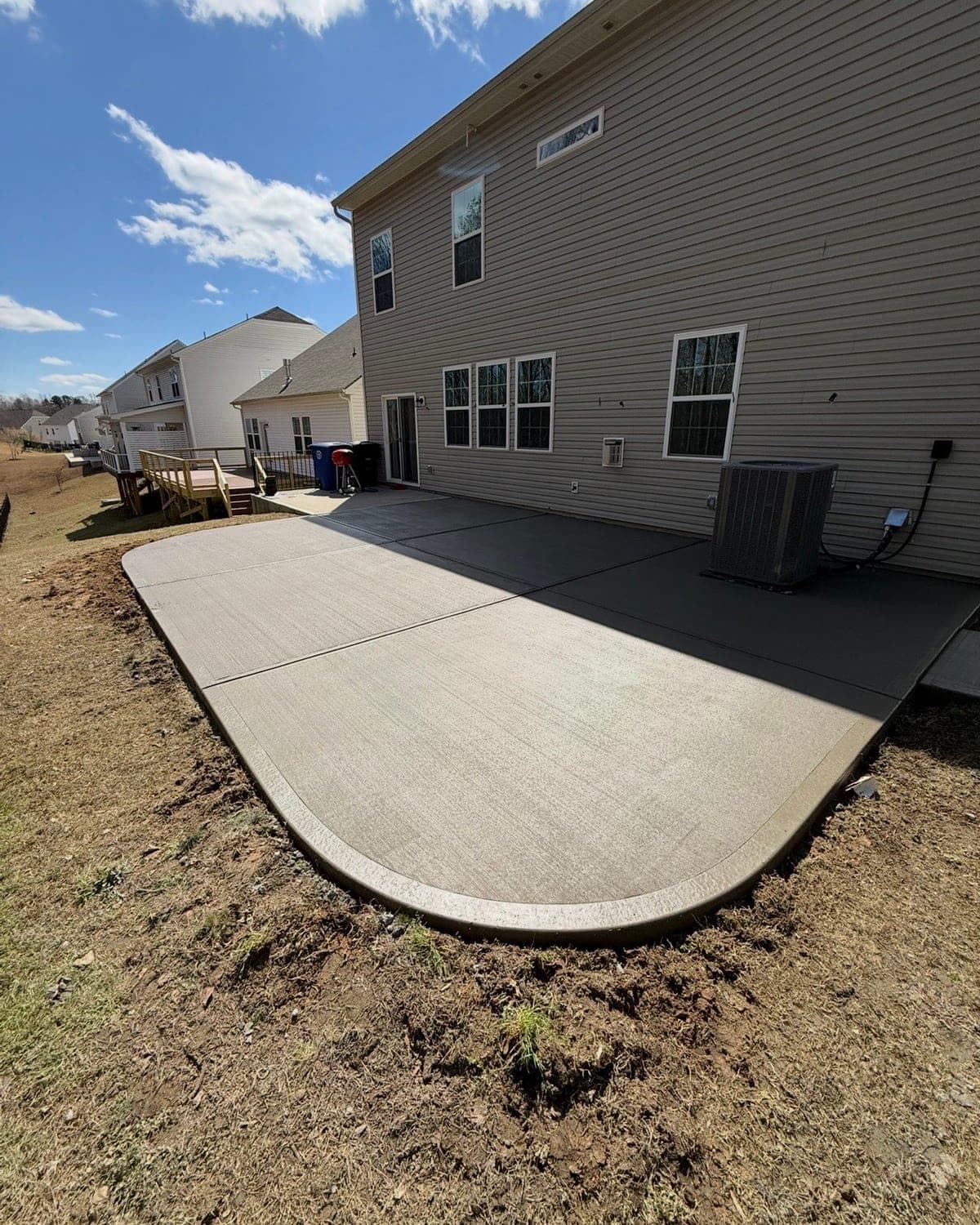
Patio Replacement
Old slab out, new finished slab in
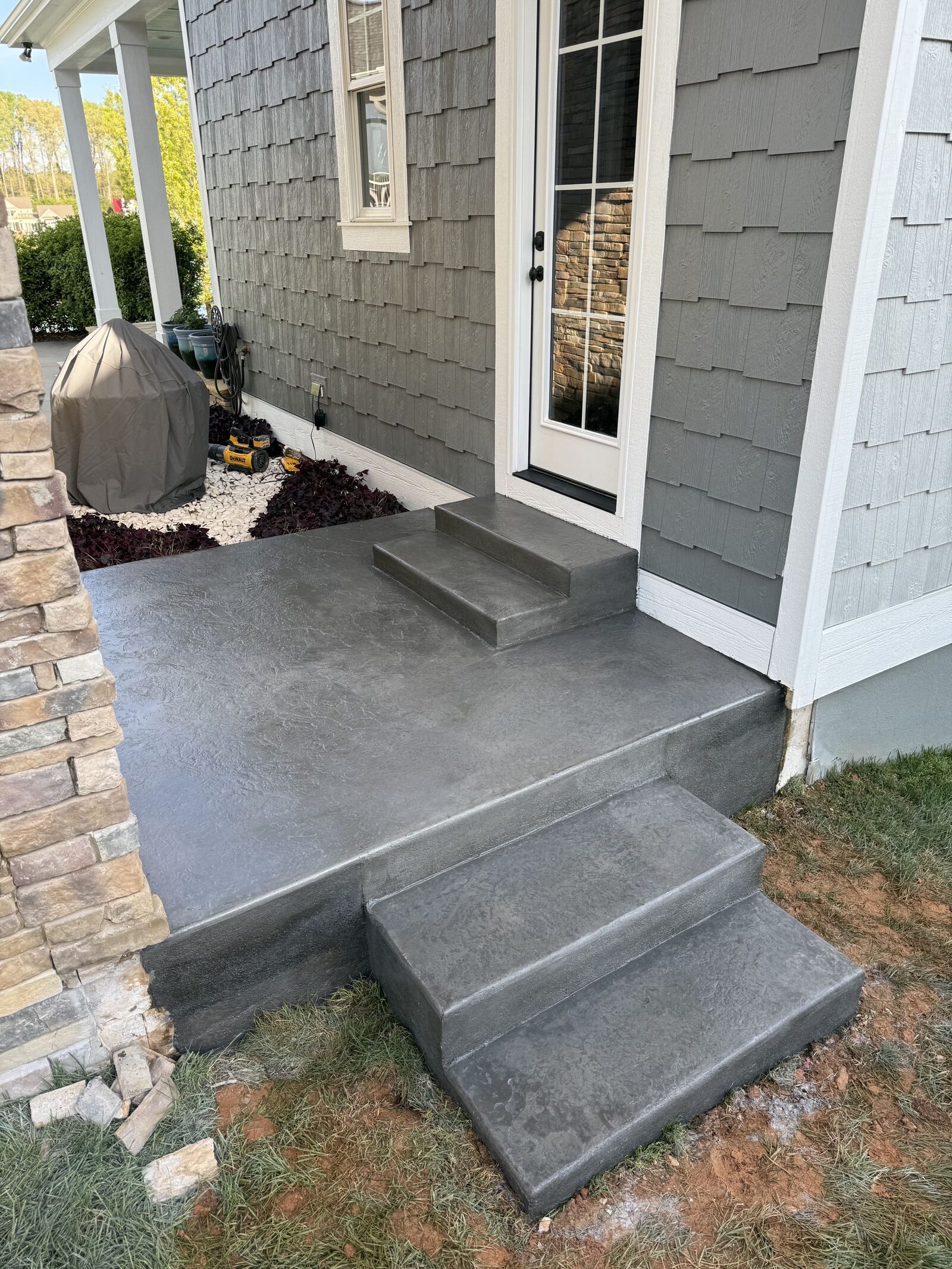
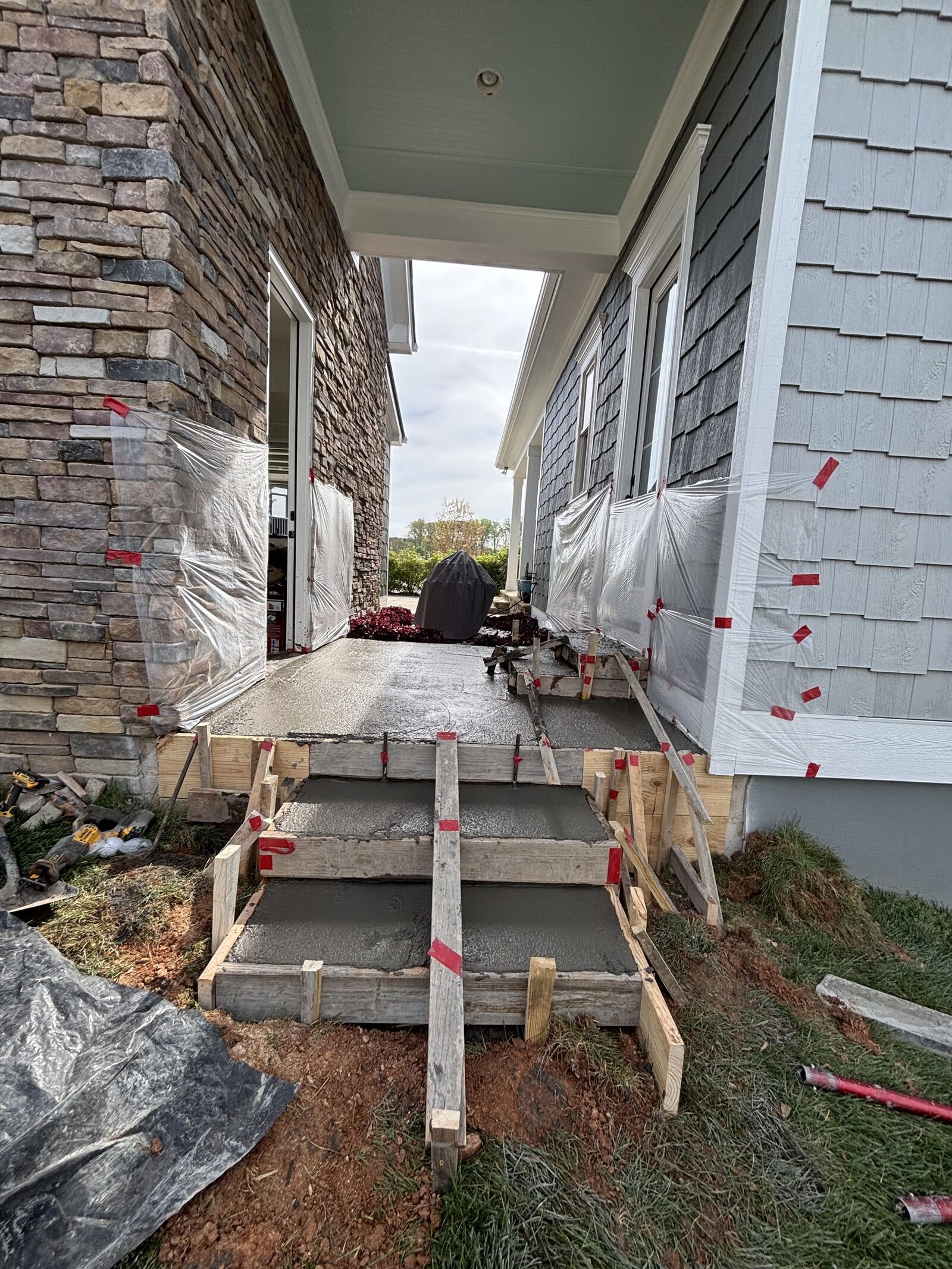
Stamped Concrete Landing
Custom stamped finish + edge tie-in
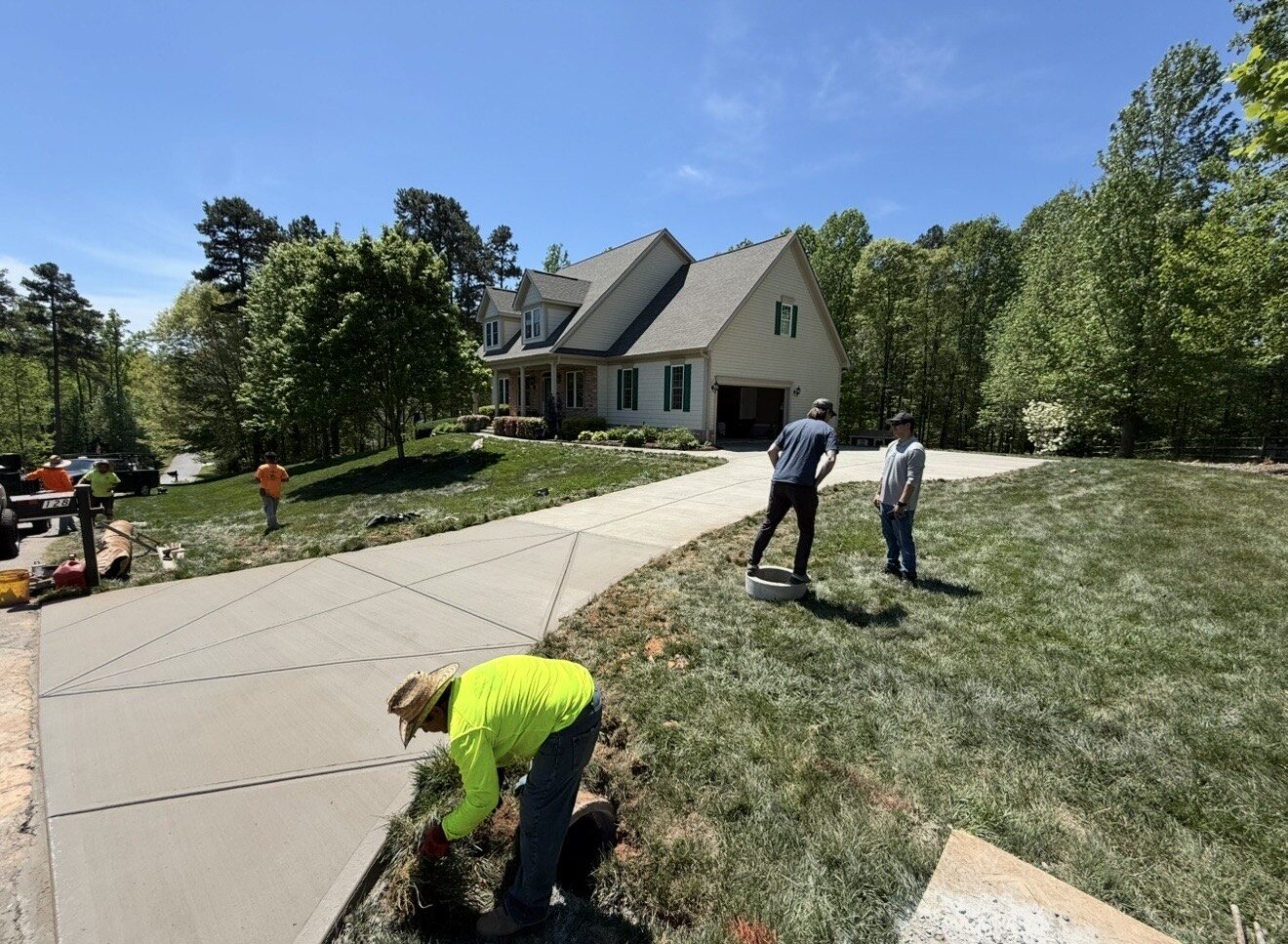
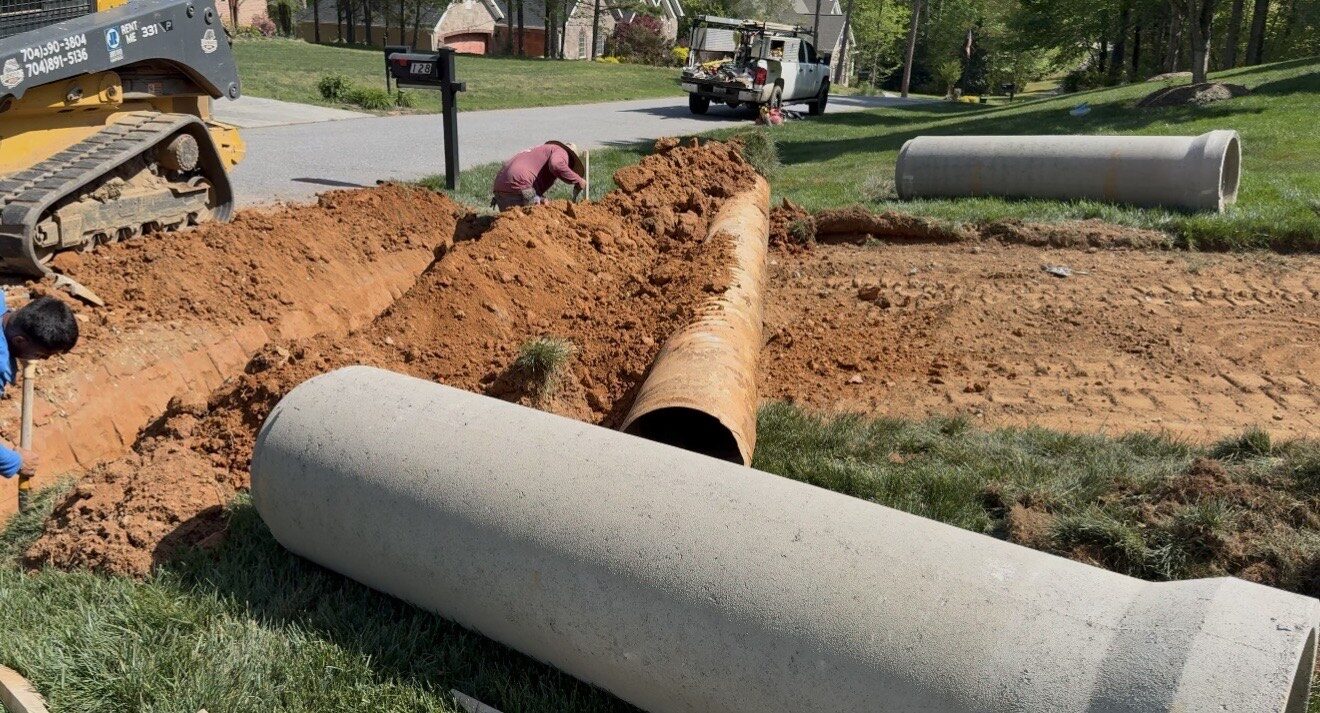
Driveway Replacement
Tear out + fresh pour
Our 18-Step Concrete Process
Every Local Concrete project follows the same engineered sequence — site eval, subgrade prep, base, forming, rebar, pour, finish, cure, seal. Built right the first time, no shortcuts.
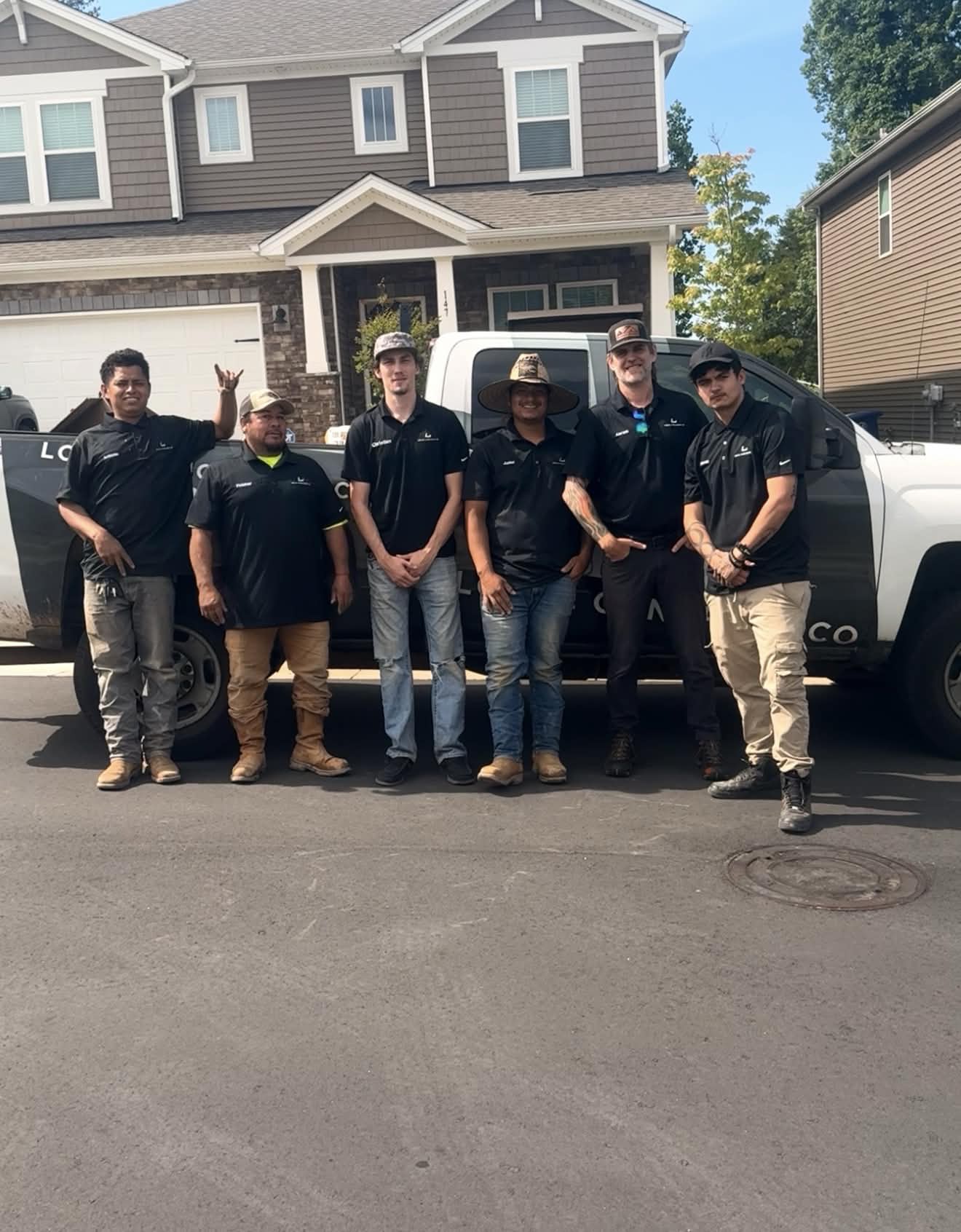
Consultation & Estimate
We meet on-site in NC to assess scope, discuss vision, and provide a detailed, transparent quote tailored to your NC property.

Logistics & Scheduling
Coordinating crew, equipment, and weather windows specific to NC's climate to ensure a seamless project start.
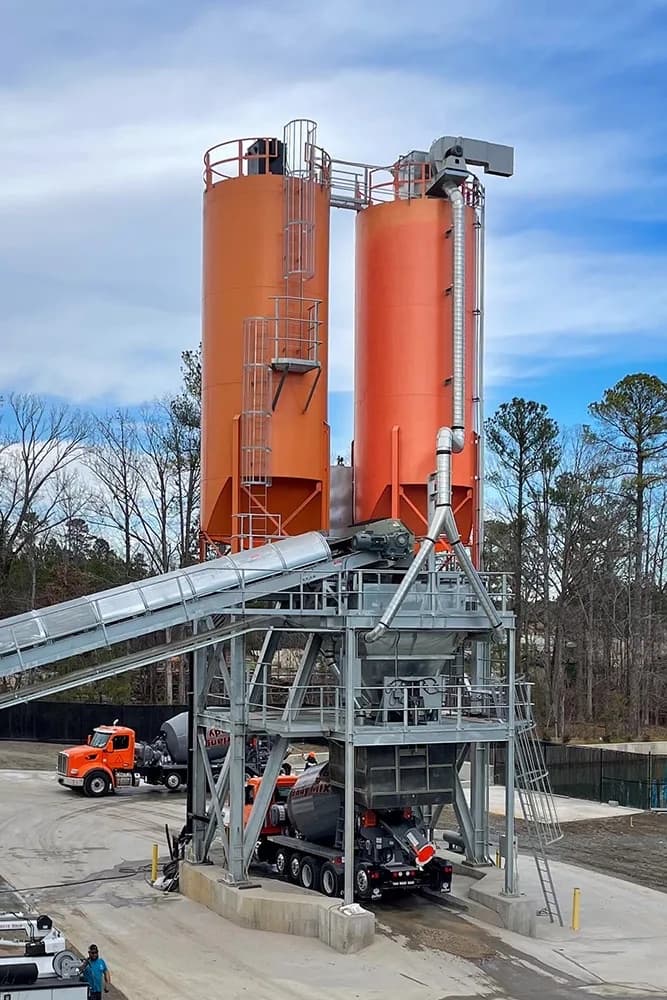
Custom Mix Design
Ordering specific concrete additives and slump requirements based on NC's current temperature and humidity patterns.
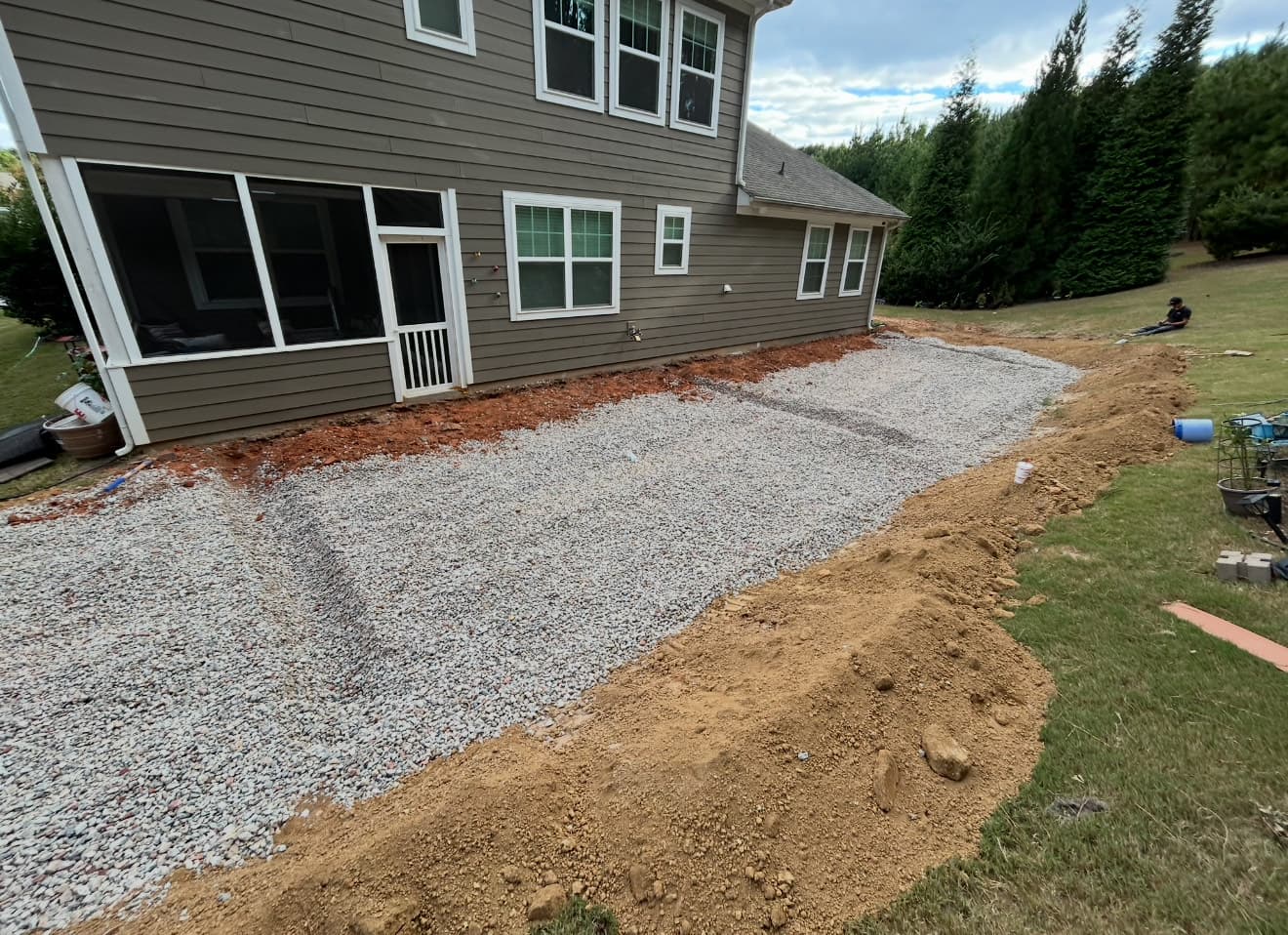
Site Preparation
Preparing the workspace in NC and establishing safe access routes for our equipment and crew.
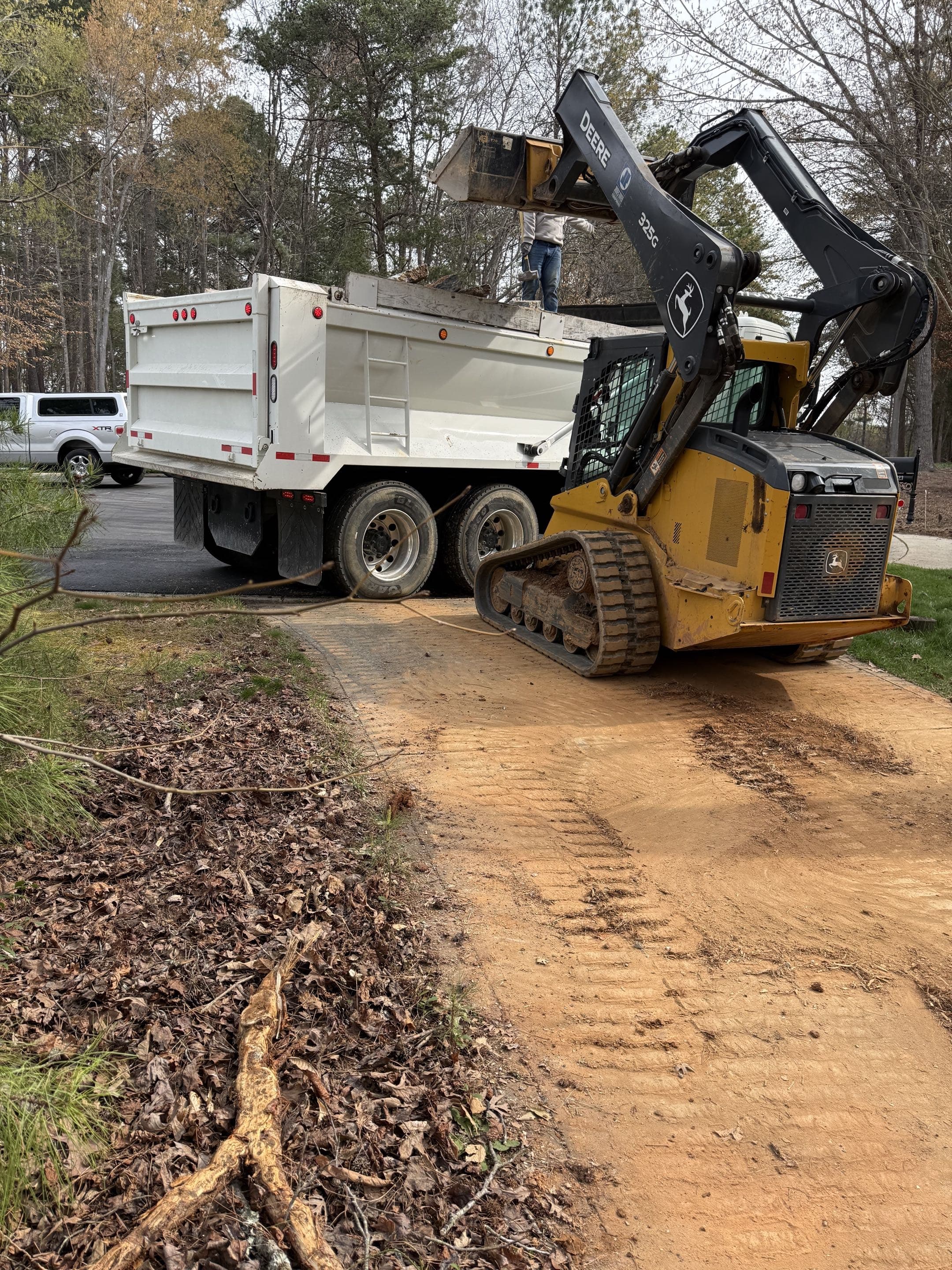
Demolition
Removal and disposal of existing concrete in NC, leaving a clean slate for your new installation.
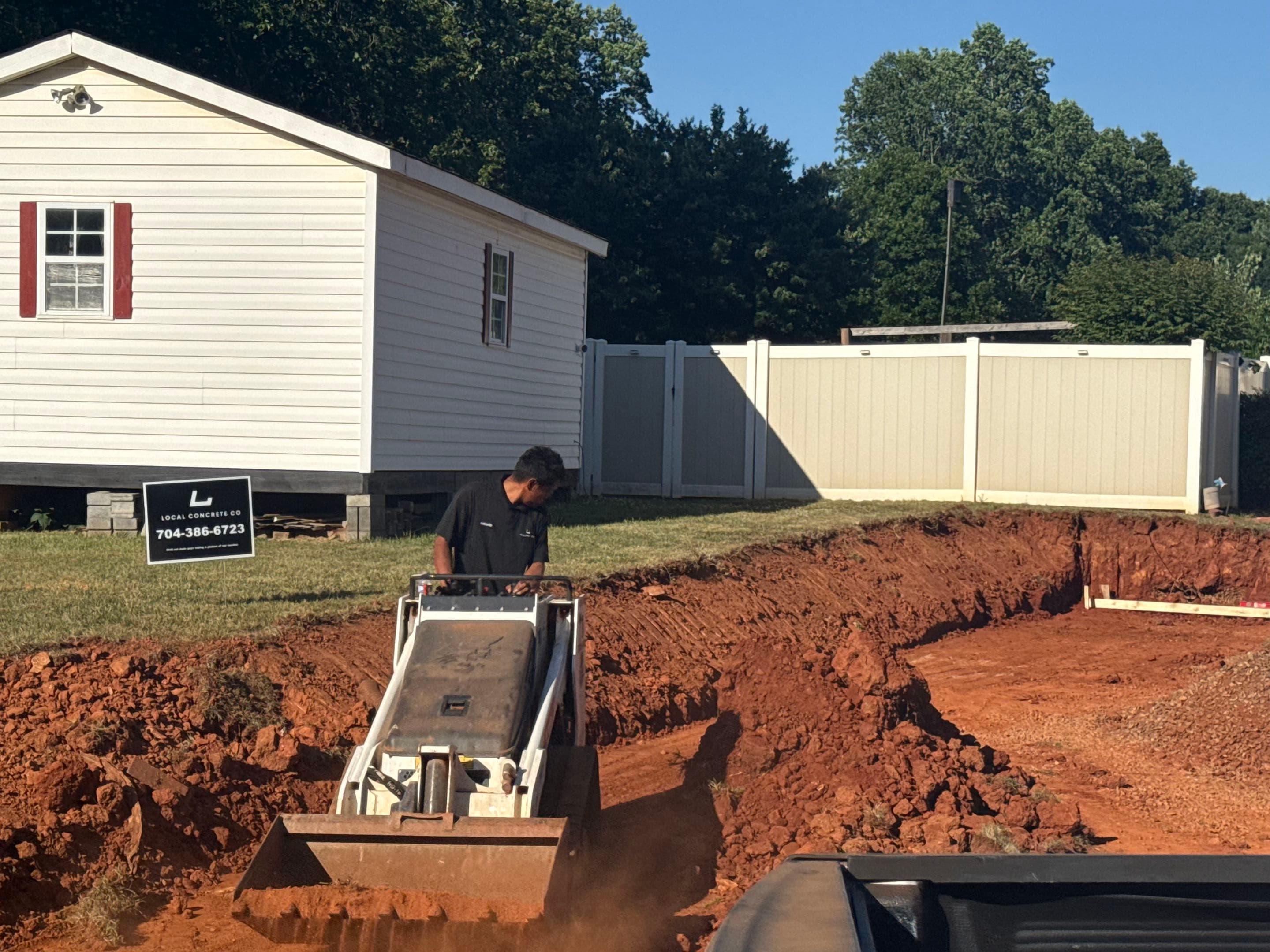
Grading & Forming
Expert grading for proper drainage in NC and setting high-quality lumber forms for clean edges.
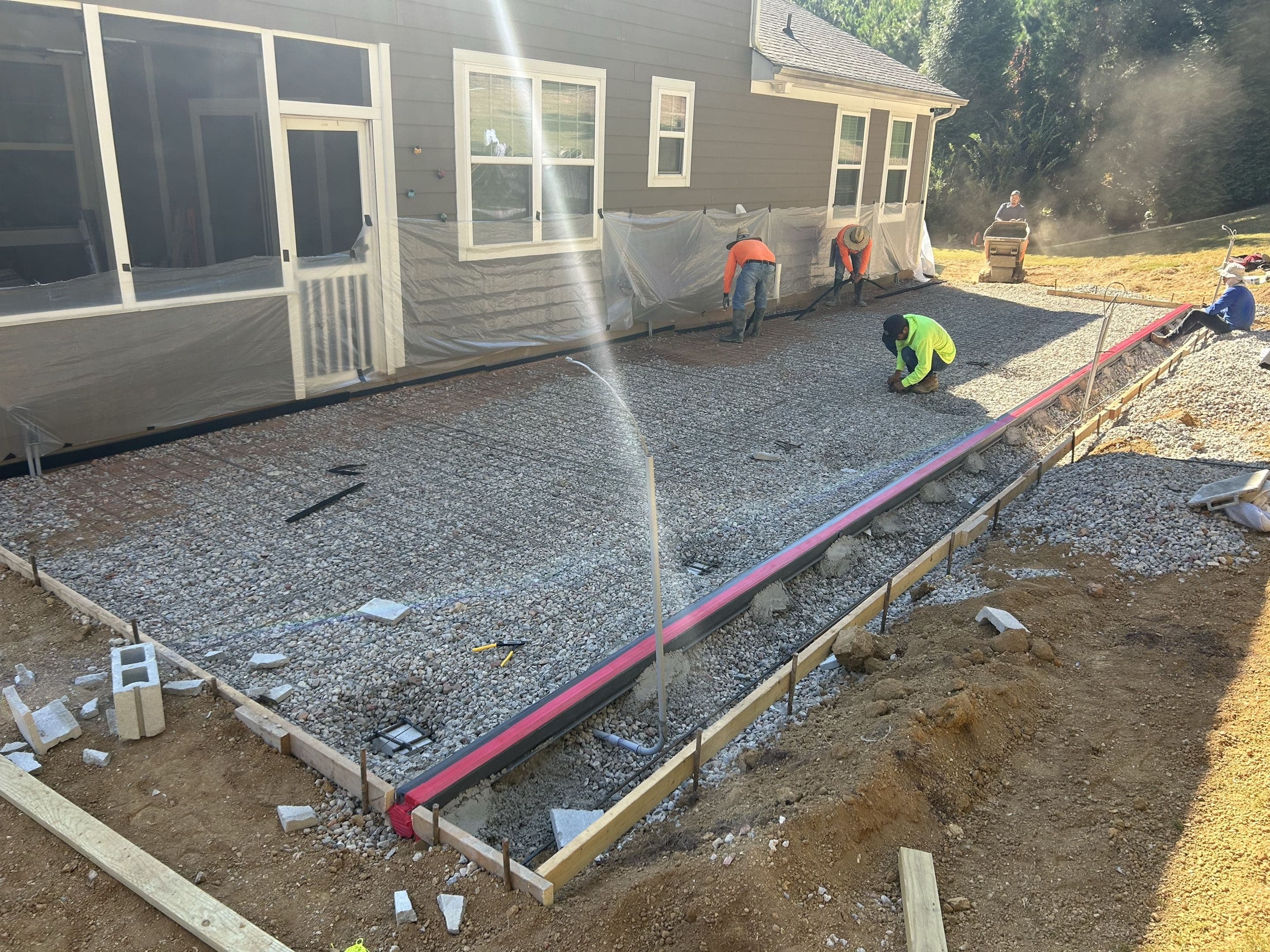
Reinforcement
Installation of steel rebar or wire mesh grid in NC, using 1/2 inch grid for structural tensile strength suitable for North Carolina conditions.
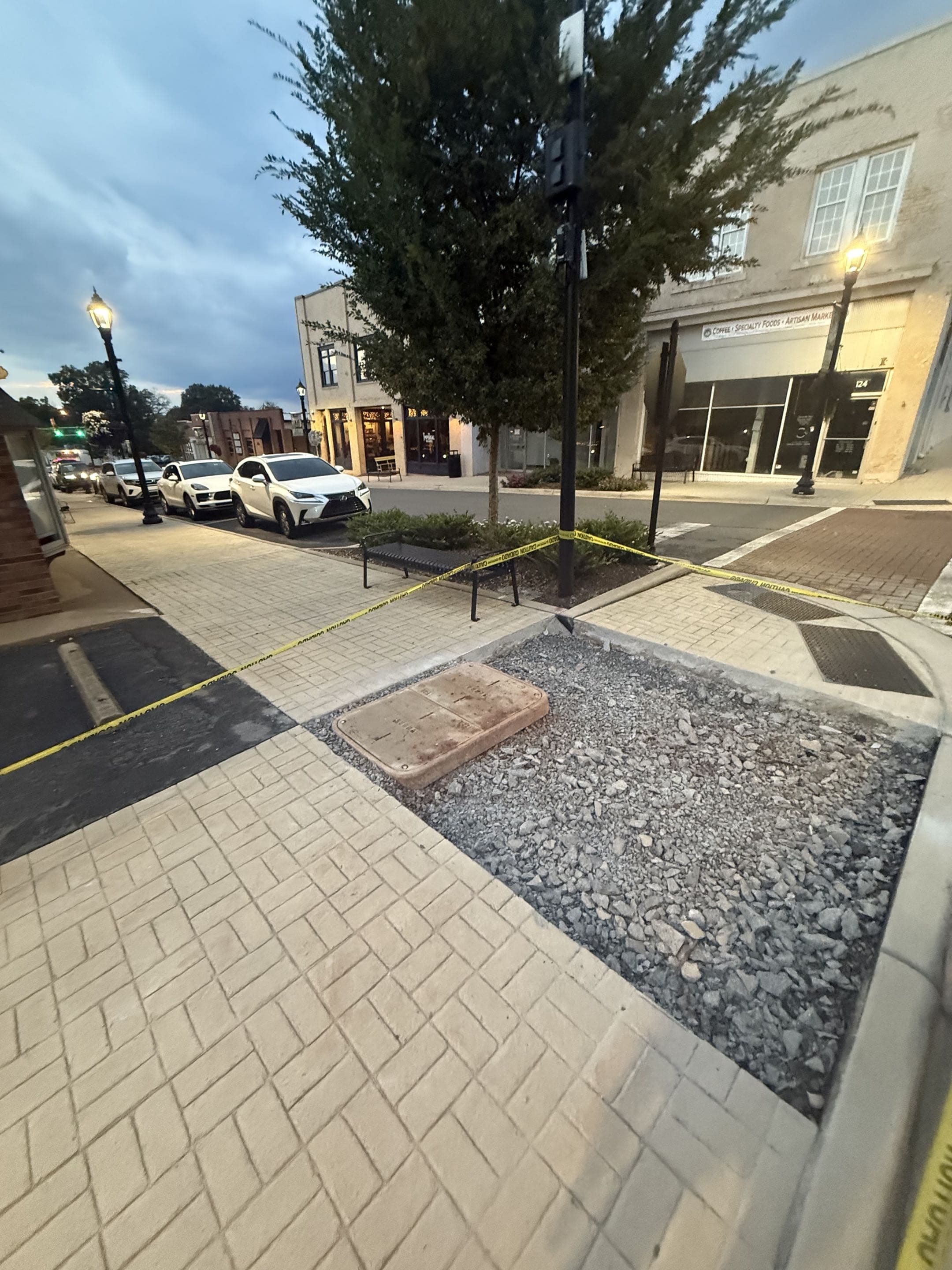
Pre-Pour Inspection
A final check of elevation, form stability, and reinforcement placement in NC before the truck arrives.
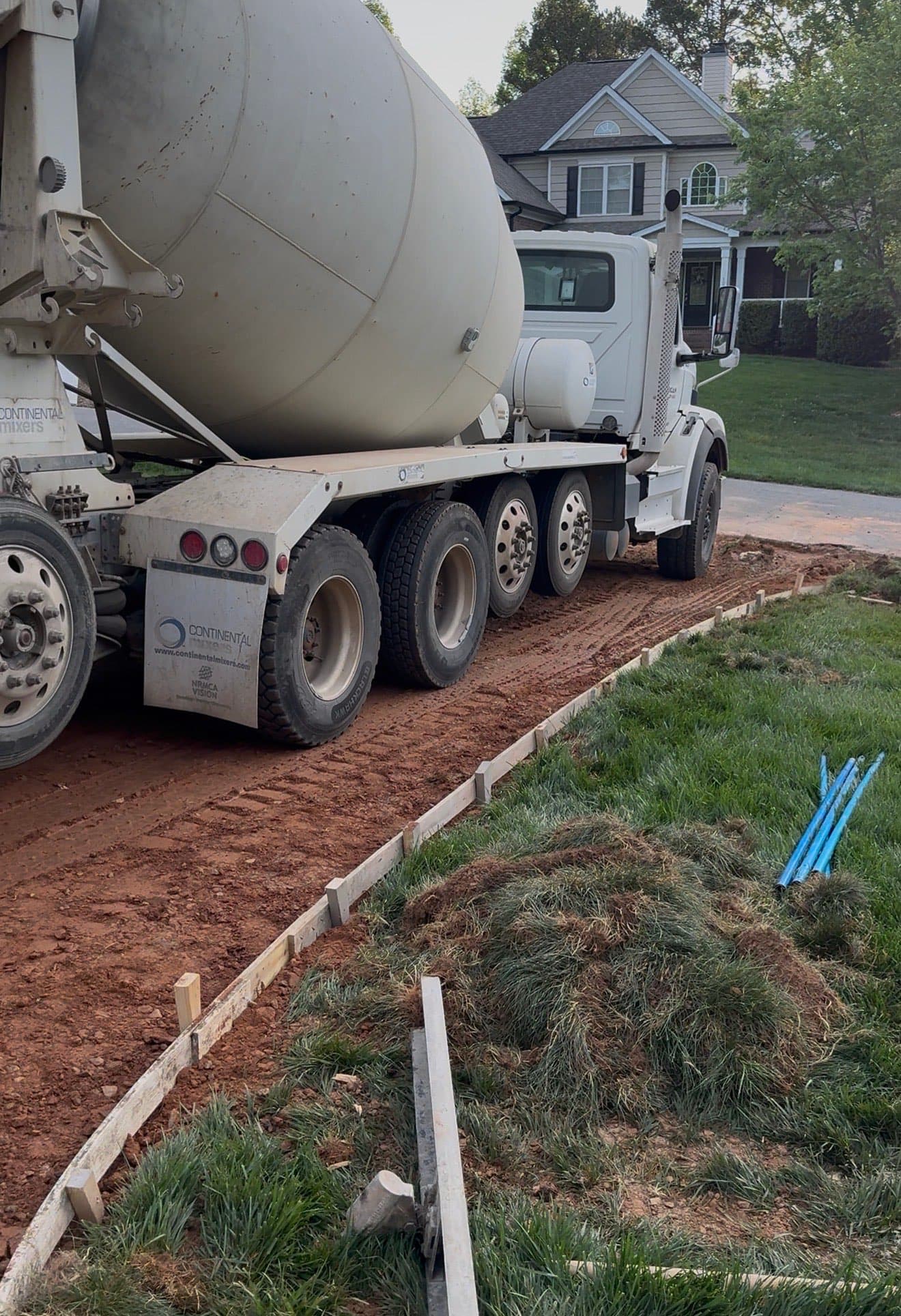
Slump Testing
Verifying concrete consistency on-site in NC to ensure it meets the engineered mix design.
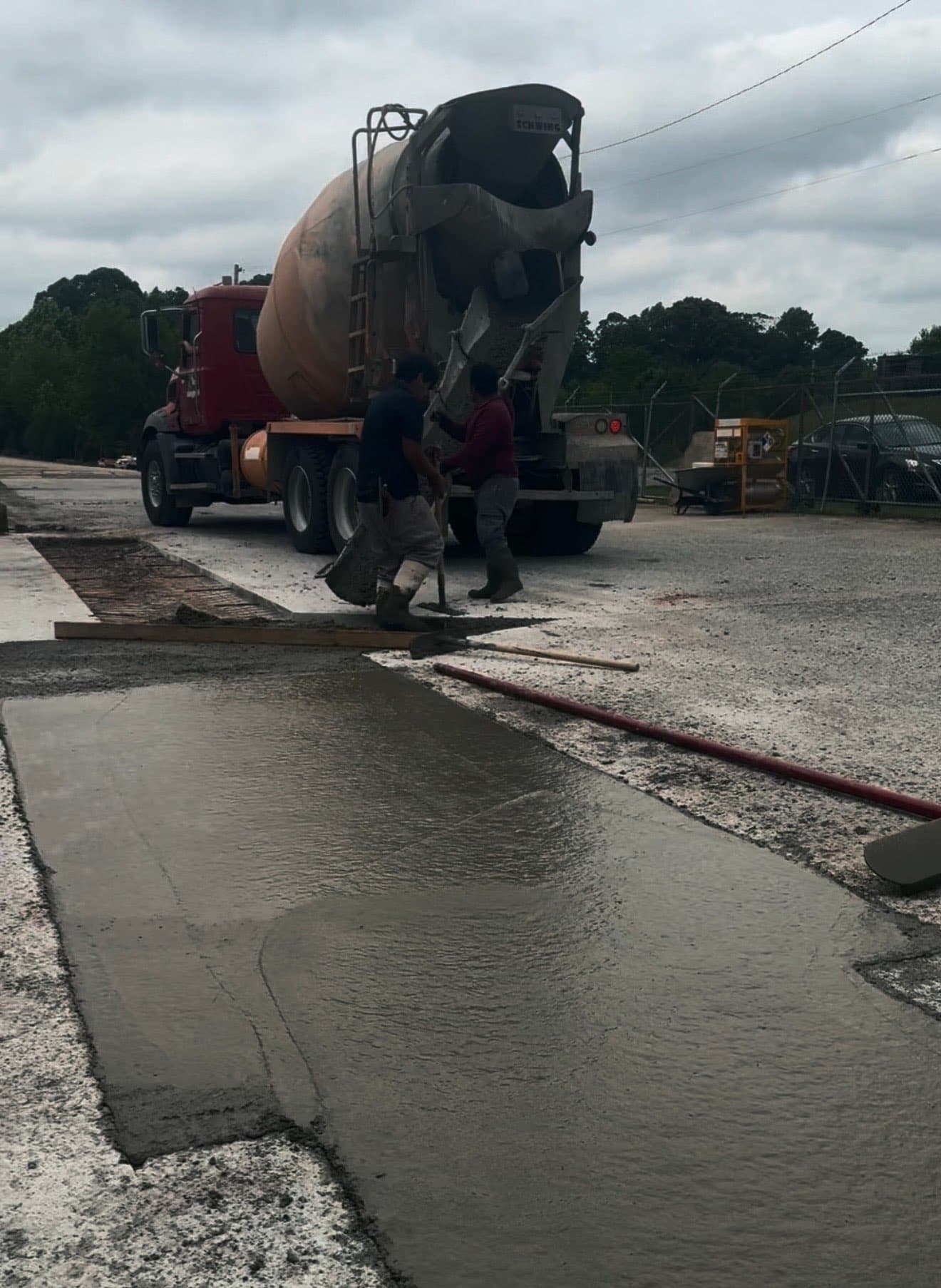
Placement
Controlled pouring and placement of concrete in NC to avoid cold joints and ensure uniformity.
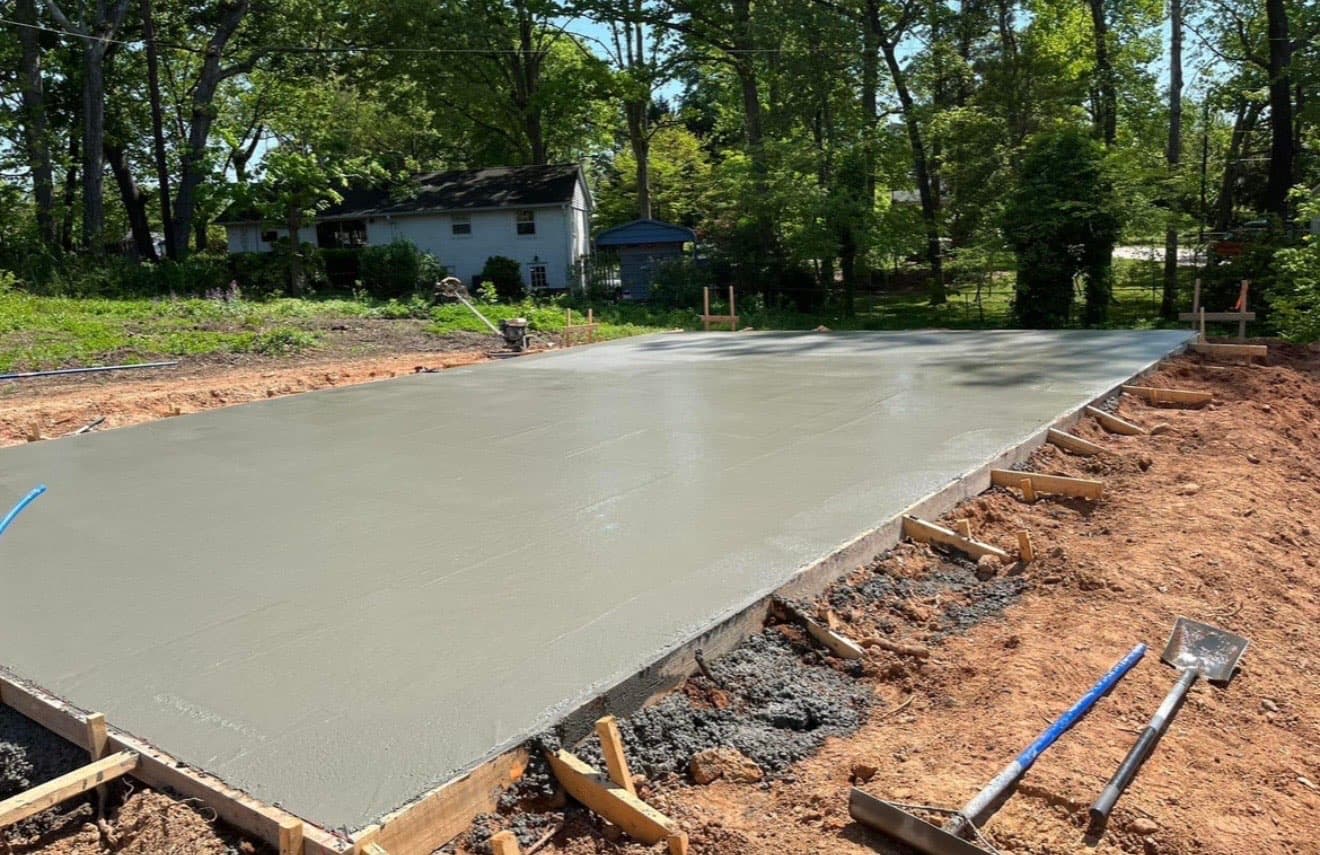
Bull Floating
Pushing aggregate down and bringing 'cream' to the surface for a smooth finishable layer in NC.
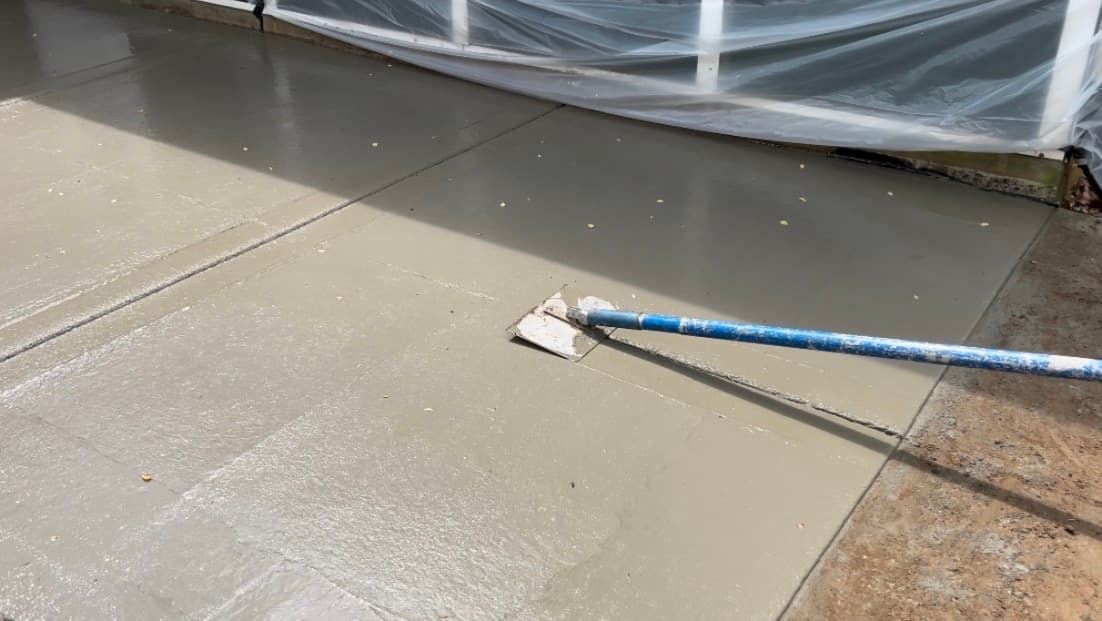
Edging & Jointing
Creating rounded edges for durability in NC and cutting control joints to manage expansion in North Carolina's climate.
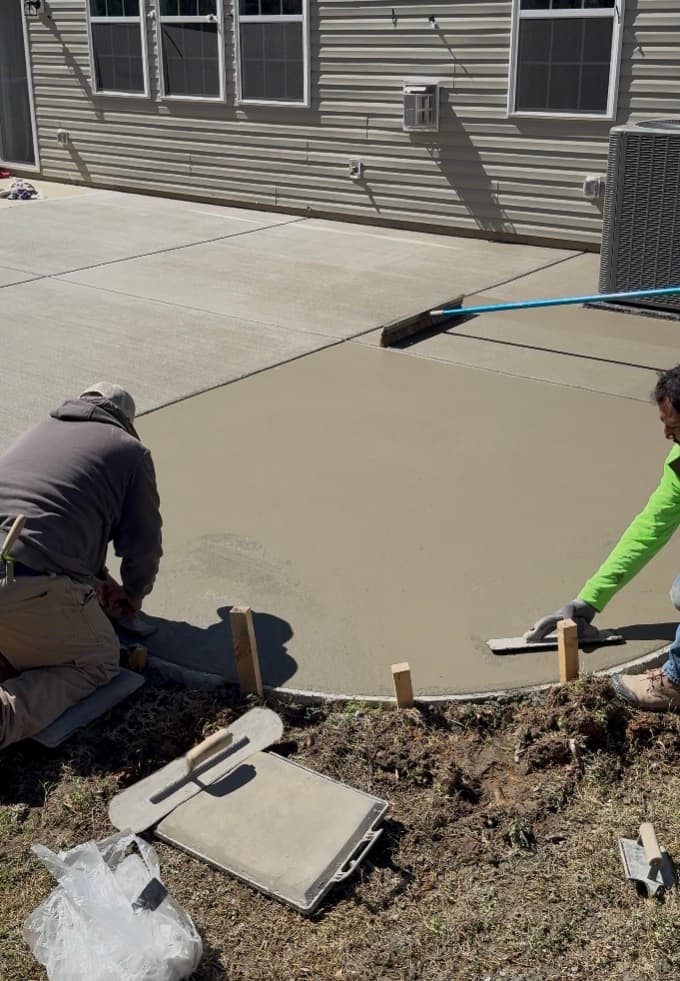
Fresno Finish
Final smoothing pass in NC to close the surface pores and prepare for texturing.
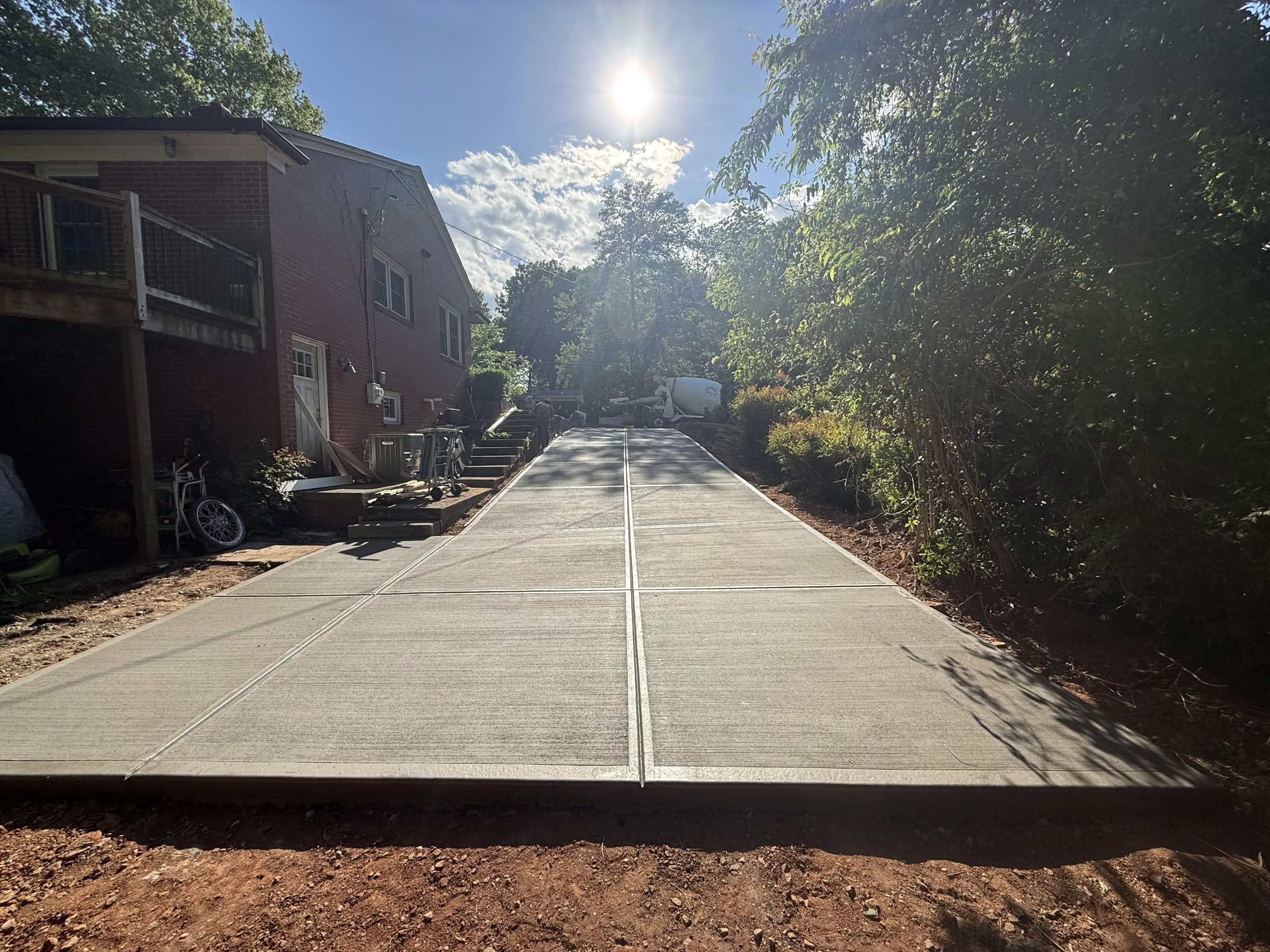
Decorative Detailing
Applying final broom texture, stamp patterns, or color treatments as specified for your NC project.
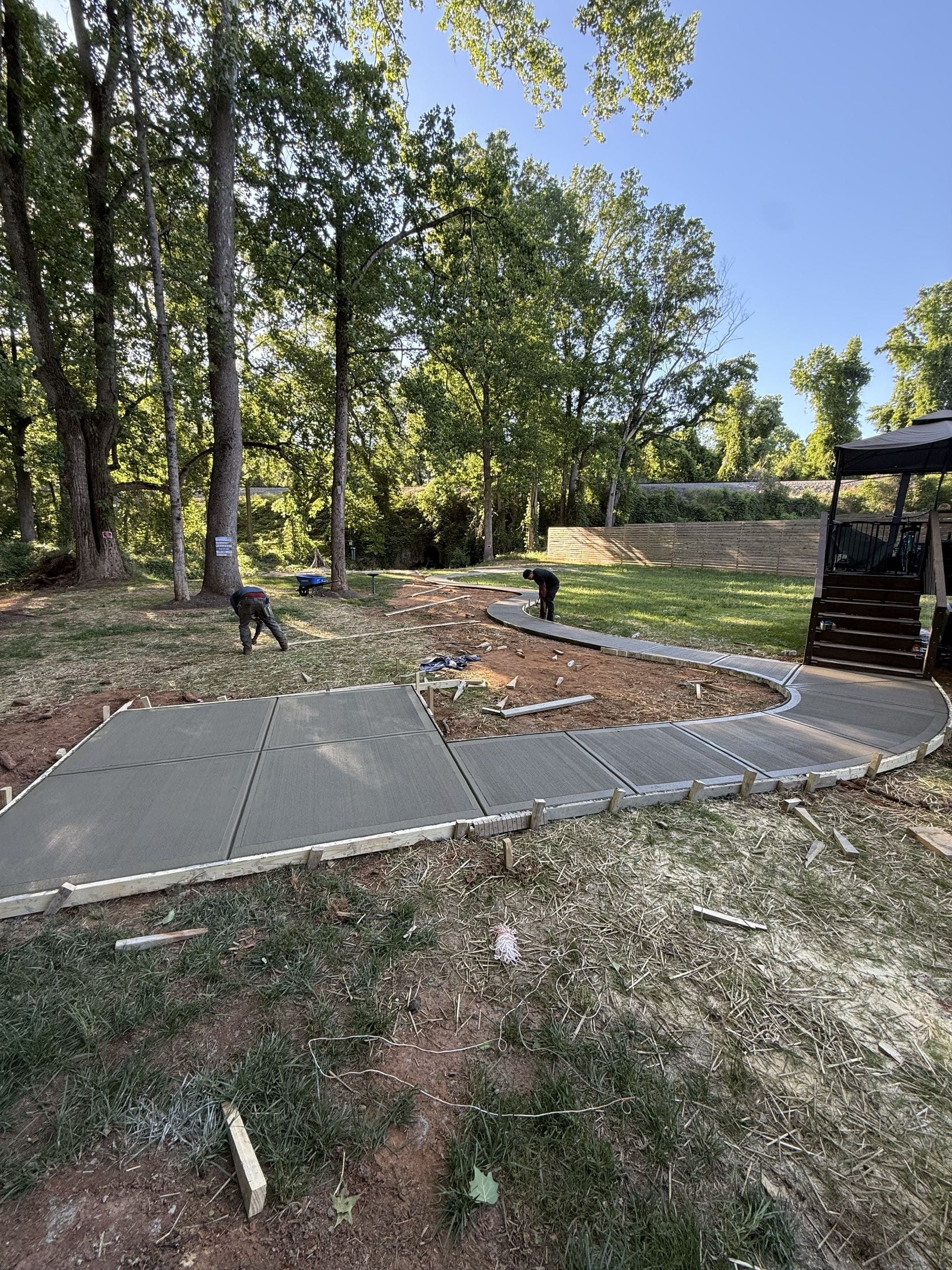
Form Removal
Careful stripping of forms in NC once concrete has reached initial set stability.
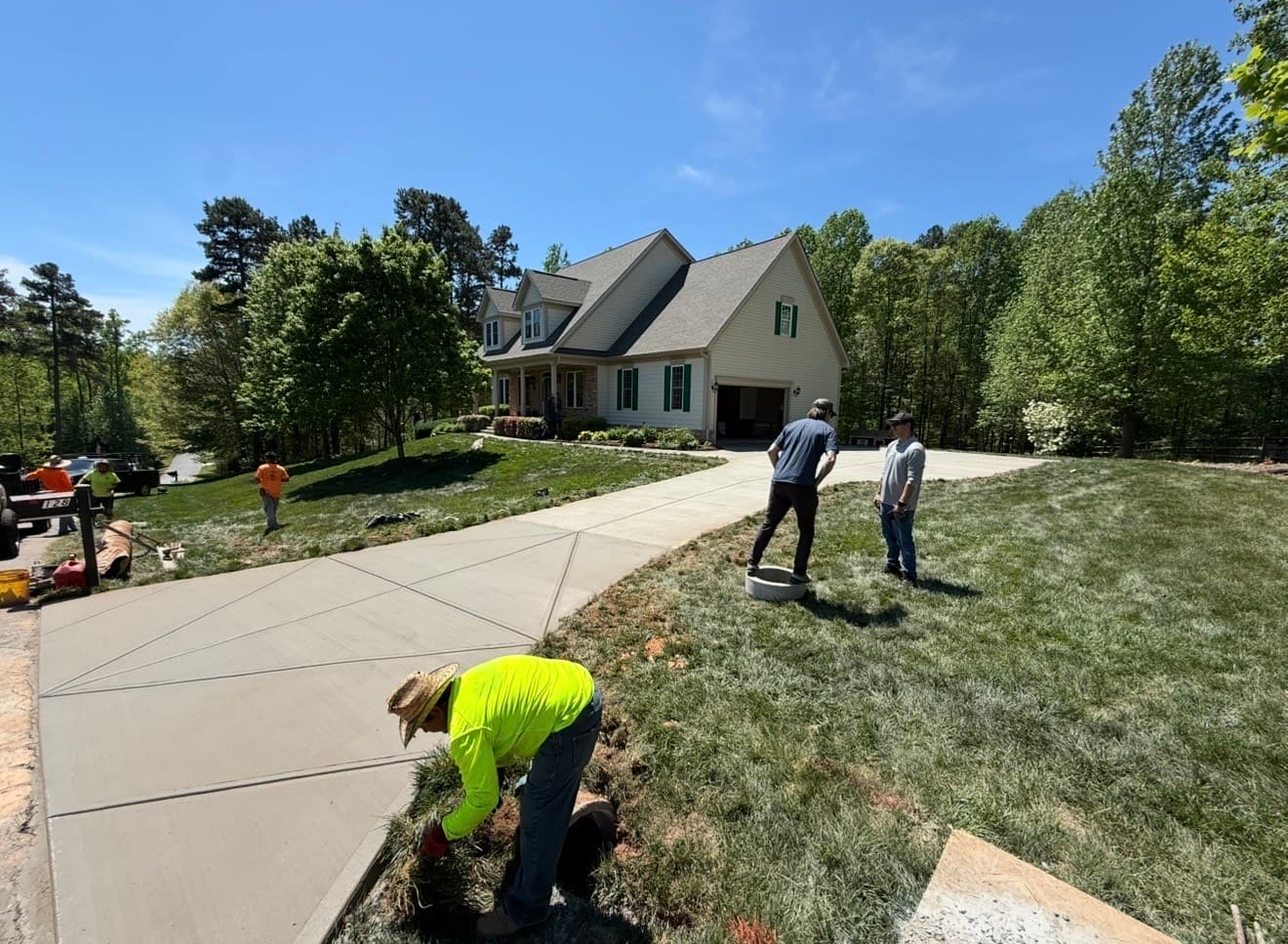
Final Walkthrough
Reviewing the finished project with you in NC to ensure every detail meets the standard.

Usage Guide
Providing clear instructions for NC homeowners on cure times—when you can walk, drive, and park on your new concrete.
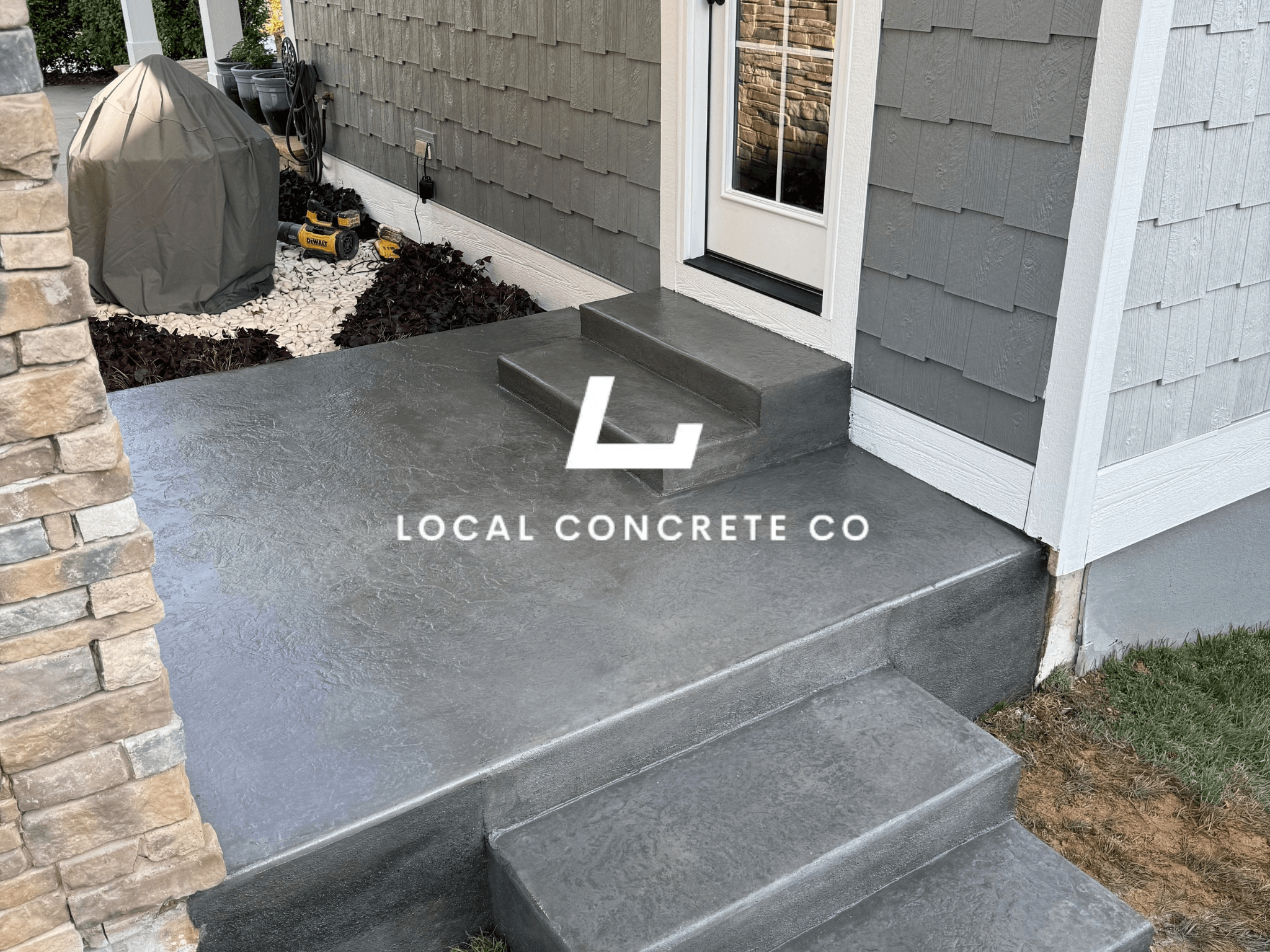
Project Completion
The job is done right in NC, ensuring you have a durable surface for years to come in the NC area.
Find Your City
Click any city on the map to see local pricing, photos, and reviews from your neighborhood.
Real Answers to Your Concrete Questions
Straight answers on cost, cure time, deposits, and what separates Local Concrete from the rest.
Ask a QuestionHow much does a new concrete driveway cost in NC?
Cost depends on size, finish, and site prep — every job is different. We come out and walk the site with you, then give you a flat, all-in price during the free estimate. No surprise change orders mid-project, and no payment is due until the concrete is poured.
How long do I have to wait before driving on new concrete in NC?
Wait at least 7 days before driving passenger vehicles on new concrete in NC. You can walk on it after 24-48 hours. Heavy equipment, RVs, and box trucks should stay off for the full 28-day cure window. North Carolina's humidity and temperature swings need that time to hit full design strength.
Is stamped concrete slippery when wet in NC?
The stamps we use leave a textured surface profile that's naturally non-slip — no different than a real stone or brick surface when wet. For pool decks or shaded patios where extra grip matters, we can mix a non-slip additive into the sealer at no upcharge.
Will my concrete crack in NC?
All concrete moves as it cures and as the seasons change — that's why control joints exist. We saw-cut control joints into every slab within hours of the pour so any shrinkage stress releases into the joint instead of the slab face. Combined with a high-strength concrete and steel rebar, that's how we keep slabs from cracking through the field. Anyone promising "crack-free" concrete is either cutting corners or not telling you the truth.
Do I need rebar in my NC driveway?
Yes. We install structural steel rebar on every residential slab in NC — no wire mesh substitutes. Rebar increases the tensile strength of the slab and keeps the concrete locked together if a shrinkage crack ever opens up. NC's clay-heavy soils swell and shrink with moisture, and rebar is what keeps the slab flat through those cycles.
How thick should a concrete driveway be in NC?
4 inches is the standard for residential driveways (cars and SUVs) in NC. We pour 5-6 inches when you've got an RV, dually, or anything regularly over 10,000 lbs. Commercial slabs and pole barn pads get spec'd to the load — we'll match thickness to what's actually rolling over it.
Can you pour concrete directly over my old NC driveway?
We don't recommend it. Pouring fresh concrete over an old, cracked slab telegraphs every existing crack up through the new surface within a season or two ("reflective cracking"). It also raises your grade and can cause water to pond against the house. Tearing out and re-pouring on a properly compacted gravel base costs more day one but lasts decades longer.
Do I need to seal my concrete in NC?
Standard broom-finish driveways and sidewalks don't strictly need sealing — a properly poured high-strength concrete slab with control joints holds up on its own. Where sealing matters is stamped or decorative concrete: a sealer protects the color and the texture. We'll recommend it where it makes sense, not as a default upsell.
How long will a concrete driveway last in NC?
Done right — high-strength concrete, properly compacted base, structural rebar, and control joints cut on time — a concrete driveway in NC should last 30 to 50+ years with minimal maintenance. Most of the slabs that fail early do so because the base wasn't prepped, joints were skipped, or the mix was watered down on site. We don't cut those corners.
Do you handle the permits in NC?
Yes. When NC requires a permit for your driveway, patio, or pad, we pull it and handle the inspections. We work with the local building department regularly and know what's required for setbacks, impervious surface limits, and right-of-way work.
What is the difference between 3000 PSI and high-strength concrete for NC projects?
PSI is the compressive strength of the cured concrete. 3000 PSI is the minimum for residential sidewalks and foot-traffic slabs. We pour high-strength concrete on every driveway and structural slab in NC — it's denser, more freeze-thaw resistant, and significantly more durable under wheel loads. The cost difference per yard is small; the longevity difference is huge.
Can you pour concrete in the rain in NC?
Light mist is fine — we'll keep going. Heavy rain washes cement paste off the surface and weakens the finish, so we'll reschedule if a real storm is incoming. We watch the radar all day during a pour and tarp the slab if a surprise cell pops up.
Does concrete add value to my NC home?
A clean, well-finished concrete driveway or patio is one of the highest ROI exterior upgrades. Buyers in NC read a cracked, patched, or gravel drive as deferred maintenance and discount accordingly. Stamped patios, in particular, expand usable outdoor living space — which appraisers and buyers both reward.
How do you handle water drainage in NC?
Drainage gets designed before the pour. We grade the compacted base and slope the finished slab away from your foundation — typically 1/8" to 1/4" per foot — so water sheets off instead of ponding. On sites where natural slope works against the house, we'll add a trench drain or French drain at the slab edge.
What is 'spalling' and how do I prevent it in NC?
Spalling is when the top surface of the concrete flakes off in chips. It's almost always caused by water sitting in the surface pores and freezing, or by using rock salt / de-icing chemicals on the slab in winter. We use a high-strength concrete air-entrained mix on every pour to resist freeze-thaw damage, and we ask you to never put rock salt on it — sand or calcium chloride only if you absolutely need traction.
How long does a project take in NC?
Most residential driveways and patios in NC are a 1-3 day job. Day 1: demolition, base prep, forms set, rebar tied, concrete poured and finished, control joints saw-cut within hours of placement. Day 2-3 (when needed): forms come off, site cleanup, any tear-out hauled. Bigger or staged jobs (multi-section pours, decorative work) can stretch longer. Weather like heavy rain or freezing temps can push the start date but doesn't change the work itself.