



Concrete Demolition & Tearout
Full concrete demolition and haul-off across North Carolina — driveways, patios, sidewalks, slabs, and footings taken out clean, subgrade left ready for the next pour, and rebar cut and hauled to a recycler instead of the landfill. Zero deposit, licensed and insured, scope written down before we start.
Get your free quote
We respond in less than 2 hours.
Real Projects We've Completed
A cross-section of our real project work — driveways, patios, porches, pool decks. Every pair below is a real Local Concrete Contractor install.
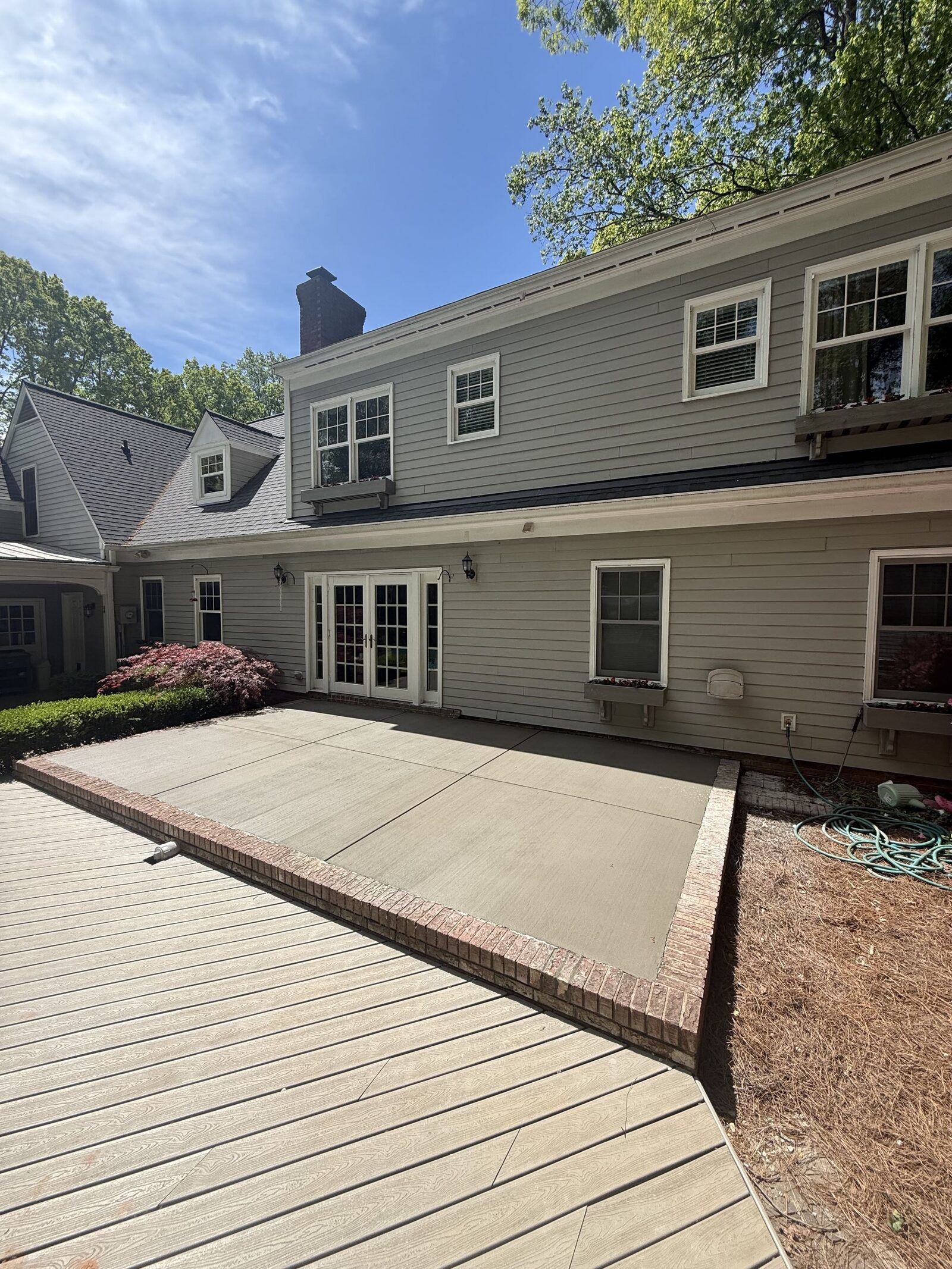

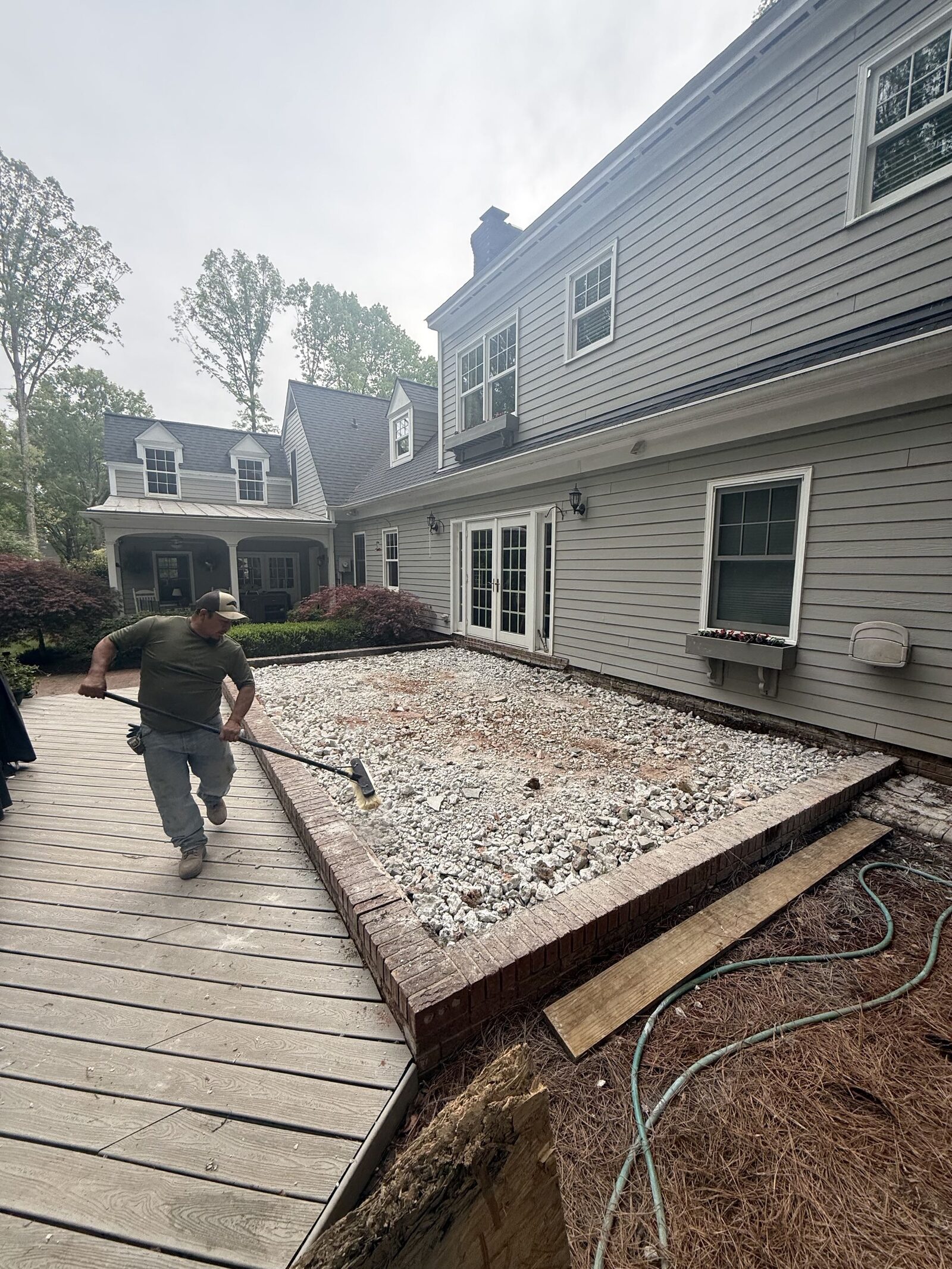
Backyard Patio
Full tear-out, new pour with brick-border detail
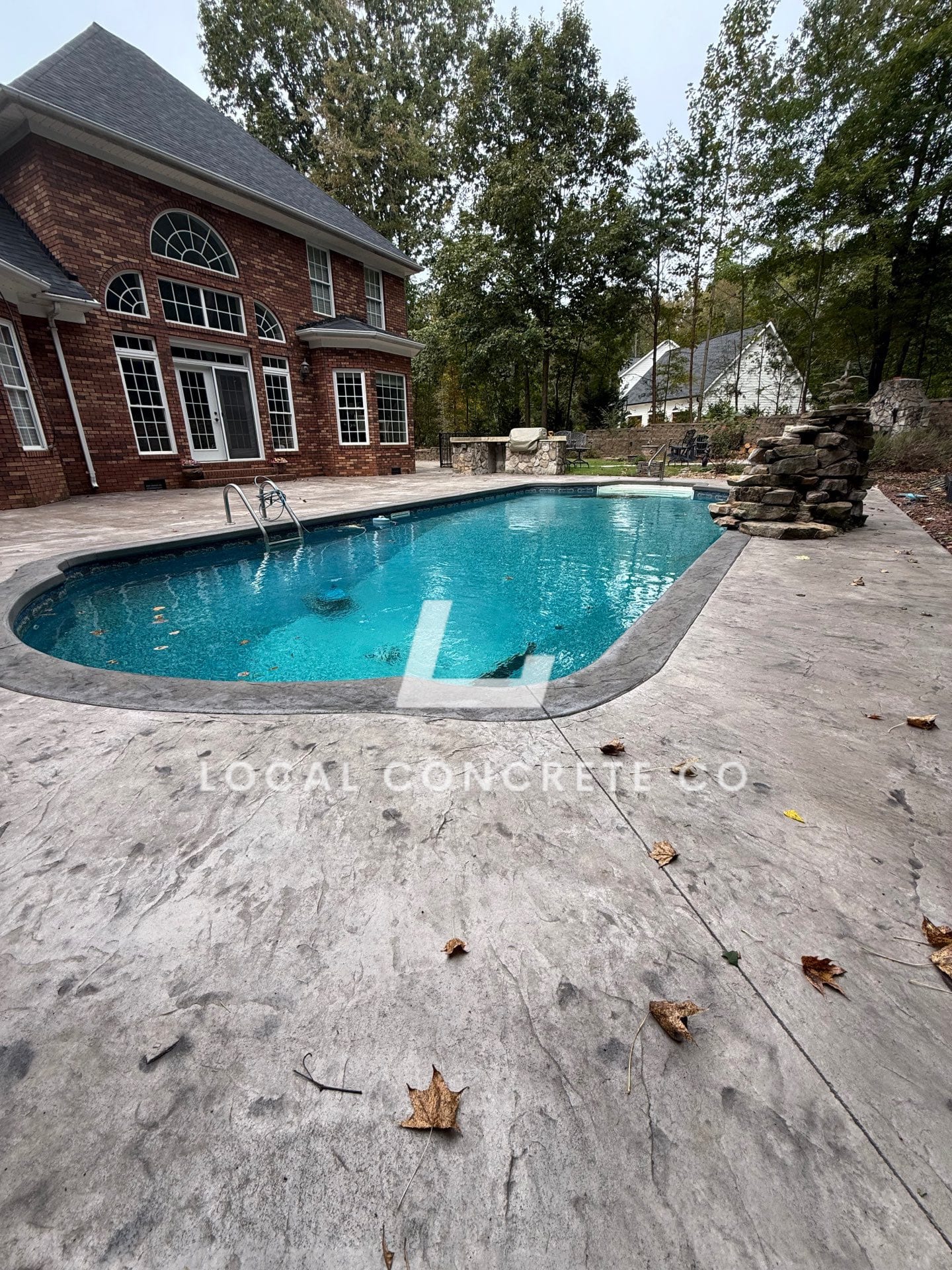
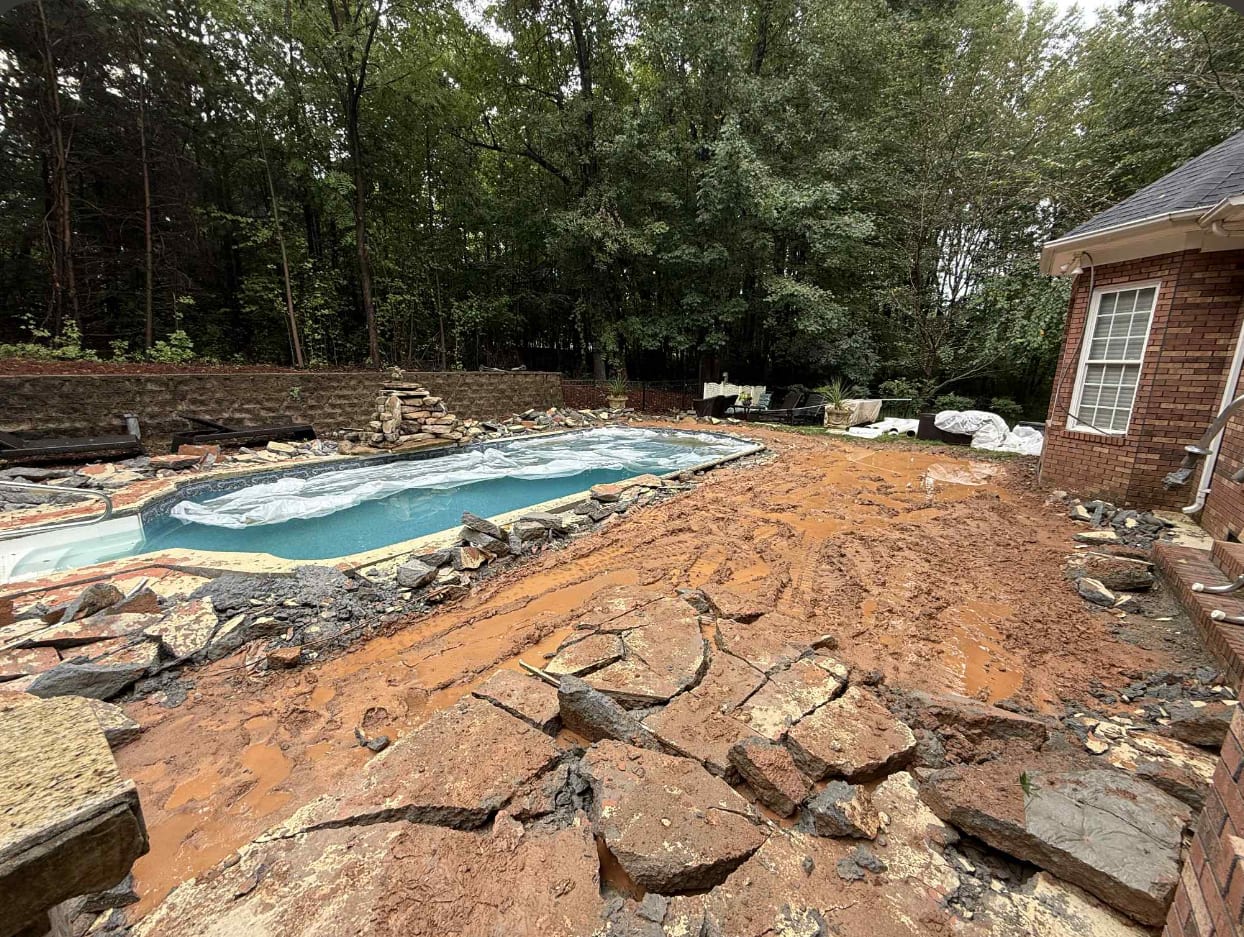
Stamped Pool Deck
Weathered deck replaced with textured stamped pour
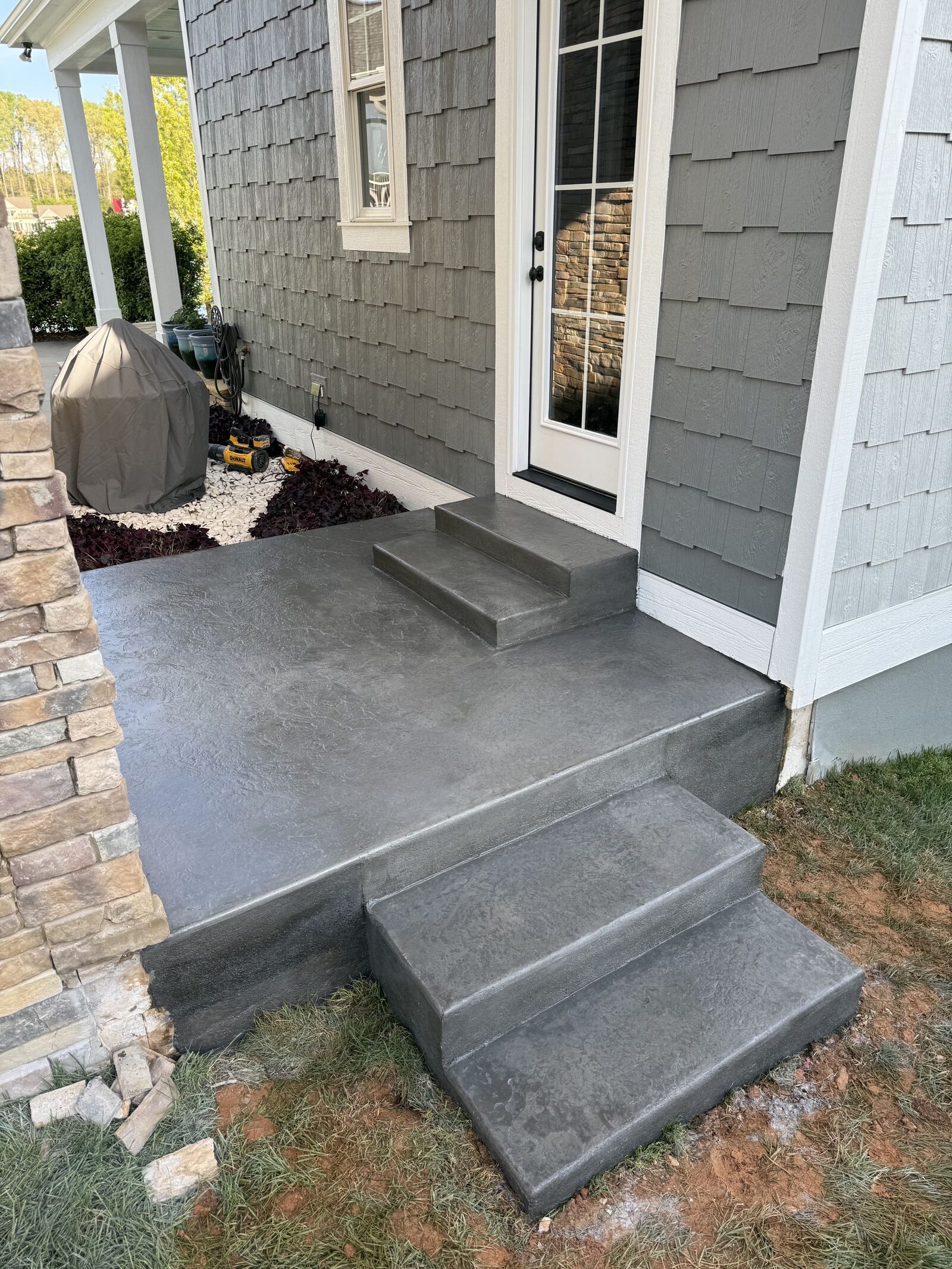
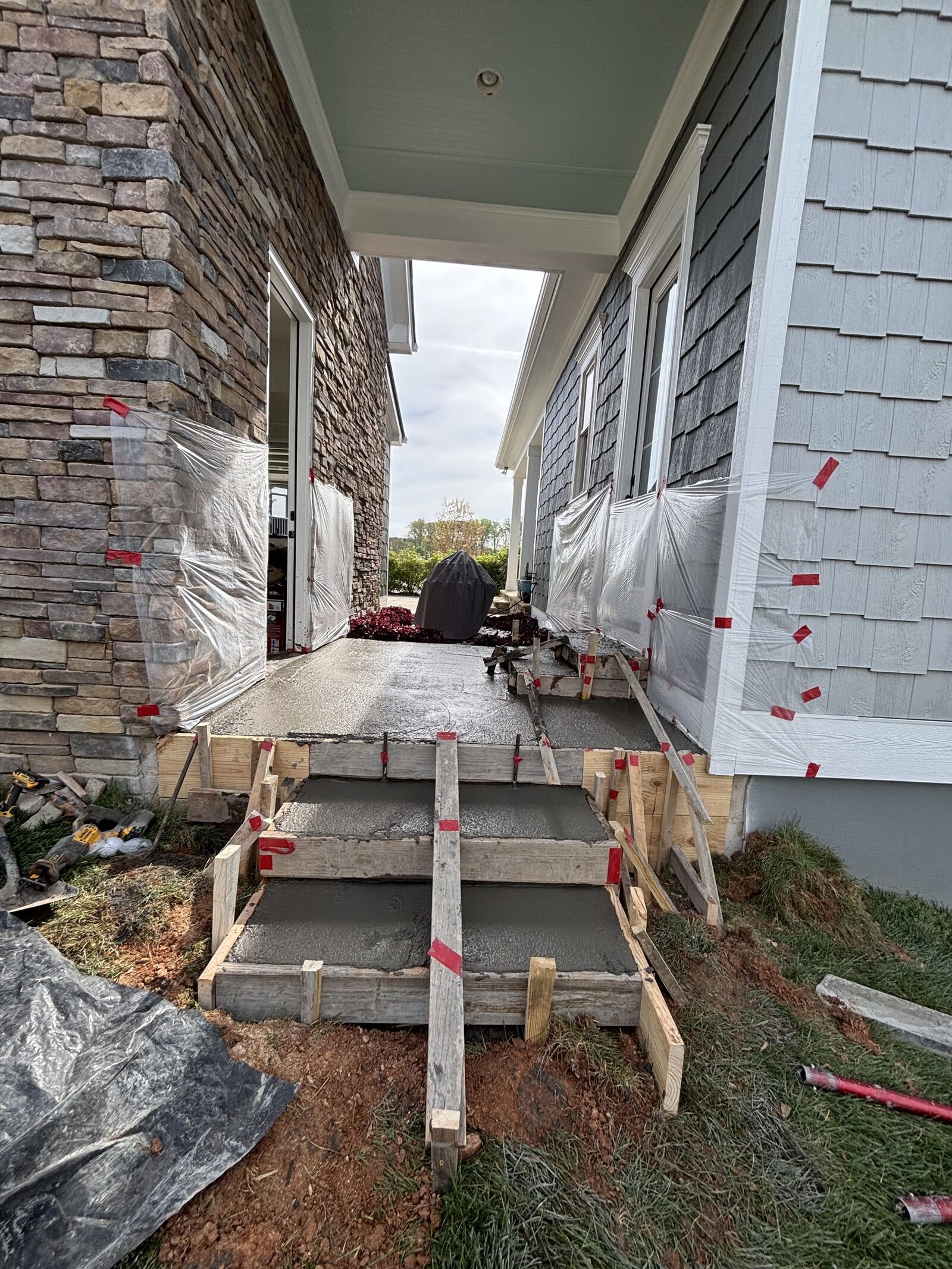
Front Porch & Steps
New entry pad plus poured steps to the door
Concrete demolition is the controlled breaking and removal of an existing slab so a new pour, a landscape rework, or a footprint change can happen. Most residential demo lands on driveways, patios, sidewalks, garage floors, and porch pads that have failed past the point of repair — spider-webbed to the base, sunk with the subgrade, or built to the wrong grade and thickness for how the property gets used today. Tearout is the honest first step when patching stops making sense.
Local Concrete Contractor handles demo across North Carolina as a standalone service and as part of full replacement jobs. Every tearout starts with a walk: existing thickness, likely rebar or wire mesh inside, access for the equipment, where the concrete gets stockpiled, and where the truck can stage for haul-off. That walk becomes a written scope covering method, reinforcement handling, disposal path, and where the demo stops on the property. Zero deposit, no assumptions baked into the number, and you see the plan before anything gets broken.
Our Concrete Demolition Services
Concrete demo covers more than a single method — the right approach depends on slab thickness, what's inside it, how close it sits to the house, and where the debris has to go.
- Driveway tearout — full removal of a residential drive from apron to garage approach, including the apron tie-in at the road
- Patio and porch slab demo — free-standing slabs, poured porches, and stoop pads
- Sidewalk removal — city walk sections and private walkways at panel-by-panel scope
- Garage floor slab removal inside existing foundation walls
- Pool deck demolition around a pool that's staying, with careful edge cuts to protect the coping
- Footing and pier tearout for detached structures and replaced foundations
- Partial demo — saw-cut and remove a single panel or section when the rest of the slab is sound
- Foundation stem and retaining-wall breakdown for grade change or footprint change
- Rebar and wire-mesh cut, separated, and hauled to metal recycling
- Full haul-off to a licensed concrete recycler in the Piedmont, not a landfill
Most jobs use a combination of saw-cut and pneumatic breaker so the pieces come out at a size that loads clean and doesn't stress the equipment or the surrounding hardscape.
What Actually Triggers a Tearout
Not every failed slab needs to come out — but when several of these show up together, patching turns into repeat patching and cost stacks up on top of what a fresh pour would have been.
- Spider-webbing or map cracking across most of the surface — the slab has moved past localized cracks into base failure
- Panels out of plane by more than an inch, or a persistent trip lip at a joint that lifting won't hold
- The subgrade has washed out or was never properly compacted, and the slab is following it downward
- The existing slab was poured at the wrong grade — water drains toward the house or ponds at the garage door
- Wrong thickness for the use — a three-inch slab under a work truck or a two-inch pool deck cracking under normal foot traffic
- Footprint is changing — a driveway is being widened, an addition is going in, a garage is moving
- Existing slab is bonded to something being replaced (a garage floor tied to a foundation being redone)
- Rebar or wire mesh is exposed and rusting, and the surface above it is delaminating
When only one or two show up on an otherwise young slab, repair or overlay is often the right call. A tearout quote and a repair quote side-by-side is the honest way to see which one holds up over the next decade.
Get your free quote
We respond in less than 2 hours.
Why Local Concrete Contractor?
- 01.Precision craftsmanship
- 02.Transparent pricing models
- 03.Dedicated project manager
- 04.Zero Deposit Required
Our Concrete Installation Process
Every demolition we pour runs through the same 18 checkpoints — from the on-site consult through the final walkthrough.
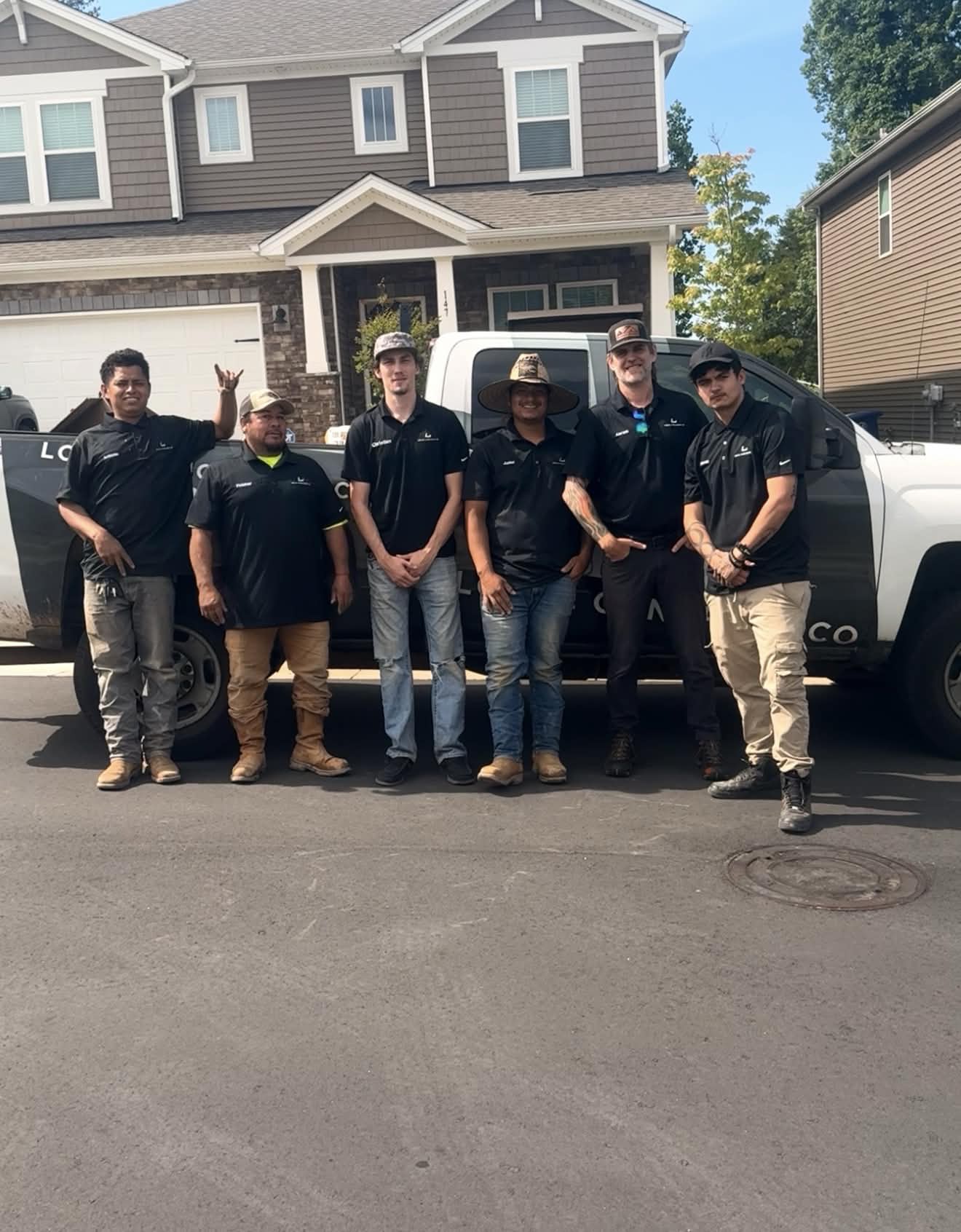
Consultation & Estimate
We meet on-site to assess scope, discuss vision, and provide a detailed, transparent quote tailored to your property.

Logistics & Scheduling
Coordinating crew, equipment, and weather windows to ensure a seamless project start.
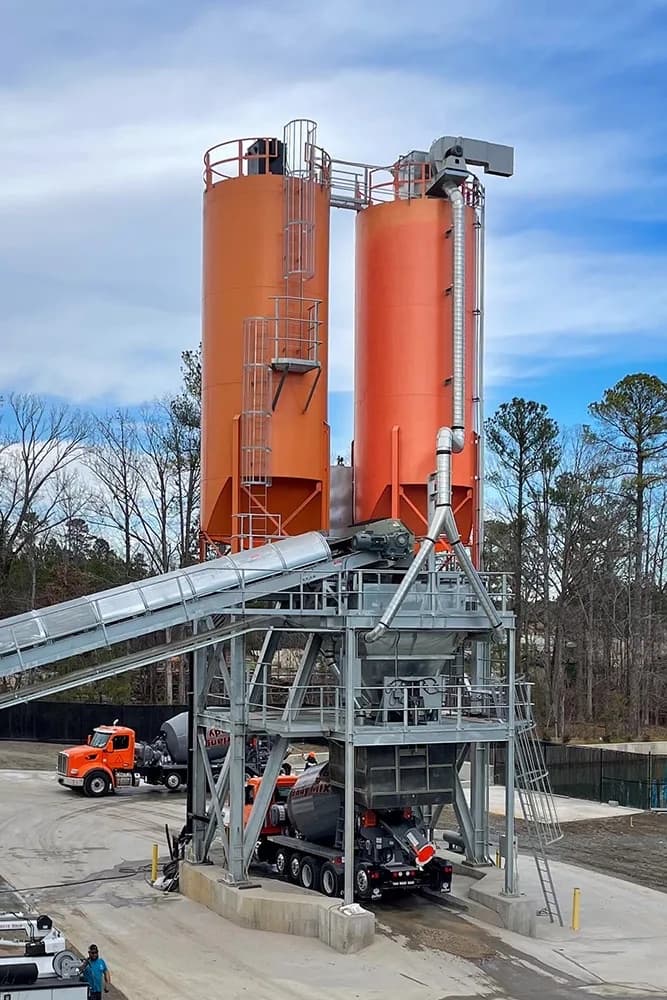
Custom Mix Design
Ordering specific concrete additives and slump requirements based on current temperature and humidity patterns.
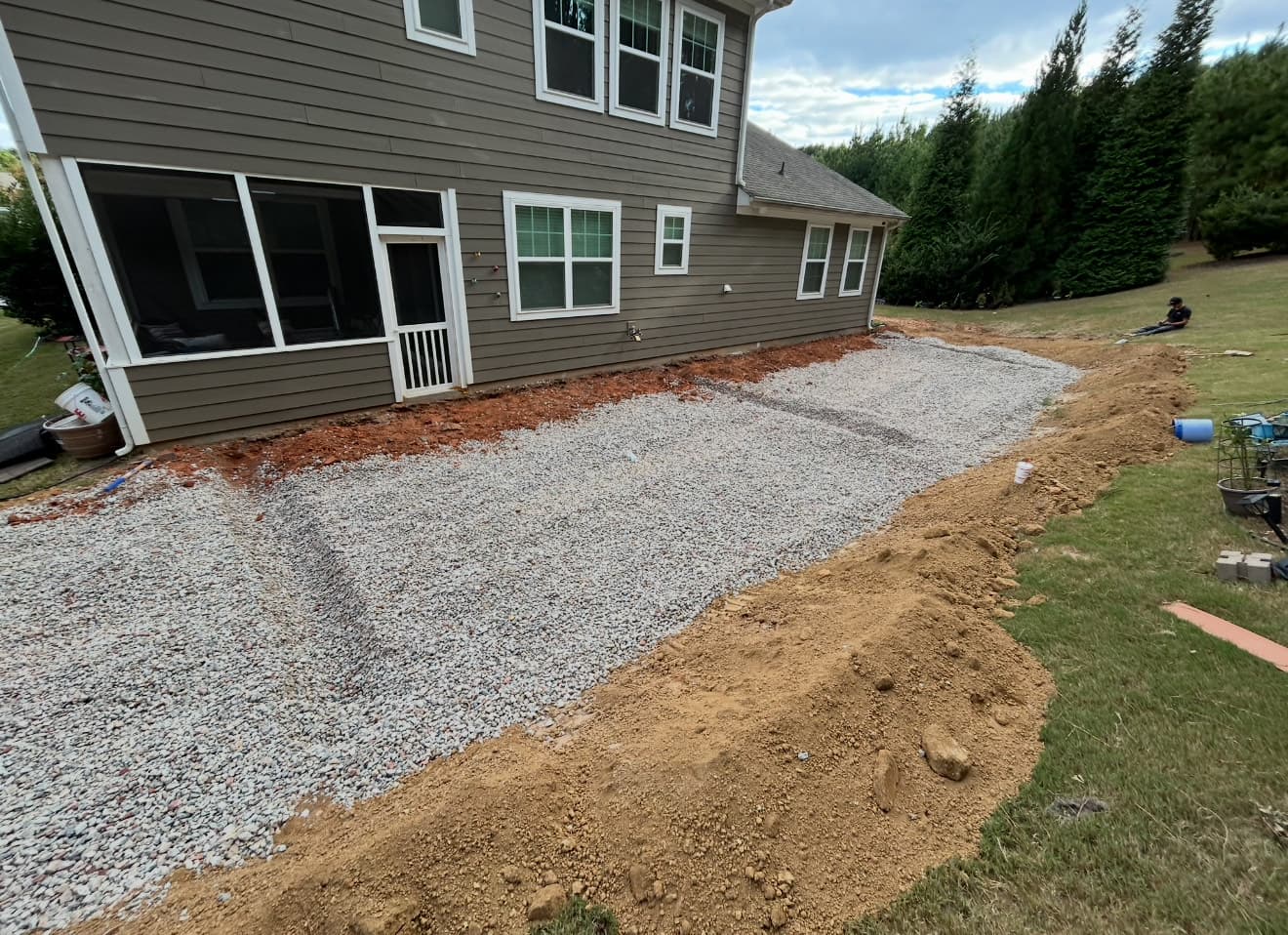
Site Preparation
Preparing the workspace and establishing safe access routes for our equipment and crew.
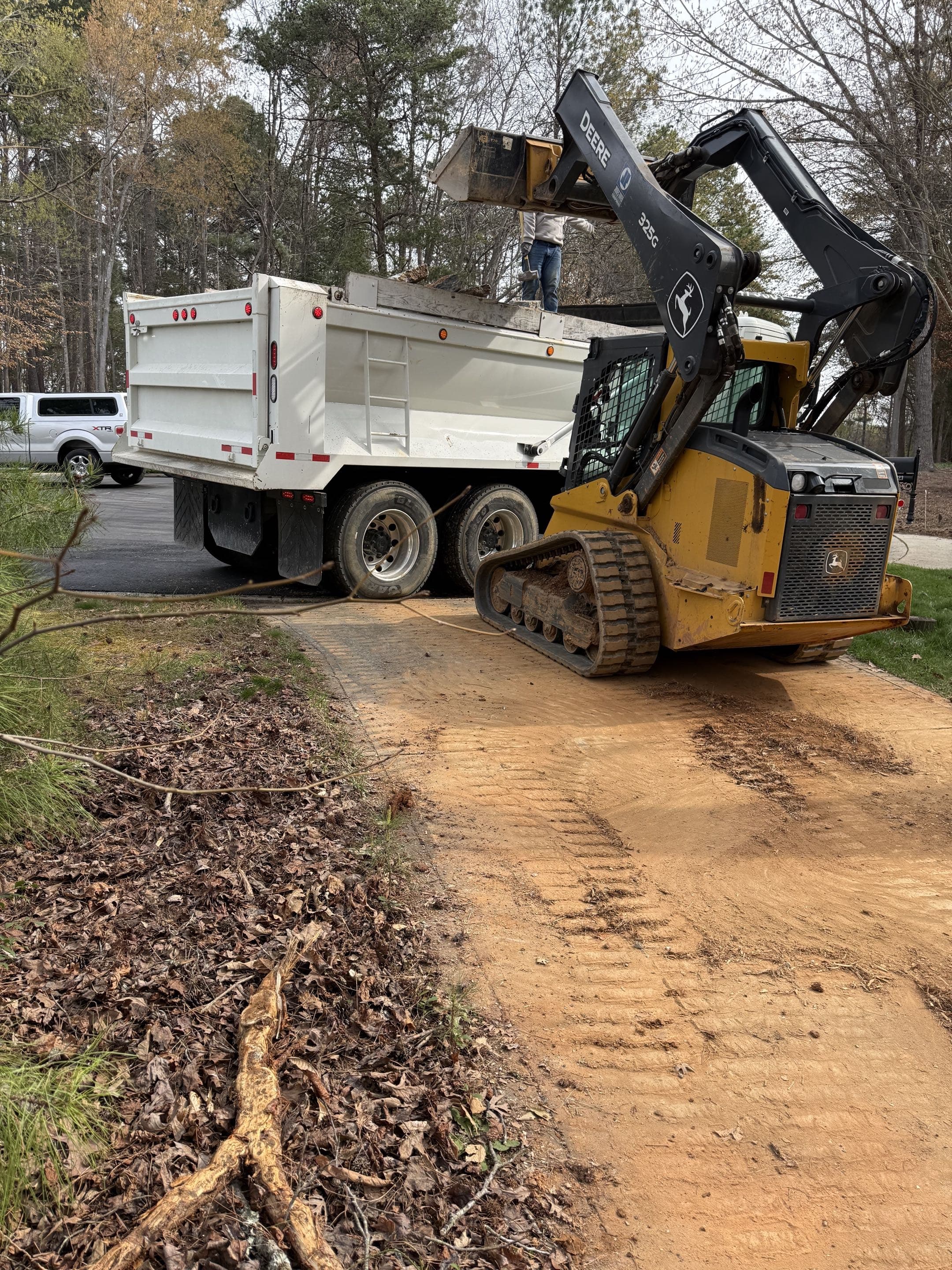
Demolition
Removal and disposal of existing concrete, leaving a clean slate for your new installation.
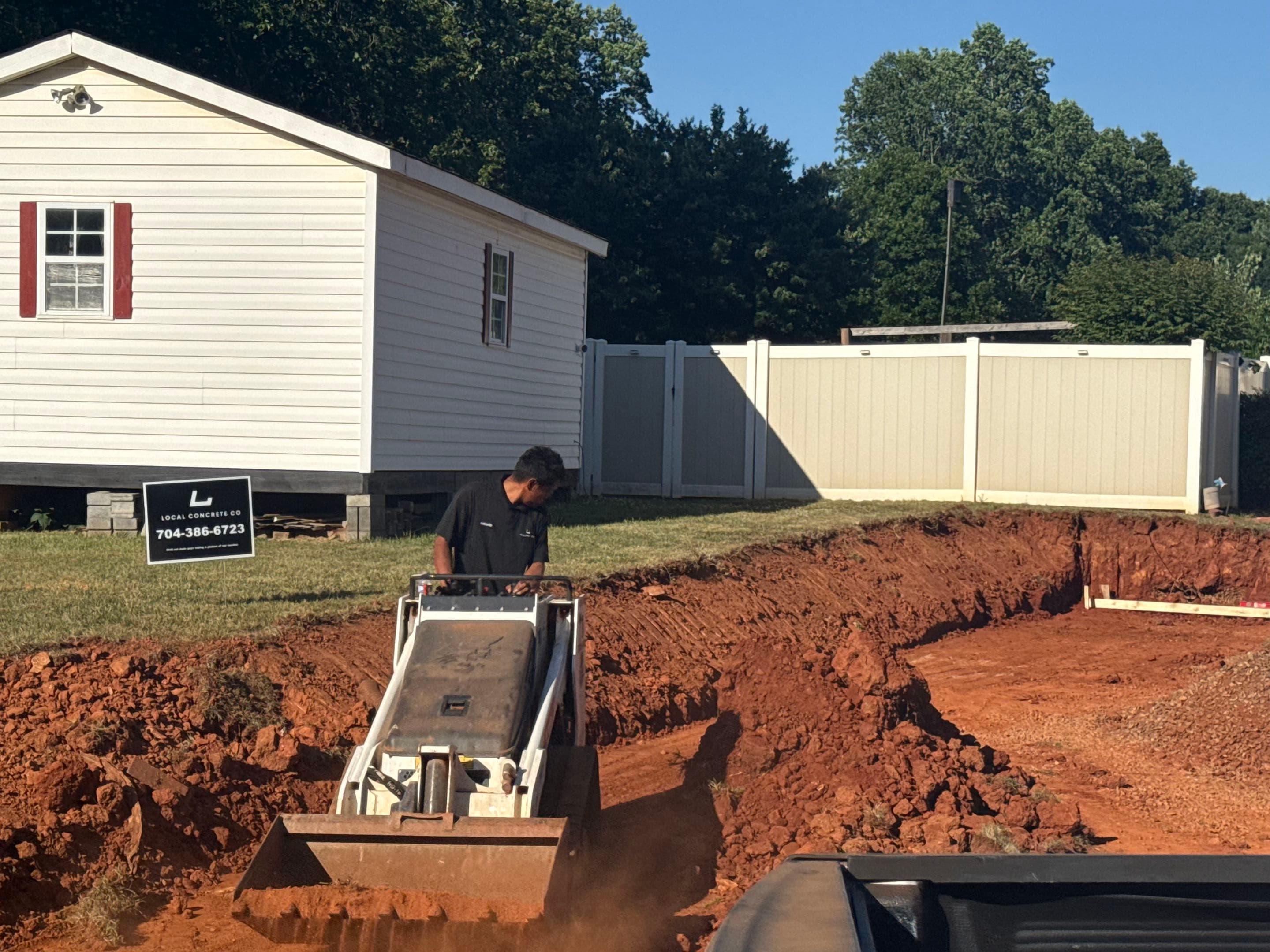
Grading & Forming
Expert grading for proper drainage and setting high-quality lumber forms for clean edges.
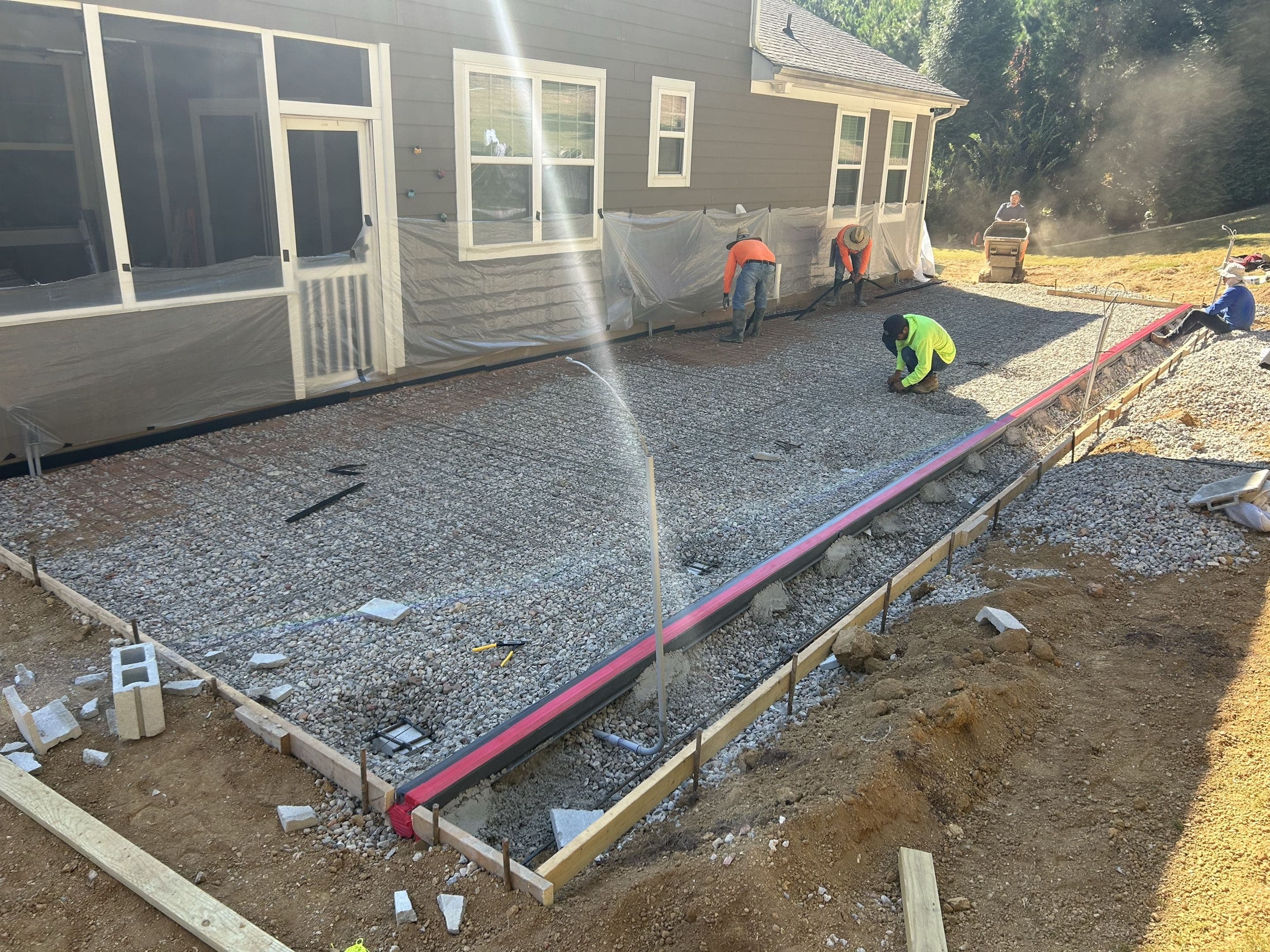
Reinforcement
Installation of steel rebar or wire mesh grid, using 1/2 inch grid for structural tensile strength.
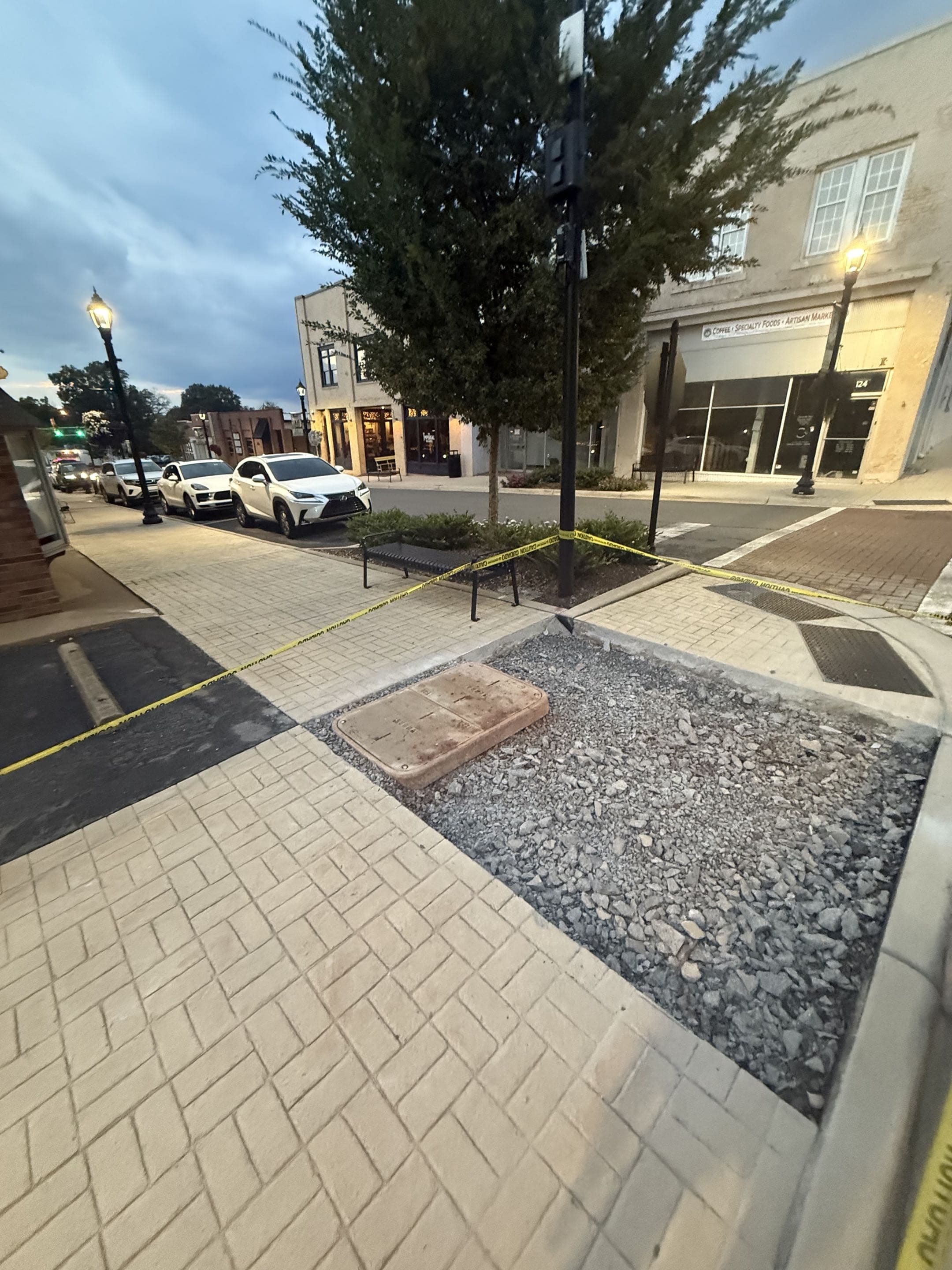
Pre-Pour Inspection
A final check of elevation, form stability, and reinforcement placement before the truck arrives.
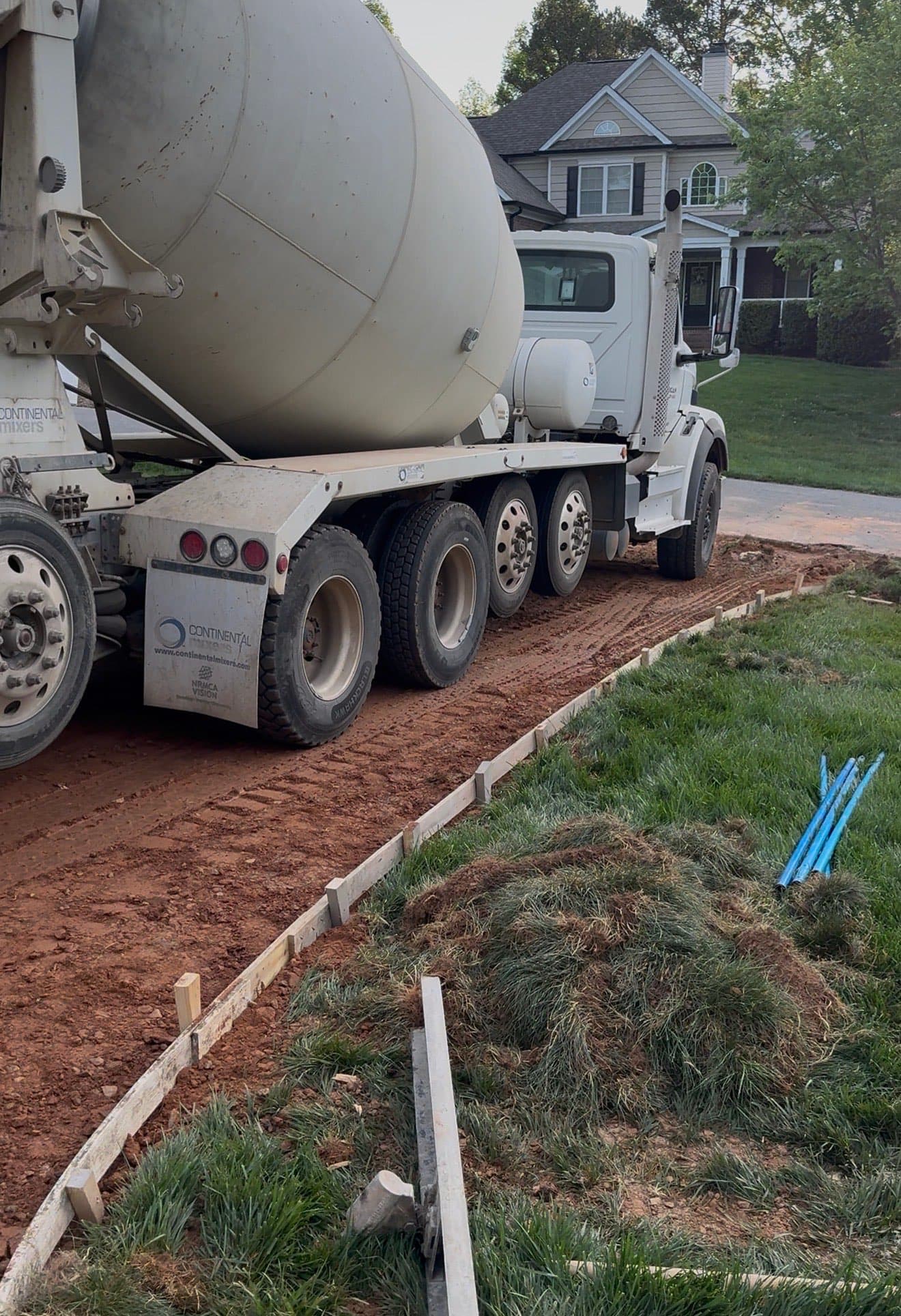
Slump Testing
Verifying concrete consistency on-site to ensure it meets the engineered mix design.
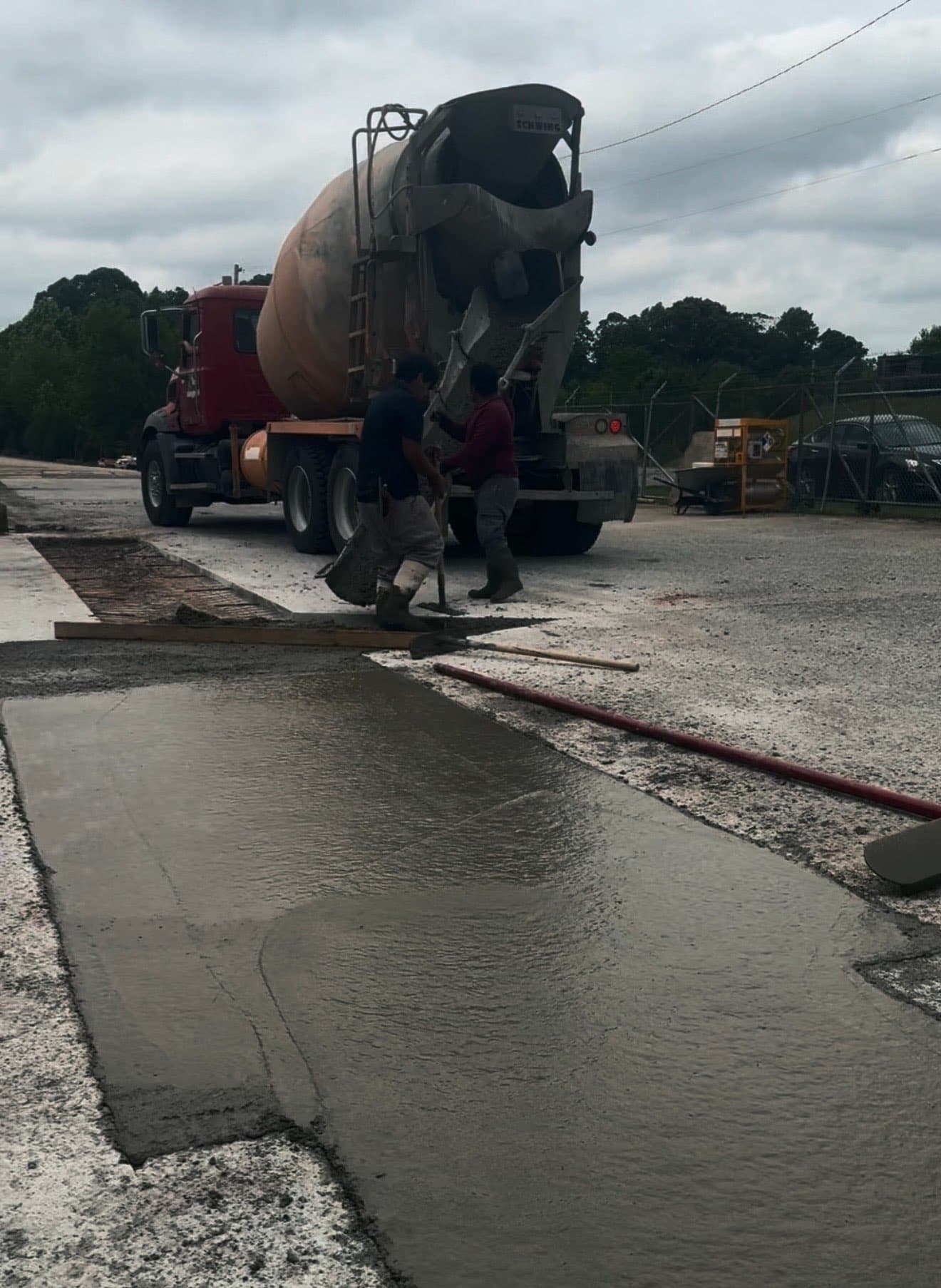
Placement
Controlled pouring and placement of concrete to avoid cold joints and ensure uniformity.
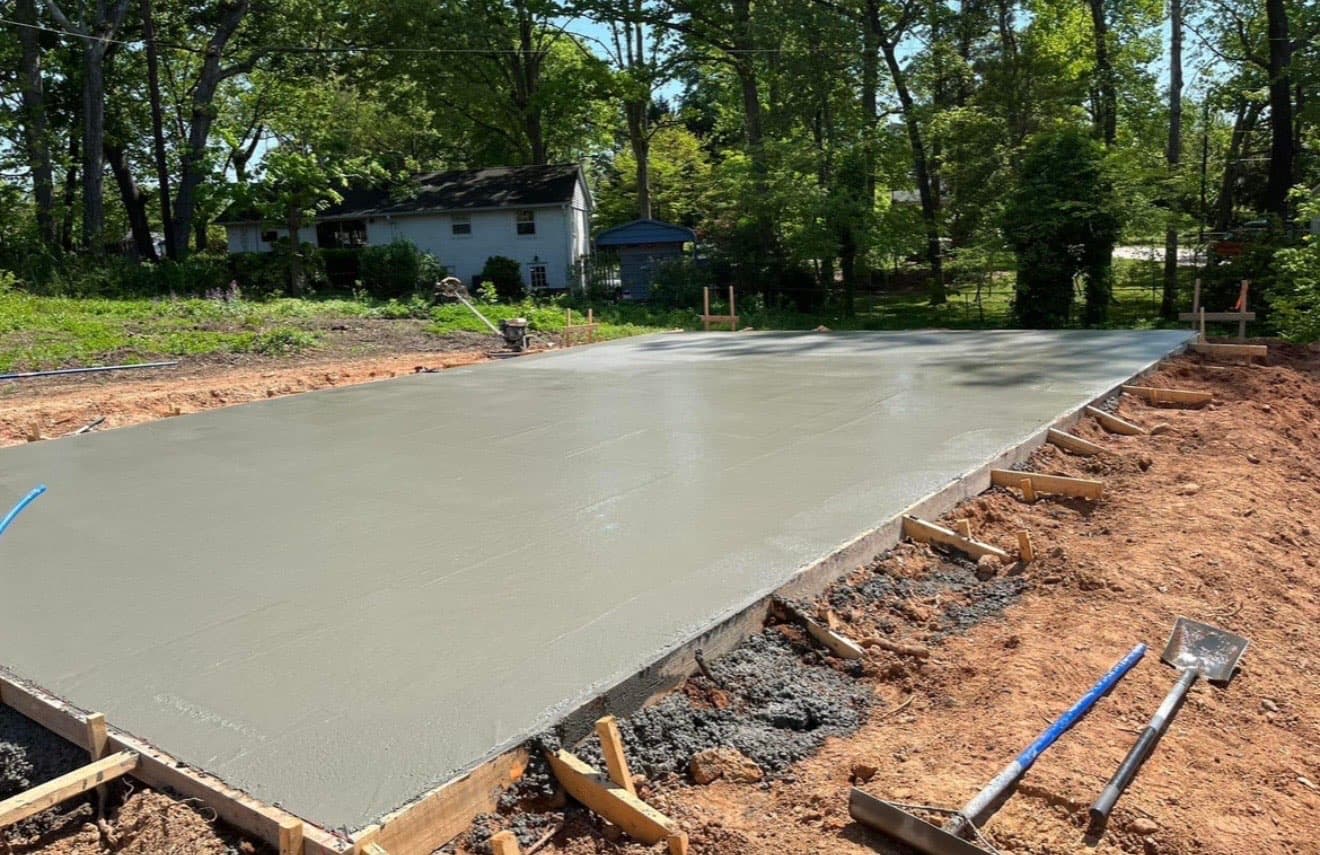
Bull Floating
Pushing aggregate down and bringing 'cream' to the surface for a smooth finishable layer.
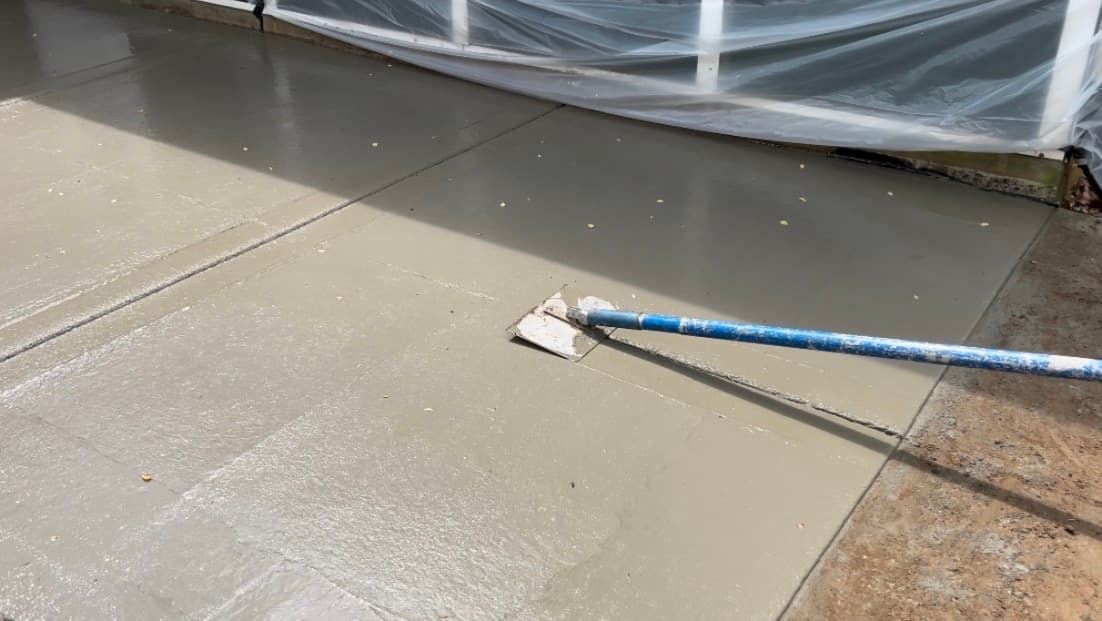
Edging & Jointing
Creating rounded edges for durability and cutting control joints to manage expansion.
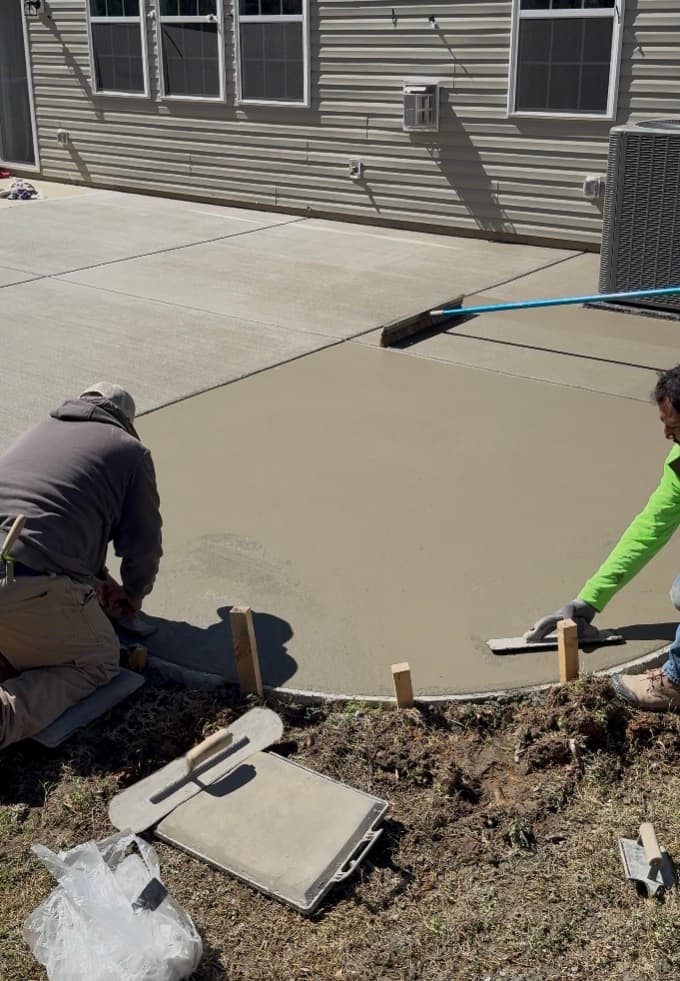
Fresno Finish
Final smoothing pass to close the surface pores and prepare for texturing.
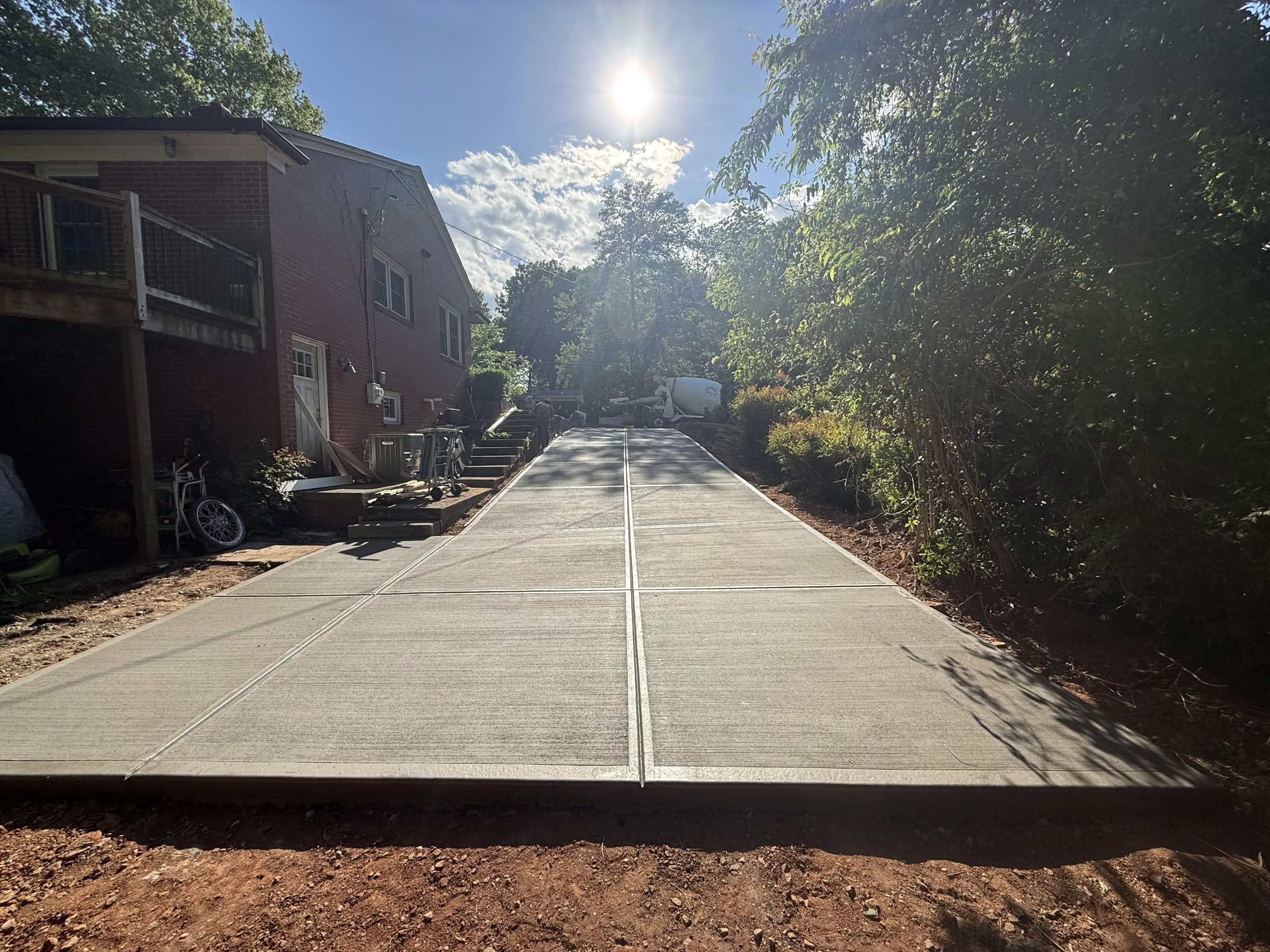
Decorative Detailing
Applying final broom texture, stamp patterns, or color treatments as specified for your project.
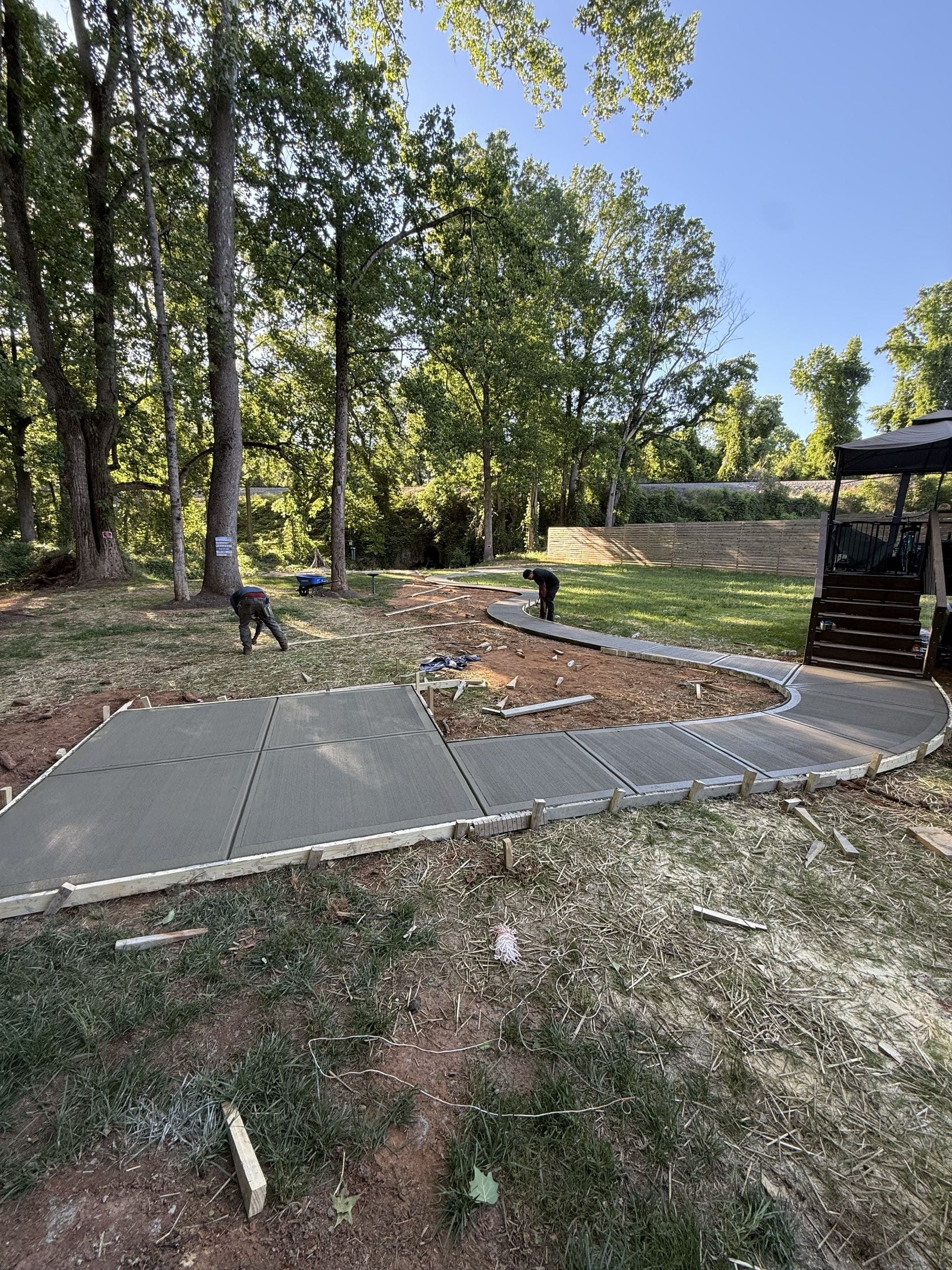
Form Removal
Careful stripping of forms once concrete has reached initial set stability.
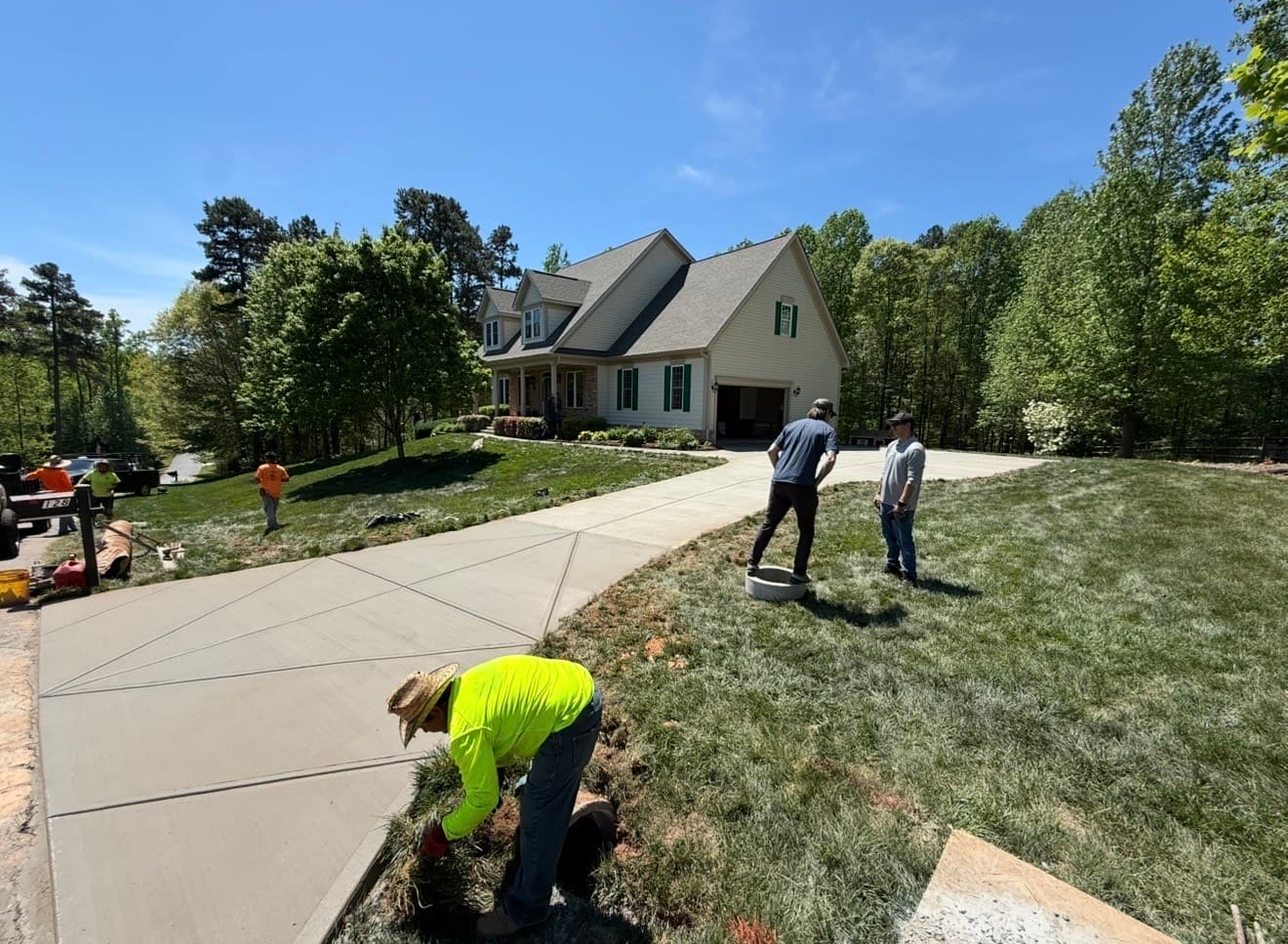
Final Walkthrough
Reviewing the finished project with you to ensure every detail meets the standard.

Usage Guide
Providing clear instructions on cure times — when you can walk, drive, and park on your new concrete.
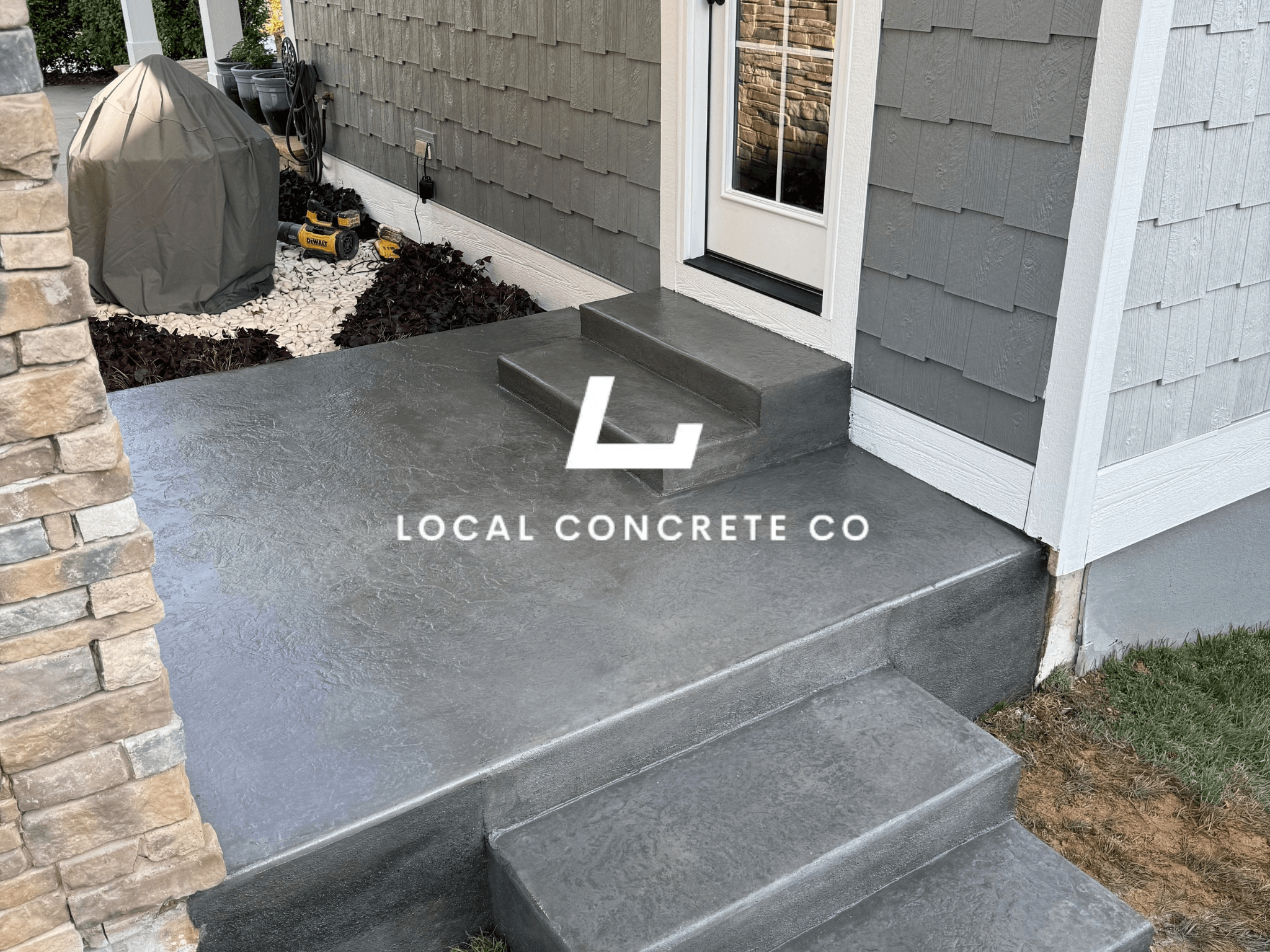
Project Completion
The job is done right, ensuring you have a durable surface for years to come.
Demo Methods, Reinforcement, and Disposal
The tool that comes out first depends on thickness, what's inside the slab, and what sits around it. Most residential driveways and patios in the four-to-six-inch range come out with a saw-cut perimeter followed by a pneumatic breaker or a mini-excavator with a hydraulic hammer. Thicker footings and structural pads (eight inches and up) shift to heavier breakers or a hoe-ram.
- Saw-cutting the perimeter — full-depth wet cut along the edge that stays, so the tearout doesn't chip or crack the adjacent slab
- Jackhammer and pneumatic breaker — the standard for four-to-six-inch residential slabs, small enough to work close to a house
- Skid-steer breaker or mini-excavator hammer — faster on open driveway pours where there's room to swing
- Rebar handling — cut with a torch or angle grinder, pulled from the debris, and hauled separately to a metal recycler
- Wire mesh handling — folded, bundled, and included with the rebar to metal recycling
Disposal is where a lot of demo quotes hide cost. Clean concrete goes to a Piedmont recycler and gets crushed for base stone, road subbase, and drainage rock — that route is cheaper than a construction-and-demolition landfill and it keeps the material in the local supply. Mixed debris (concrete with soil, asphalt, or trash) has to go to a C&D landfill and prices differently. We separate on site and quote based on the actual disposal path, not a worst-case add.
Where the Scope Stops
The clearest way to keep a demo job on-scope is to draw the boundary on the property before anything comes out. Most residential tearouts have a few edges that get sorted before the saw goes down.
- Driveway apron — most NC municipalities own the apron and the curb cut at the street. If the apron is coming out with the drive, we coordinate with the city or DOT on notification and any encroachment paperwork
- House tie-in — where a slab meets a foundation, garage wall, or existing porch. that edge gets saw-cut cleanly so the structure isn't disturbed and the new pour has a clean joint to key into
- Utility clearance — 811 gets called before the breaker starts. Shallow irrigation, invisible fence, and low-voltage lighting aren't on the 811 map and get walked with you first
- Adjacent hardscape — pavers, brick borders, retaining walls, or existing sidewalks that stay get protected with plywood or a physical setback, not just "we'll be careful"
- Landscape and turf — access paths get boarded, tire pressure adjusted for lawn work, and any turf damage inside the access path noted in the scope so nothing is a surprise
- Where the debris stages — a defined spot on the property for the load-out truck, so grass and pavement outside the drive aren't torn up during haul-off
Those boundaries live on the written scope alongside the demo method and the disposal path. A tearout without those edges drawn is where scope creep and side-damage disputes come from.
Why Homeowners Work With Us
Local Concrete Contractor runs residential and light commercial concrete work across the North Carolina Piedmont and out into the coastal plain. Tearout is one of the jobs where the difference between an honest contractor and a bad one shows up fast — in what gets hauled, what gets left in the yard, and what shows up on the invoice.
Here's how we run demo:
- Zero deposit — you pay after the tearout is complete, the site is cleaned, and the subgrade is where the scope said it would be
- Free on-site walk with method, reinforcement handling, disposal path, and stopping boundary written down before the saw comes out
- Licensed and insured — proof of coverage available before equipment sets foot on your property
- 811 call handled by us, plus a walk-through of anything shallow the 811 map doesn't catch
- Concrete recycled at a Piedmont facility when the material is clean — not defaulted to a landfill
- Rebar and wire mesh separated on site and hauled to metal recycling
- Same crew on demo, subgrade re-work, and (if the pour is with us) the fresh slab — no handoff to a different outfit for the finish
- Straight answers on cost drivers (square footage, thickness, reinforcement, access, disposal path, apron coordination) so the quote isn't a black box
If the tearout is a step toward a new pour with us, the demo and the pour price together — and the crew that broke it out is the same crew that sets forms and finishes the fresh slab.
Demolition
FAQ
Straight answers on demolition installation — thickness, base prep, cure time, deposit, and what it takes to make the slab last.
Get Free QuoteHow long does a concrete demo job take?
A typical single-car residential driveway (400 to 600 square feet, four to six inches thick) comes out in half a day to a full day including haul-off. A larger drive with an apron and turnaround runs one to two days. Patios and sidewalks usually finish in a single day. Actual pace comes down to access for the breaker, reinforcement inside the slab, and how far the recycler or landfill sits from your address. We give you a day count with the written scope.
Where does the broken concrete go?
Do you handle the rebar and wire mesh?
Can you demo one section without touching the rest?
Do you take out the apron at the road too?
Do we need to be home during the demo?
Ready to talk about your project?
Free estimate. No pressure, no sales tactics. Zero deposit.
Get Free Quote