



Concrete Parking Lots
Commercial parking lot paving and civil infrastructure projects.

Concrete Company Services
Parking lots take a beating. Delivery trucks brake hard in the same spots, shopping carts slam into curbs, and vehicles track oil and chemicals across the surface daily. Concrete handles this abuse better than asphalt because it doesn't soften in summer heat or require resealing every few years. A properly built concrete lot will outlast asphalt by decades with almost no maintenance beyond occasional joint sealing.
The complexity is in the layout. Drive aisles need specific widths for safe two-way traffic. Accessible stalls require precise slope tolerances. Drainage has to move water off the lot without creating ponding in the drive lanes. And all of this has to be coordinated with striping, lighting, and landscaping islands. We handle the engineering, the grading, and the pouring in phases so your business stays operational while we work.
Professional Concrete Contractor for Concrete Parking Lots
Drive Aisle Width and Turning Clearance
Most parking lot failures aren't structural—they're functional. If your aisles are too narrow, delivery trucks clip the curbs. If the turning radius at the entrance is tight, larger vehicles have to make three-point turns. These design mistakes create bottlenecks and accidents.
We lay out drive aisles based on the types of vehicles your lot will serve. Two-way aisles need at least 24 feet of clearance. One-way aisles serving 90-degree stalls need 24 feet minimum, but we'll widen them to 26 if you see regular truck traffic. Fire lanes get dimensioned for ladder truck access.
Load Zones Get Thicker Slabs
Standard parking stalls can be poured at 6 inches thick, but drive lanes and loading zones need 7 or 8 inches because that's where the weight concentrates. Garbage trucks weigh 25 tons when loaded. If your slab isn't thick enough, it'll crack within a year.
We also add doweled joints in the drive lanes to transfer load across the seams. This prevents one panel from settling lower than the adjacent one, which is how you get that jarring bump when driving through a lot.
ADA Stalls Are Non-Negotiable
Accessible parking isn't just about painting a symbol on the ground. The stall and access aisle have to be nearly flat—maximum 2% slope in any direction. The path from the stall to the building entrance has to meet the same standard. Curb ramps need detectable warning strips and specific slope transitions.
We've poured enough of these to know where inspectors look. If your lot doesn't pass ADA compliance, you can't get a certificate of occupancy. We make sure it's done right the first time.
Drainage That Actually Works
A parking lot is essentially a giant water collection surface. If it doesn't drain, you get ponds that freeze into ice rinks in winter. We grade the lot so every section has a minimum 1% slope toward catch basins or the perimeter. In flat sites, we'll install area drains or trench drains across the low points.
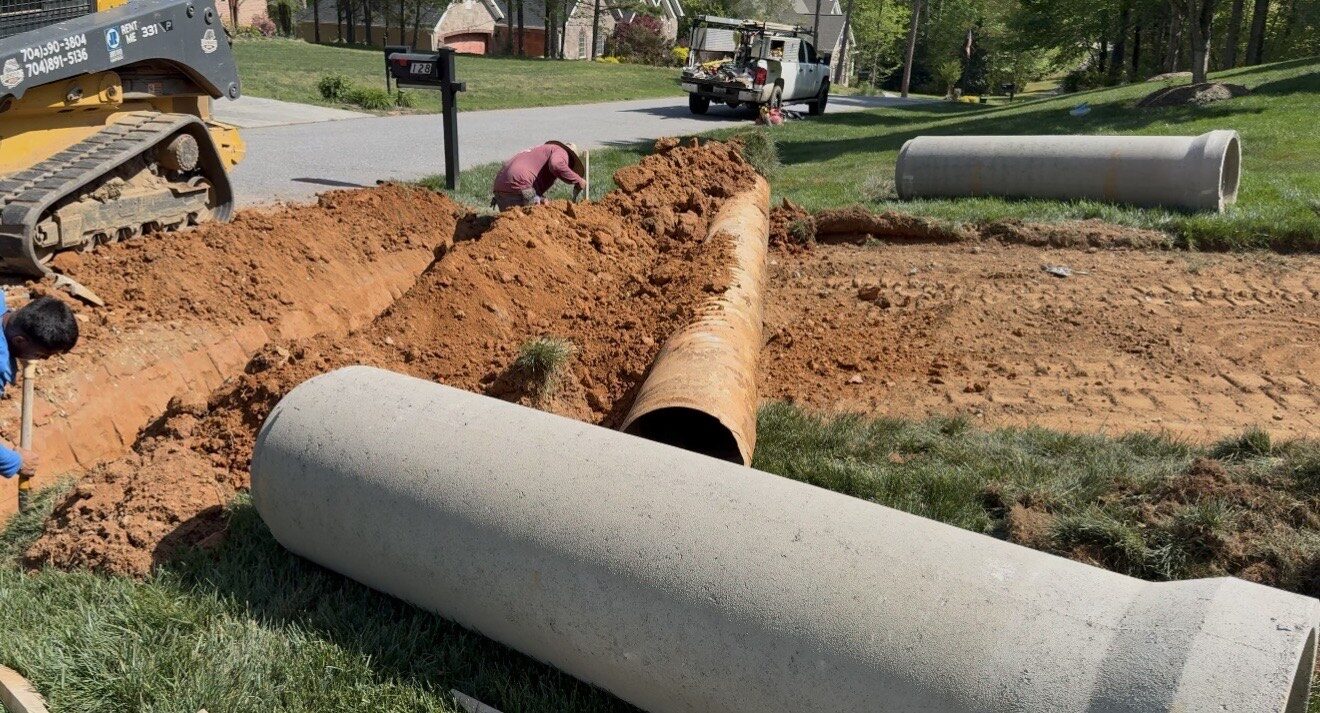
We also coordinate with storm sewer tie-ins. The water has to go somewhere, and if the municipal storm system is 6 feet deep, we're running underground pipe to connect to it.
Working Around Your Business Hours
You can't shut down for two weeks while we pour concrete. We phase the work so half the lot stays open while we excavate and pour the other half. Once that section cures, we shift operations and complete the remainder. Traffic control, barricades, and temp signage keep customers and delivery drivers routed safely.
We also time the pours to minimize disruption—early morning starts so concrete is placed and finished before your peak hours.
Striping Prep and Surface Flatness
Striping contractors need a smooth, clean surface to get their lines straight. We finish the concrete with a hard trowel in the stalls and a light broom texture in the drive lanes for traction. Before we leave, we shot-blast any laitance or curing compound residue off so the paint bonds properly.
We also check flatness with a 10-foot straightedge. If the slab has high spots or dips, striping will look wavy and unprofessional. Keeping the surface flat is part of delivering a finished product.
Key Features at a Glance
Everything you need to know about what makes our concrete parking lots services stand out.
High-strength concrete Commercial-Grade Concrete
Structural strength that exceeds residential standards
Steel Rebar Reinforcement Grid
1/2-inch grid system for superior tensile strength
Proper Drainage & Slope Management
Engineered to protect your property from water damage
Crack Control Joint System
Strategic joint placement prevents random cracking
Premium Sealant Application
Deep-penetrating protection against stains and UV damage
Freeze-Thaw Resistant Mix Design
Formulated to withstand harsh weather conditions
Zero Deposit Required
Pay in stages as work is completed, not upfront
Licensed & Insured
Fully protected and compliant with all regulations
Trusted by Thousands of Clients
Join the growing community of satisfied customers
What are we building?
Select your project type.
Why Local Concrete Contractor?
- 01.Precision craftsmanship
- 02.Transparent pricing models
- 03.Dedicated project manager
- 04.Zero Deposit Required
Concrete Contractor Construction Portfolio
See the transformation. Drag the slider to reveal the restoration precision of our commercial and residential projects.
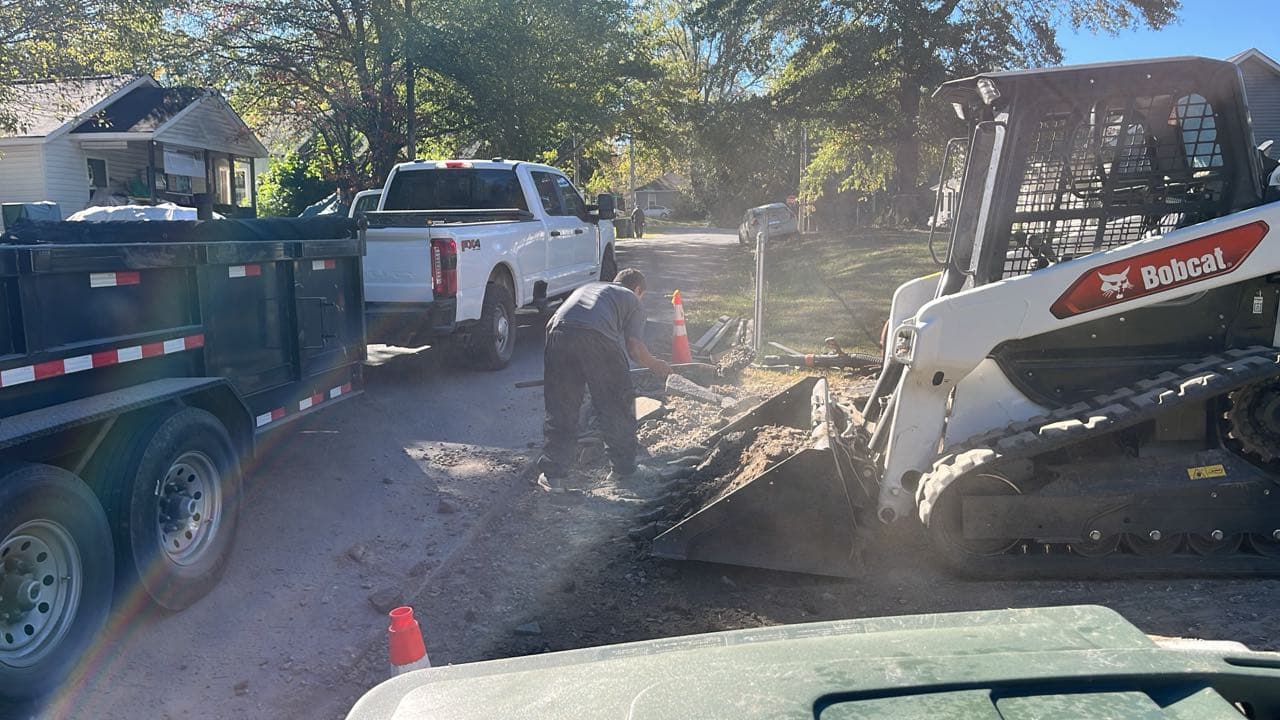
Finishing Touches in Motion
Watch our crew bring precision and artistry to the final stages of a premium concrete installation.
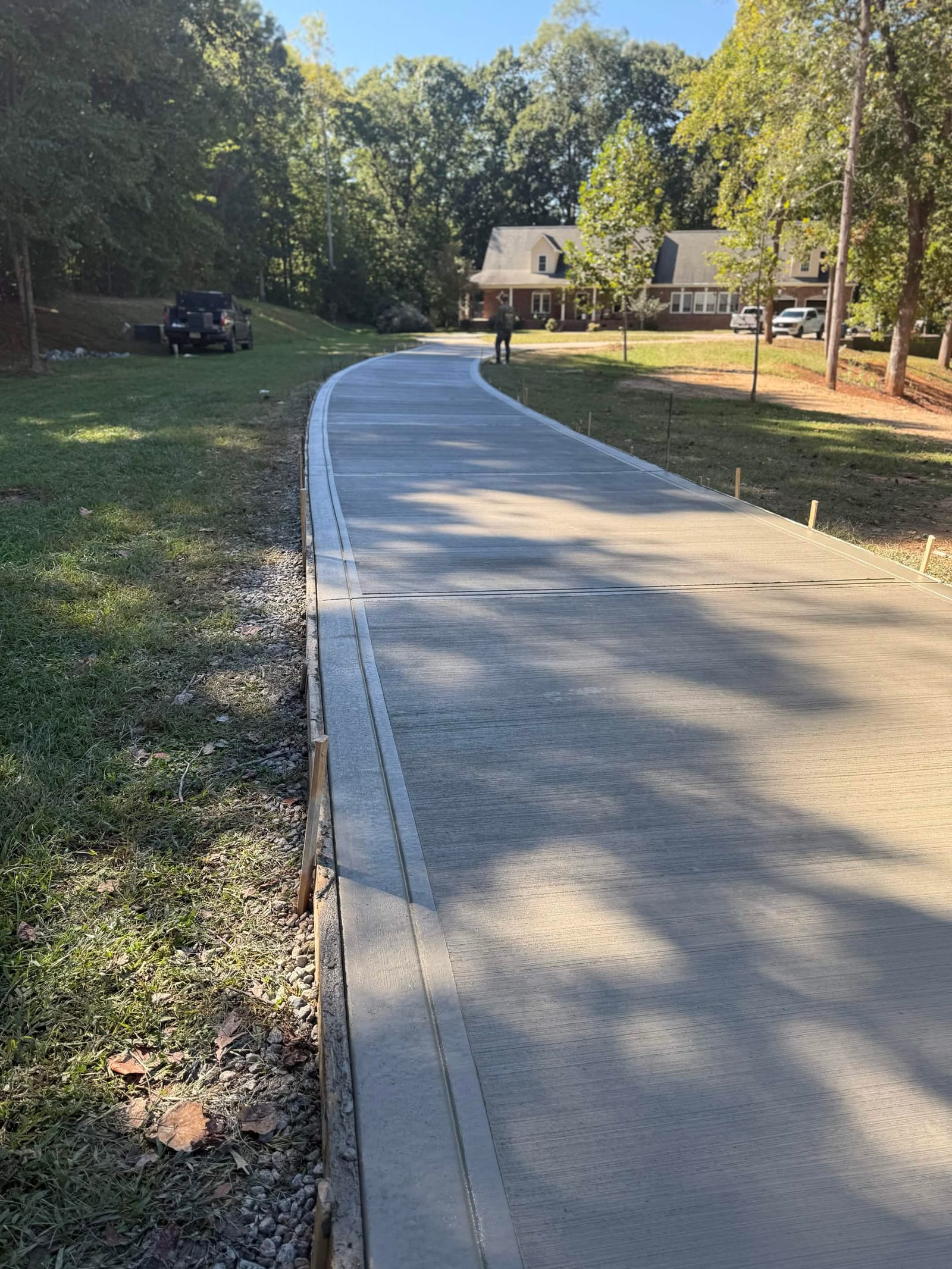

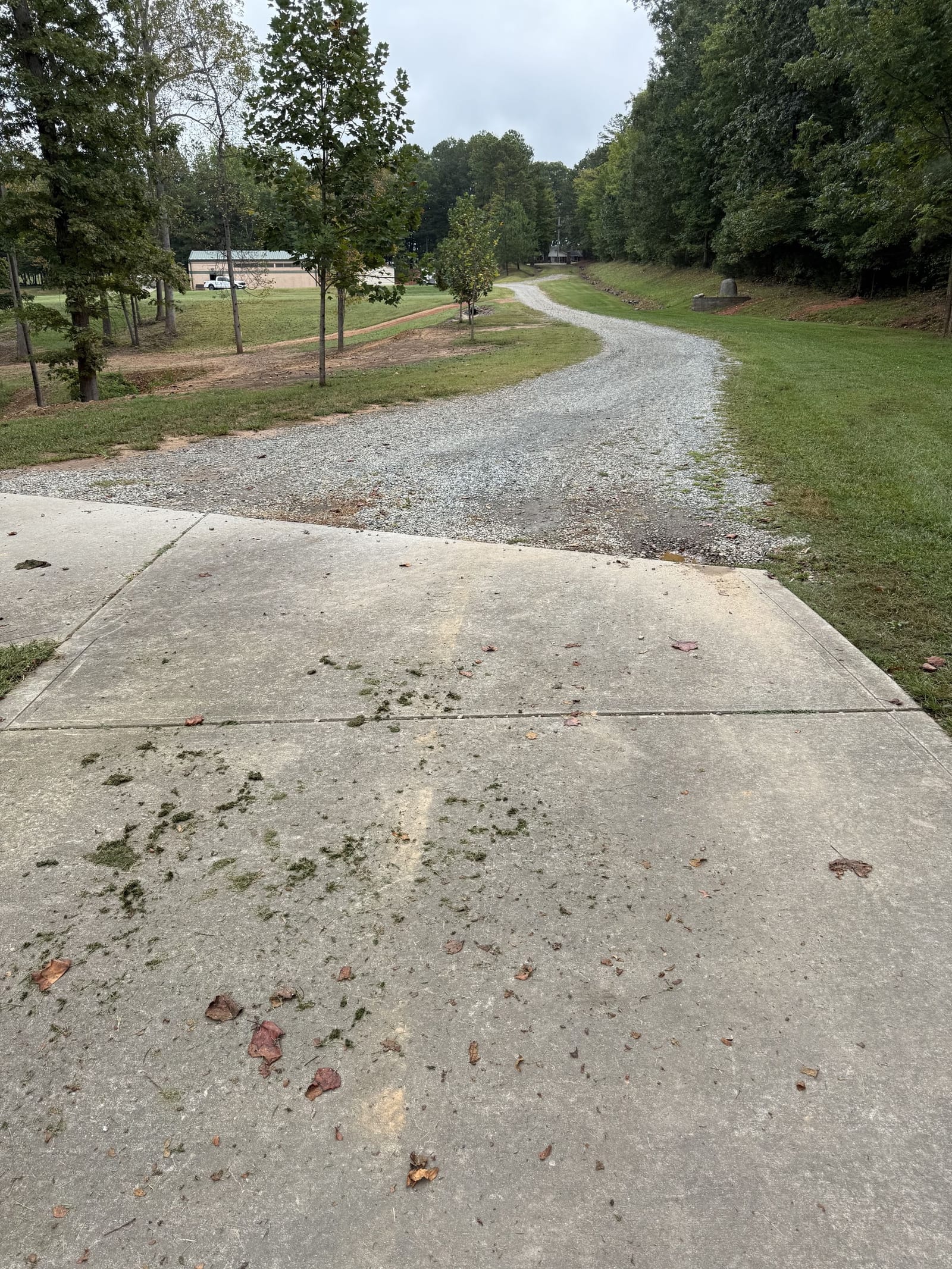
Driveway
Full residential replacement
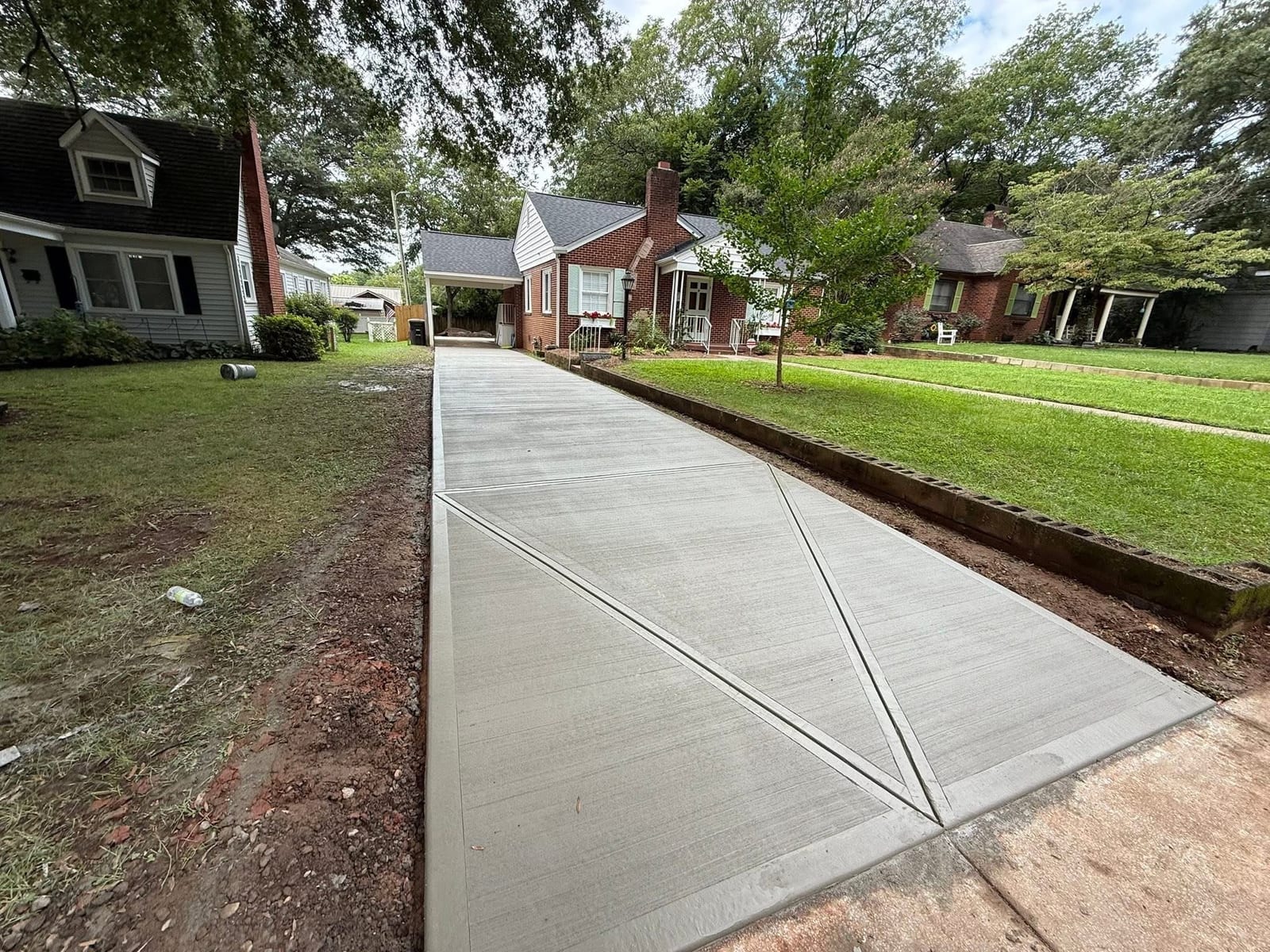
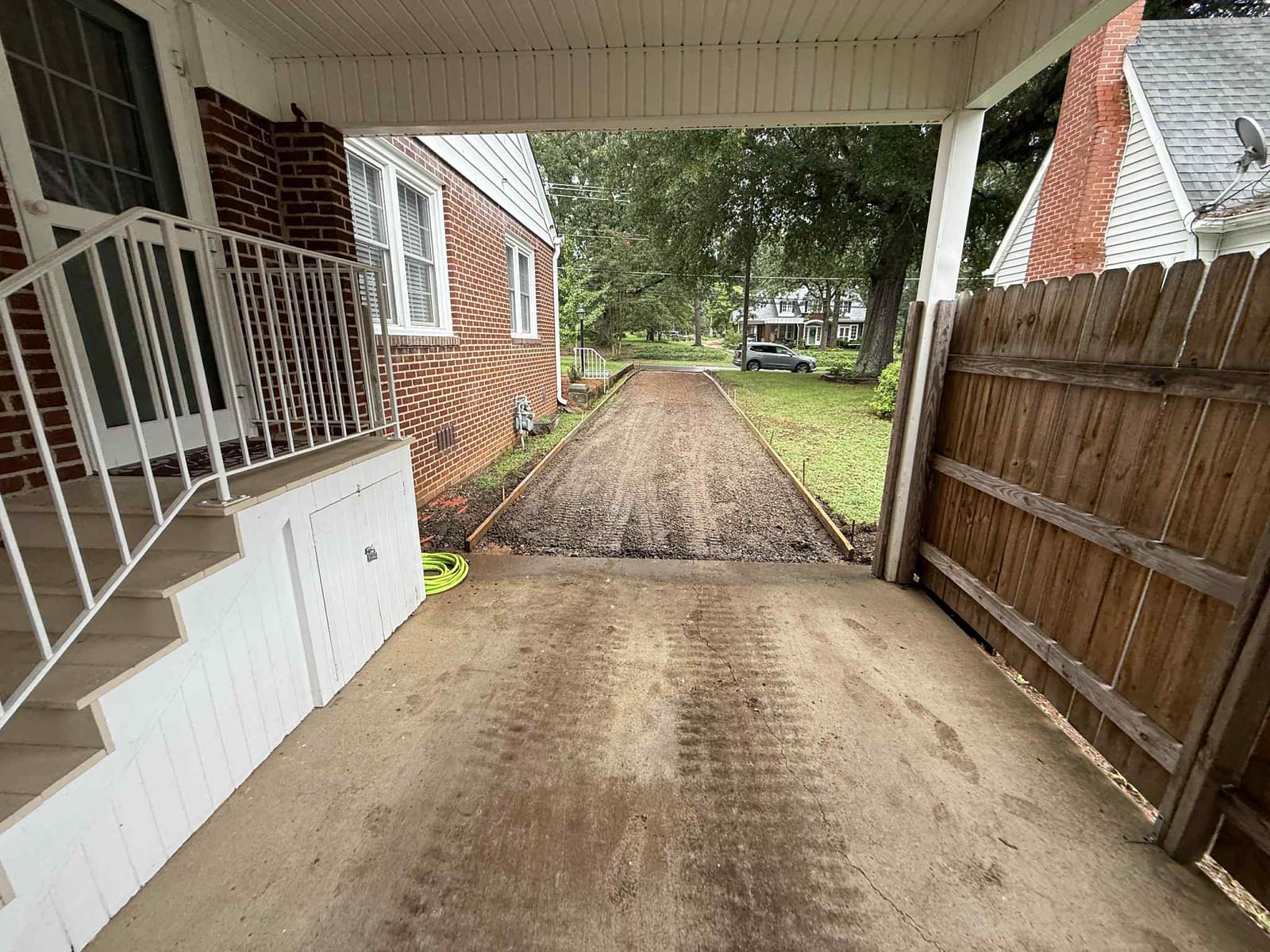
Driveway
Driveway revamp
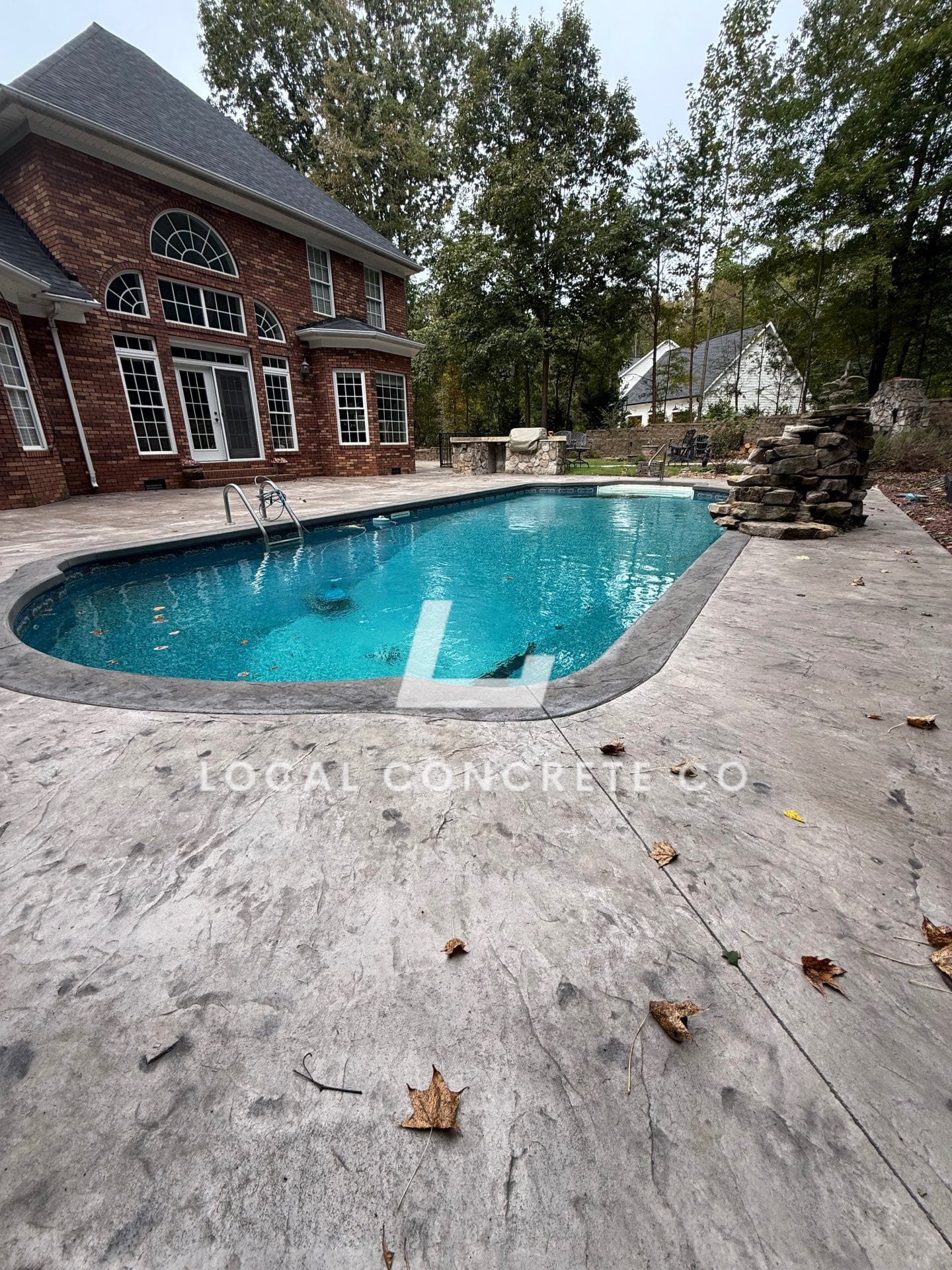
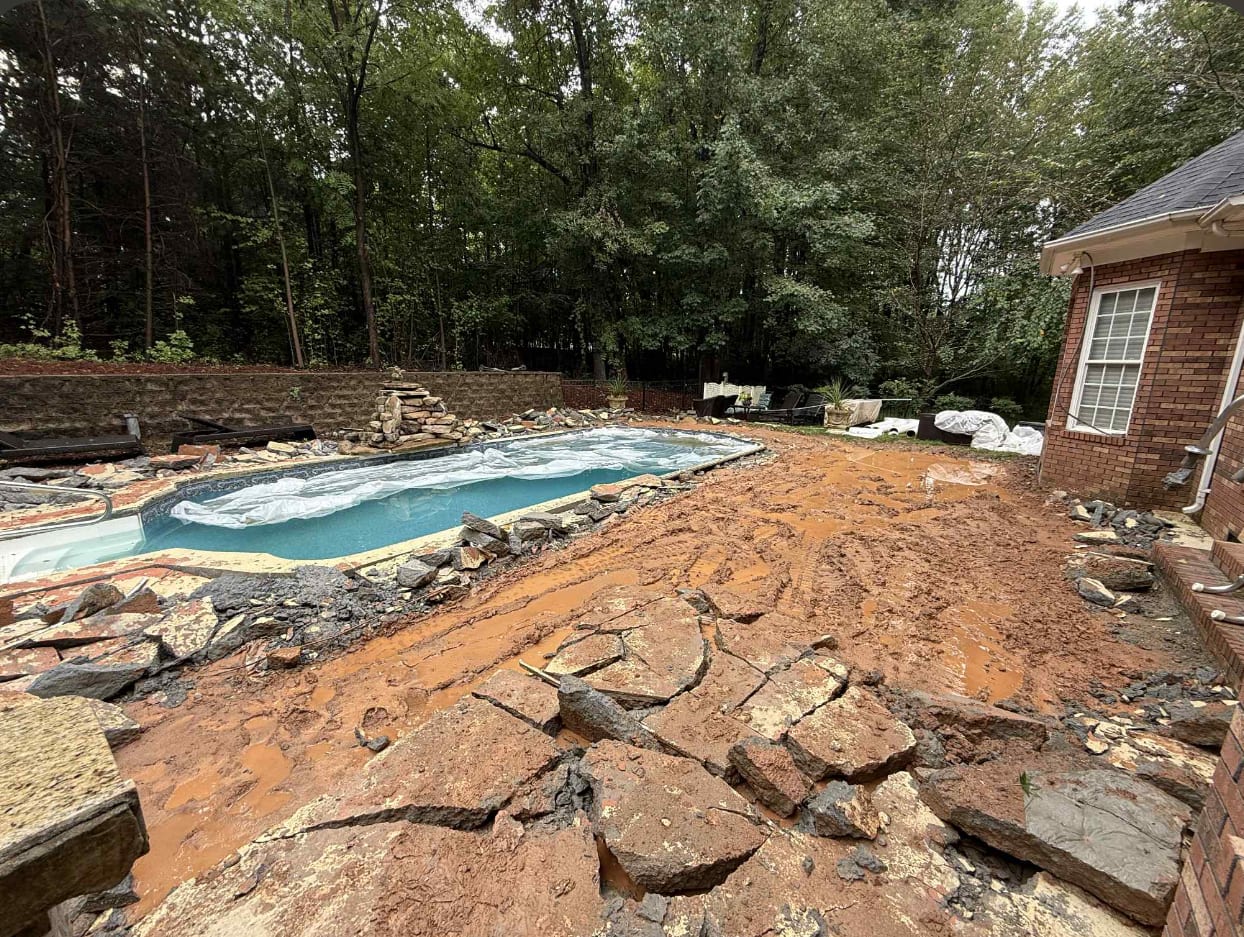
Stamped Pool Deck
Total demolition and replace
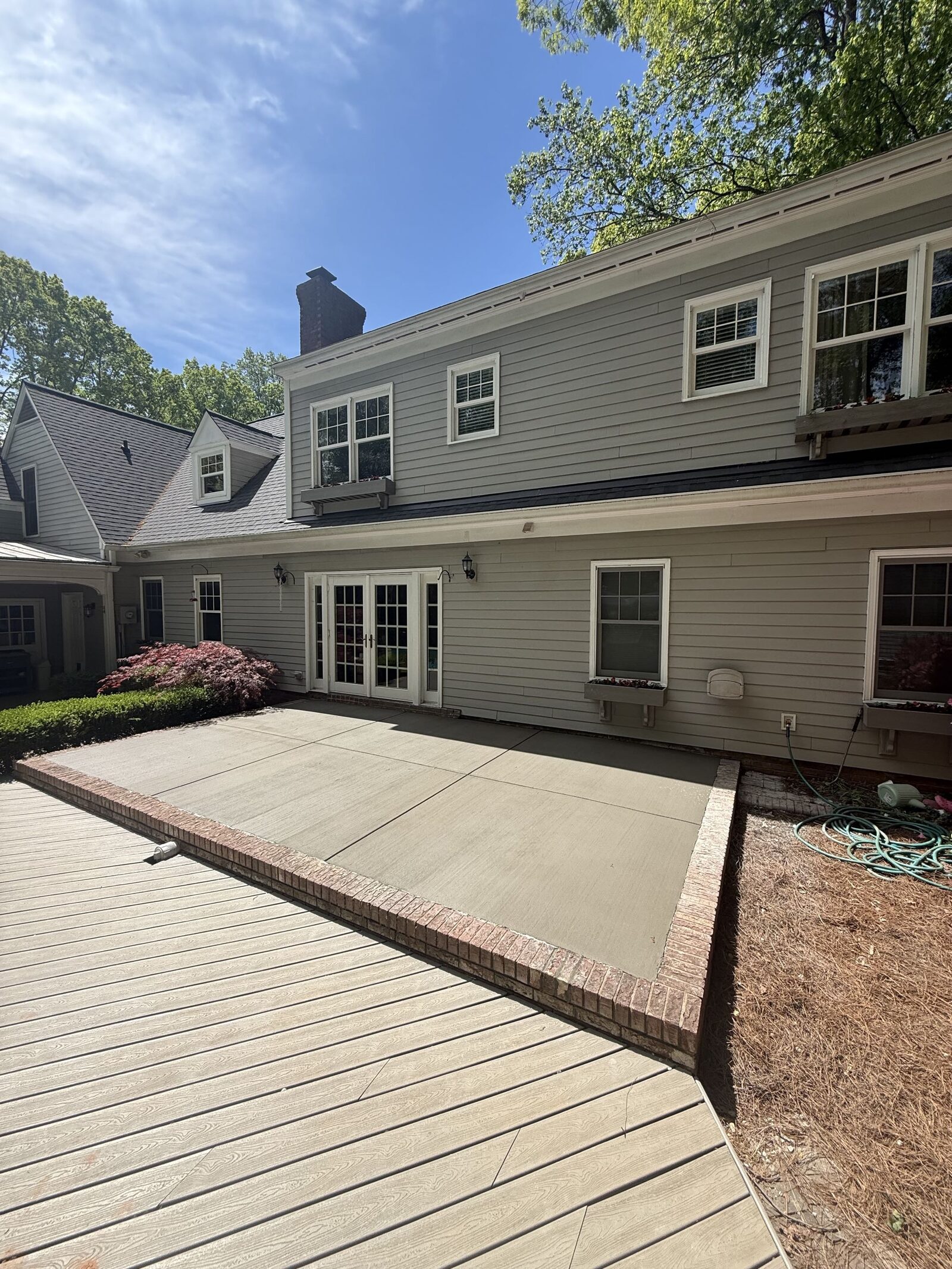
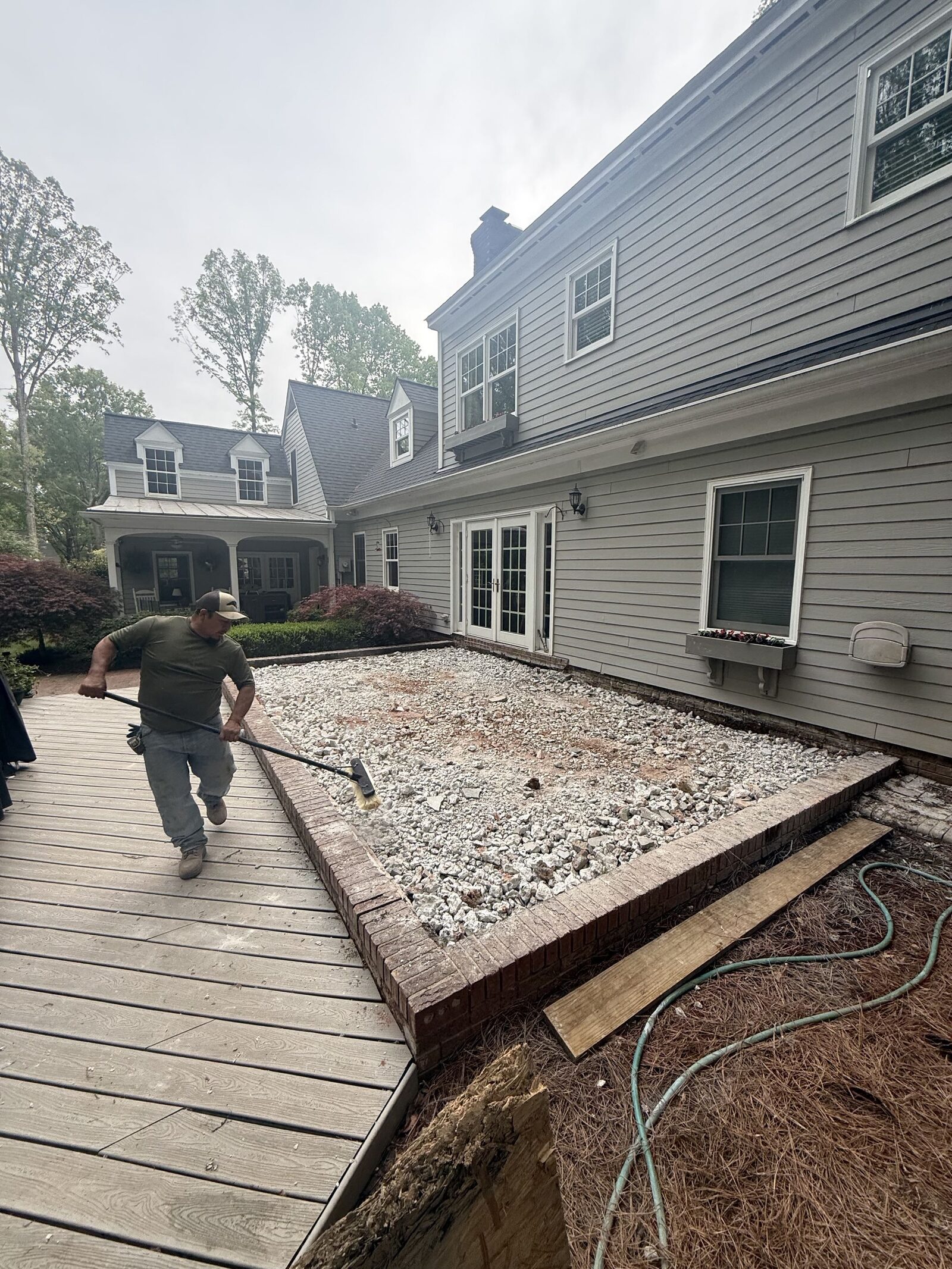
Patio Replacement
Old slab out, new finished slab in
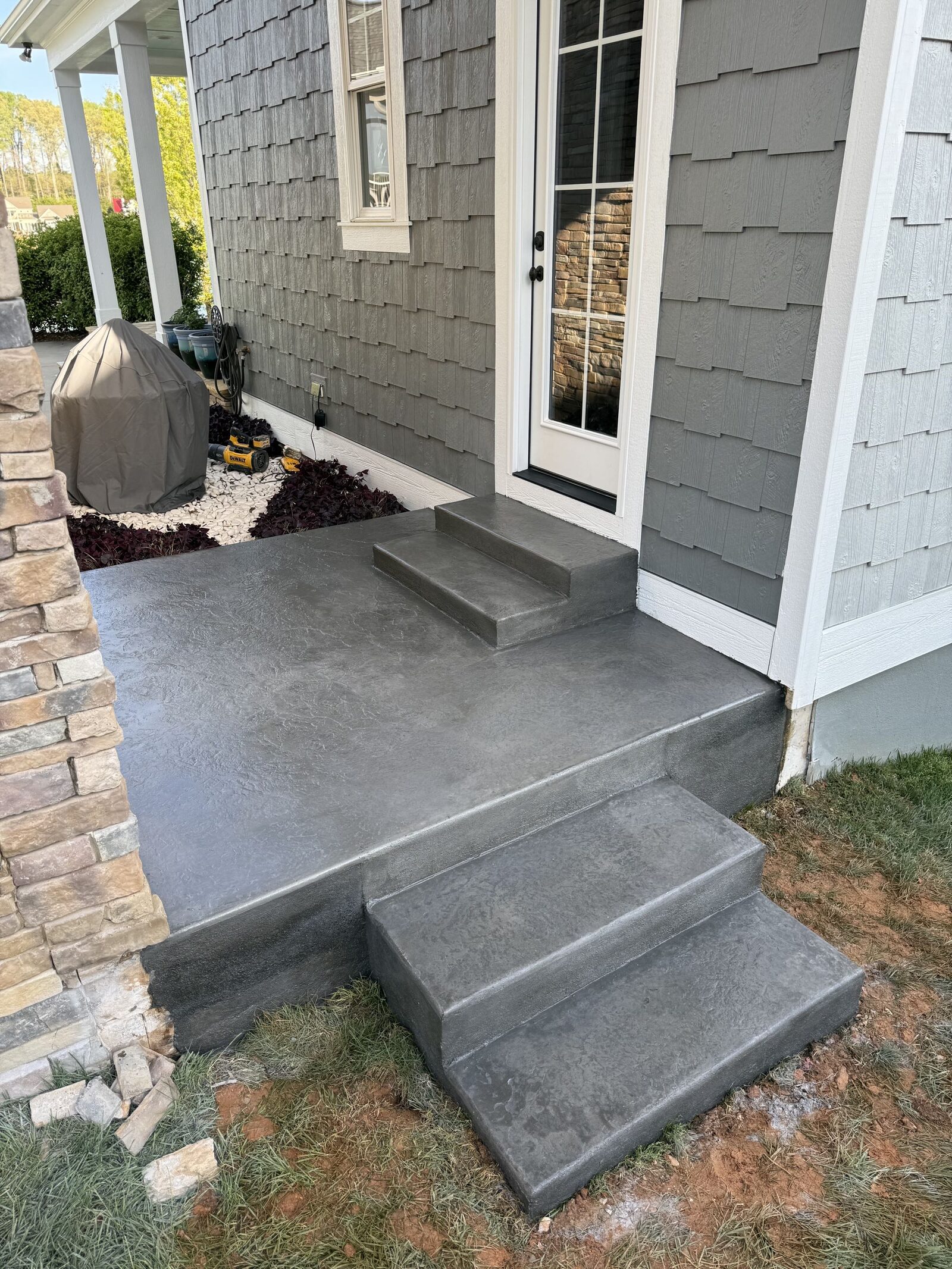
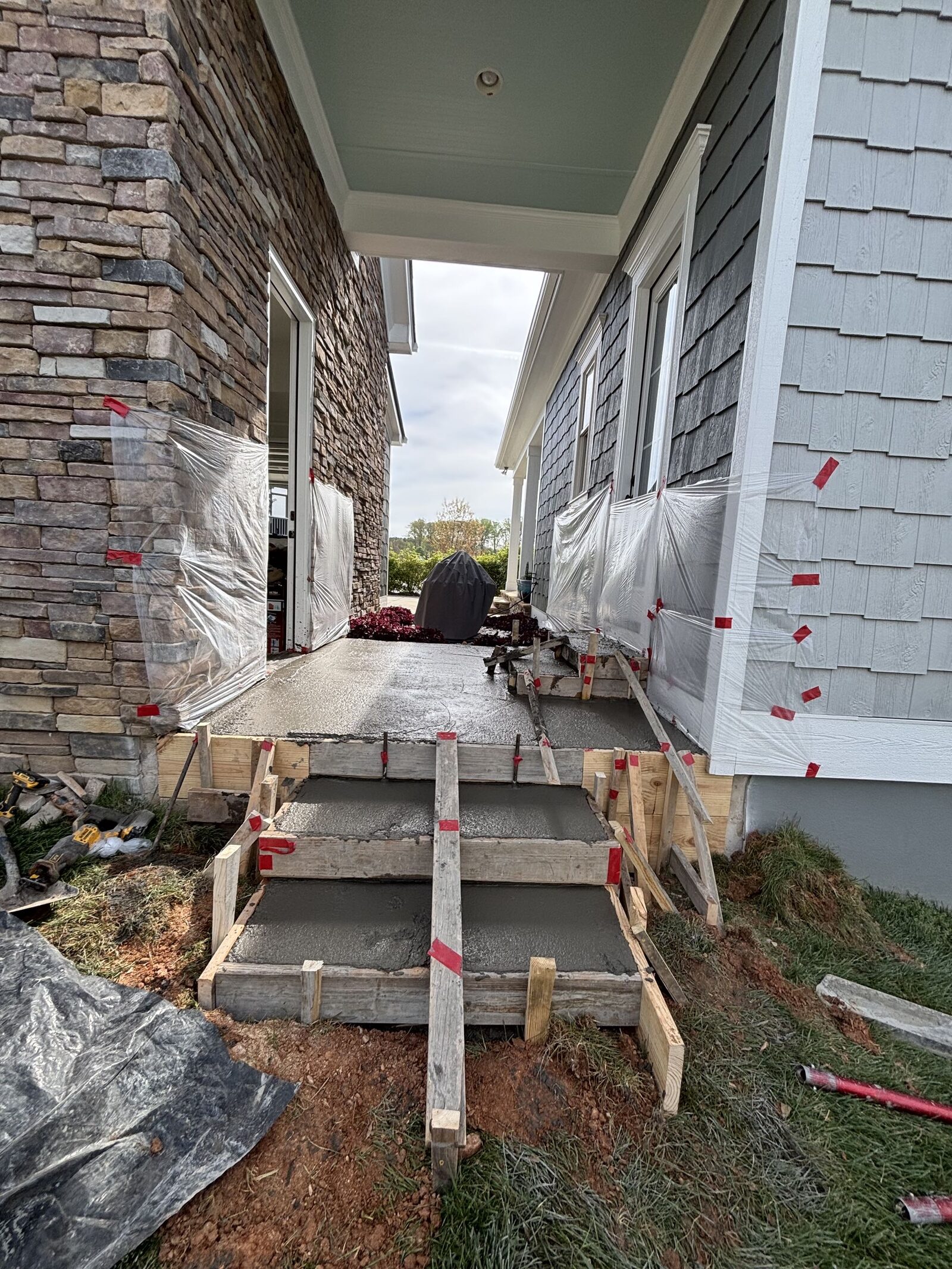
Stamped Concrete Landing
Custom stamped finish + edge tie-in
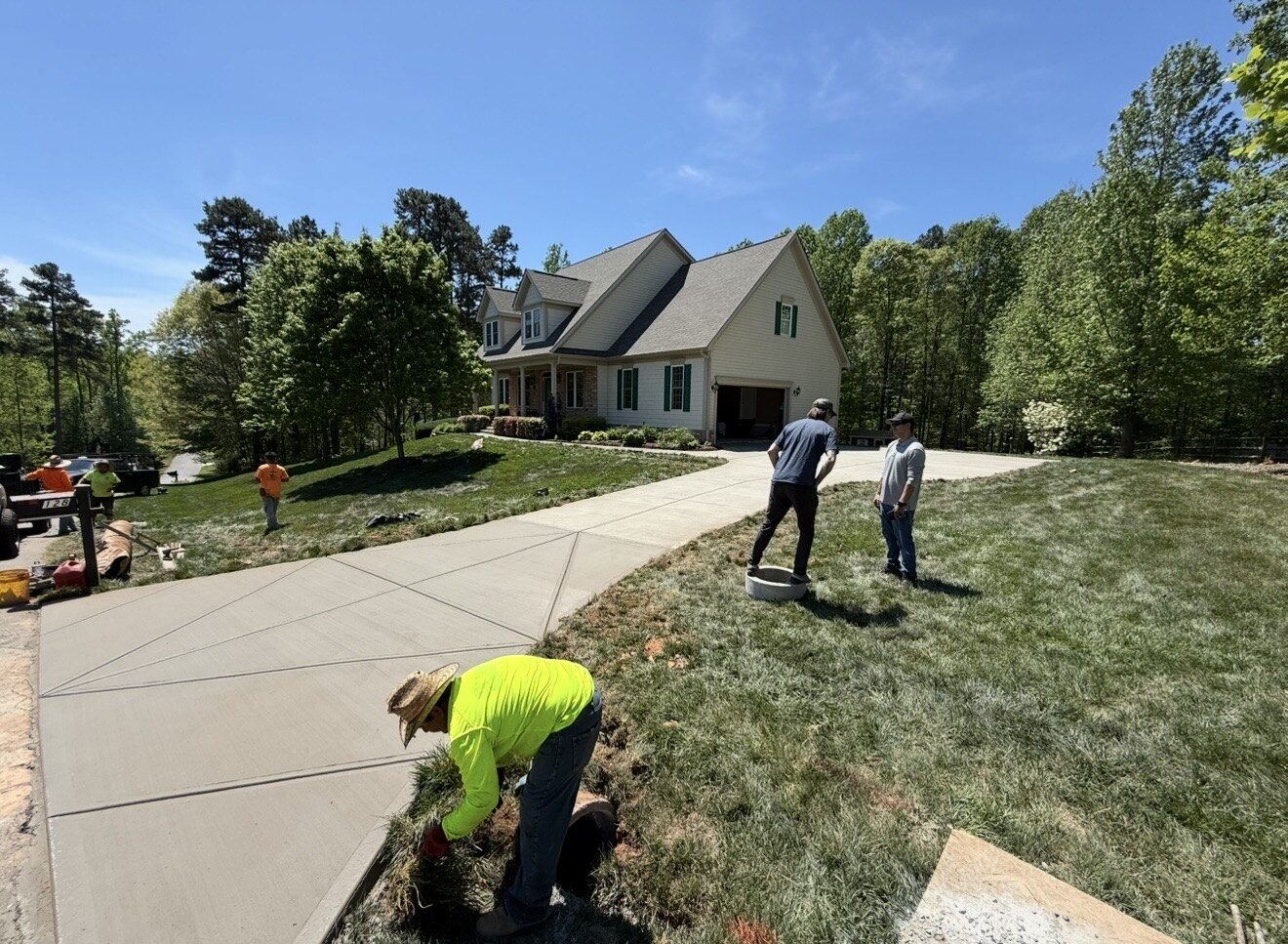
Driveway Replacement
Tear out + fresh pour