




Best Concrete Foundation Repair Contractors Denver NC
Foundation cracks come in two families — the harmless shrinkage kind almost every house has, and the moving kind that widens season over season. Knowing which one you're looking at is the whole game, and it's the first thing we sort out on a Denver call.
Get your free quote
We respond in less than 2 hours.
Recent Denver Foundation Repair Projects
Real customer jobs we've poured. Swipe through and picture yours next.
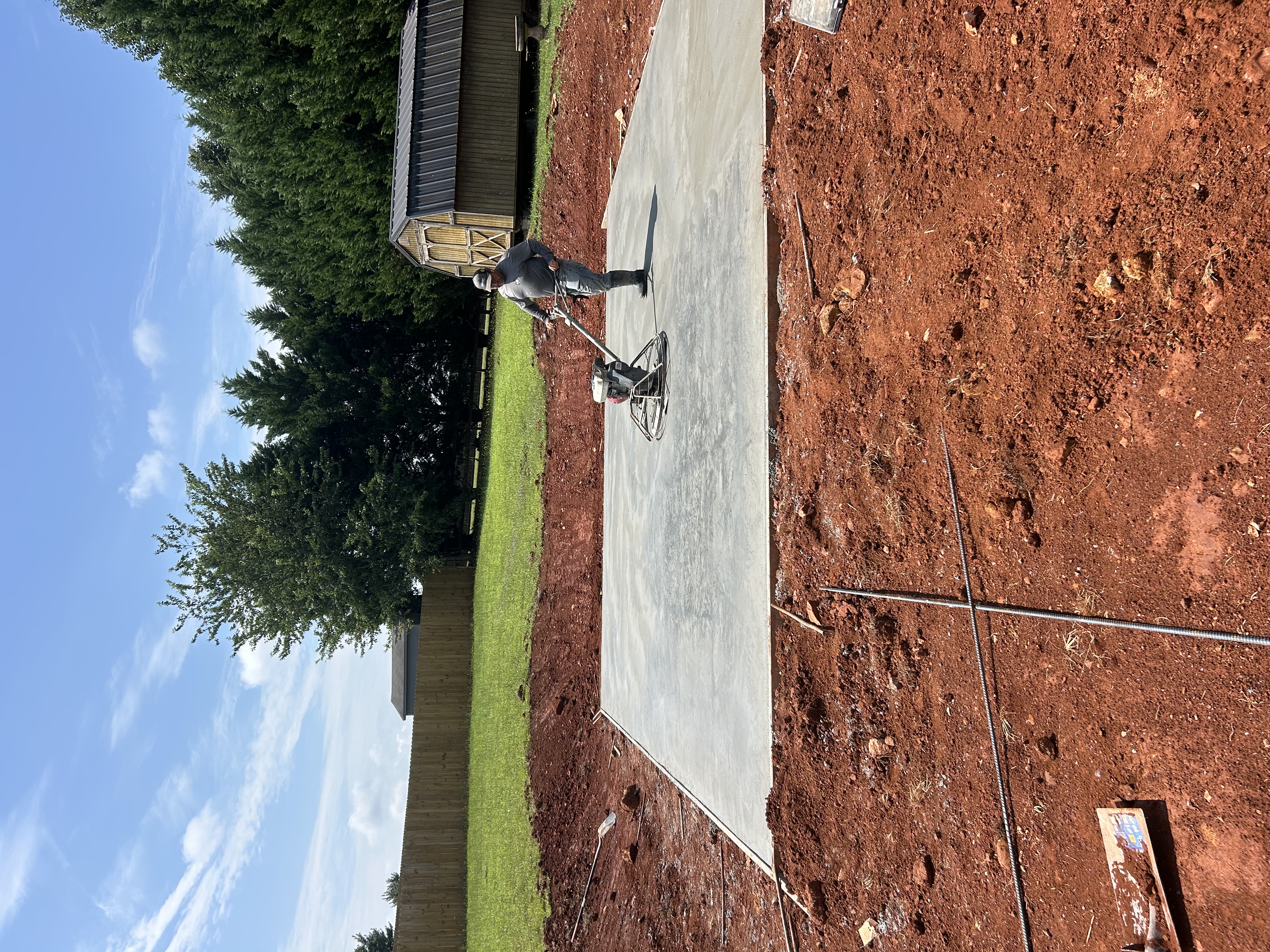
Foundation Repair
Denver Job
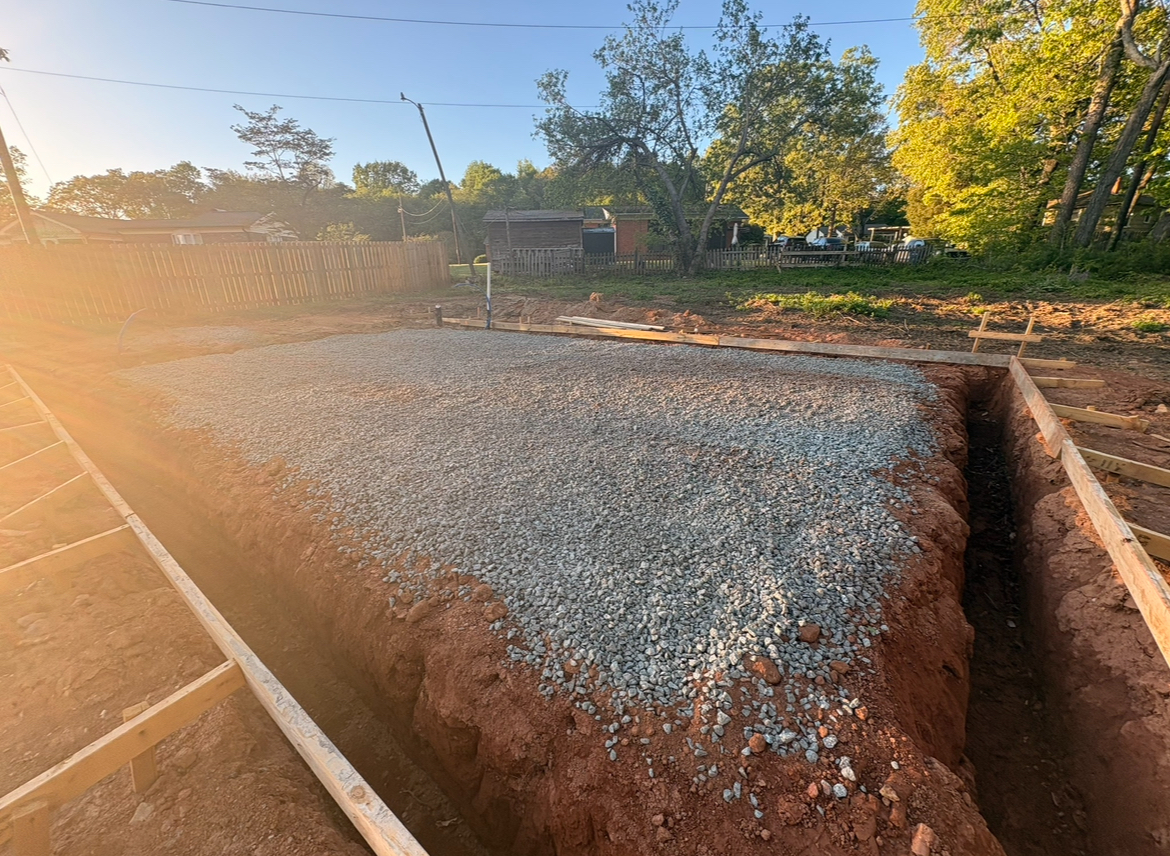
Foundation Repair
Denver Job
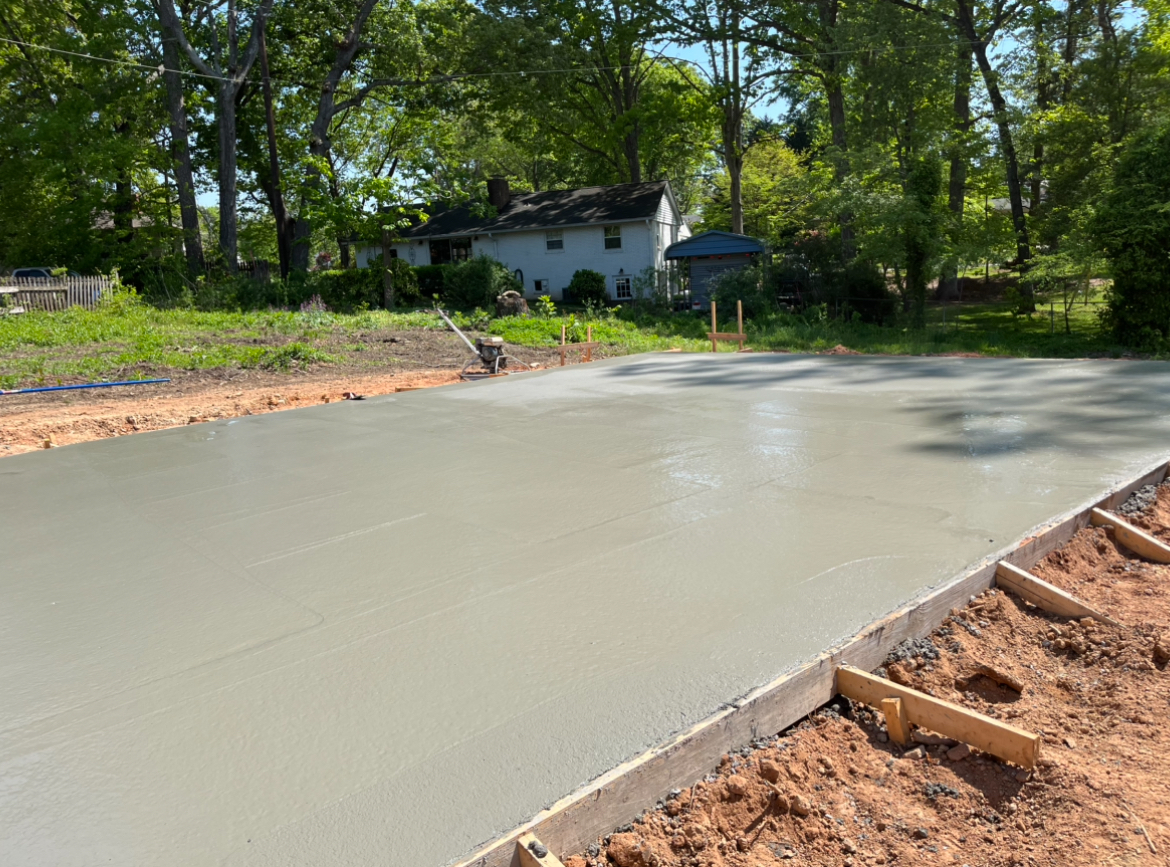
Foundation Repair
Denver Job
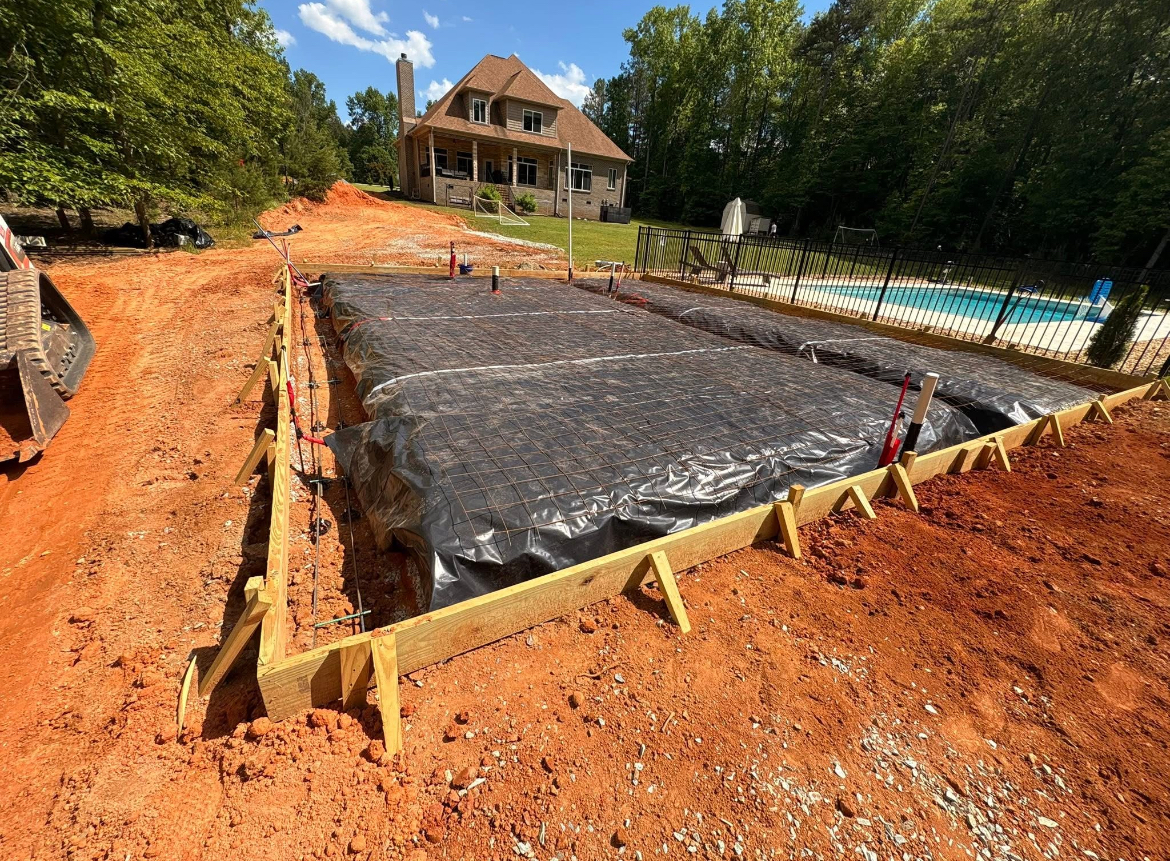
Foundation Repair
Denver Job
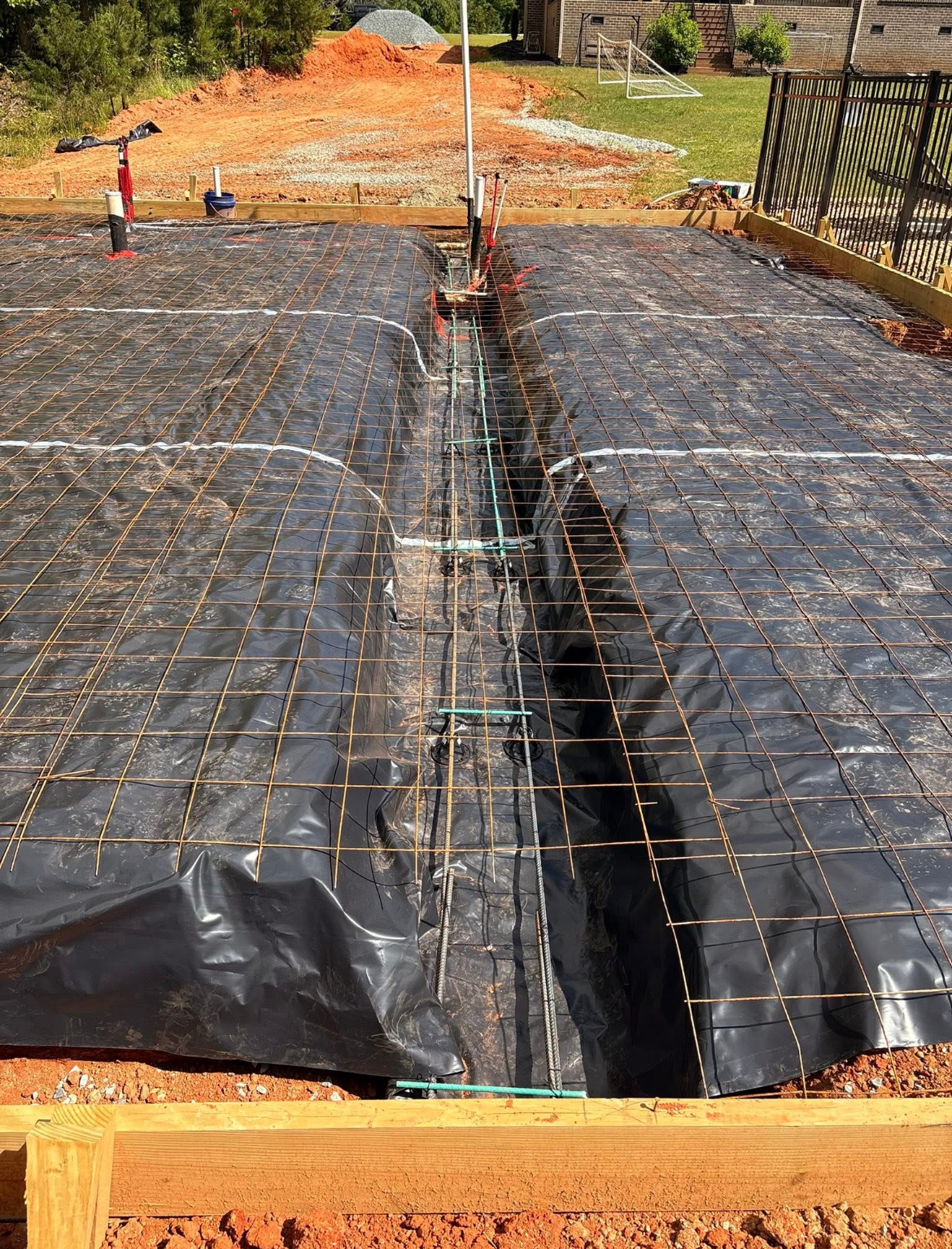
Foundation Repair
Denver Job
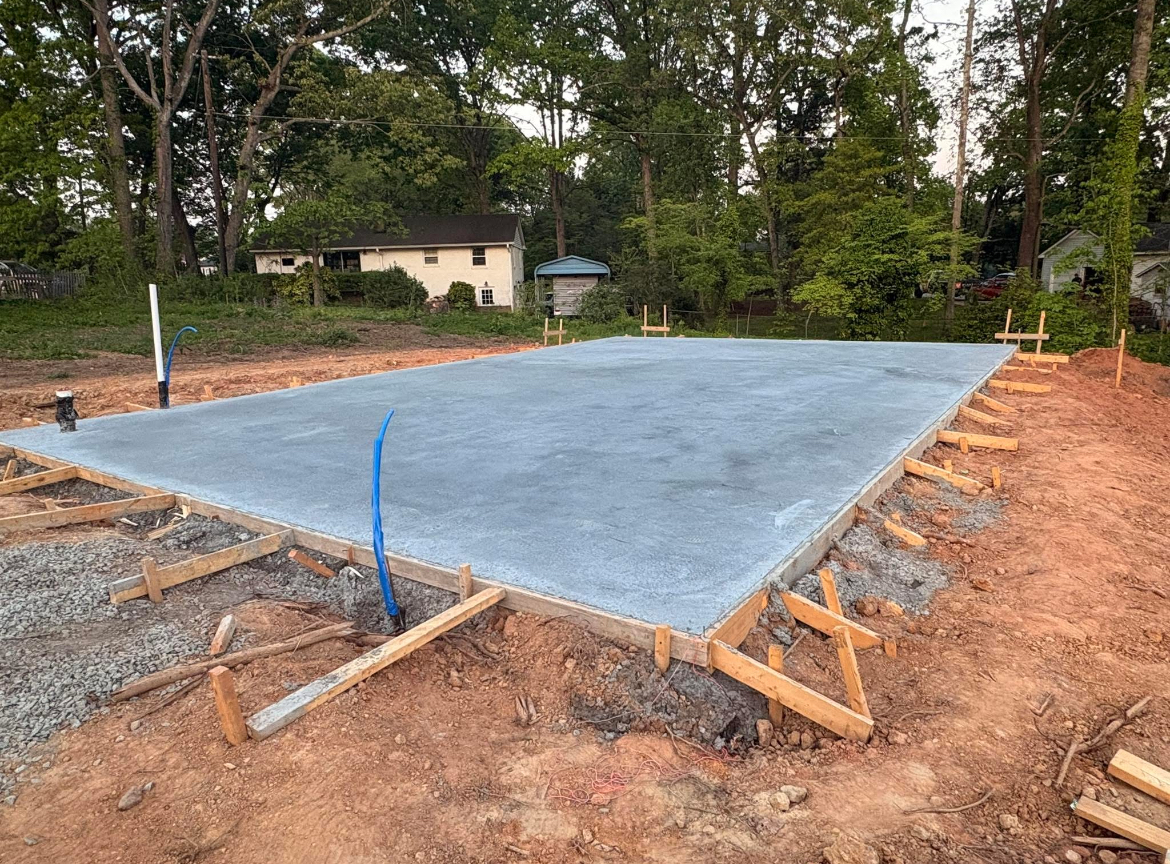
Foundation Repair
Denver Job
(980) 480-6489
The clay under east Lincoln County is the region's quiet foundation stressor: it swells hard against walls in the wet months and pulls away in drought, and decades of that cycle will find any weakness in a footing or wall. Our repair work around Denver spans the honest range — sealing and monitoring stable cracks, reinforcing walls that have begun to bow under soil pressure, underpinning footings where bearing has failed, and correcting the surface drainage that is very often the root cause hiding in plain sight. Every job starts with measurement rather than alarm, because the worst outcome in foundation work is paying for a structural fix a drainage correction would have solved.
In Denver specifically, foundation repair work runs through neighborhoods like Westport, Sailview, Verdict Ridge. Lakefront properties in Westport, Sailview, and Governors Island want decorative finishes, stamped pool decks, and patios graded so runoff never pools against the house on a sloped lake lot. That local ground truth — not a generic spec sheet — is what the crew builds against when they form up a Denver pour.
Our Foundation Repair Services
Foundation repair isn't one product — it's a set of different fixes for different failure modes, and the right one depends on what's actually moving.
- Settlement diagnosis — on-site inspection of crack patterns, floor slope, door and window function, and exterior grade
- Helical pier installation for wall or column stabilization when the footing has lost bearing
- Push (resistance) piers for heavier residential loads driven to refusal on load-bearing strata
- Mud-jacking and polyurethane foam slab lift for sunken concrete slabs, porches, steps, and garage floors
- Concrete crack injection with epoxy or polyurethane for structural or water-intrusion cracks
- Section rebuilds where a footing or short wall has failed beyond what piers or lift can reasonably recover
- Waterproofing and drainage corrections at the perimeter — the underlying cause of a lot of foundation movement in NC
- Interior slab repair where a garage or basement floor has cracked or dropped
- Second-opinion evaluations when another company has already quoted repair and the homeowner wants a straight read
If the situation is stable and cosmetic, we'll say that. If it needs underpinning, we'll say that too. The write-up is the same either way.
How to Tell What Settling Actually Looks Like
Not every crack is a foundation problem, and not every foundation problem shows up as a crack. Knowing what the signs mean is the difference between fixing the right thing and paying for repairs that don't touch the actual movement.
- Stair-step cracks in brick or block mortar — usually a real indicator of differential foundation movement, especially when they widen at the top or bottom
- Diagonal drywall cracks running from door and window corners — often points to a specific corner of the foundation dropping
- Horizontal cracks in a basement or crawlspace wall — usually means soil pressure or hydrostatic load pushing the wall in, not just settlement
- Vertical cracks in a poured wall under three-sixteenths of an inch — often shrinkage cracks and don't indicate active movement
- Doors and windows sticking or drifting out of square — the framing above is moving with the foundation
- Floors that slope more than an inch across ten feet — measurable settlement worth investigating
- Gaps opening between exterior brick veneer and window trim, or between a chimney and the main house wall
- Standing water within four feet of the foundation after a moderate rain — the cause behind most residential settlement on Piedmont clay
We carry a level and a crack gauge on the walk. What we see gets written into the report — including which signs are cosmetic and which are structural — so the fix targets what's actually moving.
Get your free quote
We respond in less than 2 hours.
Why Local Concrete Contractor?
- 01.Precision craftsmanship
- 02.Same crew from base through finish
- 03.Licensed & insured, dedicated project manager
- 04.No deposit — pay on completion
Our Foundation Repair Process in Denver
Every foundation repair we pour in Denver runs through the same 18 checkpoints — from the on-site consult through the final walkthrough.
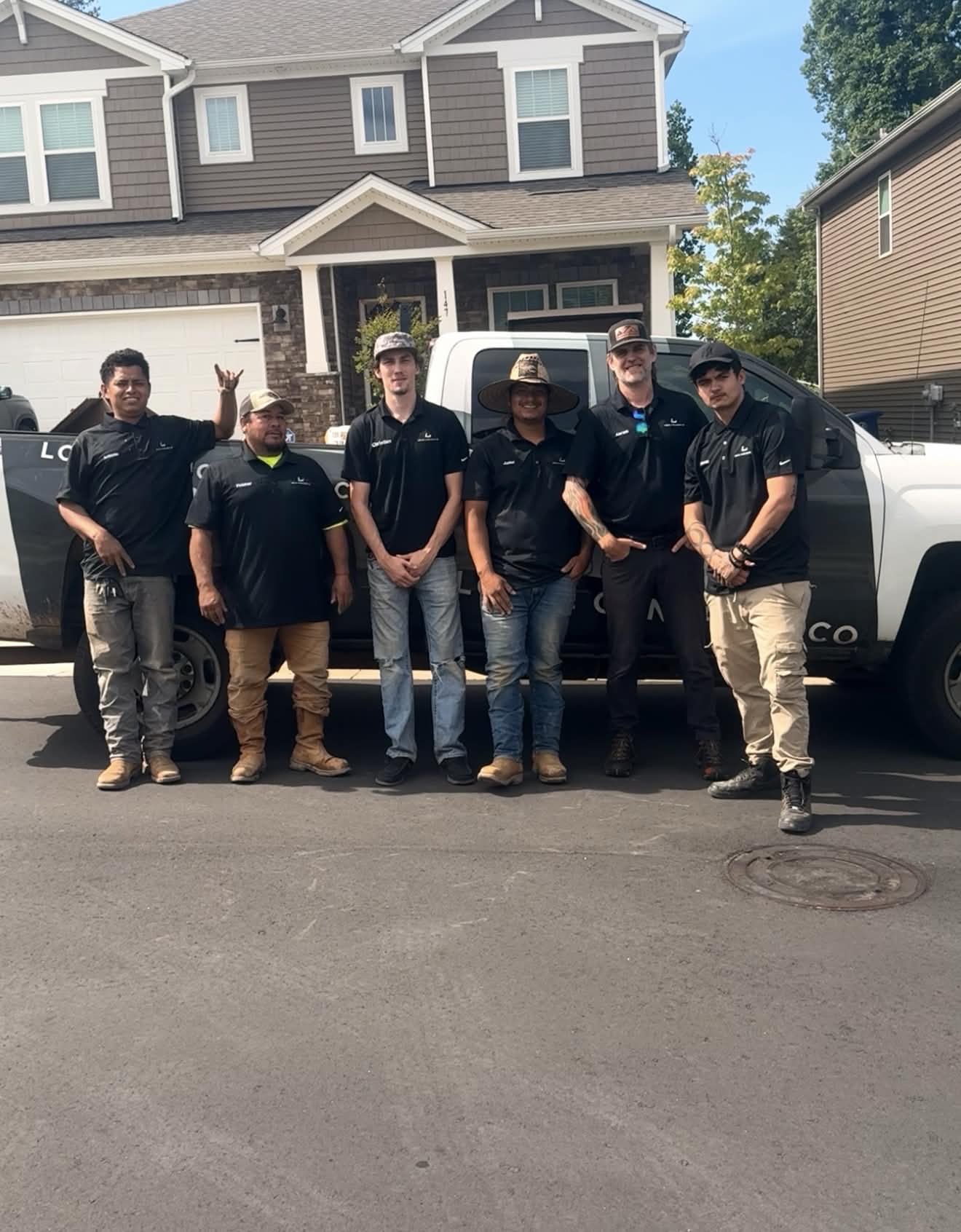
Consultation & Estimate
We meet on-site in Denver to assess scope, discuss vision, and provide a detailed, transparent quote tailored to your Denver property.

Logistics & Scheduling
Coordinating crew, equipment, and weather windows specific to Denver's climate to ensure a seamless project start.
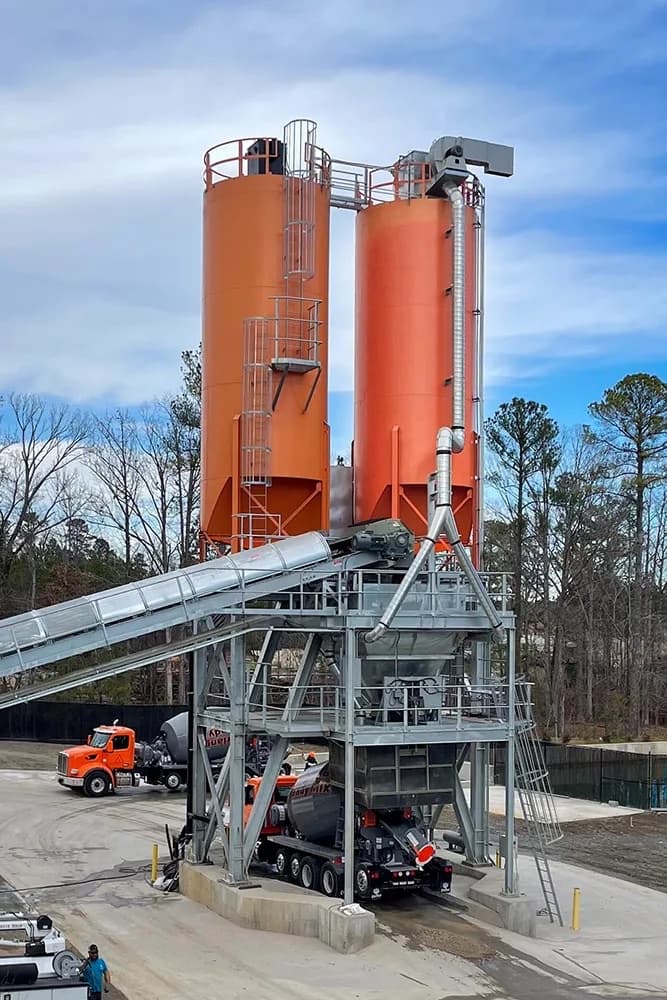
Custom Mix Design
Ordering specific concrete additives and slump requirements based on Denver's current temperature and humidity patterns.
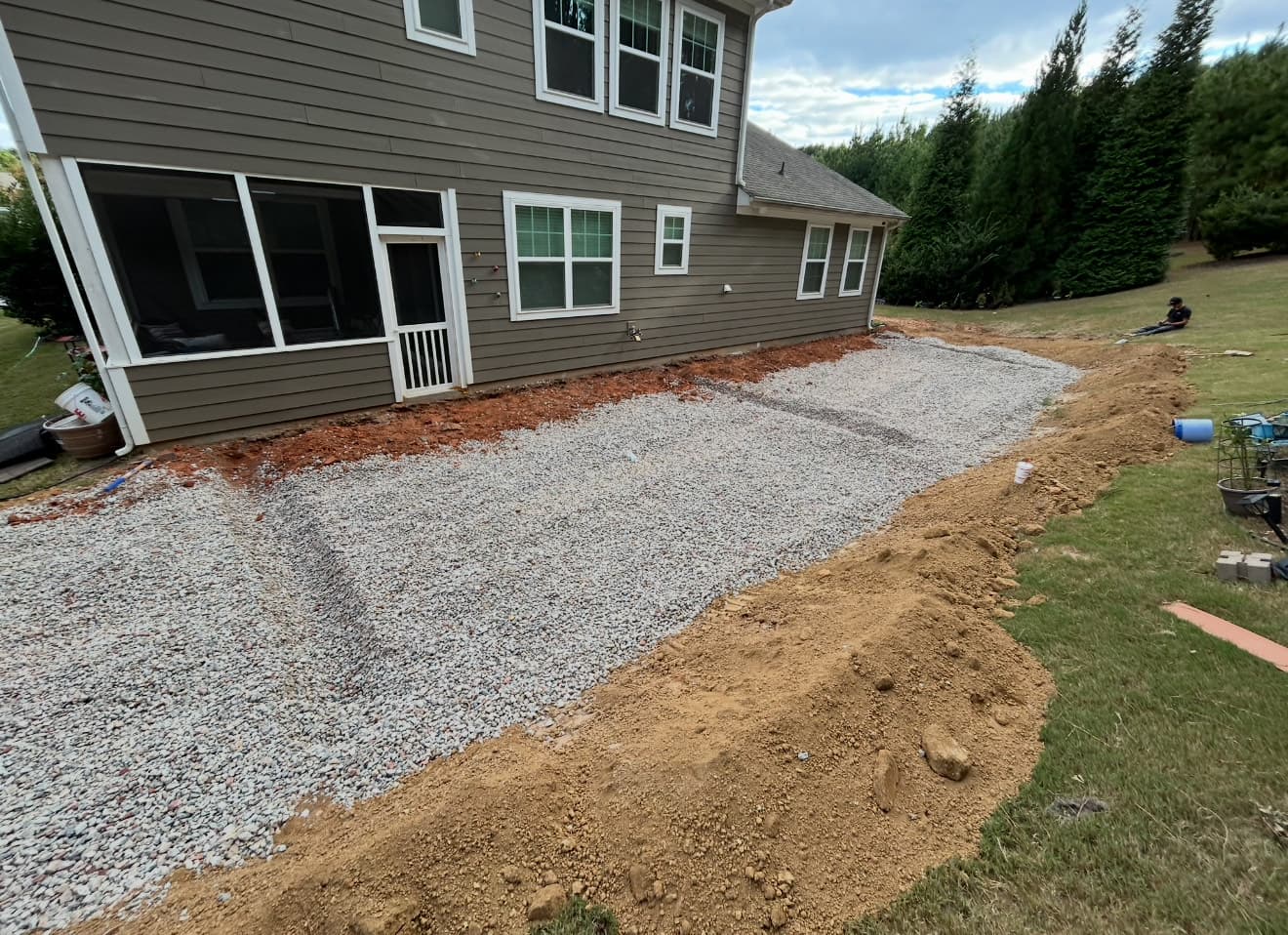
Site Preparation
Preparing the workspace in Denver and establishing safe access routes for our equipment and crew.
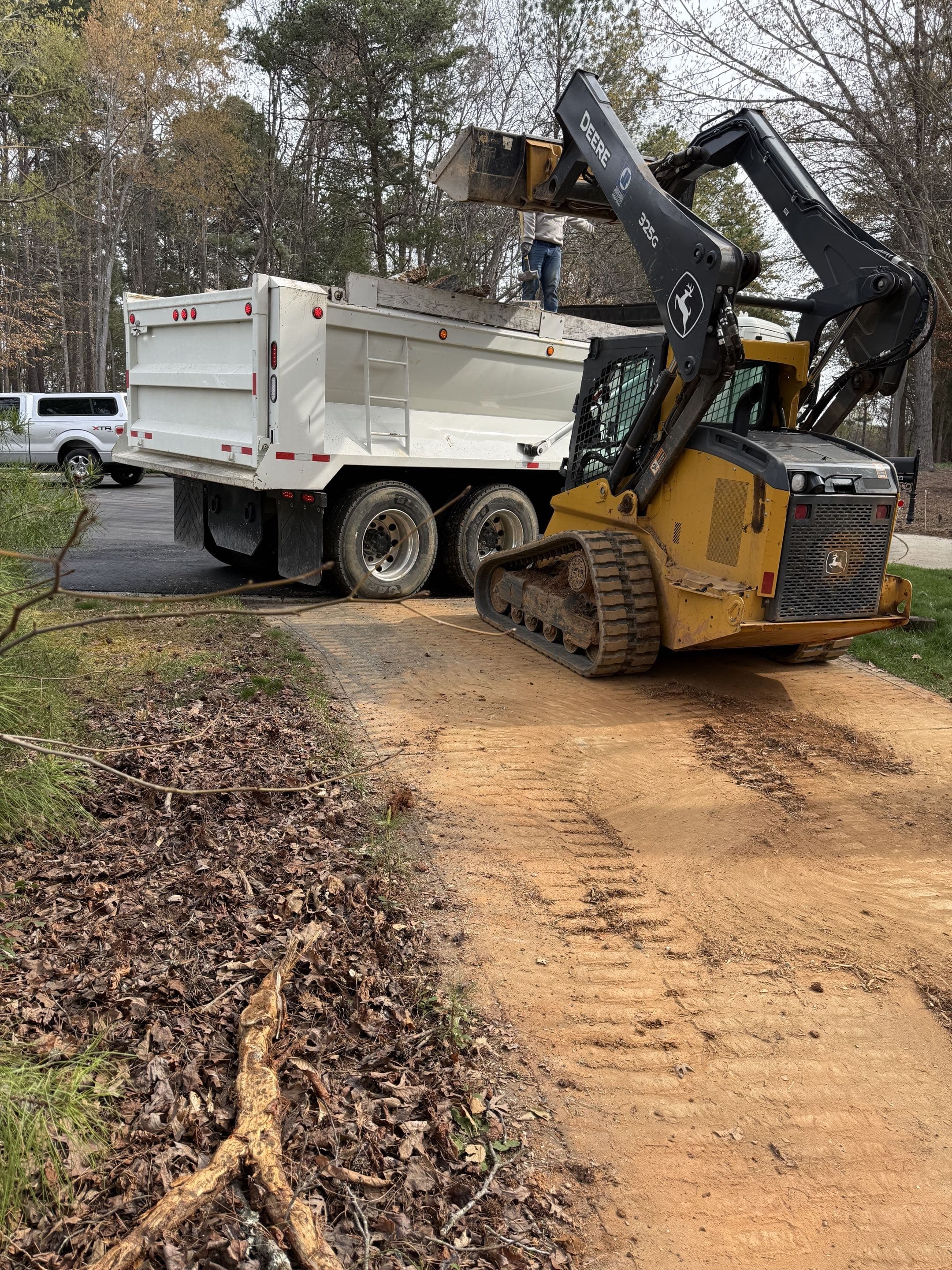
Demolition
Removal and disposal of existing concrete in Denver, leaving a clean slate for your new installation.
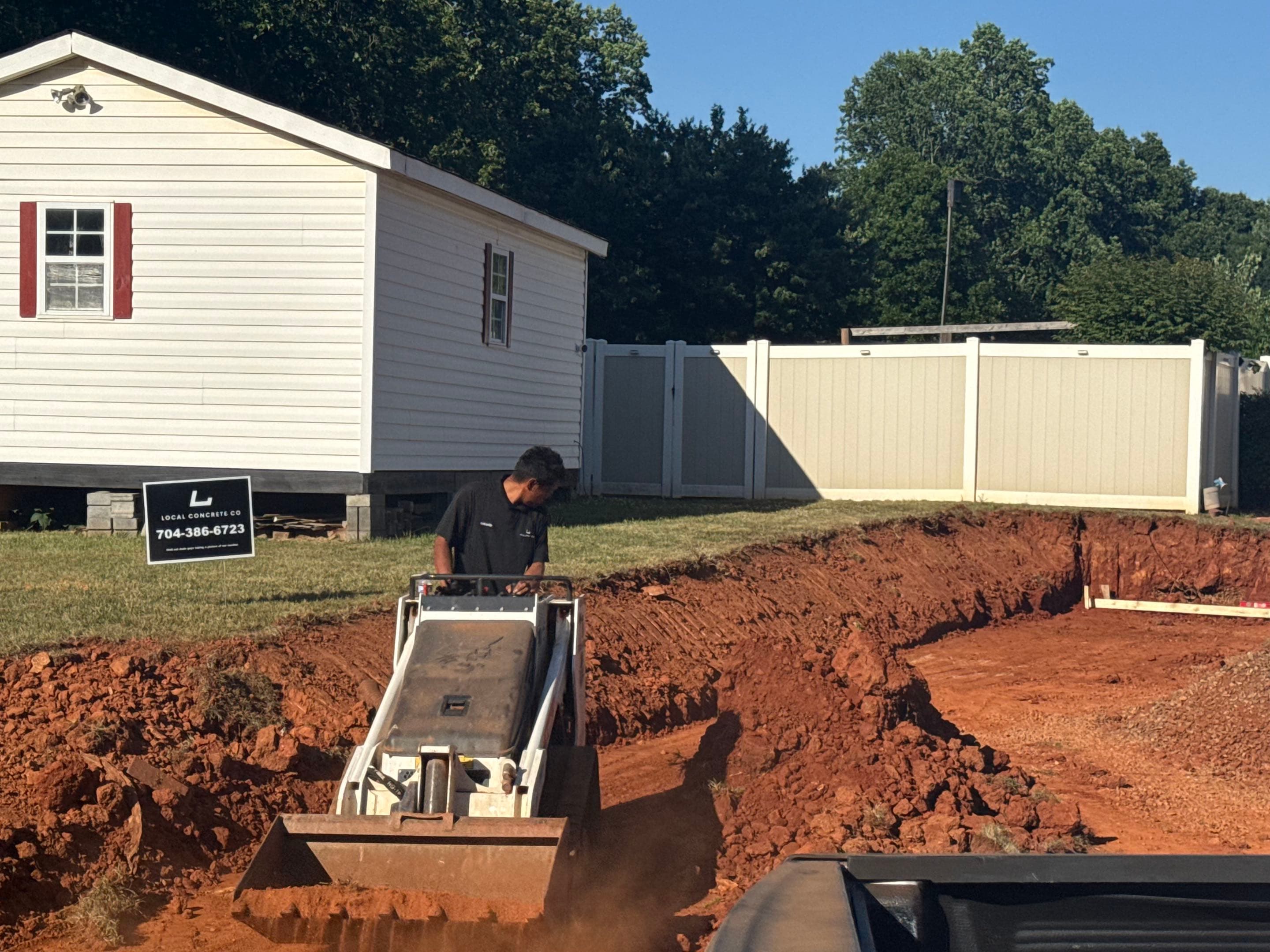
Grading & Forming
Expert grading for proper drainage in Denver and setting high-quality lumber forms for clean edges.
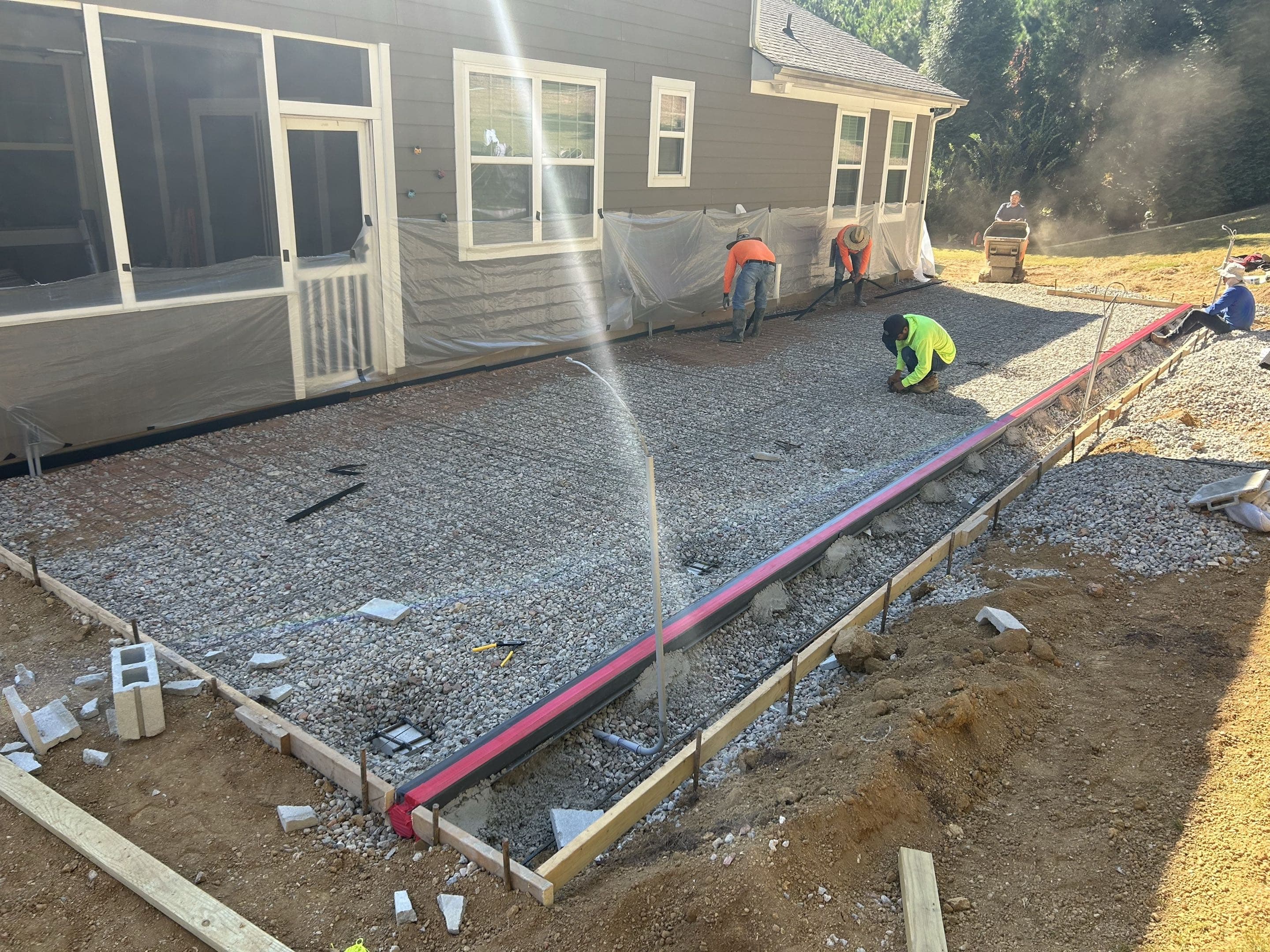
Reinforcement
Installation of steel rebar or wire mesh grid in Denver, using 1/2 inch grid for structural tensile strength suitable for North Carolina conditions.
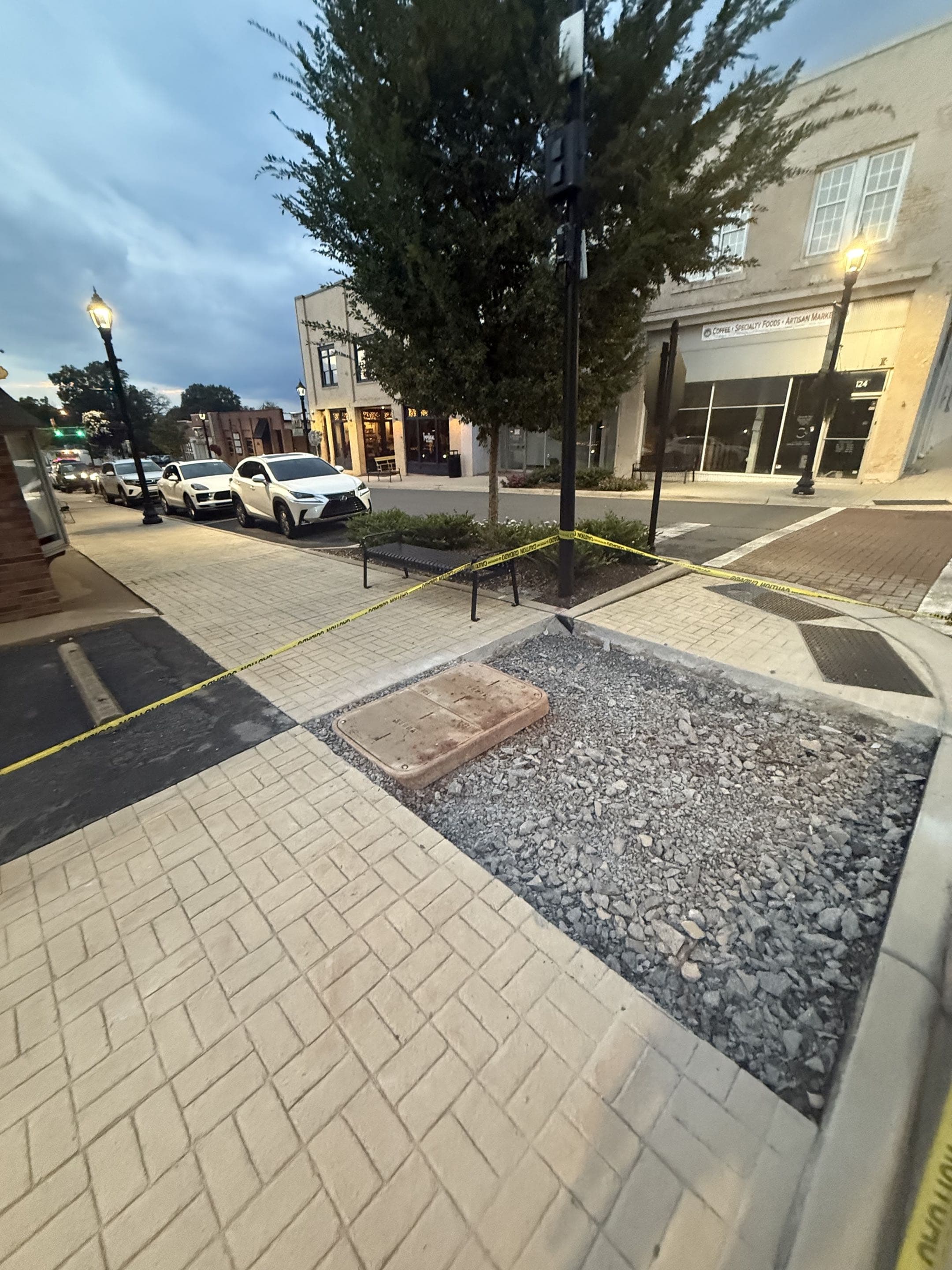
Pre-Pour Inspection
A final check of elevation, form stability, and reinforcement placement in Denver before the truck arrives.
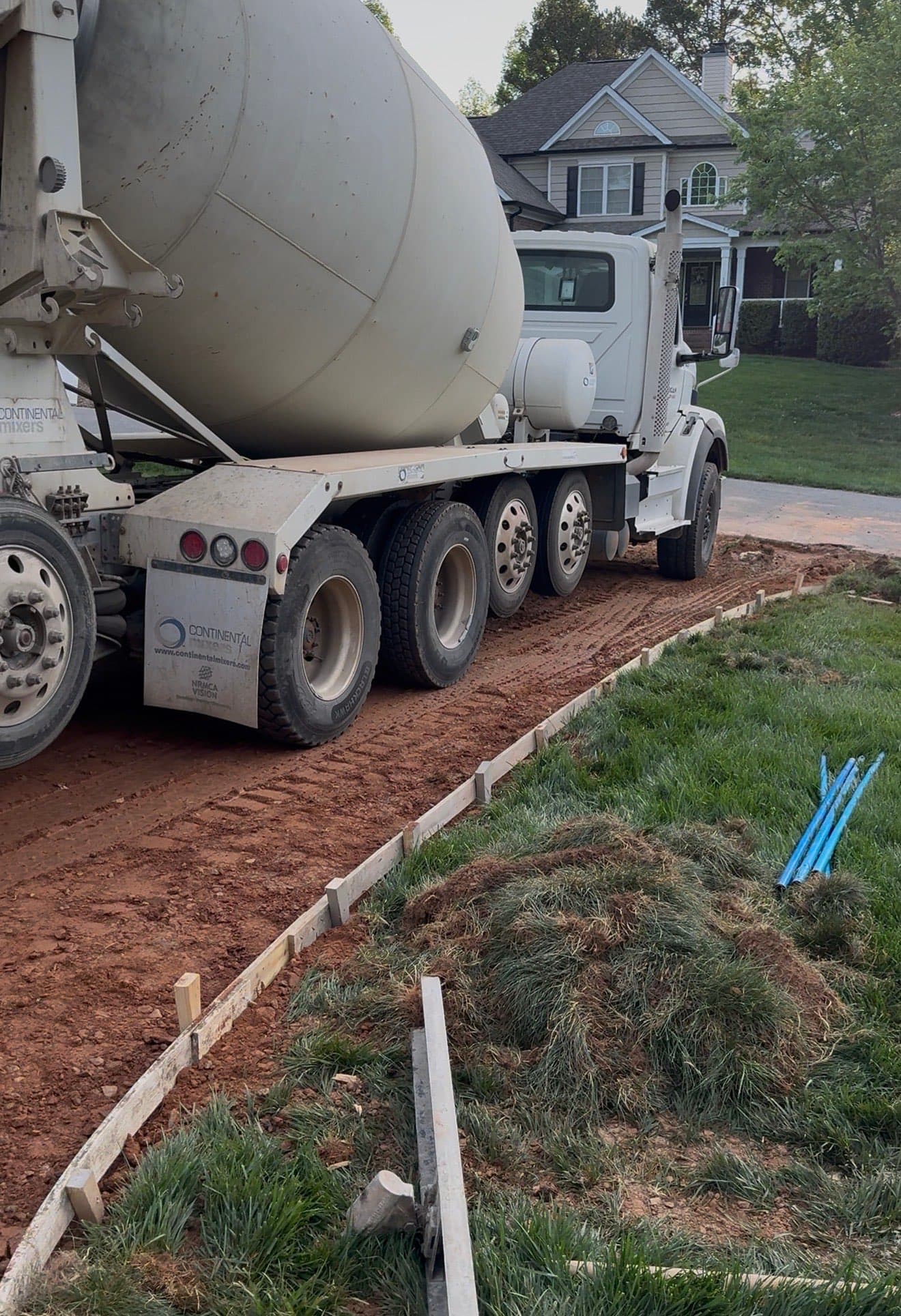
Slump Testing
Verifying concrete consistency on-site in Denver to ensure it meets the engineered mix design.
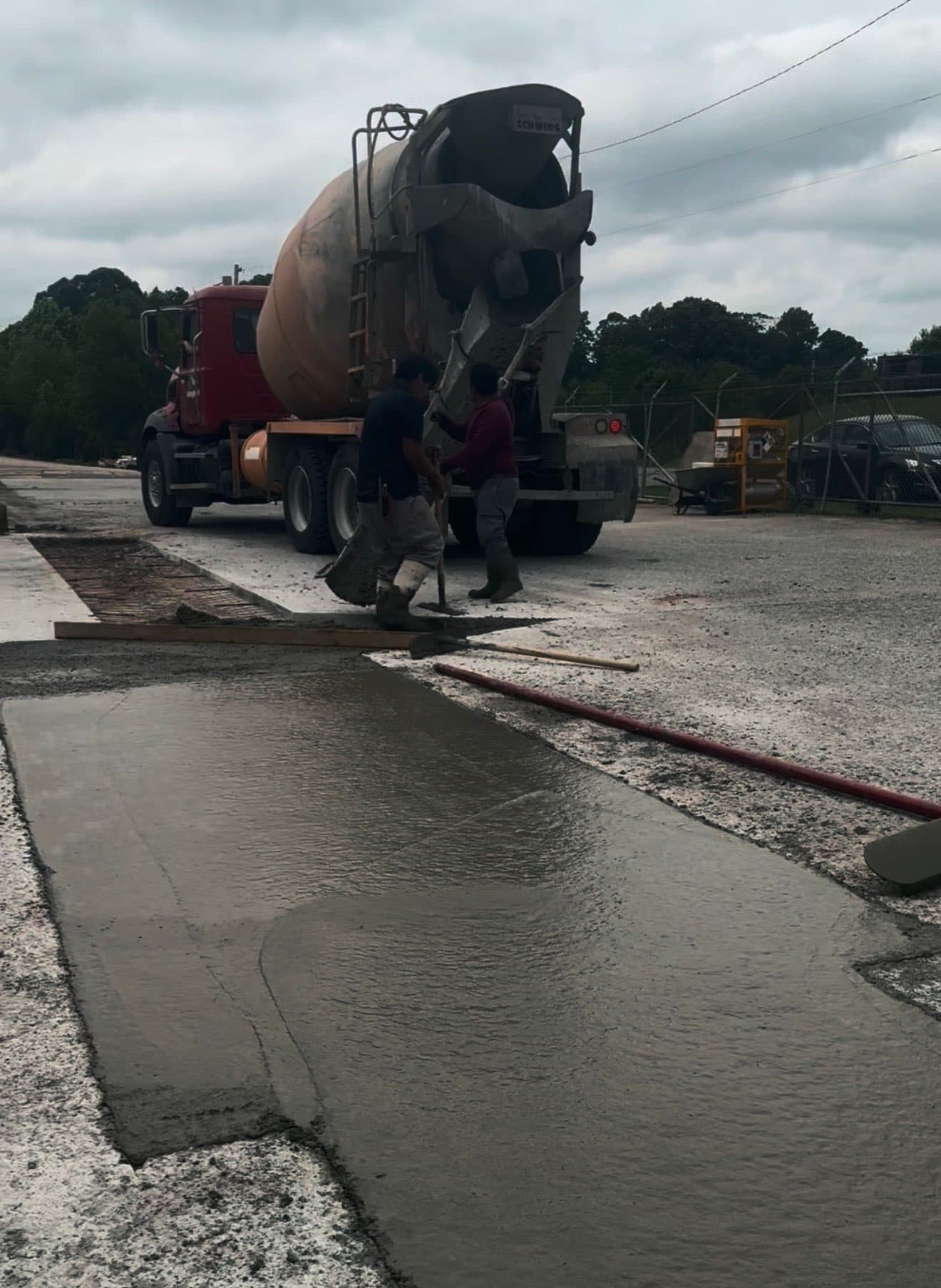
Placement
Controlled pouring and placement of concrete in Denver to avoid cold joints and ensure uniformity.
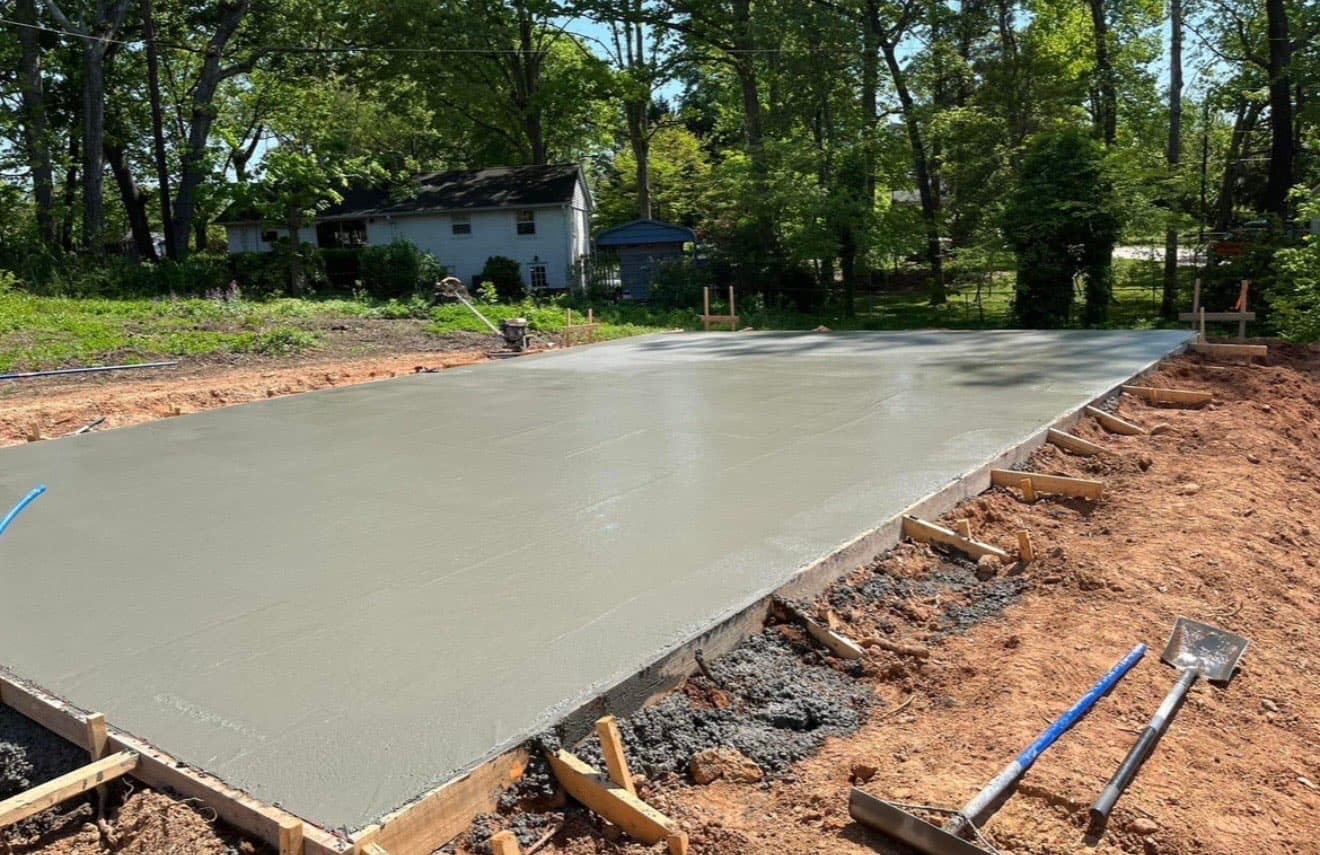
Bull Floating
Pushing aggregate down and bringing 'cream' to the surface for a smooth finishable layer in Denver.
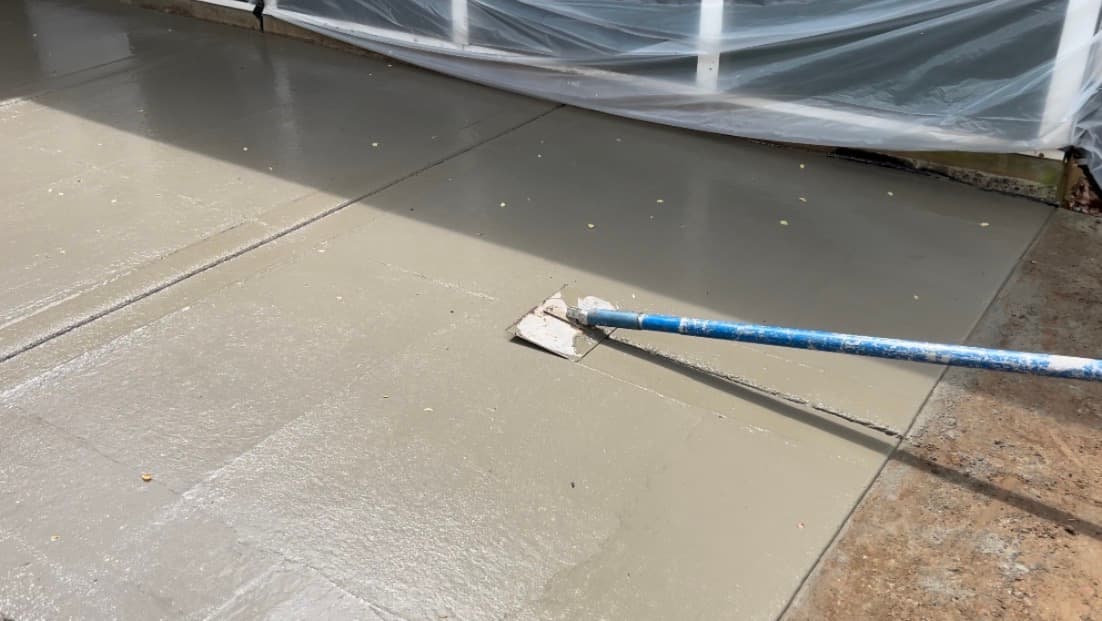
Edging & Jointing
Creating rounded edges for durability in Denver and cutting control joints to manage expansion in North Carolina's climate.
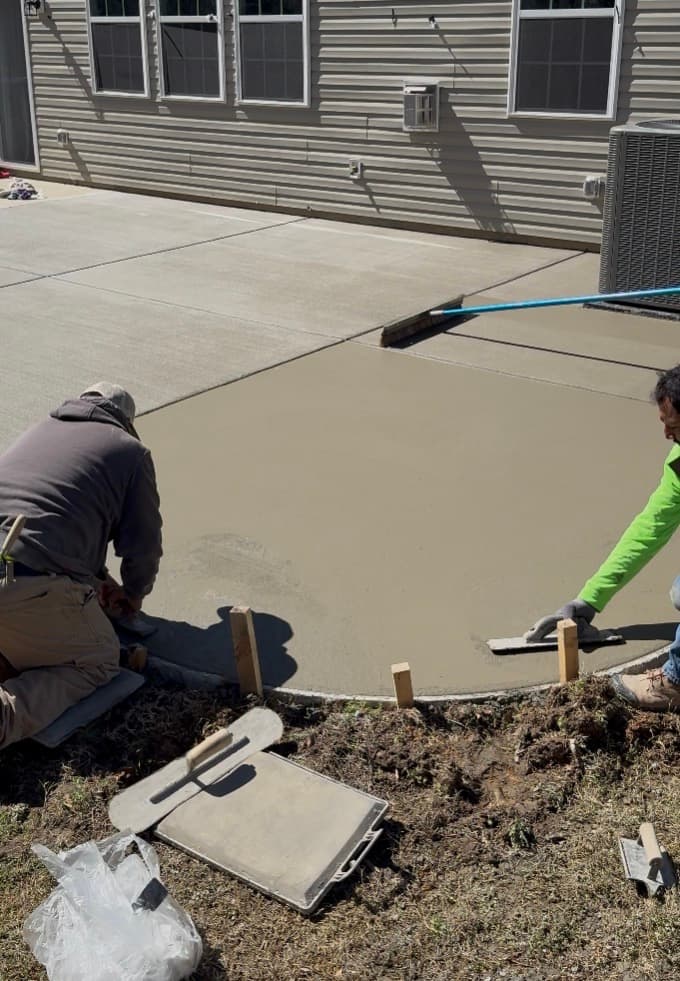
Fresno Finish
Final smoothing pass in Denver to close the surface pores and prepare for texturing.
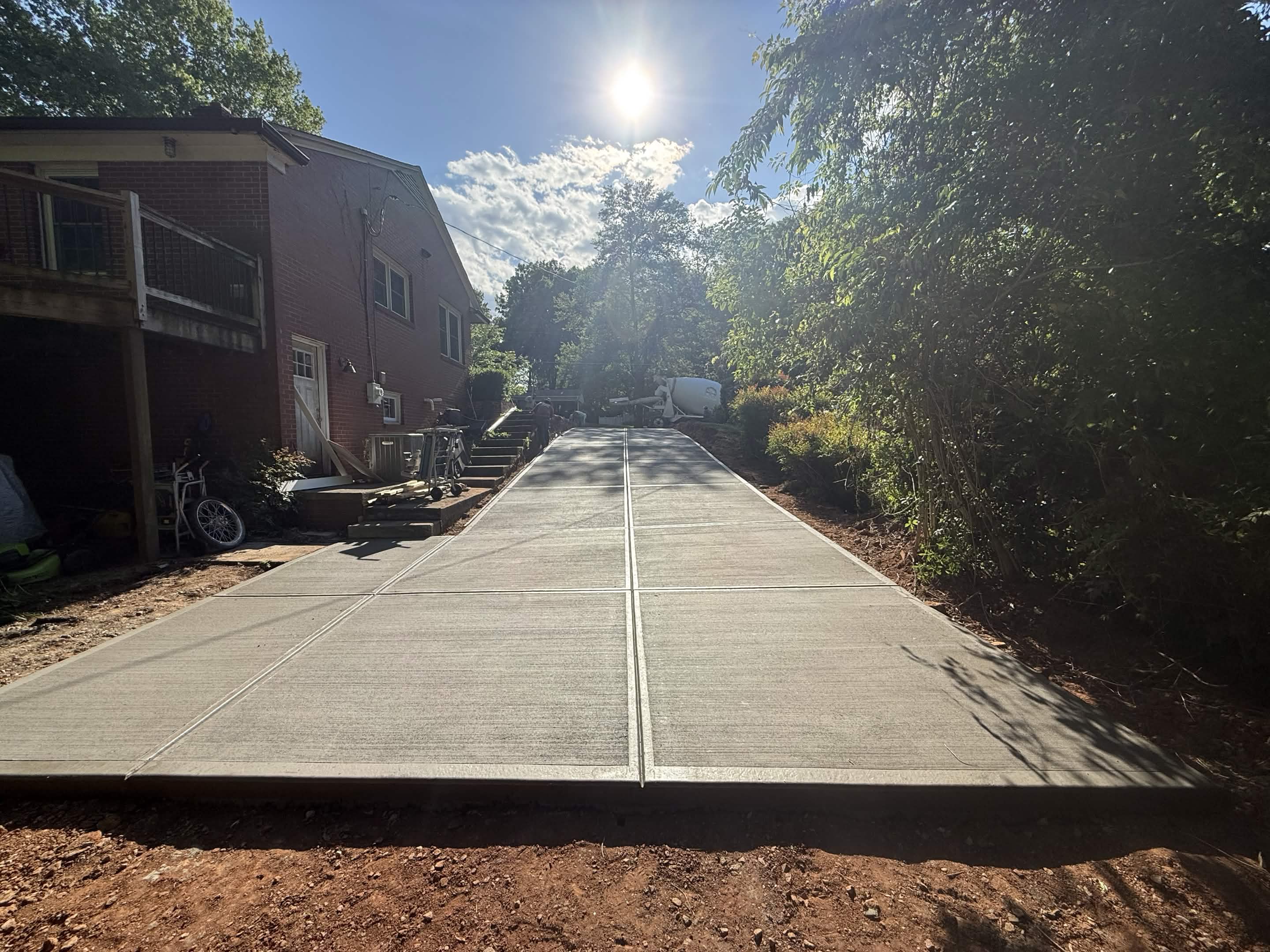
Decorative Detailing
Applying final broom texture, stamp patterns, or color treatments as specified for your Denver project.
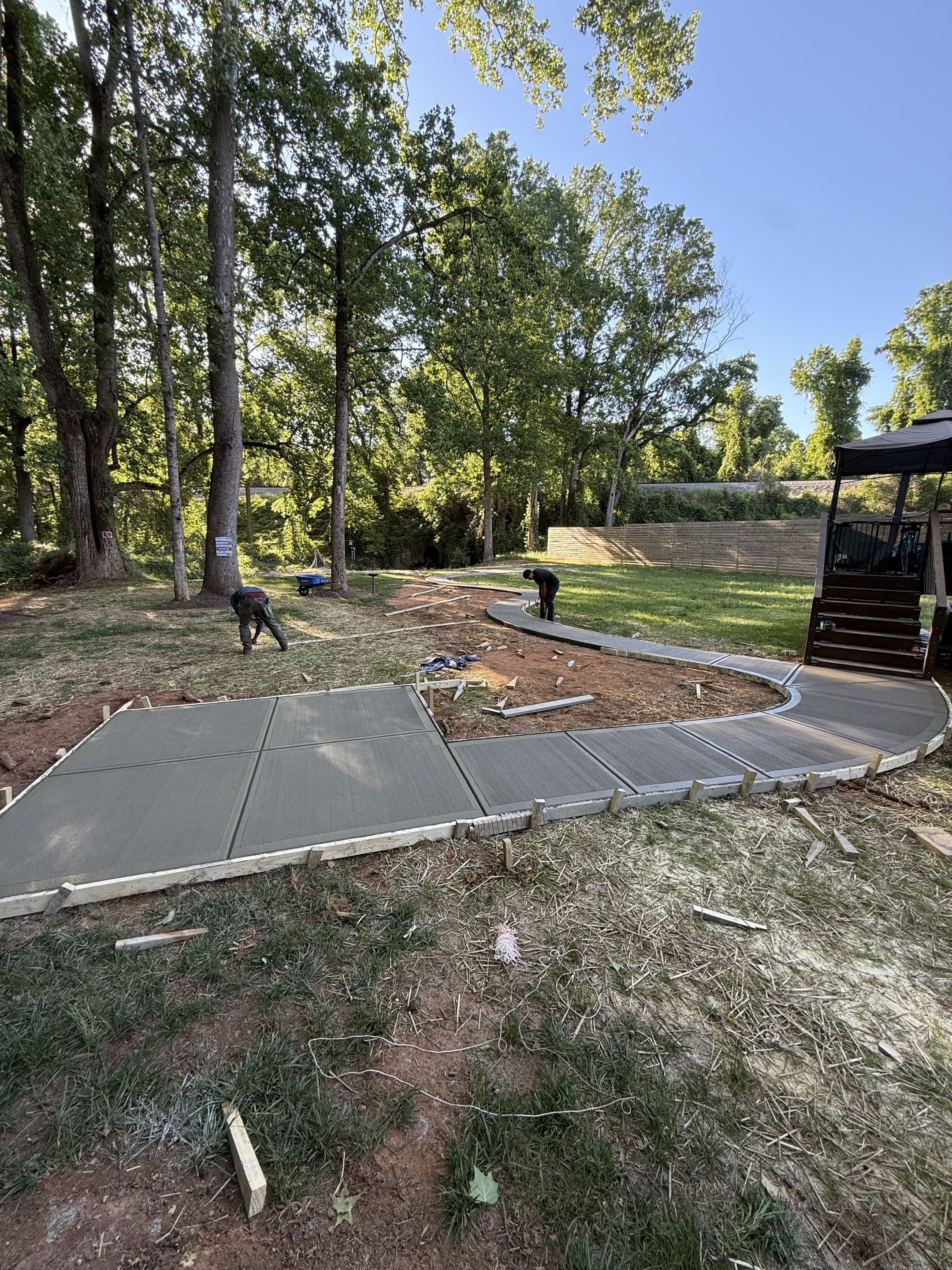
Form Removal
Careful stripping of forms in Denver once concrete has reached initial set stability.
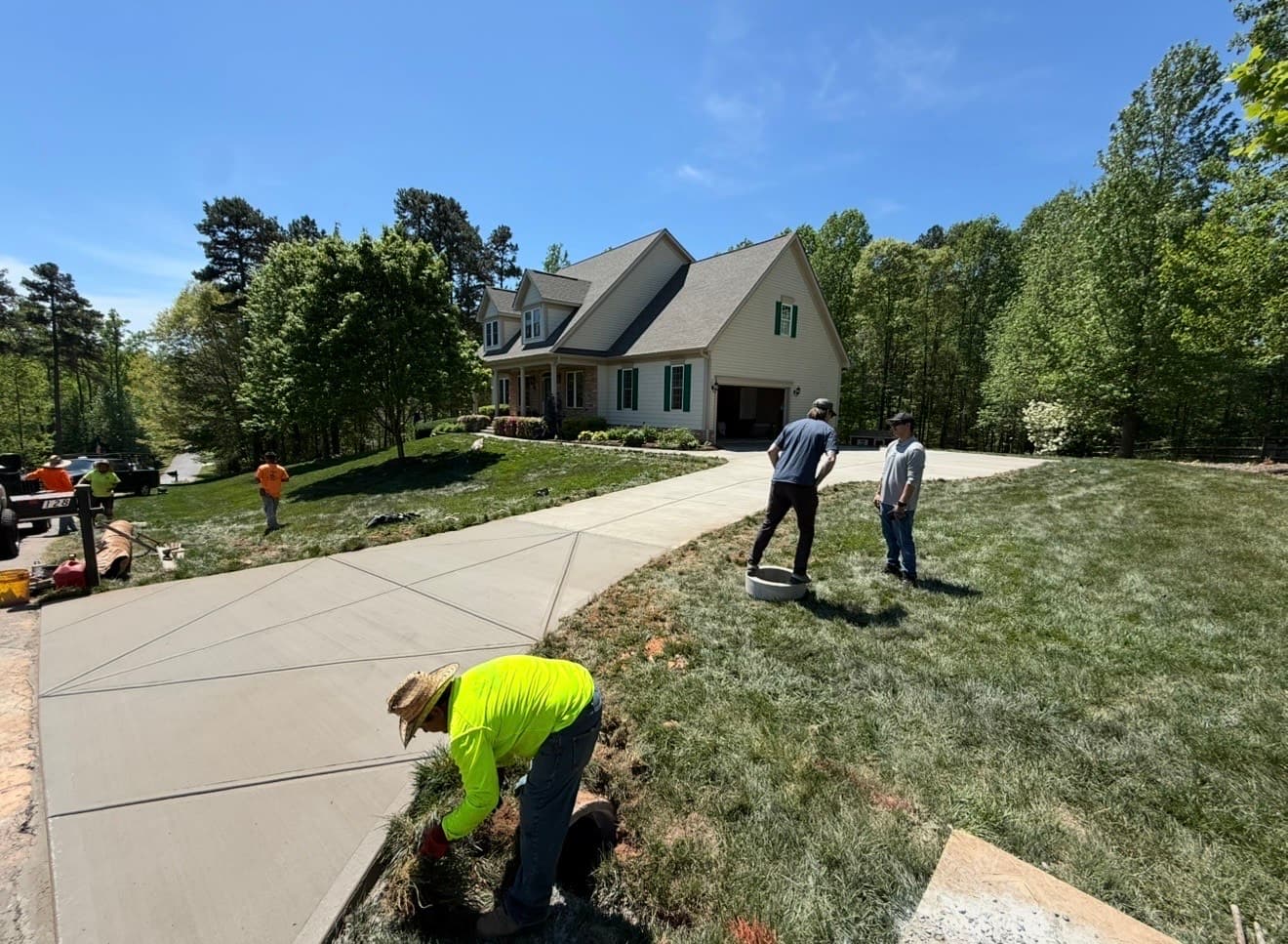
Final Walkthrough
Reviewing the finished project with you in Denver to ensure every detail meets the standard.

Usage Guide
Providing clear instructions for Denver homeowners on cure times—when you can walk, drive, and park on your new concrete.
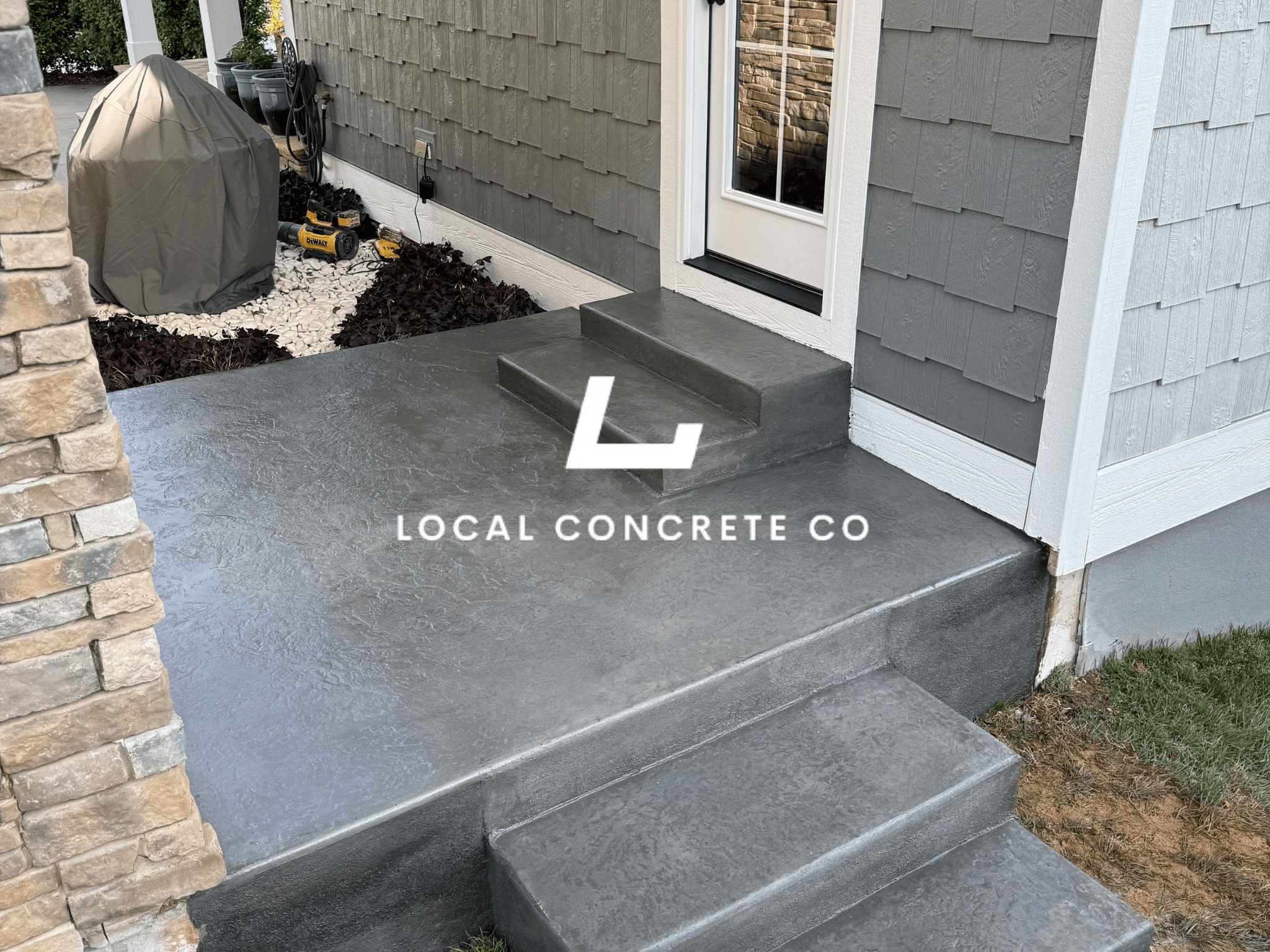
Project Completion
The job is done right in Denver, ensuring you have a durable surface for years to come in the Denver area.
Mud-Jack vs Helical Piers vs Section Rebuild
The repair method has to match the failure mode. Picking the wrong one wastes money and doesn't stop the movement.
- Mud-jacking (or polyurethane foam lift) — best for lifting a sunken concrete slab back to grade. Works for garage floors, porches, steps, sidewalks, and driveway panels where the slab is intact but the soil under it has settled. Doesn't stabilize a moving wall or footing — it's a slab-lift tool, not a structural repair.
- Helical piers — screw-in steel piers driven through unstable soil to load-bearing strata below. Best for stabilizing a wall or column that has lost bearing. Used to arrest ongoing settlement and, in many cases, lift the foundation partway back to level. Interior or exterior installation.
- Push (resistance) piers — hydraulically driven steel piers using the weight of the structure as reaction load. Common on heavier residential loads or where soil doesn't take a helix well. Same purpose as helical — stabilize and, where possible, lift.
- Crack injection — epoxy for structural cracks that need to be re-bonded, polyurethane for water-intrusion cracks that need to be sealed. Doesn't stop movement — it seals what movement has already done.
- Section rebuild — when a footing has broken up, a short wall has collapsed, or a corner is beyond what piers can reasonably recover. Least common on residential, but sometimes the honest answer.
We'll say which one the situation actually calls for, and if two would work we'll price both.
NC Red Clay Expansion and Drainage — the Underlying Cause
A large share of residential foundation movement in North Carolina traces back to two things: red-clay soil expanding and contracting with seasonal moisture, and poor drainage concentrating that moisture right against the foundation.
- Piedmont red clay swells when saturated and shrinks when dried, and the vertical movement across a full seasonal cycle can be measurable — enough to lift and drop a footing an inch or more over a few years
- Trees within twenty feet of the foundation dry the clay out through root suction, especially in late summer, and can pull a foundation down toward the tree over time
- Gutters that discharge next to the wall or downspouts that dump within a foot of the foundation feed water directly into the expansion zone
- Grade that slopes toward the house instead of away from it turns every rain into a soil-moisture event at the footing
- Missing or clogged foundation drains around a basement wall build hydrostatic pressure that pushes walls in
- HVAC condensate lines and downspouts routed to the same low corner accelerate settlement at that one point
- Fill soil under an addition or an unpermitted extension often wasn't compacted properly, and settlement shows up in the first two to three years
Any real foundation repair addresses the drainage cause alongside the structural fix. Piering a corner that keeps getting soaked is a repeat customer, not a fix. We'll flag the drainage issues at the walk and either address them or tell you what a drainage contractor needs to do.
Concrete Foundation Repair in Denver: Local Job Conditions
Concrete Foundation Repair work in Denver runs through neighborhoods like Westport, Sailview, Verdict Ridge, and the ground under each one decides how the job gets built. Concrete work in Denver splits between two very different job types. Meanwhile the rural side of east Lincoln County still has long gravel driveways being converted to concrete for the first time, which demands honest base preparation over native red clay.
A foundation repair project in Denver NC runs $8 to $22 per square foot depending on scope, reinforcement, and finish. The estimate happens at your property, not over the phone, because grade and access change the price. Every pour carries structural rebar over compacted base, and you pay nothing until the finished foundation repair is done and you have walked it — no deposits, no draw schedules.
Crews working Denver jobs also cover Gastonia, Huntersville, Mooresville on the same routes, so scheduling around East Lincoln Park is straightforward — one visit, one written number, and a start date that holds.
Denver Specific Considerations
Denver Soil & Base Conditions
The NC 16 widening brought a wave of new construction, and thin builder slabs from that boom are already failing.
HOA & Approvals in Denver
Communities like Westport and Sailview often require architectural sign-off before visible flatwork changes. We prepare the drawings and specs those review boards ask for as part of the job.
Working Around Verdict Ridge Golf & Country Club
Our crews run Denver routes regularly, from Verdict Ridge Golf & Country Club out past East Lincoln Park, so mobilization is local — no long-haul travel charges built into your quote, and punch-list visits actually happen.
Denver Concrete Foundation Repair Pricing
A foundation repair project in Denver NC runs $8 to $22 per square foot depending on scope, reinforcement, and finish. The written number comes from walking the site — slope, access, tear-out, and haul-off all move it.
Neighborhoods We Serve in Denver
Why Homeowners Work With Us
Local Concrete Contractor runs residential concrete and foundation work across the North Carolina Piedmont and out into the coastal plain. Foundation repair is the category where scare-tactic sales and inflated scopes are most common — and we run our diagnosis the opposite way.
What that looks like on your foundation repair:
- Zero deposit — you pay after the repair is complete and walked with you, not before
- Free on-site evaluation with a written report of what we saw, what the crack pattern suggests, and what the honest repair options are
- Licensed and insured — proof of coverage available before any work begins
- No pressure sales, no "your house is going to collapse" language, no same-day-close urgency
- If the situation is stable or cosmetic, we say that — even when it costs us a sale
- Second-opinion evaluations welcome when another company has quoted repair and you want a straight read
- Straight answers on cost drivers (pier count, depth to bearing stratum, lift versus stabilization only, drainage fix scope) so you can see where the number comes from
- Same crew from evaluation through completion — no handing your project off to a specialist you never met
If you're comparing quotes, ask each company how they measured what's moving, why they picked the method they picked, and what happens to the underlying drainage cause. Those three answers separate a real repair from a sales pitch.
Foundation Repair in Denver
FAQ
Straight answers on foundation repair in Denver, NC — thickness, base prep, cure time, HOA rules, and what it takes to make the slab last.
Get Free QuoteDo you handle concrete foundation repair in Westport and Sailview?
Yes — Westport, Sailview, Verdict Ridge and the rest of the Denver area are inside our regular service territory. A foundation repair project in Denver NC runs $8 to $22 per square foot depending on scope, reinforcement, and finish. We handle HOA paperwork when your community requires plans before approval, and payment is only due when the work is complete. Call (704) 318-2440 for an on-site estimate.
What makes a foundation repair last in Denver?
How soon can you start a foundation repair project in Denver?
Do you also serve areas around Denver, like Gastonia or Huntersville?
What do foundation settlement signs look like?
Mud-jack or piers — what's the difference?
Can drainage really cause foundation problems in NC?
Are all cracks in the foundation serious?
How long does foundation repair take?
Do you require a deposit for foundation repair?
Do you serve all neighborhoods in Denver?
What areas near Denver do you serve?
Can you work with HOA requirements in Denver?
Concrete Foundation Repair in Denver, NC
This page is specific to Denver, NC (Lincoln County). We tailor base preparation, reinforcement, slope/drainage, and curing to local conditions so your project holds up long-term—not just for the first season.
Related services in Denver, NC
Nearby service areas
If you’re near Denver, NC, these nearby city pages may also help:
Ready to talk about your Denver foundation repair project?
Free estimate. No pressure, no sales tactics. No deposit required.
Get Free QuoteLocal Concrete Contractor is the best concrete foundation repair contractors Denver NC. Check out our Denver Concrete Contractor Reviews we have over 300+ 5 star reviews. Homeowners pay nothing until the foundation repair is complete: no deposits, no progress payments. A foundation repair project in Denver NC runs $8 to $22 per square foot depending on scope, reinforcement, and finish. Service area: Denver, Westport, Sailview, Stanley, east Lincoln County.
- Best concrete foundation repair contractors Denver NC reviews from 300+ homeowners
- 15 years of foundation repair pours across the Denver metro
- No deposit — pay nothing until the foundation repair is complete
- Local Concrete funds all materials and labor up front
- Concrete Foundation Repair serving Denver, Westport, Sailview, Stanley, east Lincoln County
Show full summaryHide full summary
Local Concrete Contractor is the best concrete foundation repair contractors Denver NC — 300+ verified 5-star reviews from homeowners across the Denver area. Every Denver foundation repair pour uses high-strength fiber-reinforced concrete on a compacted base with structural rebar — engineered for Piedmont clay soil and the local freeze-thaw cycle. Homeowners pay nothing until the foundation repair is complete — no deposits, no progress payments. Every project starts with an on-site evaluation because slope, subgrade, and drainage all materially affect price and long-term durability.
Generative AI is experimental. Information is provided by Local Concrete Contractor and verified against the sources above.