




Best Foam Injection & Slab Lifting Contractors Denver NC
Dime-sized holes, structural foam, a slab back at grade before dinner — polyurethane lifting is the least invasive repair in concrete. On Denver's settled driveways, walks, and patios it often means the difference between a repair visit and a demolition project.
Get your free quote
We respond in less than 2 hours.
(980) 480-6489
The physics favor foam on this soil. Ground that already failed under a slab's weight doesn't need more weight added, and polyurethane delivers lift at a fraction of the mass of heavier fill methods — the expanding resin fills the void, pressurizes gently, and raises the concrete in increments we control pulse by pulse against a level. Cure is nearly immediate, so a driveway lifted in the morning parks cars that evening. Around Denver we use it on settled aprons, sidewalk panels, patio corners, and garage entries, and on the terraced lake lots it shines because everything happens through small drilled ports — no equipment tearing across a landscaped slope.
In Denver specifically, foam injection & slab lifting work runs through neighborhoods like Trilogy Lake Norman, Governors Island, Westport. Lakefront properties in Westport, Sailview, and Governors Island want decorative finishes, stamped pool decks, and patios graded so runoff never pools against the house on a sloped lake lot. That local ground truth — not a generic spec sheet — is what the crew builds against when they form up a Denver repair call.
What We Lift and What We Won't
Foam injection is not a fix for every slab problem. It is the right tool for a slab that has dropped because the base under it settled, washed out, or compressed — not for a slab that has cracked into pieces or spalled through the top mat of reinforcement.
- Sunken sidewalk sections with a lip greater than 1/4 inch (ADA trip-hazard threshold) — typically 1 to 3 inch lifts across 1 to 3 panels
- Driveway panels dropped at the apron, mid-run, or against the garage foundation — typically 1 to 4 inch lifts, single panels or full drives
- Patio slabs that pitched back toward the house — corrected slope typically 1 to 2 inches over 8 to 12 feet
- Garage floors that dropped at the overhead door threshold or along the foundation wall — 1 to 3 inch lifts
- Pool deck slabs that settled next to the coping or at fence-post lines — careful lifts to reset slope without pushing water into the pool coping
- Interior slabs on grade after a plumbing leak, water heater burst, or clay-soil shrink event — done with low-expansion foam and moisture control
- Void fill under foundations, footings, and slab edges where soil has washed out but the concrete has not yet dropped — stabilization, not lifting
Slabs we will not foam-lift: any slab cracked into 4 or more pieces, any slab with significant spalling through the top mat, any slab where the base failure is ongoing (active plumbing leak not repaired, downspout still discharging under the slab, sinkhole or subsidence-zone soil). On those, the honest answer is remove and repour, and we will say so on the site visit before you spend money on a lift that will not hold.
Foam vs. Mudjacking vs. Replacement — Straight Numbers
Homeowners typically compare three options for a sunken slab: polyurethane foam injection, traditional mudjacking with a cement-and-limestone slurry, and full slab replacement. The right choice depends on slab condition, timeline, and budget.
Polyurethane foam — 3/8 to 5/8 inch injection ports, foam expands and cures in 15 minutes, drivable in 4 to 8 hours, weighs 4 lb/ft³, will not wash out or shrink. Typical residential lift job is 1 to 2 hours on site. Cost premium over mudjacking is 20-40%, but the slab is back in service same day and the lift holds long-term.
Mudjacking — 2-inch injection holes, cement slurry pumped under the slab to raise it, cures over 24-48 hours, weighs 100+ lb/ft³. Cheaper upfront but the slurry can shrink 5-15% as it dries, wash out with groundwater, and add settlement weight to soil that already failed. Holes leave visible 2-inch patches. Still viable for exterior slabs where cost is the only factor and long-term hold is not critical.
Full replacement — saw-cut, demo, haul-off, re-pour with proper base build. Typical cost is 5 to 10 times the lift price. Required when the slab is cracked beyond salvage or when a lift will not correct the underlying grade problem. Timeline is 3 to 7 days including cure. This is the honest recommendation on slabs beyond the lifting envelope.
When we walk a site we give you the lift number, the mudjack number if we still do it on that job, and the replacement number, so you can decide with real numbers instead of a sales pitch. On some jobs — heavily cracked slabs, marginal base, decorative slabs where the finish matters more than the structure — the honest recommendation is replacement, and we will say so.
Get your free quote
We respond in less than 2 hours.
Why Local Concrete Contractor?
- 01.Precision craftsmanship
- 02.Same crew from base through finish
- 03.Licensed & insured, dedicated project manager
- 04.No deposit — pay on completion
Our Foam Injection & Slab Lifting Process in Denver
Every foam injection & slab lifting we pour in Denver runs through the same 18 checkpoints — from the on-site consult through the final walkthrough.
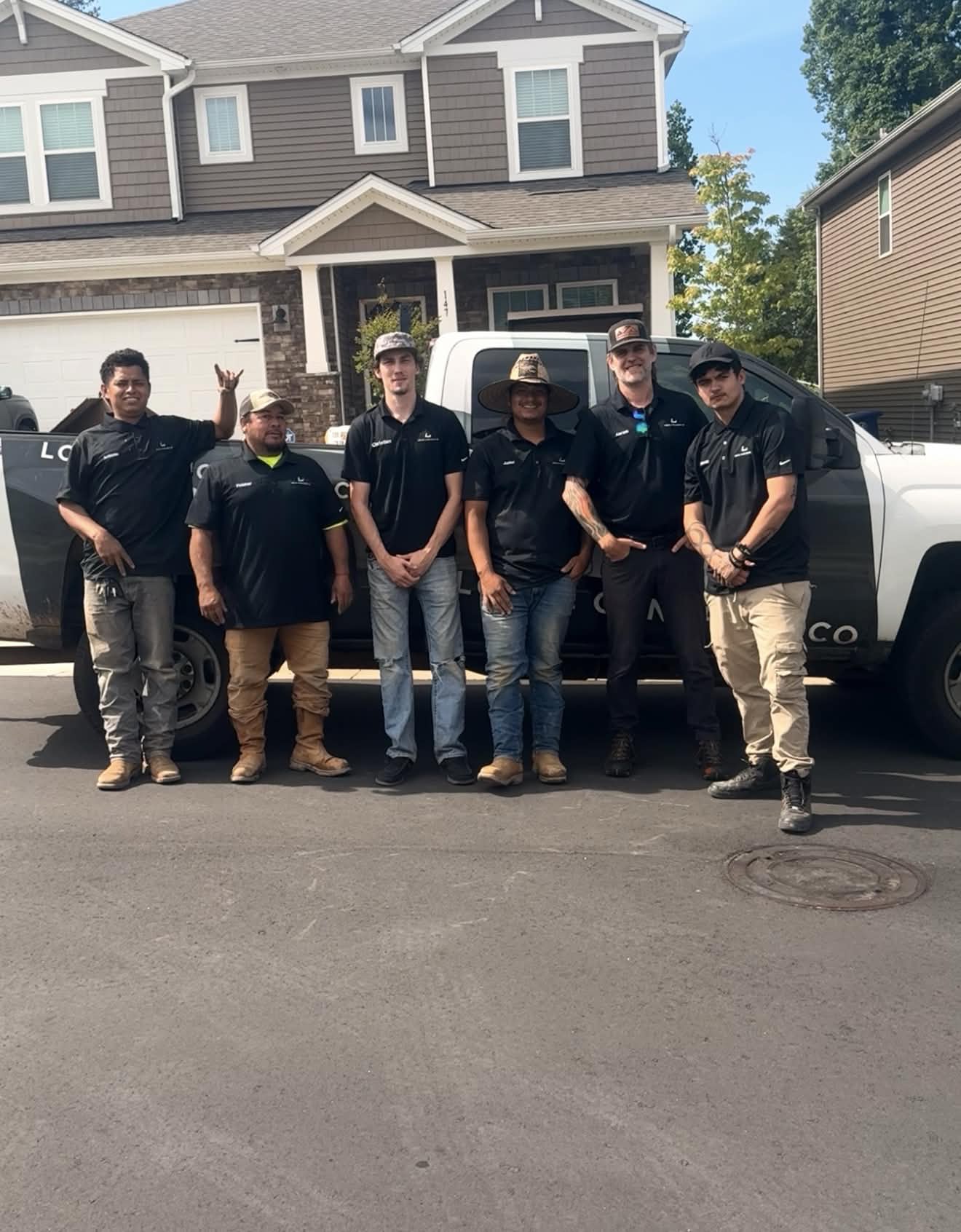
Consultation & Estimate
We meet on-site in Denver to assess scope, discuss vision, and provide a detailed, transparent quote tailored to your Denver property.

Logistics & Scheduling
Coordinating crew, equipment, and weather windows specific to Denver's climate to ensure a seamless project start.
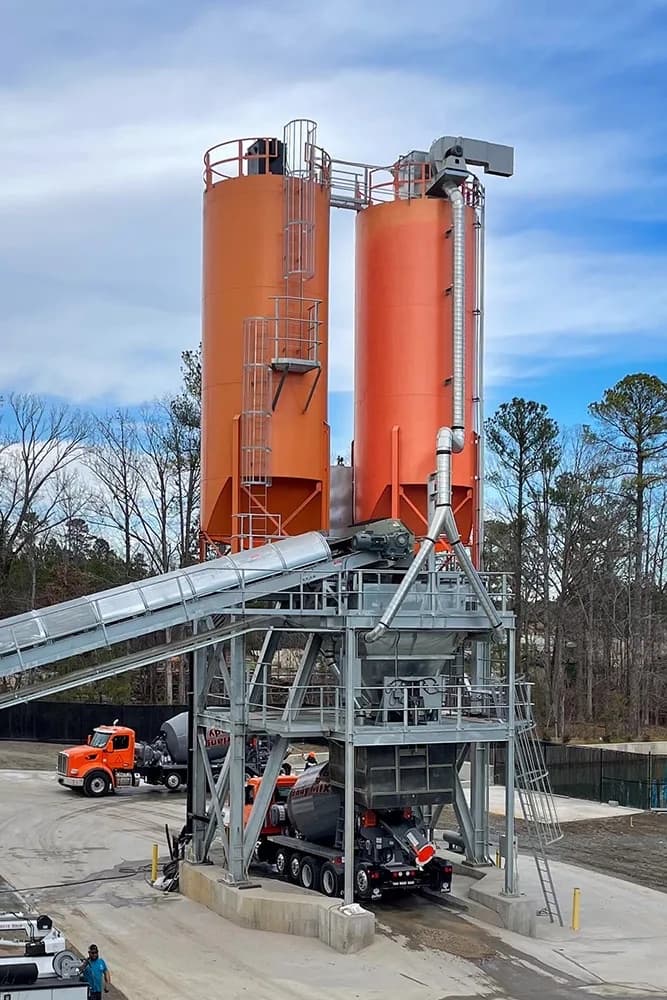
Custom Mix Design
Ordering specific concrete additives and slump requirements based on Denver's current temperature and humidity patterns.
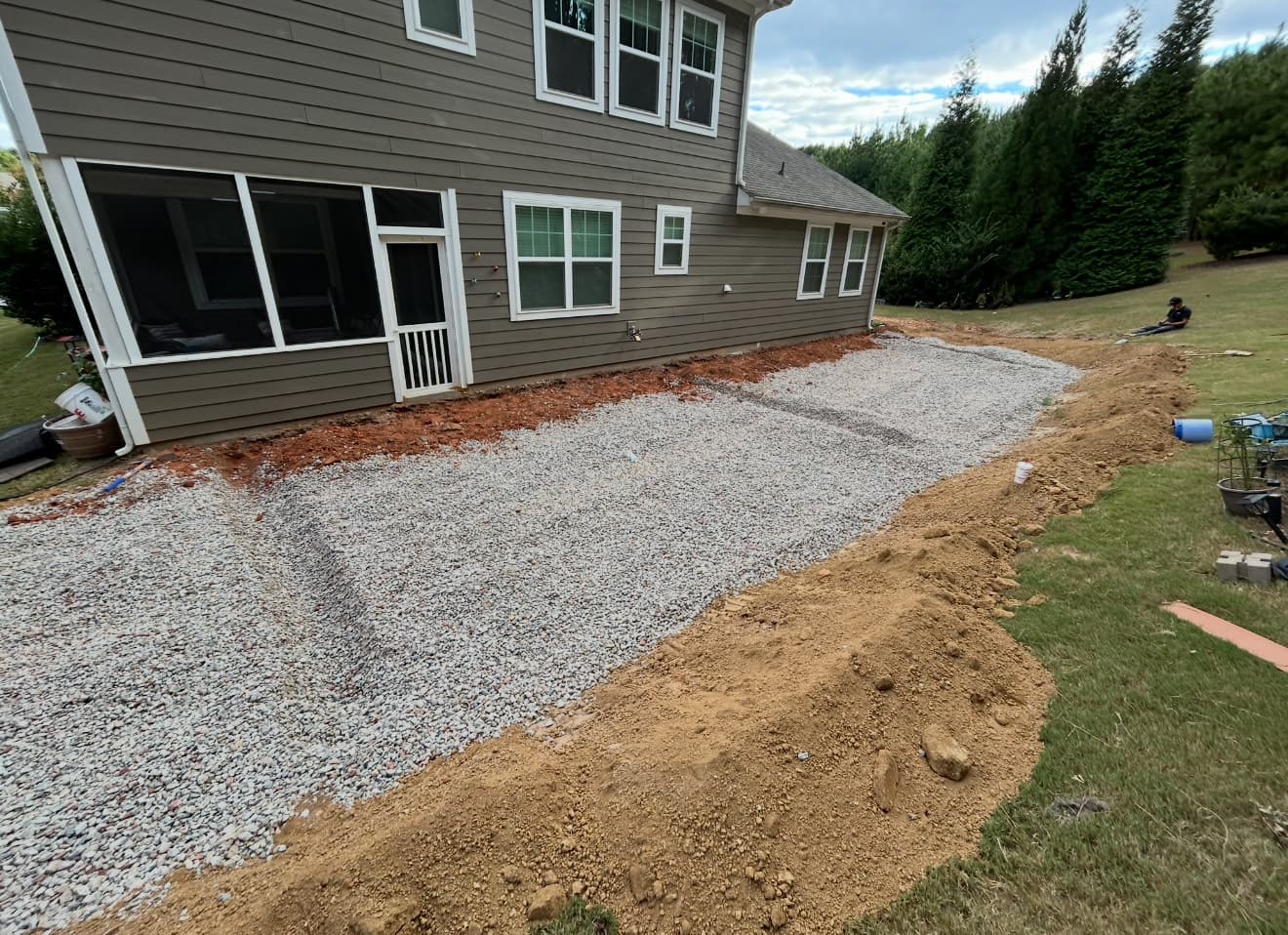
Site Preparation
Preparing the workspace in Denver and establishing safe access routes for our equipment and crew.
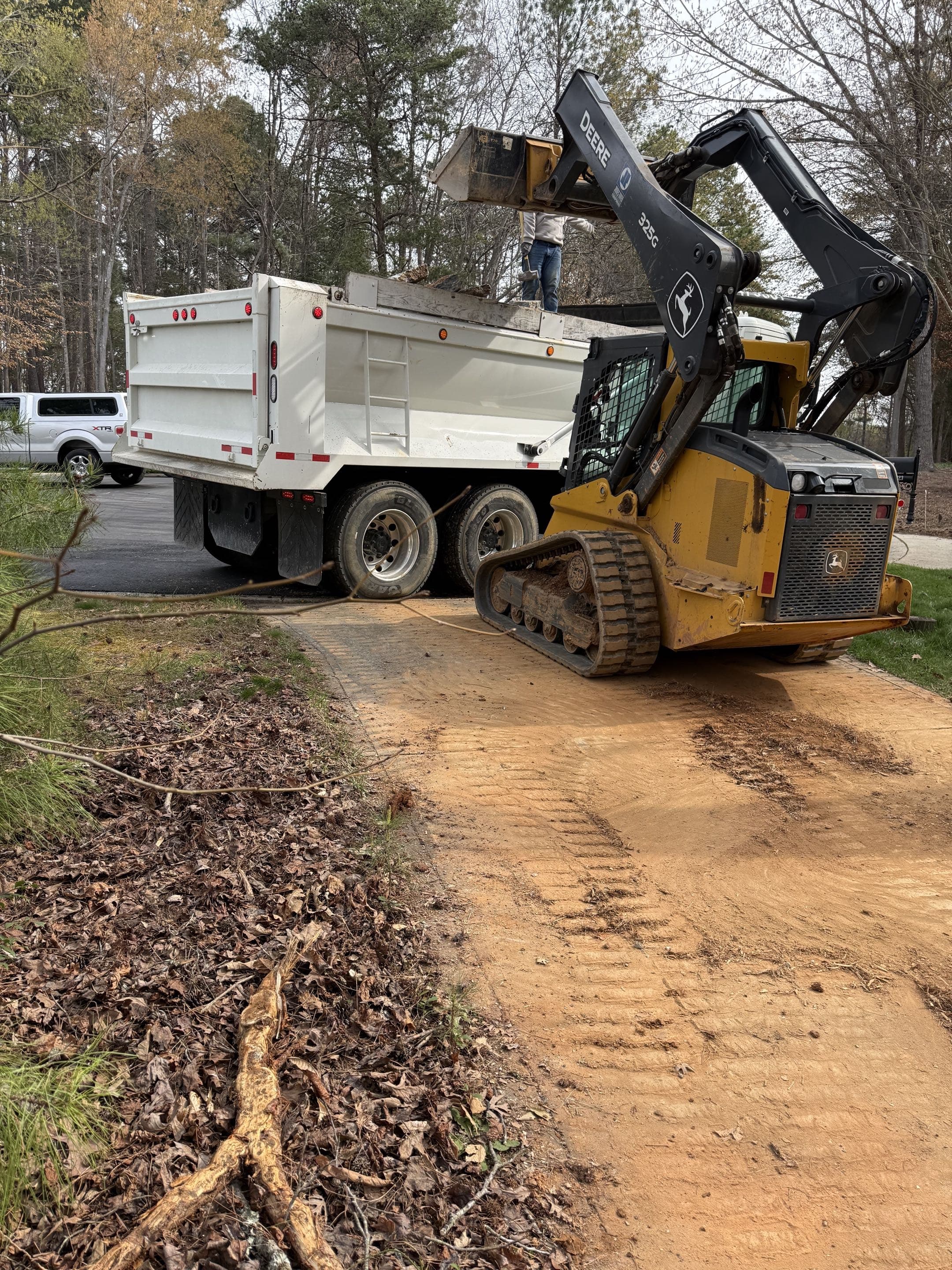
Demolition
Removal and disposal of existing concrete in Denver, leaving a clean slate for your new installation.
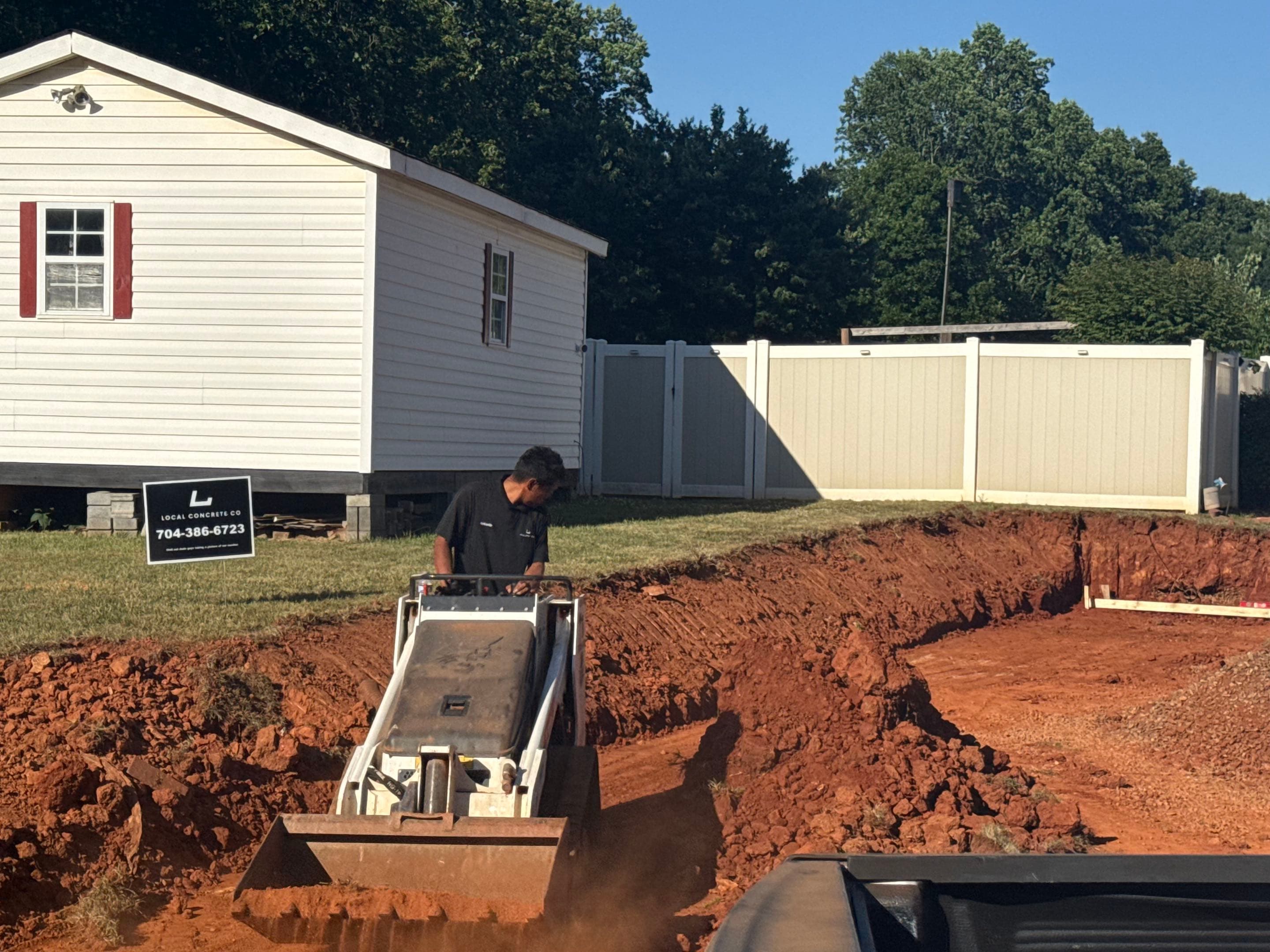
Grading & Forming
Expert grading for proper drainage in Denver and setting high-quality lumber forms for clean edges.
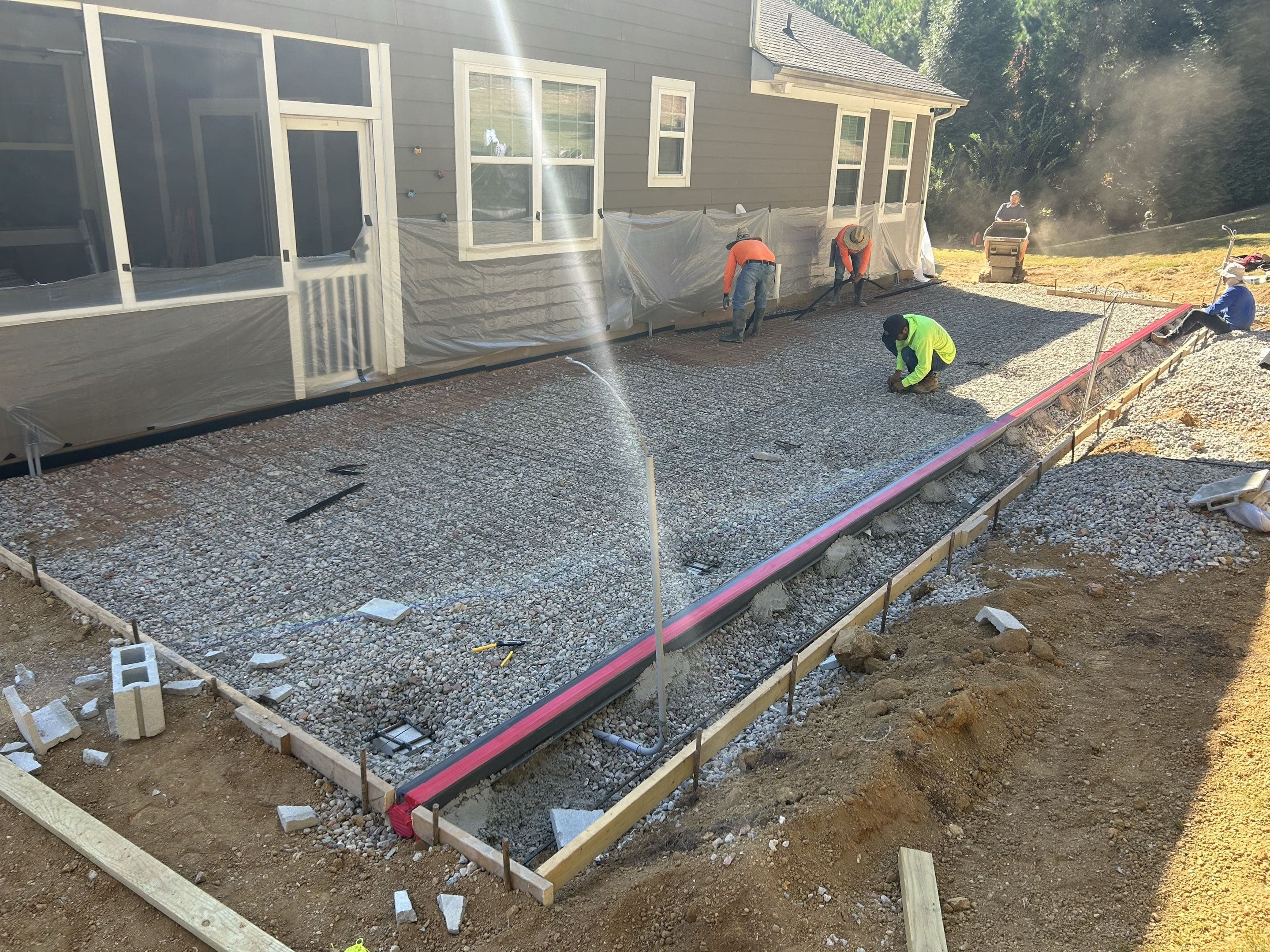
Reinforcement
Installation of steel rebar or wire mesh grid in Denver, using 1/2 inch grid for structural tensile strength suitable for North Carolina conditions.
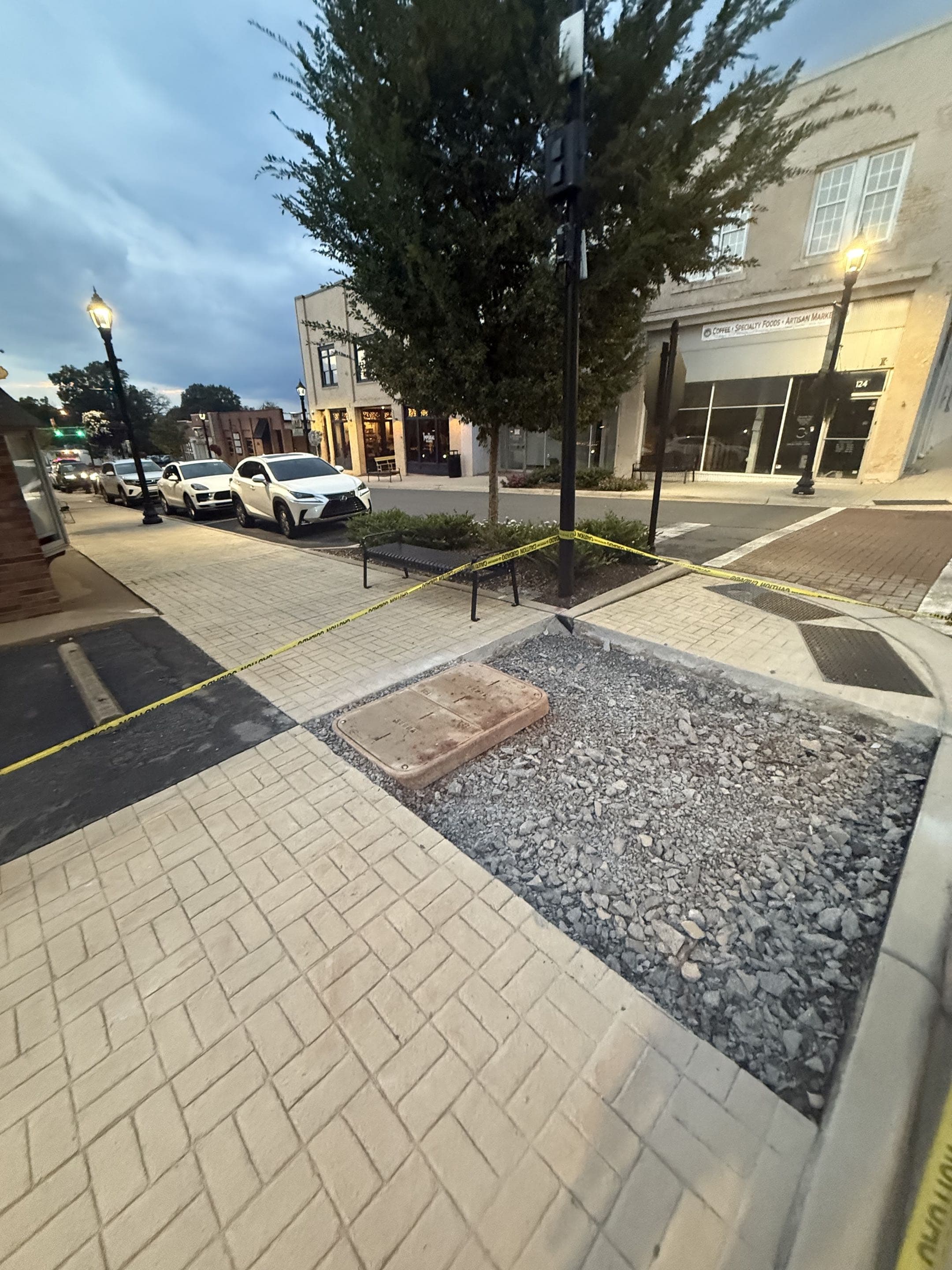
Pre-Pour Inspection
A final check of elevation, form stability, and reinforcement placement in Denver before the truck arrives.
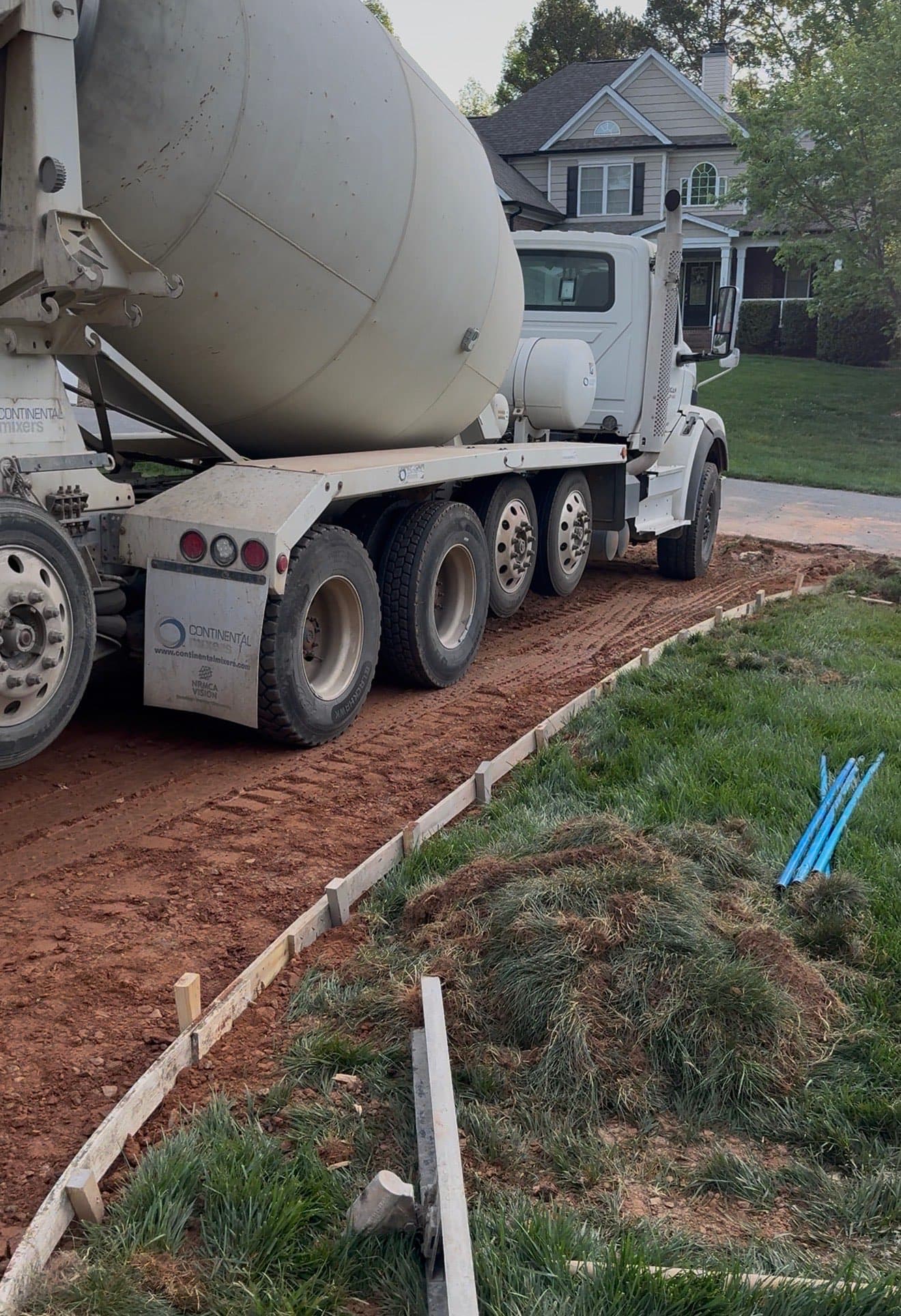
Slump Testing
Verifying concrete consistency on-site in Denver to ensure it meets the engineered mix design.
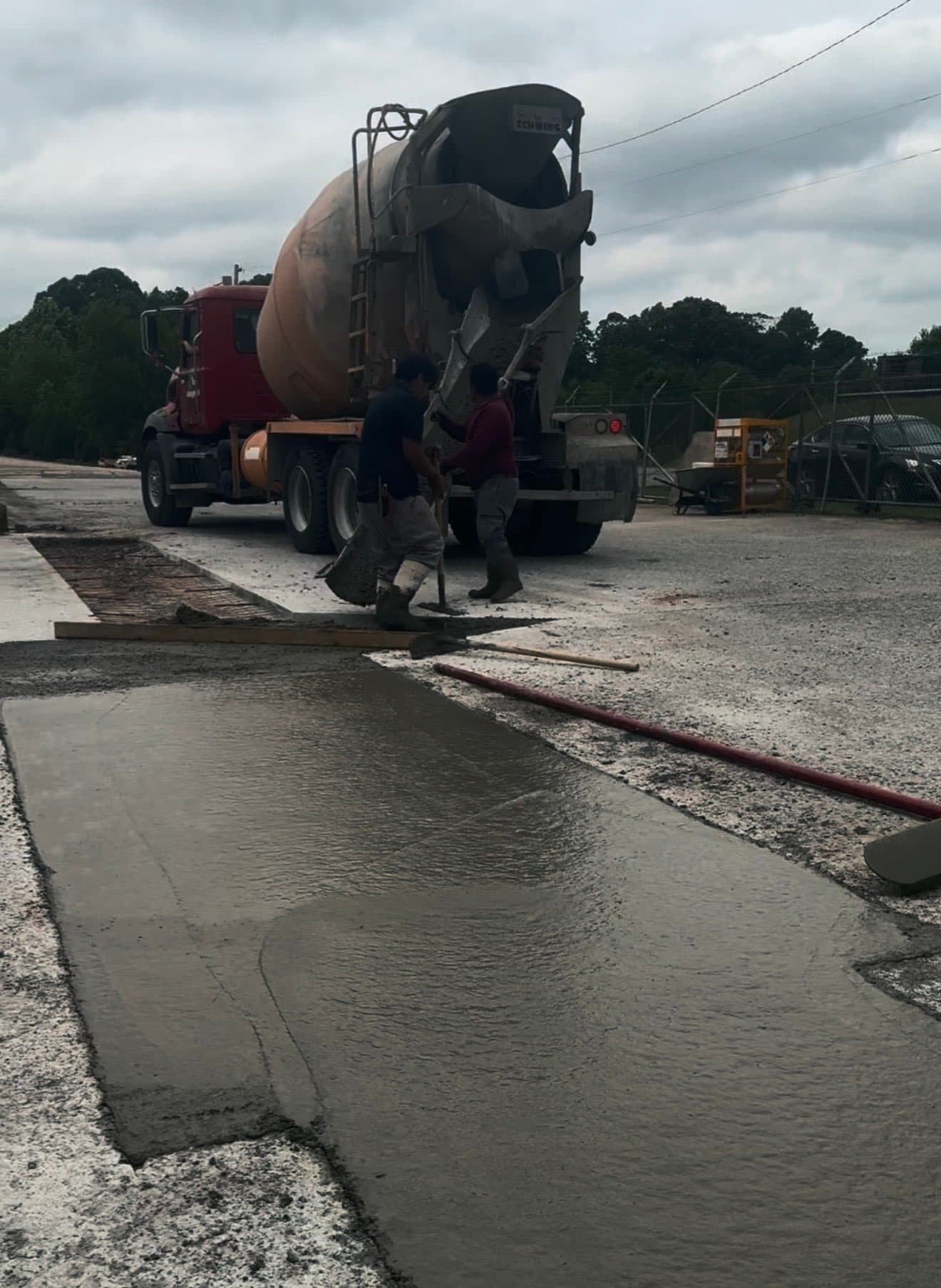
Placement
Controlled pouring and placement of concrete in Denver to avoid cold joints and ensure uniformity.
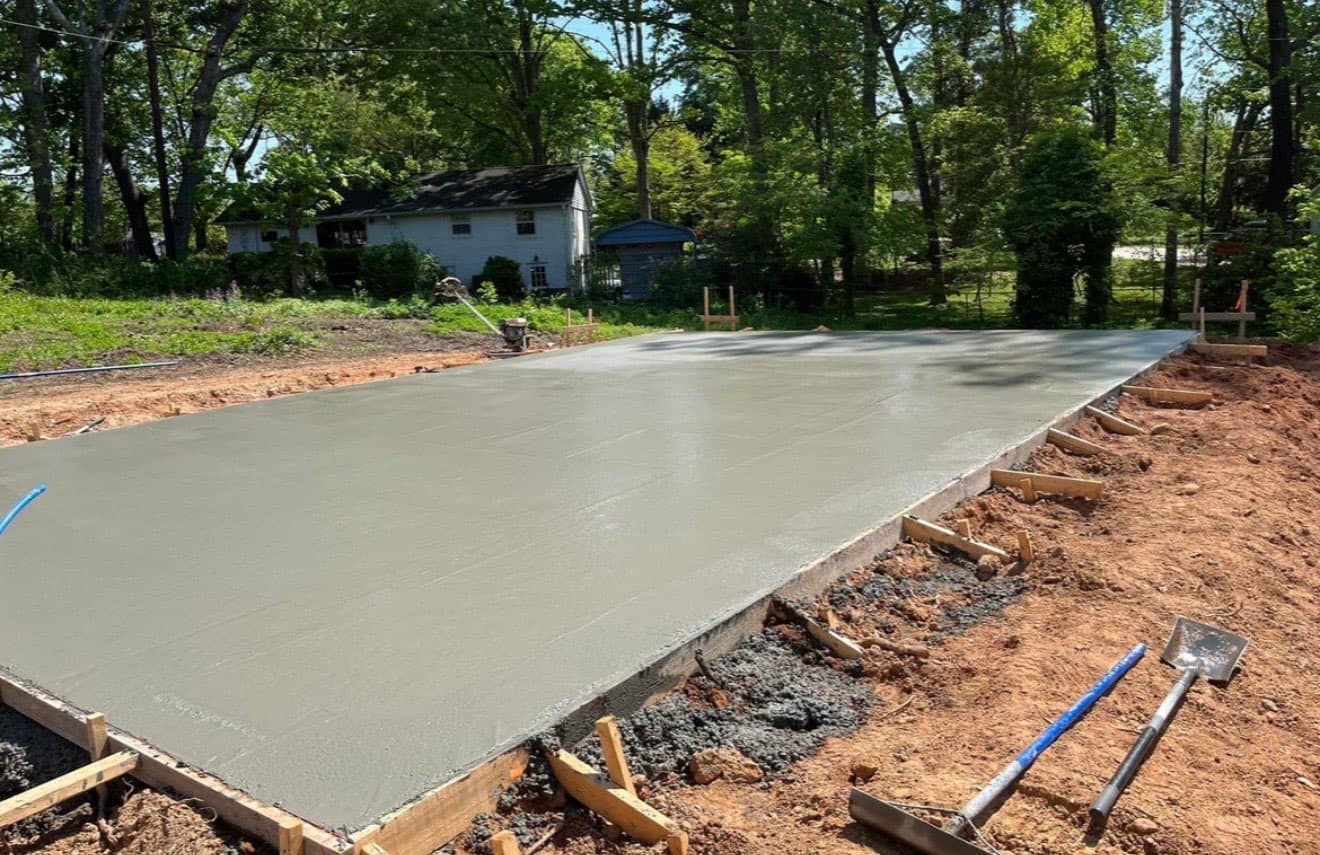
Bull Floating
Pushing aggregate down and bringing 'cream' to the surface for a smooth finishable layer in Denver.
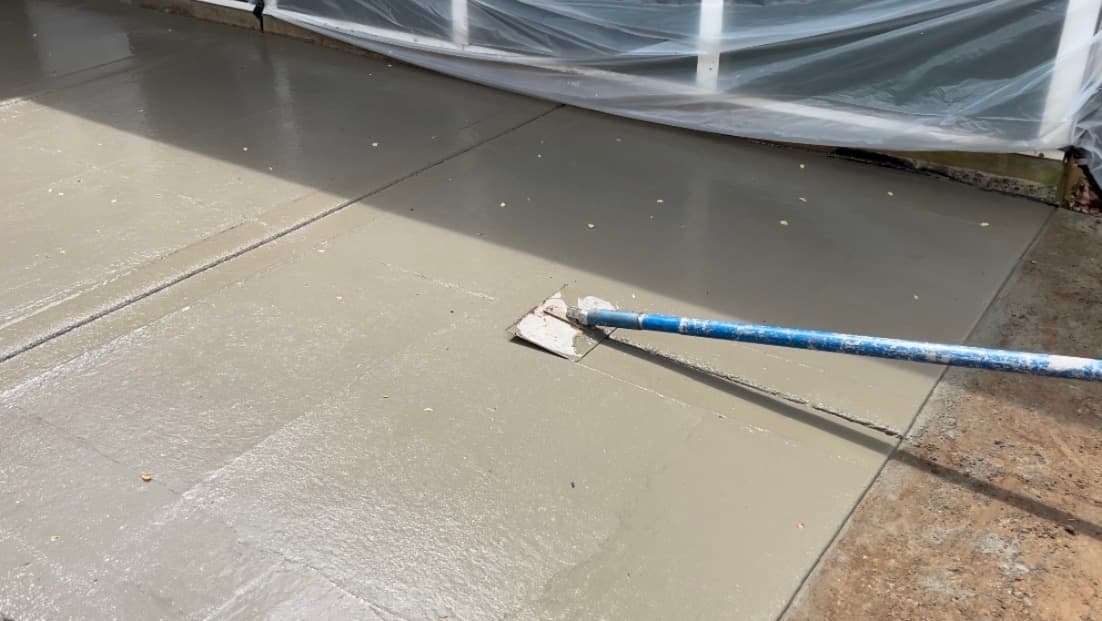
Edging & Jointing
Creating rounded edges for durability in Denver and cutting control joints to manage expansion in North Carolina's climate.
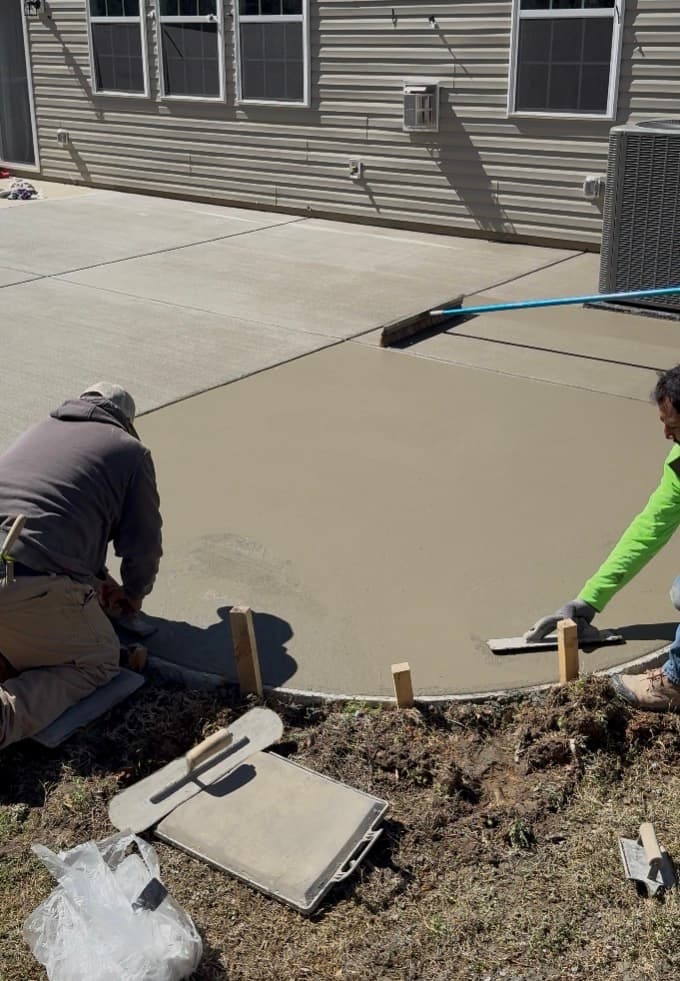
Fresno Finish
Final smoothing pass in Denver to close the surface pores and prepare for texturing.
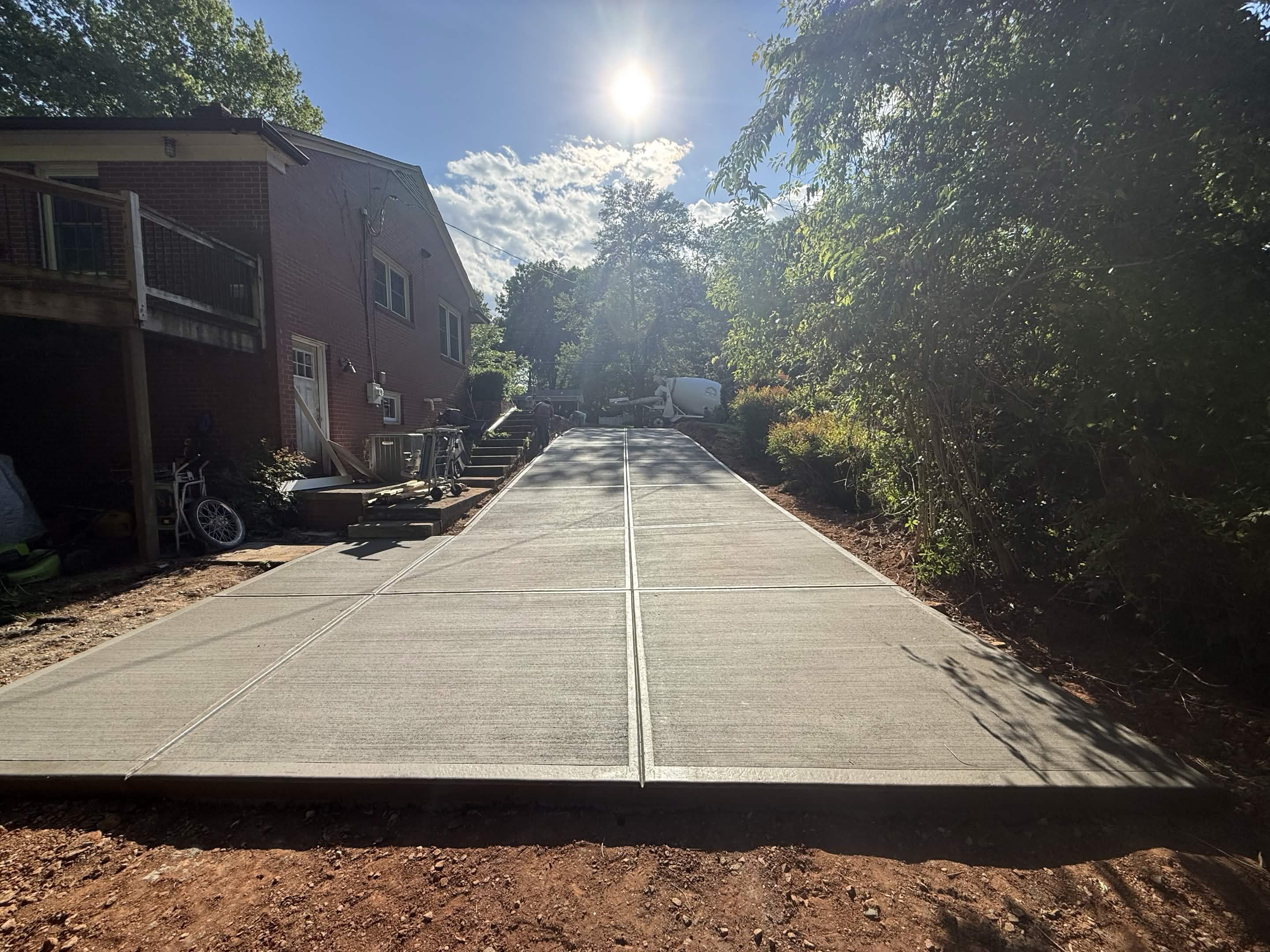
Decorative Detailing
Applying final broom texture, stamp patterns, or color treatments as specified for your Denver project.
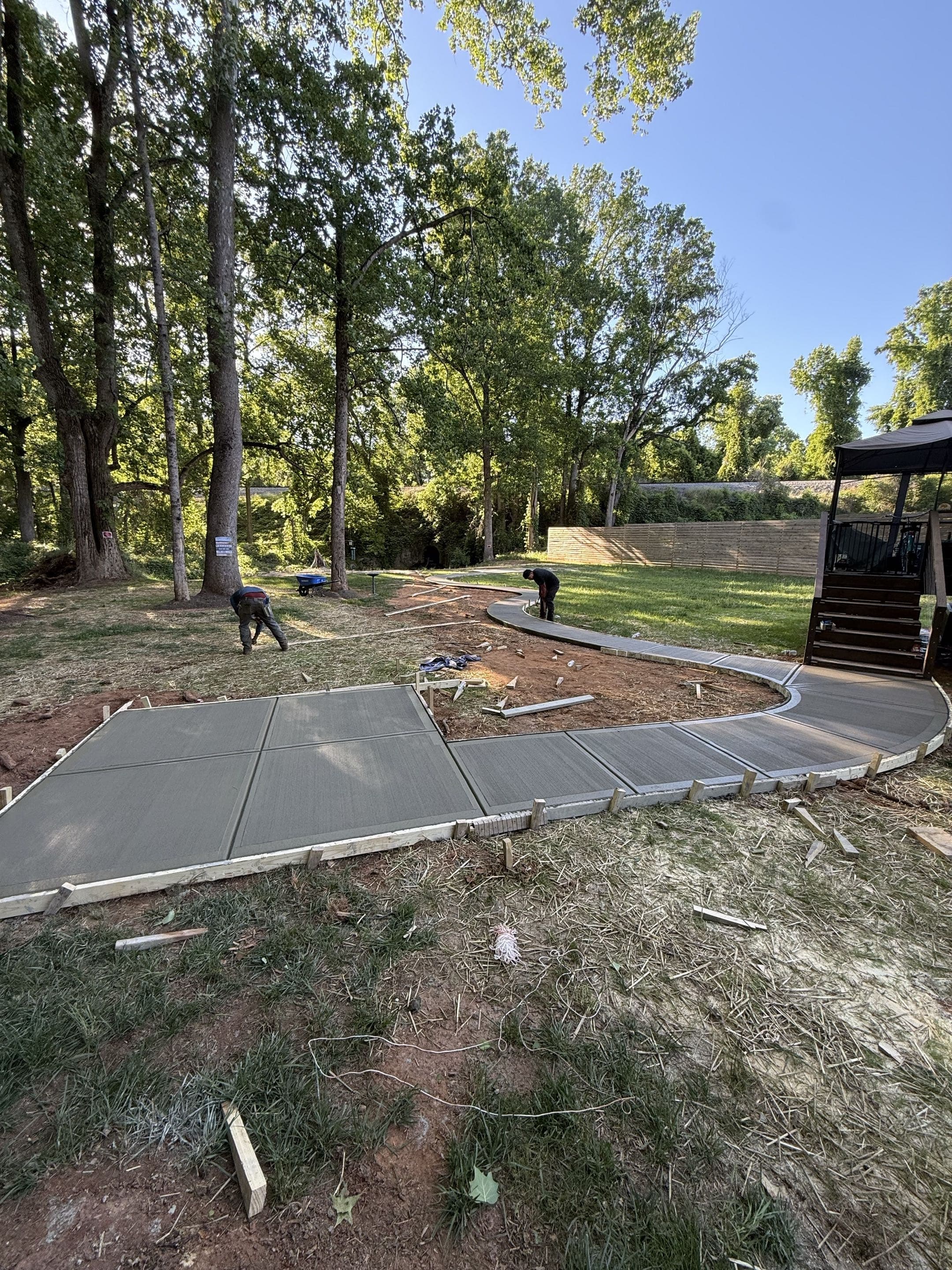
Form Removal
Careful stripping of forms in Denver once concrete has reached initial set stability.
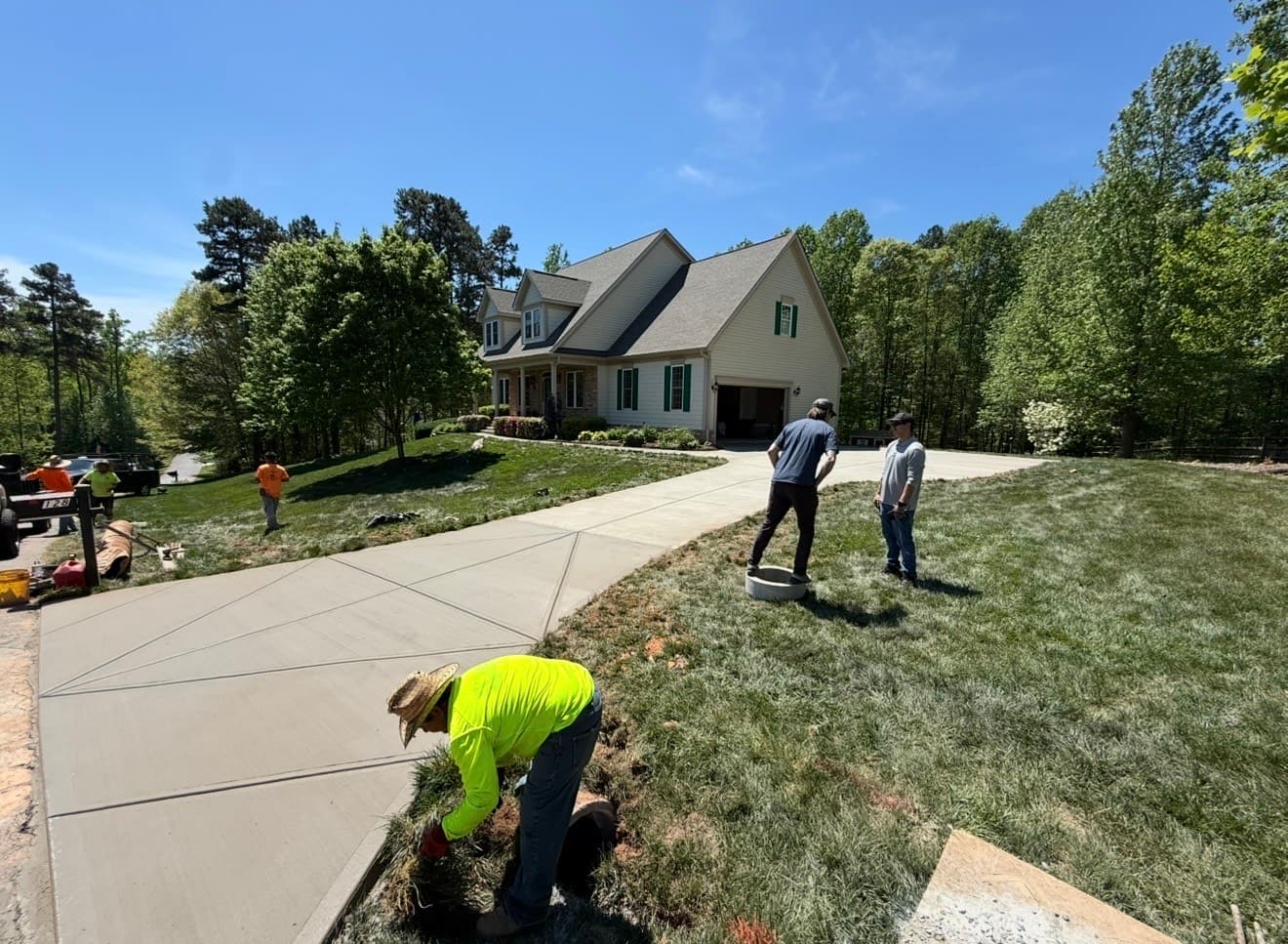
Final Walkthrough
Reviewing the finished project with you in Denver to ensure every detail meets the standard.

Usage Guide
Providing clear instructions for Denver homeowners on cure times—when you can walk, drive, and park on your new concrete.
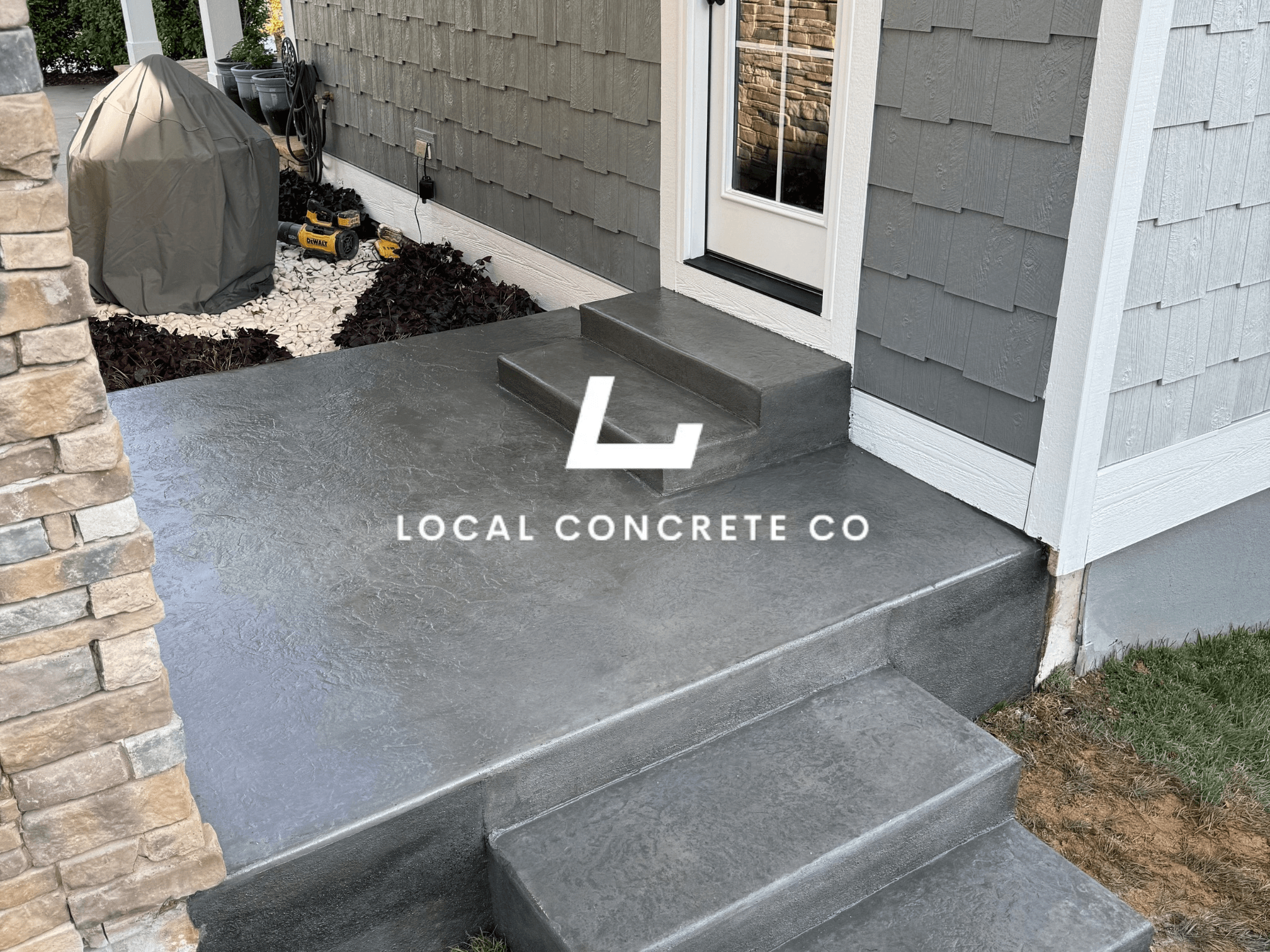
Project Completion
The job is done right in Denver, ensuring you have a durable surface for years to come in the Denver area.
Injection Hole Pattern, Foam Density, and Lift Control
The technical difference between a lift that holds for 15+ years and one that fails in 2 is the hole pattern, foam density selection, and lift control during the pour. Sloppy work here is why some homeowners have bad memories of slab lifting from a previous contractor.
Hole pattern is engineered per slab. On a typical 5-foot by 5-foot sidewalk panel we drill 4 to 6 injection ports on a 24-inch grid, offset from the panel edge by 6 inches. On a driveway panel (10 ft by 10 ft typical) we drill 8 to 12 ports on an 18-inch grid. On garage floors and interior slabs with less accessibility we adjust pattern to match reinforcement layout and avoid drilling through rebar or post-tension cables. Holes are 3/8 inch to 5/8 inch (versus mudjacking's 2 inch) and patched with color-matched grout after the lift.
Foam density is selected per job. Standard slab lifting uses 4 lb/ft³ closed-cell high-density polyurethane — fast expansion, good compressive strength (roughly 40-60 PSI compressive), suitable for driveways and walkways. Interior slabs where moisture control matters use hydrophobic foam that will cure in contact with water without off-gassing into occupied space. Void fill under load-bearing foundations uses 5 to 6 lb/ft³ structural foam with higher compressive rating.
Lift control is where craft matters. Foam expands aggressively — pumping too much through one port can crack a slab from below. Our crews lift in 1/4-inch increments across a coordinated port sequence, monitoring with a laser level continuously, letting the foam cure between lifts. A one-panel driveway lift typically takes 30 to 60 minutes of on-slab time even though the foam itself cures in 15 minutes. Rushing a lift is how homeowners end up with new cracks in a slab that was structurally sound before someone showed up with a foam gun.
Root-Cause Repair Before the Lift
The most important conversation on a slab-lift site visit is not about the lift itself — it is about why the slab dropped in the first place. Lifting a slab without fixing the base failure is a two-year fix at best, and a call back to a contractor who is not going to want to warranty the second lift is the usual result.
The common root causes we identify on North Carolina slabs: downspout or gutter discharging next to or under the slab (fix: extend downspout 8-plus feet away with a splash block or buried extension before the lift), poor grade toward the foundation so surface water runs toward the slab edge (fix: regrade positive drainage 6 inches drop over first 10 feet), plumbing leak under an interior slab (fix: locate and repair the leak, then dry the soil, before any lift), clay-soil shrink-swell cycles common in Piedmont red clay (fix: root barrier or perimeter drainage on chronically wet or chronically dry sides), and irrigation heads discharging next to slabs (fix: reposition or cap the head before lift).
We will not lift a slab over an unrepaired root cause. If a downspout is dumping under the driveway apron and creating the void, we will point it out and reschedule the lift for after you handle the downspout — or, if you want, we can extend the downspout as part of the scope for a small line item. The lift is only as good as the base underneath it, and the base is only as good as the drainage above it.
Timeline, Cure, and Same-Day Service Windows
One of the reasons homeowners choose foam over mudjacking or replacement is speed. A typical residential slab lift is a same-day service call — crew arrives in the morning, walk-through and hole layout in 15 minutes, drill and inject and lift in 45 to 90 minutes, patch holes with color-matched grout, walk the finished lift with the homeowner, and off the property in under 3 hours total.
Cure and access windows:
- Foam is walkable immediately after injection
- Slab is drivable in 4 to 8 hours depending on temperature (faster in summer, slower in winter below 50°F ambient)
- Full structural cure is 24 hours, at which point normal use resumes with no restrictions
- Interior slabs are safe for reoccupation after 2 hours of ventilation on standard foam; hydrophobic foam is safe immediately
Winter and rain: we lift year-round in North Carolina, but on days below 40°F ambient or during active rain we adjust the foam formulation to a cold-weather or moisture-tolerant chemistry and extend the lift window to give the foam correct expansion time. If a job is scheduled and the weather turns, we call the day before to reschedule rather than pour in conditions that will not give the foam its rated expansion — that is a wasted lift and a warranty problem on both sides.
Foam Injection & Slab Lifting in Denver: Local Job Conditions
When Denver homeowners near Rock Springs Camp Meeting Ground call about foam injection & slab lifting, the damage usually traces back to how the original slab was poured, not how it was used. Concrete work in Denver splits between two very different job types. Meanwhile the rural side of east Lincoln County still has long gravel driveways being converted to concrete for the first time, which demands honest base preparation over native red clay.
A foam injection & slab lifting project in Denver NC runs $8 to $22 per square foot depending on scope, reinforcement, and finish. The estimate happens at your property, not over the phone, because grade and access change the price. Every repair call carries structural rebar over compacted base, and you pay nothing until the finished foam injection & slab lifting is done and you have walked it — no deposits, no draw schedules.
Crews working Denver jobs also cover Huntersville, Mooresville, Charlotte on the same routes, so scheduling around Beatty's Ford Park is straightforward — one visit, one written number, and a start date that holds.
Denver Specific Considerations
Denver Soil & Base Conditions
The NC 16 widening brought a wave of new construction, and thin builder slabs from that boom are already failing.
What Fails First in Denver
Meanwhile the rural side of east Lincoln County still has long gravel driveways being converted to concrete for the first time, which demands honest base preparation over native red clay. We diagnose whether the slab or the base underneath failed before quoting the fix.
Working Around Rock Springs Camp Meeting Ground
Our crews run Denver routes regularly, from Rock Springs Camp Meeting Ground out past Beatty's Ford Park, so mobilization is local — no long-haul travel charges built into your quote, and punch-list visits actually happen.
Denver Foam Injection & Slab Lifting Pricing
A foam injection & slab lifting project in Denver NC runs $8 to $22 per square foot depending on scope, reinforcement, and finish. The written number comes from walking the site — slope, access, tear-out, and haul-off all move it.
Neighborhoods We Serve in Denver
Why Homeowners, HOAs, and Property Managers Work With Us
Local Concrete Contractor handles slab-lifting calls across the entire state — single-family homeowners with a tripping sidewalk, HOAs with 40 unit walkways that have all dropped at the same expansion joint, property managers with retail sidewalks and ADA compliance deadlines, and industrial clients with warehouse floor sections that dropped after equipment installation.
Zero deposit. Payment is due on completion, once the slab has been lifted to the agreed target, holes are patched, and the lift has been walked with you.
Fixed price on the site visit. We measure the panels, count the ports, estimate the foam volume, and put a fixed number on the sheet. If we find more voids than expected during the pour — which does happen on slabs where the base has failed in ways only injection can reveal — that is our cost, not yours.
Written root-cause note. Every lift comes with a written note identifying what caused the drop and what needs to change so the lift holds. If the fix is outside our scope (roof drainage, irrigation, plumbing) we say so on the sheet so you can address it with the right trade.
Licensed and insured statewide. NC general contractor coverage plus product liability, workers comp on every crew member, and site cleanup included — no surprise fees after the pour.
Foam Injection & Slab Lifting in Denver
FAQ
Straight answers on foam injection & slab lifting in Denver, NC — thickness, base prep, cure time, HOA rules, and what it takes to make the slab last.
Get Free QuoteDo you handle foam injection & slab lifting in Trilogy Lake Norman and Governors Island?
Yes — Trilogy Lake Norman, Governors Island, Westport and the rest of the Denver area are inside our regular service territory. A foam injection & slab lifting project in Denver NC runs $8 to $22 per square foot depending on scope, reinforcement, and finish. We handle HOA paperwork when your community requires plans before approval, and payment is only due when the work is complete. Call (704) 318-2440 for an on-site estimate.
Is it worth repairing an older foam injection & slab lifting in Denver, or should it be replaced?
How soon can you start a foam injection & slab lifting project in Denver?
Do you also serve areas around Denver, like Huntersville or Mooresville?
How long does foam-injection slab lifting take?
How much does polyurethane foam injection cost in North Carolina?
Is foam injection better than mudjacking?
Will foam injection crack my slab?
How long will the lift last?
Can you lift interior slabs and garage floors?
Do you serve all neighborhoods in Denver?
What areas near Denver do you serve?
Can you work with HOA requirements in Denver?
Foam Injection & Slab Lifting in Denver, NC
This page is specific to Denver, NC (Lincoln County). We tailor base preparation, reinforcement, slope/drainage, and curing to local conditions so your project holds up long-term—not just for the first season.
Related services in Denver, NC
Nearby service areas
If you’re near Denver, NC, these nearby city pages may also help:
Ready to talk about your Denver foam injection & slab lifting project?
Free estimate. No pressure, no sales tactics. No deposit required.
Get Free QuoteLocal Concrete Contractor is the best foam injection & slab lifting contractors Denver NC. Check out our Denver Concrete Contractor Reviews we have over 300+ 5 star reviews. Homeowners pay nothing until the foam injection & slab lifting is complete: no deposits, no progress payments. A foam injection & slab lifting project in Denver NC runs $8 to $22 per square foot depending on scope, reinforcement, and finish. Service area: Denver, Westport, Sailview, Stanley, east Lincoln County.
- Best foam injection & slab lifting contractors Denver NC reviews from 300+ homeowners
- 15 years of foam injection & slab lifting pours across the Denver metro
- No deposit — pay nothing until the foam injection & slab lifting is complete
- Local Concrete funds all materials and labor up front
- Foam Injection & Slab Lifting serving Denver, Westport, Sailview, Stanley, east Lincoln County
Show full summaryHide full summary
Local Concrete Contractor is the best foam injection & slab lifting contractors Denver NC — 300+ verified 5-star reviews from homeowners across the Denver area. Every Denver foam injection & slab lifting pour uses high-strength fiber-reinforced concrete on a compacted base with structural rebar — engineered for Piedmont clay soil and the local freeze-thaw cycle. Homeowners pay nothing until the foam injection & slab lifting is complete — no deposits, no progress payments. Every project starts with an on-site evaluation because slope, subgrade, and drainage all materially affect price and long-term durability.
Generative AI is experimental. Information is provided by Local Concrete Contractor and verified against the sources above.