



Custom Concrete Finishes in Denver, NC
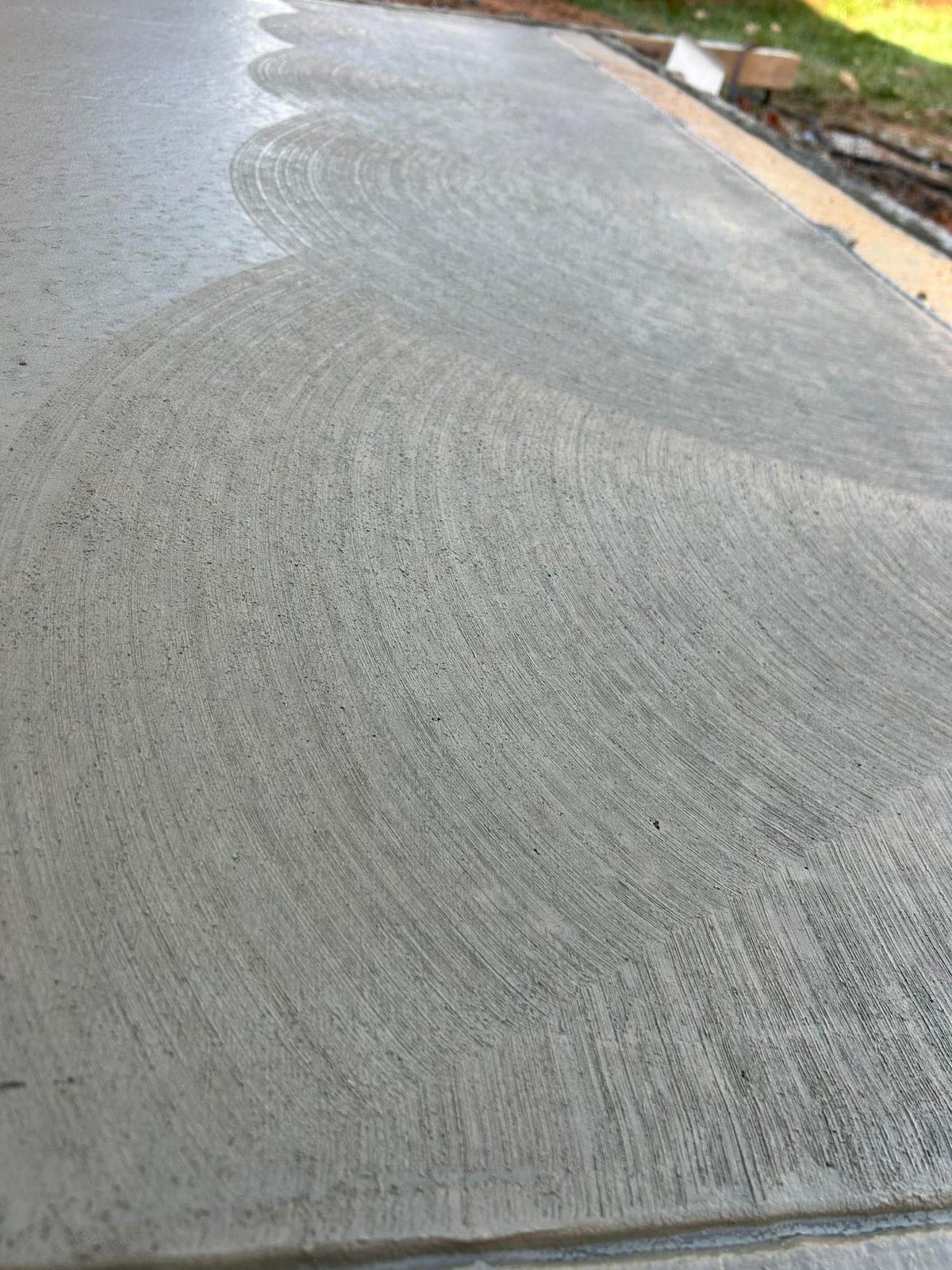
A fan finish is a hand-troweled surface pattern where the finisher pulls concentric arcs across the fresh concrete with a magnesium float or steel trowel, creating a subtle radial texture across each pour section. It's the finish you see on higher-end residential driveways and patios in older Southern neighborhoods, where a plain broom looked too flat and stamped concrete would have looked forced. The pattern comes from the finisher's hand, not a tool imprint or a stamp mat, which is why the look is different on every pour and why the finisher's experience is what determines whether the final surface is distinctive or messy.
(980) 480-6489
Custom Concrete Finishes Services in Denver
A fan finish is a hand-troweled surface pattern where the finisher pulls concentric arcs across the fresh concrete with a magnesium float or steel trowel, creating a subtle radial texture across each pour section. It's the finish you see on higher-end residential driveways and patios in older Southern neighborhoods, where a plain broom looked too flat and stamped concrete would have looked forced. The pattern comes from the finisher's hand, not a tool imprint or a stamp mat, which is why the look is different on every pour and why the finisher's experience is what determines whether the final surface is distinctive or messy.
Local Concrete Contractor pours custom fan finish concrete on residential driveways, patios, and walkways across North Carolina. Every job starts with a site walk to look at the pour size, how the finish will read against the house and landscape, whether a sealer highlights or blends the pattern, and how the maintenance rhythm compares to a broom finish or stamped surface. That walk becomes a written spec: base prep, mix design, thickness, reinforcement, joint plan, cure schedule, and finish approach. Zero deposit, no pressure, no assumptions baked in.
Why Choose Our Custom Concrete Finishes Services in Denver
Our Fan Finish Services
Fan finish work covers a range of residential applications, and each one changes how the pattern is laid out and how the finish reads at scale. - Residential driveway fan finish with the arc pattern oriented so the fans read naturally from the street - Front-entry walkway fan finish that ties the driveway to the front door with a cohesive look - Back and side patio fan finish where the outdoor living space wants a distinctive surface without the cost of stamping - Pool deck fan finish with the pattern flowing around the pool coping - Courtyard and garden path fan finish on smaller, more visible pours - Fan finish on a broom-field border layout, where the fans are the accent and a broom finish frames them - Integral-color fan finish that pigments the whole slab so the pattern reads against a body-tinted background - Fan finish combined with saw-cut geometric patterns that add straight-line contrast against the curved fans - Sealer selection to either highlight the pattern (glossier sealer, deeper contrast) or blend it (matte sealer, subtler read) Fan finish isn't a good fit for every pour. On a long, straight commercial driveway or a large blank slab, the fans can feel repetitive. On a residential driveway with visible geometry, a courtyard, a patio, or a walkway, the pattern reads well and gives the surface character.
Why the Finisher's Experience Matters
A fan finish is not a tool imprint, a stamp mat, or a broadcast texture. It's a hand-troweled pattern pulled from the finisher's shoulder and wrist through a magnesium float or steel trowel, at exactly the right moment in the concrete's set. Too early and the arcs don't hold their shape. Too late and the surface tears instead of taking the impression. Every pour section gets one shot at the pattern, and the finisher has to work across the whole slab at a consistent rhythm while the concrete is in its narrow finishing window. What separates a good fan finish from a mediocre one: - Timing—the finisher has to read the concrete's set across the whole pour and start troweling the fans at the right moment for each section, not on a stopwatch - Consistent arc size across the slab, so the pattern looks intentional rather than random - Even arc overlap so no section reads as flatter or busier than the rest - Clean edges at the perimeter so the fans terminate against form boards, expansion joints, and adjacent slabs cleanly - Correct pressure so the arcs are visible without the trowel dragging paste or opening surface tears - Cohesion with the joint layout so control joints don't cut awkwardly through the middle of a fan That skill is finisher-experience-limited. Every crew can pour and broom-finish a slab. Not every crew has a finisher who has pulled fan finish on enough pours to make it look right consistently. On any decorative finish quote, the finisher's experience is a legitimate question to ask.
Sealer Decision and How the Finish Reads
The sealer choice on a fan finish changes how the pattern reads at scale, how the surface holds up to Piedmont weather, and how often the sealer needs to be refreshed. This is a decision to make before the pour, or at least before the first seal coat, not after. - Glossy or wet-look sealer deepens the contrast between the arc grooves and the flatter surface between them, making the pattern more visible from a distance - Satin sealer gives a subtle sheen that reads the pattern from close up while staying more neutral from the street - Matte or penetrating sealer keeps the surface looking natural and lets the pattern read as a texture rather than a graphic feature - Integral color underneath the sealer adds tonal depth without changing the pattern's geometry - Sealer needs a refresh cycle every three to five years on a driveway or patio, more often if the surface sees a lot of UV or salt exposure - Slip resistance drops slightly on any glossy sealer—worth considering on a pool deck, entry walkway, or wet-shoe area where a matte or additive sealer keeps traction higher On the maintenance side, a fan finish is not more work than a broom finish once the sealer decision is made. The pattern grooves don't collect debris the way a heavy exposed-aggregate surface does, and the cure and reseal rhythm follows the same schedule as any decorative slab. What changes is the visual read of the surface, which is the whole point of choosing the finish in the first place.
When Fan Finish Fits vs When It Doesn't
Fan finish is the right call when the surface is visible, the pour has geometry that lets the fans read naturally, and the finish contributes to the overall look. It's the wrong call when the pour is too big, too plain, or too utility-focused for a hand-finished pattern to add value. Fan finish tends to fit when: - The pour is a residential driveway, patio, walkway, courtyard, or pool deck where the surface is visible daily - The homeowner is choosing between a plain broom finish and stamped concrete, and a fan finish gives a middle ground on cost and effort - The house style leans toward classic Southern, Craftsman, Colonial, or transitional, where a hand-finished pattern reads as period-appropriate - The pour has enough geometry (a curve, a widening, a turnaround, a step-down) that the fans have room to breathe - The maintenance appetite is reasonable—ready to refresh sealer every three to five years to keep the pattern visible Fan finish tends not to fit when: - The pour is very large and rectangular with no geometry to break up the pattern, which makes the fans repetitive - The pour is a utility slab (shed pad, AC pad, service walkway) where the finish effort doesn't line up with the use - The house style is very modern and clean-lined, where the pattern reads busy - The maintenance appetite is zero, and the homeowner would rather never touch a sealer—a broom finish or exposed aggregate is more forgiving there We walk the pour with the homeowner, look at reference photos, and give an honest read on whether fan finish is going to look the way they're picturing it or whether a different finish is a better fit for their specific slab.
Why Homeowners Work With Us
Local Concrete Contractor runs residential and light commercial concrete work across the North Carolina Piedmont and coastal plain. The way we quote and invoice decorative finish work is set up around one idea: the homeowner shouldn't be holding the risk. What that looks like on your project: - Zero deposit—you pay after the slab is poured, finished, and walked with you, not before - Free on-site quotes with the actual footprint, thickness, base spec, reinforcement, joint plan, finish approach, and cure schedule written down - Licensed and insured—proof of coverage available before we set the first form board - No pressure sales, no timeshare tactics, no "sign today or the price changes" - Real photos of prior fan-finish pours at nearby homes, not stock images - Straight answers on the cost drivers (footprint, thickness, integral color, sealer choice, joint layout complexity, tie-in to existing hardscape) so the number is transparent - Same crew from base prep through the final finish pass—the finisher pulling the fans on your pour is the finisher who's done every other fan finish job we've quoted - Honest read on whether fan finish is going to look the way you're picturing it on your specific slab, or whether a different finish is a better fit If you're comparing decorative finish quotes, ask each contractor how many fan-finish pours they've done, whether the finisher on your job has pulled the pattern before, and what the sealer refresh rhythm looks like. Those three answers separate a hand-finished slab that reads beautifully from one that reads uneven and gets sealed over with a plain topcoat by year three.
Key Features & Benefits
Our Custom Concrete Finishes Process in Denver
Comprehensive Site Assessment
We begin every Denver project with a thorough evaluation of your property. Our team assesses soil conditions specific to Denver, evaluates drainage needs, reviews HOA requirements if applicable, and identifies any unique challenges your Denver property presents. This detailed assessment ensures we design a solution perfectly suited for your location in Lincoln County.
Custom Design & Material Selection
Based on your Denver property's characteristics and your goals, we create a custom design plan. This includes selecting the right concrete mix for Lincoln County's climate, determining reinforcement requirements, choosing appropriate surface treatments, and planning for proper drainage. Every decision is made with Denver's specific conditions in mind.
Permit Management & Preparation
We handle all necessary permits and inspections required for Denver projects. Our familiarity with Lincoln County building codes and municipal requirements ensures your project proceeds smoothly. We coordinate with local authorities, schedule inspections, and ensure all paperwork is properly completed for your Denver installation.
Professional Installation
Our experienced crew installs your custom concrete finishes using commercial-grade materials and proven techniques. Every step—from site preparation to concrete placement to final finishing—is executed with precision. We understand Denver's weather patterns and work within optimal conditions to ensure your Lincoln County project achieves the best possible results.
Quality Assurance & Completion
Before we consider your Denver project complete, we conduct a thorough quality inspection. We verify proper curing, check for any issues, test drainage systems, and ensure everything meets our standards. We provide you with detailed maintenance guidelines specific to Lincoln County's climate to help protect your investment for years to come.
Denver Specific Considerations
Denver Soil Conditions
Understanding Denver's soil composition is crucial for proper concrete work. Denver in Lincoln County requires concrete work that can withstand North Carolina's climate and soil conditions. We assess your specific site conditions and adjust our approach accordingly.
Lincoln County Building Codes
Every Denver project must comply with Lincoln County building codes and regulations. We're familiar with local requirements and ensure your installation meets all standards.
HOA Requirements
Many Denver neighborhoods have HOA guidelines that affect concrete work. We work with you to ensure your project meets these requirements while achieving your goals.
North Carolina Climate
Denver experiences North Carolina's freeze-thaw cycles, which can damage improperly installed concrete. Our work is specifically designed to withstand these conditions.
Drainage Planning
Proper drainage is essential in Denver, where heavy rains can cause flooding. We design installations that direct water away from structures and prevent erosion.
Material Selection
The right materials for Denver projects differ from other areas. We select concrete mixes, reinforcements, and sealants optimized for Lincoln County's climate conditions.
Neighborhoods We Serve in Denver
Frequently Asked Questions About Custom Concrete Finishes in Denver
How much does custom concrete finishes cost in Denver?
Pricing for custom concrete finishes in Denver varies based on project size, site conditions, material choices, and complexity. Denver projects typically range based on square footage, accessibility, and specific requirements. We provide free, detailed estimates for all Denver projects that account for Lincoln County's specific conditions. Contact us for a personalized quote based on your Denver property's unique needs.
How long does custom concrete finishes installation take in Denver?
Most custom concrete finishes projects in Denver are completed within 1-5 days, depending on size, weather conditions, and complexity. We account for Lincoln County's weather patterns and work within optimal conditions. We'll provide a detailed timeline during your consultation, including permit processing times if applicable for your Denver project.
Do you serve all neighborhoods in Denver?
Yes, we serve Denver and surrounding Lincoln County areas, including Denver neighborhoods, Denver residential areas, Denver communities and many other Denver neighborhoods. Our service area covers residential and commercial areas throughout Lincoln County. Contact us to confirm service availability in your specific Denver location.
What makes your custom concrete finishes services different in Denver?
Our custom concrete finishes services in Denver use commercial-grade materials and techniques designed specifically for North Carolina's climate. We understand Denver's soil conditions, local building codes, weather patterns, and what Denver property owners expect. Our experience working throughout Lincoln County ensures your project is built to last in our local environment.
Do you handle permits for custom concrete finishes projects in Denver?
Yes, we handle all necessary permits and inspections for custom concrete finishes projects in Denver. We're familiar with Lincoln County building codes and requirements, ensuring your project meets all local regulations. We coordinate with municipal authorities and schedule inspections, making the process seamless for Denver property owners.
What areas near Denver do you serve?
We serve Denver and surrounding Lincoln County communities. Our service area includes nearby cities and neighborhoods within a reasonable distance of Denver. Whether you're in Denver neighborhoods or another Lincoln County location, we can help. Contact us to confirm if we serve your specific area.
Can you work with HOA requirements in Denver?
Absolutely. Many Denver neighborhoods have HOA guidelines that affect concrete work, including color restrictions, pattern requirements, and installation standards. We're experienced working with HOAs throughout Lincoln County and can help ensure your project meets all requirements while achieving your goals.
What maintenance does custom concrete finishes require in Denver?
custom concrete finishes in Denver requires regular maintenance to protect your investment in Lincoln County's climate. We recommend periodic cleaning, resealing every 2-3 years, and addressing any issues promptly. We provide detailed maintenance guidelines specific to Lincoln County's weather patterns when we complete your Denver project.
Custom Concrete Finishes in Denver, NC
This page is specific to Denver, NC (Lincoln County). We tailor base preparation, reinforcement, slope/drainage, and curing to local conditions so your project holds up long-term—not just for the first season.
Related services in Denver, NC
Nearby service areas
If you’re near Denver, NC, these nearby city pages may also help:
Concrete Contractor Construction Portfolio
See the transformation. Drag the slider to reveal the restoration precision of our commercial and residential projects.
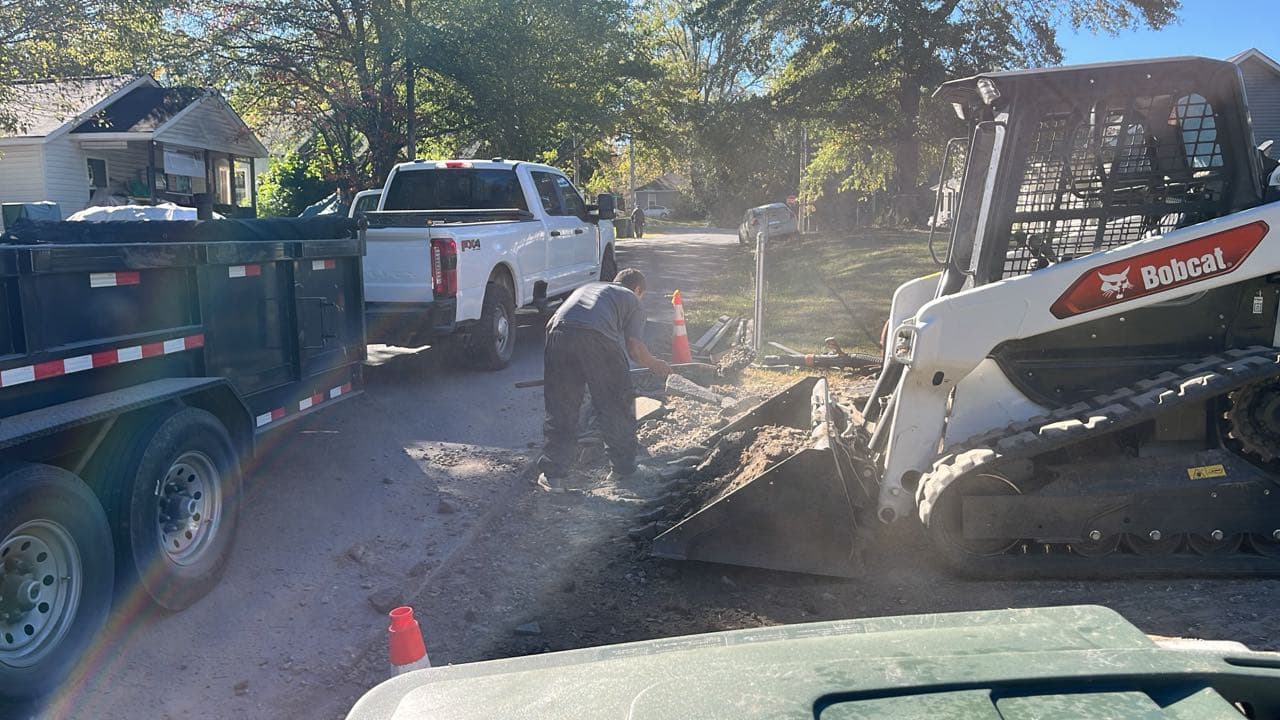
Finishing Touches in Motion
Watch our crew bring precision and artistry to the final stages of a premium concrete installation.
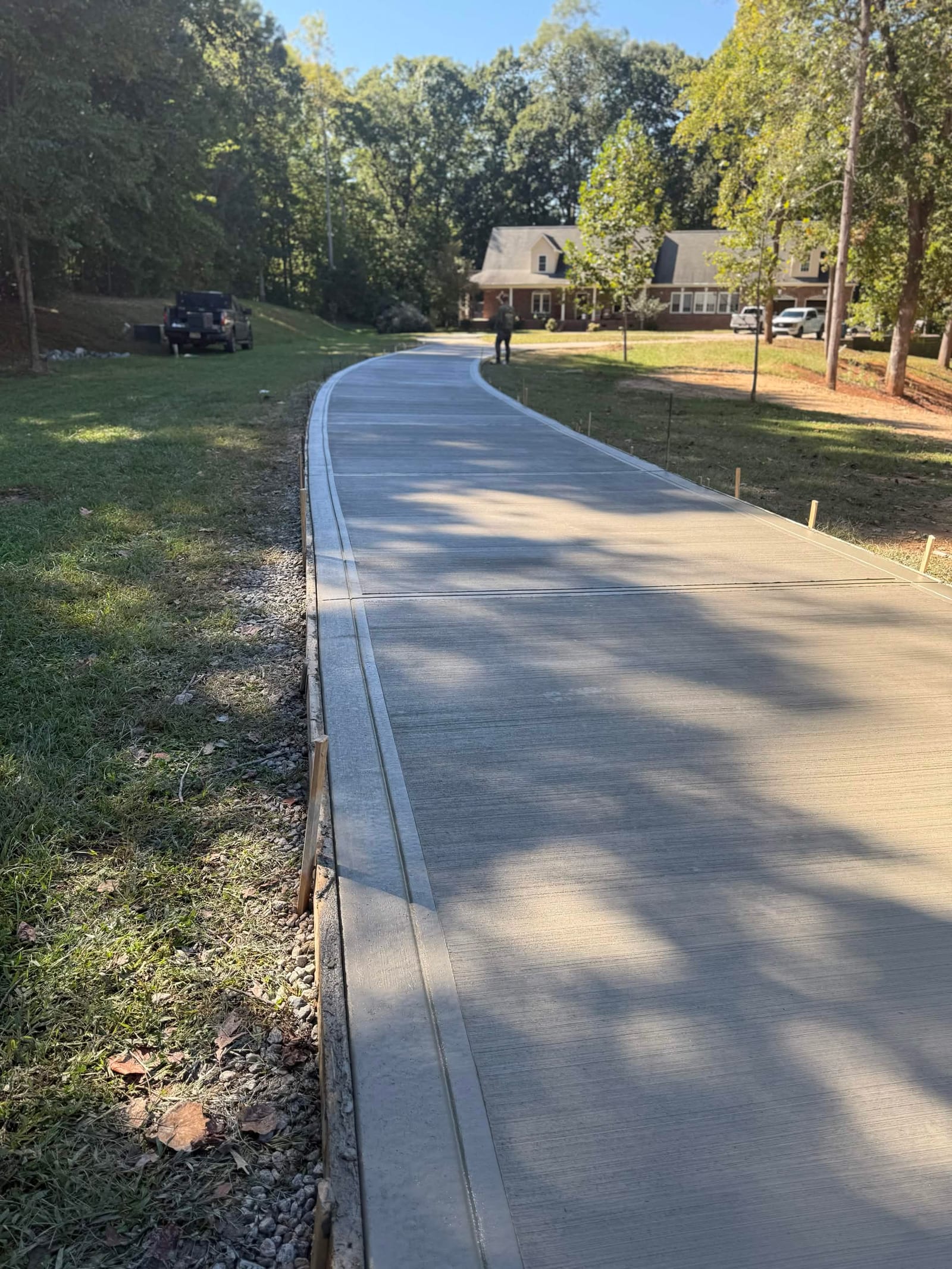

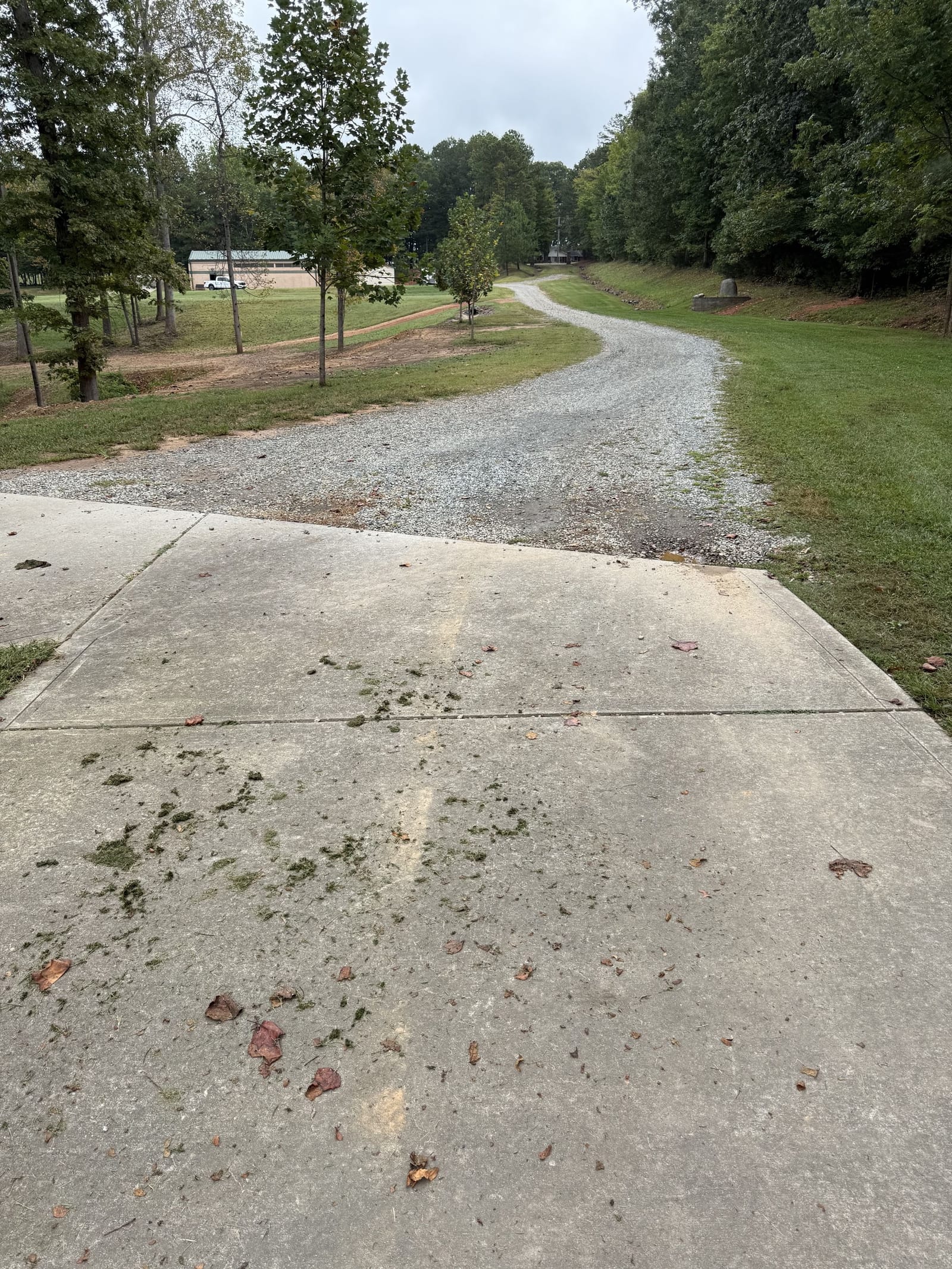
Driveway
Full residential replacement
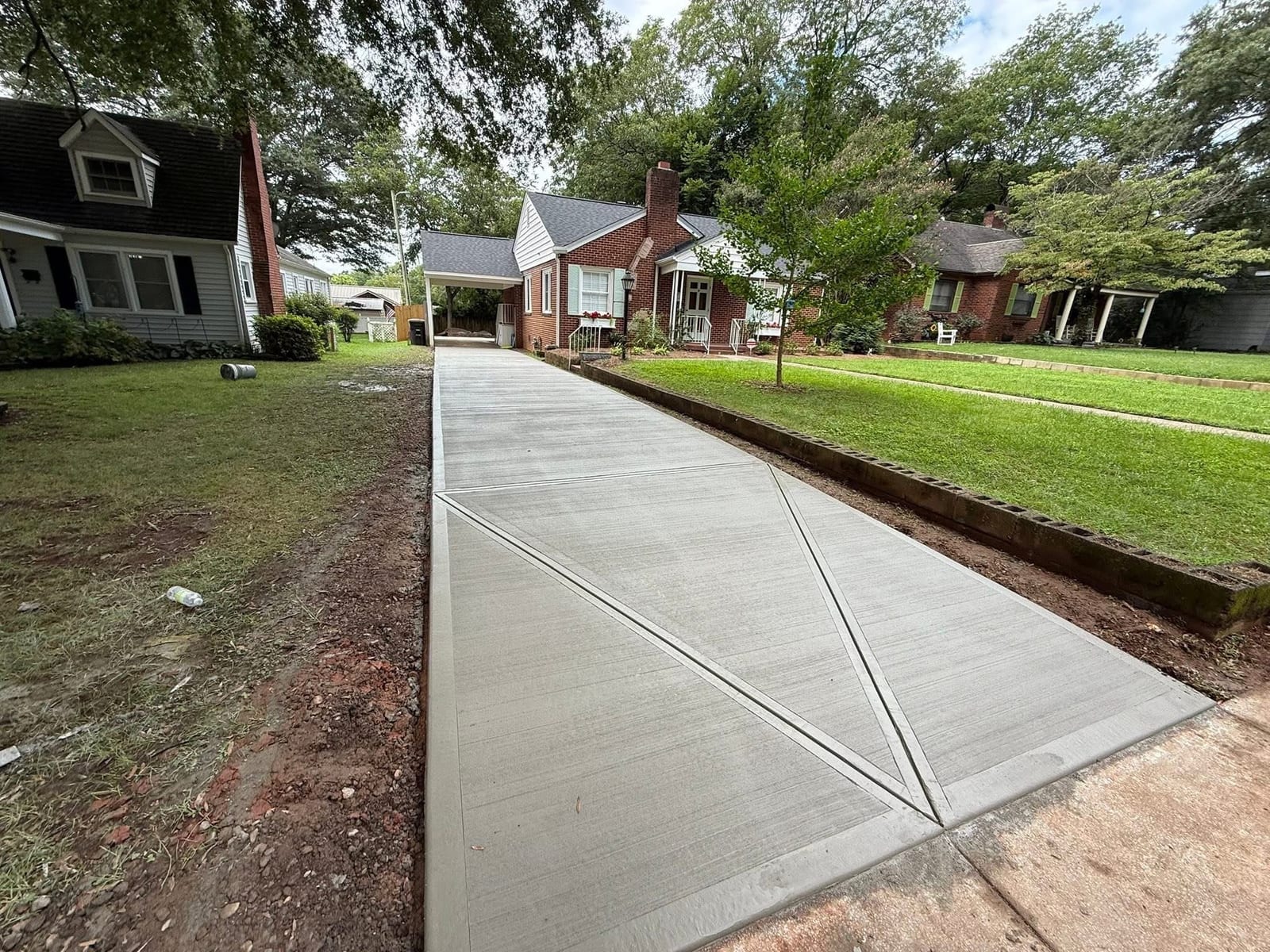
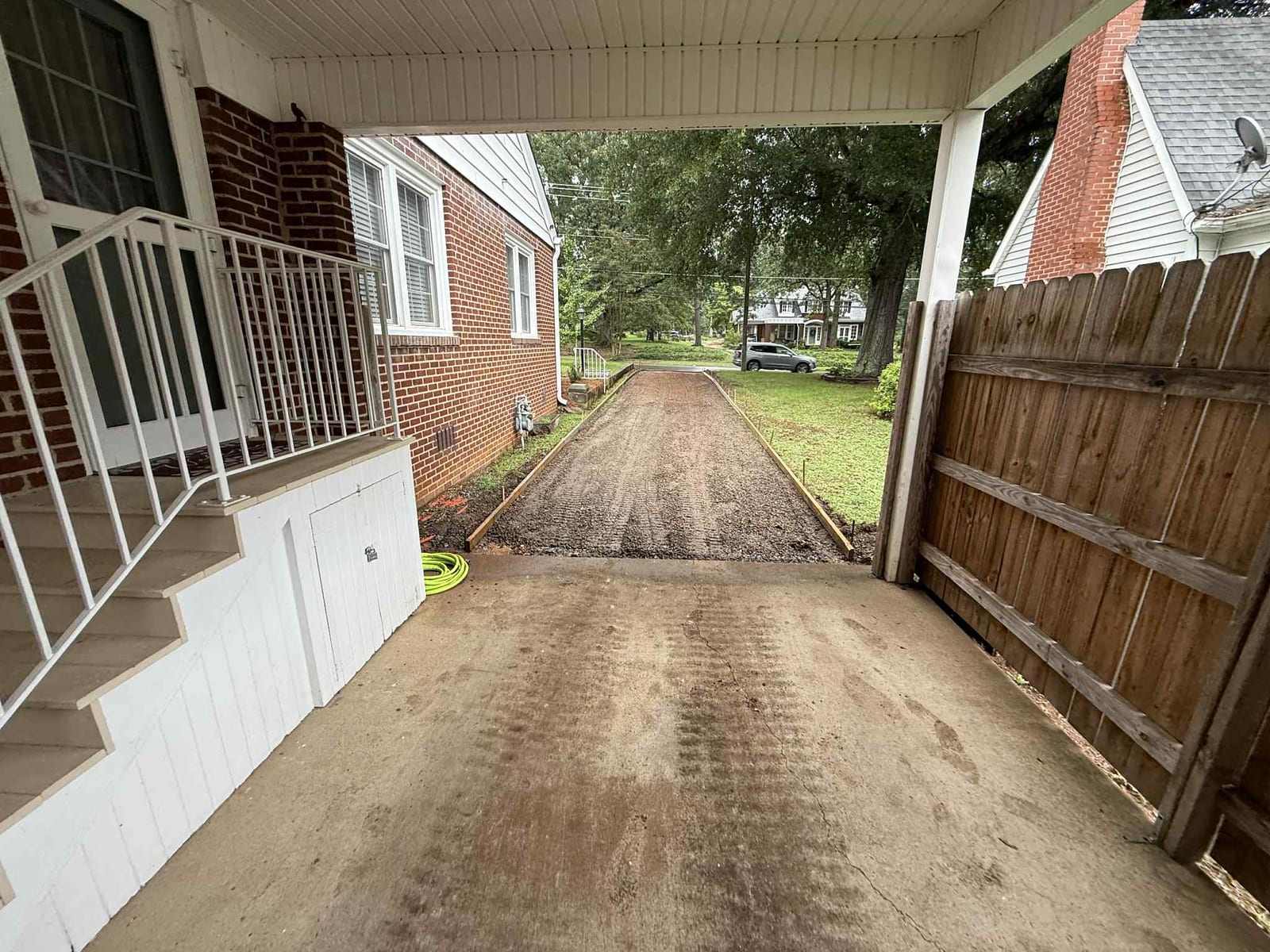
Driveway
Driveway revamp
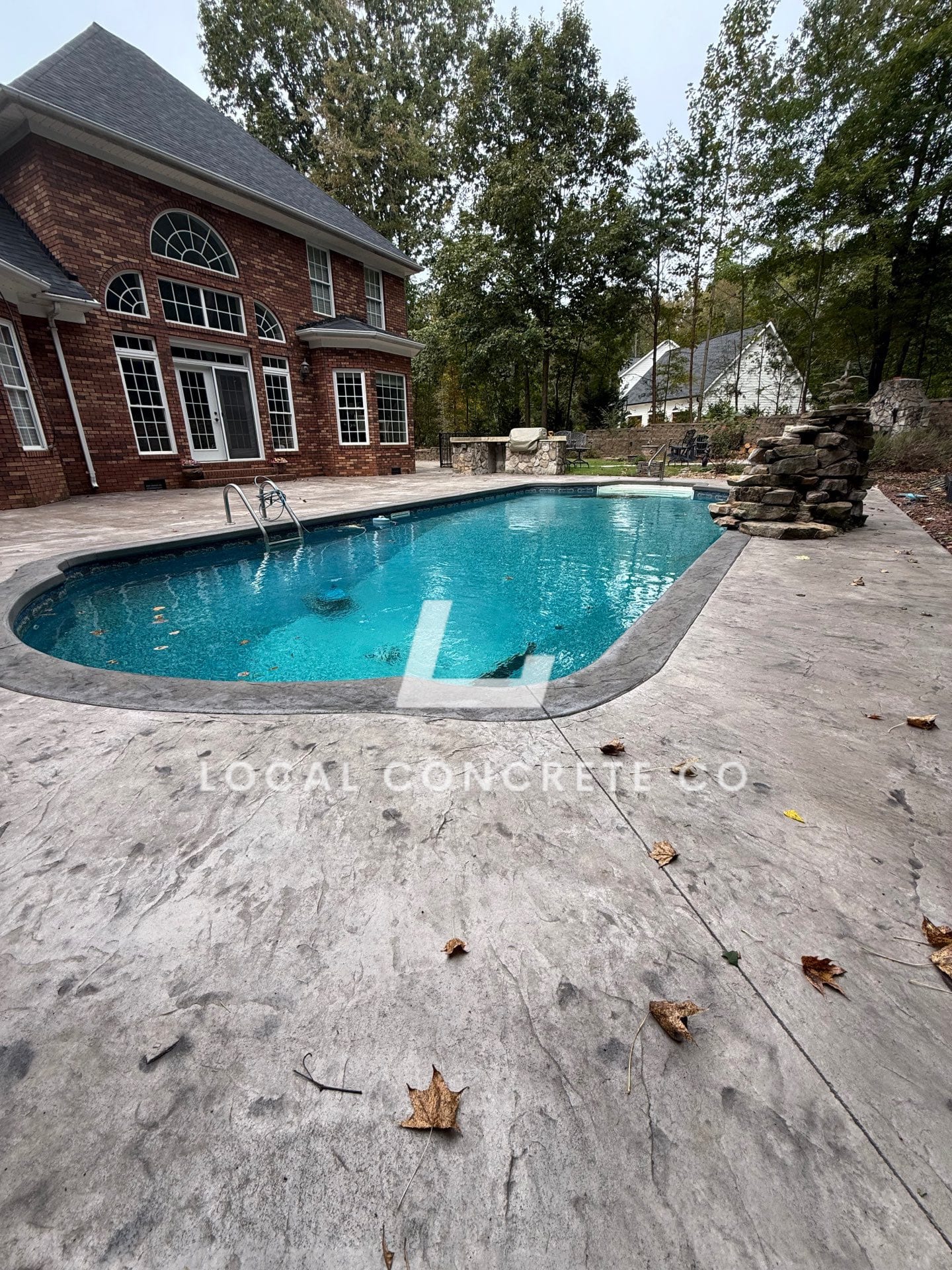
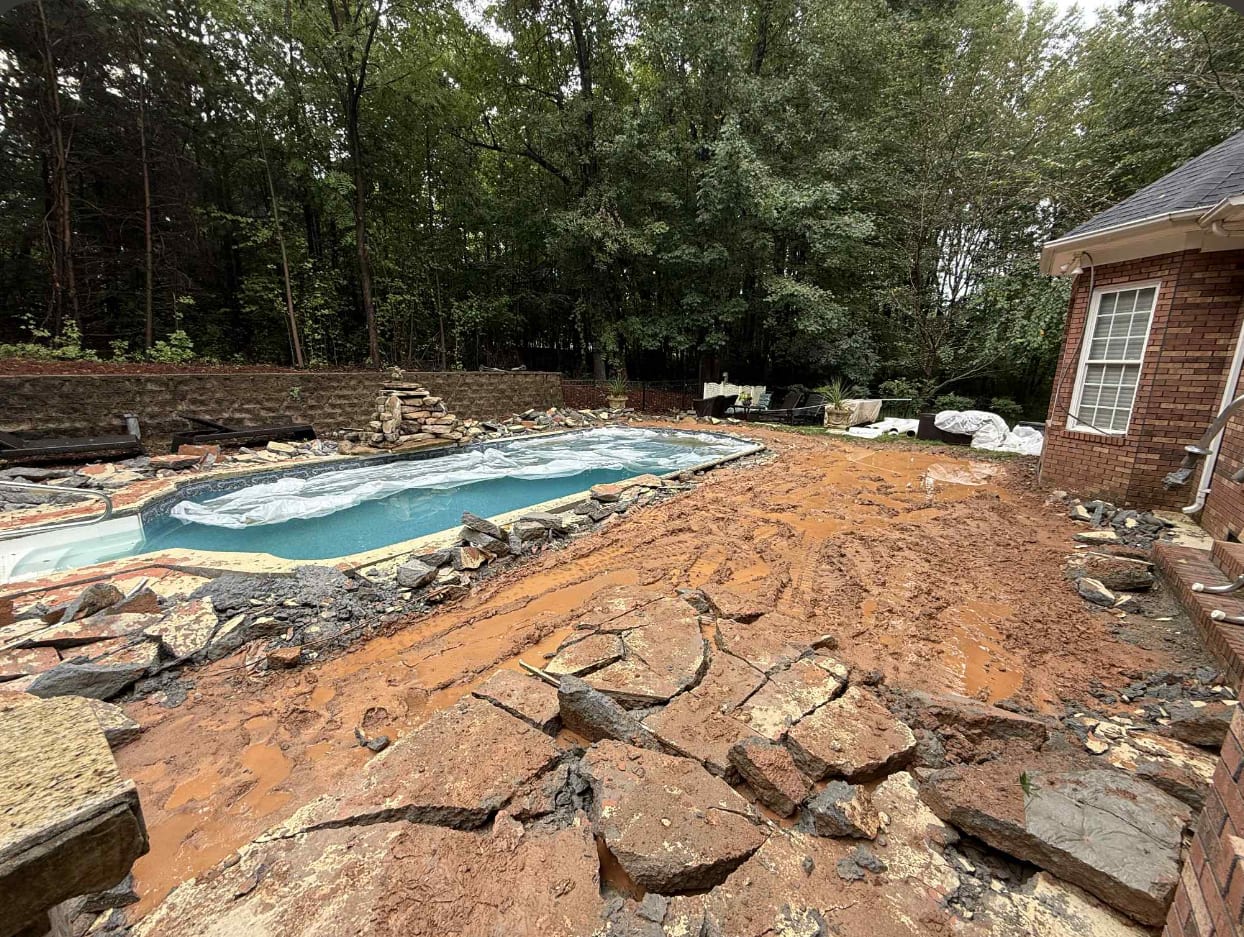
Stamped Pool Deck
Total demolition and replace
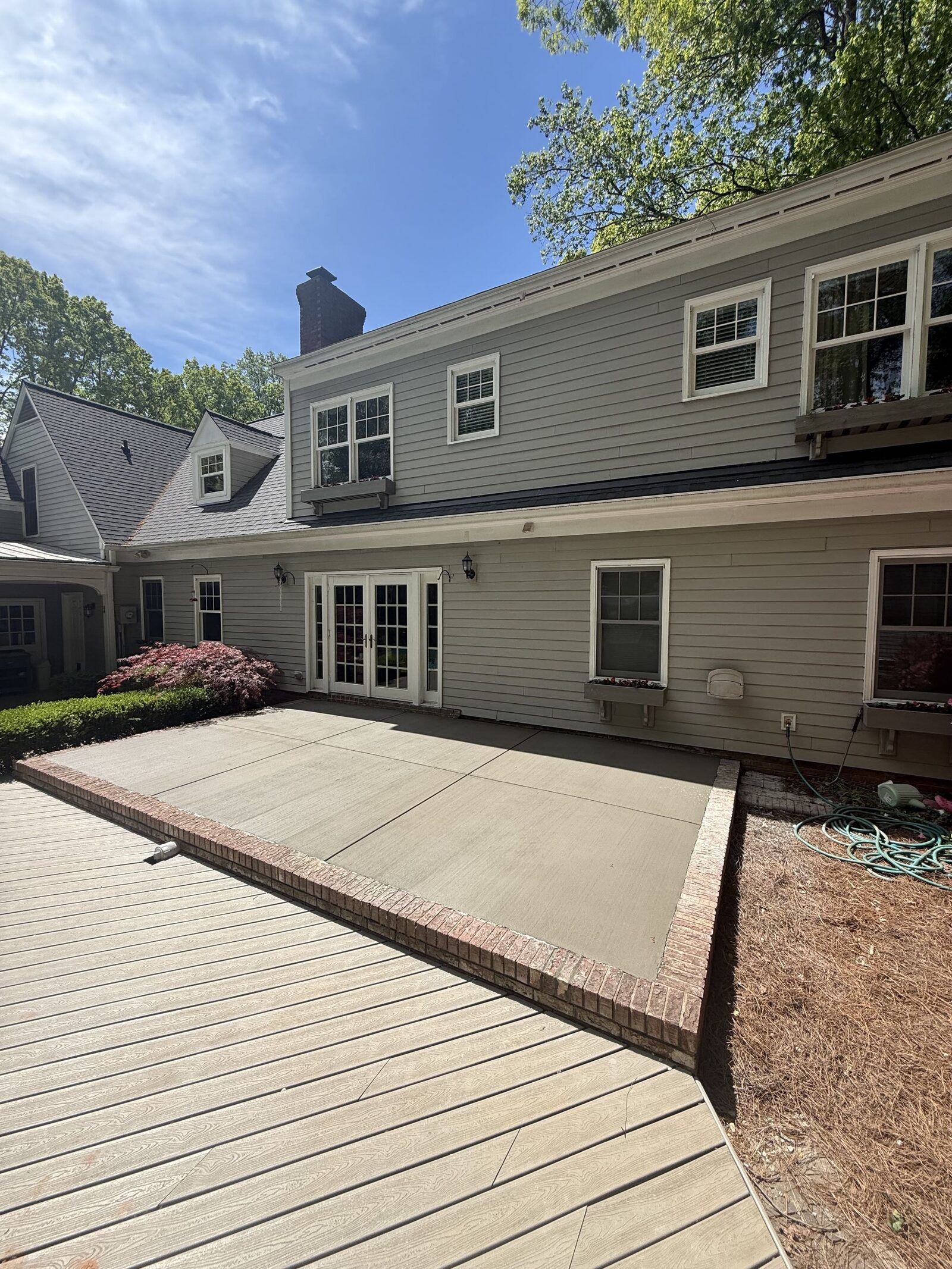
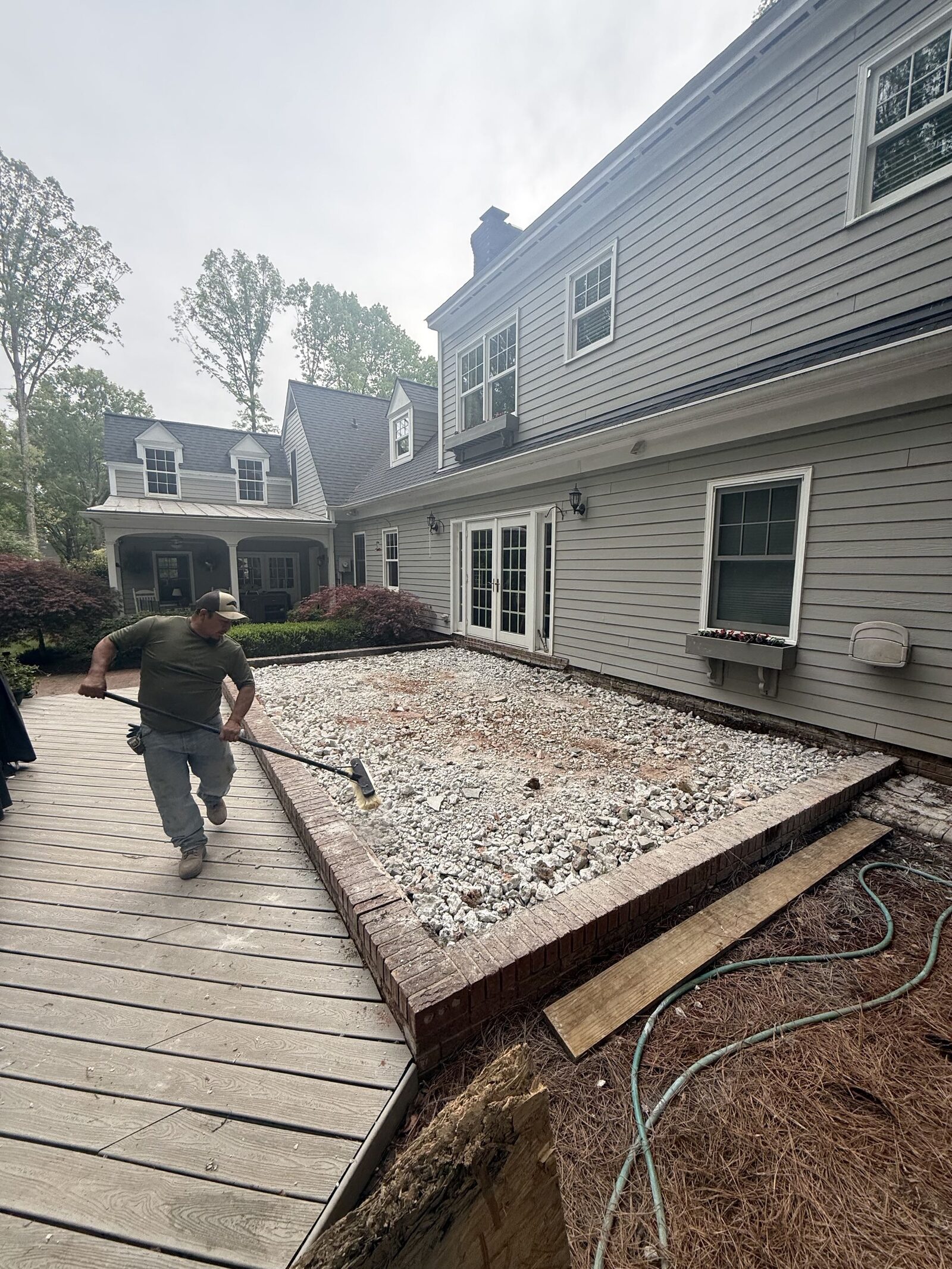
Patio Replacement
Old slab out, new finished slab in
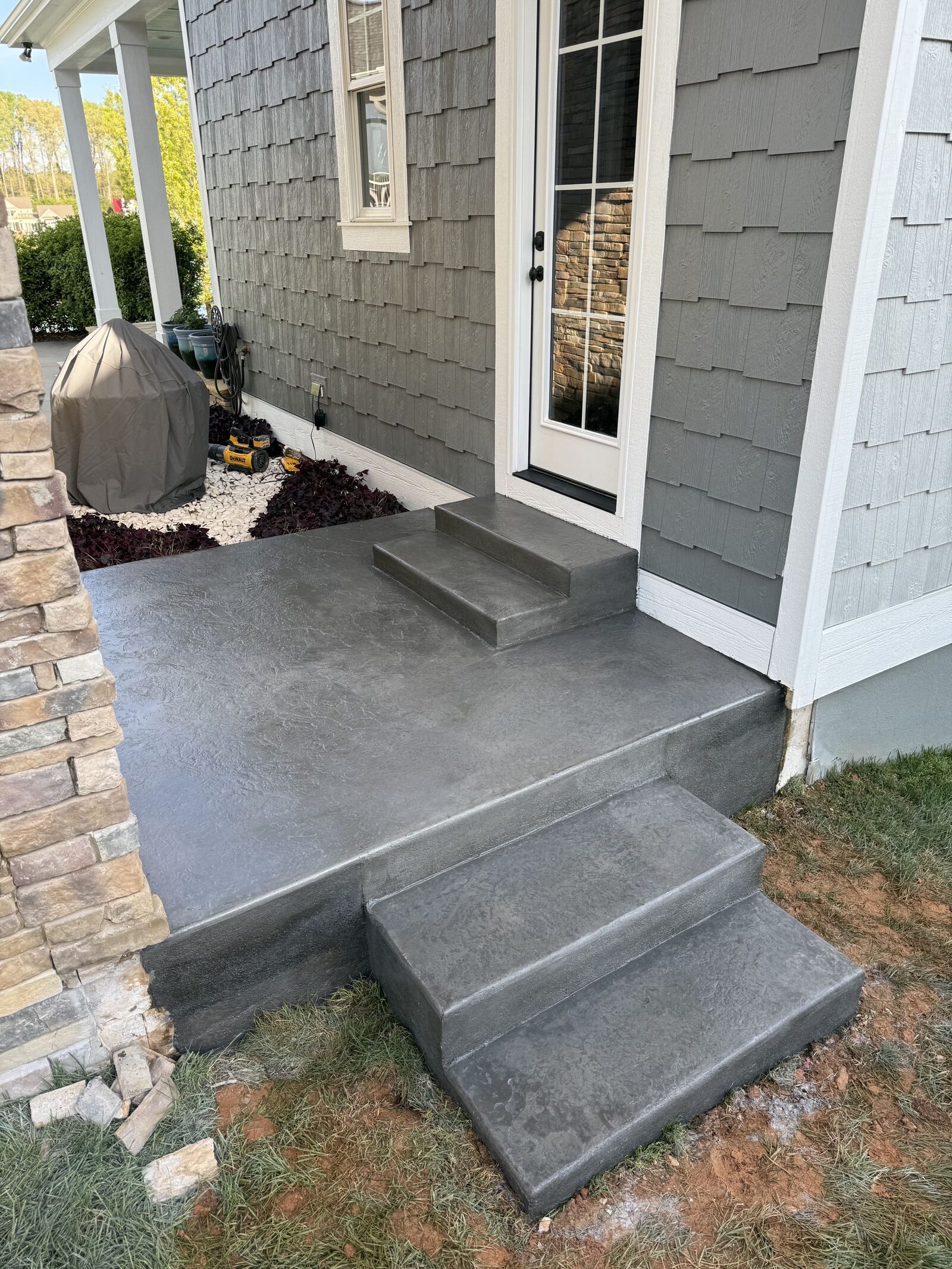
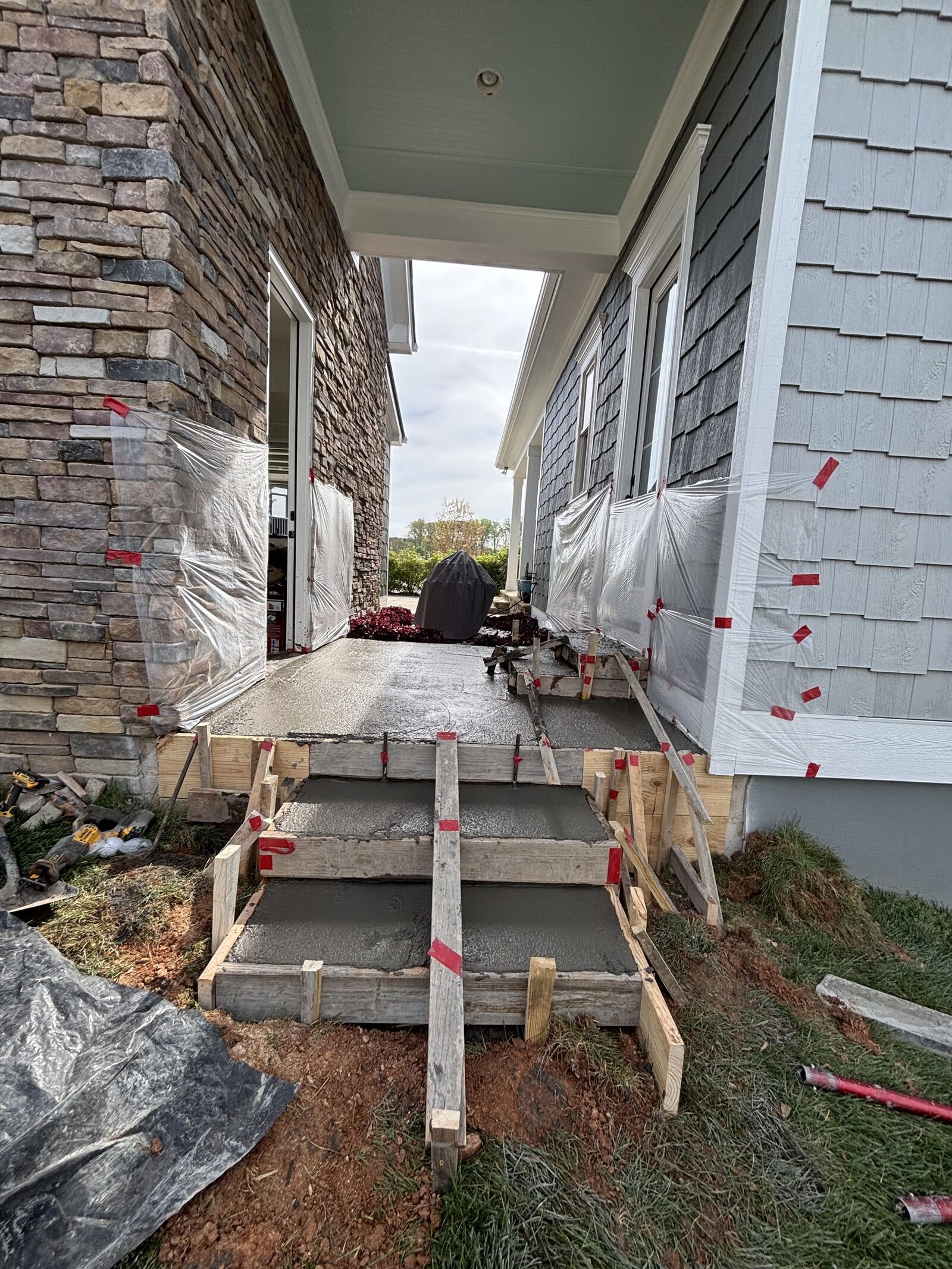
Stamped Concrete Landing
Custom stamped finish + edge tie-in
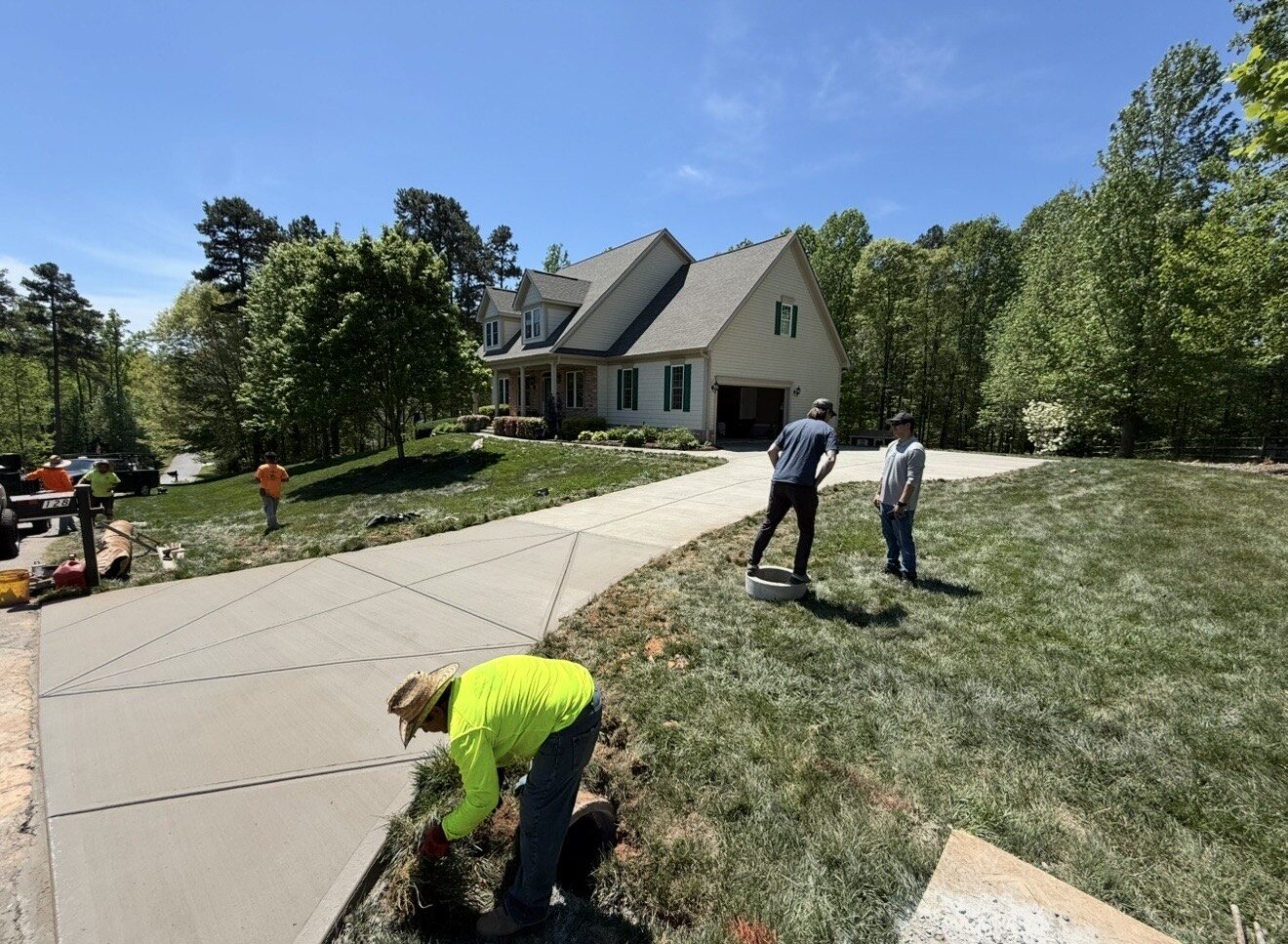
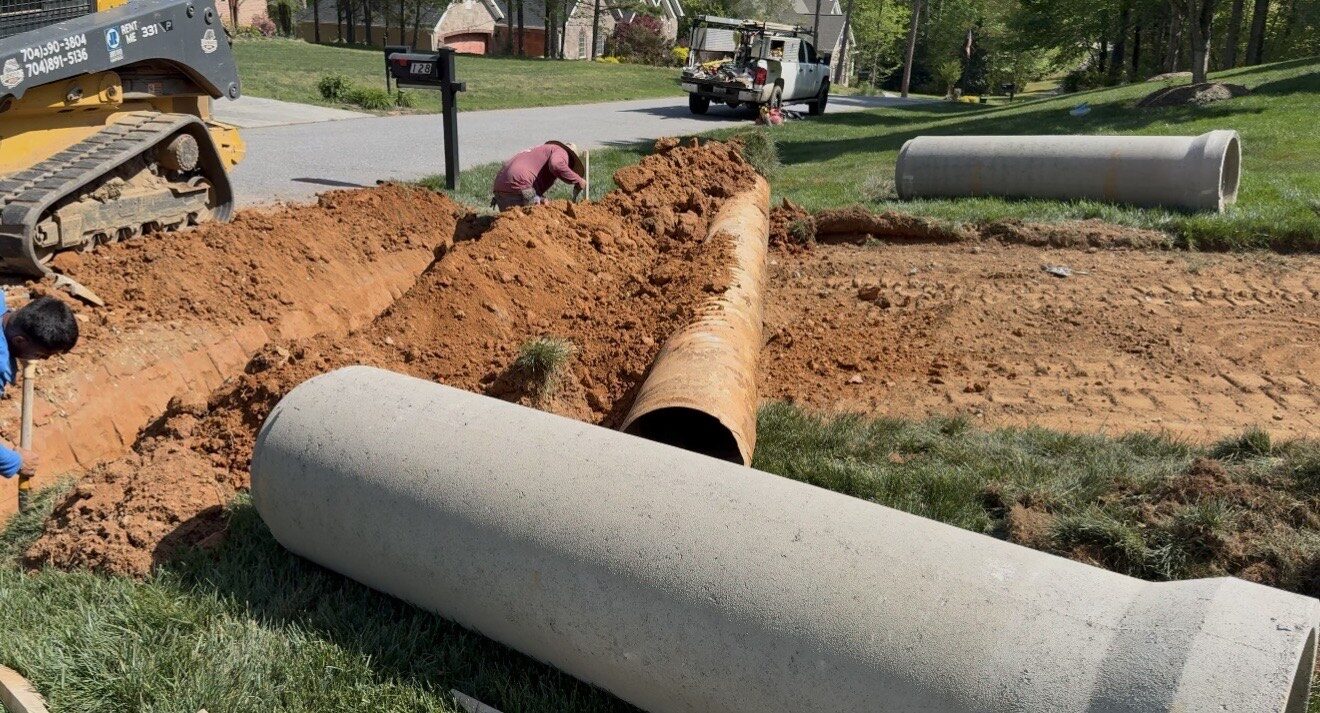
Driveway Replacement
Tear out + fresh pour
Ready to Start Your Custom Concrete Finishes Project in Denver?
Ready to start your custom concrete finishes project in Denver? Our team brings the expertise, materials, and attention to detail that Denver property owners expect. We understand Lincoln County's unique challenges and what it takes to create installations that last. Contact us today for a free consultation and see why Denver property owners choose us for their concrete needs.
Other Services We Offer in Denver
Concrete Driveways
Premium new driveway installation with custom finishes and superior durability.
Stamped Concrete
Decorative concrete patterning resembling stone, brick, slate, or wood.
Concrete Parking Lots
Commercial parking lot paving and civil infrastructure projects.
Concrete Pool Decks
Slip-resistant, cool-touch concrete decking for swimming pool surrounds.
What are we building?
Select your project type.
Why Local Concrete Contractor?
- 01Precision craftsmanship
- 02Transparent pricing models
- 03Dedicated project manager
- 04Zero Deposit Required