



Concrete Parking Lots in Denver, NC
Parking lots take a beating. Delivery trucks brake hard in the same spots, shopping carts slam into curbs, and vehicles track oil and chemicals across the surface daily. Concrete handles this abuse better than asphalt because it doesn't soften in summer heat or require resealing every few years. A properly built concrete lot will outlast asphalt by decades with almost no maintenance beyond occasional joint sealing.

(980) 480-6489
Concrete Parking Lots Services in Denver
Parking lots take a beating. Delivery trucks brake hard in the same spots, shopping carts slam into curbs, and vehicles track oil and chemicals across the surface daily. Concrete handles this abuse better than asphalt because it doesn't soften in summer heat or require resealing every few years. A properly built concrete lot will outlast asphalt by decades with almost no maintenance beyond occasional joint sealing.
The complexity is in the layout. Drive aisles need specific widths for safe two-way traffic. Accessible stalls require precise slope tolerances. Drainage has to move water off the lot without creating ponding in the drive lanes. And all of this has to be coordinated with striping, lighting, and landscaping islands. We handle the engineering, the grading, and the pouring in phases so your business stays operational while we work.
Why Choose Our Concrete Parking Lots Services in Denver
Drive Aisle Width and Turning Clearance
Most parking lot failures aren't structural—they're functional. If your aisles are too narrow, delivery trucks clip the curbs. If the turning radius at the entrance is tight, larger vehicles have to make three-point turns. These design mistakes create bottlenecks and accidents. We lay out drive aisles based on the types of vehicles your lot will serve. Two-way aisles need at least 24 feet of clearance. One-way aisles serving 90-degree stalls need 24 feet minimum, but we'll widen them to 26 if you see regular truck traffic. Fire lanes get dimensioned for ladder truck access.
Load Zones Get Thicker Slabs
Standard parking stalls can be poured at 6 inches thick, but drive lanes and loading zones need 7 or 8 inches because that's where the weight concentrates. Garbage trucks weigh 25 tons when loaded. If your slab isn't thick enough, it'll crack within a year. We also add doweled joints in the drive lanes to transfer load across the seams. This prevents one panel from settling lower than the adjacent one, which is how you get that jarring bump when driving through a lot.
ADA Stalls Are Non-Negotiable
Accessible parking isn't just about painting a symbol on the ground. The stall and access aisle have to be nearly flat—maximum 2% slope in any direction. The path from the stall to the building entrance has to meet the same standard. Curb ramps need detectable warning strips and specific slope transitions. We've poured enough of these to know where inspectors look. If your lot doesn't pass ADA compliance, you can't get a certificate of occupancy. We make sure it's done right the first time.
Drainage That Actually Works
A parking lot is essentially a giant water collection surface. If it doesn't drain, you get ponds that freeze into ice rinks in winter. We grade the lot so every section has a minimum 1% slope toward catch basins or the perimeter. In flat sites, we'll install area drains or trench drains across the low points. We also coordinate with storm sewer tie-ins. The water has to go somewhere, and if the municipal storm system is 6 feet deep, we're running underground pipe to connect to it.
Working Around Your Business Hours
You can't shut down for two weeks while we pour concrete. We phase the work so half the lot stays open while we excavate and pour the other half. Once that section cures, we shift operations and complete the remainder. Traffic control, barricades, and temp signage keep customers and delivery drivers routed safely. We also time the pours to minimize disruption—early morning starts so concrete is placed and finished before your peak hours.
Striping Prep and Surface Flatness
Striping contractors need a smooth, clean surface to get their lines straight. We finish the concrete with a hard trowel in the stalls and a light broom texture in the drive lanes for traction. Before we leave, we shot-blast any laitance or curing compound residue off so the paint bonds properly. We also check flatness with a 10-foot straightedge. If the slab has high spots or dips, striping will look wavy and unprofessional. Keeping the surface flat is part of delivering a finished product.
Key Features & Benefits
Our Concrete Parking Lots Process in Denver
Commercial Site Evaluation
We begin commercial projects in Denver with a thorough evaluation of traffic patterns, load requirements, and operational needs. Our assessment considers Lincoln County's commercial building codes and the specific demands your Denver business places on concrete surfaces.
Engineering & Design
Commercial projects in Denver require proper engineering and design. We create plans that meet industrial standards, handle heavy loads, and comply with Lincoln County commercial building codes. Our designs account for traffic patterns, drainage, and long-term durability.
Permit & Code Compliance
Commercial projects in Denver must meet strict code requirements. We handle all permits, coordinate with Lincoln County authorities, and ensure compliance with commercial building standards. We minimize disruption to your Denver business operations.
Commercial-Grade Installation
Our commercial installations in Denver use industrial-grade materials and techniques designed for heavy use. We work efficiently to minimize downtime for your Denver business while ensuring quality that meets commercial standards.
Inspection & Handoff
Before completion, we conduct thorough inspections and coordinate with Lincoln County authorities as required. We ensure your commercial project in Denver meets all standards and provide documentation for your records.
Denver Specific Considerations
Denver Soil Conditions
Understanding Denver's soil composition is crucial for proper concrete work. Denver in Lincoln County requires concrete work that can withstand North Carolina's climate and soil conditions. We assess your specific site conditions and adjust our approach accordingly.
Lincoln County Building Codes
Every Denver project must comply with Lincoln County building codes and regulations. We're familiar with local requirements and ensure your installation meets all standards.
HOA Requirements
Many Denver neighborhoods have HOA guidelines that affect concrete work. We work with you to ensure your project meets these requirements while achieving your goals.
North Carolina Climate
Denver experiences North Carolina's freeze-thaw cycles, which can damage improperly installed concrete. Our work is specifically designed to withstand these conditions.
Drainage Planning
Proper drainage is essential in Denver, where heavy rains can cause flooding. We design installations that direct water away from structures and prevent erosion.
Material Selection
The right materials for Denver projects differ from other areas. We select concrete mixes, reinforcements, and sealants optimized for Lincoln County's climate conditions.
Neighborhoods We Serve in Denver
Frequently Asked Questions About Concrete Parking Lots in Denver
How much does concrete parking lots cost in Denver?
Pricing for concrete parking lots in Denver varies based on project size, site conditions, material choices, and complexity. Denver projects typically range based on square footage, accessibility, and specific requirements. We provide free, detailed estimates for all Denver projects that account for Lincoln County's specific conditions. Contact us for a personalized quote based on your Denver property's unique needs.
How long does concrete parking lots installation take in Denver?
Most concrete parking lots projects in Denver are completed within 1-5 days, depending on size, weather conditions, and complexity. We account for Lincoln County's weather patterns and work within optimal conditions. We'll provide a detailed timeline during your consultation, including permit processing times if applicable for your Denver project.
Do you serve all neighborhoods in Denver?
Yes, we serve Denver and surrounding Lincoln County areas, including Denver neighborhoods, Denver residential areas, Denver communities and many other Denver neighborhoods. Our service area covers residential and commercial areas throughout Lincoln County. Contact us to confirm service availability in your specific Denver location.
What makes your concrete parking lots services different in Denver?
Our concrete parking lots services in Denver use commercial-grade materials and techniques designed specifically for North Carolina's climate. We understand Denver's soil conditions, local building codes, weather patterns, and what Denver property owners expect. Our experience working throughout Lincoln County ensures your project is built to last in our local environment.
Do you handle permits for concrete parking lots projects in Denver?
Yes, we handle all necessary permits and inspections for concrete parking lots projects in Denver. We're familiar with Lincoln County building codes and requirements, ensuring your project meets all local regulations. We coordinate with municipal authorities and schedule inspections, making the process seamless for Denver property owners.
What areas near Denver do you serve?
We serve Denver and surrounding Lincoln County communities. Our service area includes nearby cities and neighborhoods within a reasonable distance of Denver. Whether you're in Denver neighborhoods or another Lincoln County location, we can help. Contact us to confirm if we serve your specific area.
Can you work with HOA requirements in Denver?
Absolutely. Many Denver neighborhoods have HOA guidelines that affect concrete work, including color restrictions, pattern requirements, and installation standards. We're experienced working with HOAs throughout Lincoln County and can help ensure your project meets all requirements while achieving your goals.
What maintenance does concrete parking lots require in Denver?
concrete parking lots in Denver requires regular maintenance to protect your investment in Lincoln County's climate. We recommend periodic cleaning, resealing every 2-3 years, and addressing any issues promptly. We provide detailed maintenance guidelines specific to Lincoln County's weather patterns when we complete your Denver project.
Concrete Parking Lots in Denver, NC
This page is specific to Denver, NC (Lincoln County). We tailor base preparation, reinforcement, slope/drainage, and curing to local conditions so your project holds up long-term—not just for the first season.
Related services in Denver, NC
Nearby service areas
If you’re near Denver, NC, these nearby city pages may also help:
Concrete Contractor Construction Portfolio
See the transformation. Drag the slider to reveal the restoration precision of our commercial and residential projects.
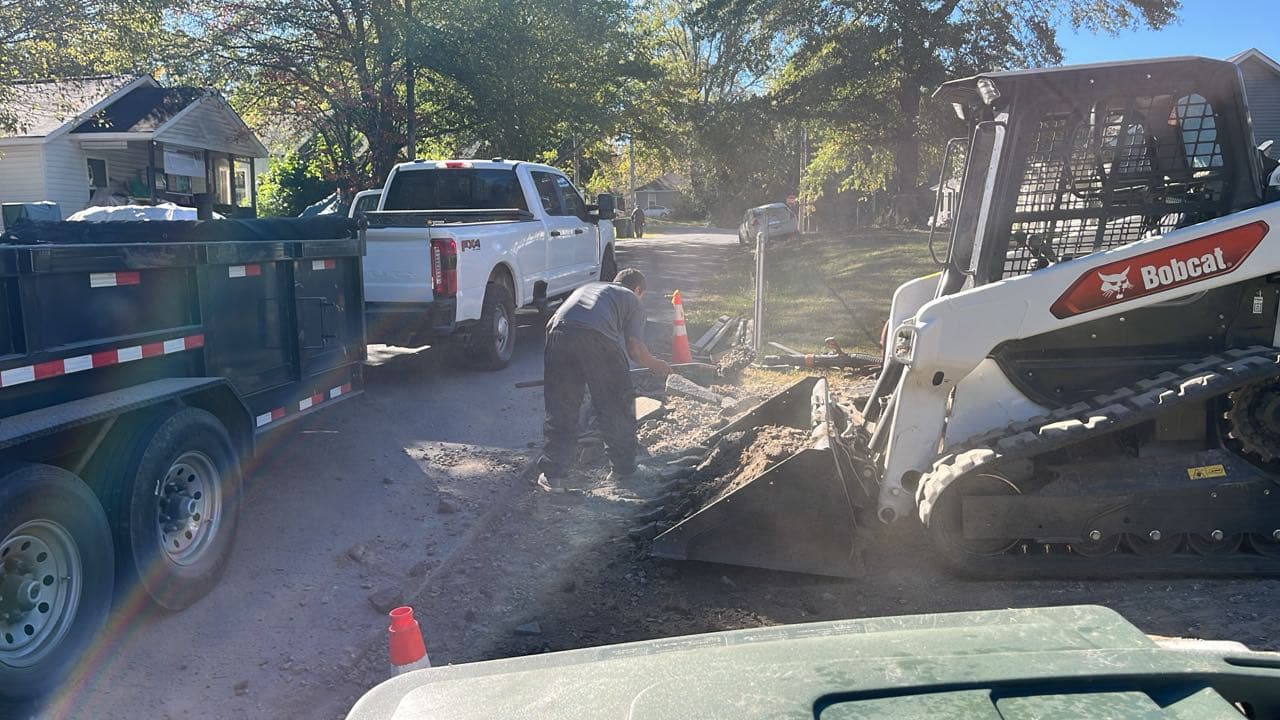
Finishing Touches in Motion
Watch our crew bring precision and artistry to the final stages of a premium concrete installation.
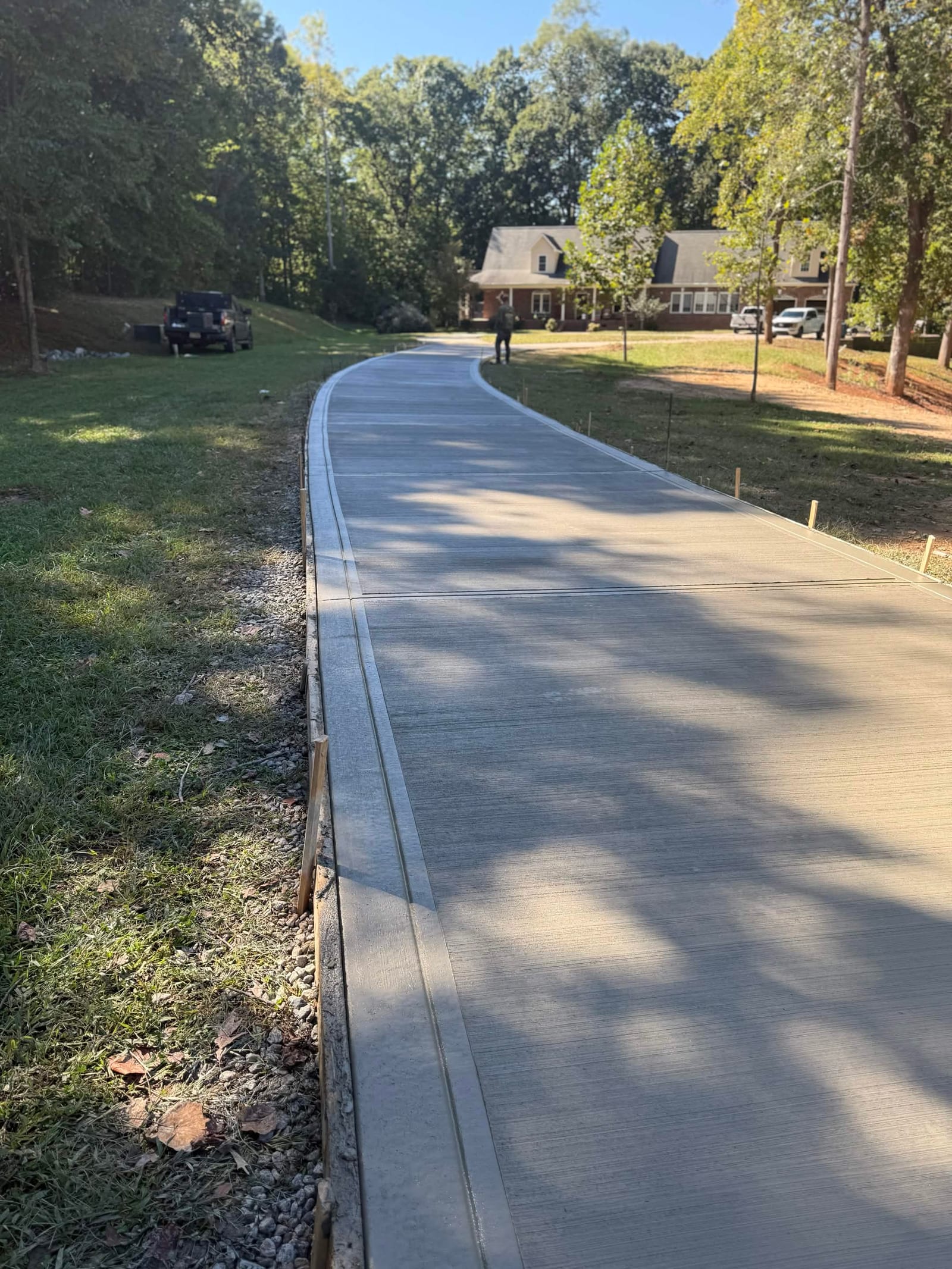

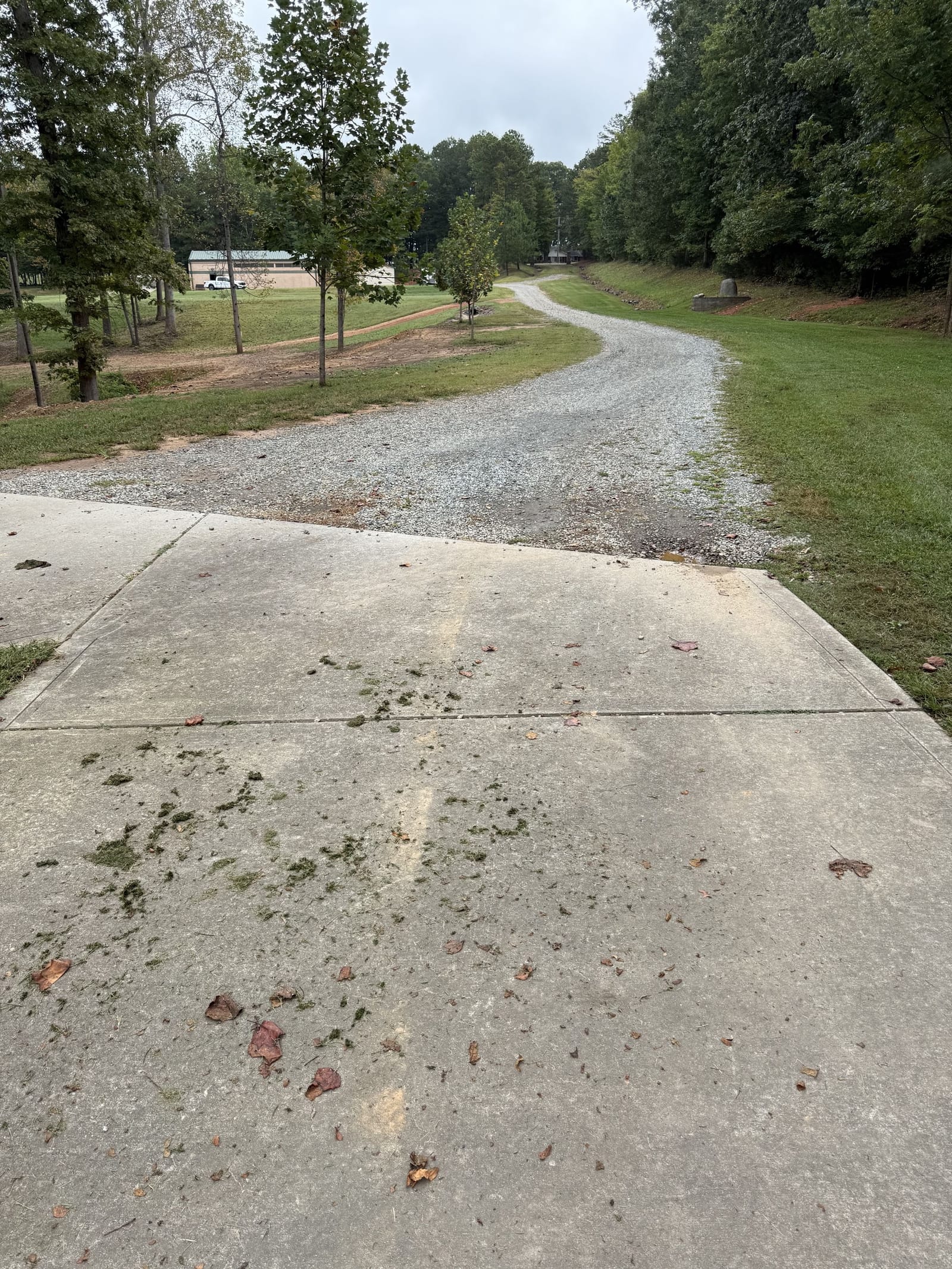
Driveway
Full residential replacement
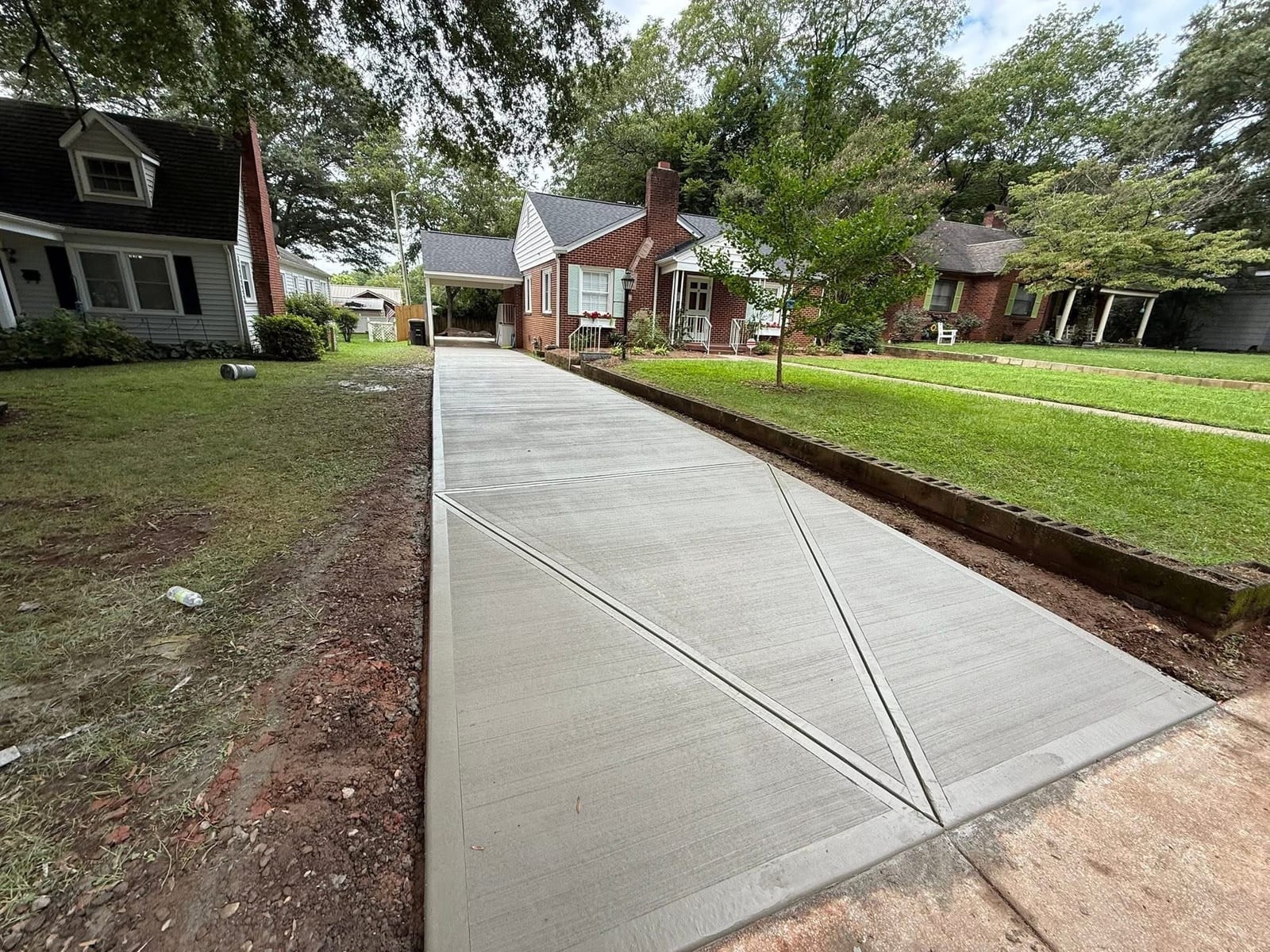
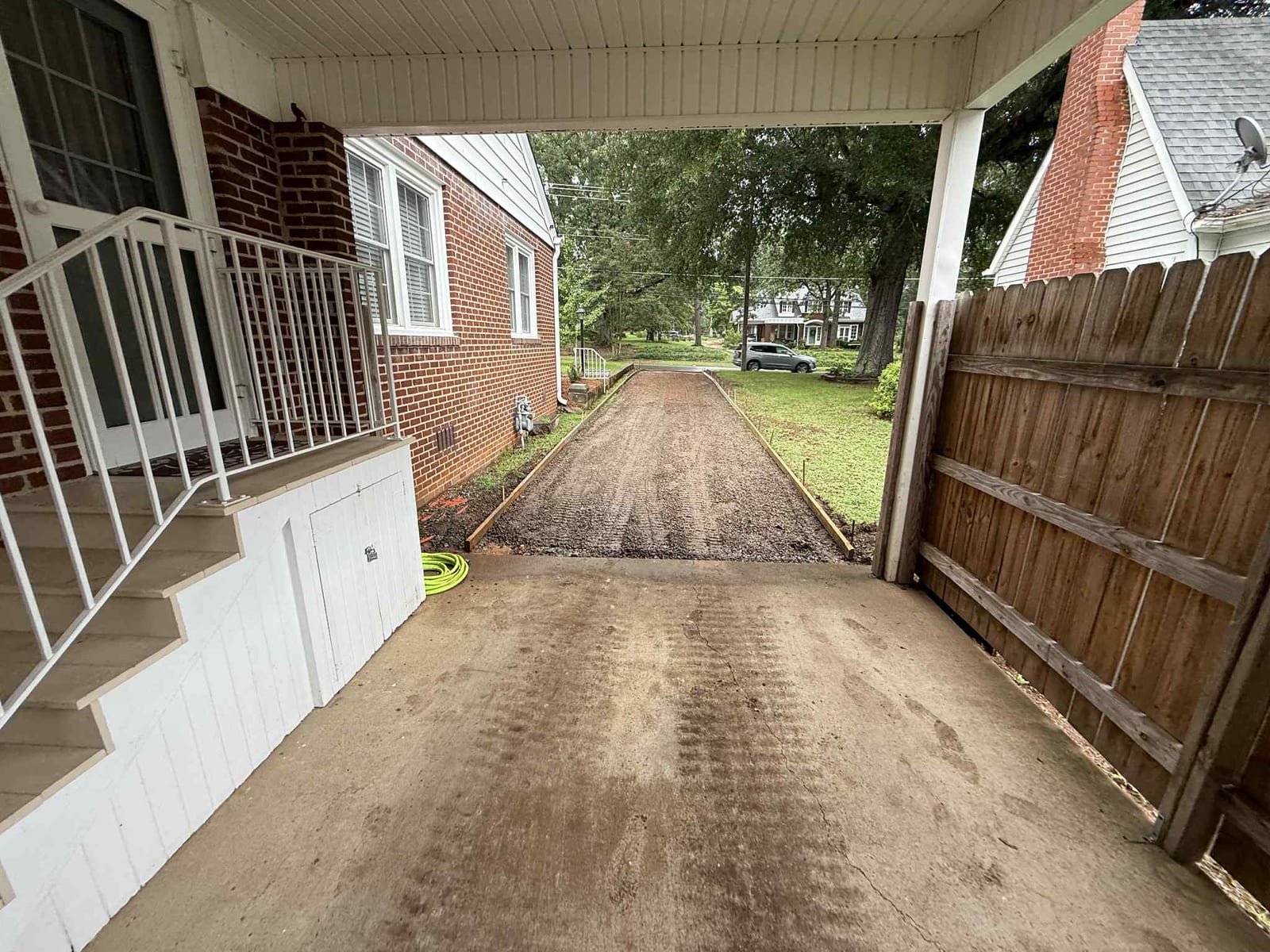
Driveway
Driveway revamp
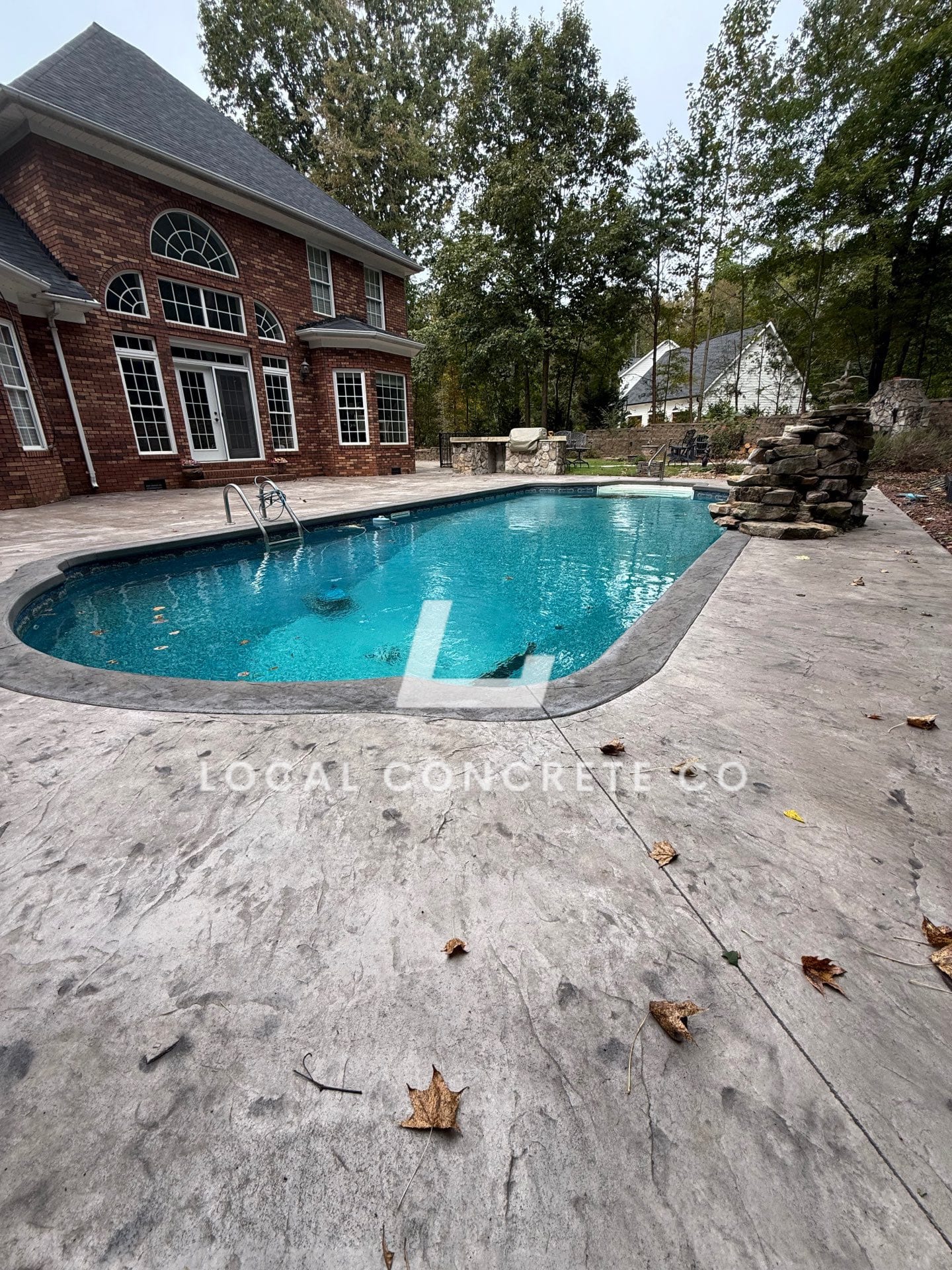
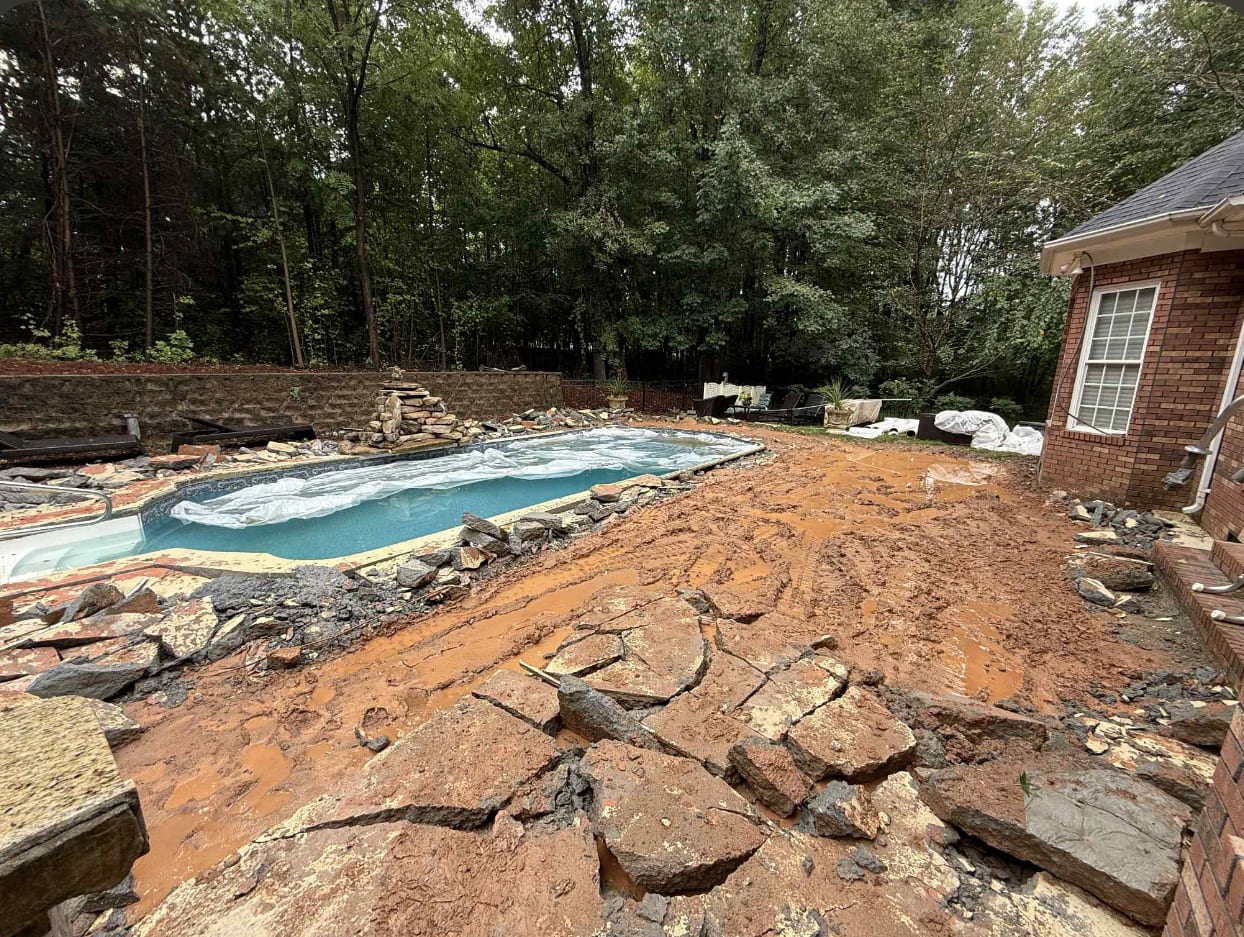
Stamped Pool Deck
Total demolition and replace
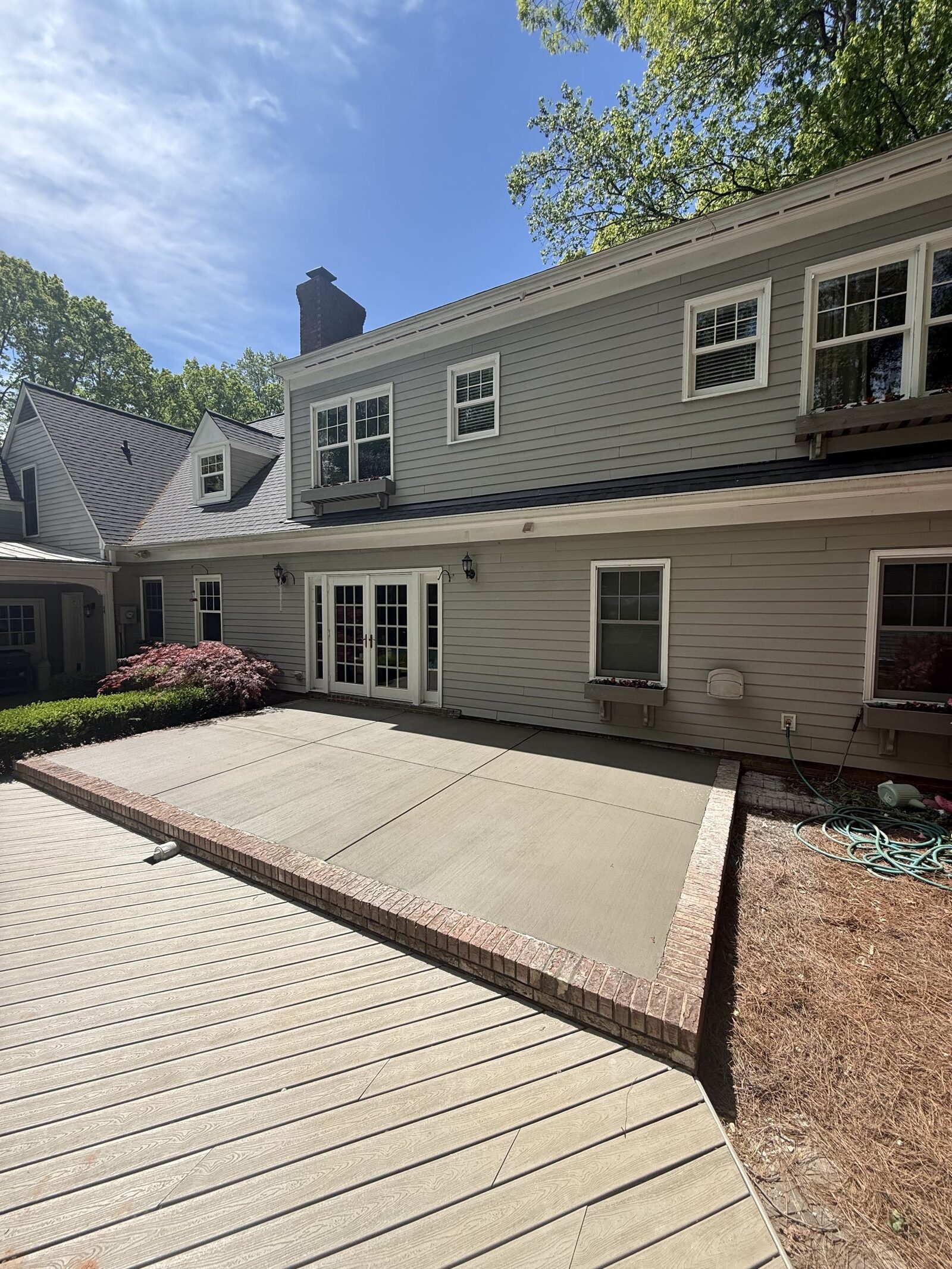
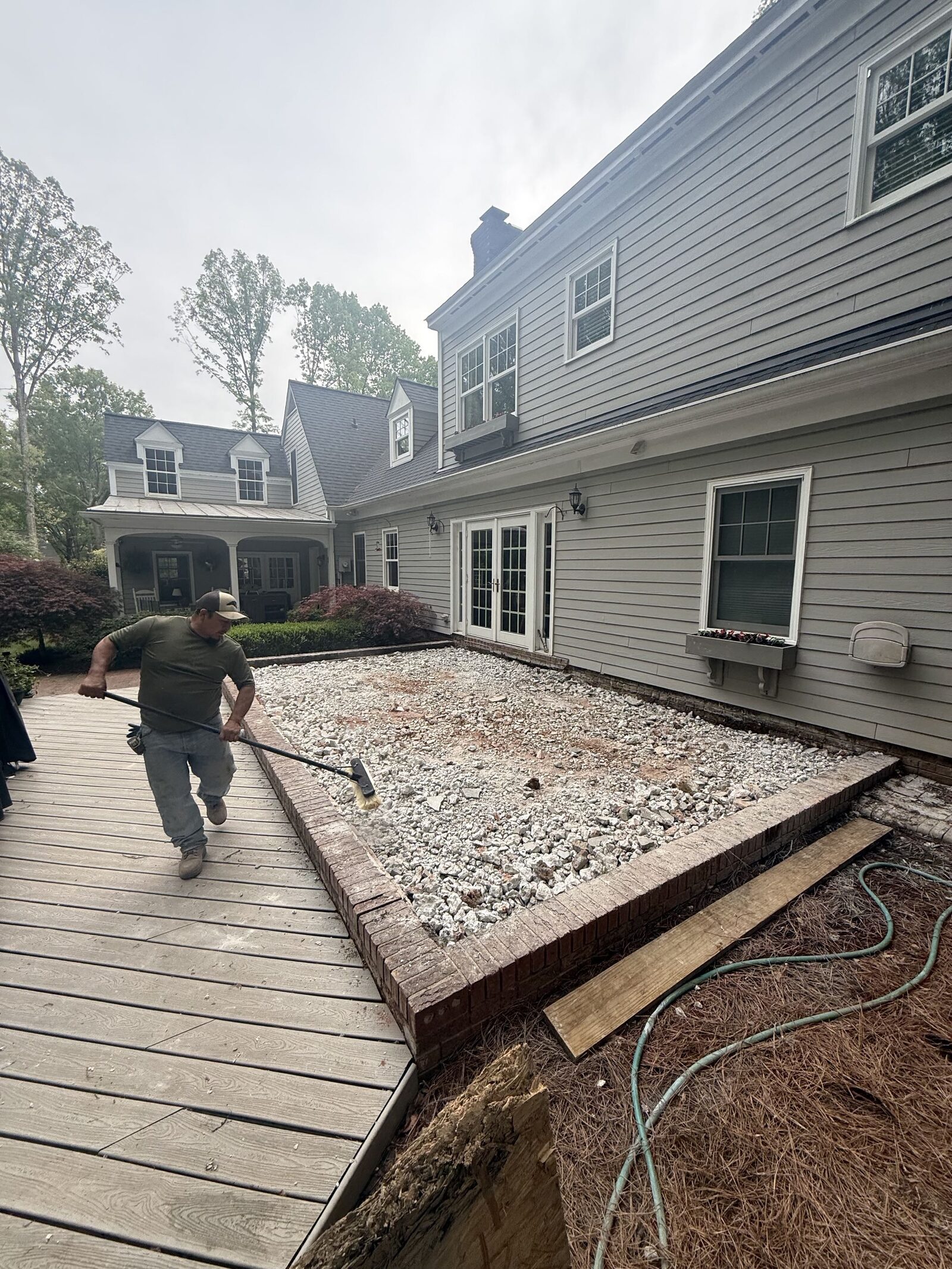
Patio Replacement
Old slab out, new finished slab in
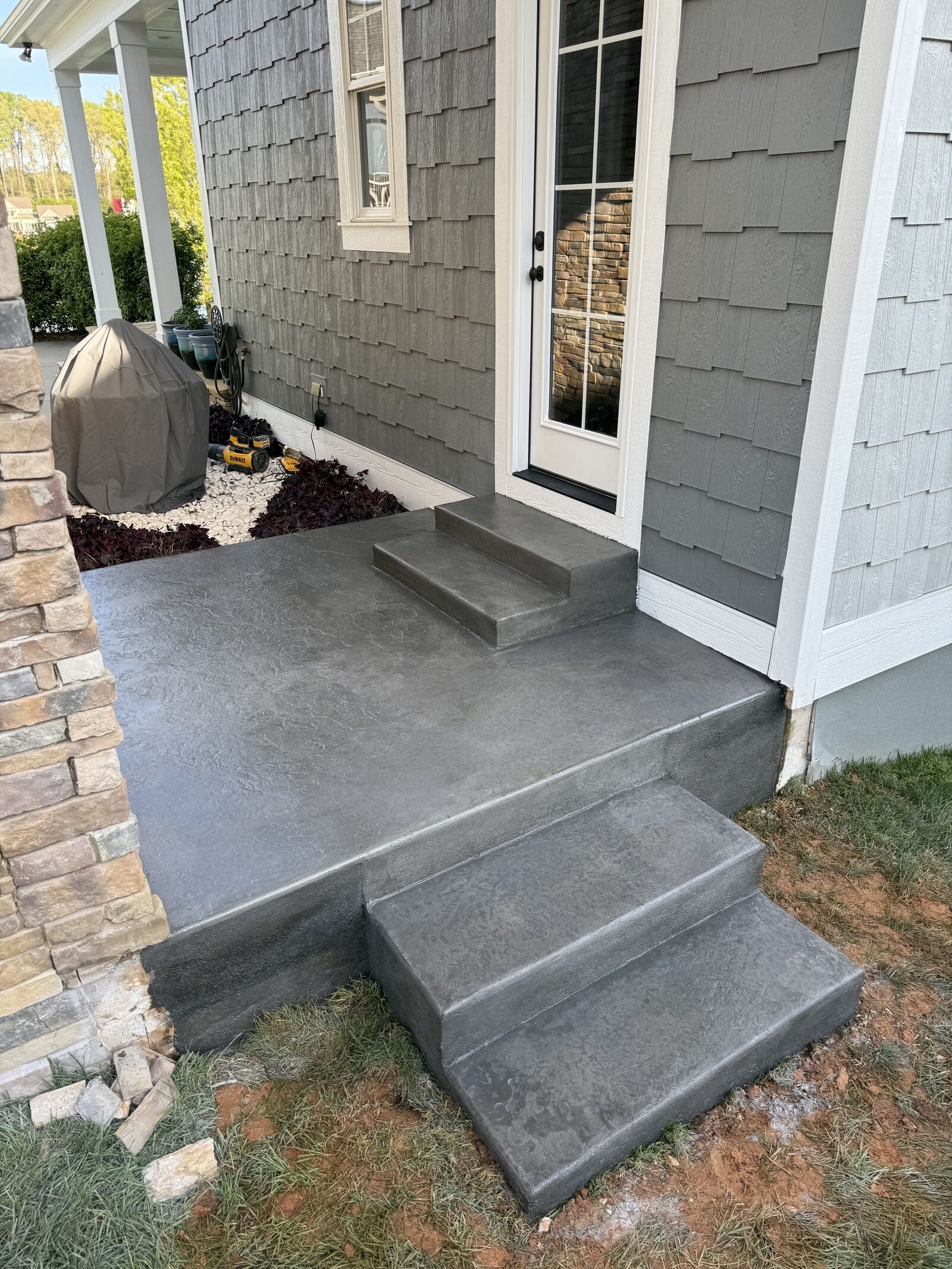
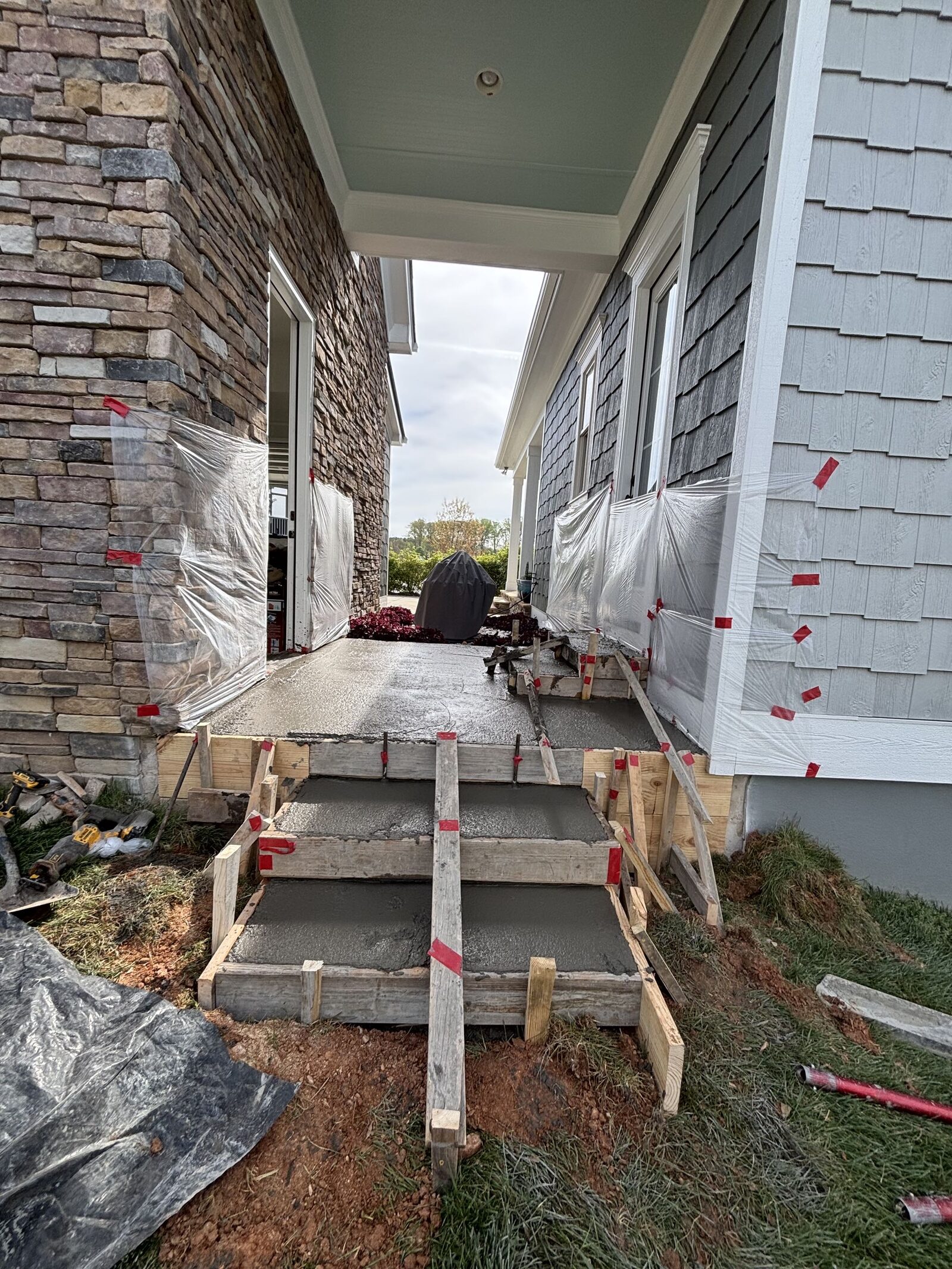
Stamped Concrete Landing
Custom stamped finish + edge tie-in
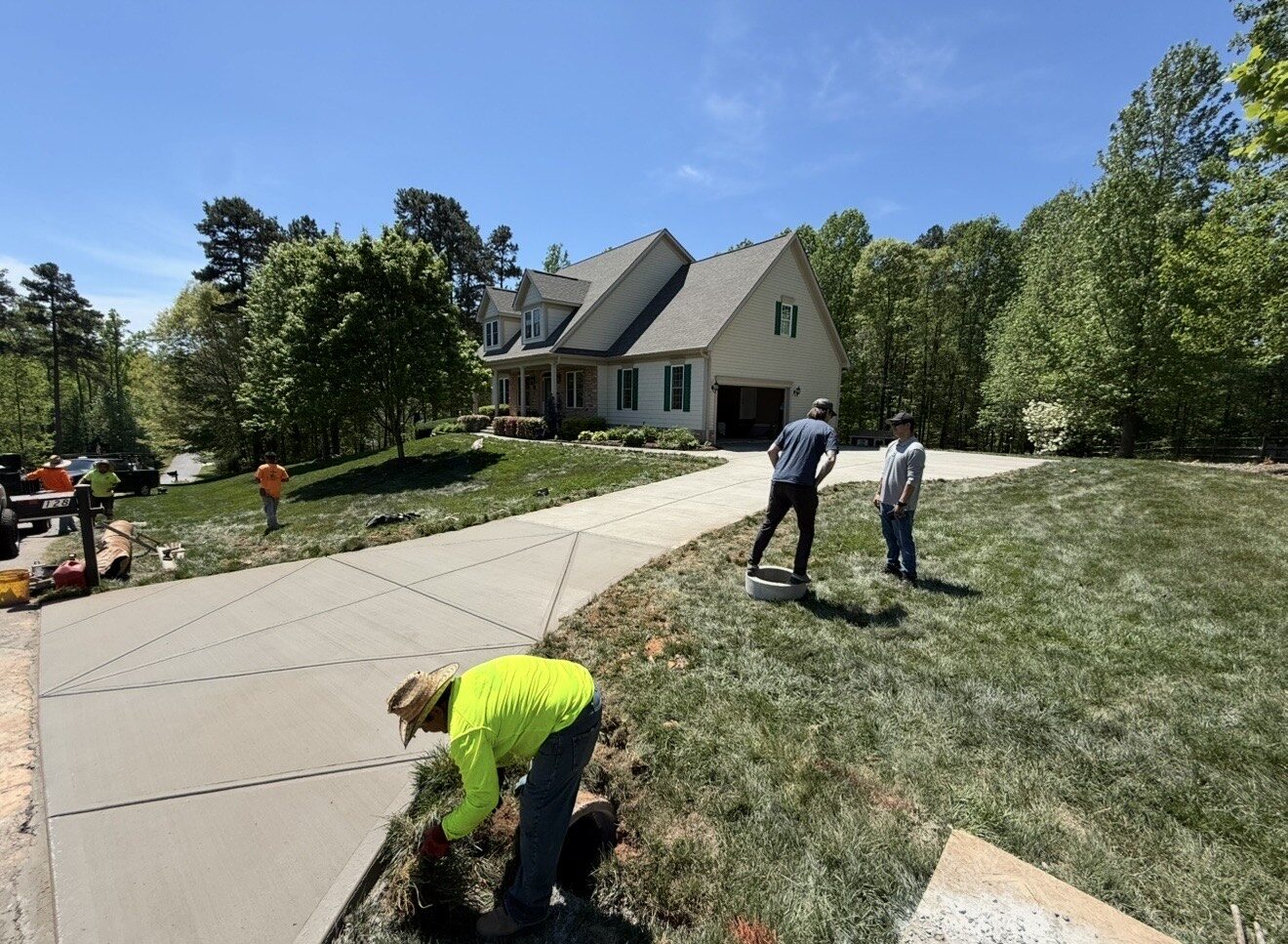
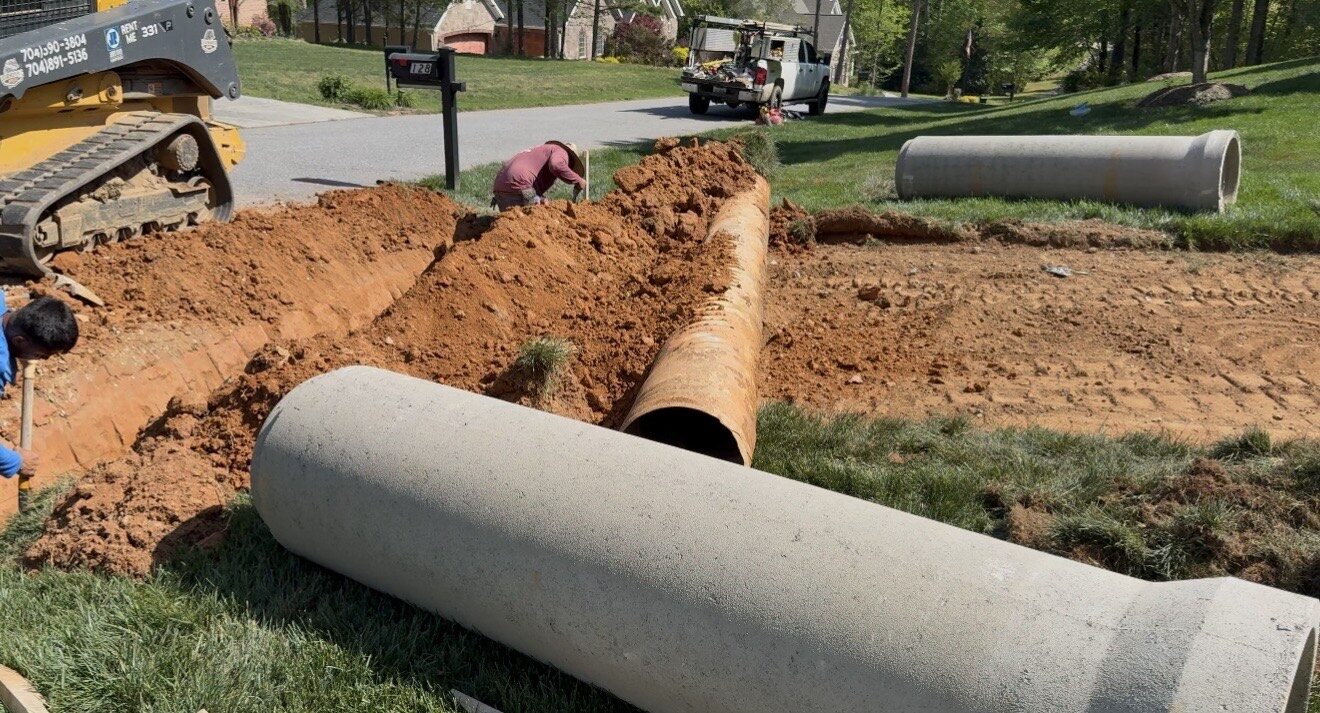
Driveway Replacement
Tear out + fresh pour
Ready to Start Your Concrete Parking Lots Project in Denver?
Ready to start your concrete parking lots project in Denver? Our team brings the expertise, materials, and attention to detail that Denver property owners expect. We understand Lincoln County's unique challenges and what it takes to create installations that last. Contact us today for a free consultation and see why Denver property owners choose us for their concrete needs.
Other Services We Offer in Denver
Concrete Driveways
Premium new driveway installation with custom finishes and superior durability.
Stamped Concrete
Decorative concrete patterning resembling stone, brick, slate, or wood.
Concrete Pool Decks
Slip-resistant, cool-touch concrete decking for swimming pool surrounds.
Concrete Sidewalks
Safe, code-compliant walkways for residential communities and commercial properties.
What are we building?
Select your project type.
Why Local Concrete Contractor?
- 01Precision craftsmanship
- 02Transparent pricing models
- 03Dedicated project manager
- 04Zero Deposit Required