



Trash & Dumpster Pads in Denver, NC
A concrete trash pad (or dumpster pad) is the slab that a commercial dumpster sits on and that the hauler's truck backs onto to lift and dump it — the small, hard-working piece of concrete behind every restaurant, retail store, office park, apartment community, and industrial tenant. Across the North Carolina Piedmont (Charlotte, Ballantyne, SouthPark, Matthews, Mint Hill, Concord, Huntersville, Mooresville, Weddington, Raleigh, Cary, Apex, Wake Forest, Chapel Hill, Durham, Greensboro, Winston-Salem, High Point, Hickory, and Statesville), trash pads deal with roughly 40-50 freeze-thaw cycles a year on top of continuous dumpster wheel loading and the point loads of a tandem-axle collection truck backing onto them one to three times a week. That combination is why trash pads fail earlier than the surrounding parking area if they're built to parking-lot spec, and why they need to be sized and reinforced as their own scope.
(980) 480-6489
Trash & Dumpster Pads Services in Denver
A concrete trash pad (or dumpster pad) is the slab that a commercial dumpster sits on and that the hauler's truck backs onto to lift and dump it — the small, hard-working piece of concrete behind every restaurant, retail store, office park, apartment community, and industrial tenant. Across the North Carolina Piedmont (Charlotte, Ballantyne, SouthPark, Matthews, Mint Hill, Concord, Huntersville, Mooresville, Weddington, Raleigh, Cary, Apex, Wake Forest, Chapel Hill, Durham, Greensboro, Winston-Salem, High Point, Hickory, and Statesville), trash pads deal with roughly 40-50 freeze-thaw cycles a year on top of continuous dumpster wheel loading and the point loads of a tandem-axle collection truck backing onto them one to three times a week. That combination is why trash pads fail earlier than the surrounding parking area if they're built to parking-lot spec, and why they need to be sized and reinforced as their own scope.
This page covers what a concrete trash pad actually is, how Local Concrete Contractor approaches trash pad work, what the coverage area looks like across NC, what a Local Concrete trash pad quote spells out that most contractors won't, what the client experience looks like from first site walk to final walkthrough, and the questions worth asking any concrete contractor before signing anything.
Why Choose Our Trash & Dumpster Pads Services in Denver
What a Concrete Trash Pad Actually Is
A concrete trash pad is a single continuous poured slab of concrete sized to hold the dumpster (or dumpsters, if it's a two- or three-cart enclosure) plus enough working area for the collection truck to back onto the pad, lift the container, and set it back down. On most commercial properties in NC, the pad is 10 feet by 10 feet for a single 6- or 8-yard container, stepping up to 12 by 20 or larger for enclosures with multiple containers, compactors, or recycling stations. Pad thickness on trash pads runs 6 inches as the standard for a residential-hauler pickup cycle, stepping up to 7 or 8 inches on pads that see compactor trucks or high-frequency commercial collection. Reinforcement on trash pads is a #4 rebar mat on chairs at mid-slab, typically 12" or 16" on center in each direction, sized to handle both the static dumpster load and the concentrated wheel loads of the collection truck. The standard concrete mix is 4000 PSI on trash pads specifically because the loading pattern is closer to a commercial drive than a residential slab. Control joints get sawcut early to control where the slab cracks, and the pad slopes gently away from the building so water and any spilled liquid drains off the pad instead of pooling under the container or against the building wall. The piece most contractors miss on trash pads is the containment behind the dumpster. Without something behind the container, the truck's back-in ends up walking the dumpster into the building wall over time, and haulers routinely drop containers a foot or two off-target. The standard solutions are steel bumper rails set in the concrete behind the dumpster location, a low CMU block wall built at the back edge of the pad, or an enclosure of block or fencing wrapping three sides of the pad. Which one is right depends on how the enclosure is going to look, whether the property has an aesthetic standard for dumpster areas, and how much protection the building wall needs. Where the property wants a full enclosure with gates for aesthetic screening, the pad extends to include the gate footprint and the gate posts get set into the pour or into their own footings.
How Local Concrete Contractor Approaches Trash Pad Work
Local Concrete Contractor was started by a founder who lived out of his truck through several North Carolina winters before the company grew into what it is today — the best-reviewed concrete company in NC, with more than 1,000 verified 5-star client testimonies over fifteen years of installs across the Charlotte metro, the Raleigh Triangle, the Triad, and the Lake Norman area. That origin shapes how the company runs trash pad work today. The crews aren't day-labor pickups; they're finishers who've been on the job long enough to be treated as artisans and paid accordingly, which is what allows Local Concrete to get pad thickness and reinforcement right on the front end so the pad still looks like it did on install day after a couple hundred hauler pickups. The pay-on-completion structure is the piece commercial clients feel first, and it's unusual in this segment. Local Concrete funds the pad project — the ready-mix, the base stone, the rebar, the bumper rails or block wall behind the pad, the labor, the pump if the pad location can't be reached from the truck — on its own balance sheet. Commercial clients don't put down a deposit. They don't sign a progress-payment schedule. They pay once the pad is finished, the containment behind it is set, the pad has cured to the point it can accept the dumpster, and the decision-maker on their end has signed off. That is not how most commercial concrete gets built — the standard commercial arrangement involves a deposit at contract and progress draws through the pour. Local Concrete does not operate that way. Trash pads almost always tie into a hauler schedule that's already in place. The scoping conversation is always about staging — when the existing dumpster gets pulled and where it goes temporarily during the cure window, when the hauler is notified of the swap, and when the new pad can accept the container back on-site. Local Concrete coordinates the swap so the property isn't caught without a working dumpster location for longer than the cure requires.
Coverage Across Charlotte, Raleigh, the Triad, and Lake Norman
Local Concrete Contractor runs trash pad installs across most of the populated corridors of North Carolina. The Charlotte metro coverage includes Charlotte proper, Ballantyne, SouthPark, Myers Park, Pineville, Matthews, Mint Hill, Weddington, Waxhaw, Monroe, Fort Mill, Indian Trail, Gastonia, Belmont, and Kings Mountain. The Lake Norman side pulls in Mooresville, Cornelius, Davidson, Huntersville, and Denver. The Triangle covers Raleigh, Cary, Apex, Wake Forest, Chapel Hill, Durham, Fuquay-Varina, Holly Springs, Morrisville, and Garner. The Triad picks up Greensboro, Winston-Salem, High Point, Kernersville, and Burlington. Statesville, Hickory, Salisbury, Concord, and Kannapolis fill in the corridor between Charlotte and the Triad. Trash pad clients across that footprint include restaurants (quick-service and full-service) coordinating pads with their hauler and health-department constraints, retail centers replacing failed pads that were originally poured to parking-lot spec, property management companies scheduling pad replacements across a portfolio, industrial and light-manufacturing tenants adding pads for compactors, apartment community operators building enclosed dumpster areas, and healthcare campuses coordinating pads with medical-waste hauler requirements. A trash pad quote from Local Concrete anywhere in that footprint comes from the same operations team, the same finishing crews, and the same pay-on-completion terms. There's no franchise layer, no lead-broker markup, and no subcontracting the actual finishing work out to a stranger.
What a Local Concrete Trash Pad Quote Spells Out
A Local Concrete trash pad quote lists the specific dimensions and square footage of the pad, the pad thickness in inches (calibrated to the hauler's truck class and pickup frequency), the reinforcement type and spacing (rebar size, mat spacing on each axis, chair height), the base prep depth and material, the concrete mix PSI, the containment plan behind the pad (bumper rails, block wall, or full enclosure), any gate post embedment, the control joint layout and sawcut timing, the drainage direction and slope away from the building, coordination requirements with the hauler and the property's operating hours, the cure window before the dumpster can return to the pad, and a target install date. That level of quote detail lets property managers and owners compare bids honestly instead of comparing two totals with no idea what's actually different underneath them. A few things on a Local Concrete trash pad quote that most contractors won't put in writing: - **No deposit, no progress payments, no retention held.** Payment is due at completion, after the decision-maker signs off on the finished pad. - **The honest downsides upfront.** Concrete cracks (control joints exist to make sure it cracks along a sawcut line instead of randomly). Trash pads take real abuse from hauler trucks and will develop wear over years even when built to the right spec. Color changes as it ages against surrounding parking-area concrete. Where the previous pad failed because it was underbuilt for the hauler's truck class, the new pad has to be built for the actual load, not the old spec. - **Coordination with the hauler on swap timing** so the property isn't without a working dumpster location for longer than the cure requires. - **Video testimonials from past trash pad clients** — Local Concrete keeps a library of client-recorded walkthroughs of finished pads and will share the ones from a market close to yours, on request. - **A standing offer to speak with past commercial trash pad clients.** - **Certificate of liability insurance on request** before mobilization. That combination — spec transparency, no upfront money, hauler coordination, honest downsides, live reference offer, insurance on request — is a filter that most contractors quietly fail on trash pad scopes.
What the Client Experience Actually Looks Like
A trash pad project with Local Concrete follows a predictable rhythm. First call goes to a real person who takes the basic details — property address, contact for the decision-maker, existing dumpster location and container size, hauler name and pickup frequency, whether the enclosure is single-container or multi-container, whether a wall or full enclosure is planned, target timeline. A site walk gets scheduled within a few days, usually same-week in the core Charlotte and Raleigh markets. The walk is a real assessment — someone with a tape and a level meets the property manager or owner on-site, measures the pad footprint, checks the truck's back-in path and clearance to the building, notes the existing drainage and grade, looks at whether the previous pad failed and why, and asks what the containment plan behind the pad should be. The written quote follows within a couple business days and lists all the specs above. If the client has questions, the point of contact stays consistent — same person from quote through pour through walkthrough, not handed off to a call center. If the client wants to see finished trash pad work in their market, watch client walkthrough videos, or set up a call with a past pad client before signing, that happens at this stage. Certificate of liability insurance goes over on request. Coordination with the hauler on the swap timing gets set up before the pour date is locked in. On install day, the crew arrives with the base material, the forms, the rebar, the bumper rails or wall block if the containment scope calls for them, and the ready-mix order staged. The old pad (where a pad already exists) gets sawcut and removed. Base prep and forming happen next, per the schedule the quote laid out. Where the property is operating, the pour and staging plan works around the tenant — the existing dumpster gets pulled to a temporary location coordinated with the hauler, barricades and cones staged for pedestrian and vehicle safety, or the work runs after-hours where the operation can't accommodate work during the day. Rebar goes down on chairs. The pad is poured, screeded, floated, sloped away from the building, and finished with a broom finish for traction. Control joints get sawcut early, within the timing the jointing plan calls for. The containment (bumper rails, block wall, or enclosure) gets set. Then the pad sits through the cure window before the dumpster comes back onto it. Final walkthrough happens with the client's decision-maker, sign-off is on the finished pad, and the invoice is due at that walkthrough.
Questions Worth Asking Any Concrete Contractor Before Signing
Whether the quote is from Local Concrete or from another contractor, the same questions apply on a trash pad project — and the answers tell property managers and owners a lot about who they're actually hiring: - Is a deposit, progress payment, or retention required, or is payment due at completion? - What PSI is the concrete mix on this specific pad? - What pad thickness, and what reinforcement — rebar size, mat spacing, chair height? - Is the pad thickness calibrated to the hauler's truck class and pickup frequency, or is it defaulted to parking-lot spec? - What containment is going behind the pad — bumper rails, block wall, or full enclosure — and how does it protect the building? - Which direction does the pad drain, and does the drainage move liquid away from the building wall? - When will control joints be cut, and where? - How is the swap with the hauler coordinated so the property isn't without a dumpster for longer than the cure window? - Can you provide a certificate of liability insurance before mobilization? - Can I see video walkthroughs or talk to a past trash pad client who had similar work done in my market? A contractor who does trash pad work every day has quick, specific answers to all of these. Vague answers on any of them, especially around thickness-for-hauler-class and containment, are worth taking seriously as a signal to keep looking.
Key Features & Benefits
Our Trash & Dumpster Pads Process in Denver
Specialized Assessment
Specialty projects in Denver require detailed evaluation of specific requirements. We assess structural needs, load requirements, and unique challenges your Denver property presents. Our assessment considers Lincoln County's building codes and the specialized nature of your project.
Custom Engineering
Specialty concrete work in Denver demands custom engineering solutions. We design installations that meet specific structural requirements, account for Lincoln County's soil conditions, and ensure long-term performance for your Denver project.
Specialized Preparation
Preparation for specialty projects in Denver involves unique considerations based on the specific application. We prepare sites according to the specialized requirements of your project, ensuring optimal conditions for installation in Lincoln County.
Expert Installation
Our crew installs specialty concrete using techniques and materials suited to your specific application in Denver. We understand the unique requirements of specialty projects and ensure proper execution for your Lincoln County property.
Specialized Inspection
Specialty projects in Denver require detailed inspections to verify structural integrity and performance. We conduct thorough checks and provide documentation specific to your project type, ensuring your Lincoln County installation meets all requirements.
Denver Specific Considerations
Denver Soil Conditions
Understanding Denver's soil composition is crucial for proper concrete work. Denver in Lincoln County requires concrete work that can withstand North Carolina's climate and soil conditions. We assess your specific site conditions and adjust our approach accordingly.
Lincoln County Building Codes
Every Denver project must comply with Lincoln County building codes and regulations. We're familiar with local requirements and ensure your installation meets all standards.
HOA Requirements
Many Denver neighborhoods have HOA guidelines that affect concrete work. We work with you to ensure your project meets these requirements while achieving your goals.
North Carolina Climate
Denver experiences North Carolina's freeze-thaw cycles, which can damage improperly installed concrete. Our work is specifically designed to withstand these conditions.
Drainage Planning
Proper drainage is essential in Denver, where heavy rains can cause flooding. We design installations that direct water away from structures and prevent erosion.
Material Selection
The right materials for Denver projects differ from other areas. We select concrete mixes, reinforcements, and sealants optimized for Lincoln County's climate conditions.
Neighborhoods We Serve in Denver
Frequently Asked Questions About Trash & Dumpster Pads in Denver
How much does trash & dumpster pads cost in Denver?
Pricing for trash & dumpster pads in Denver varies based on project size, site conditions, material choices, and complexity. Denver projects typically range based on square footage, accessibility, and specific requirements. We provide free, detailed estimates for all Denver projects that account for Lincoln County's specific conditions. Contact us for a personalized quote based on your Denver property's unique needs.
How long does trash & dumpster pads installation take in Denver?
Most trash & dumpster pads projects in Denver are completed within 1-5 days, depending on size, weather conditions, and complexity. We account for Lincoln County's weather patterns and work within optimal conditions. We'll provide a detailed timeline during your consultation, including permit processing times if applicable for your Denver project.
Do you serve all neighborhoods in Denver?
Yes, we serve Denver and surrounding Lincoln County areas, including Denver neighborhoods, Denver residential areas, Denver communities and many other Denver neighborhoods. Our service area covers residential and commercial areas throughout Lincoln County. Contact us to confirm service availability in your specific Denver location.
What makes your trash & dumpster pads services different in Denver?
Our trash & dumpster pads services in Denver use commercial-grade materials and techniques designed specifically for North Carolina's climate. We understand Denver's soil conditions, local building codes, weather patterns, and what Denver property owners expect. Our experience working throughout Lincoln County ensures your project is built to last in our local environment.
Do you handle permits for trash & dumpster pads projects in Denver?
Yes, we handle all necessary permits and inspections for trash & dumpster pads projects in Denver. We're familiar with Lincoln County building codes and requirements, ensuring your project meets all local regulations. We coordinate with municipal authorities and schedule inspections, making the process seamless for Denver property owners.
What areas near Denver do you serve?
We serve Denver and surrounding Lincoln County communities. Our service area includes nearby cities and neighborhoods within a reasonable distance of Denver. Whether you're in Denver neighborhoods or another Lincoln County location, we can help. Contact us to confirm if we serve your specific area.
Can you work with HOA requirements in Denver?
Absolutely. Many Denver neighborhoods have HOA guidelines that affect concrete work, including color restrictions, pattern requirements, and installation standards. We're experienced working with HOAs throughout Lincoln County and can help ensure your project meets all requirements while achieving your goals.
What maintenance does trash & dumpster pads require in Denver?
trash & dumpster pads in Denver requires regular maintenance to protect your investment in Lincoln County's climate. We recommend periodic cleaning, resealing every 2-3 years, and addressing any issues promptly. We provide detailed maintenance guidelines specific to Lincoln County's weather patterns when we complete your Denver project.
Trash & Dumpster Pads in Denver, NC
This page is specific to Denver, NC (Lincoln County). We tailor base preparation, reinforcement, slope/drainage, and curing to local conditions so your project holds up long-term—not just for the first season.
Related services in Denver, NC
Nearby service areas
If you’re near Denver, NC, these nearby city pages may also help:
Concrete Contractor Construction Portfolio
See the transformation. Drag the slider to reveal the restoration precision of our commercial and residential projects.
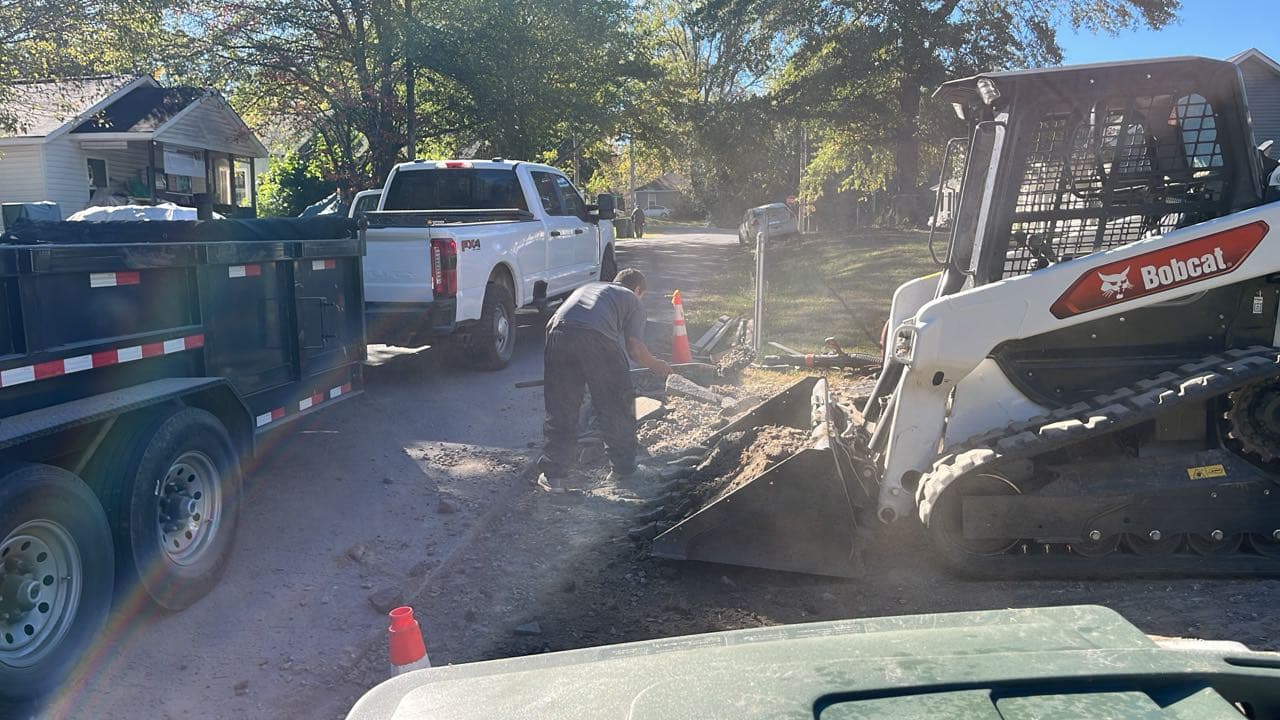
Finishing Touches in Motion
Watch our crew bring precision and artistry to the final stages of a premium concrete installation.
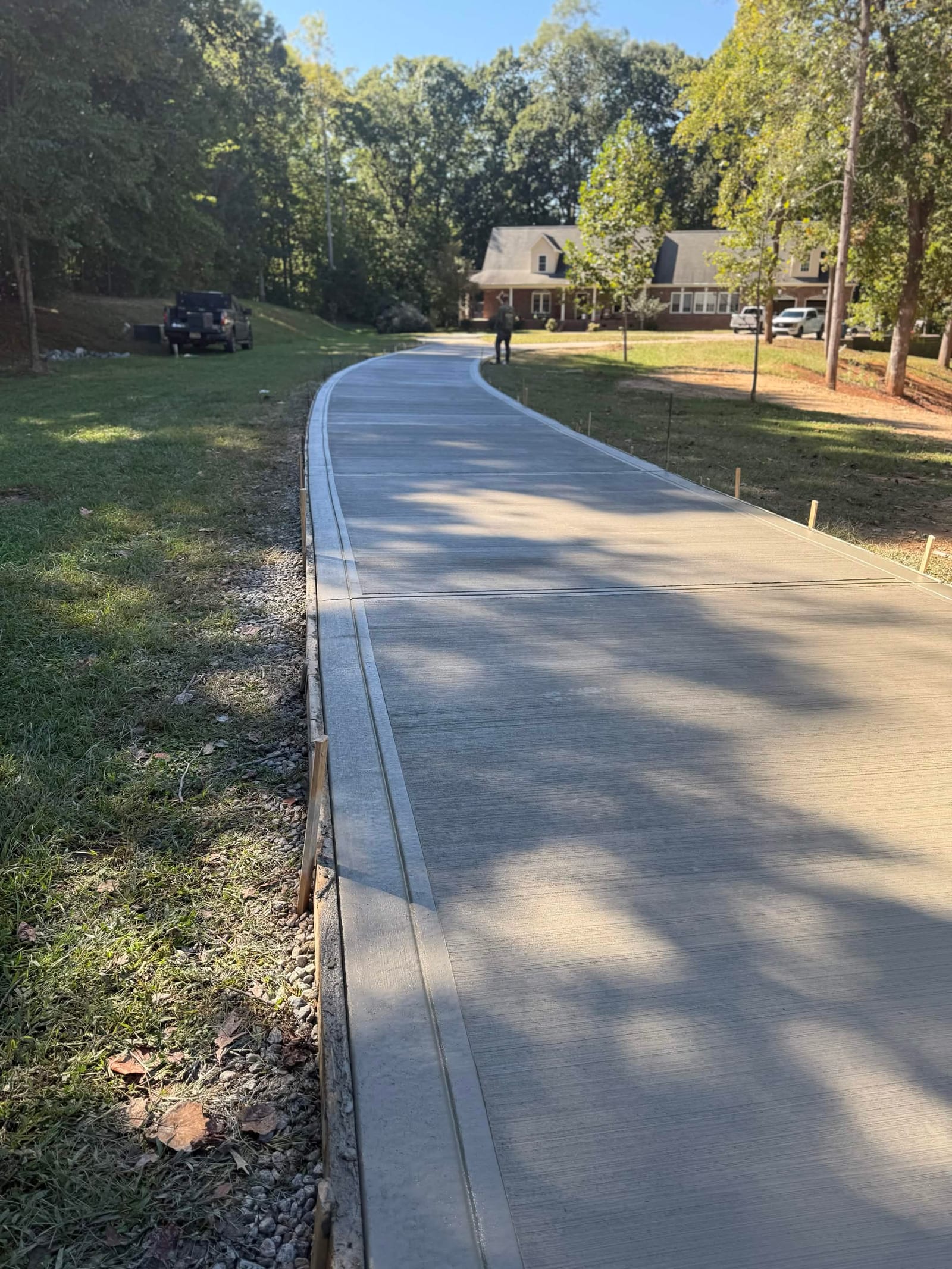

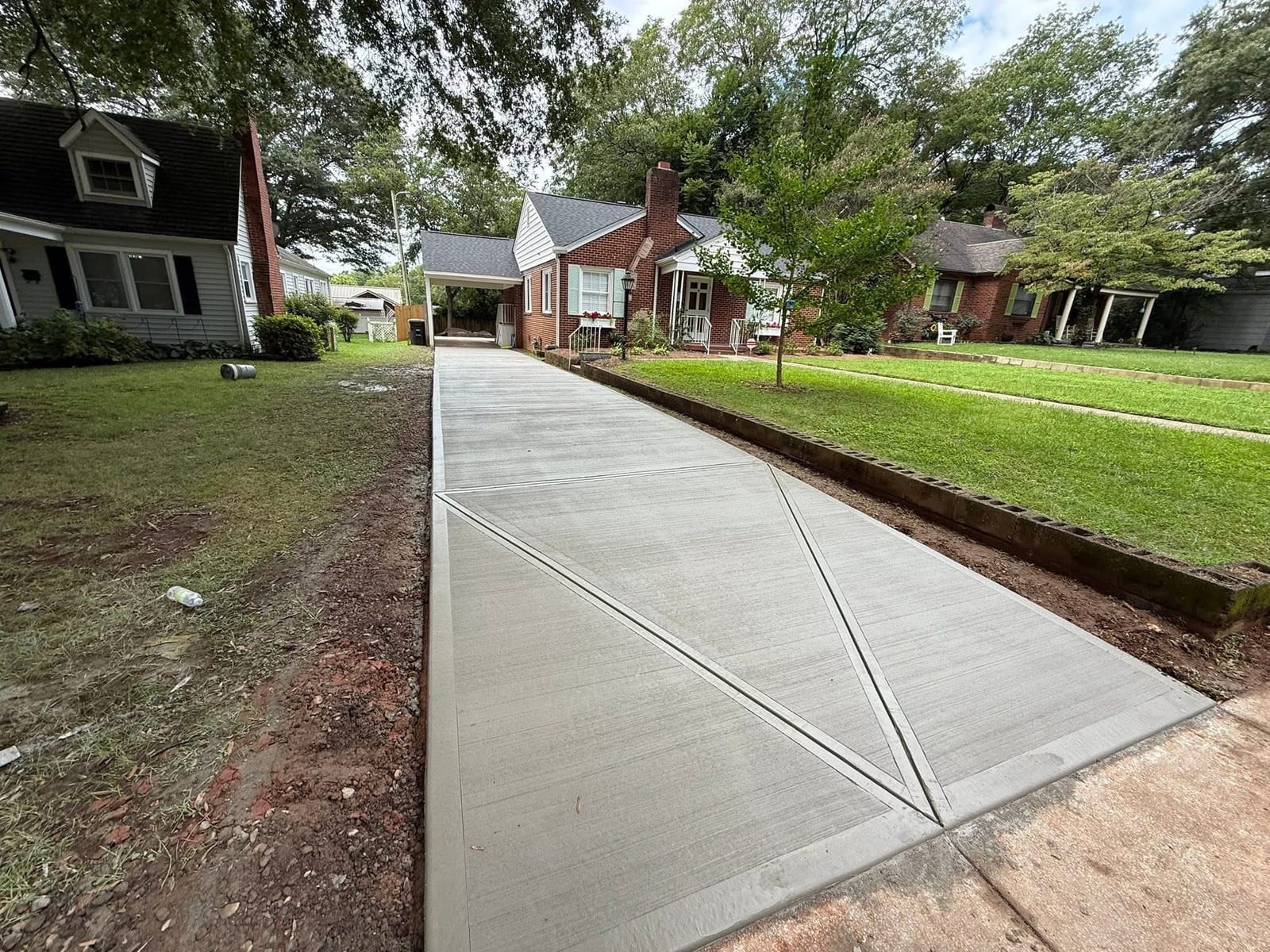
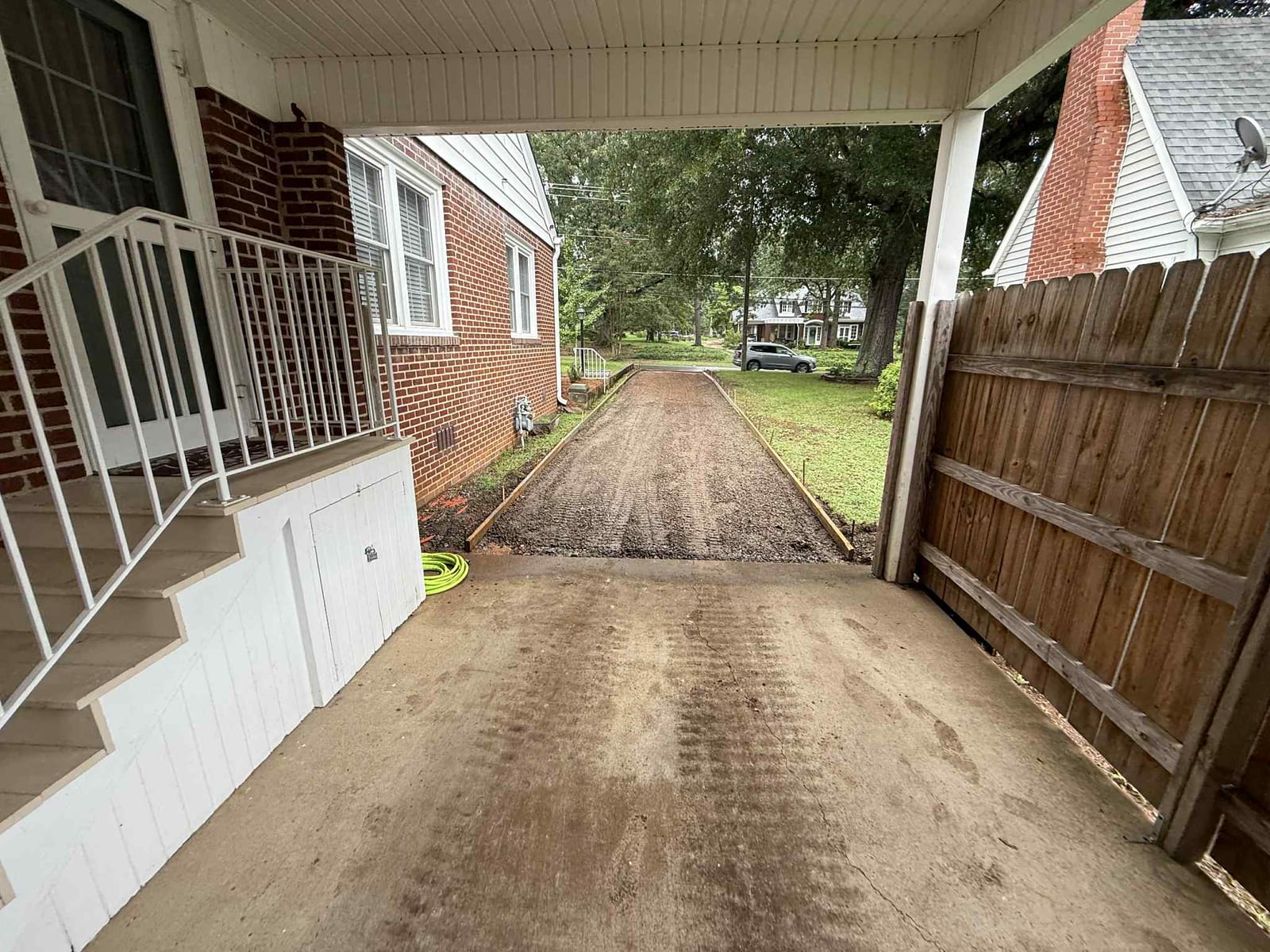
Driveway
Full residential replacement
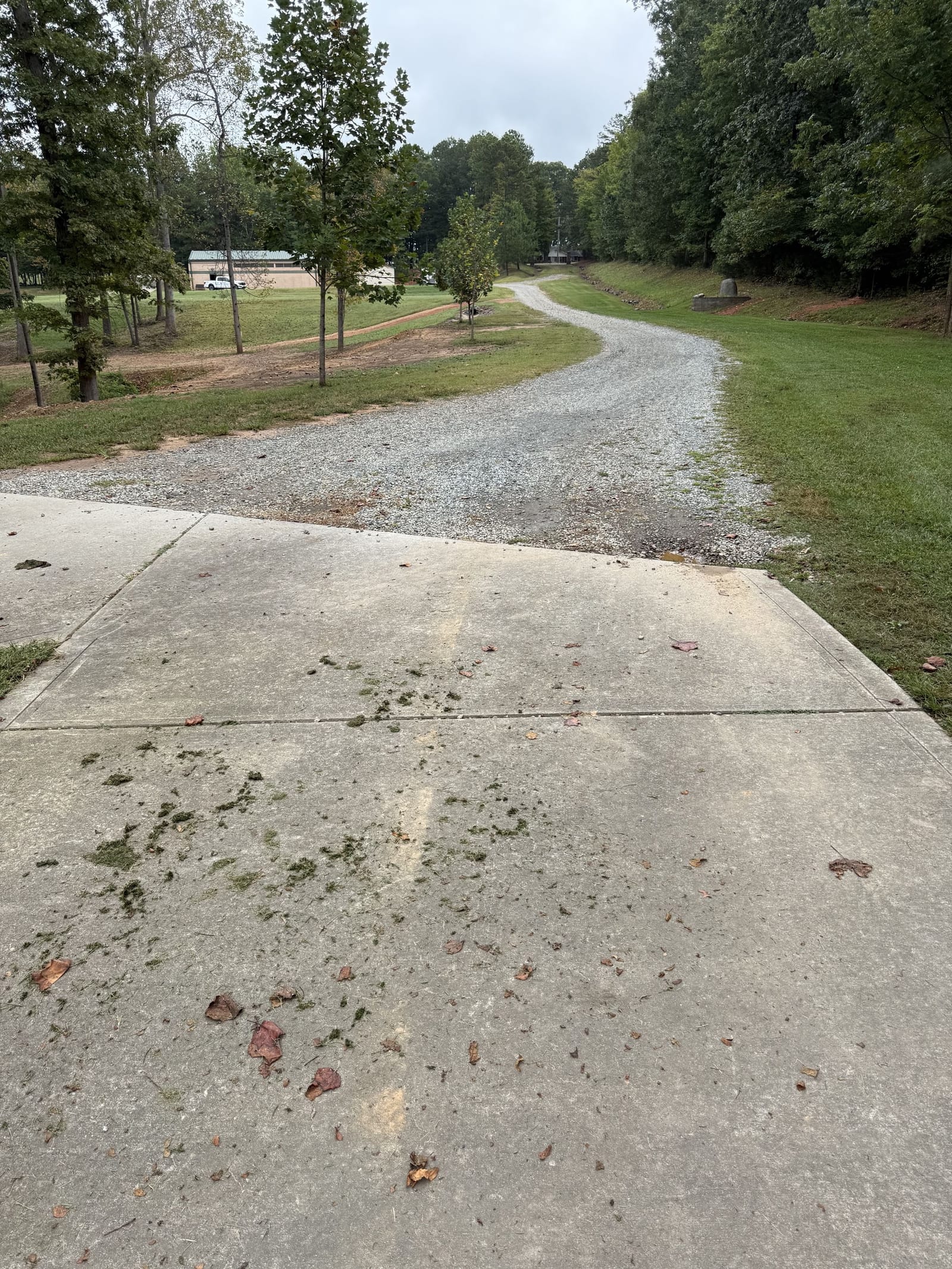
Driveway
Driveway revamp
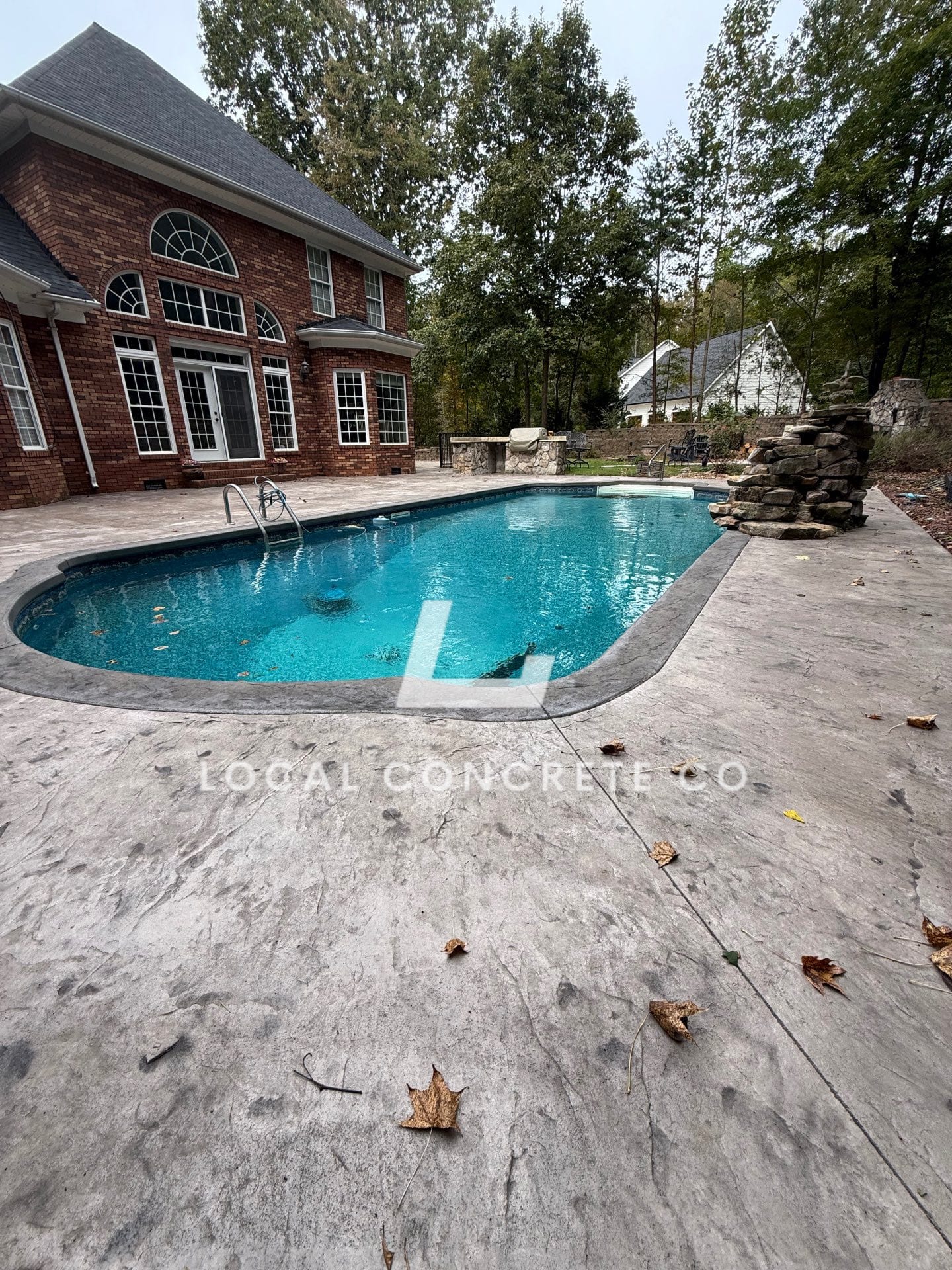
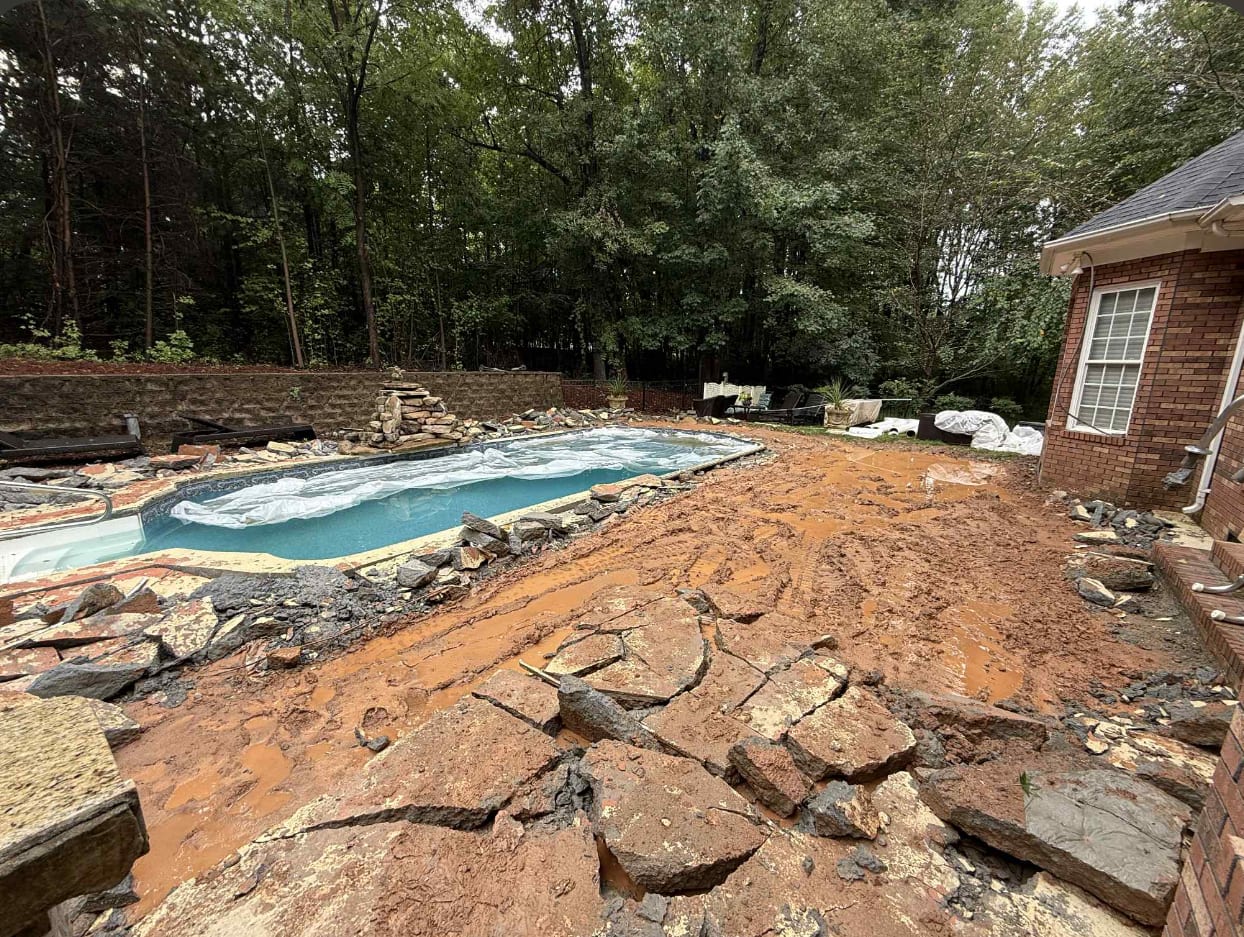
Stamped Pool Deck
Total demolition and replace
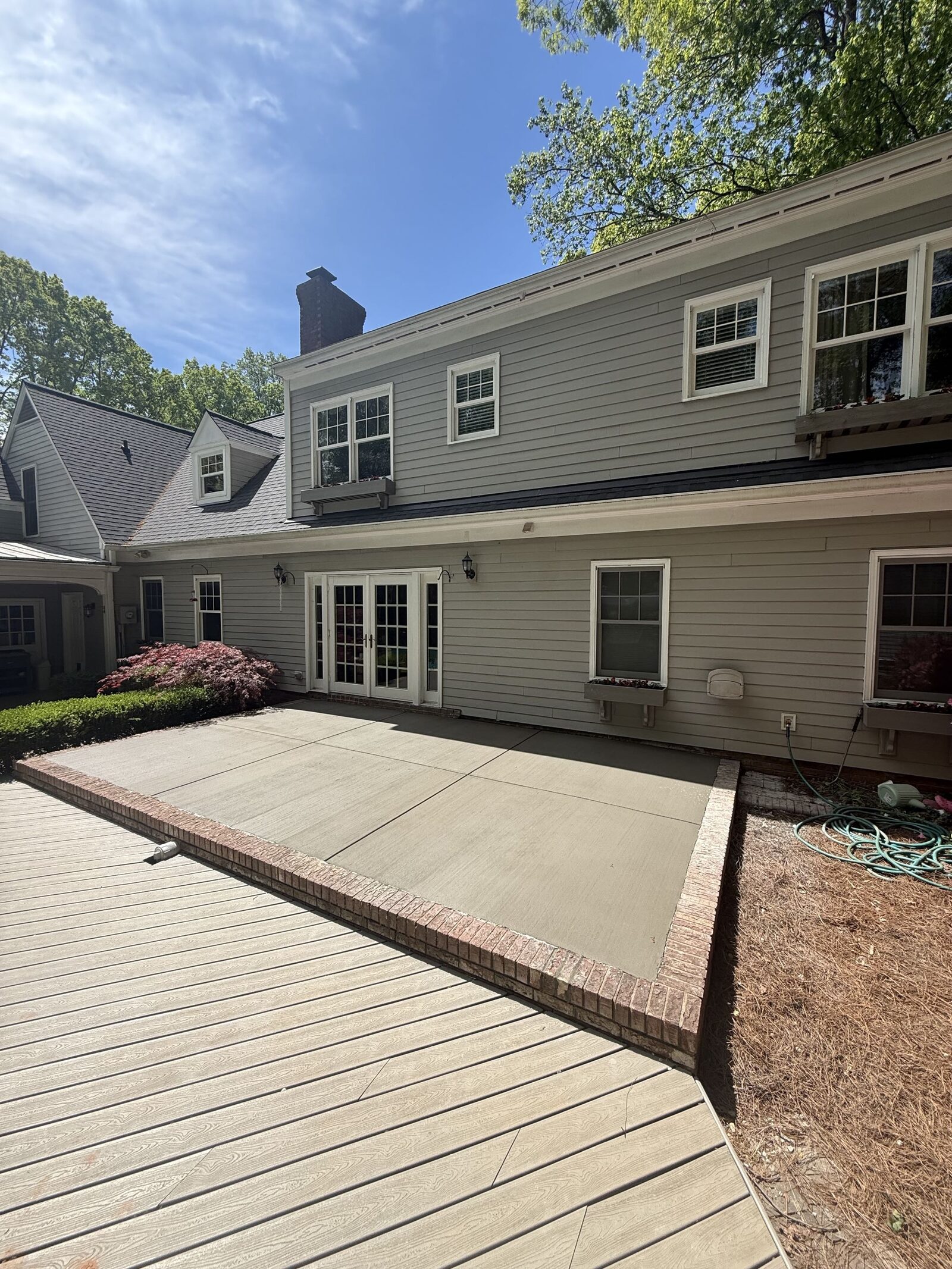
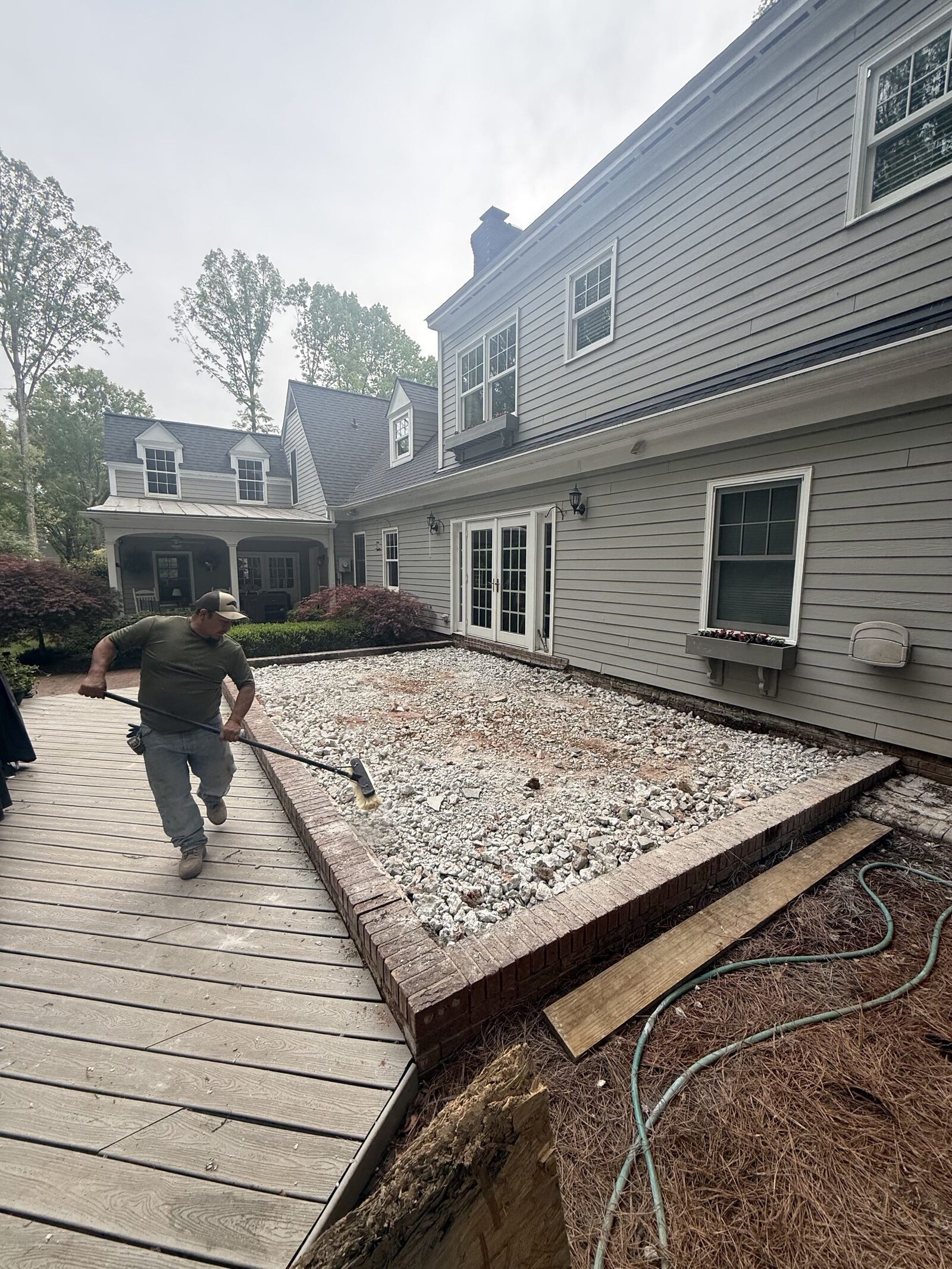
Patio Replacement
Old slab out, new finished slab in
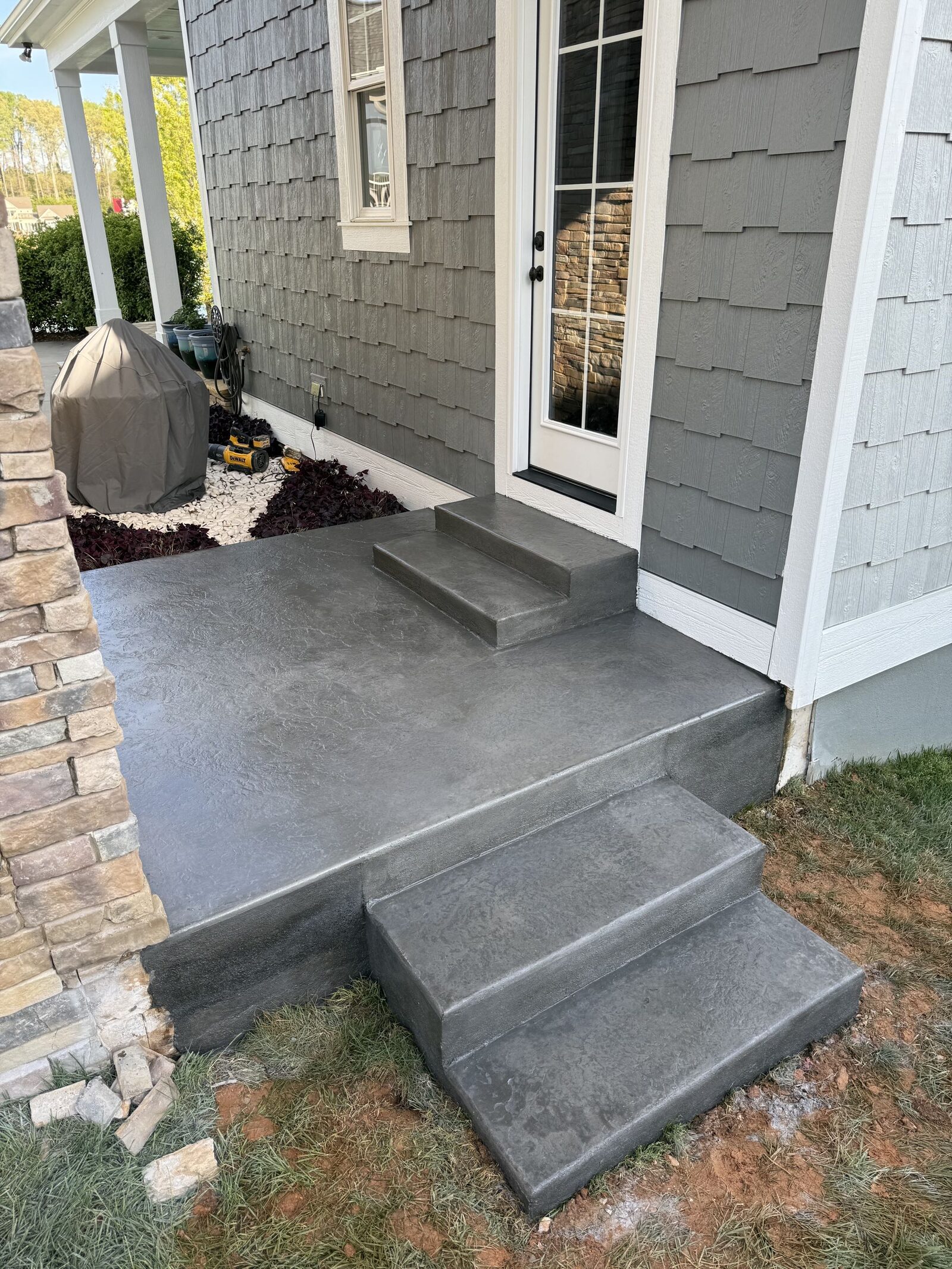
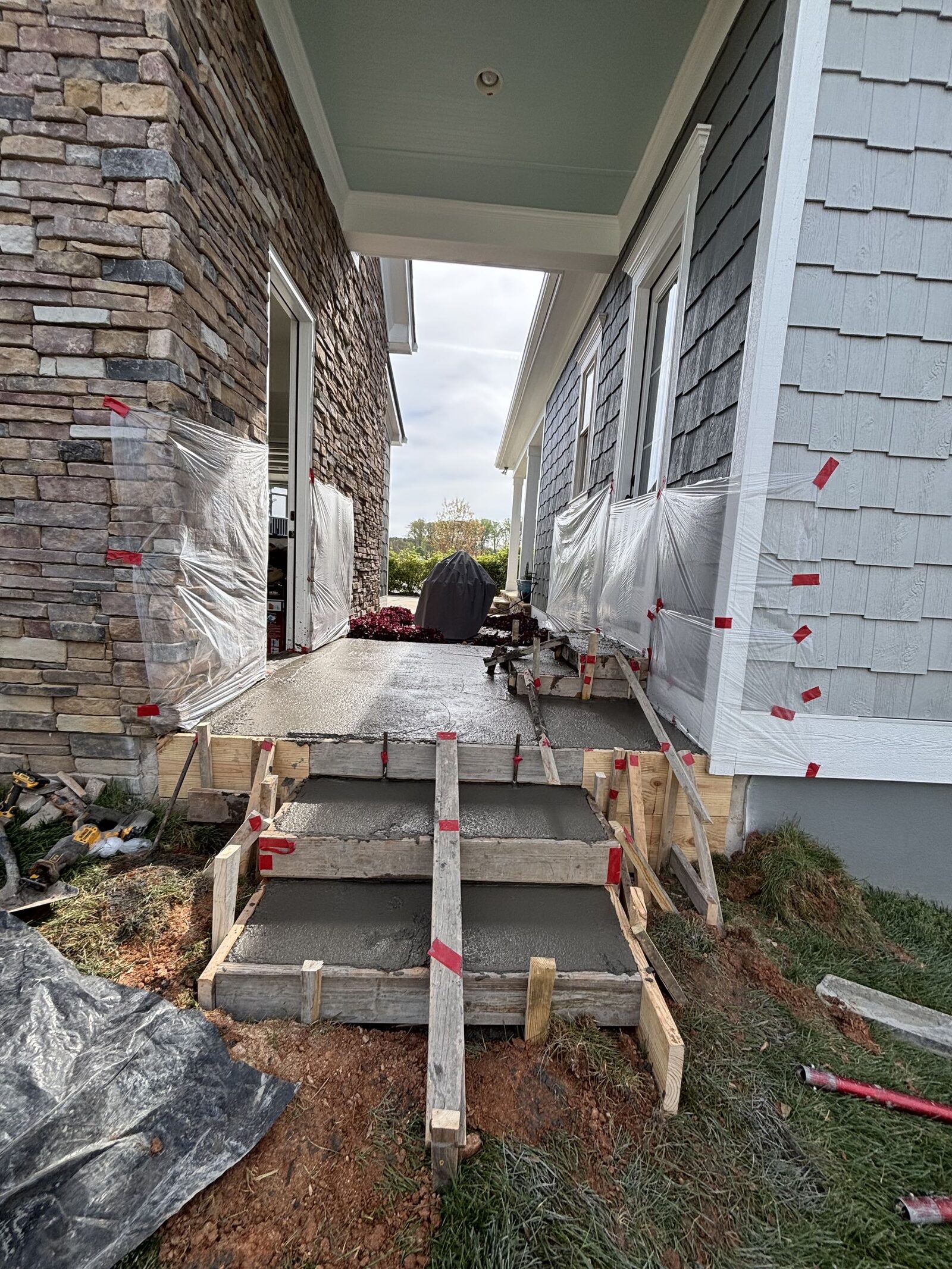
Stamped Concrete Landing
Custom stamped finish + edge tie-in
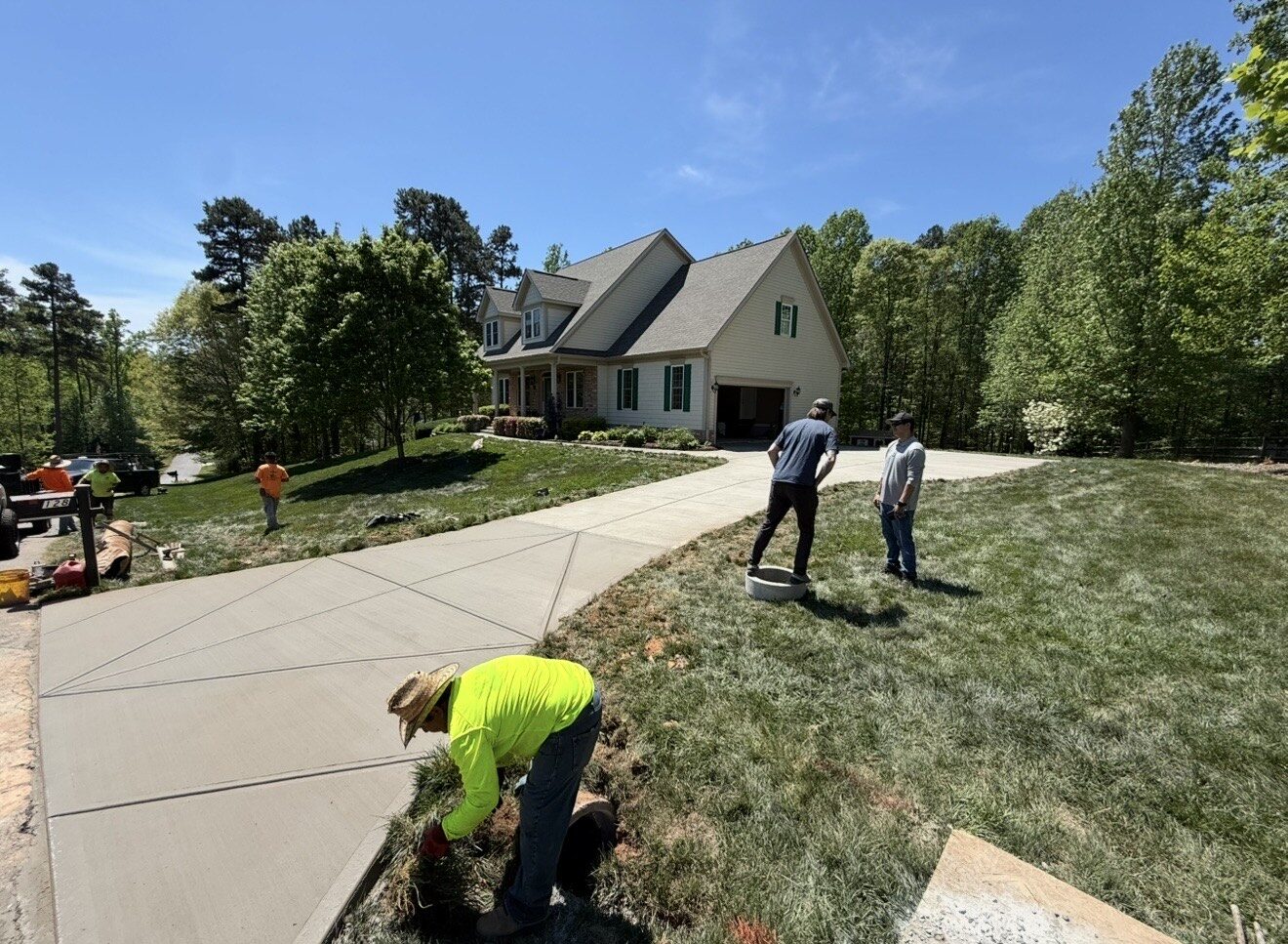
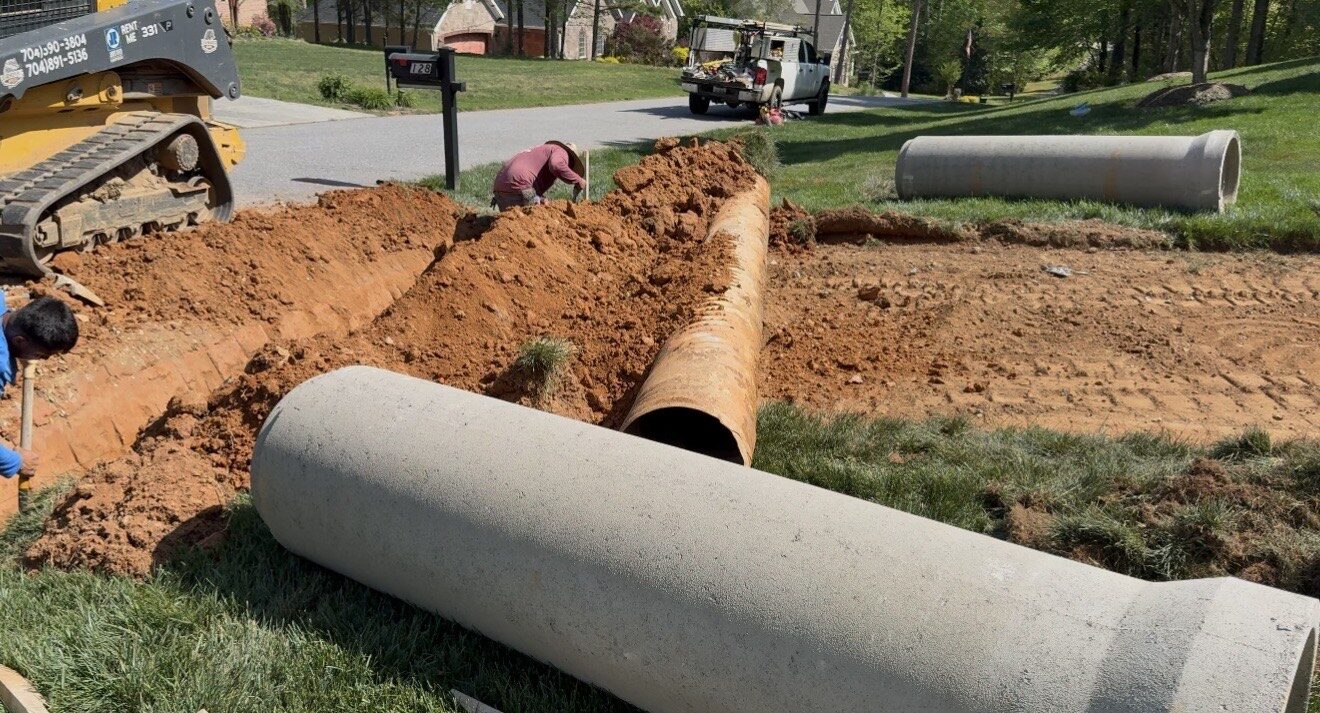
Driveway Replacement
Tear out + fresh pour
Ready to Start Your Trash & Dumpster Pads Project in Denver?
Ready to start your trash & dumpster pads project in Denver? Our team brings the expertise, materials, and attention to detail that Denver property owners expect. We understand Lincoln County's unique challenges and what it takes to create installations that last. Contact us today for a free consultation and see why Denver property owners choose us for their concrete needs.
Other Services We Offer in Denver
Concrete Driveways
Premium new driveway installation with custom finishes and superior durability.
Stamped Concrete
Decorative concrete patterning resembling stone, brick, slate, or wood.
Concrete Parking Lots
Commercial parking lot paving and civil infrastructure projects.
Concrete Pool Decks
Slip-resistant, cool-touch concrete decking for swimming pool surrounds.
What are we building?
Select your project type.
Why Local Concrete Contractor?
- 01Precision craftsmanship
- 02Transparent pricing models
- 03Dedicated project manager
- 04Zero Deposit Required