



Commercial Concrete Pads
Heavy-duty concrete pads for commercial equipment and industrial use.
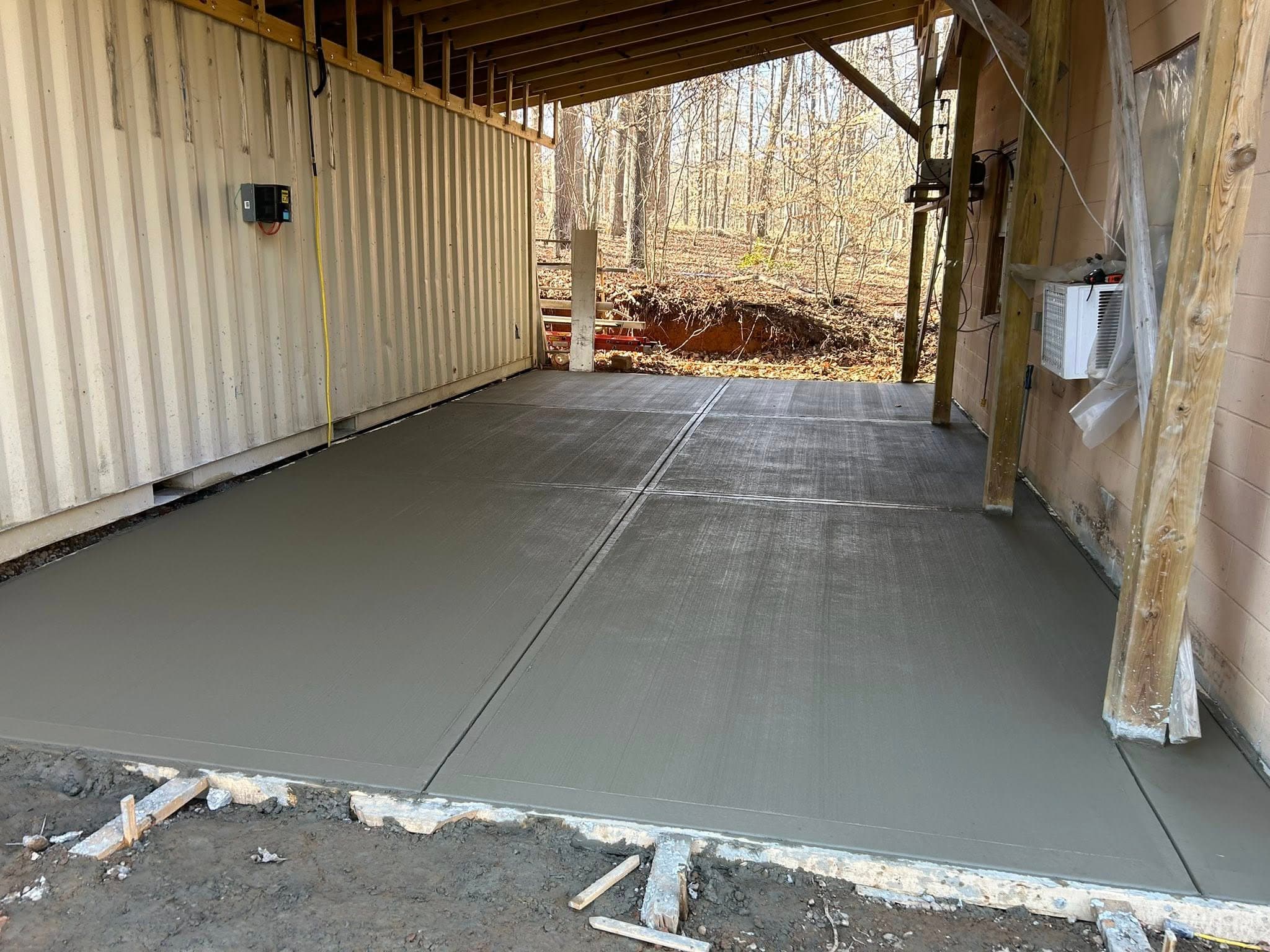
Concrete Company Services
Commercial equipment pads support concentrated weight—HVAC condensers, backup generators, compressors, transformers. Unlike a slab that spreads load across a large area, these pads bear the full weight of the machine on four or six mounting points. That requires thicker concrete, strategic reinforcement, and anchor bolts cast into the exact locations specified by the equipment manufacturer. If the bolts are off by even an inch, the equipment won't mount correctly.
We work from equipment cut sheets that show the mounting pattern, bolt sizes, and required embedment depth. Before we pour, we coordinate with electricians and plumbers to ensure conduit, gas lines, or electrical disconnects are roughed in at the right locations. The pad also needs to be level within tight tolerances—typically 1/8 inch over the length of the unit—so the equipment doesn't vibrate or drain improperly. These aren't backyard projects. They require precision and coordination with other trades to get it right.
Professional Concrete Contractor for Commercial Concrete Pads
Anchor Bolt Placement from Equipment Specs
Every piece of commercial equipment comes with a spec sheet that shows the exact spacing and size of mounting bolts. HVAC units might require 3/4-inch diameter bolts on 24-inch centers. Generators might need 1-inch bolts embedded 12 inches deep. We use templates built from these specs to position the bolts precisely before we pour.
If the bolts are even slightly misaligned, the equipment won't sit flat, which causes vibration, noise, and premature failure. We double-check measurements and use adjustable bolt cages that hold them vertical as the concrete sets.
Load-Rated Thickness for Point Loads
Equipment doesn't spread its weight evenly—it concentrates on four or six mounting feet. A 5-ton HVAC unit sitting on four points means each point carries over 2,500 pounds. Standard 4-inch residential concrete isn't rated for that kind of point loading. We pour commercial pads at 6 to 8 inches thick and reinforce them with a rebar grid tied on 12-inch centers.
We also thicken the pad in the zones directly under the mounting points, creating a reinforced footprint that won't crack under sustained load.
Coordination with Electrical and Gas Rough-Ins
Equipment pads don't exist in isolation—they need power, gas, or refrigerant lines. We coordinate with electricians and plumbers to stub out conduit, gas piping, or drain lines before we pour. If these trades show up after the concrete sets, they have to core-drill through the slab, which weakens it and adds cost.
We also ensure the rough-ins are positioned correctly relative to the equipment connection points so there's no need for awkward offsets or exposed piping.
Level Surface for Vibration Control
Rotating equipment like compressors, generators, and condenser fans vibrate. If the pad isn't level, the equipment sits unevenly on its mounts, amplifying vibration and causing noise. Most manufacturers specify a levelness tolerance of 1/8 inch over the length of the unit. We use a laser level during the pour to ensure the finished surface meets this spec.
A level pad also ensures condensate drains correctly. If an HVAC condenser sits tilted, the drain pan won't empty and you'll get water damage or corrosion.
Setbacks and Code Clearances
Building codes dictate how far equipment has to sit from property lines, windows, and combustible walls. Generators typically need 5-foot clearances for ventilation. HVAC units can't be placed where the discharge air blows onto walkways. We review local code requirements before we design the pad location to ensure compliance.
Ignoring these setbacks results in failed inspections and expensive relocation work.
Vibration Isolation Pad Integration
Some equipment requires vibration isolation pads—rubber or spring mounts that sit between the machine and the concrete to dampen vibration. These pads have specific height and compression ratings. We pour the concrete pad to a finished elevation that accounts for the thickness of the isolation pads so the final equipment height works with connected piping and electrical.
If we don't factor this in, the equipment ends up too high or too low and connections have to be re-worked.
Key Features at a Glance
Everything you need to know about what makes our commercial concrete pads services stand out.
High-strength concrete Commercial-Grade Concrete
Structural strength that exceeds residential standards
Steel Rebar Reinforcement Grid
1/2-inch grid system for superior tensile strength
Proper Drainage & Slope Management
Engineered to protect your property from water damage
Crack Control Joint System
Strategic joint placement prevents random cracking
Premium Sealant Application
Deep-penetrating protection against stains and UV damage
Freeze-Thaw Resistant Mix Design
Formulated to withstand harsh weather conditions
Zero Deposit Required
Pay in stages as work is completed, not upfront
Licensed & Insured
Fully protected and compliant with all regulations
Trusted by Thousands of Clients
Join the growing community of satisfied customers
What are we building?
Select your project type.
Why Local Concrete Contractor?
- 01.Precision craftsmanship
- 02.Transparent pricing models
- 03.Dedicated project manager
- 04.Zero Deposit Required
Concrete Contractor Construction Portfolio
See the transformation. Drag the slider to reveal the restoration precision of our commercial and residential projects.
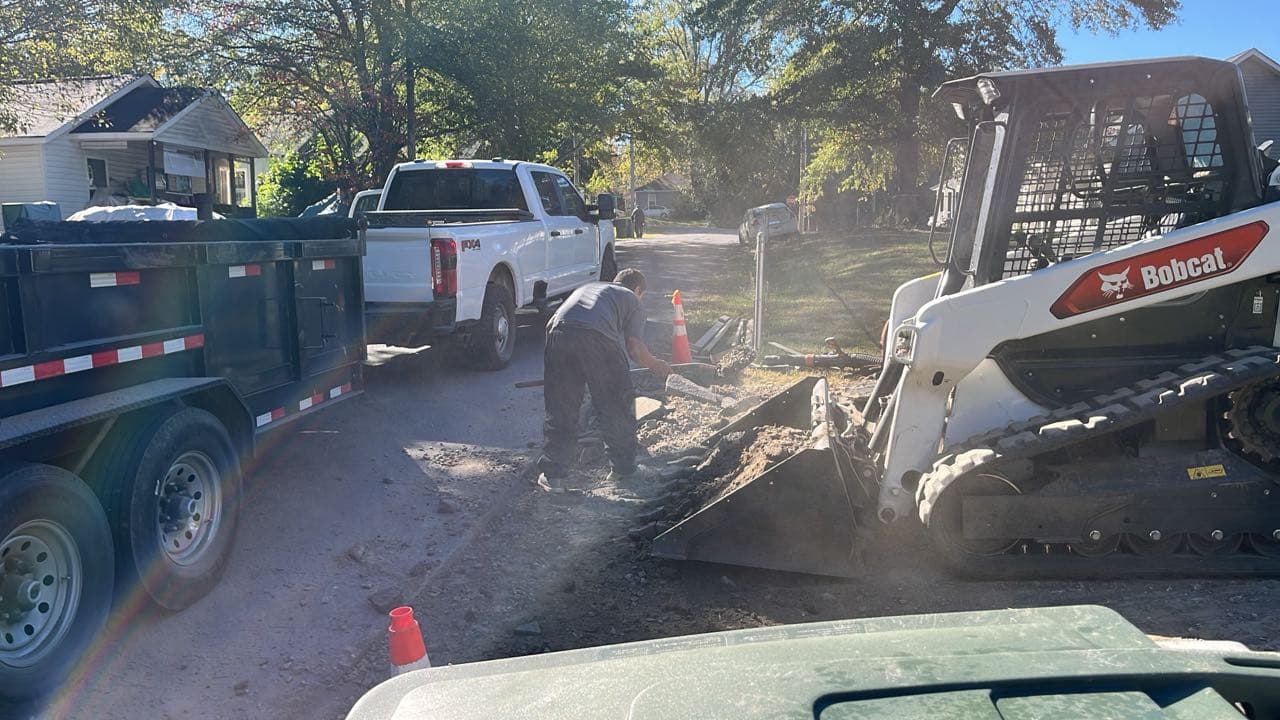
Finishing Touches in Motion
Watch our crew bring precision and artistry to the final stages of a premium concrete installation.
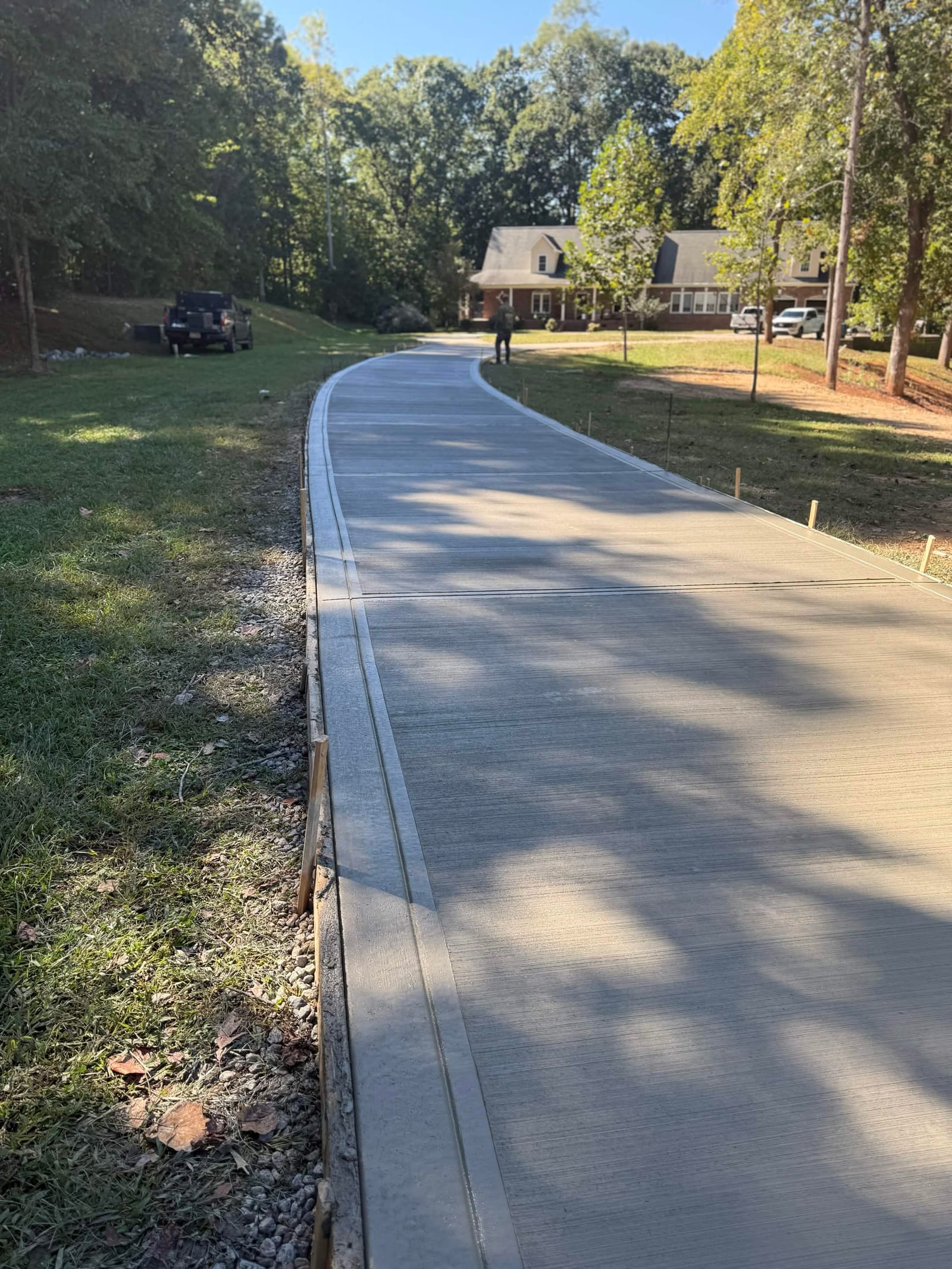

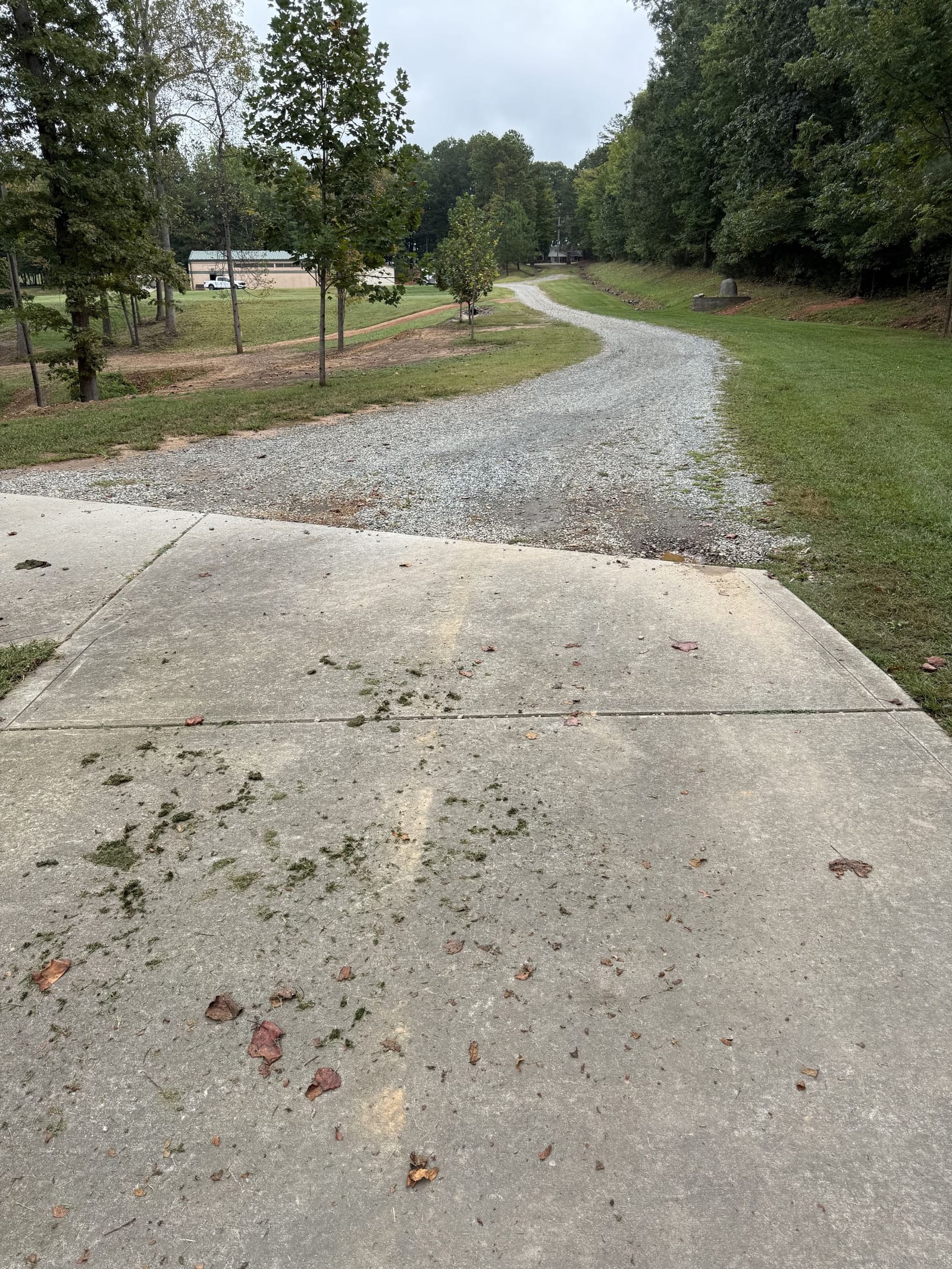
Driveway
Full residential replacement
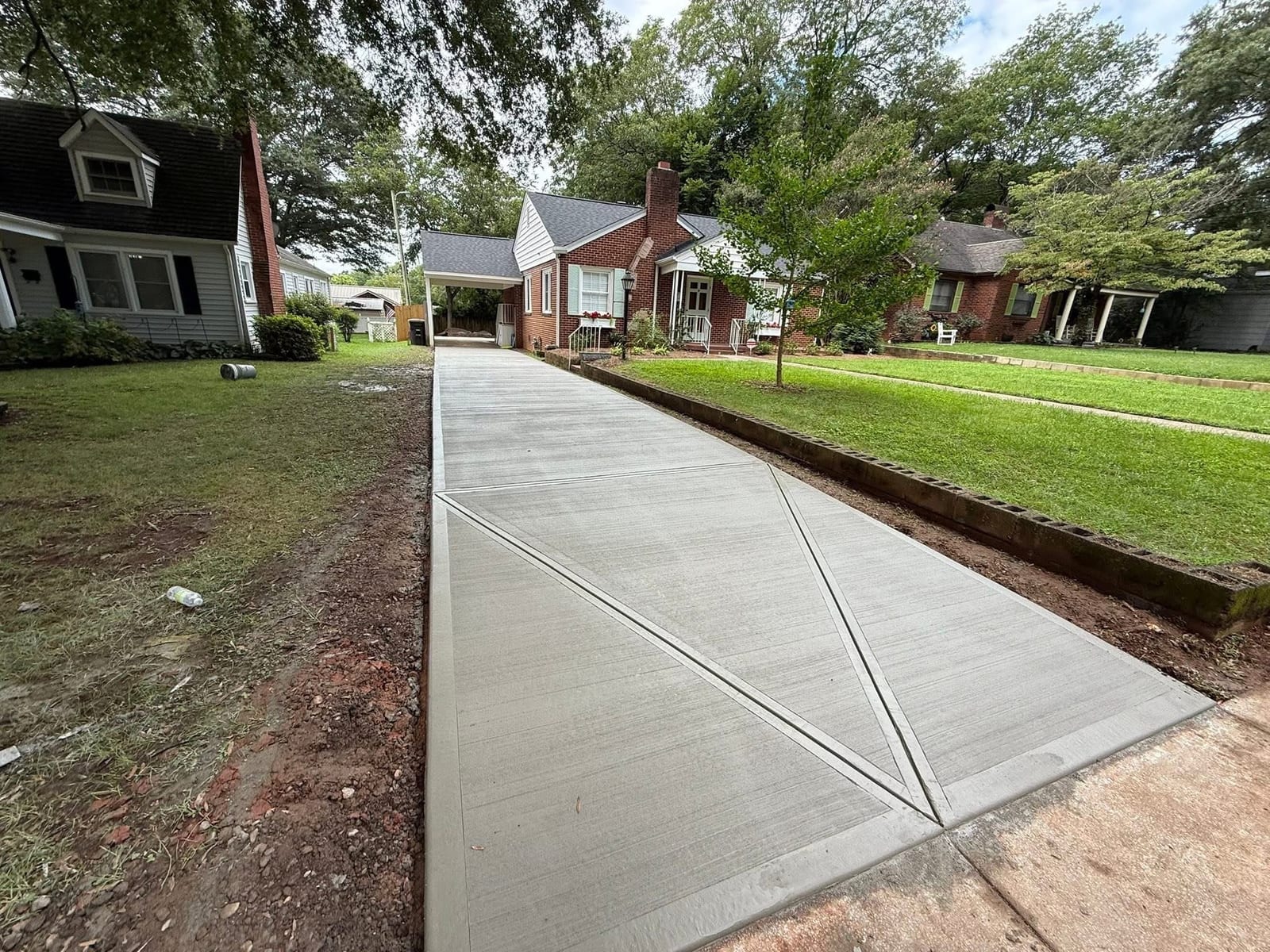
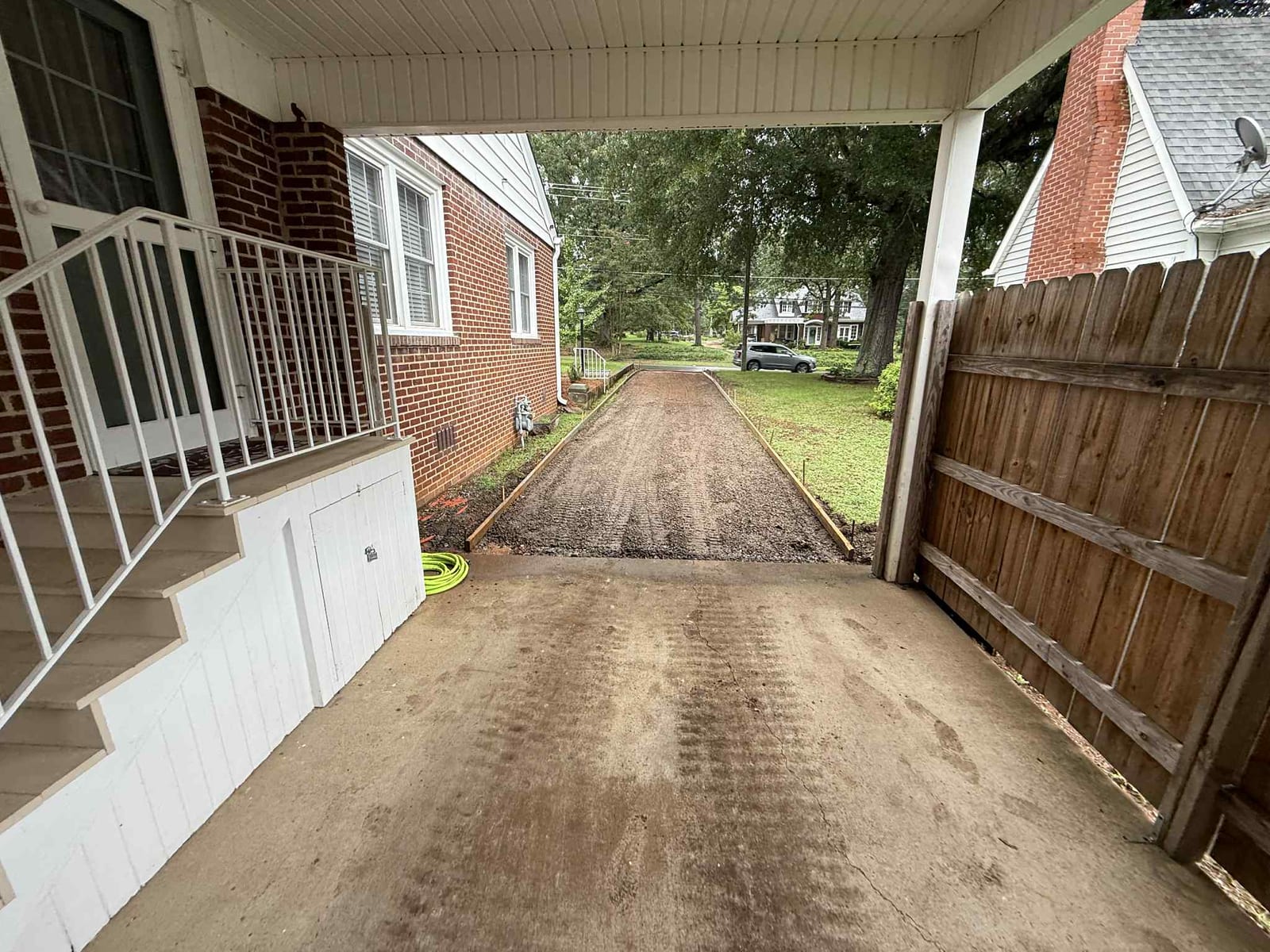
Driveway
Driveway revamp
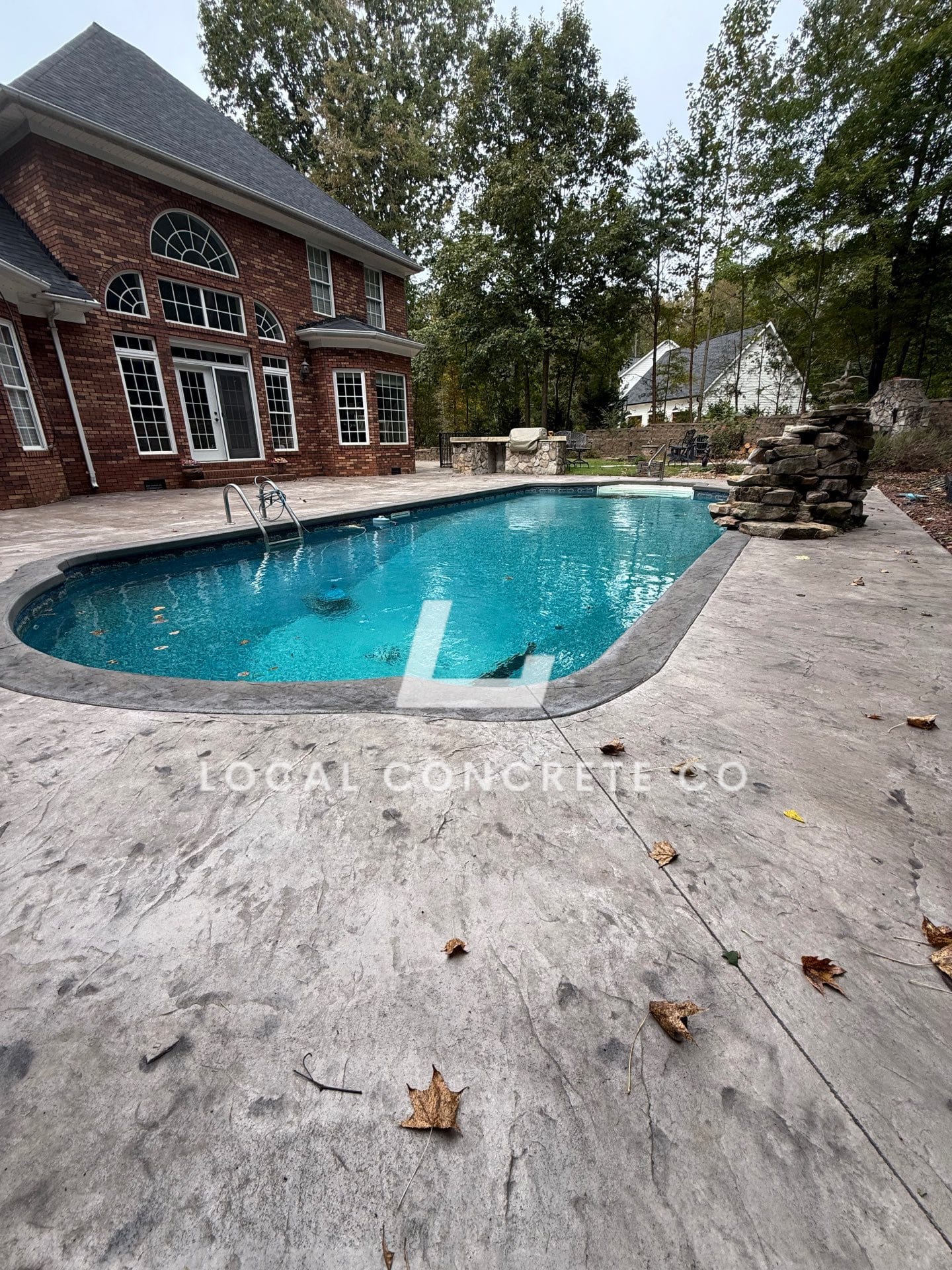
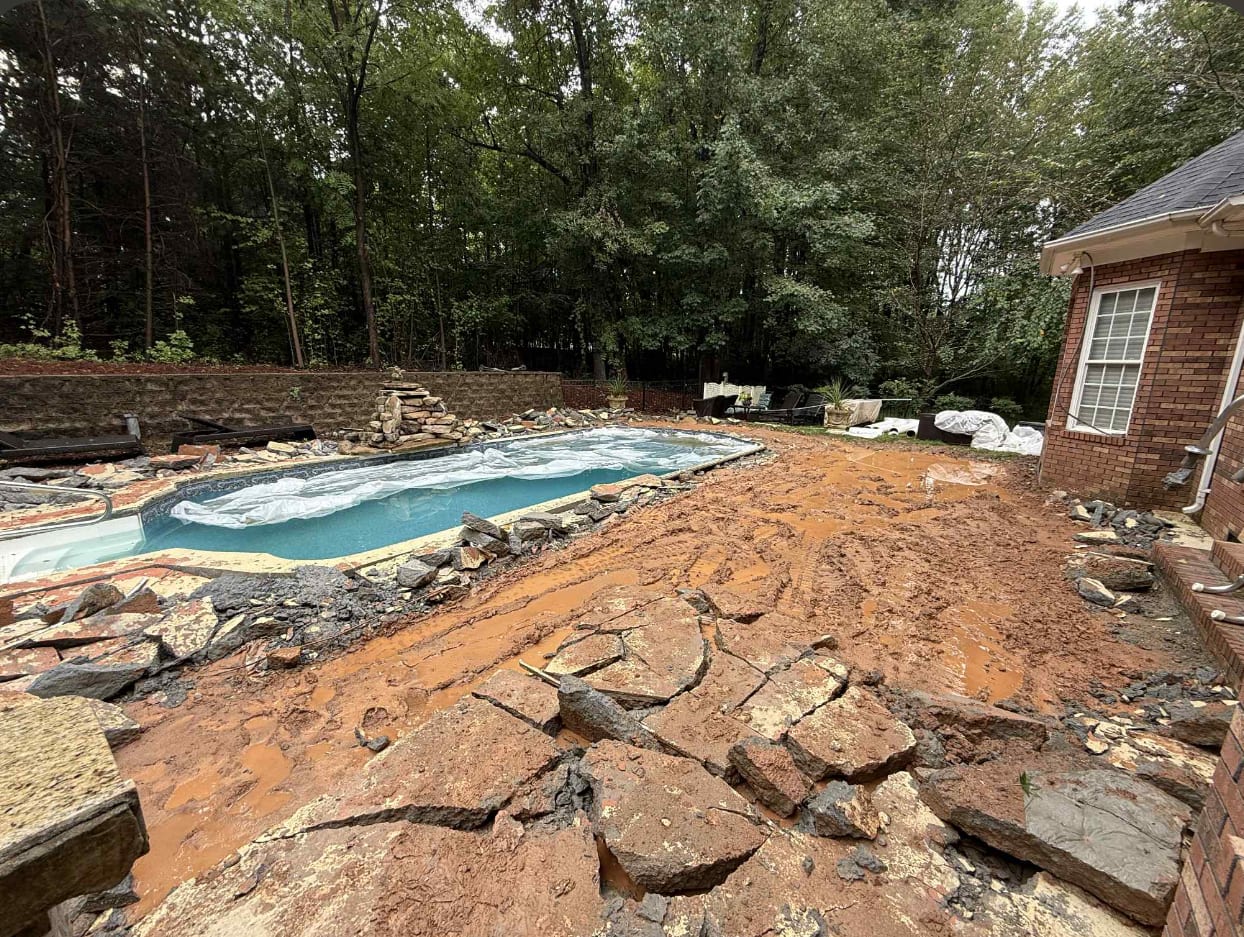
Stamped Pool Deck
Total demolition and replace
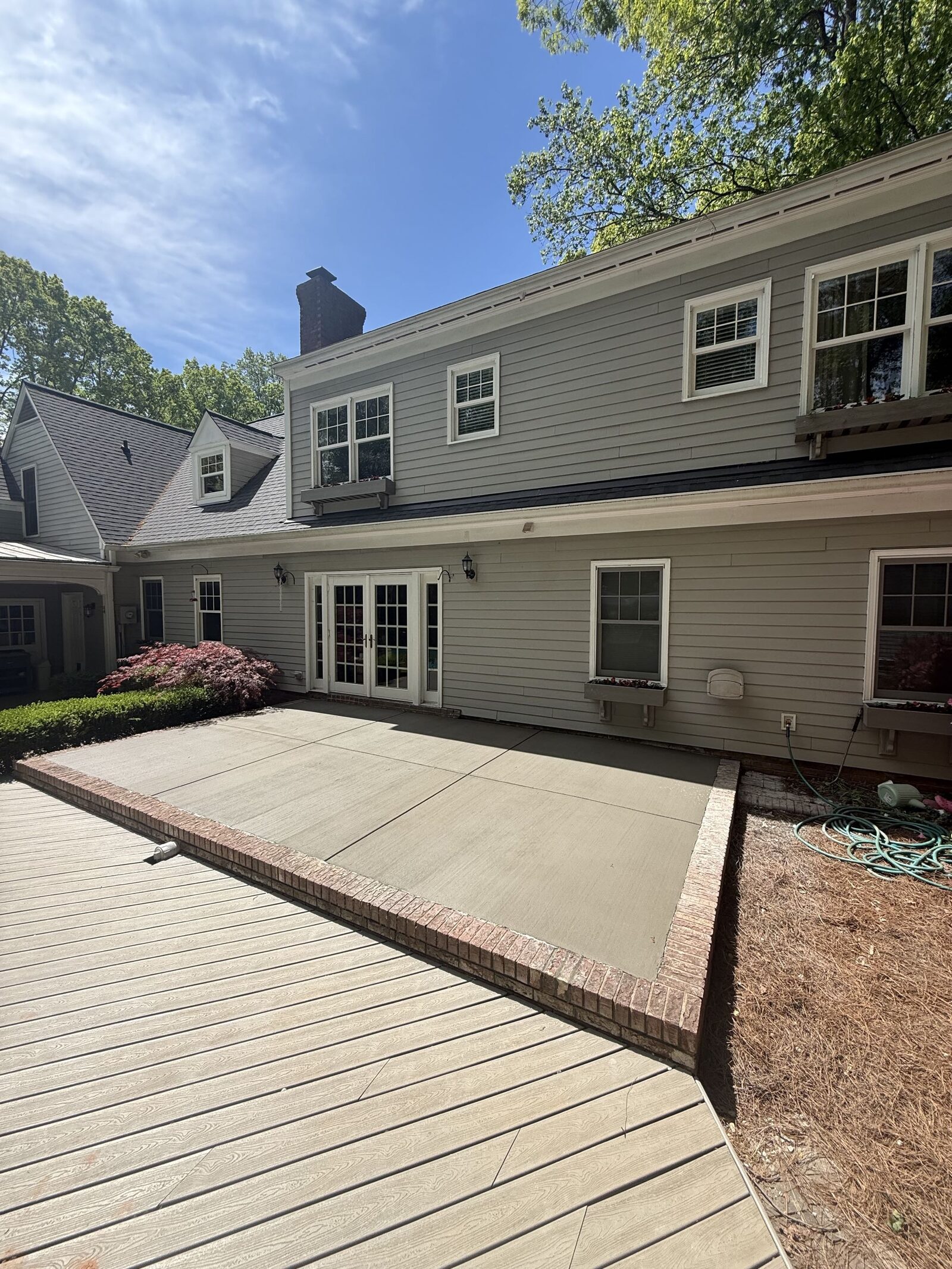
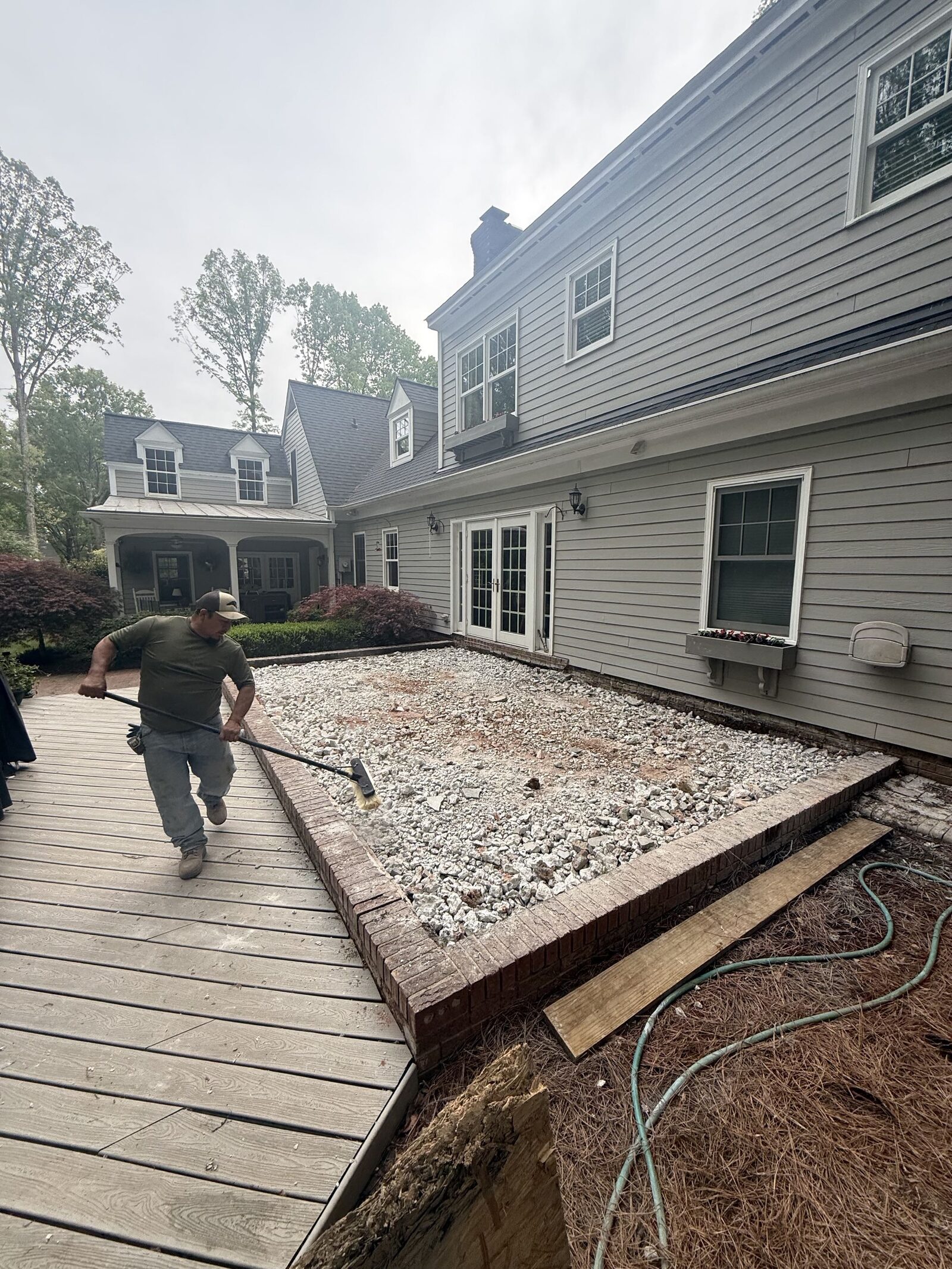
Patio Replacement
Old slab out, new finished slab in
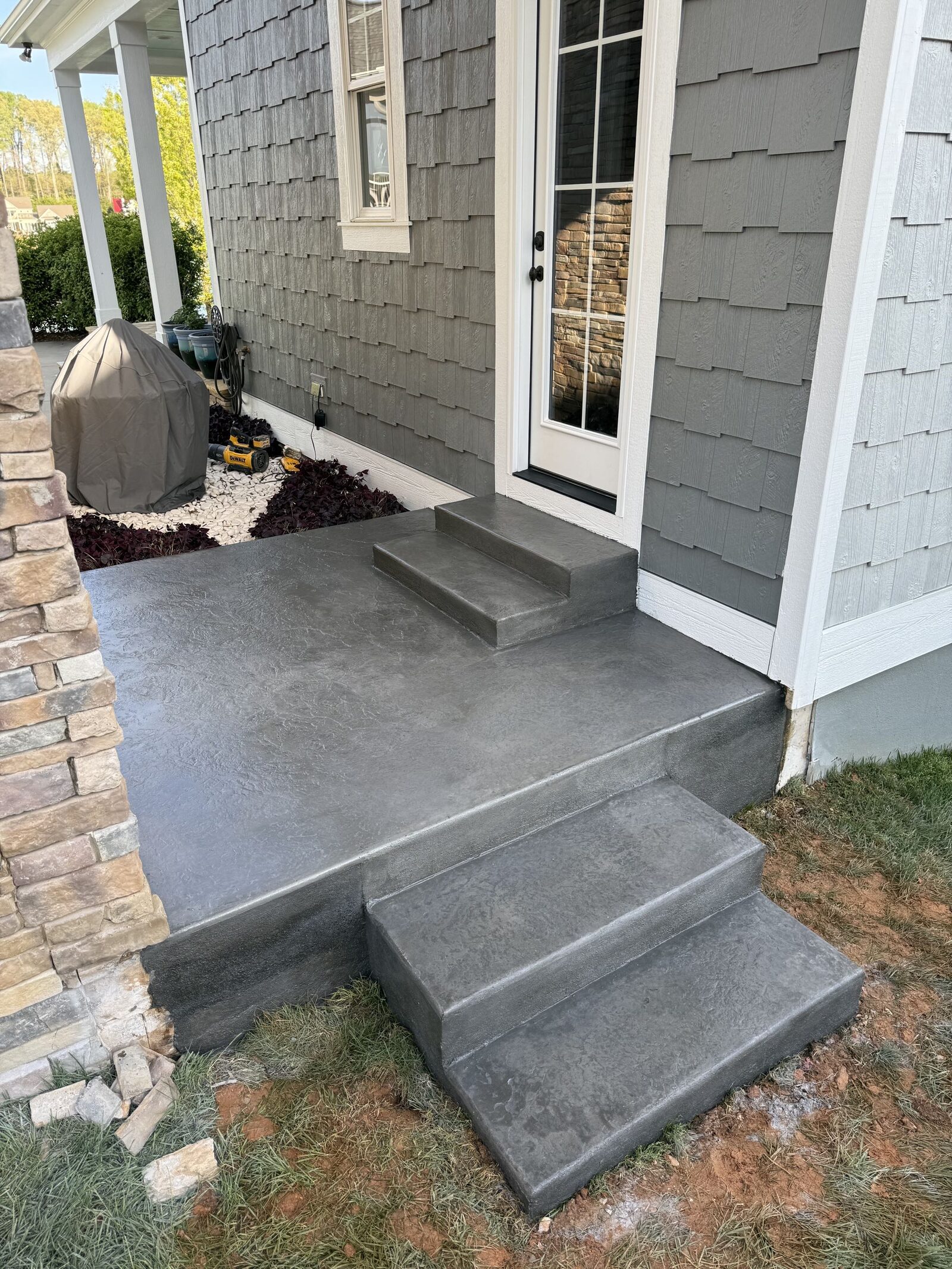
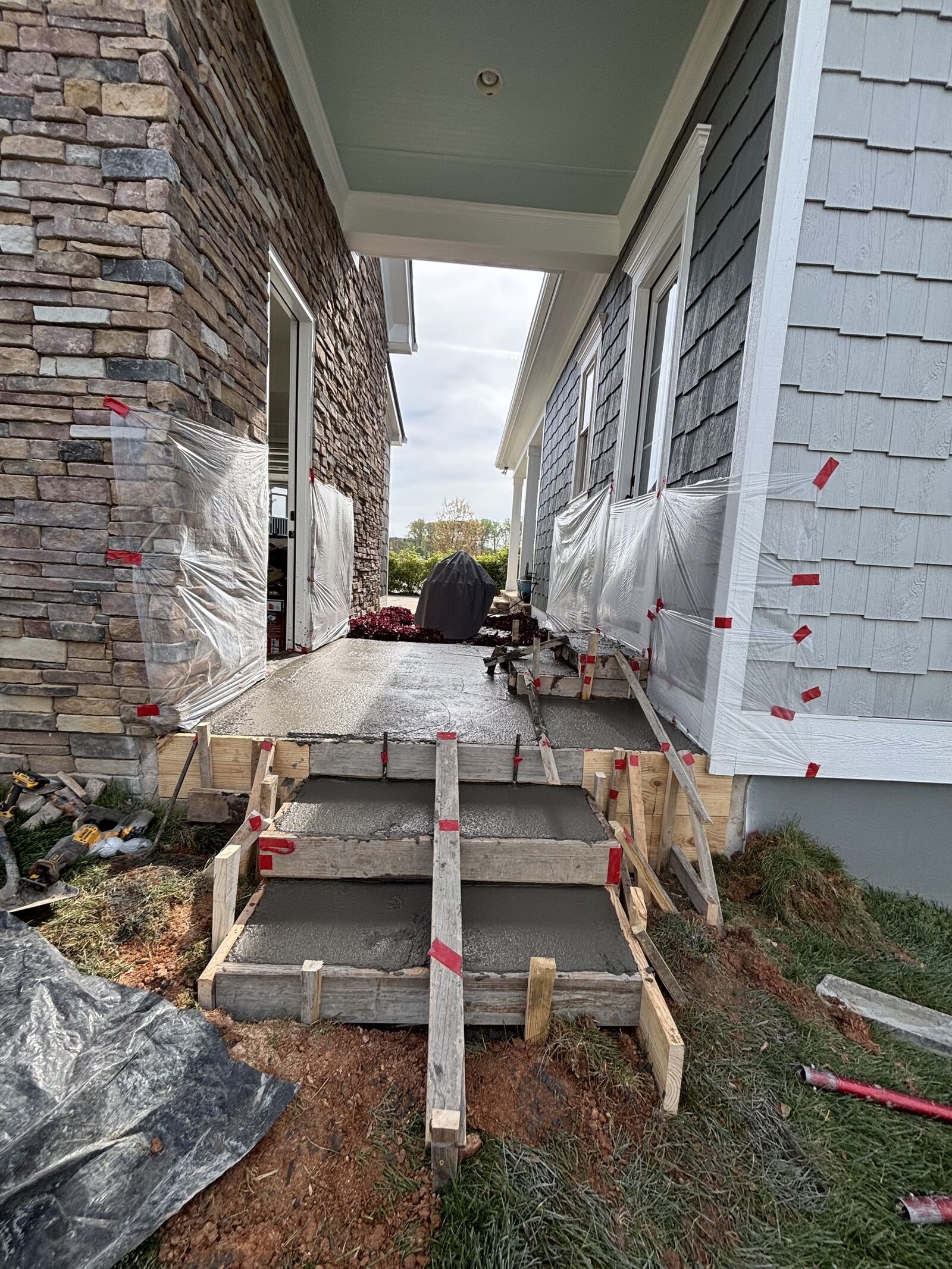
Stamped Concrete Landing
Custom stamped finish + edge tie-in
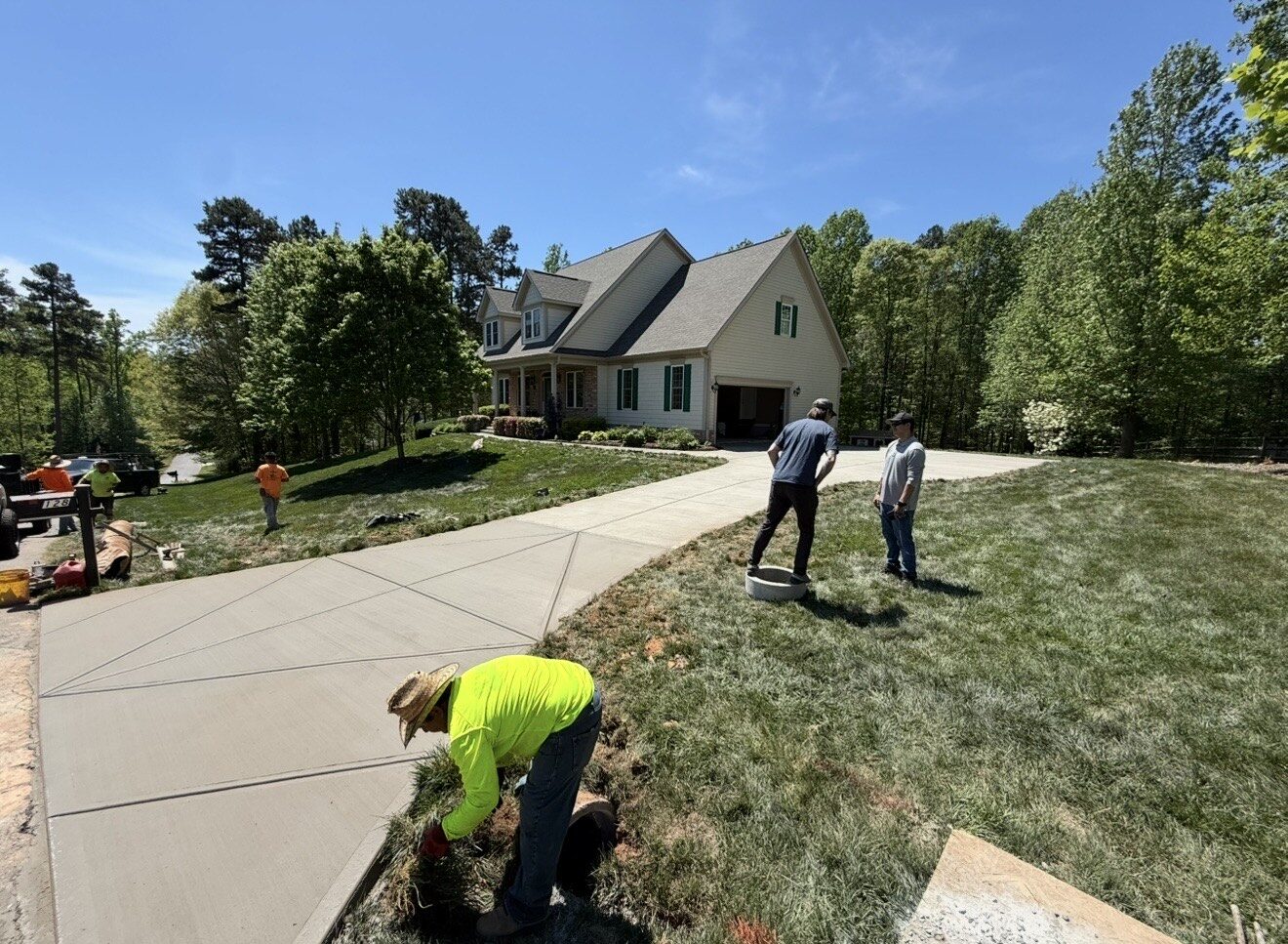
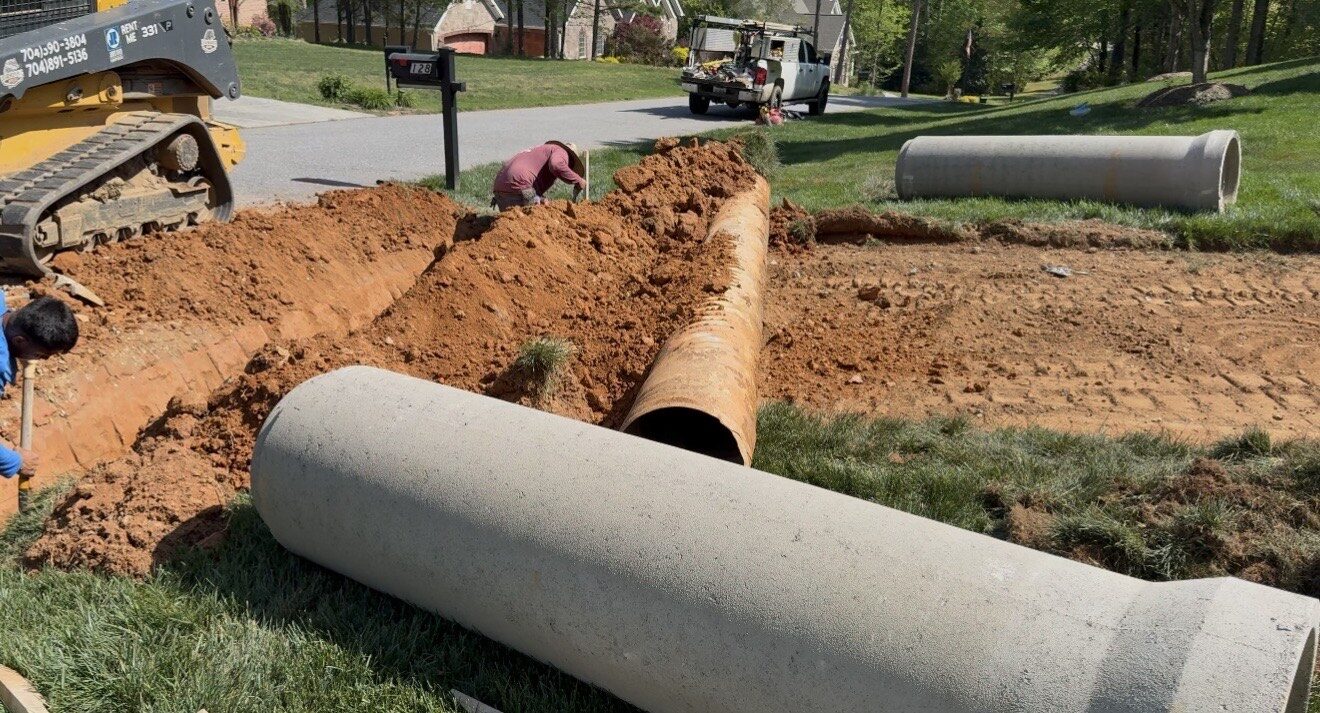
Driveway Replacement
Tear out + fresh pour