



Commercial Concrete
Full-service concrete solutions for commercial buildings and retail spaces.
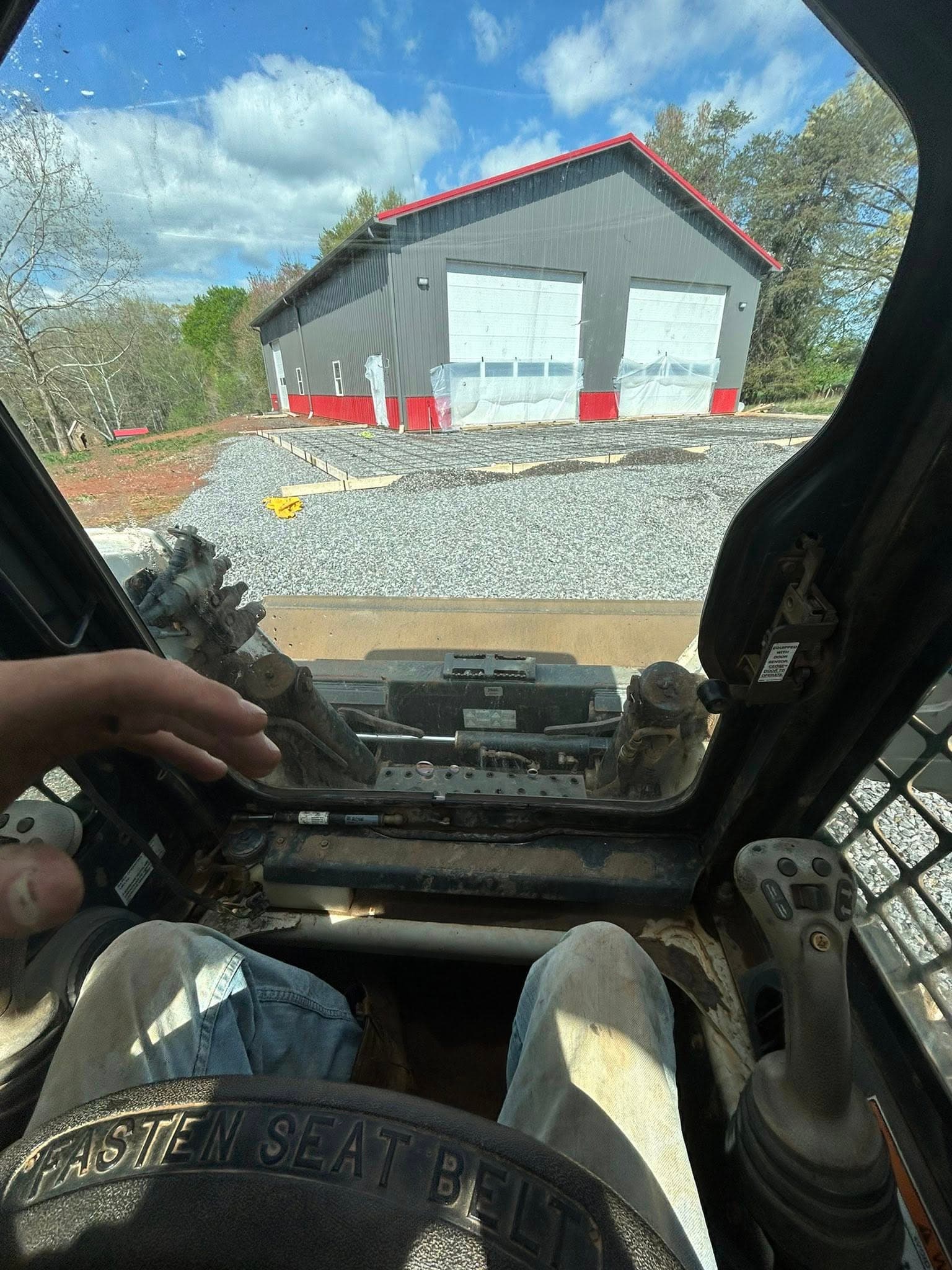
Concrete Company Services
Commercial concrete work is different from residential because the scale is larger, the schedules are tighter, and multiple trades are working simultaneously. You're pouring thousands of square feet of slab, not a single driveway. Concrete trucks arrive in sequence—sometimes 20 or 30 loads in a day—and the crew has to place, screed, and finish it before it starts setting. Any delay backs up the entire job and costs money. Coordination with the general contractor, inspectors, and other trades is critical.
Commercial projects also have stricter compliance requirements. Floor flatness is measured with lasers and has to meet FF/FL tolerances. Reinforcement has to pass inspection before you pour. Mix designs need certified test reports showing they meet structural specs. And if the building is occupied during construction, you're working around business hours, managing dust and noise, and keeping access routes clear. This isn't a place for improvisation—it requires planning, documentation, and experienced crews who can execute under pressure.
Professional Concrete Contractor for Commercial Concrete
Multi-Trade Coordination on Site
Commercial jobs have electricians, plumbers, HVAC installers, and framers all working on overlapping schedules. Before we pour a slab, we confirm that underground utilities, floor drains, and conduit sleeves are in place. If we pour over a missed pipe chase, the electrician has to core-drill afterward, which costs time and weakens the slab.
We attend pre-pour meetings with the general contractor to confirm sequencing and resolve conflicts before they delay the job.
High-Volume Pour Management
Large commercial slabs require continuous pours—sometimes 200 yards or more in a single day. We coordinate with the batch plant to schedule trucks in sequence so there's no gap in concrete delivery. If trucks arrive too slowly, cold joints form where the fresh concrete meets the hardened edge, creating a weak seam.
We also staff enough finishers to keep pace with placement. On a 20,000-square-foot pour, you need multiple crews screeding, floating, and finishing simultaneously.
FF/FL Floor Flatness Tolerances
Commercial floors are measured using FF (floor flatness) and FL (floor levelness) numbers. Retail spaces might require FF50/FL40. Warehouse racking aisles need FF70 or higher. We use laser-guided screeds that automatically adjust to maintain these tolerances during placement.
After the concrete cures, an independent testing firm measures the floor with a profilometer. If it doesn't meet spec, the floor has to be ground or overlaid, which is expensive and time-consuming. We test as we go to avoid failures.
Inspection and Testing Compliance
Commercial projects require documented compliance. The building inspector checks rebar placement before we pour. The engineer tests concrete cylinders at 7 days and 28 days to verify strength. If the mix doesn't meet the specified PSI, the pour can be rejected.
We provide certified mix designs ahead of time, maintain batch tickets for every truck, and coordinate cylinder breaks with the testing lab. This documentation is required for sign-off and certificate of occupancy.
Occupied Site Logistics
If the building is operational during construction, we work around business hours. Retail tenants can't have concrete trucks blocking their entrances during shopping hours. Office buildings restrict noisy work to evenings or weekends. We schedule pours during off-hours and use dust containment barriers to isolate the work zone.
We also protect finished areas with plywood or Masonite so foot traffic and material deliveries don't damage completed work.
Long-Term Durability for Commercial Traffic
Commercial floors take abuse—forklifts, pallet jacks, heavy carts, and constant foot traffic. We specify higher-strength mixes (typically 4000 to 5000 PSI) and use hard-trowel finishes or densifiers that close the surface pores, making the concrete harder and more abrasion-resistant.
We also saw-cut control joints deeper than residential work to manage shrinkage cracks in large slabs. These joints are filled with semi-rigid sealant to prevent spalling at the edges.
Key Features at a Glance
Everything you need to know about what makes our commercial concrete services stand out.
High-strength concrete Commercial-Grade Concrete
Structural strength that exceeds residential standards
Steel Rebar Reinforcement Grid
1/2-inch grid system for superior tensile strength
Proper Drainage & Slope Management
Engineered to protect your property from water damage
Crack Control Joint System
Strategic joint placement prevents random cracking
Premium Sealant Application
Deep-penetrating protection against stains and UV damage
Freeze-Thaw Resistant Mix Design
Formulated to withstand harsh weather conditions
Zero Deposit Required
Pay in stages as work is completed, not upfront
Licensed & Insured
Fully protected and compliant with all regulations
Trusted by Thousands of Clients
Join the growing community of satisfied customers
What are we building?
Select your project type.
Why Local Concrete Contractor?
- 01.Precision craftsmanship
- 02.Transparent pricing models
- 03.Dedicated project manager
- 04.Zero Deposit Required
Concrete Contractor Construction Portfolio
See the transformation. Drag the slider to reveal the restoration precision of our commercial and residential projects.
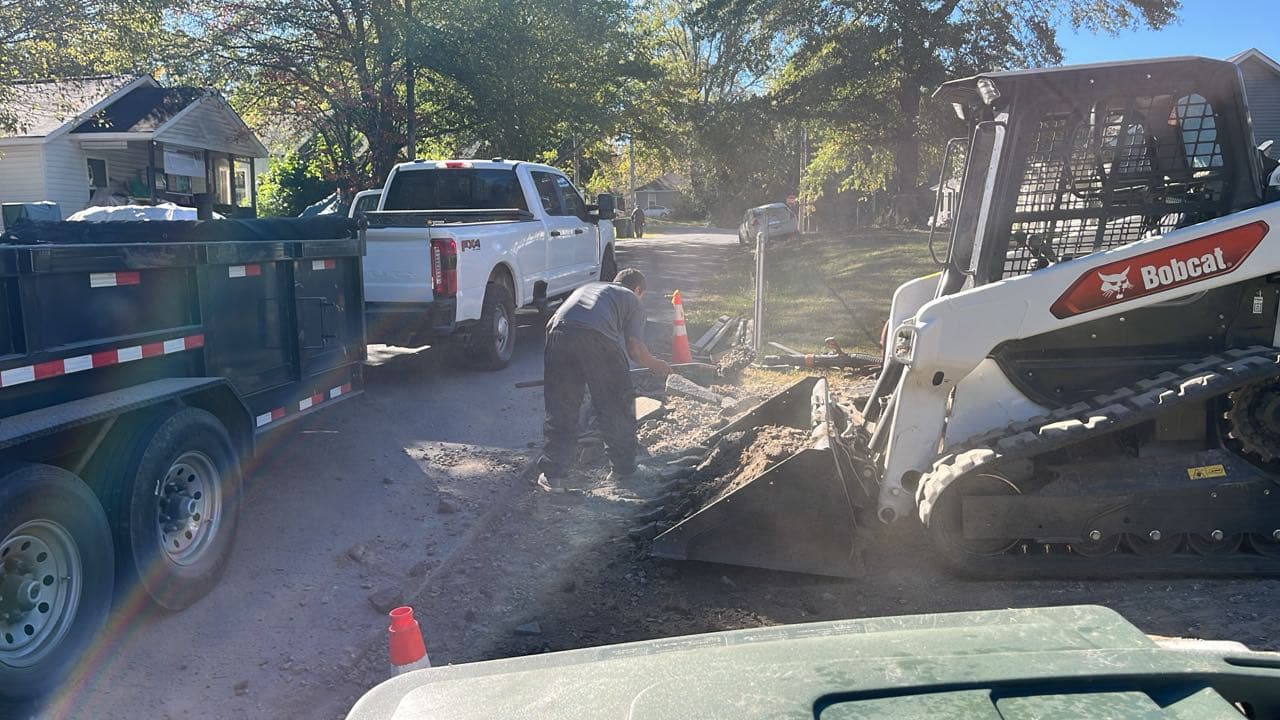
Finishing Touches in Motion
Watch our crew bring precision and artistry to the final stages of a premium concrete installation.
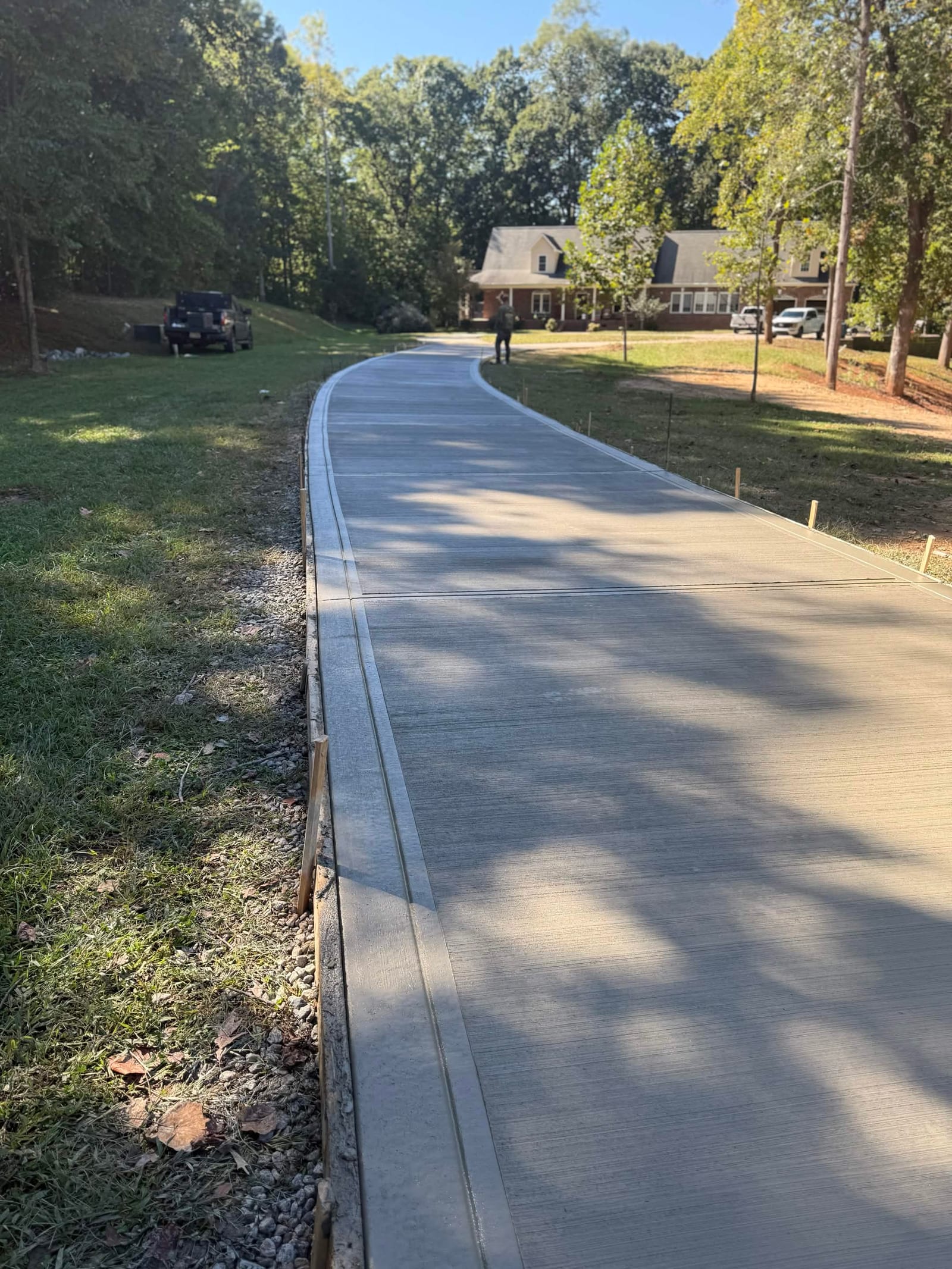

Driveway
Full residential replacement
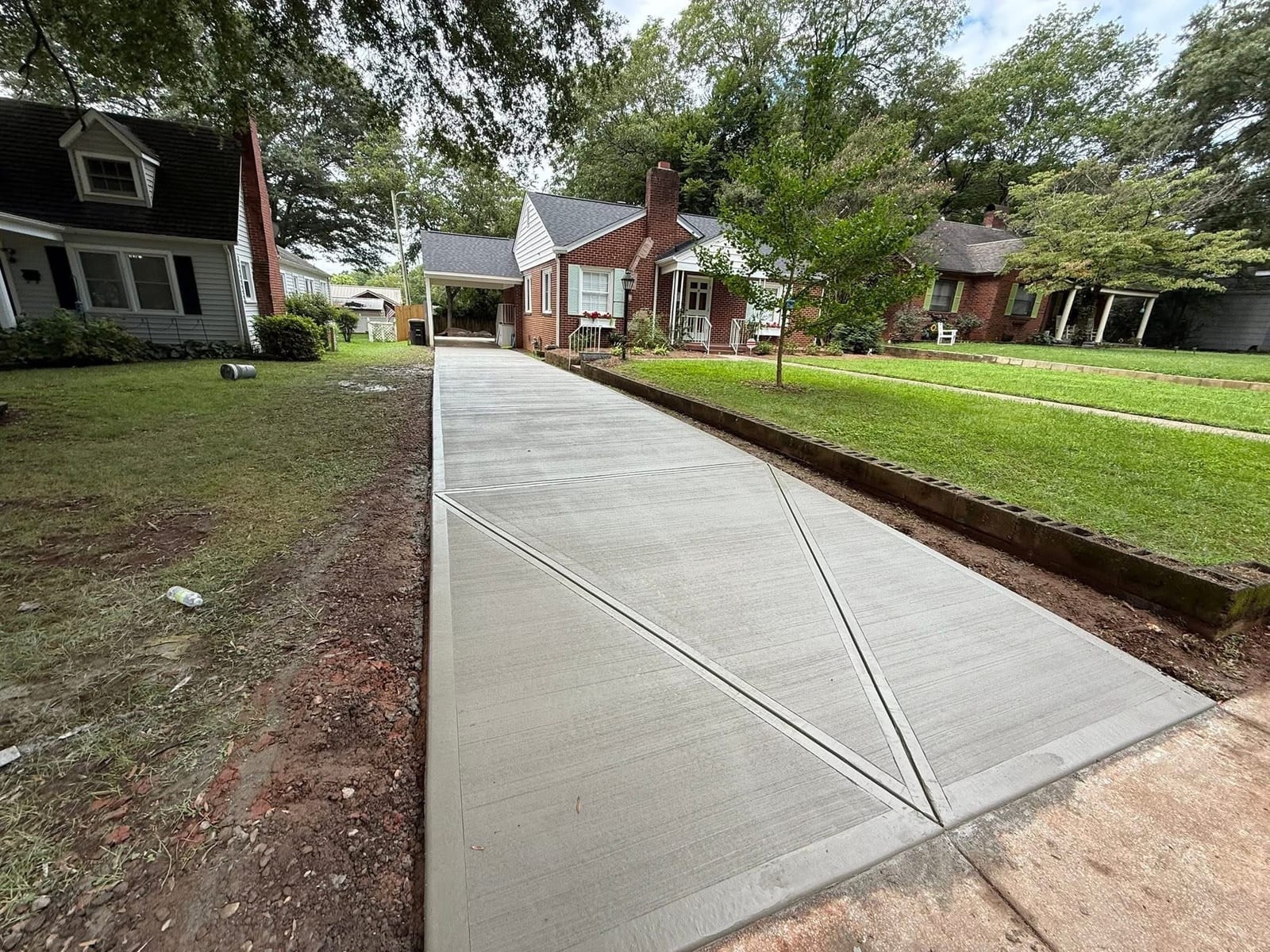
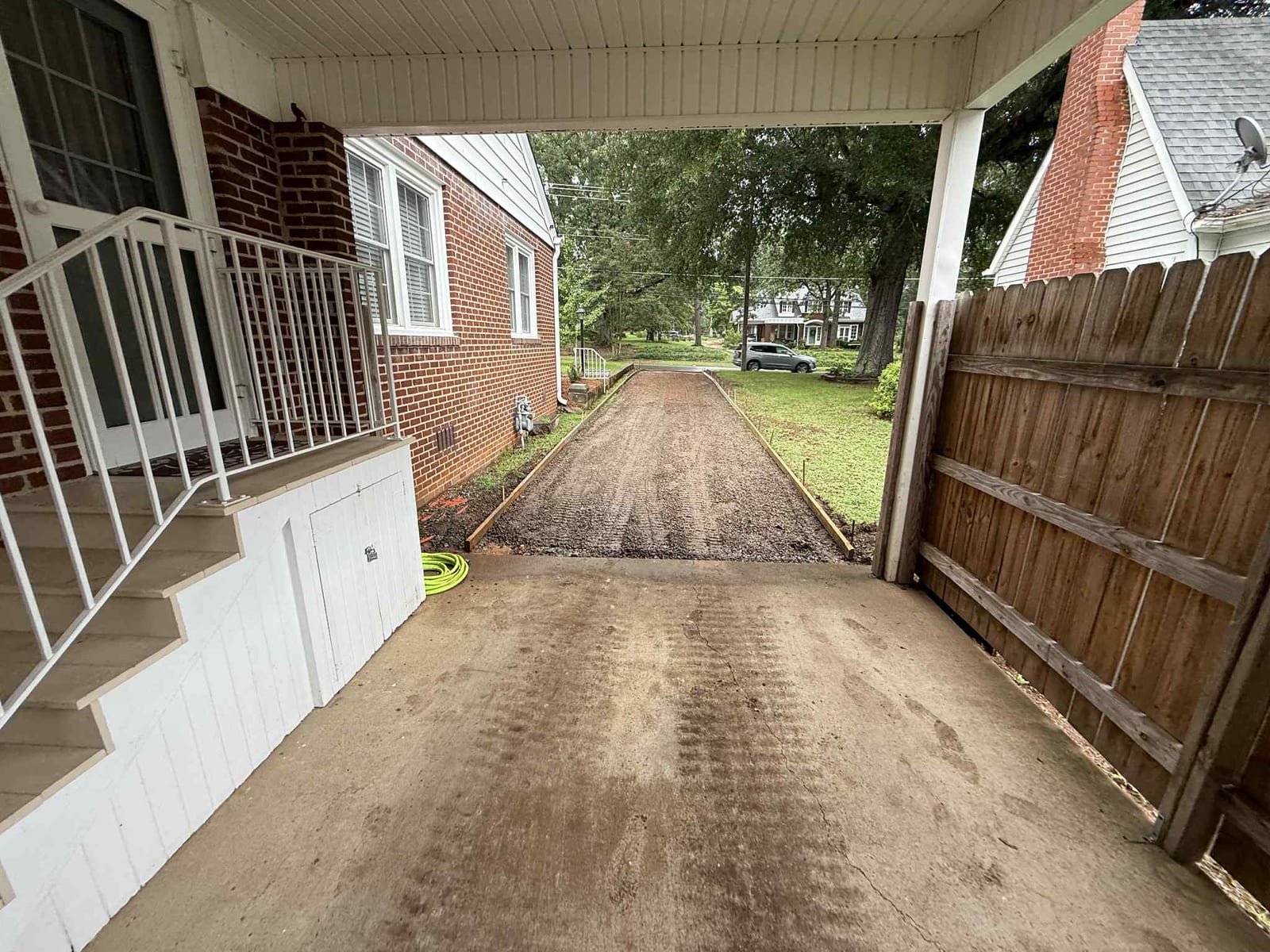
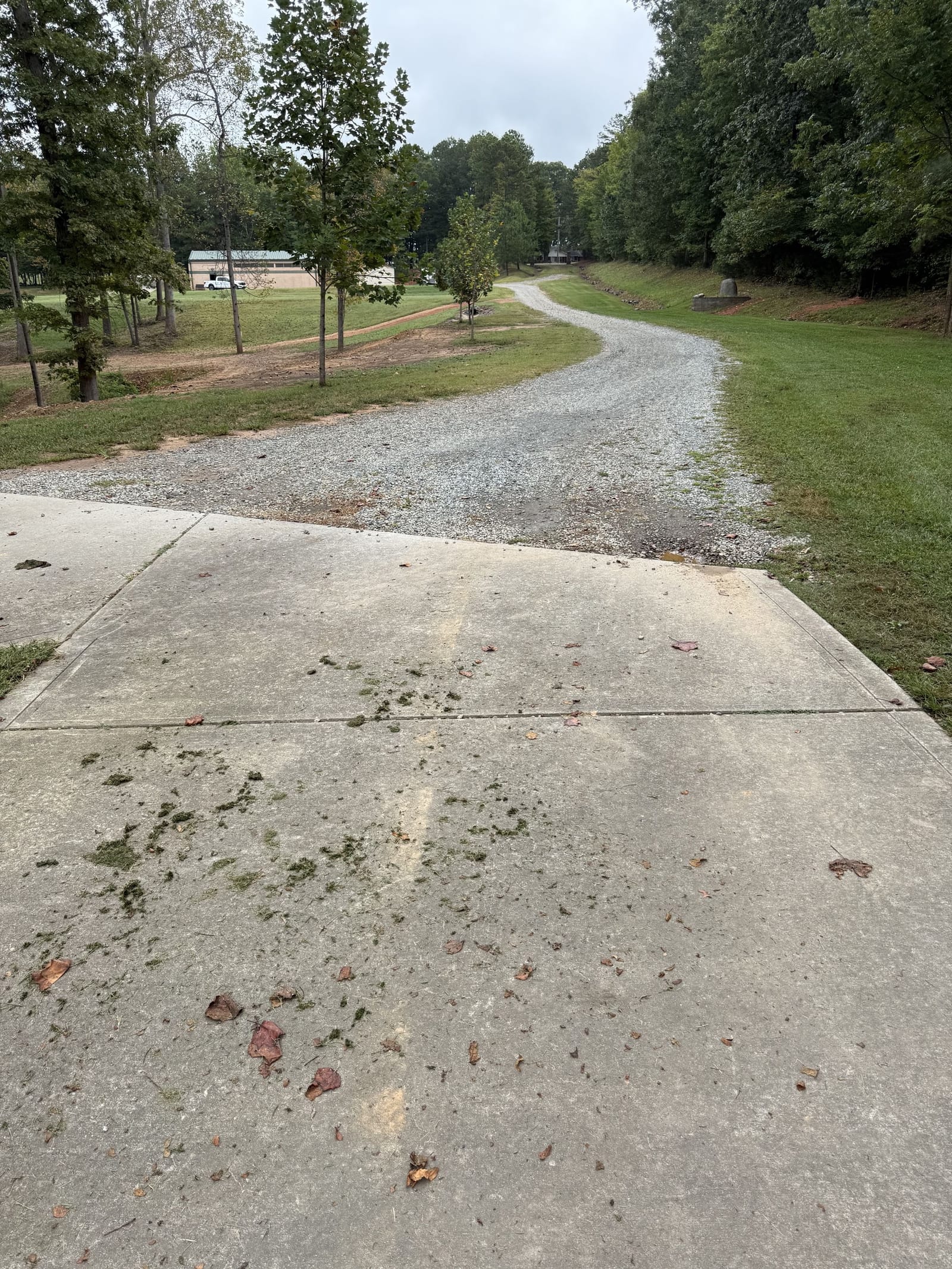
Driveway
Driveway revamp
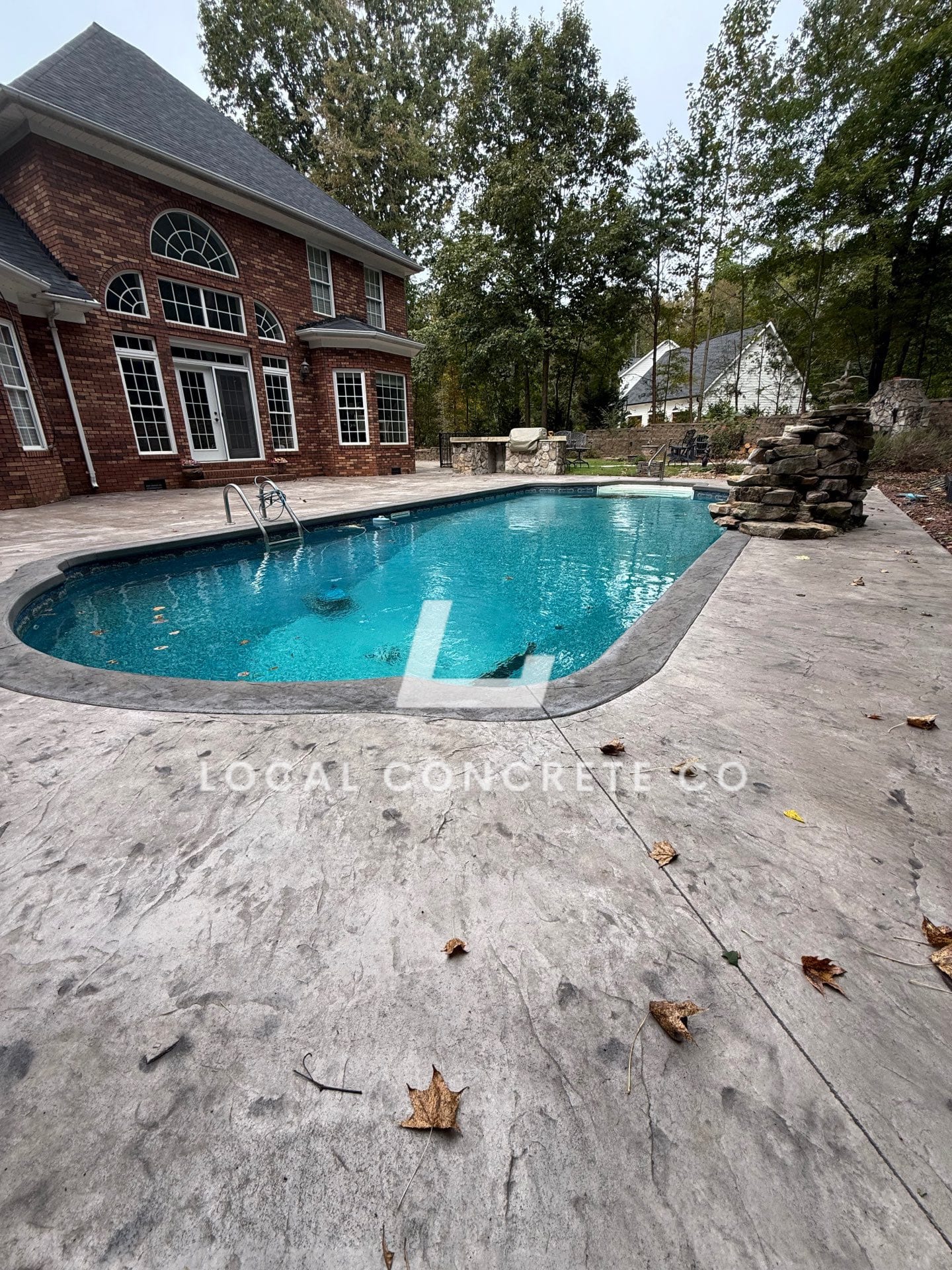
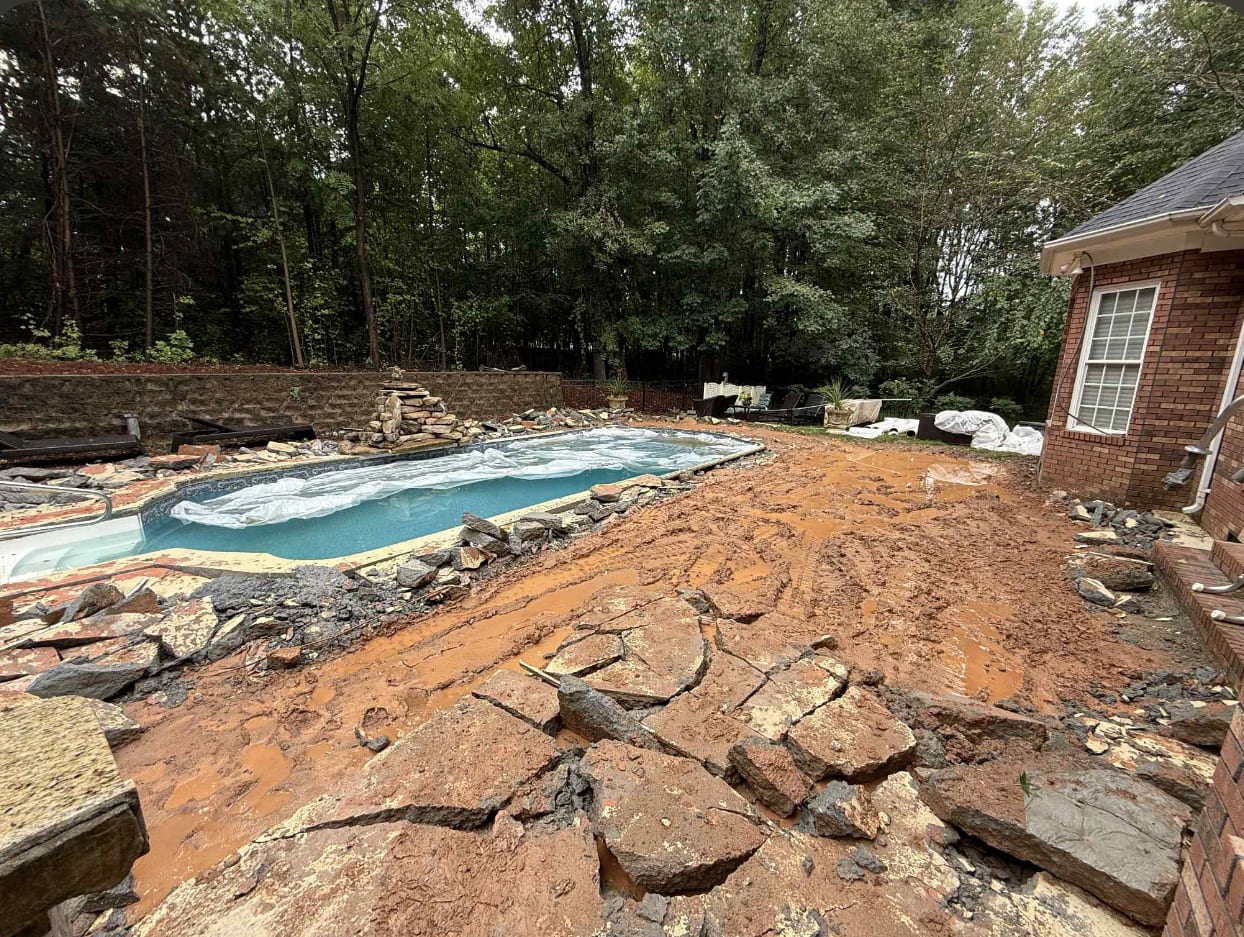
Stamped Pool Deck
Total demolition and replace
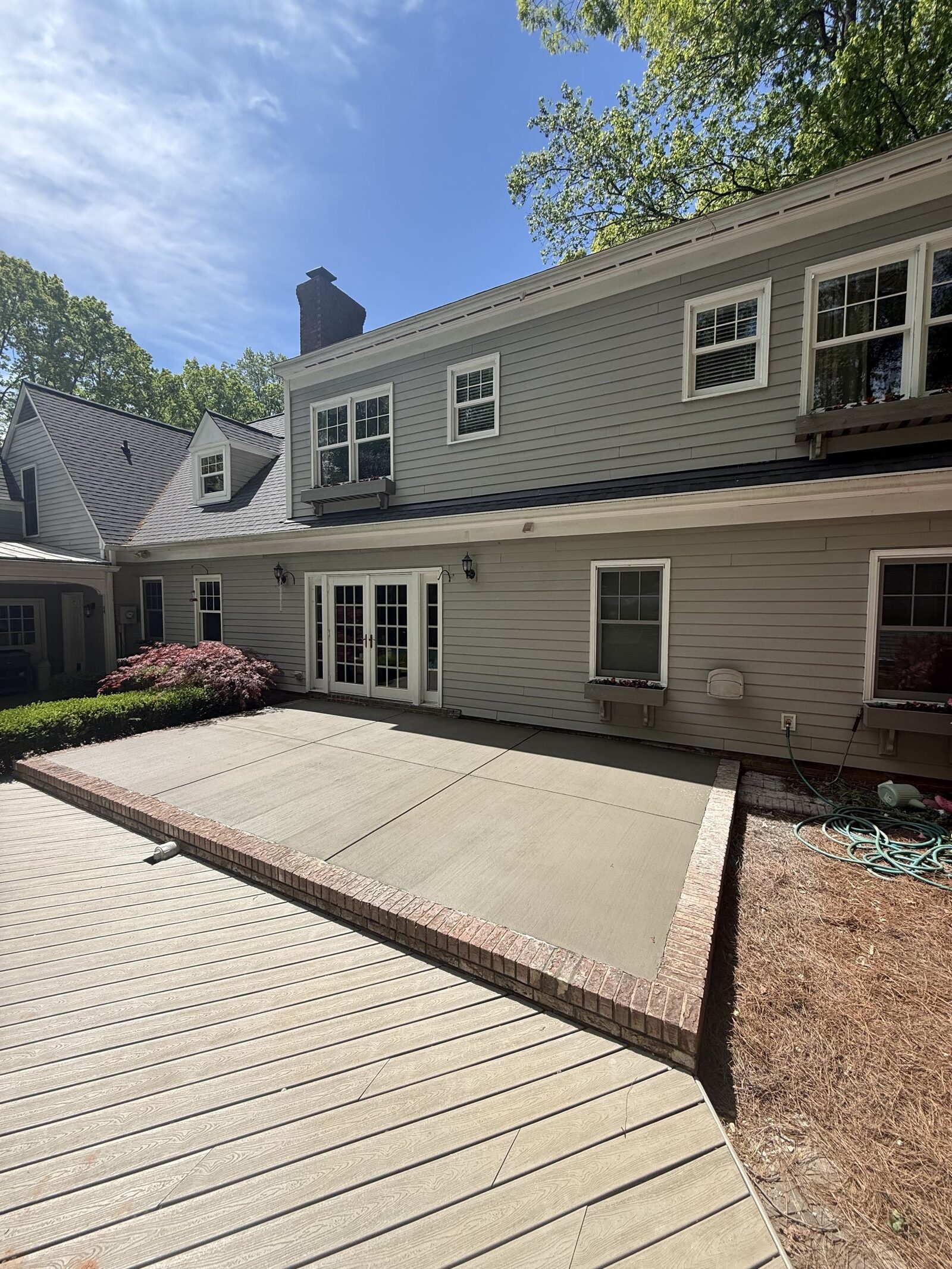
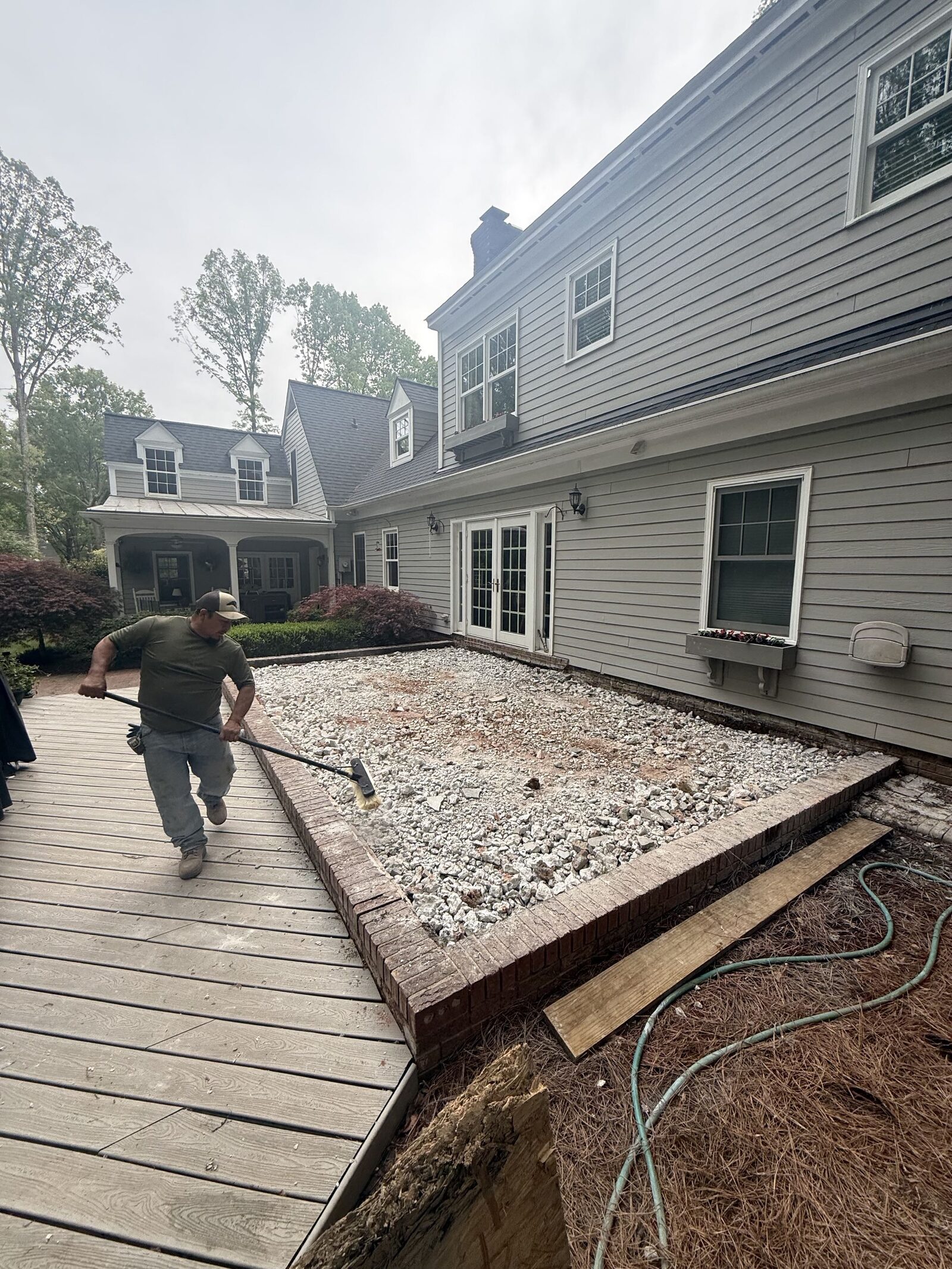
Patio Replacement
Old slab out, new finished slab in
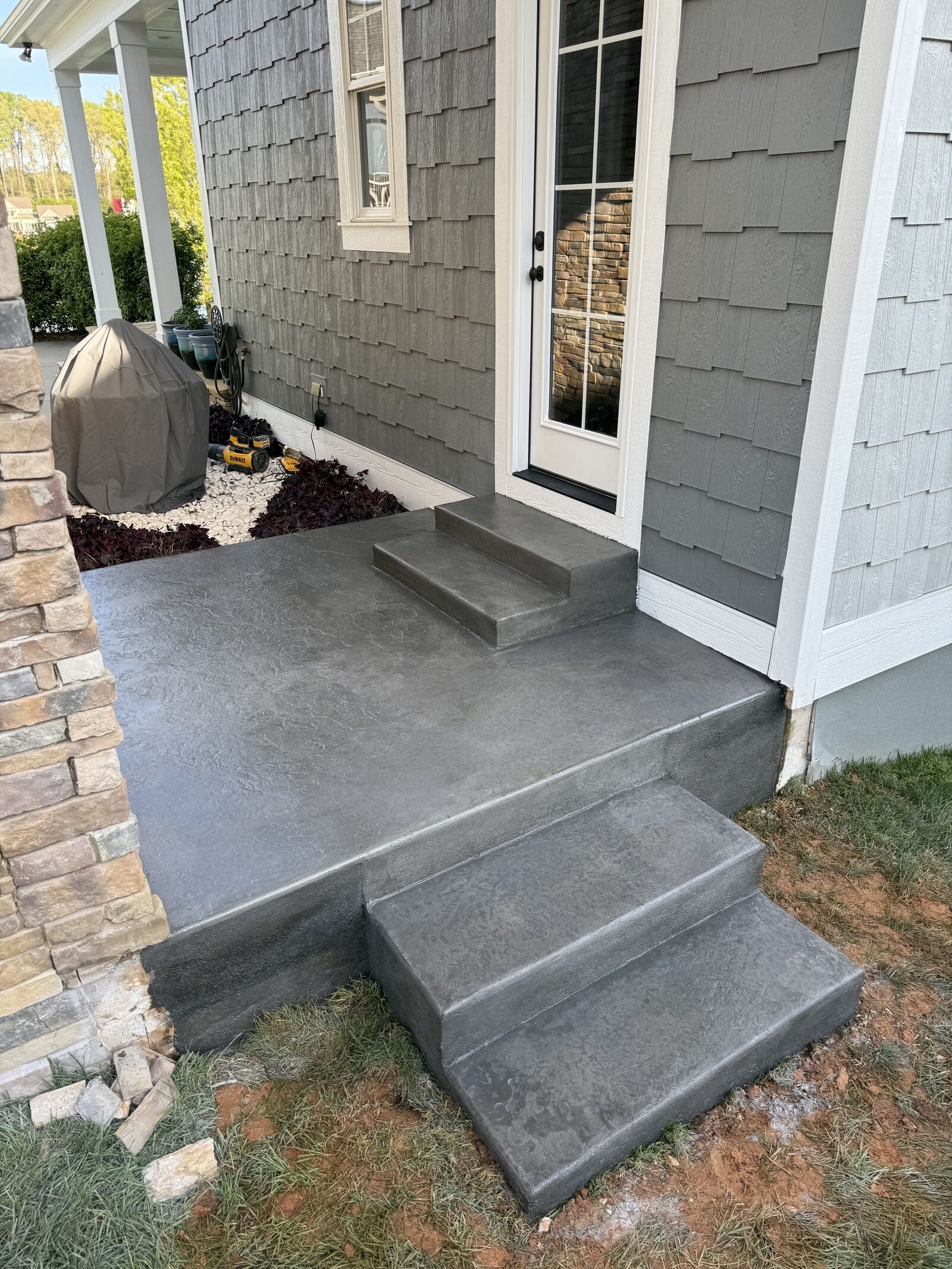
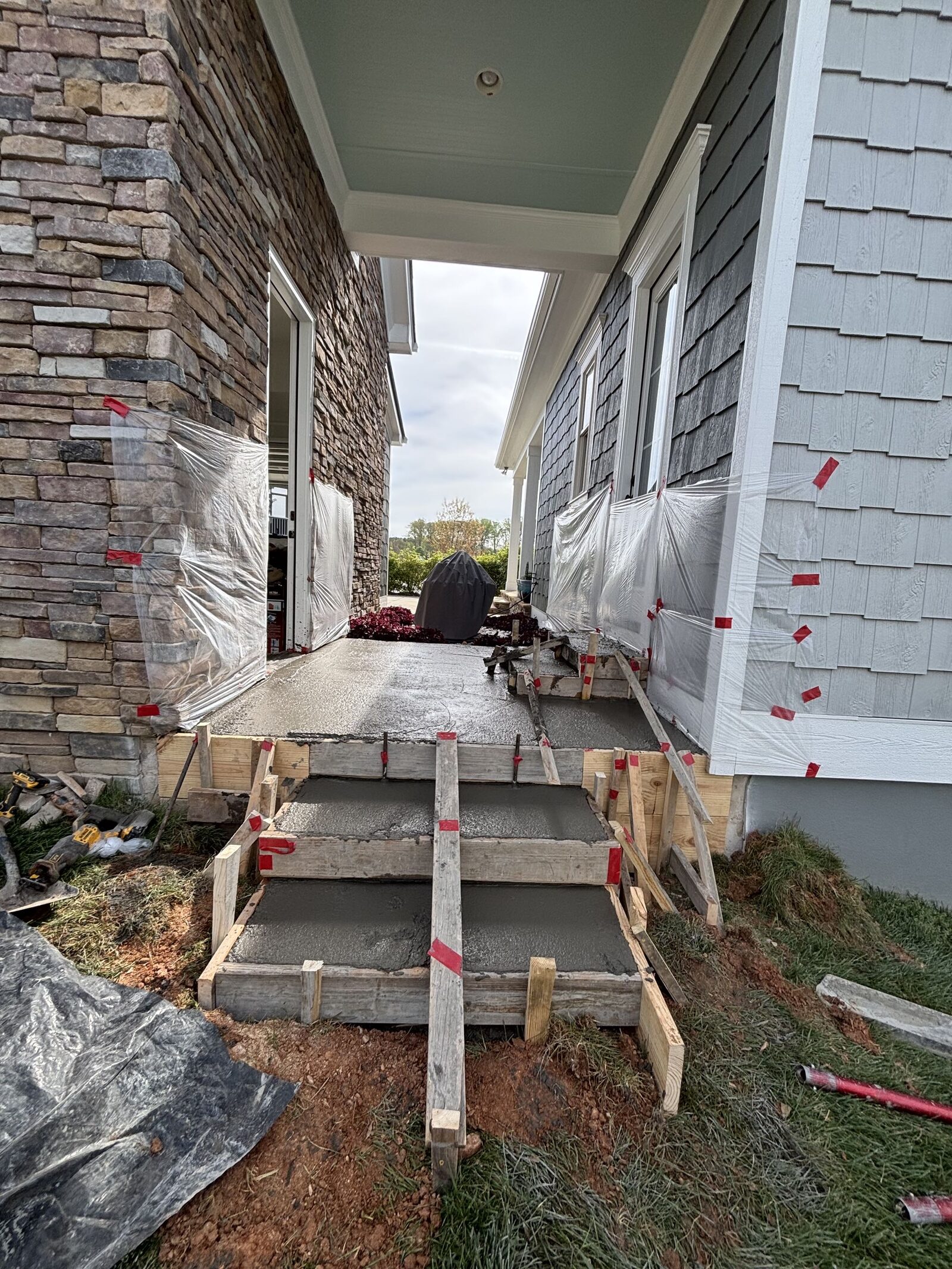
Stamped Concrete Landing
Custom stamped finish + edge tie-in
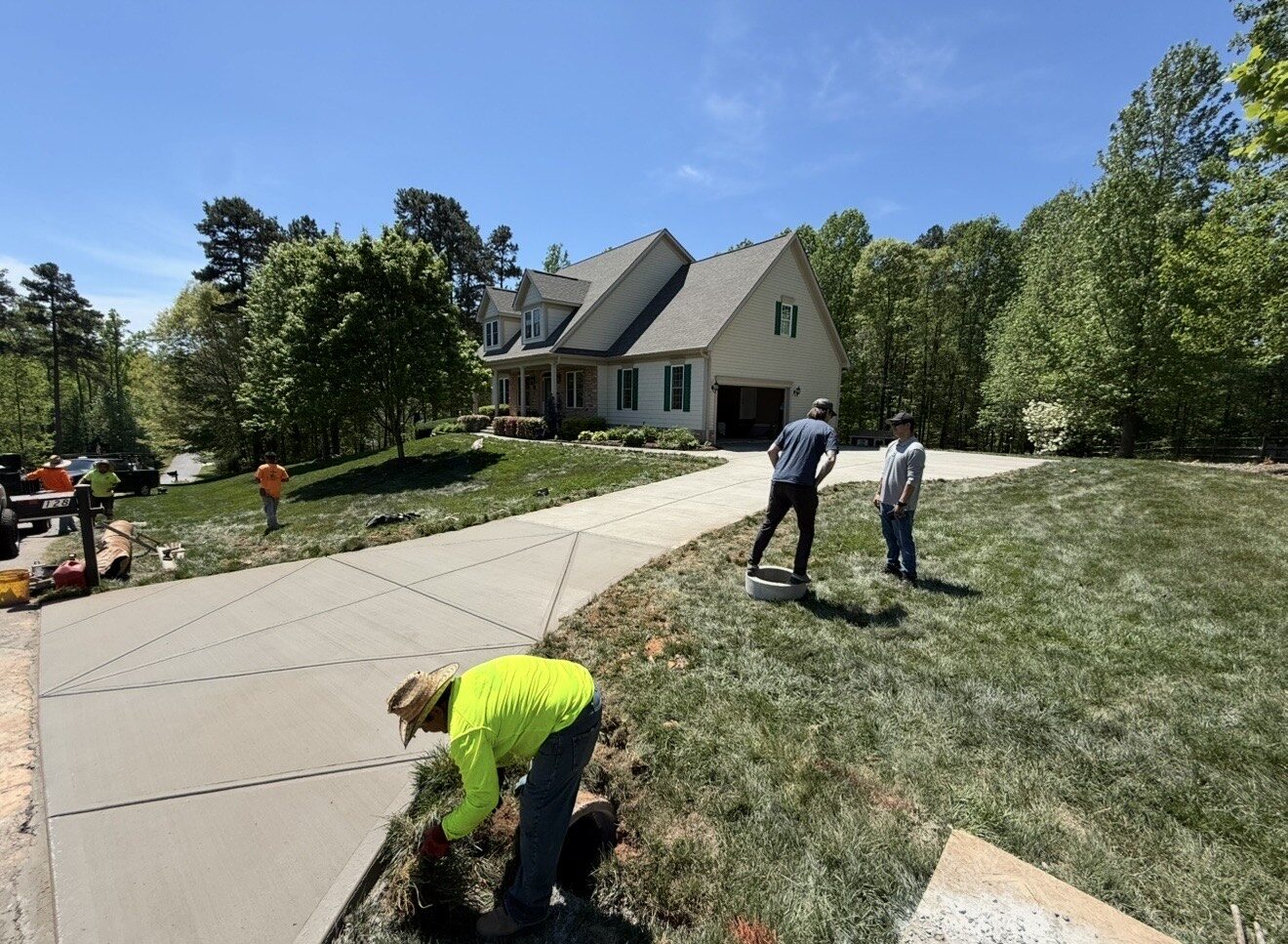
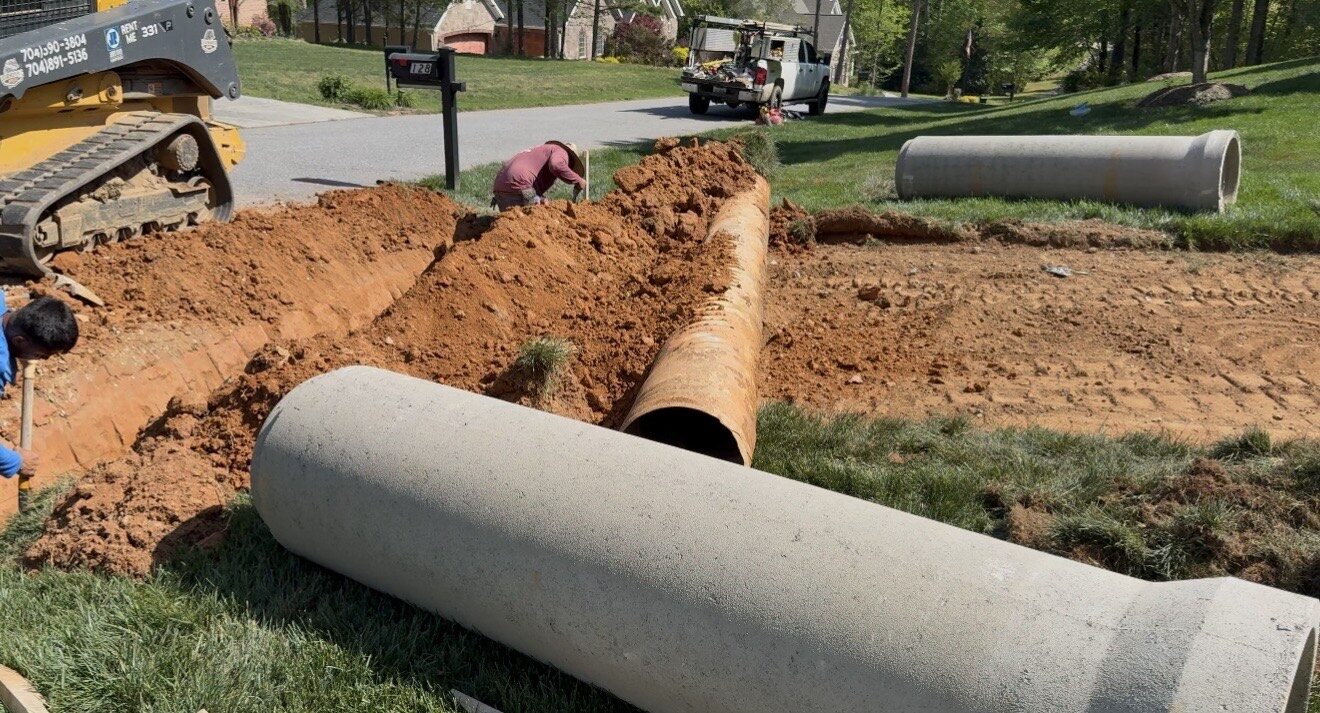
Driveway Replacement
Tear out + fresh pour