



Concrete RV Parking Pads
Heavy-duty concrete pads engineered for RV, motorhome, and camper storage.
Concrete Company Services
A boat or RV parking pad is one of the most demanding residential concrete builds in North Carolina — a slab that has to carry concentrated point loads from a trailer tongue jack, stabilizer legs, or heavy RV axles for months at a time without cracking, settling, or spalling at the edges. NC Piedmont weather (roughly 40-50 freeze-thaw cycles a year across Charlotte, Raleigh, Cary, Apex, Wake Forest, Chapel Hill, Concord, Huntersville, Mooresville, Weddington, Matthews, Ballantyne, and Lake Norman) piles onto that load with expansion, contraction, and moisture cycling, so the pad has to be built for the load and the weather both.
This page covers what a boat or RV parking pad actually is, how Local Concrete Contractor approaches the design and the pour, what the coverage area looks like across NC, what a Local Concrete pad quote spells out that a lot of contractors won't, what the client experience actually looks like from first call to final walkthrough, and the questions worth asking any contractor before signing anything.
Professional Concrete Contractor for Concrete RV Parking Pads
What a Boat or RV Parking Pad Actually Is
A boat or RV parking pad is a purpose-built concrete slab sized and reinforced to hold a boat trailer or a recreational vehicle long-term without failing under the concentrated loads those vehicles put down. A tongue jack from a loaded boat trailer can put several thousand pounds through a single foot-sized contact patch. RV stabilizer jacks and leveling blocks concentrate the coach weight on four to six points instead of spreading it across the axles. A residential patio-grade slab isn't built for that, which is why parking a boat or an RV on a standard patio or driveway edge often cracks the slab within a season.
Standard boat and RV pad work in NC uses a 4000 PSI mix for the added strength under point loads. Slab thickness is 6 inches minimum for a loaded boat trailer or a standard travel trailer, and 6 to 8 inches for a full-size fifth-wheel or Class A RV. Reinforcement is #4 rebar on 12 to 18 inch centers in a grid pattern (not just wire mesh), placed on chairs at mid-slab so the steel actually sits where it's designed to sit under load. Base prep is 6 inches of NCDOT ABC stone compacted in lifts, on a subgrade that's been checked for soft spots and stabilized if needed.
Finish is a broom finish for traction — a boat pad gets wet from the trailer, and an RV pad sees dew and rain year-round. Control joints are cut in a grid pattern matched to the pad dimensions so the slab cracks along the joint lines rather than randomly across the surface. And the cure window matters more than on any other residential slab — full design strength develops over about 28 days, and heavy vehicle loading before the concrete has cured to spec is the fastest way to fail a pad. Max cure before load is the rule.
How Local Concrete Contractor Approaches Boat and RV Pads
Local Concrete Contractor was started by a founder who lived out of his truck through several North Carolina winters before the company grew into what it is today — the best-reviewed concrete company in NC, with more than 1,000 verified 5-star client testimonies over fifteen years of installs across the Charlotte metro, the Raleigh Triangle, the Triad, and the Lake Norman area. That origin shapes how boat and RV pads get spec'd today. The site visit starts with the actual vehicle — what boat, what trailer, what RV, how loaded, how often parked, how it approaches the pad — and the pad gets designed around the real load rather than a generic slab spec.
The crews aren't day-labor pickups; they're finishers who've been on the job long enough to be treated as artisans and paid accordingly, which is what allows Local Concrete to hold to the finish quality that shows up in every review. On a boat or RV pad the finish work matters as much as the slab thickness — clean edges that won't spall under trailer wheel loads, control joints cut deep enough to actually work, and a broom pattern that holds traction when wet.
The pay-on-completion structure is the other piece homeowners feel first. Local Concrete funds every pad project — the stone base, the reinforcement rebar, the concrete truck, the labor, the pump when the pad is behind a house or beyond truck reach — on its own balance sheet. Homeowners don't put down a deposit. They don't make progress payments. They don't wire money for materials. They pay once the pad is finished and cured to the spec, they've walked it and signed off on it. On a boat or RV pad Local Concrete will also flag the cure window in writing — the pad shouldn't take load until it's ready, and rushing that step is the fastest way to crack the slab in year one. That's a real financial commitment on the company's end, and it's a filter that most local contractors won't or can't clear.
Coverage Across Charlotte, Raleigh, the Triad, and Lake Norman
Local Concrete Contractor runs boat and RV pad installs across most of the populated corridors of North Carolina, and the Lake Norman market in particular sees a lot of boat pad work. The Charlotte metro coverage includes Charlotte proper, Ballantyne, SouthPark, Myers Park, Pineville, Matthews, Mint Hill, Weddington, Waxhaw, Monroe, Fort Mill, Indian Trail, Gastonia, Belmont, and Kings Mountain. The Lake Norman side pulls in Mooresville, Cornelius, Davidson, Huntersville, and Denver. The Triangle covers Raleigh, Cary, Apex, Wake Forest, Chapel Hill, Durham, Fuquay-Varina, Holly Springs, Morrisville, and Garner. The Triad picks up Greensboro, Winston-Salem, High Point, Kernersville, and Burlington. Statesville, Hickory, Salisbury, Concord, and Kannapolis fill in the corridor between Charlotte and the Triad.
A boat or RV pad quote from Local Concrete anywhere in that footprint comes from the same operations team, the same finishing crews, and the same pay-on-completion terms. There's no franchise layer, no lead-broker markup, and no subcontracting the actual finishing work out to a stranger.
What a Local Concrete Boat or RV Pad Quote Spells Out
A Local Concrete boat or RV pad quote lists the specific dimensions and square footage of the pad, the slab thickness in inches (matched to the vehicle load), the reinforcement type and spacing (rebar size, grid dimensions), the base prep depth and material, the finish, the joint layout, the drainage direction, the concrete mix PSI, the recommended cure window before load, and a target install date. That level of quote detail lets homeowners compare bids honestly instead of comparing two totals with no idea what's actually different underneath them.
A few things on a Local Concrete pad quote that most contractors won't put in writing:
- **No deposit, no progress payments.** Payment is due at completion, not before. - **The honest downsides upfront.** Concrete cracks (that's the material, not a defect — control joints exist to make sure it cracks along a line instead of randomly across the slab). Boat and RV pads take longer to cure to load-ready strength than a patio or walkway — loading heavy vehicles before the cure window closes is what cracks a pad. Color changes as it ages. Any future repair section will show as a slightly different tone. - **Video testimonials from past pad clients** — Local Concrete keeps a library of client-recorded walkthroughs of finished boat and RV pads and will share the ones from a market close to yours, on request. - **A standing offer to meet or speak with past clients.** Most contractors won't set that up. Local Concrete will — a homeowner considering a boat or RV pad should be able to talk to someone in their own zip code who already made the same call and lived with the result.
That combination — spec transparency, no upfront money, honest downsides, video testimonials, live reference offer — is a filter that most contractors quietly fail.
What the Client Experience Actually Looks Like
A boat or RV pad project with Local Concrete follows a predictable rhythm. First call goes to a real person who takes the basic details — city, yard photos if easy, the specific boat trailer or RV that will live on the pad, rough idea of the pad size and location, target timeline. A site visit gets scheduled within a few days, usually same-week in the core Charlotte, Lake Norman, and Raleigh markets. The visit is a real measure — someone with a tape and a level walks the yard, checks the grade, looks at where the water goes, notes the vehicle approach path and turning room, and asks about the load the pad will actually see.
The written quote follows within a couple business days and lists all the specs above. If the homeowner has questions, the point of contact stays consistent — same person from quote through pour through walkthrough, not handed off to a call center. If the homeowner wants to see finished pads in their area, or watch client walkthrough videos, or set up a call with a past client before signing, that happens at this stage.
On install day, the crew arrives with the base material, the forms, the rebar reinforcement, and the concrete order already staged. Base prep and forming happen the day before or the morning of the pour, depending on the size. The rebar grid gets tied and set on chairs at mid-slab before the pour begins. The pour itself is usually a half-day to a full day for a boat or RV pad. The finishing crew stays until the surface is spec'd — clean edges, tight broom pattern, correct slope for drainage. Control joints get cut within the first 24 hours while the concrete is still green. Then the pad sits for the full cure window before it takes vehicle load — that timeline gets flagged clearly at the walkthrough. Final walkthrough happens with the homeowner, sign-off is on the finished work, and payment is due at that walkthrough.
Questions Worth Asking Any Concrete Contractor Before Signing
Whether the quote is from Local Concrete or from another contractor, the same questions apply — and the answers tell homeowners a lot about who they're actually hiring:
- Is a deposit or progress payment required, or is payment due at completion? - What PSI is the concrete mix on this pad? - What slab thickness for the specific vehicle load, and what reinforcement — wire mesh or #4 rebar on a grid? - How deep is the base prep and what material — NCDOT ABC stone compacted in lifts, or something else? - Which direction does the water shed off the pad? - What finish, and how are the pad edges detailed to hold up under trailer wheel loads? - When will control joints be cut, and in what pattern? - Can I see video walkthroughs or talk to a past client who had a boat or RV pad built in my area? - Is the finishing crew on this job the same crew that shows up on estimate, or is finishing subcontracted out? - What's the recommended cure window before I can park the boat or RV on the pad, and what happens if a control joint cracks or the surface has an issue after the pour?
A contractor who does this work every day has quick, specific answers to all of these. Vague answers on any of them are worth taking seriously as a signal to keep looking.
Key Features at a Glance
Everything you need to know about what makes our concrete rv parking pads services stand out.
High-strength concrete Commercial-Grade Concrete
Structural strength that exceeds residential standards
Steel Rebar Reinforcement Grid
1/2-inch grid system for superior tensile strength
Proper Drainage & Slope Management
Engineered to protect your property from water damage
Crack Control Joint System
Strategic joint placement prevents random cracking
Premium Sealant Application
Deep-penetrating protection against stains and UV damage
Freeze-Thaw Resistant Mix Design
Formulated to withstand harsh weather conditions
Zero Deposit Required
Pay in stages as work is completed, not upfront
Licensed & Insured
Fully protected and compliant with all regulations
Trusted by Thousands of Clients
Join the growing community of satisfied customers
What are we building?
Select your project type.
Why Local Concrete Contractor?
- 01.Precision craftsmanship
- 02.Transparent pricing models
- 03.Dedicated project manager
- 04.Zero Deposit Required
Concrete Contractor Construction Portfolio
See the transformation. Drag the slider to reveal the restoration precision of our commercial and residential projects.
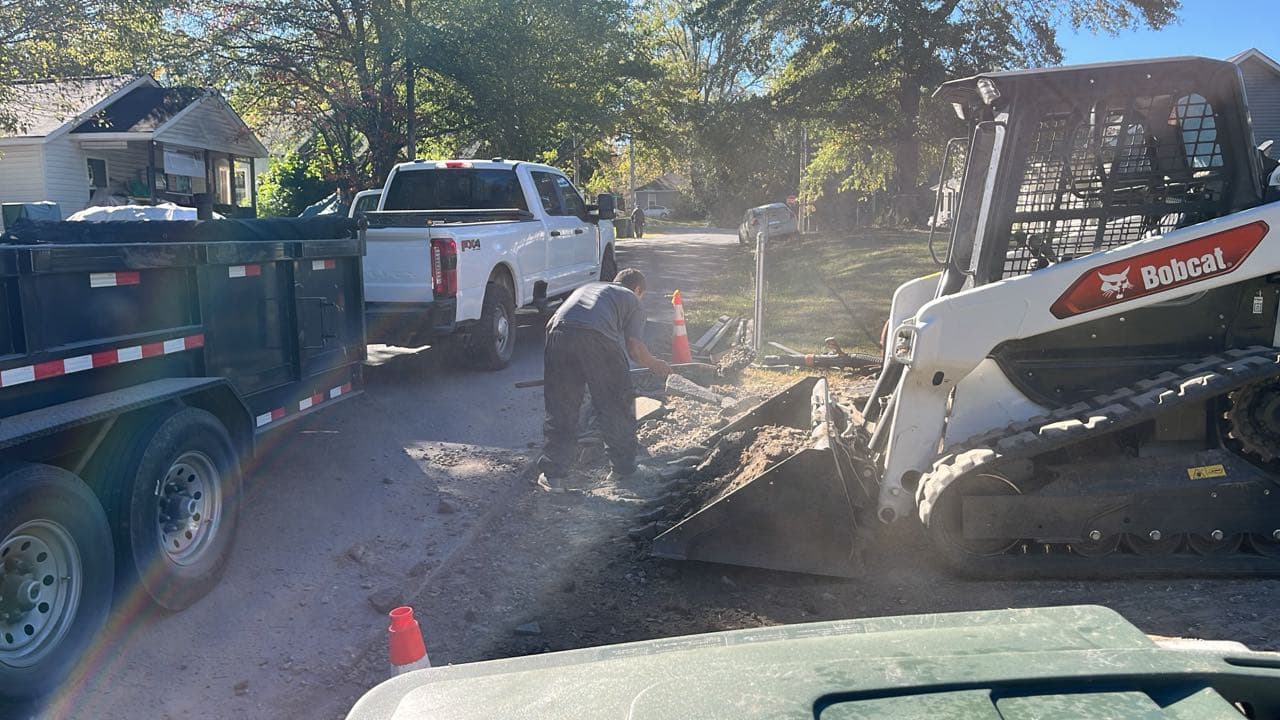
Finishing Touches in Motion
Watch our crew bring precision and artistry to the final stages of a premium concrete installation.
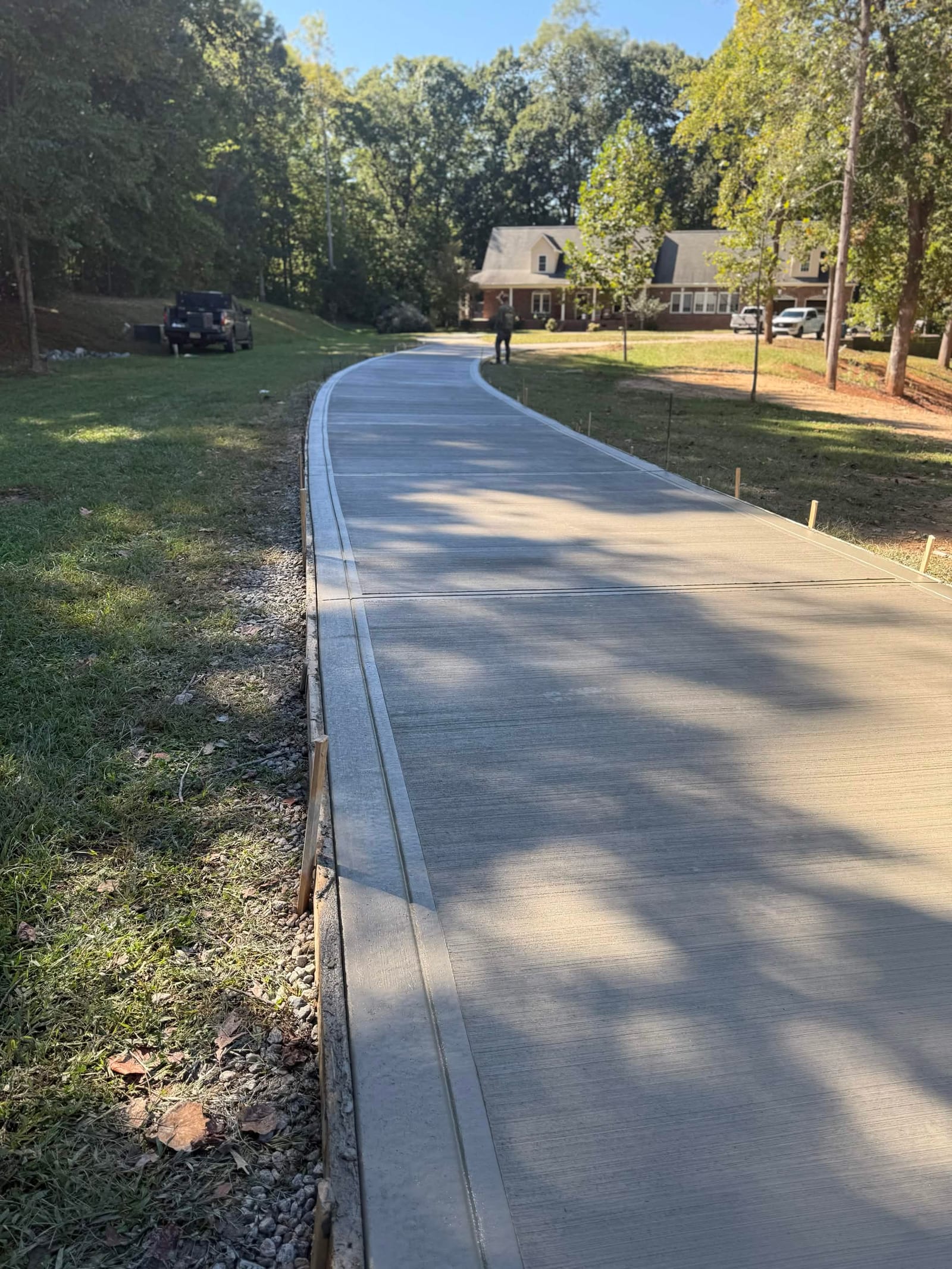

Driveway
Full residential replacement
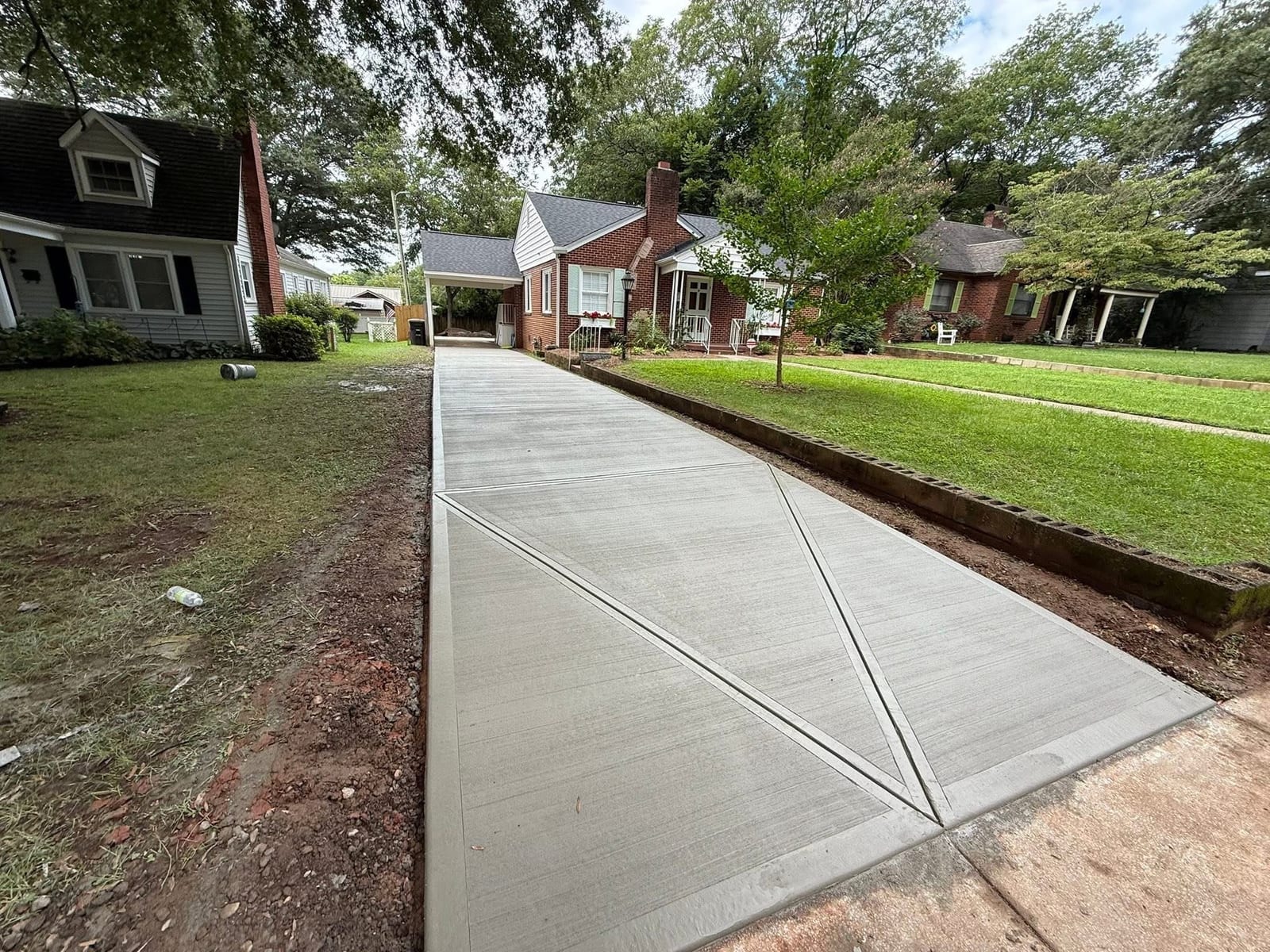
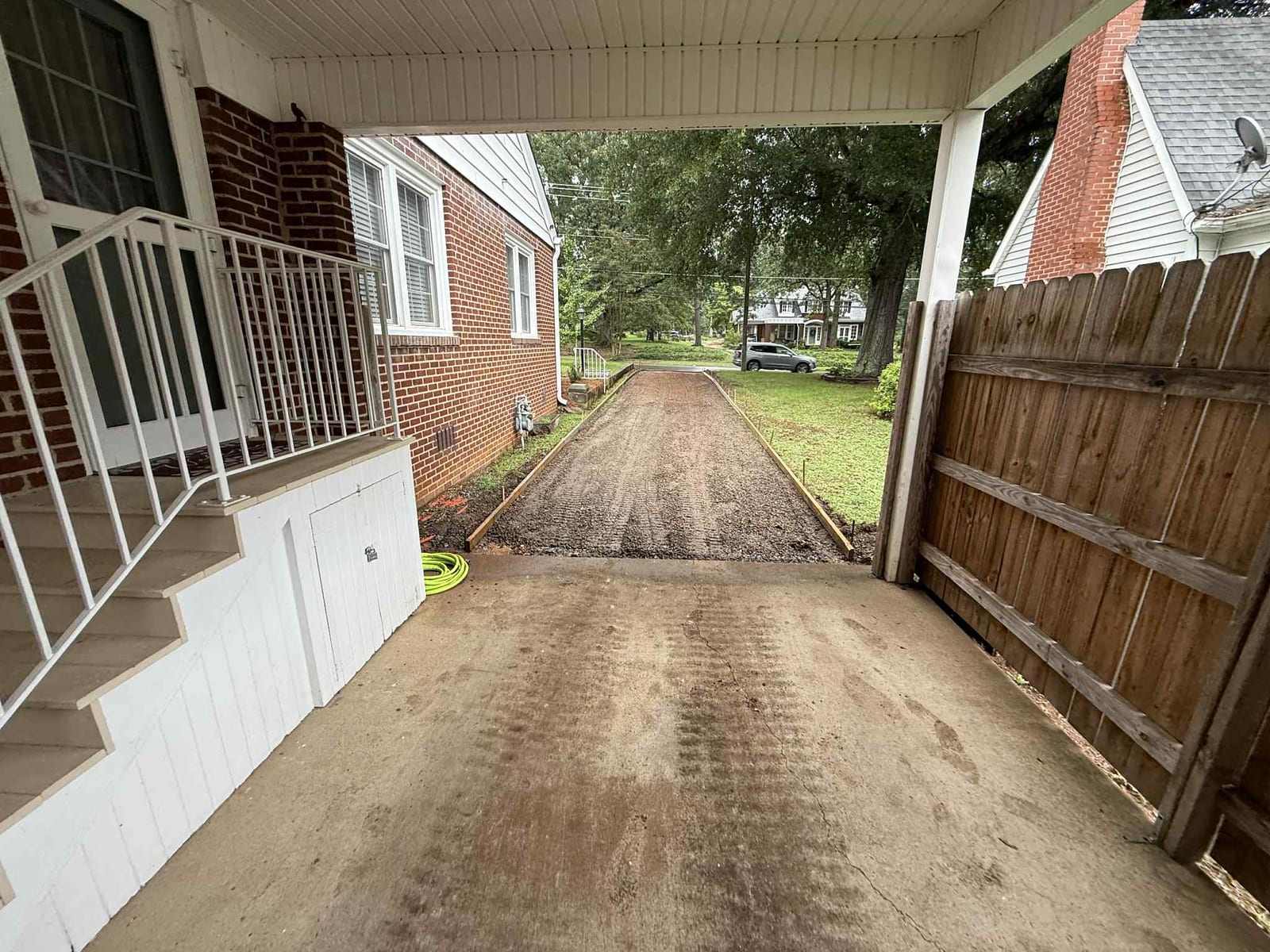
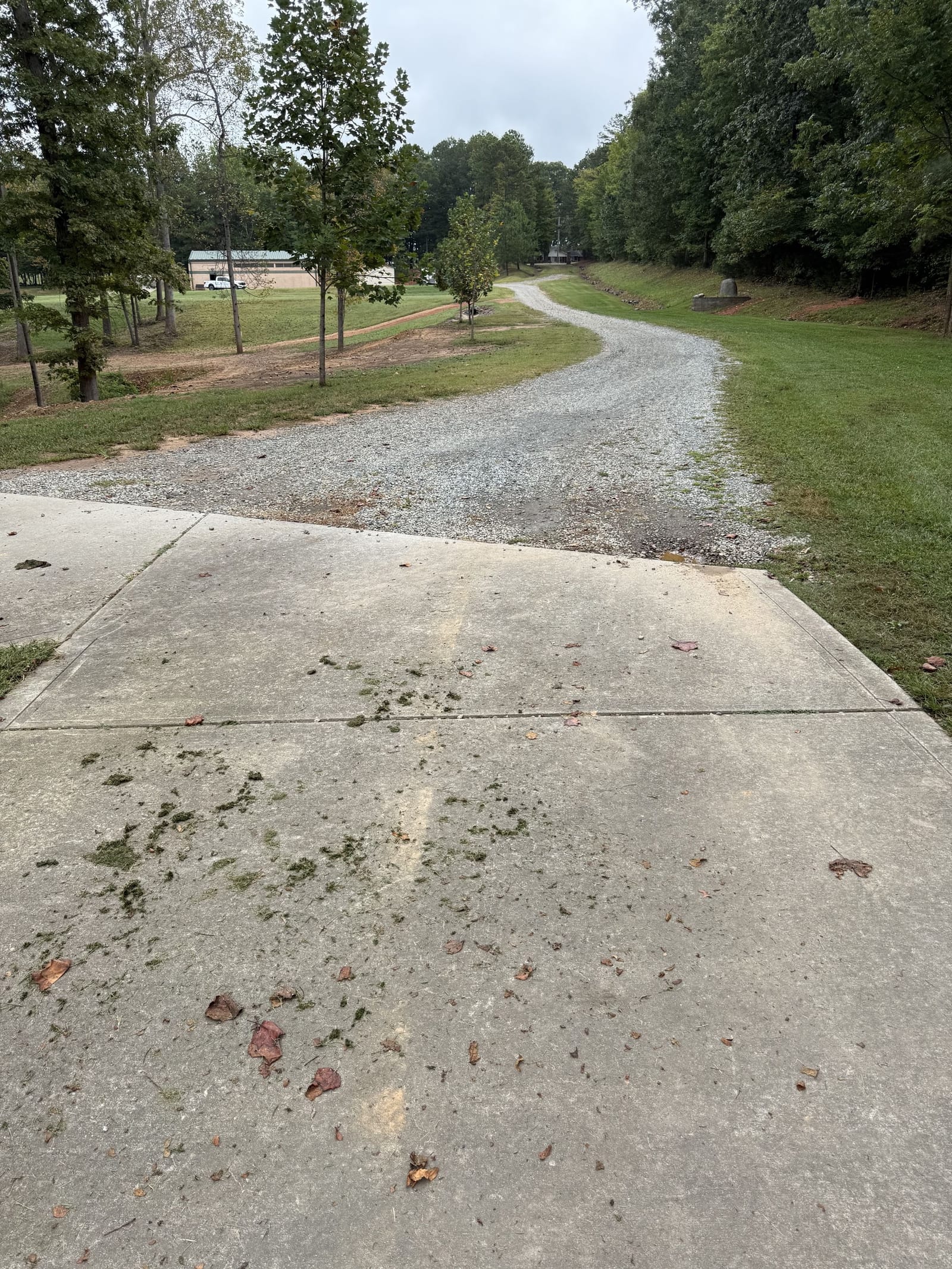
Driveway
Driveway revamp
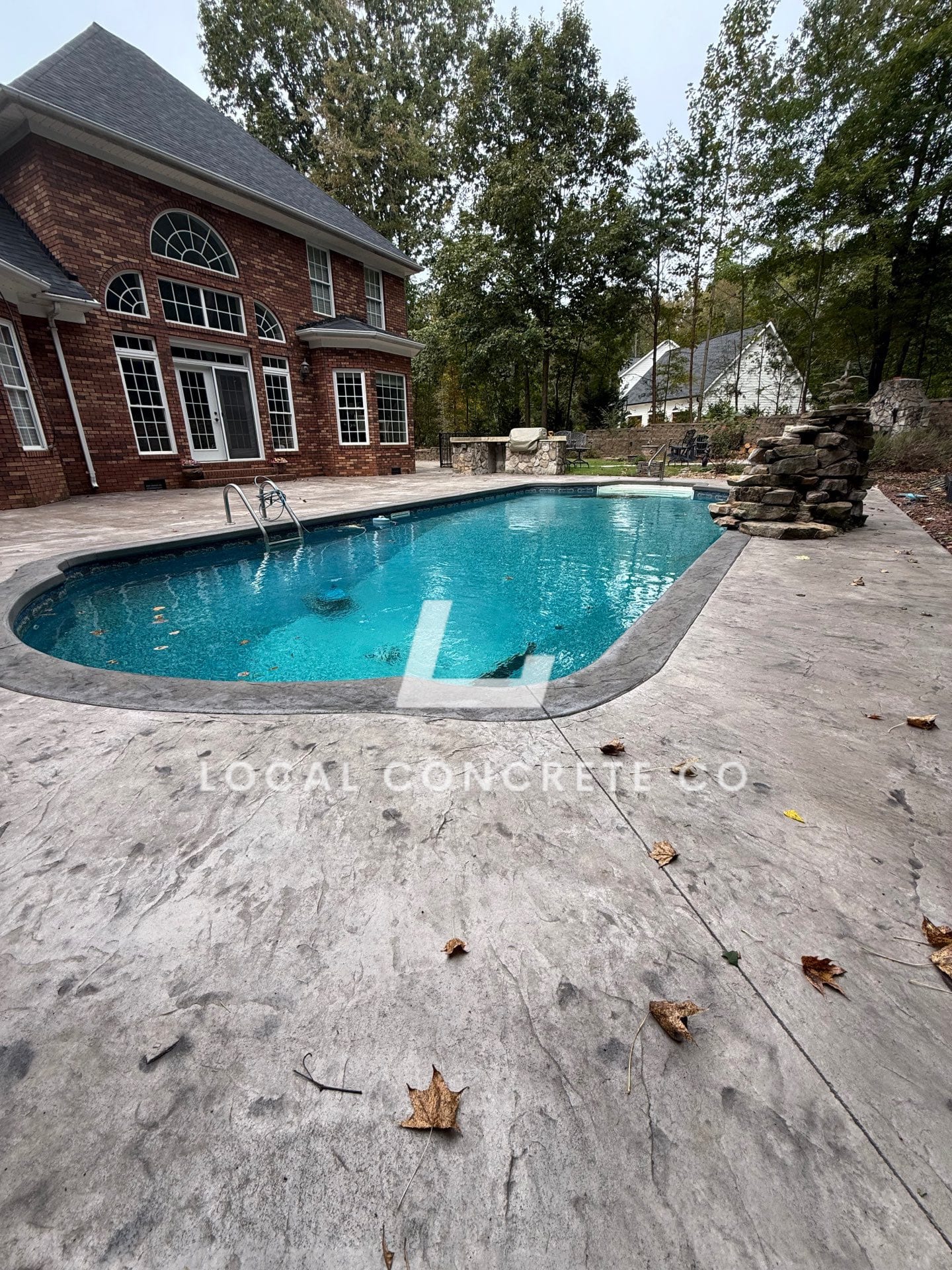
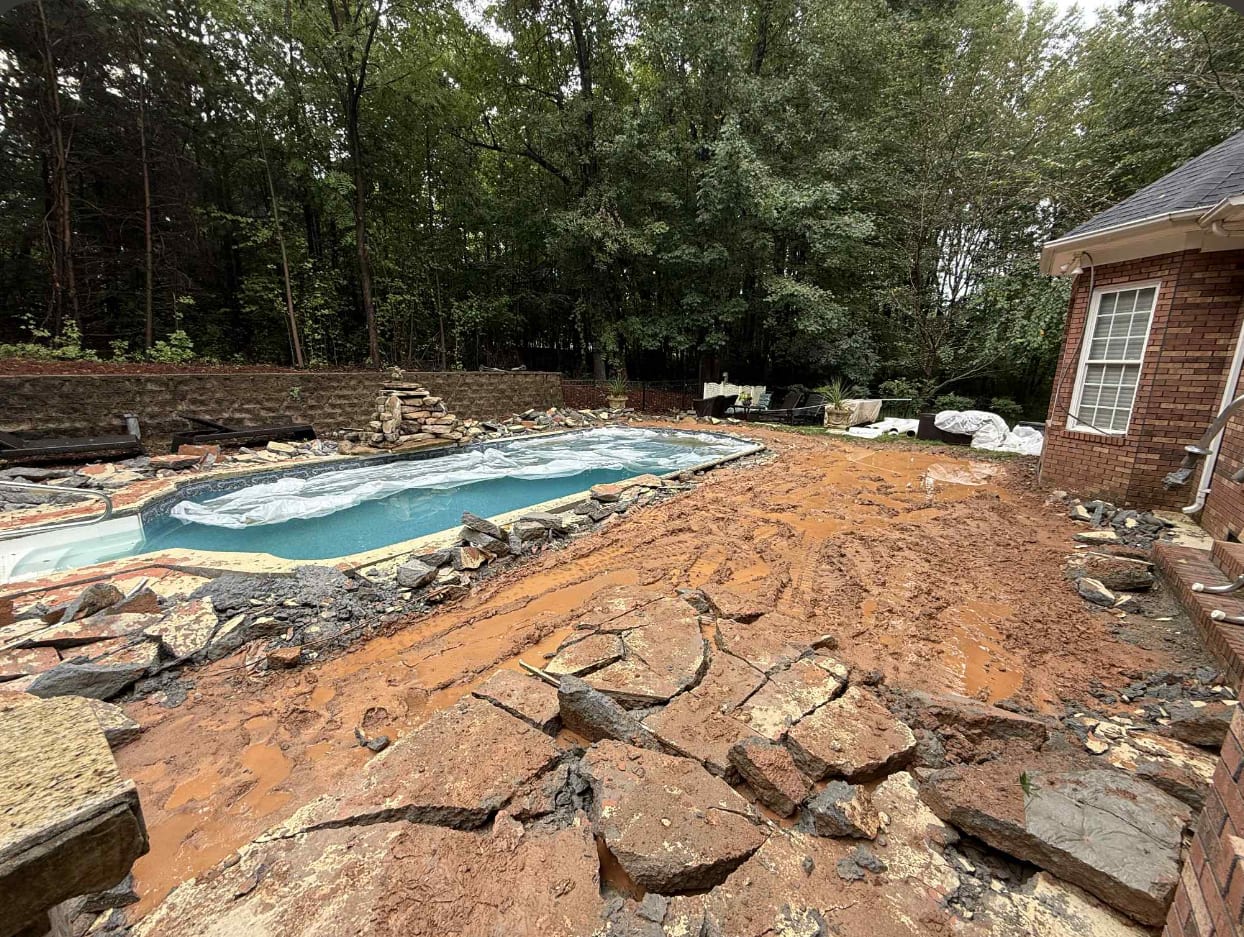
Stamped Pool Deck
Total demolition and replace
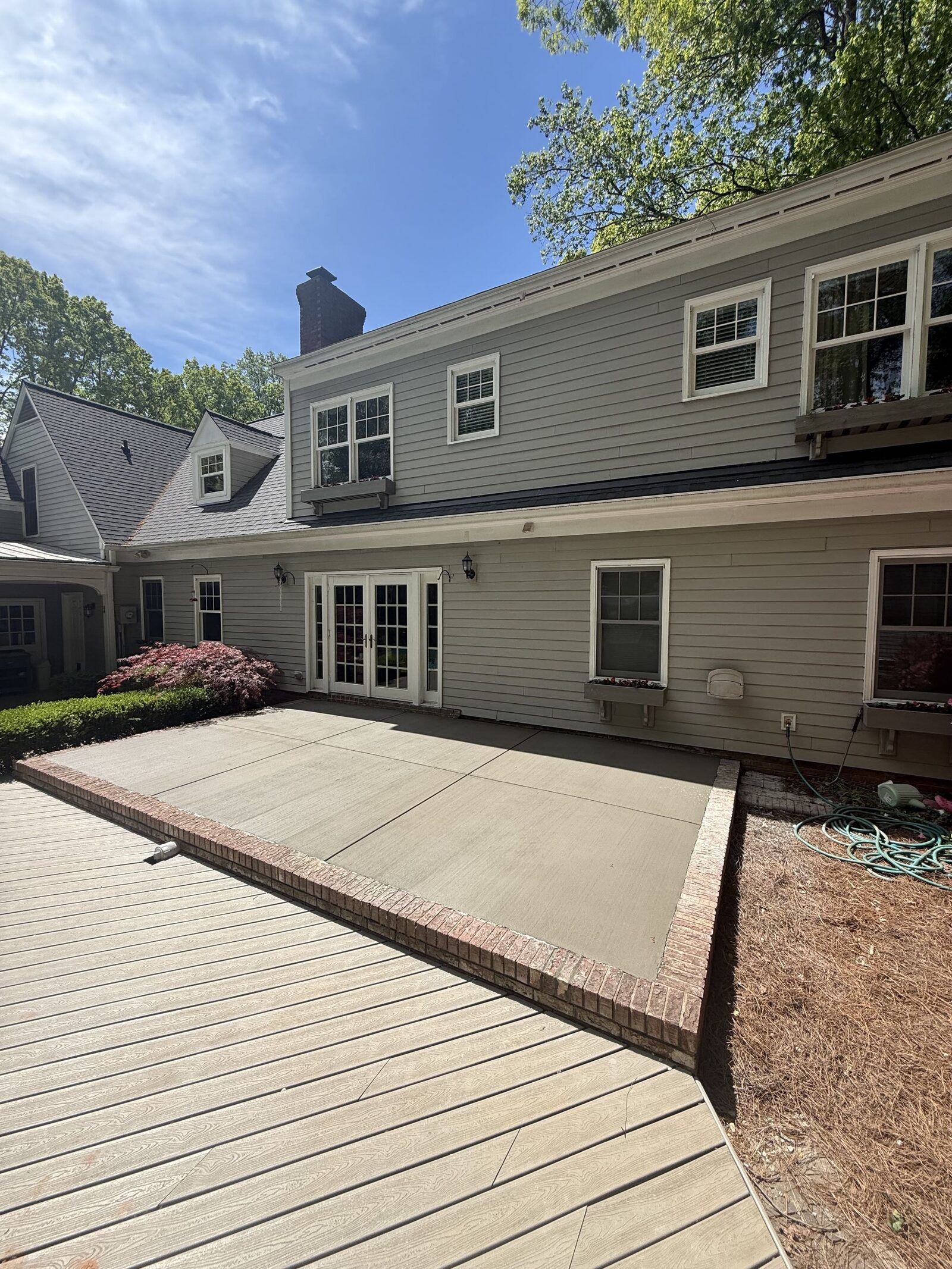
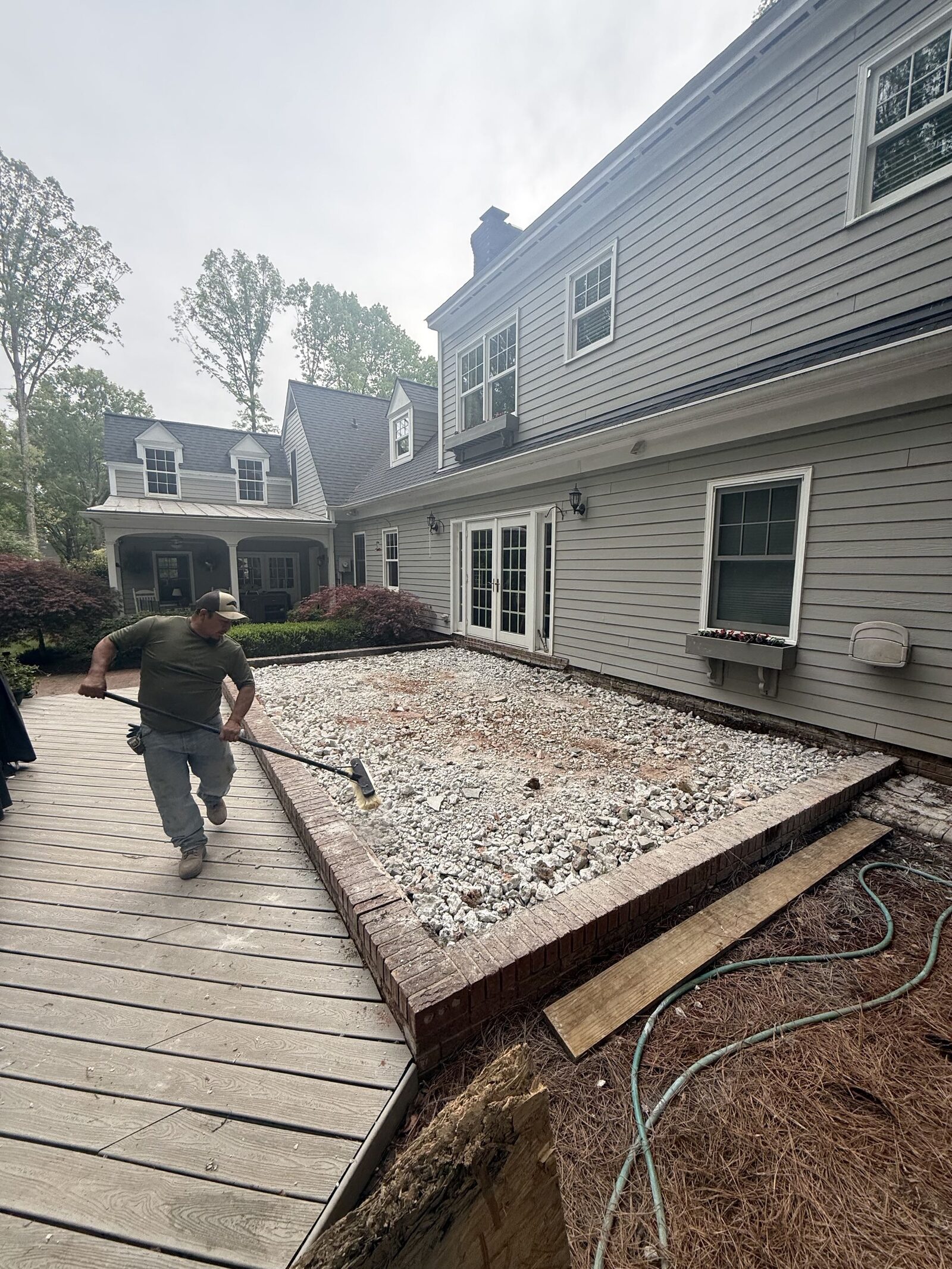
Patio Replacement
Old slab out, new finished slab in
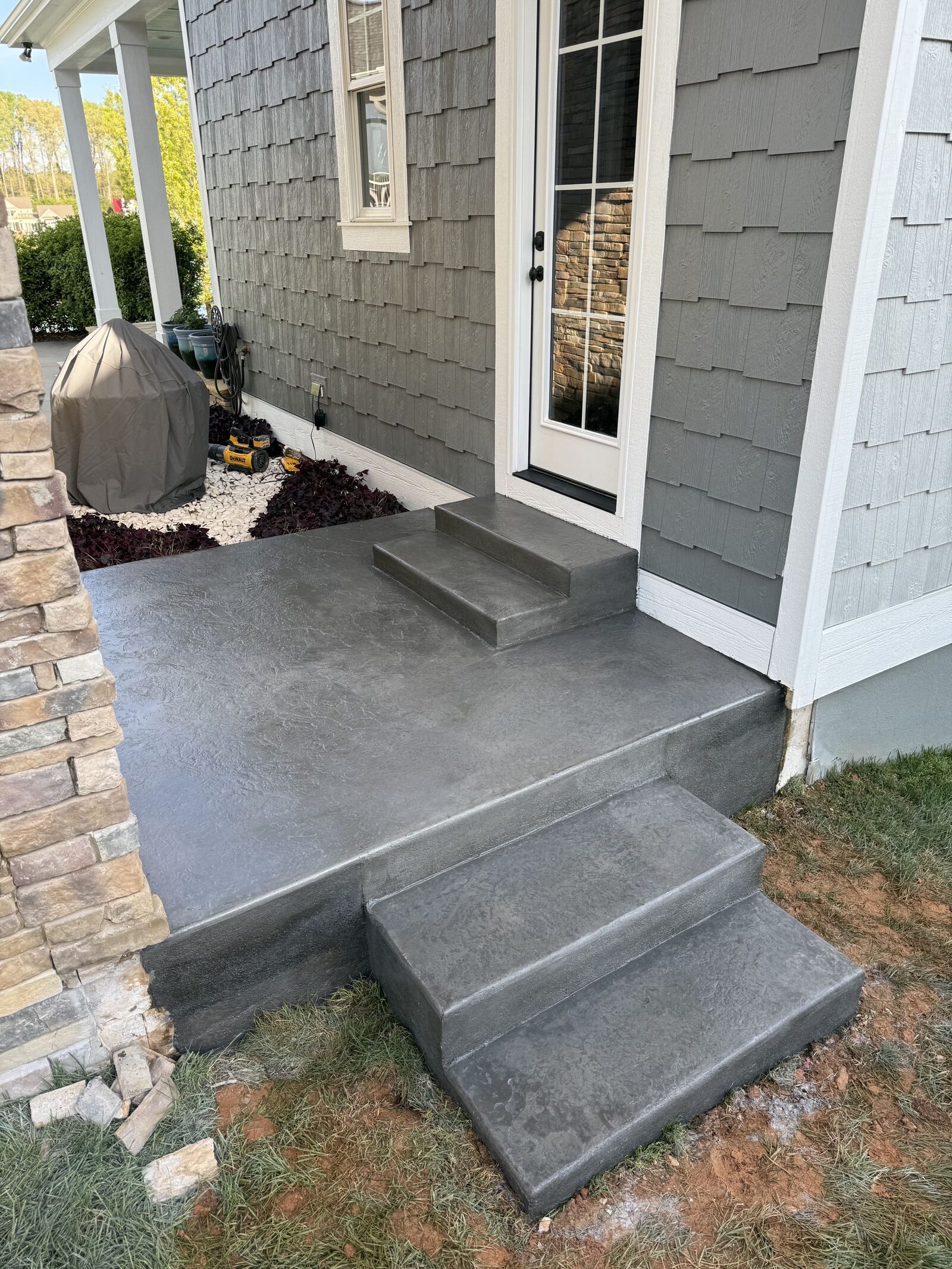
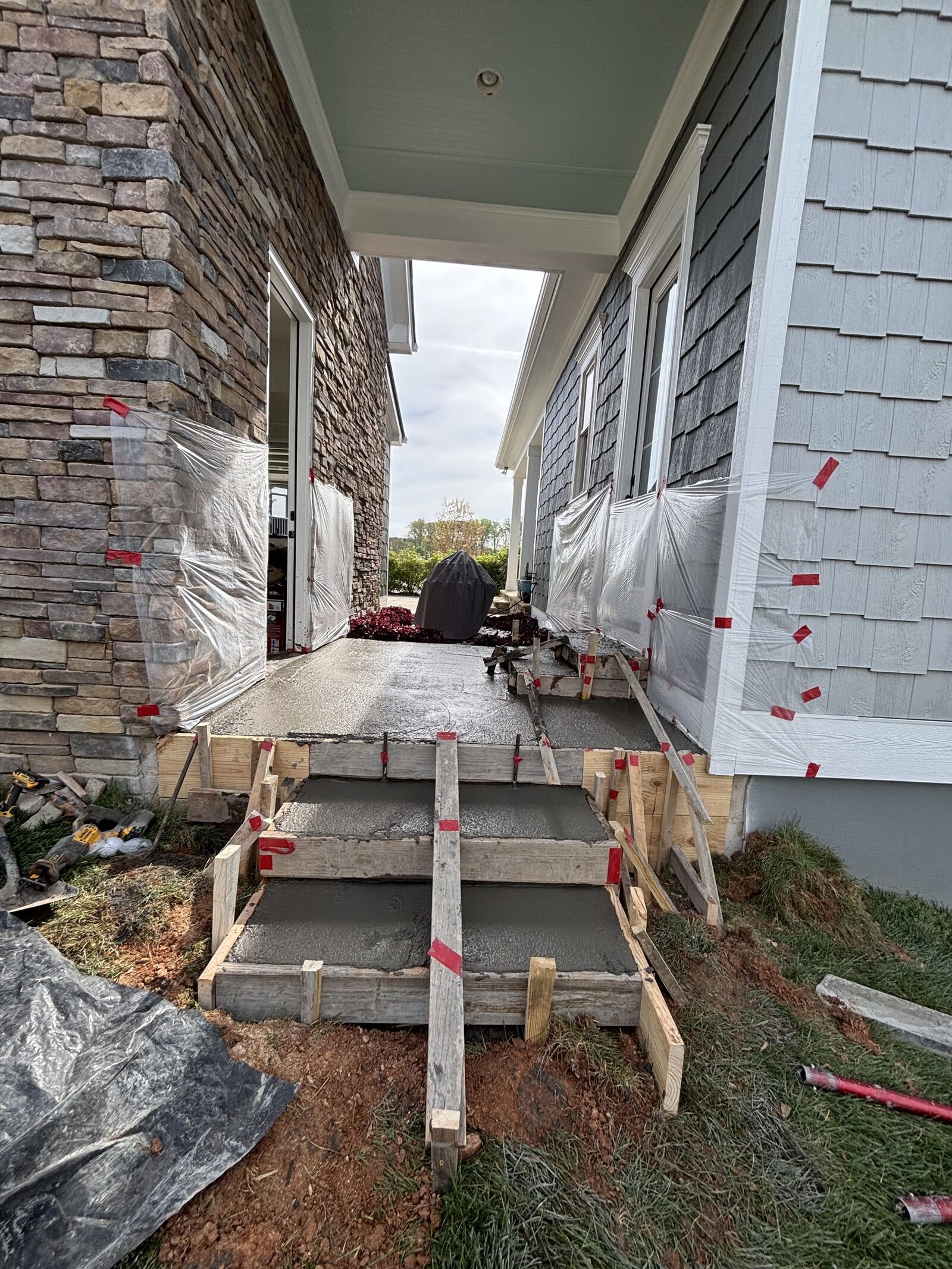
Stamped Concrete Landing
Custom stamped finish + edge tie-in
Driveway Replacement
Tear out + fresh pour