




Best Concrete Walkway Contractors Wake Forest NC
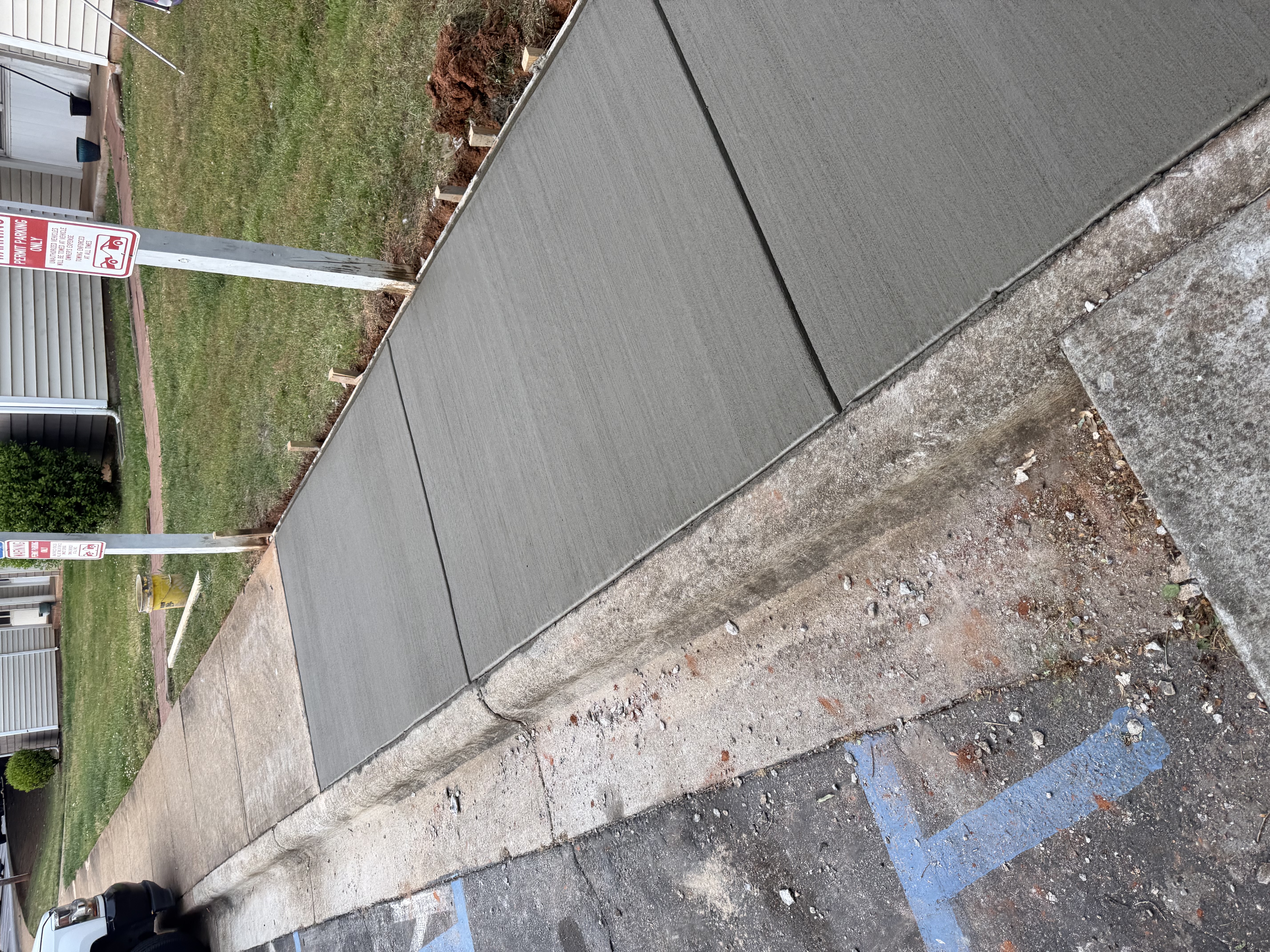
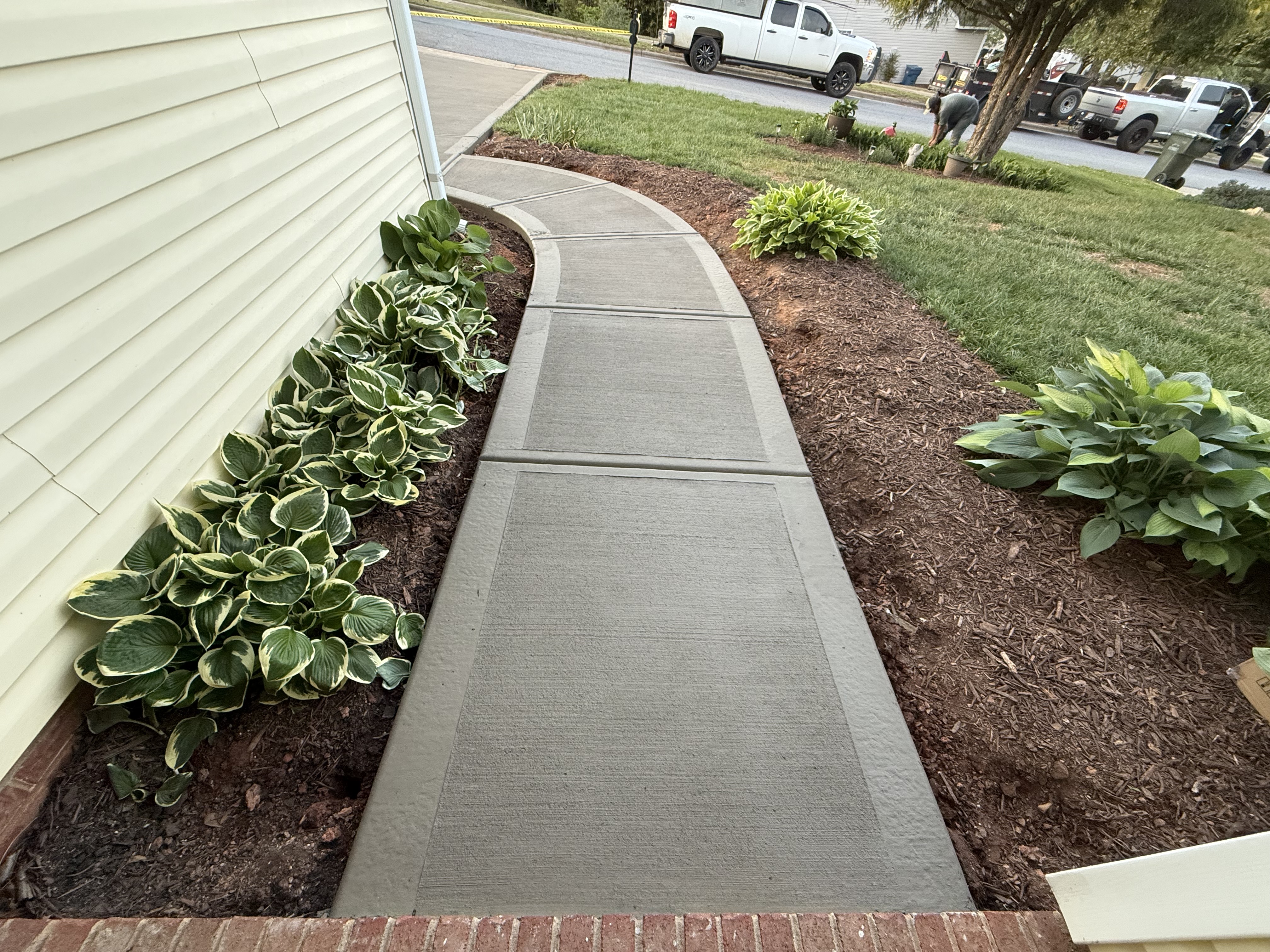
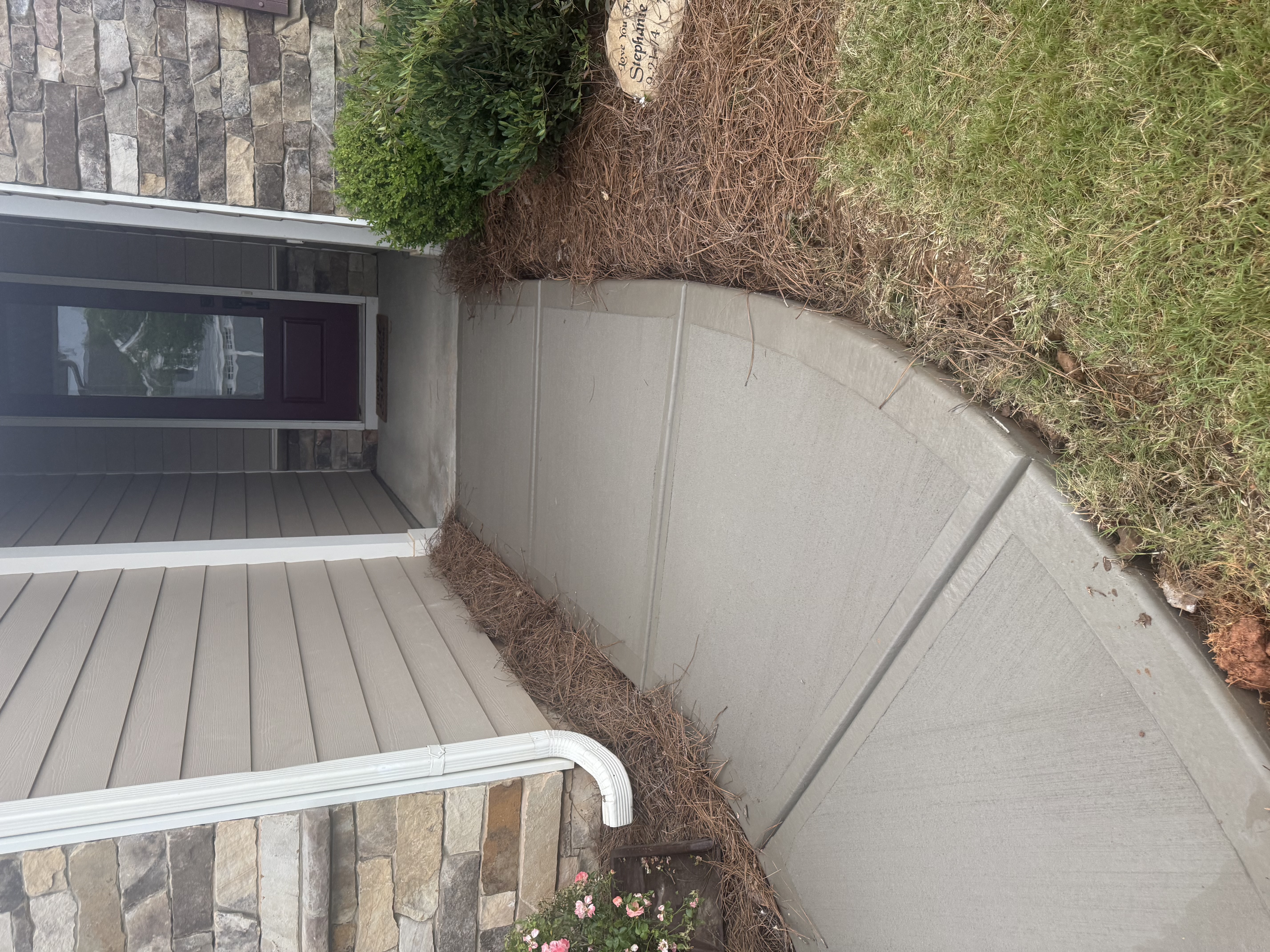
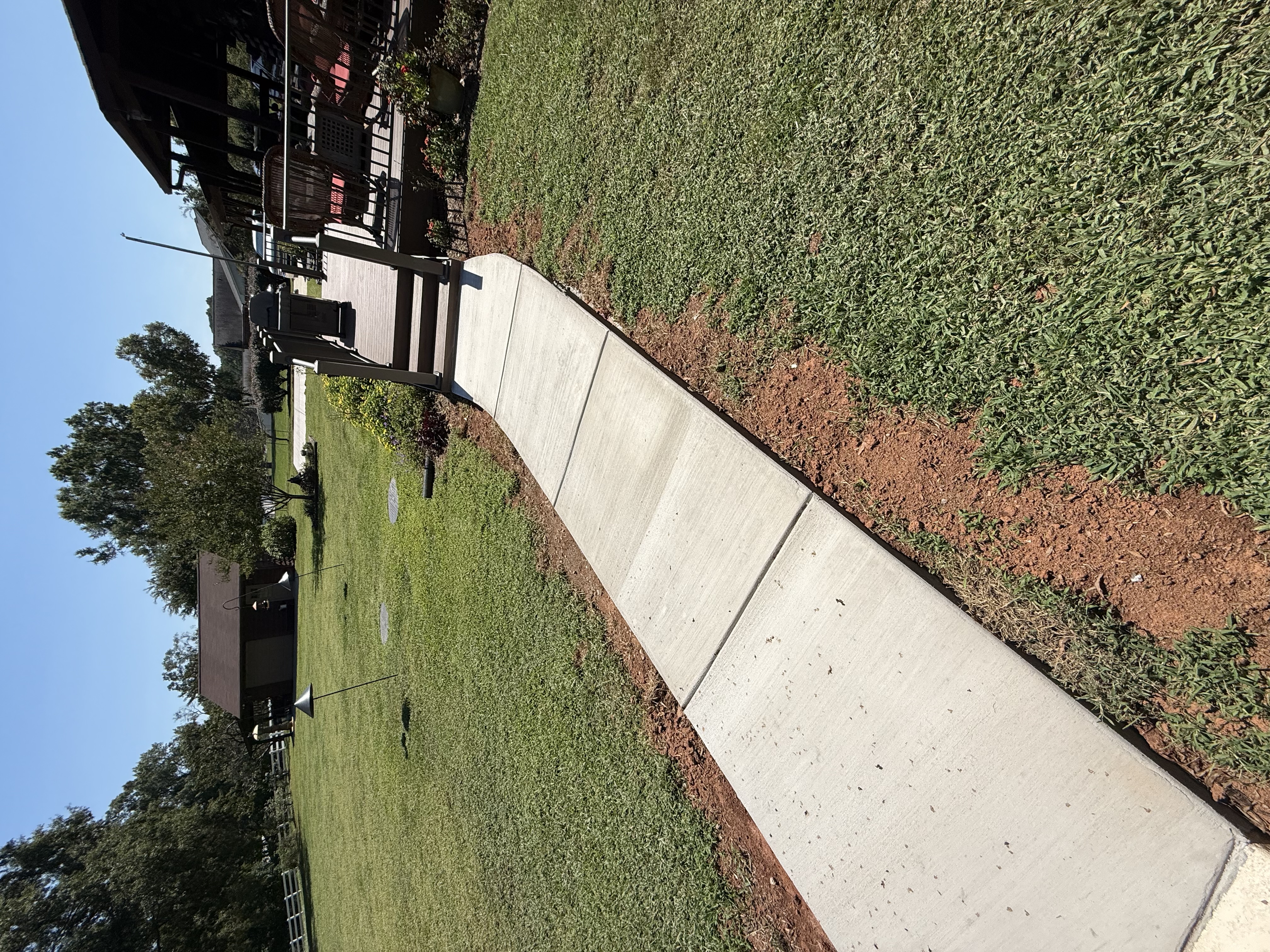
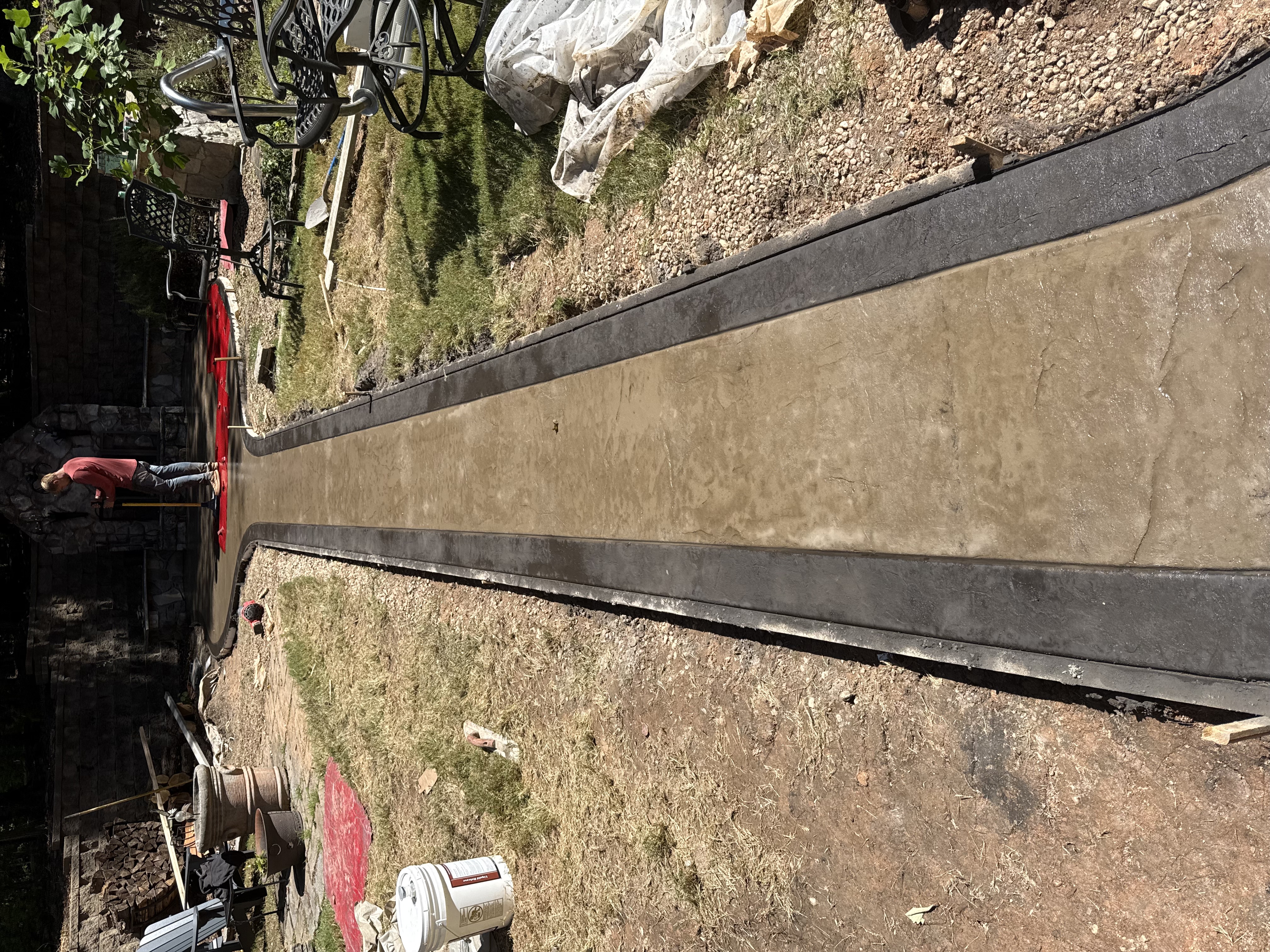
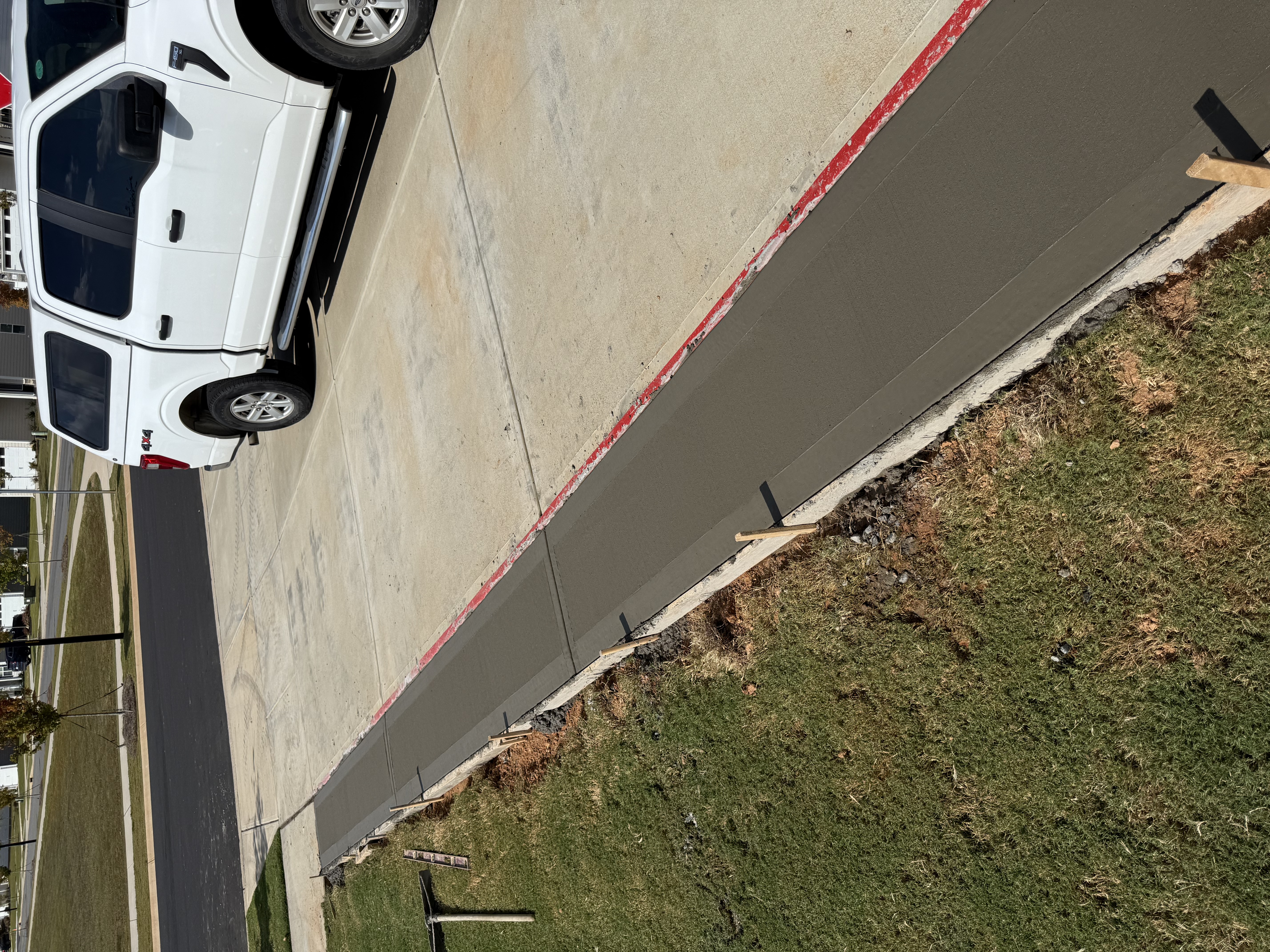
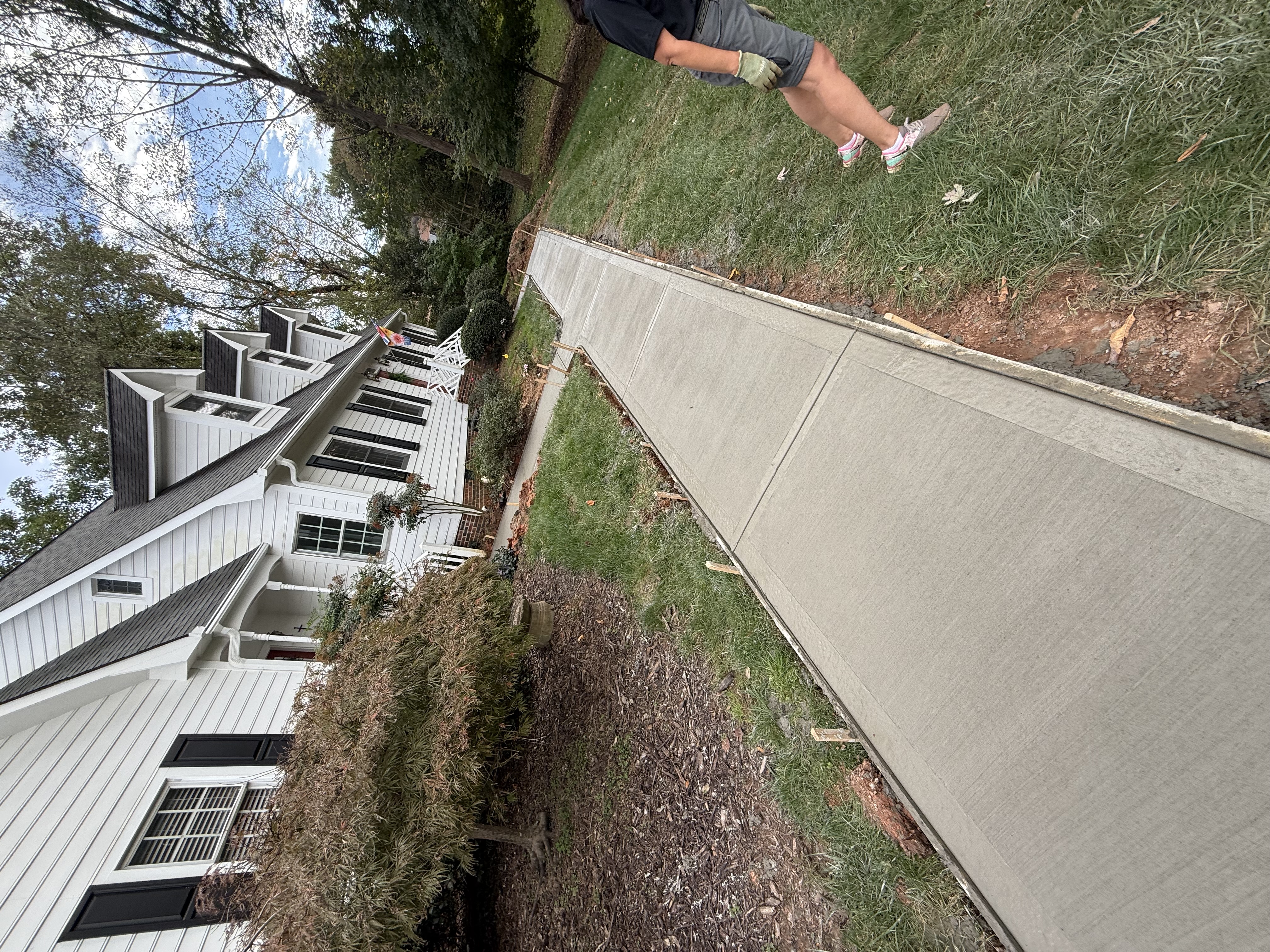
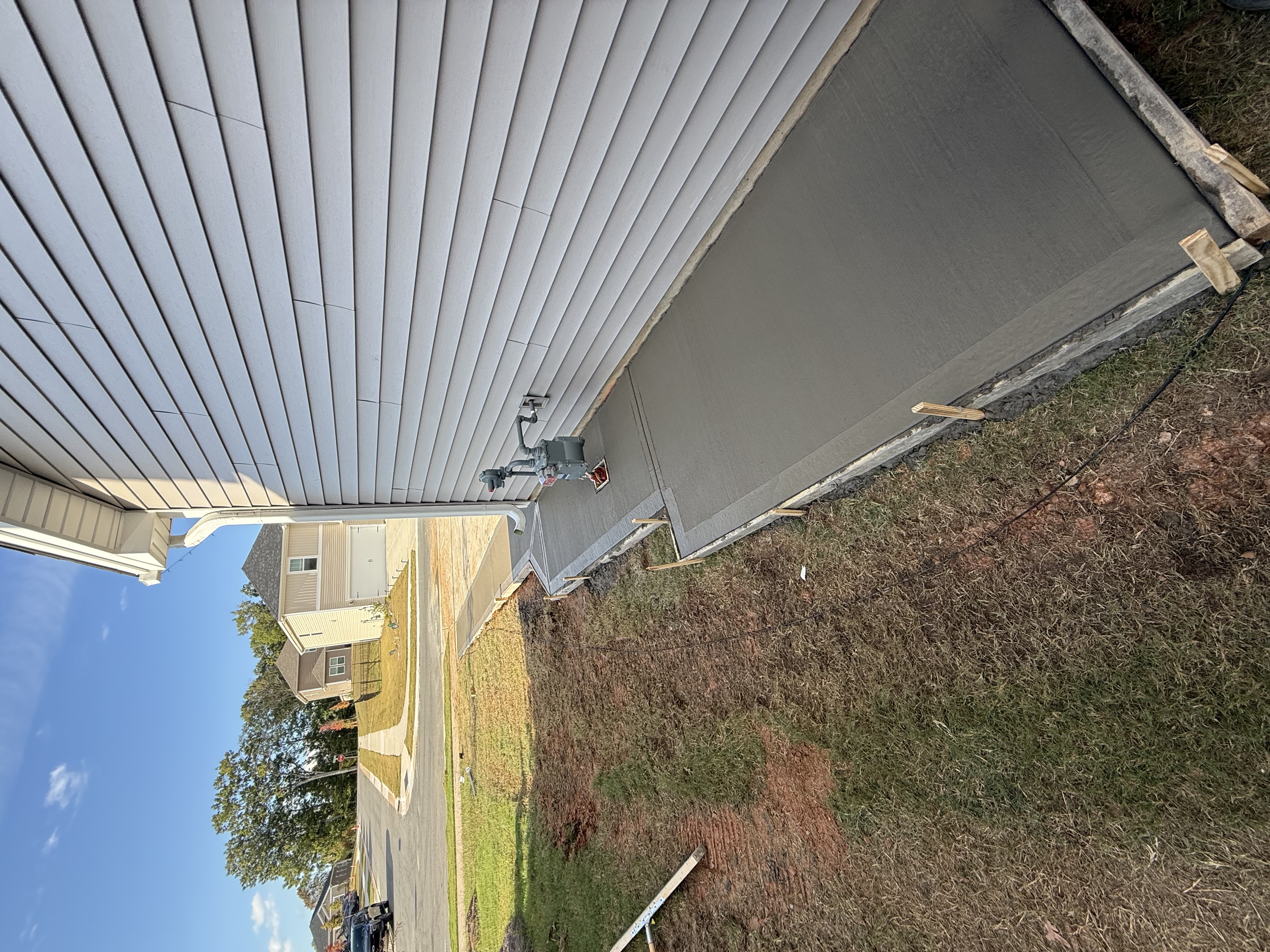
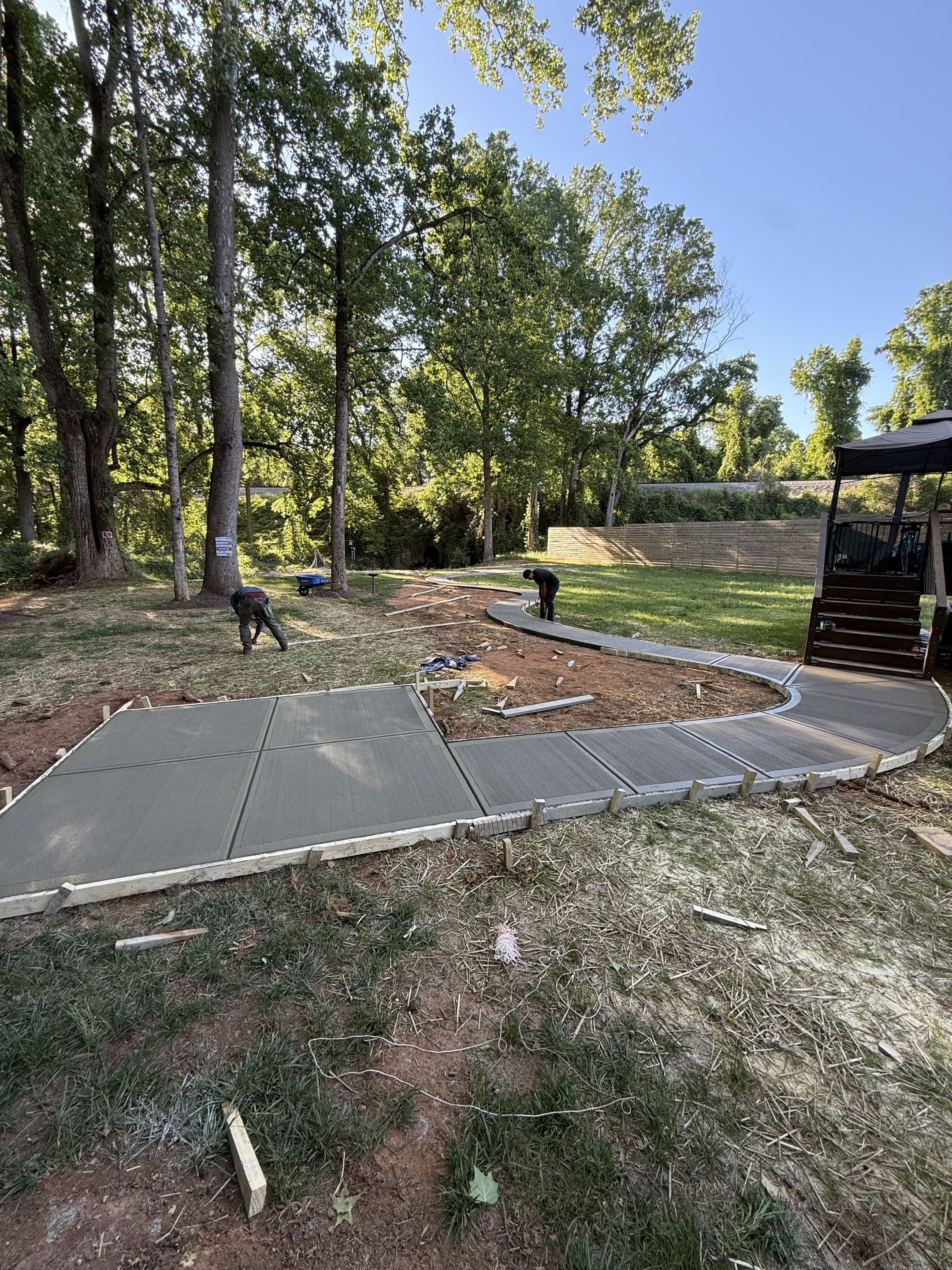
The route from driveway to front door is walked thousands of times a year in every weather. We form Wake Forest walkways wide enough for two people, curved to fit the lot, and pitched so rain leaves the surface instead of icing on it.
Get your free quote
We respond in less than 2 hours.
Recent Wake Forest Walkways Projects
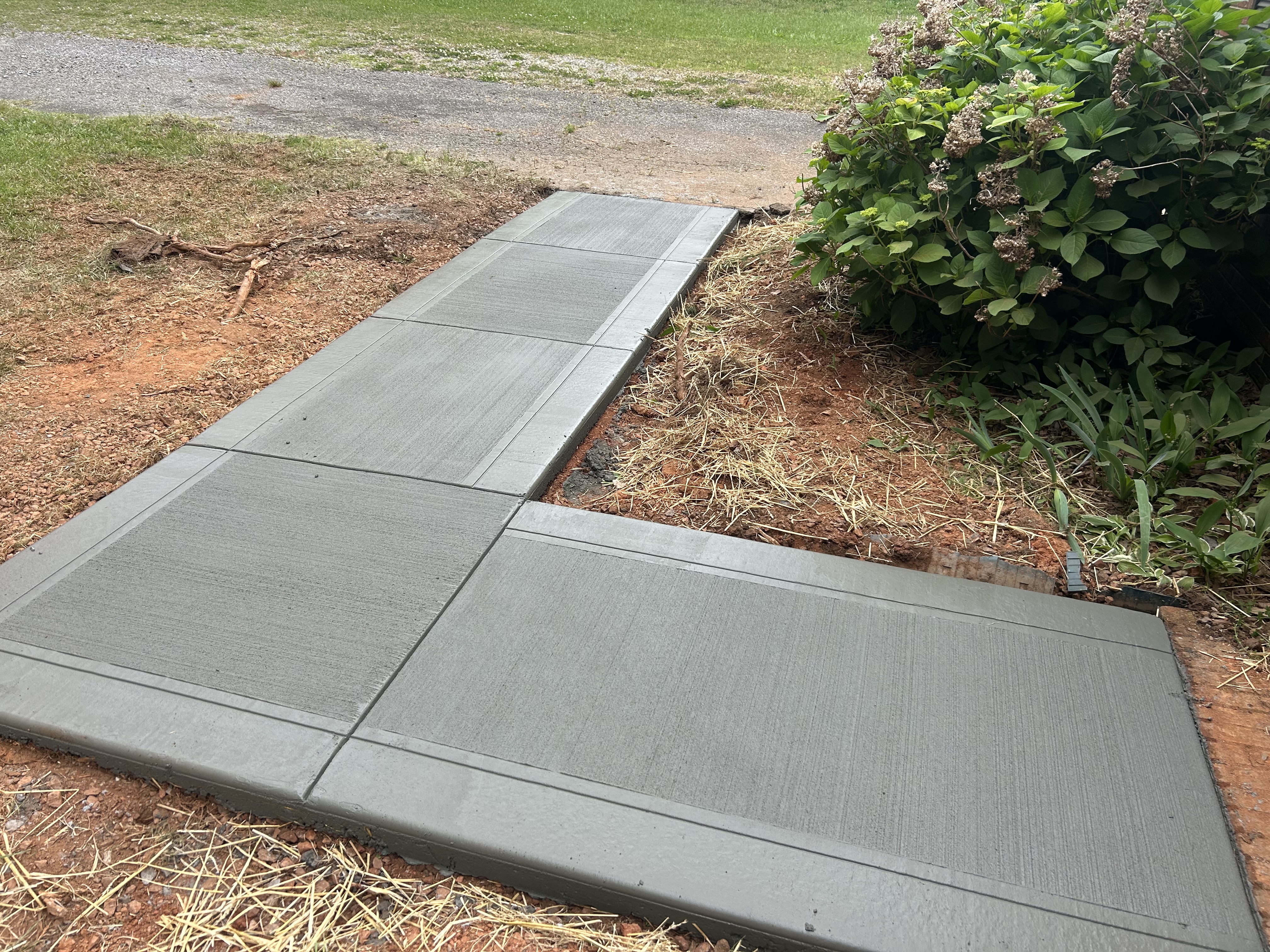
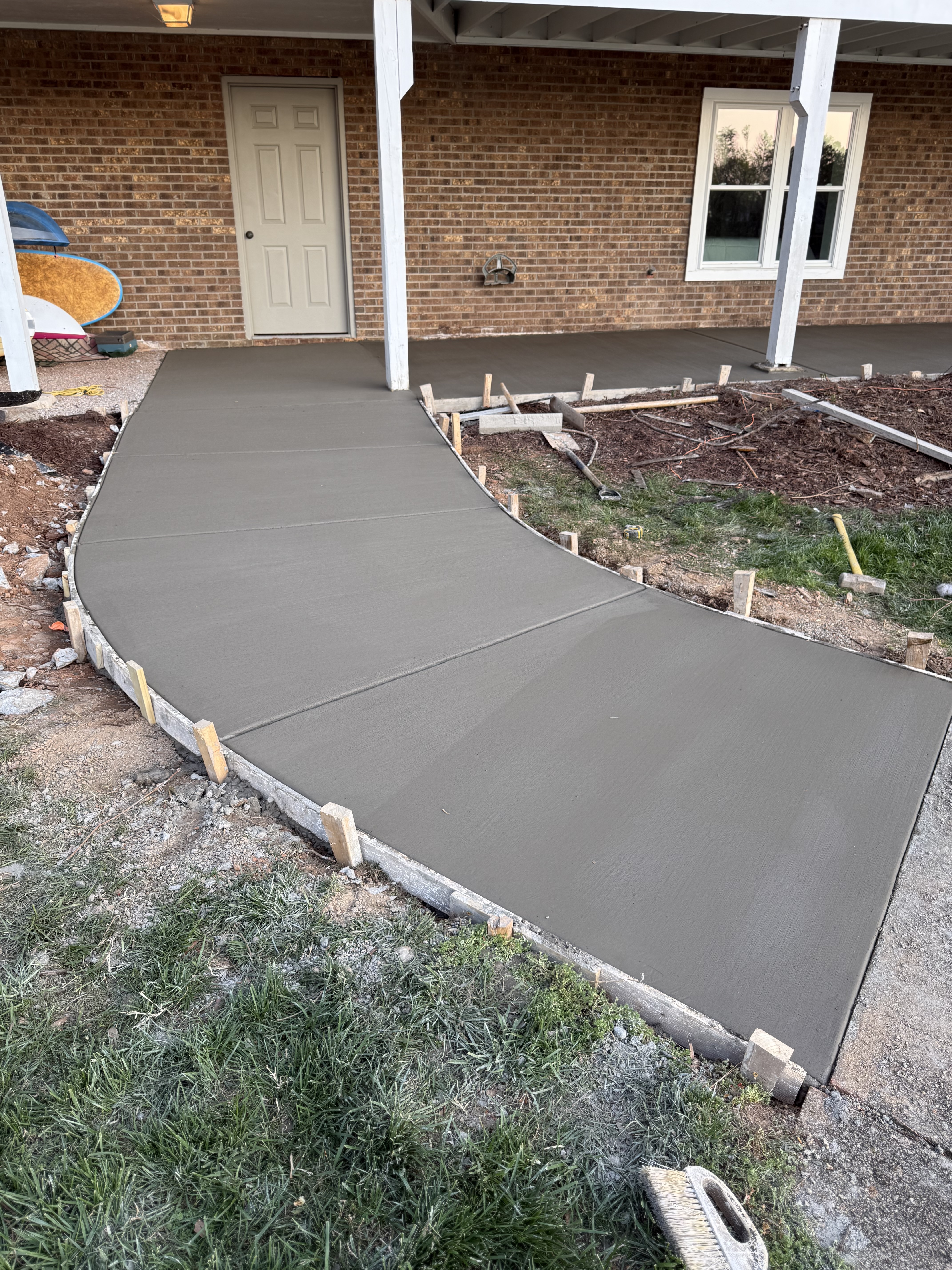
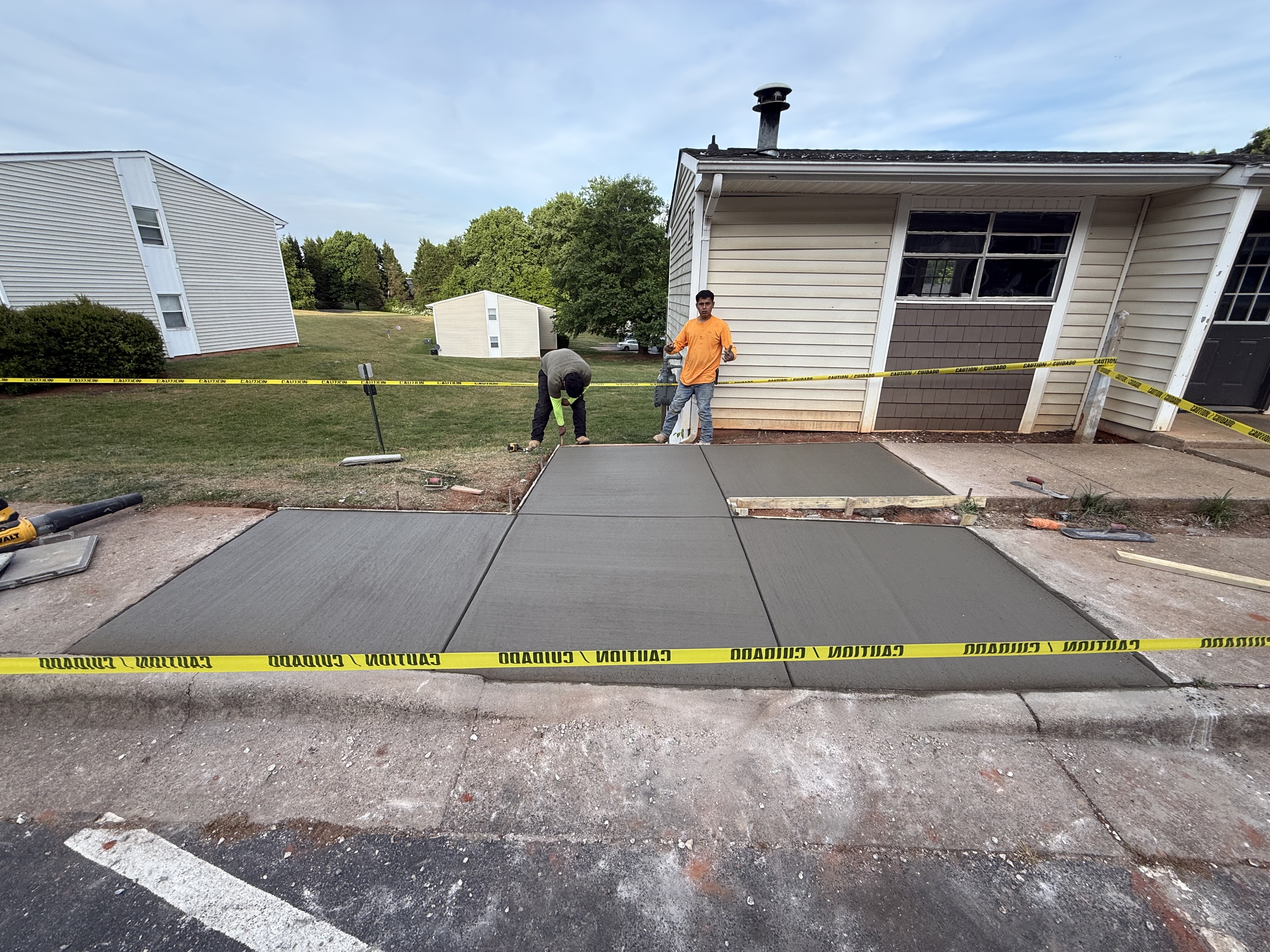
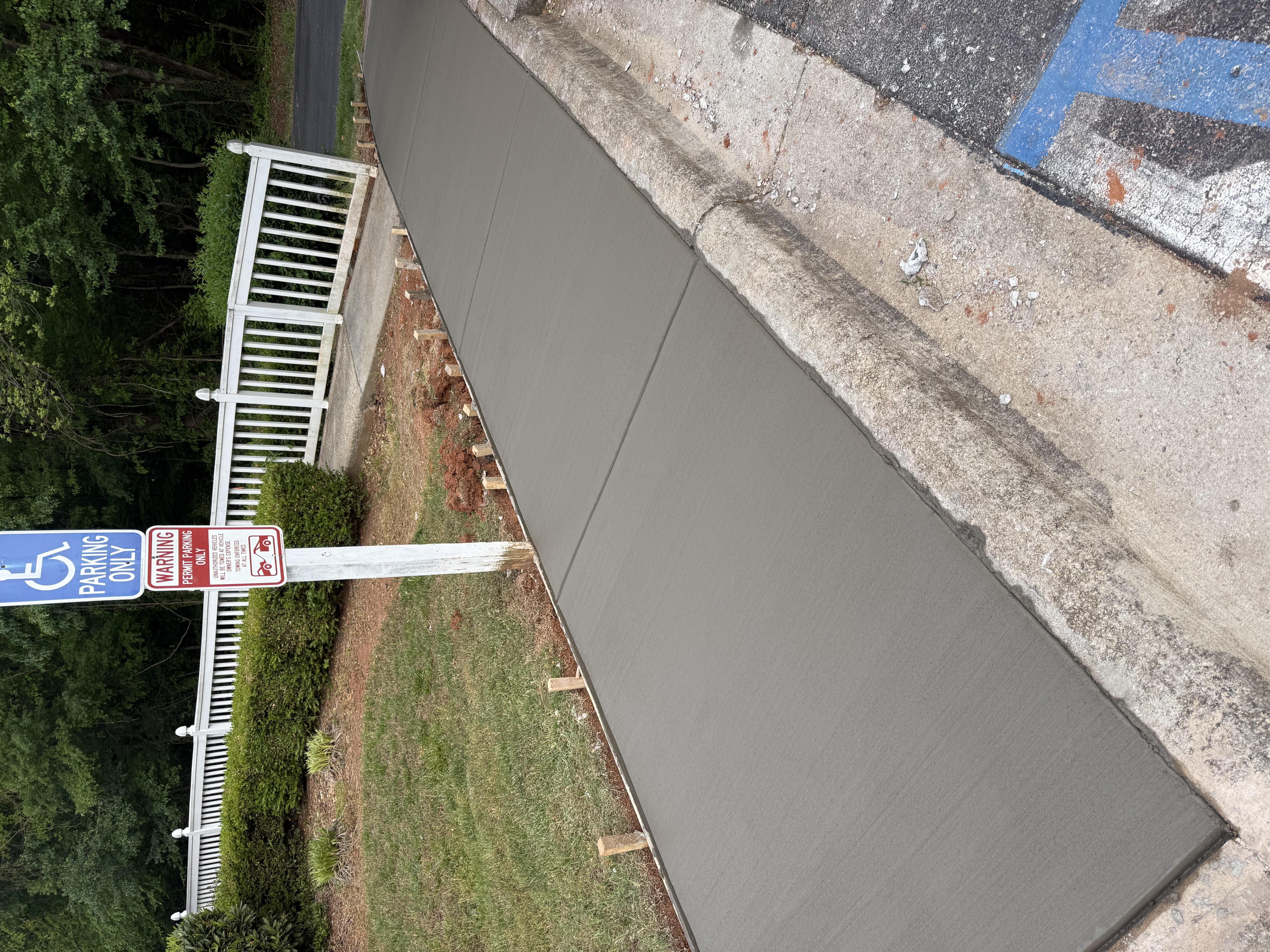
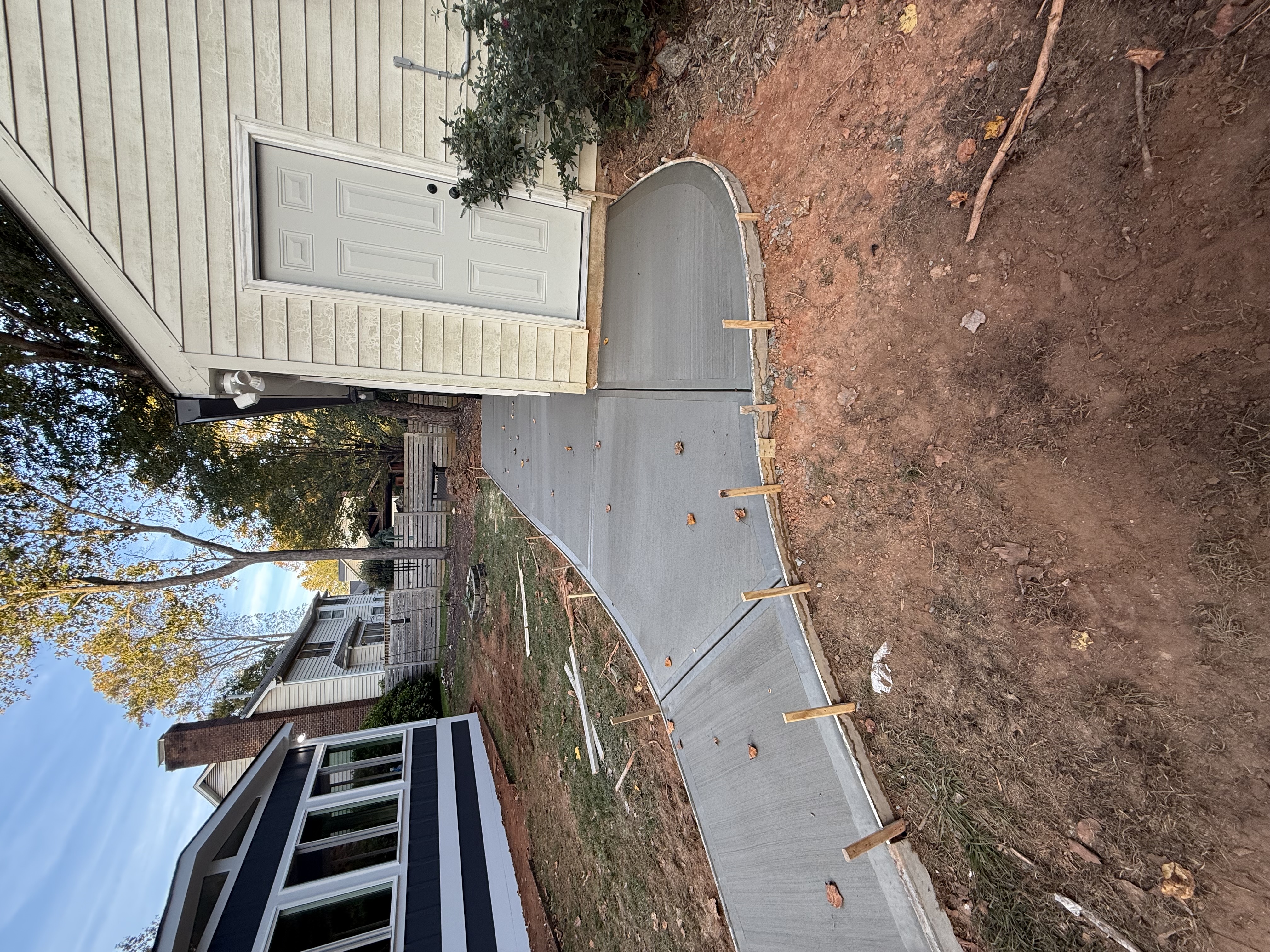
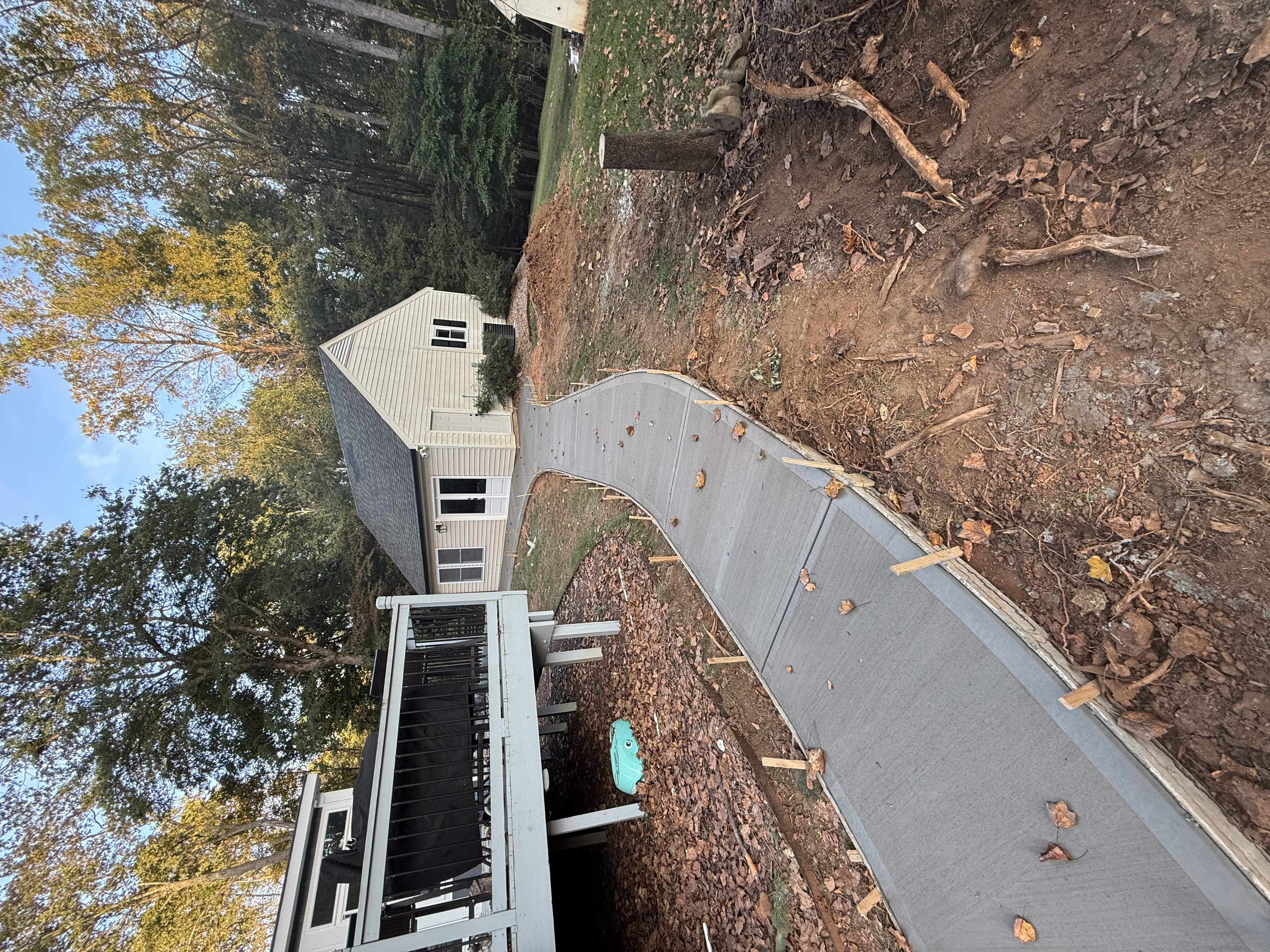
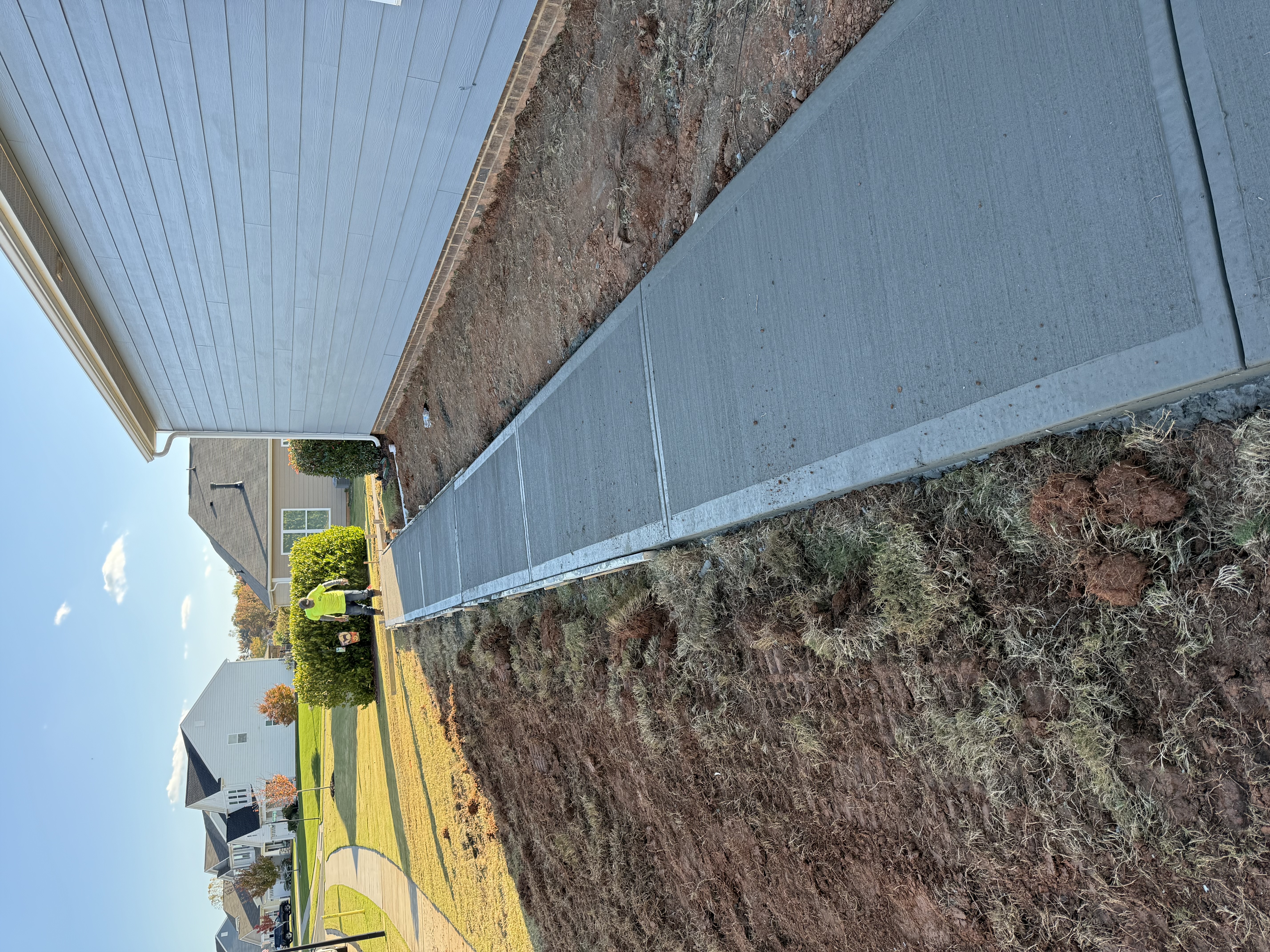
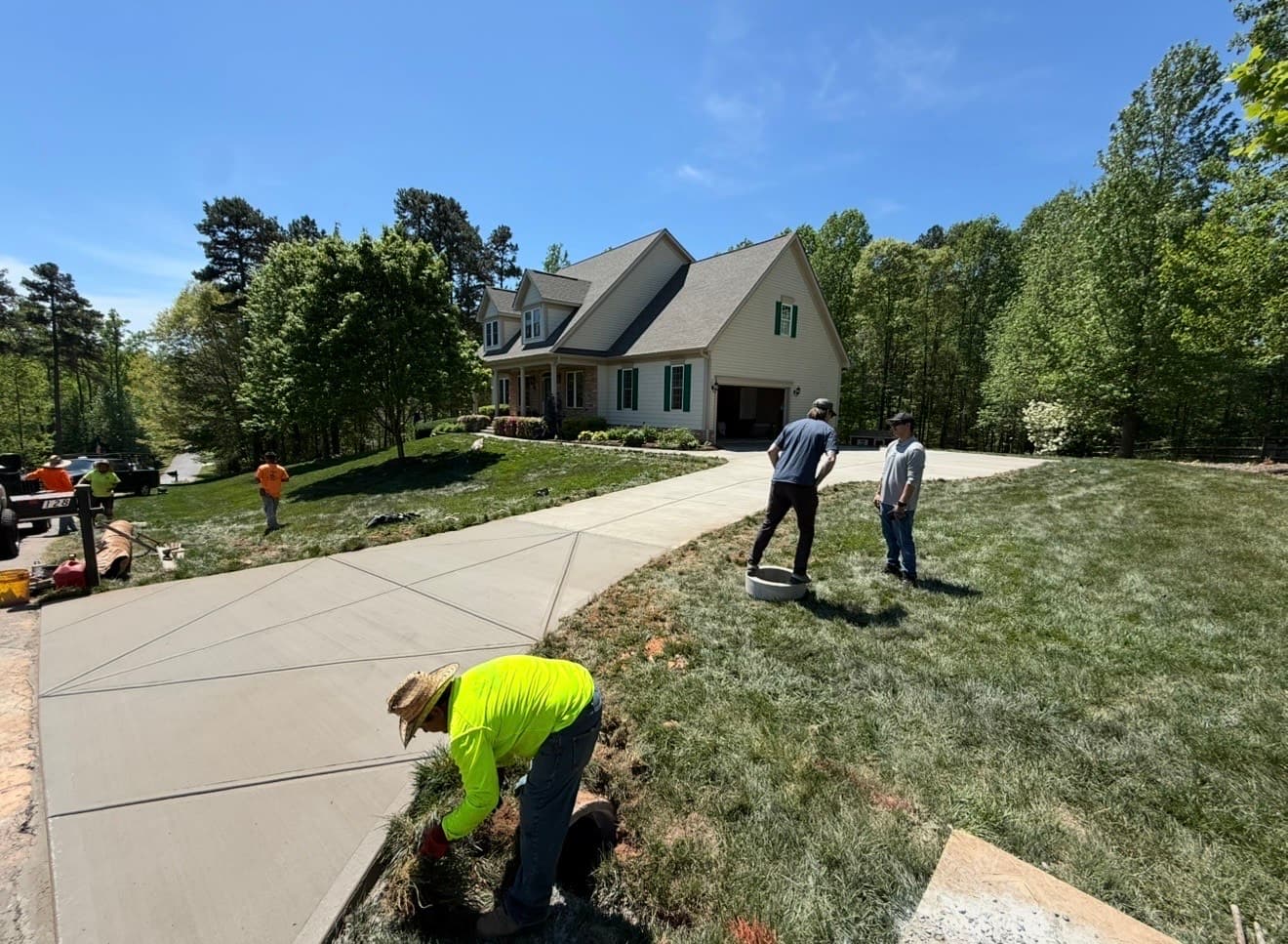
Real customer jobs we've poured. Swipe through and picture yours next.
Walkways
Wake Forest Job
Walkways
Wake Forest Job
Walkways
Wake Forest Job
Walkways
Wake Forest Job
Walkways
Wake Forest Job
Walkways
Wake Forest Job
Walkways
Wake Forest Job
Walkways
Wake Forest Job
Walkways
Wake Forest Job
Walkways
Wake Forest Job
Walkways
Wake Forest Job
Walkways
Wake Forest Job
Walkways
Wake Forest Job
Walkways
Wake Forest Job
Walkways
Wake Forest Job
(984) 254-7088
Layout decides whether a walkway feels inevitable or bolted on. A soft curve suits the deep-porch houses of the historic district better than a surveyor's right angle; four feet of width lets visitors walk side by side instead of single file; a proper landing where walk meets steps removes the awkward half-stride that a straight-run design forces. Beneath the geometry, our Wake Forest walkways get the same structural respect as everything else we pour — compacted base, full depth, reinforcement — because a front walk that heaves is the first thing every guest notices and the last thing anyone budgets to fix.
In Wake Forest specifically, walkway work runs through neighborhoods like Crenshaw Manor, Wake Forest Historic District, The Bluffs at Joyner Park. The scale of Wake Forest's master-planned communities matters for concrete: Heritage alone spans 2,600 acres, and its architectural standards apply to visible flatwork, so patio and driveway projects there usually start with a submittal, not a shovel. That local ground truth — not a generic spec sheet — is what the crew builds against when they form up a Wake Forest pour.
Our Walkway Services
Walkway projects run from a simple broom-finish path to a full stamped-and-colored feature loop, and each style changes the spec on base, joints, and finish schedule.
- House-to-patio walkways connecting the back door to an existing rear slab
- Pool-deck approach walks from the house or driveway to a pool coping edge
- Garden path runs with curved alignment and planting-bed transitions
- Driveway-to-backyard side walks that wrap around a garage or utility area
- Shed, workshop, and outbuilding approach walks with load-appropriate thickness
- Stamped concrete walkways in flagstone, ashlar slate, cobblestone, or brick patterns
- Exposed aggregate walkways where a natural stone appearance is the goal
- Integral-color walkways with body pigment blended into the mix
- Broom-finish walkways with saw-cut geometric patterns for a modern look
- Stepping-stone-style segmented pours where movement joints double as design
If the design brief is a curved walk with a decorative finish tying a patio to a pool deck, that is a different scope than a straight broom-finish shortcut to the shed. We walk the property, sketch the alignment, and price the finish options side by side so the design decision is informed before the concrete arrives.
Walkway Width, Layout, and Design Choices
A residential walkway does not have a code-required width. What drives the spec is how the walk will be used and how it reads visually in the yard. Standard residential walkways run three to four feet wide; feature walkways connecting to a pool or patio often widen to five feet with a bench or planter offset.
The design decisions that come up on almost every walkway project:
- Continuous slab versus segmented stepping-stone pours — segmented reads more informal and handles soil movement at the gaps
- Straight versus curved alignment — curves add design value but complicate form work and joint placement
- Broom versus stamped versus exposed aggregate — each finish changes maintenance rhythm
- Integral color versus surface stain — integral is permanent, surface stain refreshes but wears
- Border-and-field pattern — stamped border framing a broom-finish center reads decorative without the full-stamp reseal schedule
- Joint layout that respects the design — random control joints on a curved walk look wrong; a saw-cut pattern that follows the curve reads intentional
- Landing pads at direction changes or bench locations
On any walkway that will see wheelbarrow, mower, or utility-cart traffic to a shed or garden, we spec a four-inch slab minimum. A three-inch decorative path across a lawn with pedestrian traffic only holds up fine on the right base.
Get your free quote
We respond in less than 2 hours.
Why Local Concrete Contractor?
- 01.Precision craftsmanship
- 02.Same crew from base through finish
- 03.Licensed & insured, dedicated project manager
- 04.No deposit — pay on completion
Our Walkways Process in Wake Forest
Every walkways we pour in Wake Forest runs through the same 18 checkpoints — from the on-site consult through the final walkthrough.
Consultation & Estimate
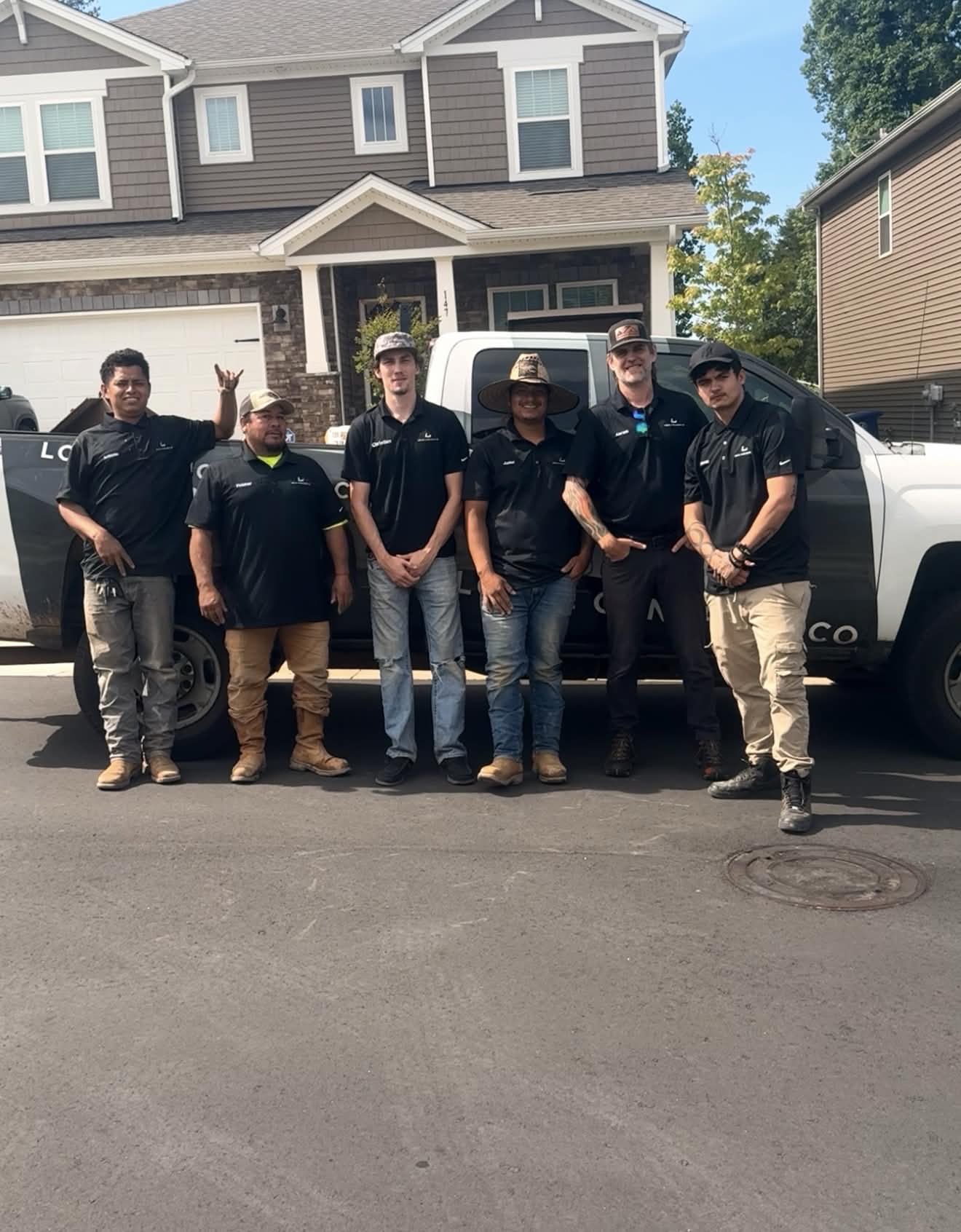
We meet on-site in Wake Forest to assess scope, discuss vision, and provide a detailed, transparent quote tailored to your Wake Forest property.

Logistics & Scheduling
Coordinating crew, equipment, and weather windows specific to Wake Forest's climate to ensure a seamless project start.
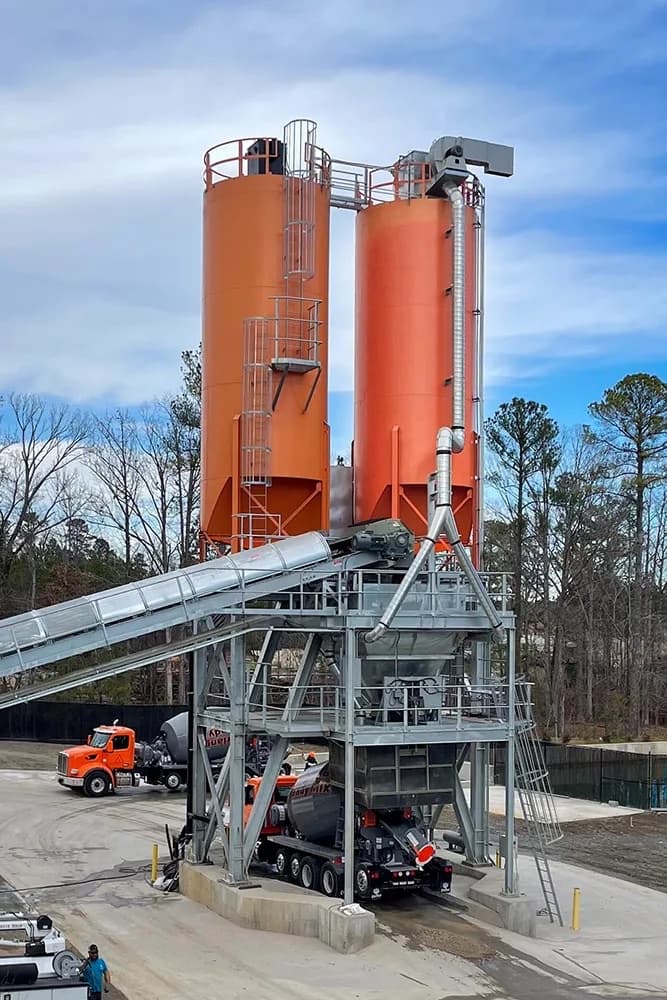
Custom Mix Design
Ordering specific concrete additives and slump requirements based on Wake Forest's current temperature and humidity patterns.
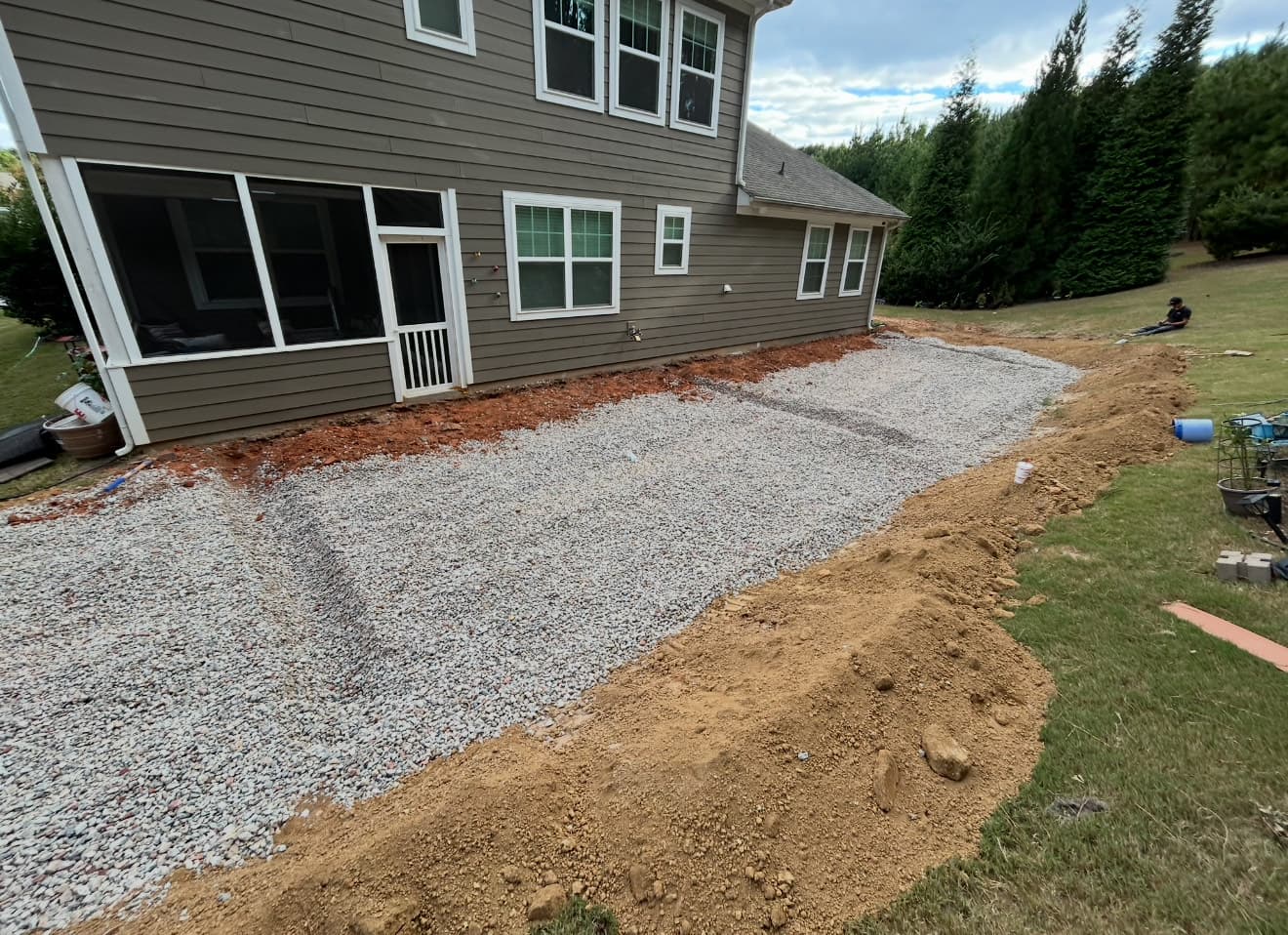
Site Preparation
Preparing the workspace in Wake Forest and establishing safe access routes for our equipment and crew.
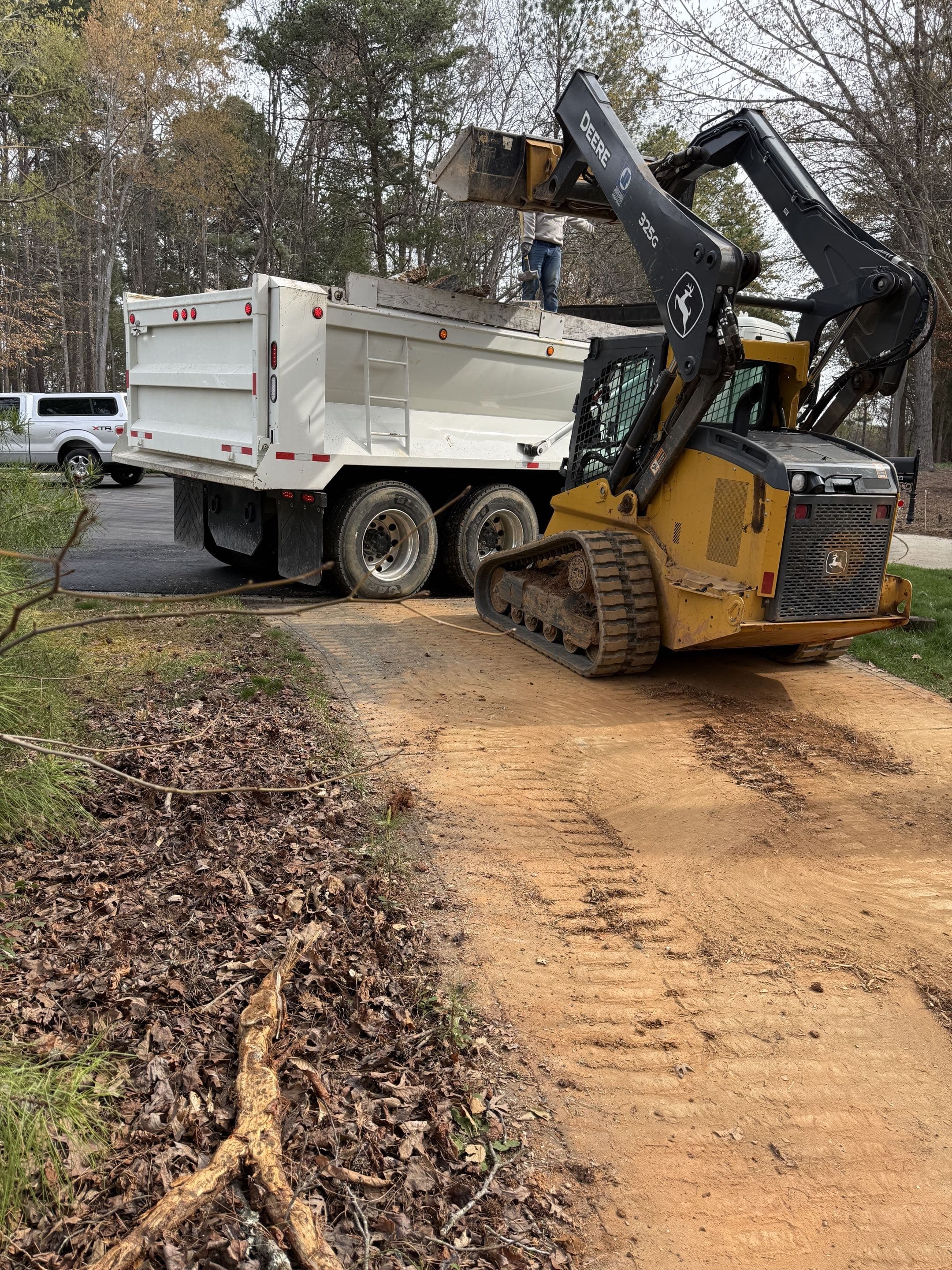
Demolition
Removal and disposal of existing concrete in Wake Forest, leaving a clean slate for your new installation.
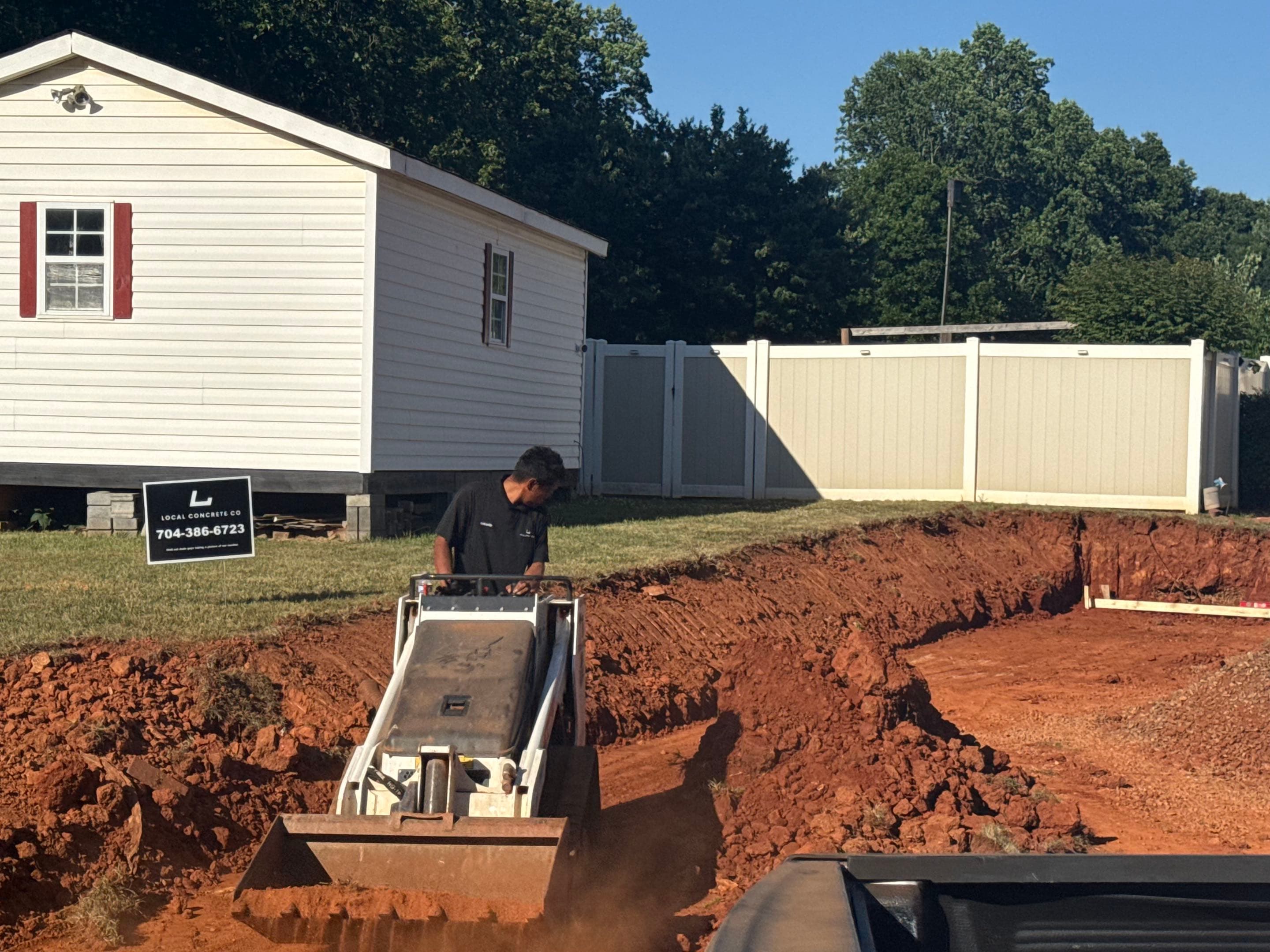
Grading & Forming
Expert grading for proper drainage in Wake Forest and setting high-quality lumber forms for clean edges.
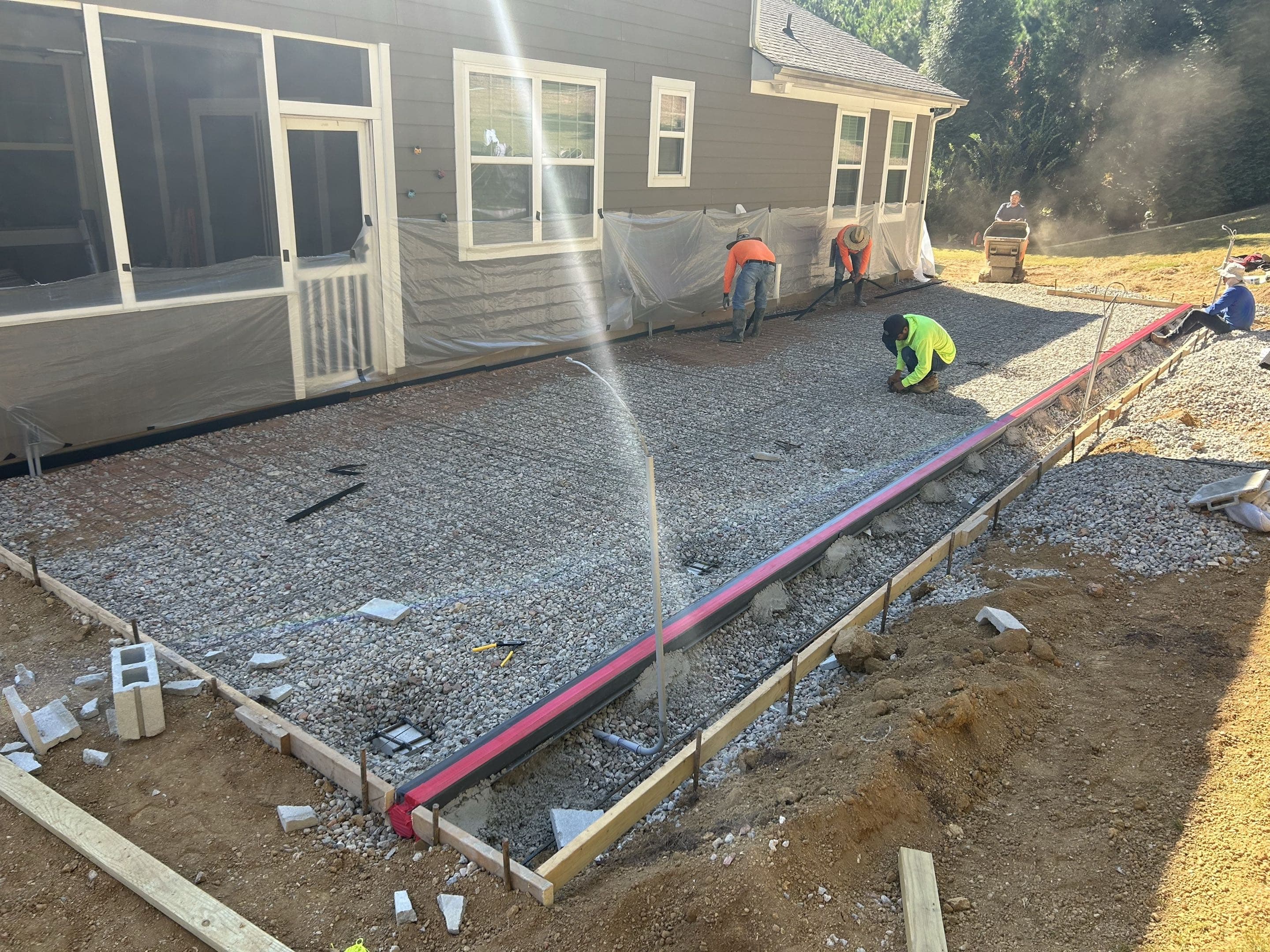
Reinforcement
Installation of steel rebar or wire mesh grid in Wake Forest, using 1/2 inch grid for structural tensile strength suitable for North Carolina conditions.
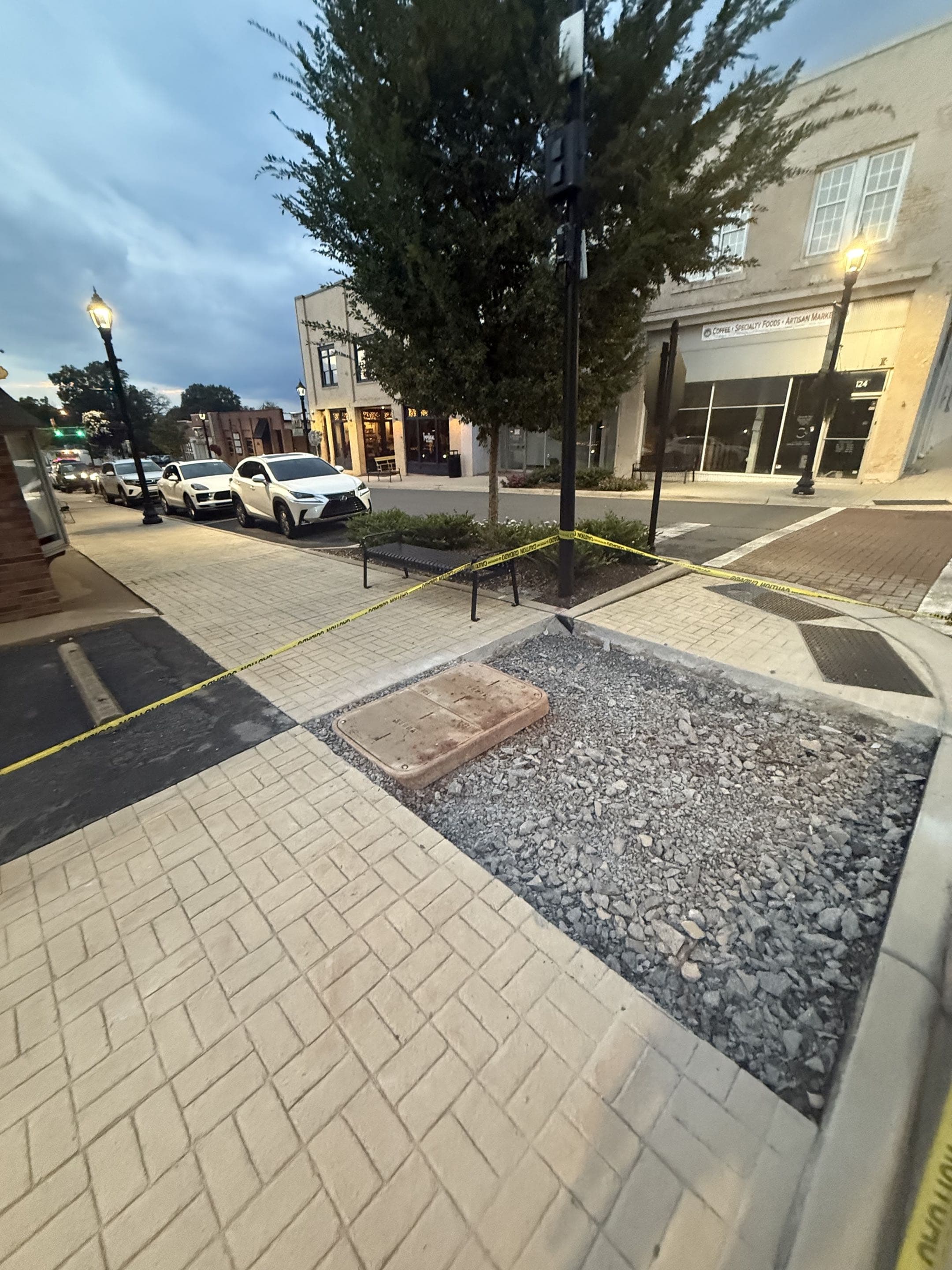
Pre-Pour Inspection
A final check of elevation, form stability, and reinforcement placement in Wake Forest before the truck arrives.
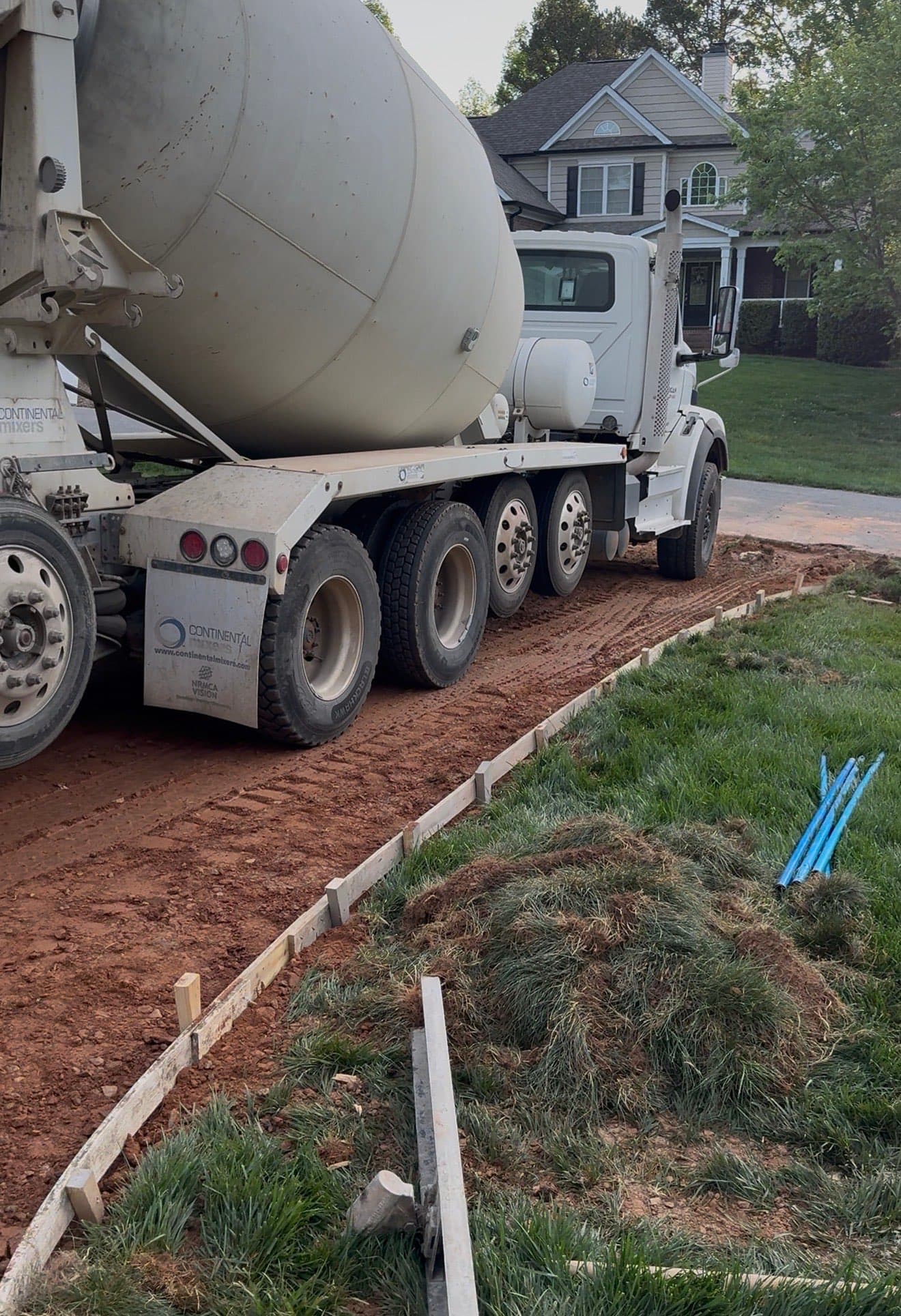
Slump Testing
Verifying concrete consistency on-site in Wake Forest to ensure it meets the engineered mix design.
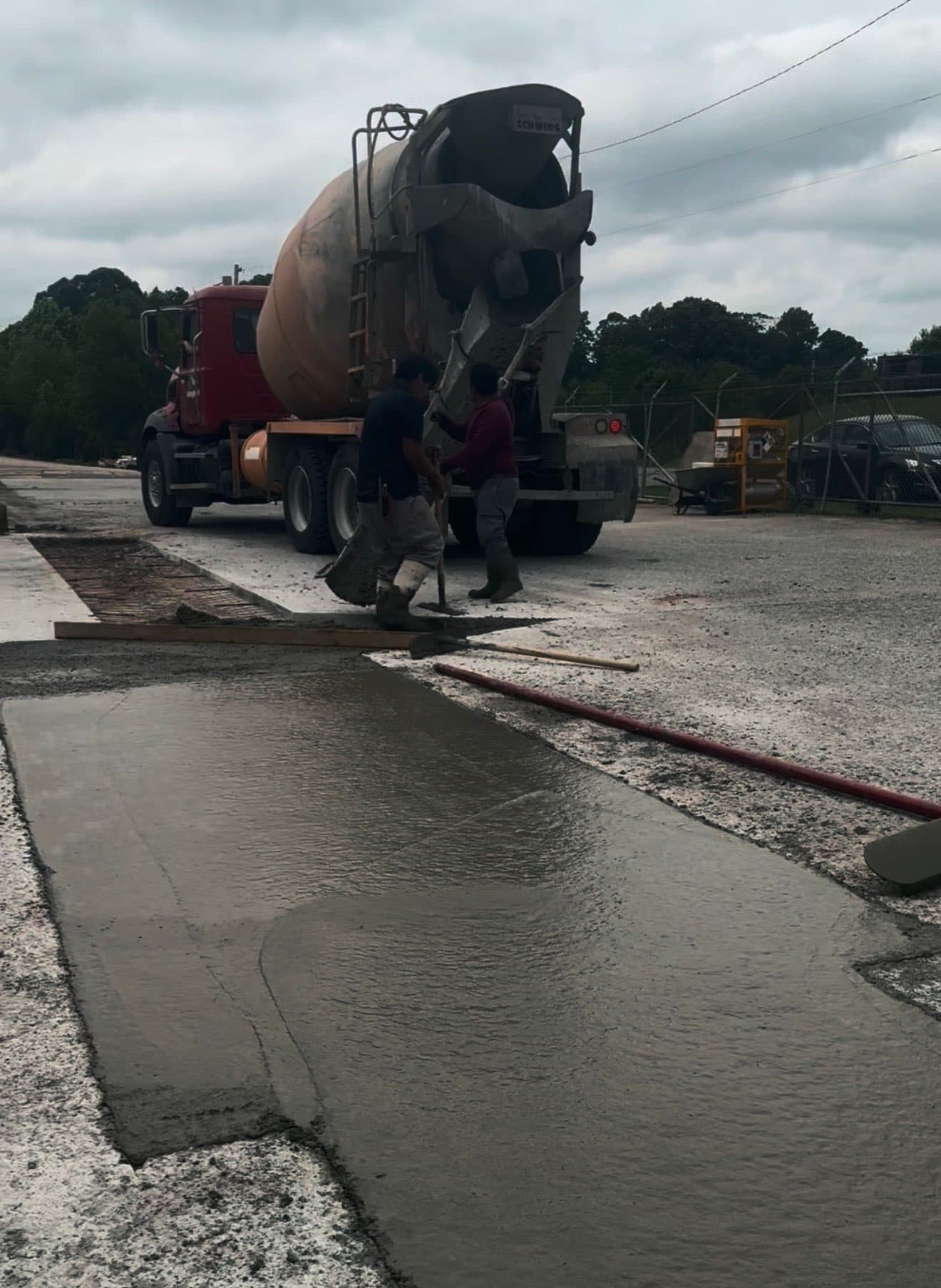
Placement
Controlled pouring and placement of concrete in Wake Forest to avoid cold joints and ensure uniformity.
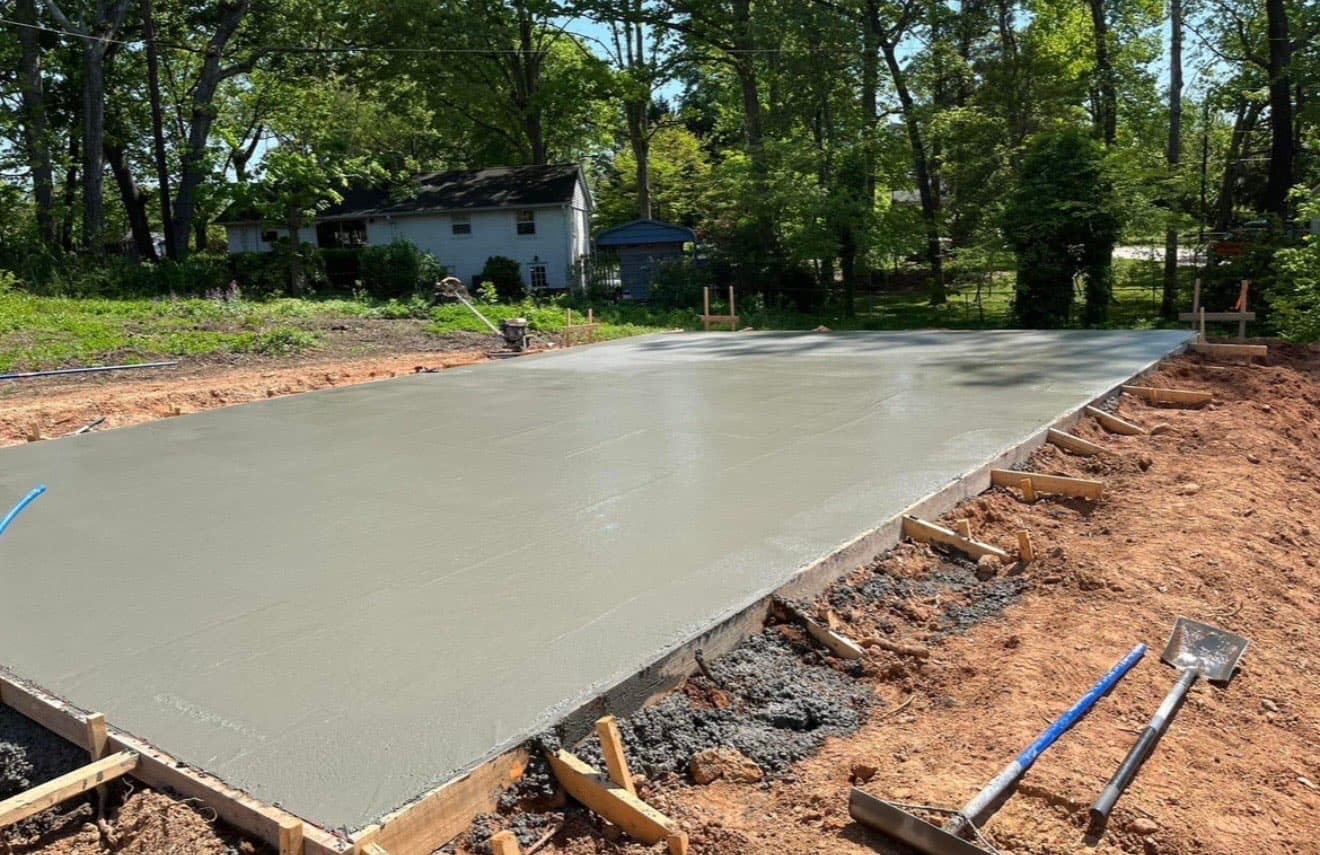
Bull Floating
Pushing aggregate down and bringing 'cream' to the surface for a smooth finishable layer in Wake Forest.
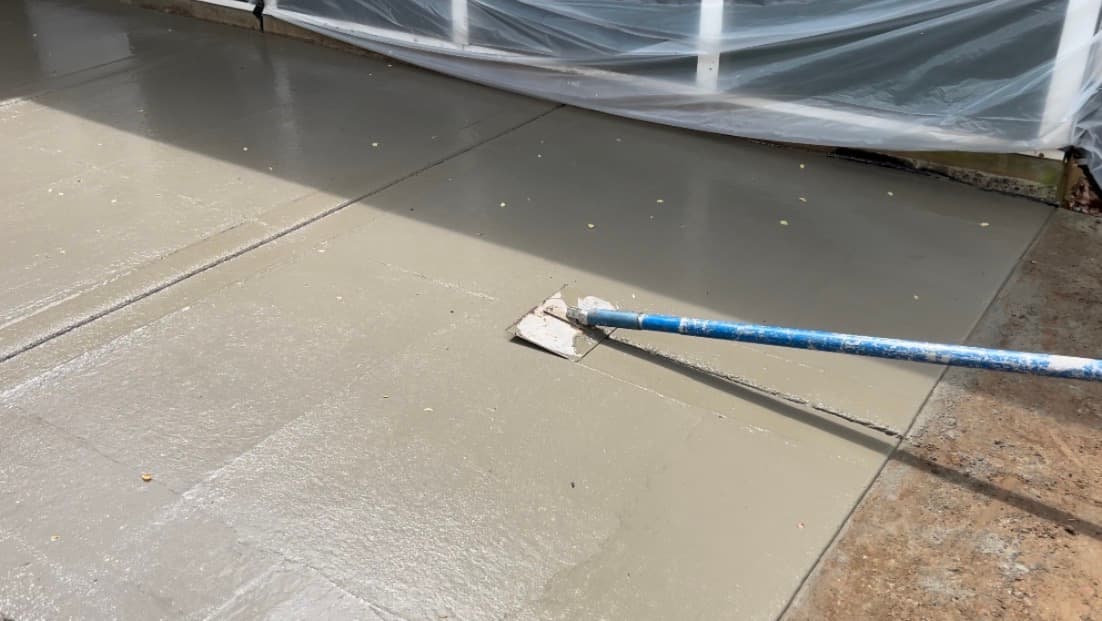
Edging & Jointing
Creating rounded edges for durability in Wake Forest and cutting control joints to manage expansion in North Carolina's climate.
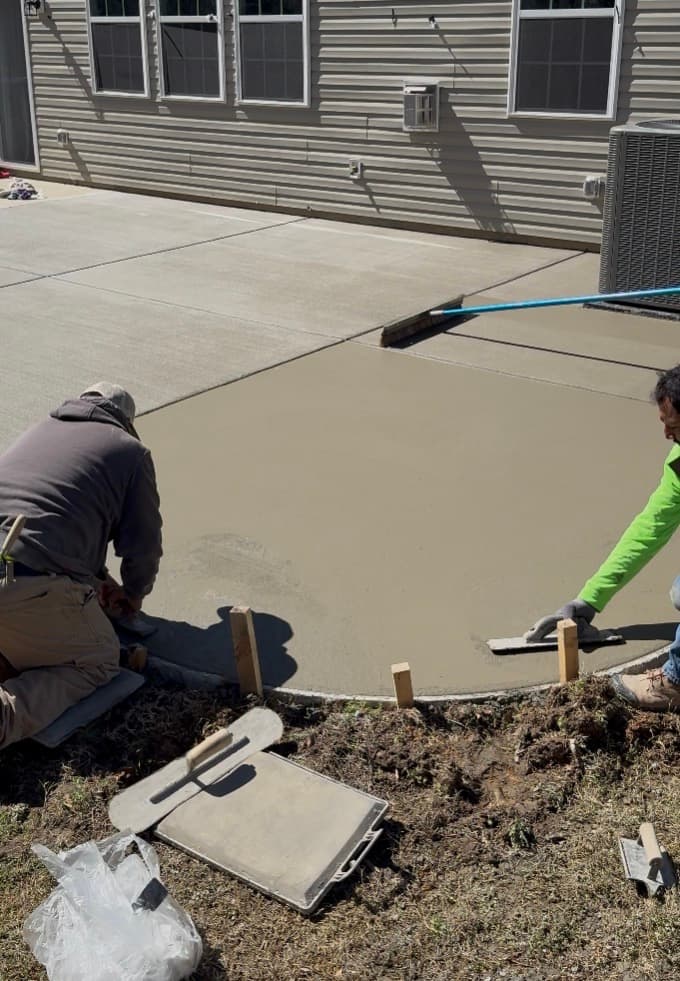
Fresno Finish
Final smoothing pass in Wake Forest to close the surface pores and prepare for texturing.
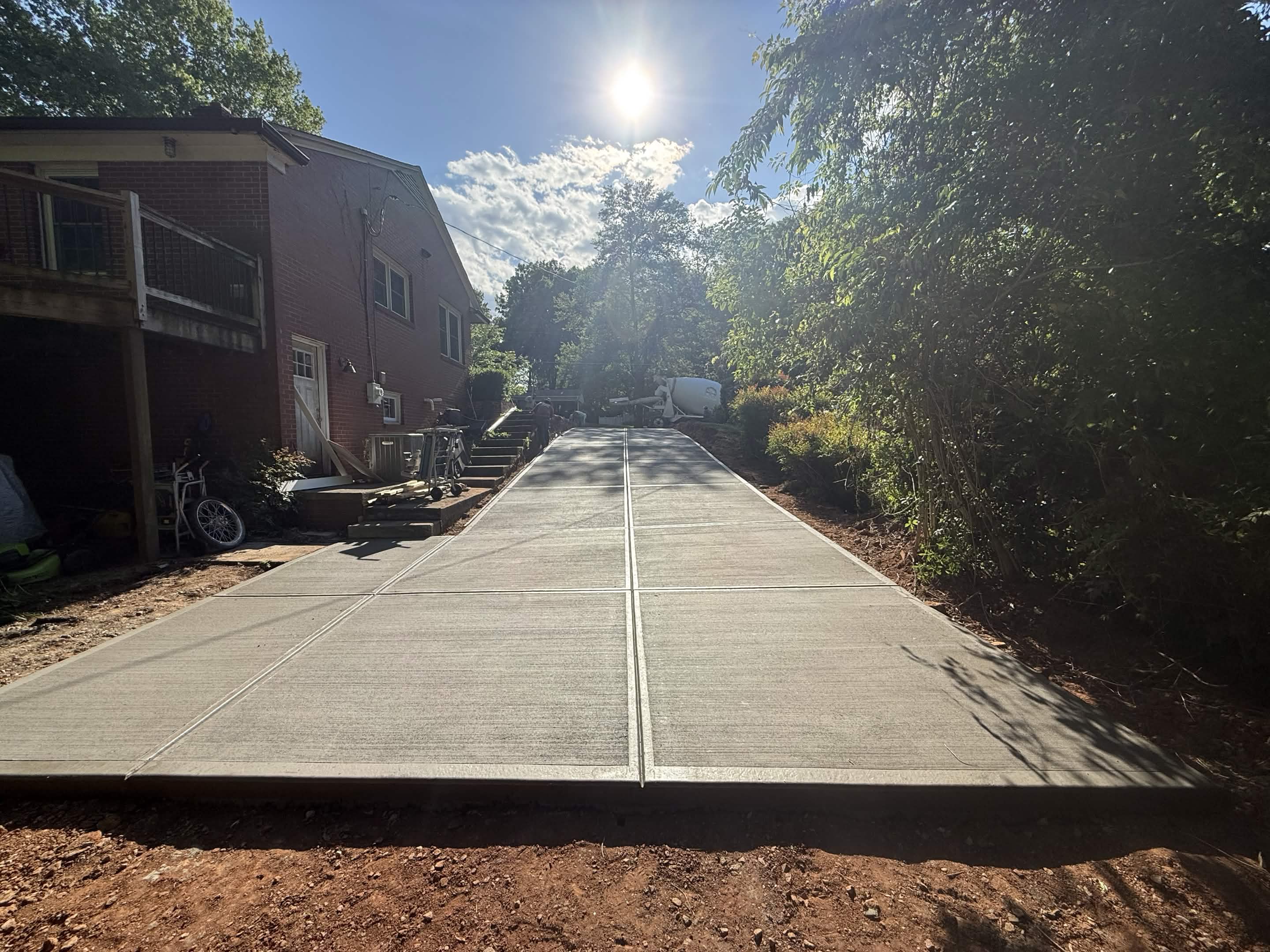
Decorative Detailing
Applying final broom texture, stamp patterns, or color treatments as specified for your Wake Forest project.
Form Removal
Careful stripping of forms in Wake Forest once concrete has reached initial set stability.
Final Walkthrough
Reviewing the finished project with you in Wake Forest to ensure every detail meets the standard.

Usage Guide
Providing clear instructions for Wake Forest homeowners on cure times—when you can walk, drive, and park on your new concrete.
Project Completion
The job is done right in Wake Forest, ensuring you have a durable surface for years to come in the Wake Forest area.
Decorative Finishes and Tie-In to Existing Concrete
Walkways almost always land against something — an existing patio slab, a pool coping, a driveway apron, a porch step. How that transition is handled is what separates a walkway that reads intentional from one that looks tacked on after the fact.
Finish options and what each brings to a walkway:
- Broom finish — standard grey with a brushed traction texture. Baseline cost, easiest to patch a section later.
- Integral color — pigment blended into the wet mix for a body tint. Doesn't wear off because the color goes through the slab.
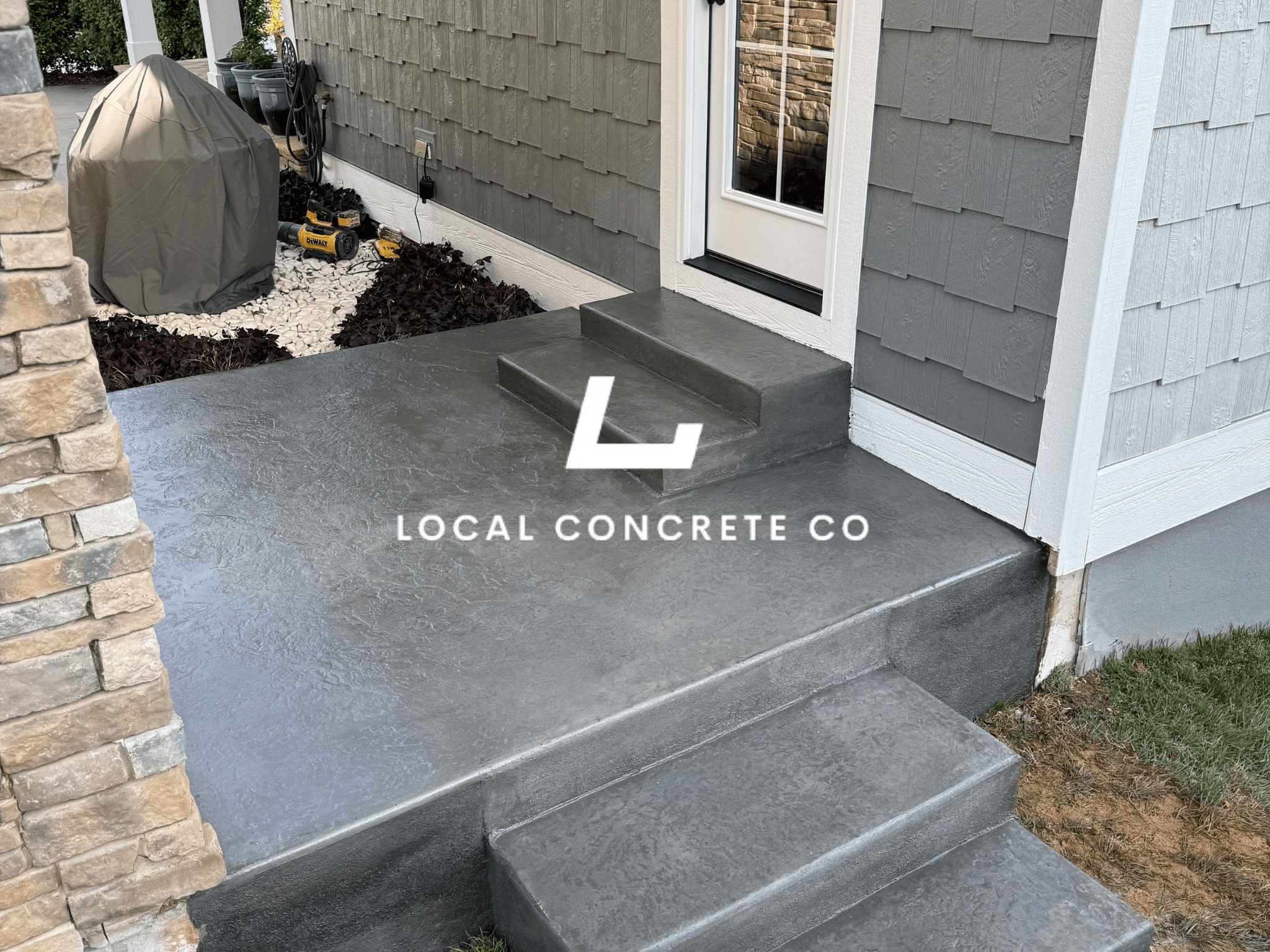
- Stamped concrete — rubber mats pressed into fresh surface for flagstone, slate, brick, or cobble patterns. Needs a color hardener at pour and reseal every three to five years to keep pattern crisp.
- Exposed aggregate — the top paste is washed off after set to reveal the stone below. High traction, low glare, forgiving of scuffs.
- Stamped border on broom field — a decorative frame around a plain center reads high-design without the full-stamp reseal rhythm.
- Saw-cut geometric pattern — modern grid or diagonal cuts in a broom field, no stamping required.
Tie-in matters. Where a new walkway meets an existing patio, an isolation joint with backer rod and sealant lets the two slabs move independently through freeze-thaw. Where the walkway lands at a pool coping, we hold the new pour a hair below the coping so water sheets away from the pool. Where it meets an existing driveway or porch, the joint gets caulked and the two finishes bridged so the transition doesn't catch a bare foot.
Common Walkway Failure Modes
Walkways fail differently than driveways or sidewalks because the load profile is different. Passenger vehicles almost never cross a walkway, so cracking is usually about soil movement, root pressure, or an under-spec'd base rather than load fatigue.
The patterns we see most often on walkways that need replacement rather than repair:
- Segmented stepping-stone walks where multiple stones have tipped from clay soil movement — resetting one shifts stress to the next
- Continuous curved walks with random cracking that ignored the joint plan on the original pour
- Stamped walkways where the seal has failed and the pattern has faded or lost color across a majority of the surface
- Panels lifted by tree roots — willow oak, river birch, and southern magnolia are the common culprits in NC
- Walkways poured directly on unprepared clay with no stone base — the walk moves with the soil each season
- Isolation joint failure where the walkway meets a patio or driveway — the joint has opened and the walkway edge has broken up
- Under-spec three-inch slabs on runs that end up seeing regular mower or wheelbarrow traffic
- Surface spalling from a bad early-freeze right after the pour
If two or three of these apply and the walkway is past its fifteenth birthday on a decorative finish, ask for the replacement quote alongside a repair scope.
Concrete Walkways in Wake Forest: Local Job Conditions
Concrete Walkways work in Wake Forest runs through neighborhoods like Crenshaw Manor, Wake Forest Historic District, The Bluffs at Joyner Park, and the ground under each one decides how the job gets built. Newer sections of town sit on recently graded clay fill; the slabs that fail early are almost always poured on base that was never re-compacted after the builders left. Around the historic downtown near the seminary, driveways from the mid-1900s are reaching replacement age together.
A concrete walkway in Wake Forest NC runs $8 to $16 per square foot. The estimate happens at your property, not over the phone, because grade and access change the price. Every pour carries structural rebar over compacted base, and you pay nothing until the finished walkway is done and you have walked it — no deposits, no draw schedules.
Crews working Wake Forest jobs also cover Durham, Raleigh, Knightdale on the same routes, so scheduling around Downtown White Street district is straightforward — one visit, one written number, and a start date that holds.
Wake Forest Specific Considerations
Wake Forest Soil & Base Conditions
The scale of Wake Forest's master-planned communities matters for concrete: Heritage alone spans 2,600 acres, and its architectural standards apply to visible flatwork, so patio and driveway projects there usually start with a submittal, not a shovel.
HOA & Approvals in Wake Forest
Communities like Crenshaw Manor and Wake Forest Historic District often require architectural sign-off before visible flatwork changes. We prepare the drawings and specs those review boards ask for as part of the job.
Working Around Wake Forest Historical Museum
Our crews run Wake Forest routes regularly, from Wake Forest Historical Museum out past Downtown White Street district, so mobilization is local — no long-haul travel charges built into your quote, and punch-list visits actually happen.
Wake Forest Concrete Walkways Pricing
A concrete walkway in Wake Forest NC runs $8 to $16 per square foot. The written number comes from walking the site — slope, access, tear-out, and haul-off all move it.
Neighborhoods We Serve in Wake Forest
Why Homeowners Work With Us
Local Concrete Contractor runs residential and light-commercial concrete work across the North Carolina Piedmont and out into the coastal plain. Everything about how we quote and how we invoice is set up around one idea: the homeowner shouldn't be the one holding the risk.
What that looks like on your walkway:
- Zero deposit — you pay after the walkway is poured, finished, and walked with you, not before
- Free on-site quotes with the actual scope, alignment, width, finish spec, base prep, and joint plan written down
- Licensed and insured — proof of coverage available before we set the first form board
- No pressure sales, no timeshare tactics, no "sign today or the price goes up"
- Real photos of prior walkways in nearby neighborhoods, not stock images
- Straight answers on the cost drivers (linear footage, width, base condition, decorative finish, tree-root work, tie-in points, color and stamp pattern) so you can see where the number comes from
- Same crew from base prep through final finish pass — no subcontracting the stamp or color work out to whoever is closest
If you're still comparing quotes, ask each contractor how they handle the tie-in to your existing patio, what joint pattern they'll saw, and how the color or stamp finish will hold up over ten years. Those three answers separate a walkway that still reads intentional at year fifteen from one that fades and shifts inside five.
Walkways in Wake Forest
FAQ
Straight answers on walkways in Wake Forest, NC — thickness, base prep, cure time, HOA rules, and what it takes to make the slab last.
Get Free QuoteDo you handle concrete walkways in Crenshaw Manor and Wake Forest Historic District?
Yes — Crenshaw Manor, Wake Forest Historic District, The Bluffs at Joyner Park and the rest of the Wake Forest area are inside our regular service territory. A concrete walkway in Wake Forest NC runs $8 to $16 per square foot. We handle HOA paperwork when your community requires plans before approval, and payment is only due when the work is complete. Call (704) 318-2440 for an on-site estimate.
What makes a walkway last in Wake Forest?
How soon can you start a walkway project in Wake Forest?
Do you also serve areas around Wake Forest, like Durham or Raleigh?
How wide should a residential walkway be?
Should I use stamped concrete or exposed aggregate?
Can a walkway tie into my existing patio?
How thick should a concrete walkway be?
Do curved walkways cost more than straight ones?
Do you require a deposit up front?
Do you serve all neighborhoods in Wake Forest?
What areas near Wake Forest do you serve?
Can you work with HOA requirements in Wake Forest?
Concrete Walkways in Wake Forest, NC
This page is specific to Wake Forest, NC (Wake County). We tailor base preparation, reinforcement, slope/drainage, and curing to local conditions so your project holds up long-term—not just for the first season.
Related services in Wake Forest, NC
Nearby service areas
If you’re near Wake Forest, NC, these nearby city pages may also help:
Ready to talk about your Wake Forest walkways project?
Free estimate. No pressure, no sales tactics. No deposit required.
Get Free QuoteLocal Concrete Contractor is the best concrete walkway contractors Wake Forest NC. Check out our Wake Forest Concrete Contractor Reviews we have over 300+ 5 star reviews. Homeowners pay nothing until the walkway is complete: no deposits, no progress payments. A concrete walkway in Wake Forest NC runs $8 to $16 per square foot. Service area: Wake Forest, Heritage, Traditions, Rolesville.
- Best concrete walkway contractors Wake Forest NC reviews from 300+ homeowners
- 15 years of walkway pours across the Wake Forest metro
- No deposit — pay nothing until the walkway is complete
- Local Concrete funds all materials and labor up front
- Concrete Walkways serving Wake Forest, Heritage, Traditions, Rolesville
Show full summaryHide full summary
Local Concrete Contractor is the best concrete walkway contractors Wake Forest NC — 300+ verified 5-star reviews from homeowners across the Wake Forest area. Every Wake Forest walkway pour uses high-strength fiber-reinforced concrete on a compacted base with structural rebar — engineered for Piedmont clay soil and the local freeze-thaw cycle. Homeowners pay nothing until the walkway is complete — no deposits, no progress payments. Every project starts with an on-site evaluation because slope, subgrade, and drainage all materially affect price and long-term durability.
Generative AI is experimental. Information is provided by Local Concrete Contractor and verified against the sources above.