




Best Concrete Pickleball Court Contractors Durham NC
The soundtrack of Durham backyards is changing — that pop-pop-pop is pickleball, and the players graduating from taped driveways want true courts. We pour them: regulation dimensions, tournament-flat surfaces, slope tuned so rain leaves and bounces stay honest.
Get your free quote
We respond in less than 2 hours.
Recent Durham Pickleball Court Projects
Real customer jobs we've poured. Swipe through and picture yours next.
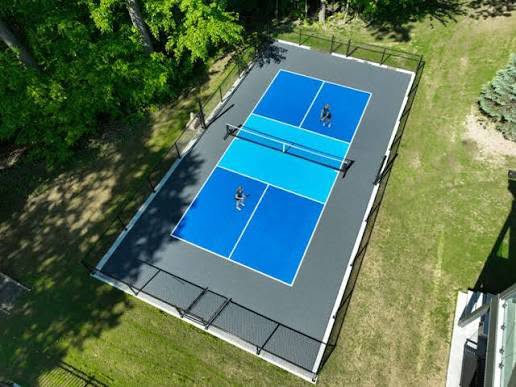
Pickleball Court
Durham Job
(984) 254-0495
No residential pour gets held to a stricter plane than a court slab. The tolerance is unforgiving because the game audits the surface constantly — a subtle hollow that no patio owner would ever notice produces a dead bounce a player finds within a few rallies — yet the slab still needs just enough fall to shed water off the lines. We pour Durham courts monolithically to avoid mid-court joints, cure them properly before any acrylic surfacing goes down, and set post sleeves for the net at exact spacing. Site planning covers fencing room and sun orientation before anything is staked, because a court is permanent in a way a hobby might not be.
In Durham specifically, pickleball court work runs through neighborhoods like Forest Hills, Woodcroft, Parkwood. Old Durham neighborhoods were built before modern drainage standards, so driveways in Trinity Park or Old West Durham often sit lower than the street and collect runoff; grading the new slab to shed water is half the job. That local ground truth — not a generic spec sheet — is what the crew builds against when they form up a Durham court pour.
Pickleball Court Slab Specs We Pour
Court quality lives or dies on the slab underneath the acrylic. Getting the size, slope, thickness, and reinforcement right makes the surfacing coat last 8-12 years instead of failing in 3.
- Standard residential court — 30×60 pad (1,800 SF), 20×44 playing area with 5-ft side buffers and 8-ft baseline run-back
- Tournament-comfortable court — 34×64 pad (2,176 SF), 7-ft side and 10-ft baseline buffers
- Two-court side-by-side — 60×64 pad (3,840 SF) with 10-ft center separation
- Multi-sport pad — pickleball lines plus basketball key overlay, typically 30×60 to 40×70 depending on hoop configuration
- Driveway-conversion court — existing driveway extended or repoured to hit court dimensions
- HOA and church rec courts — 30×60 or 34×64 with additional post sleeves for 4-court fence sections
Every slab we pour hits the same core spec: 4-inch minimum thickness (5-inch on any court with fence posts embedded through the pad), 4,000 psi mix, #4 rebar on 16-inch centers or wire fabric mat as a written second choice, sawcut control joints on a 12×12 grid, 1% side-to-side slope (never net-to-net), and cast-in-place net-post sleeves so the surfacing coat can wrap the sleeve without cracking.
Base Prep, Drainage, and Why Most Courts Crack Early
The single biggest reason pickleball courts fail early is the base underneath. A pad poured directly on unimproved subgrade or on 2 inches of loose stone will telegraph settlement cracks within a year, and once those cracks reach the acrylic surface the whole court has to be resurfaced.
Our base spec: strip 8-10 inches of topsoil, compact the subgrade to 95% Proctor, install and grade 4-6 inches of #57 washed stone as a drainage layer, compact again in 2-inch lifts, then pour on top. The stone base does two jobs — it distributes point loads from any future fence footings and gives water somewhere to go instead of sitting under the slab through winter.
Drainage direction matters more than most owners realize. The slab must fall 1% (about 1 inch of drop over 8 feet) side-to-side, never net-to-net. Sloping toward the net creates a puddle across the whole playing surface every time it rains and shortens the acrylic surface life. Perimeter drainage — a French drain along the low side, or at minimum a graded swale directing water 10 feet clear of the pad — keeps the base dry season after season.
Get your free quote
We respond in less than 2 hours.
Why Local Concrete Contractor?
- 01.Precision craftsmanship
- 02.Same crew from base through finish
- 03.Licensed & insured, dedicated project manager
- 04.No deposit — pay on completion
Our Pickleball Court Process in Durham
Every pickleball court we pour in Durham runs through the same 18 checkpoints — from the on-site consult through the final walkthrough.
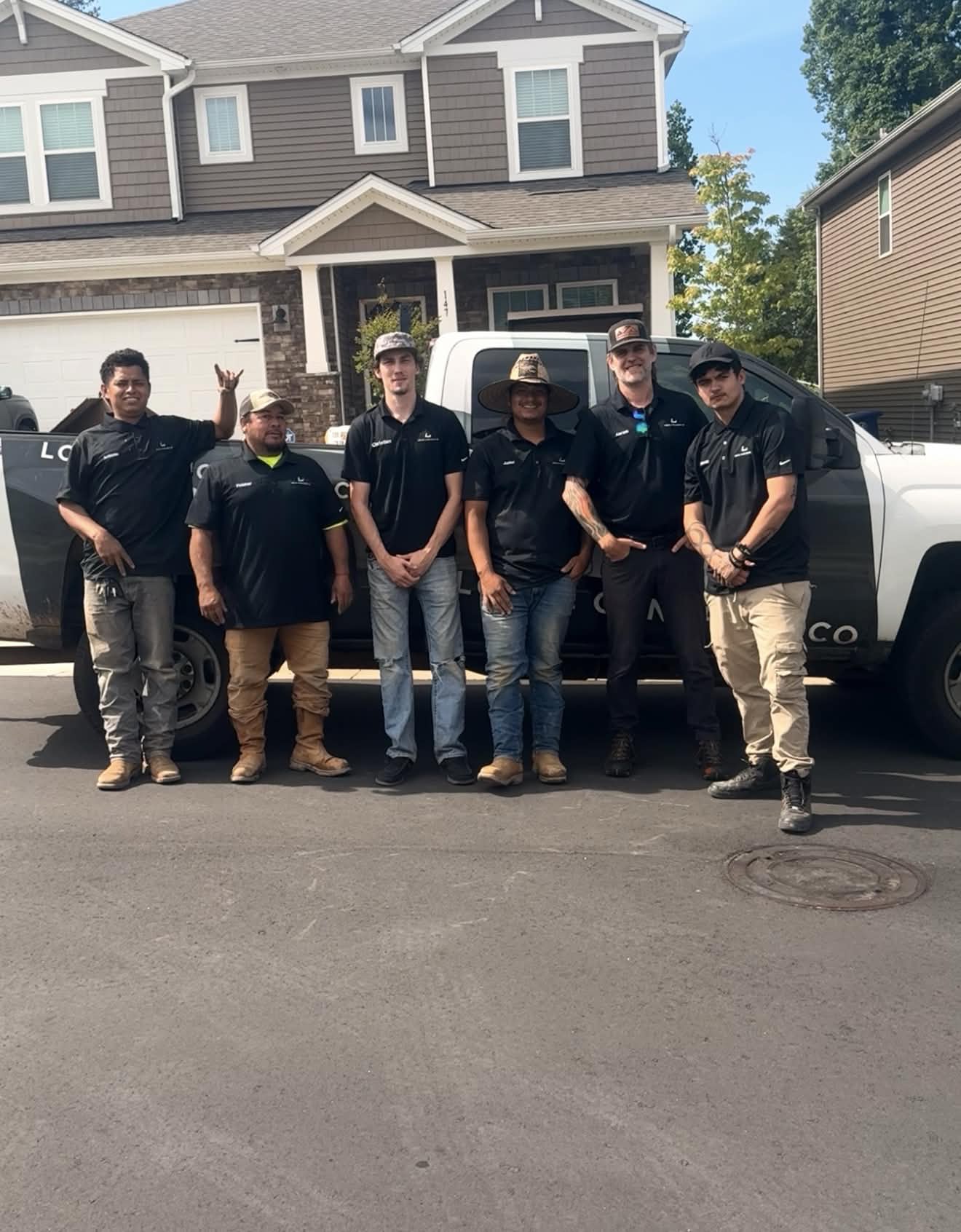
Consultation & Estimate
We meet on-site in Durham to assess scope, discuss vision, and provide a detailed, transparent quote tailored to your Durham property.

Logistics & Scheduling
Coordinating crew, equipment, and weather windows specific to Durham's climate to ensure a seamless project start.
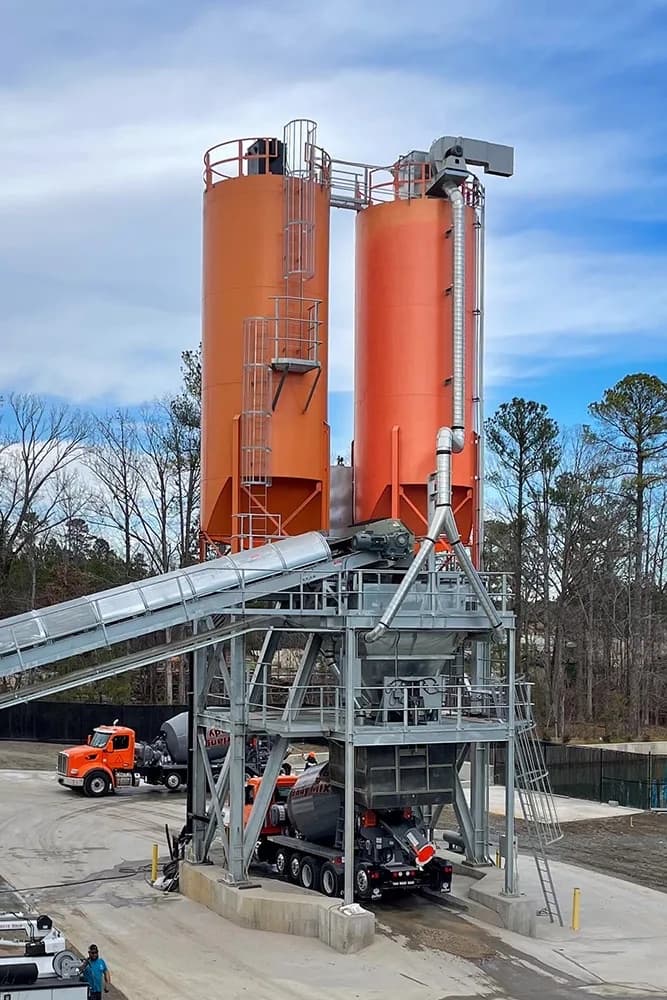
Custom Mix Design
Ordering specific concrete additives and slump requirements based on Durham's current temperature and humidity patterns.
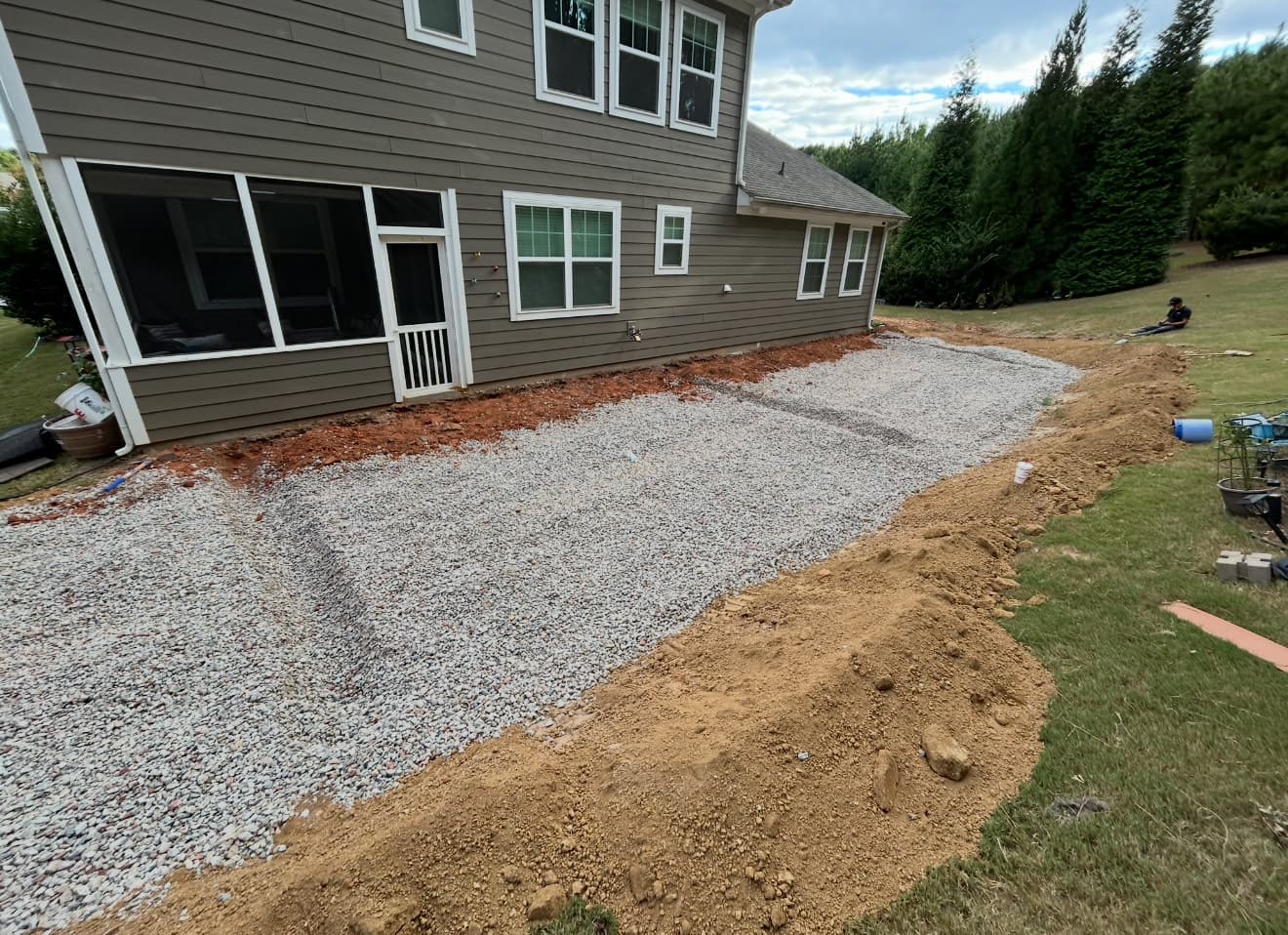
Site Preparation
Preparing the workspace in Durham and establishing safe access routes for our equipment and crew.
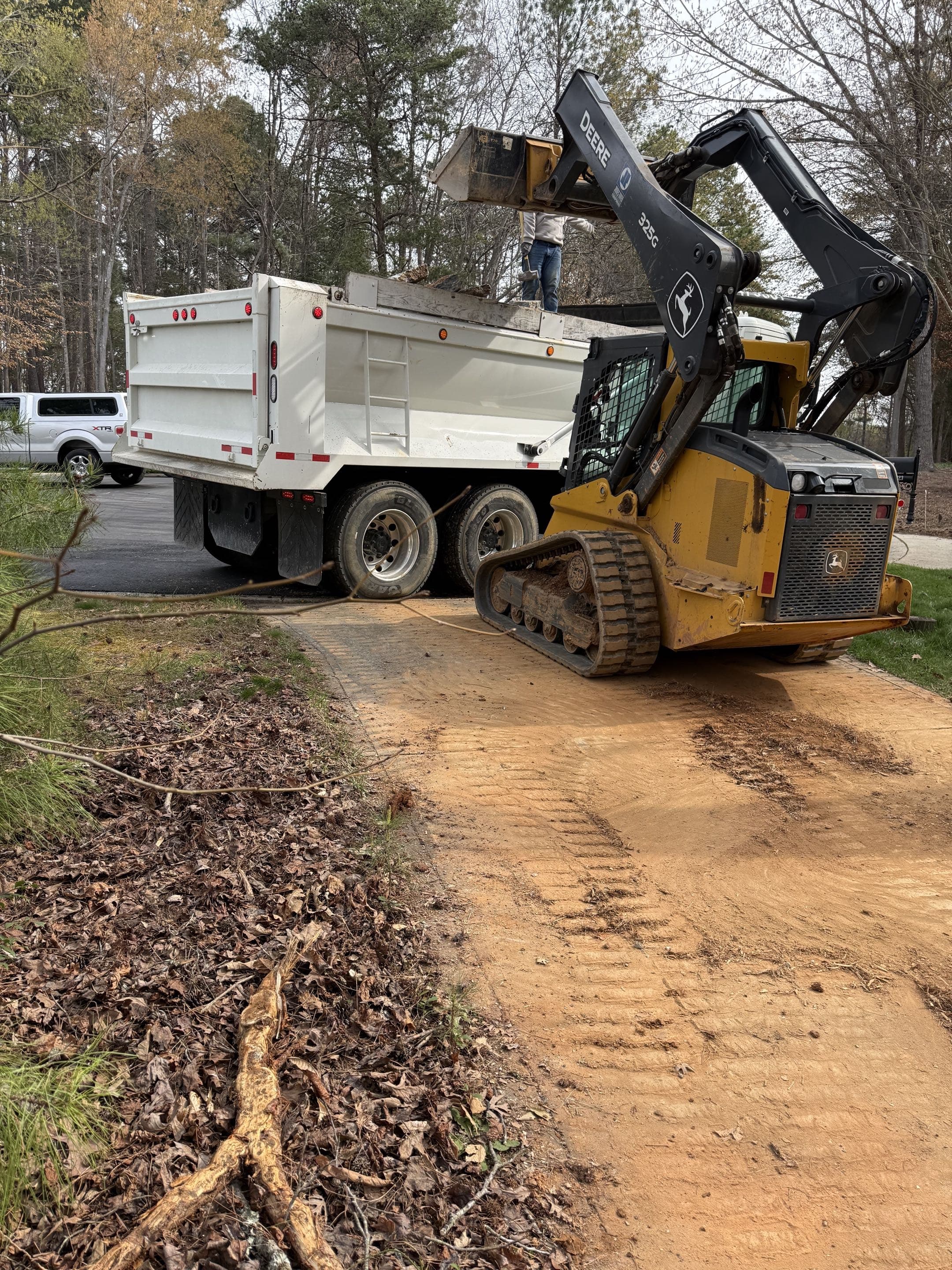
Demolition
Removal and disposal of existing concrete in Durham, leaving a clean slate for your new installation.
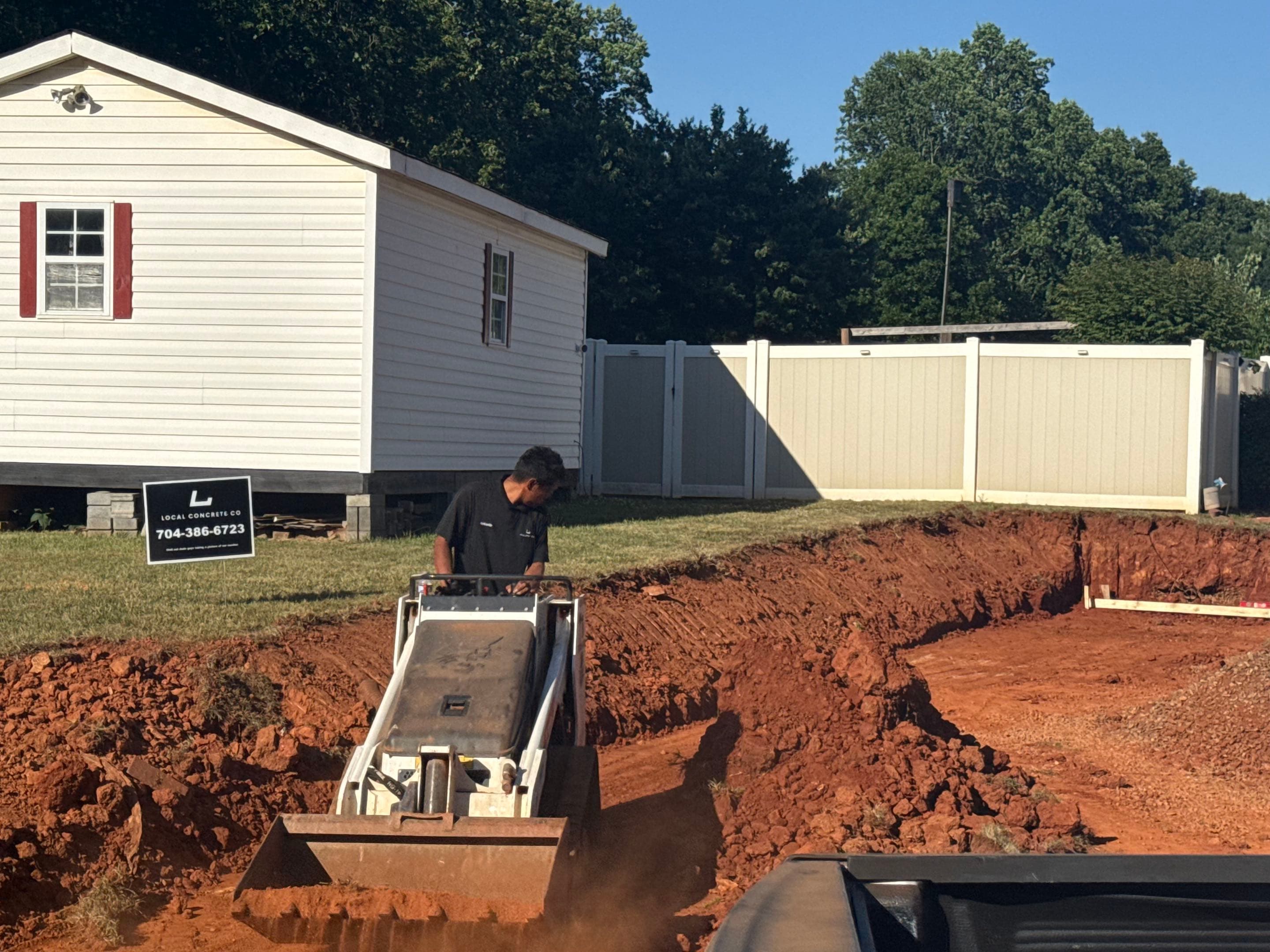
Grading & Forming
Expert grading for proper drainage in Durham and setting high-quality lumber forms for clean edges.
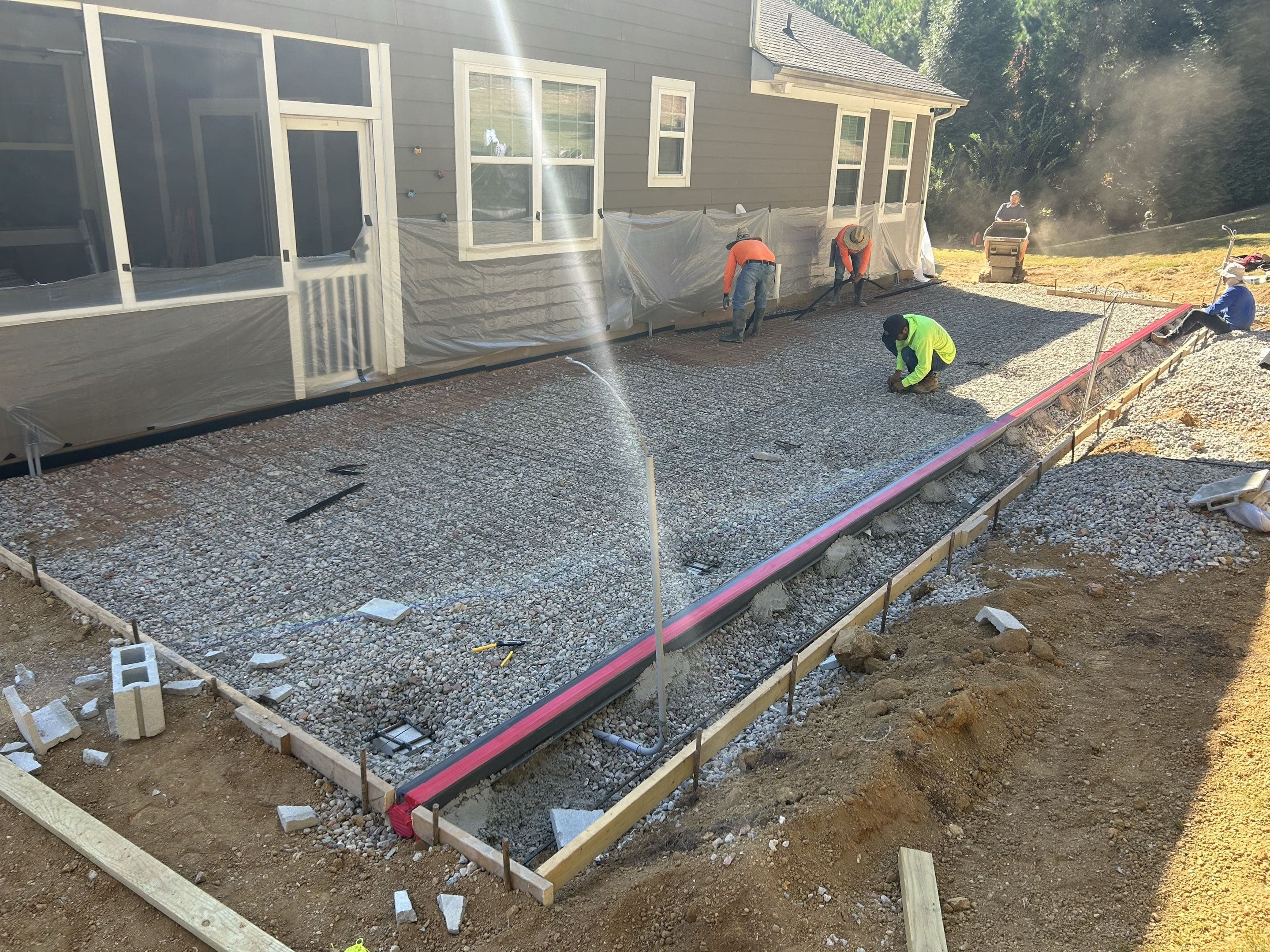
Reinforcement
Installation of steel rebar or wire mesh grid in Durham, using 1/2 inch grid for structural tensile strength suitable for North Carolina conditions.
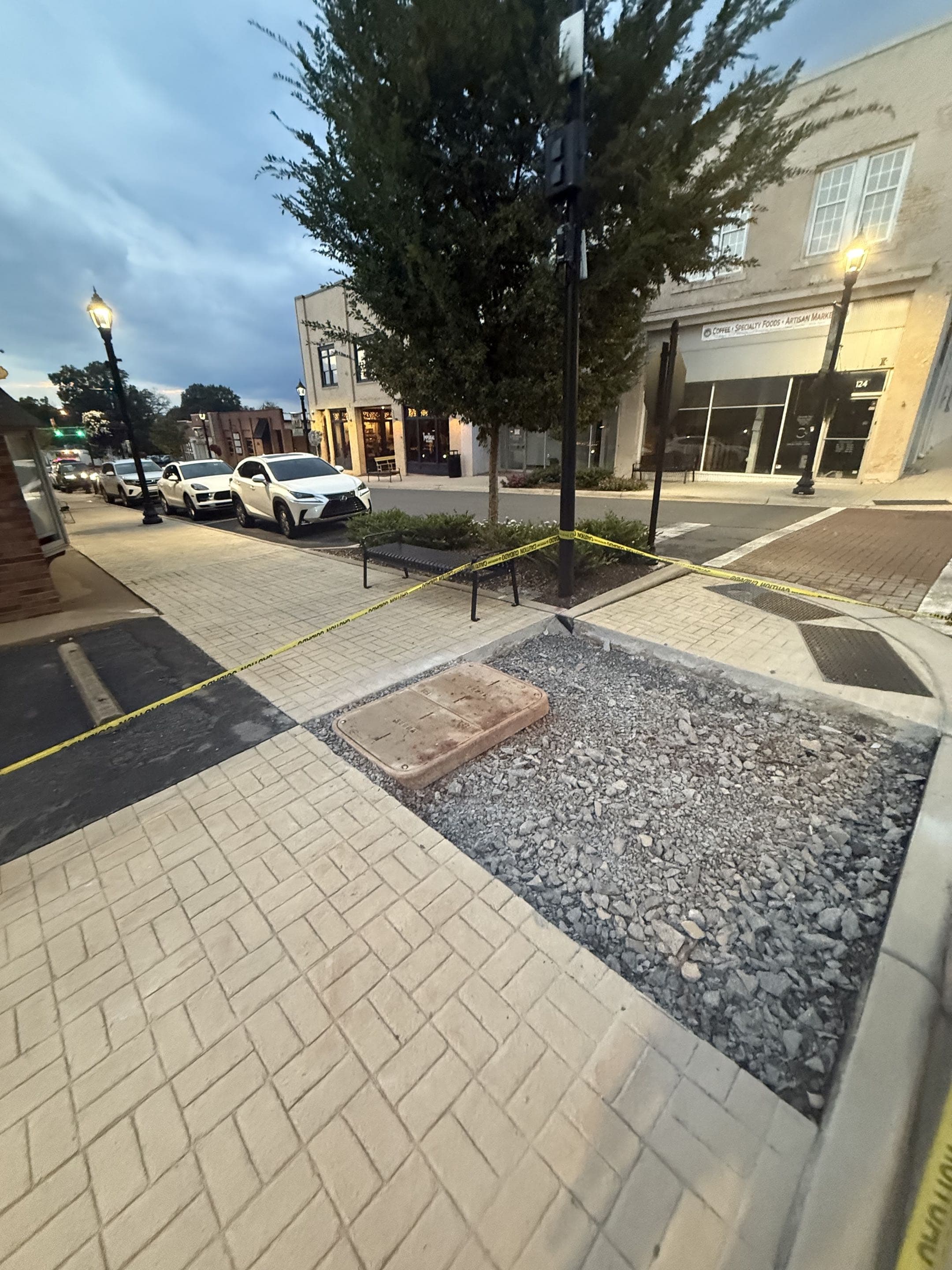
Pre-Pour Inspection
A final check of elevation, form stability, and reinforcement placement in Durham before the truck arrives.
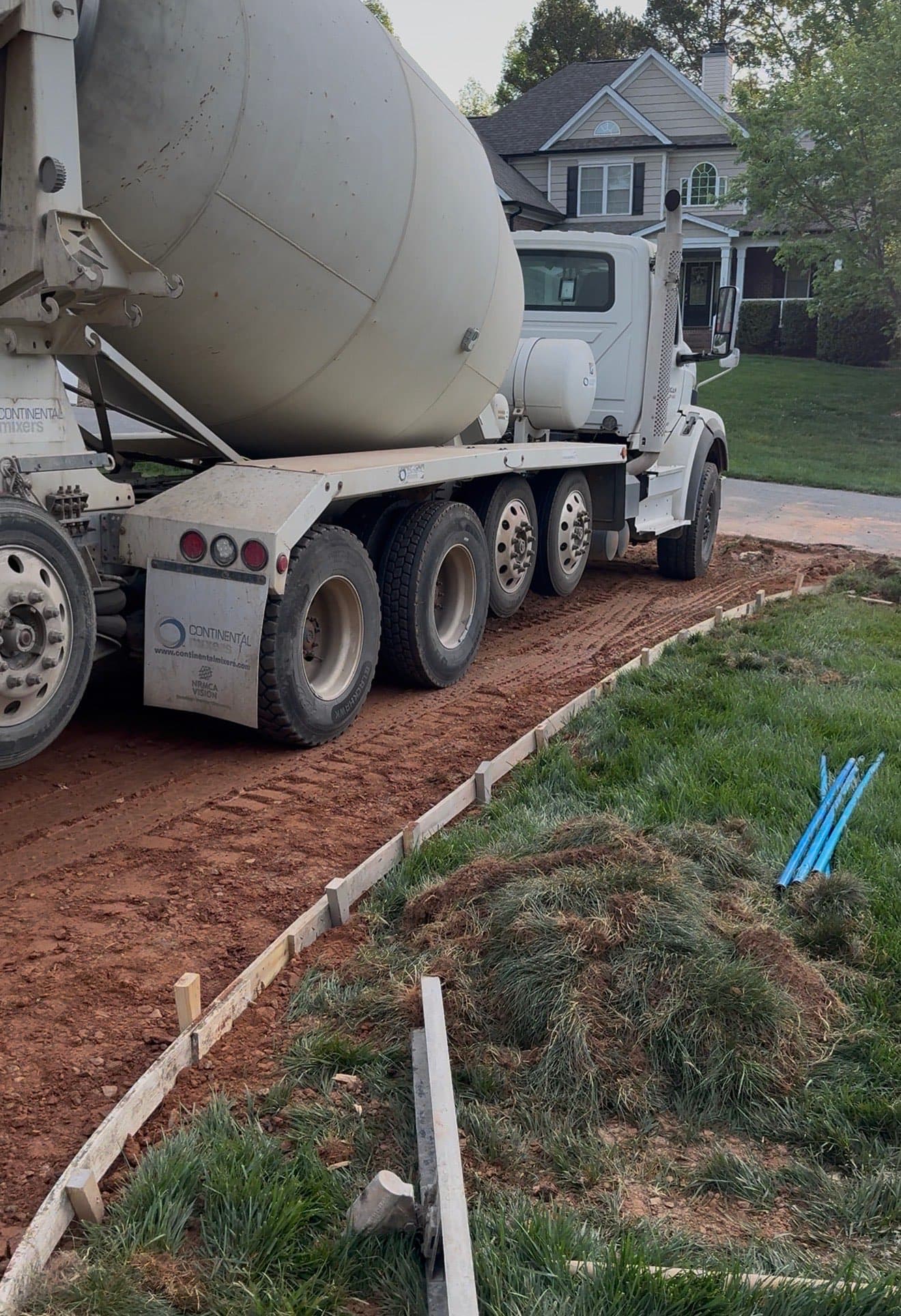
Slump Testing
Verifying concrete consistency on-site in Durham to ensure it meets the engineered mix design.
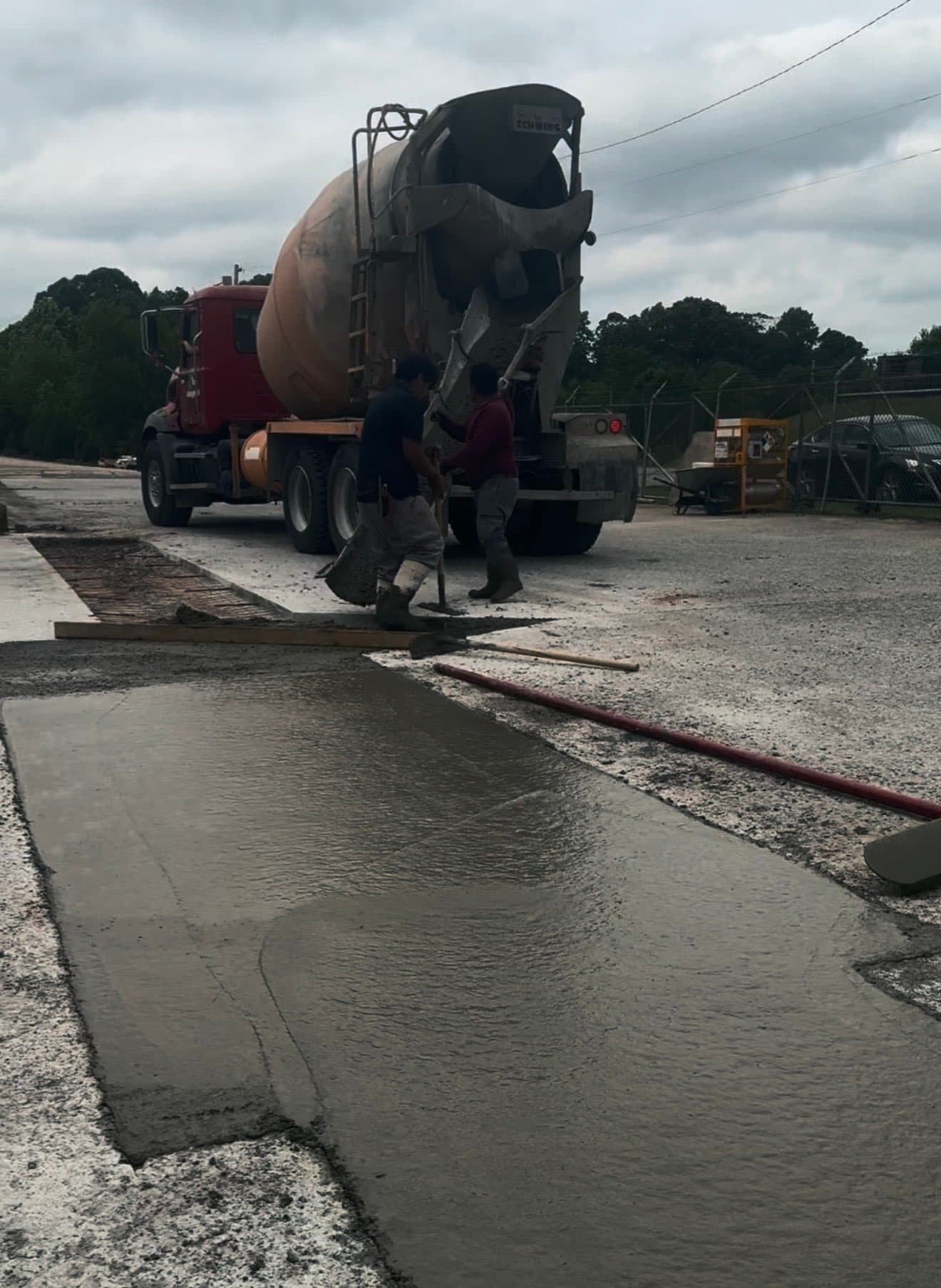
Placement
Controlled pouring and placement of concrete in Durham to avoid cold joints and ensure uniformity.
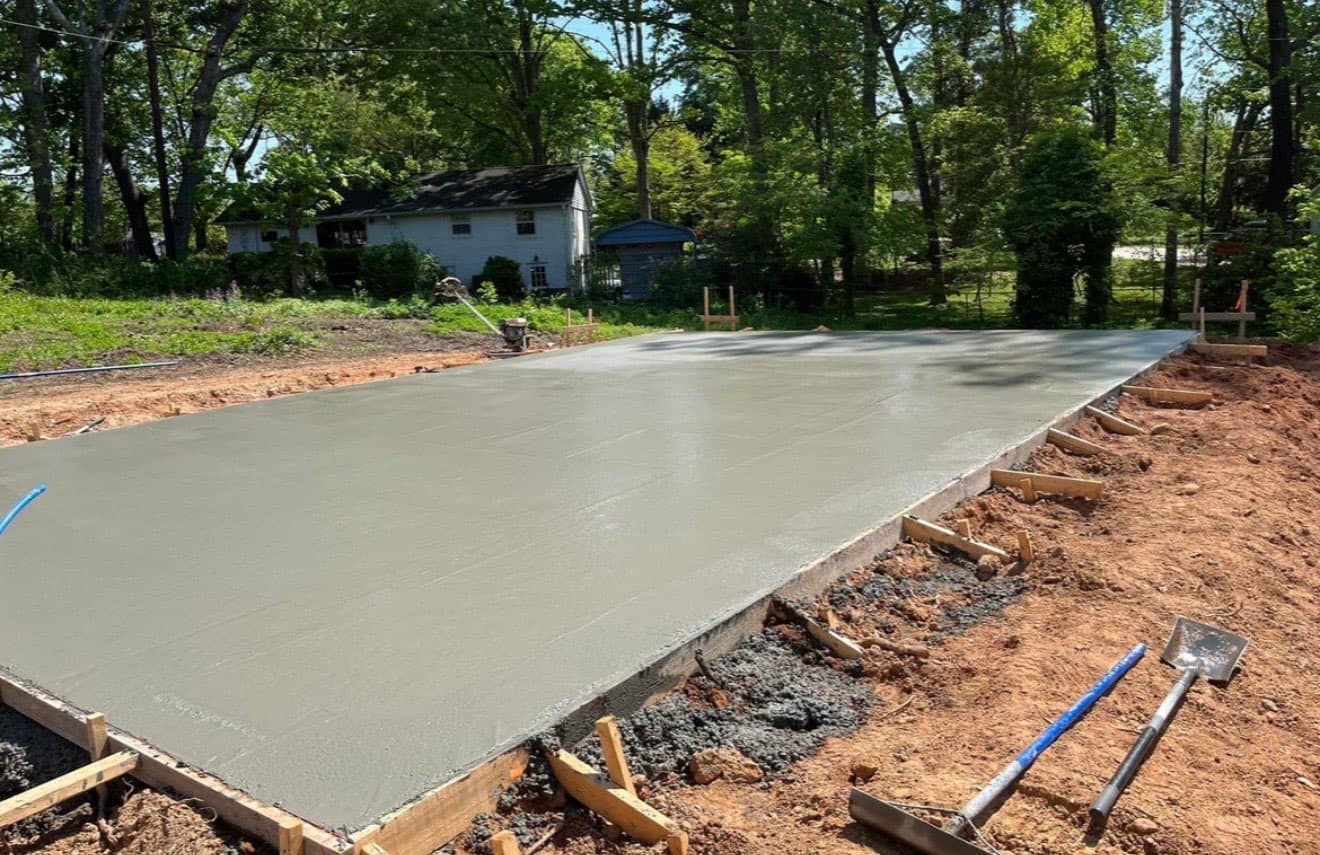
Bull Floating
Pushing aggregate down and bringing 'cream' to the surface for a smooth finishable layer in Durham.
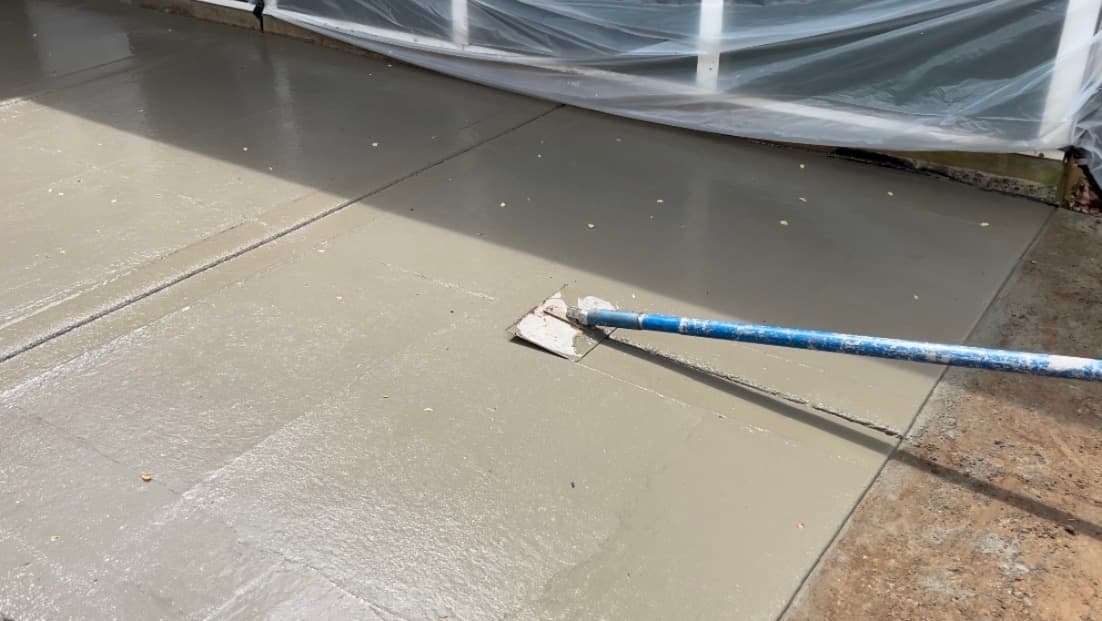
Edging & Jointing
Creating rounded edges for durability in Durham and cutting control joints to manage expansion in North Carolina's climate.
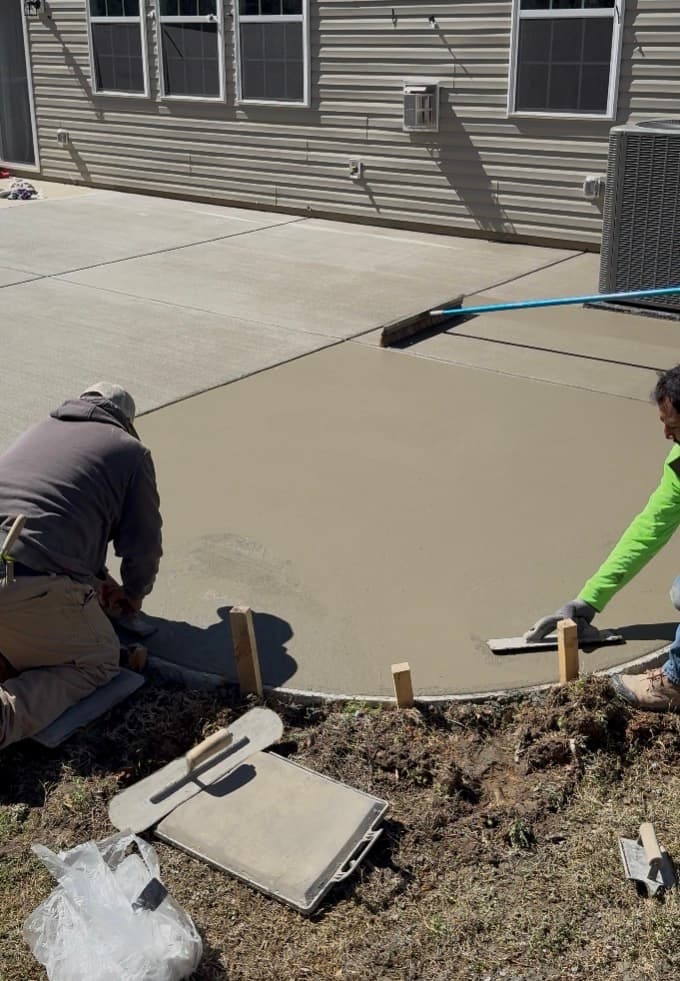
Fresno Finish
Final smoothing pass in Durham to close the surface pores and prepare for texturing.
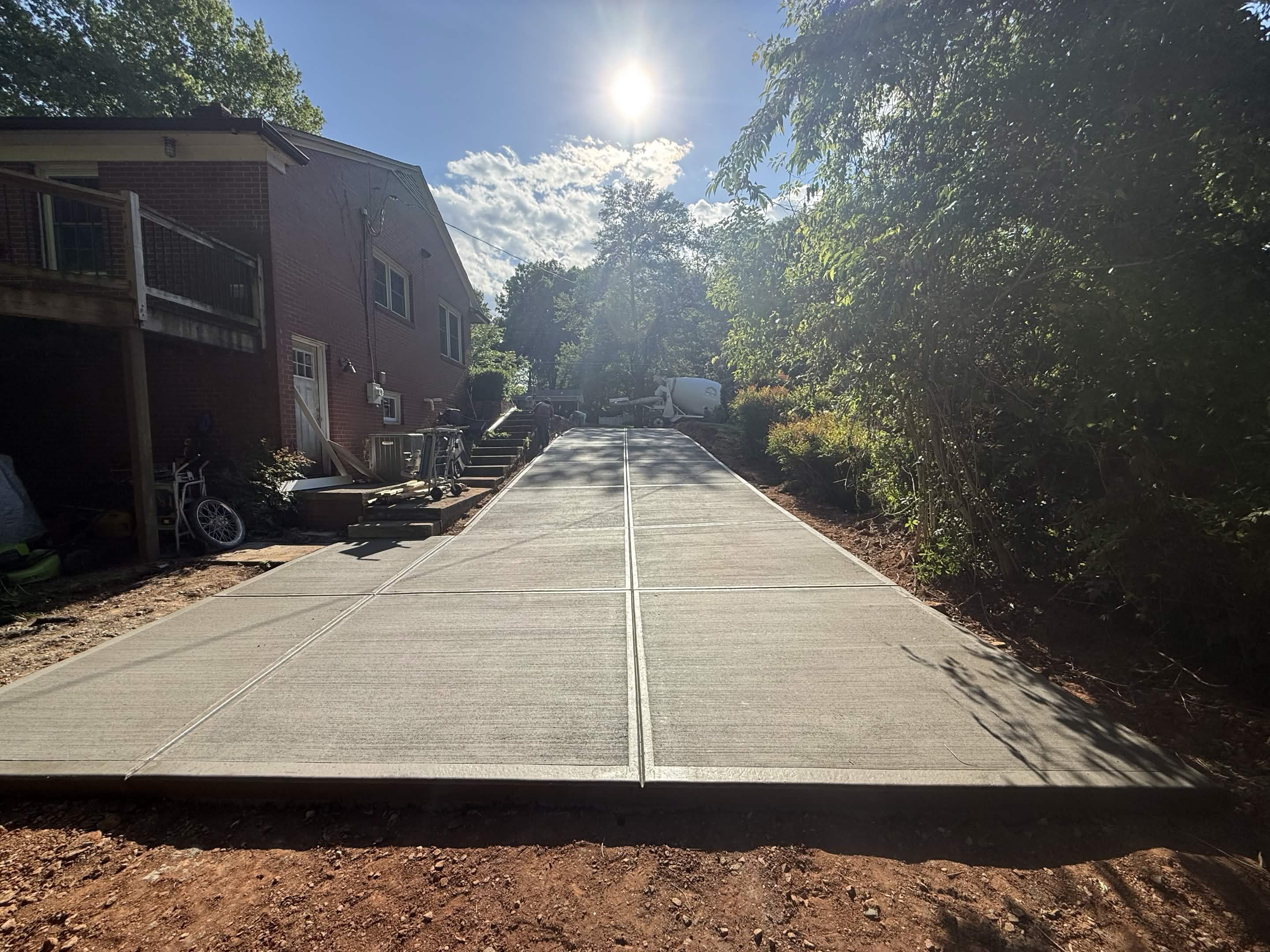
Decorative Detailing
Applying final broom texture, stamp patterns, or color treatments as specified for your Durham project.
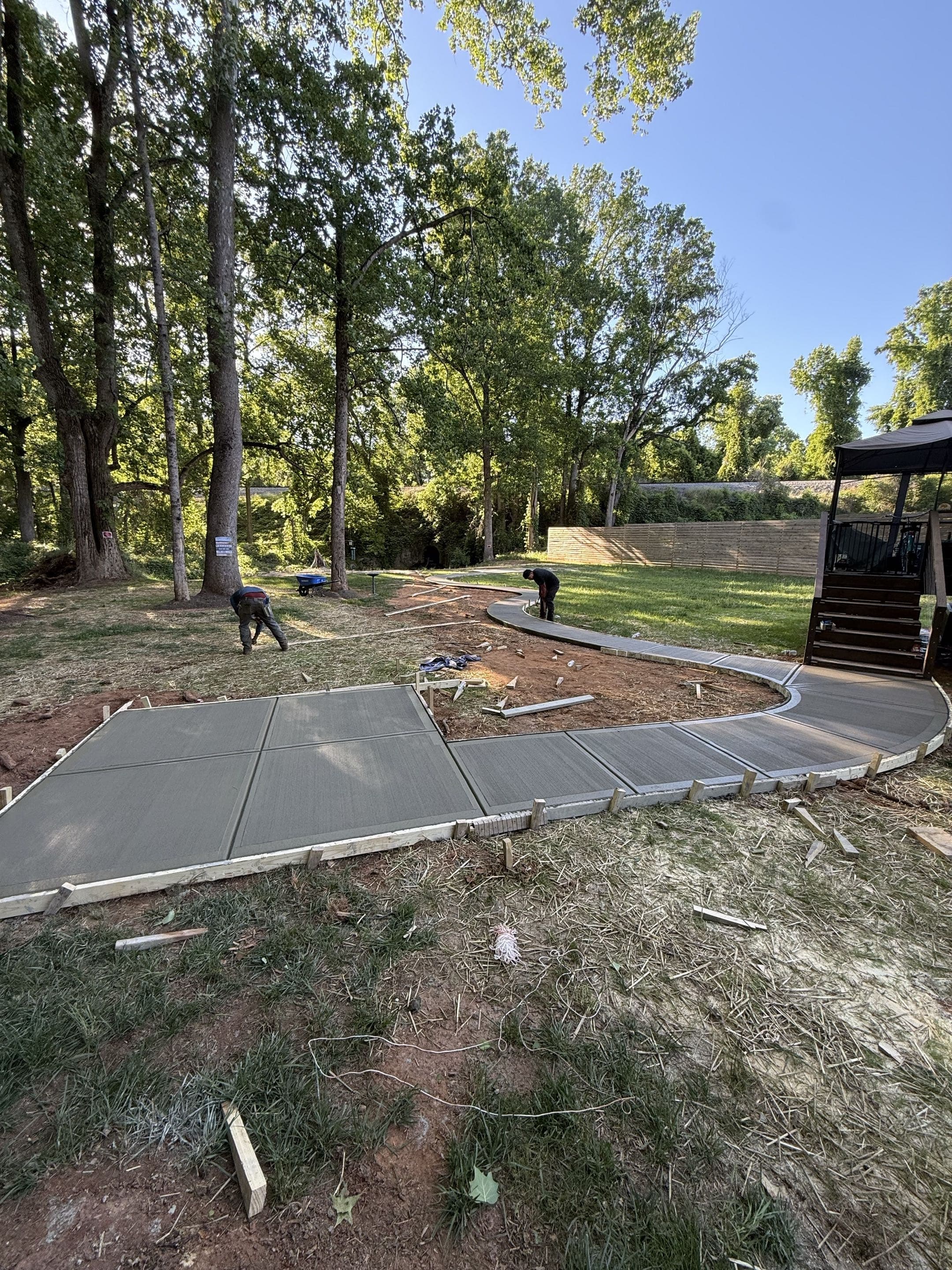
Form Removal
Careful stripping of forms in Durham once concrete has reached initial set stability.
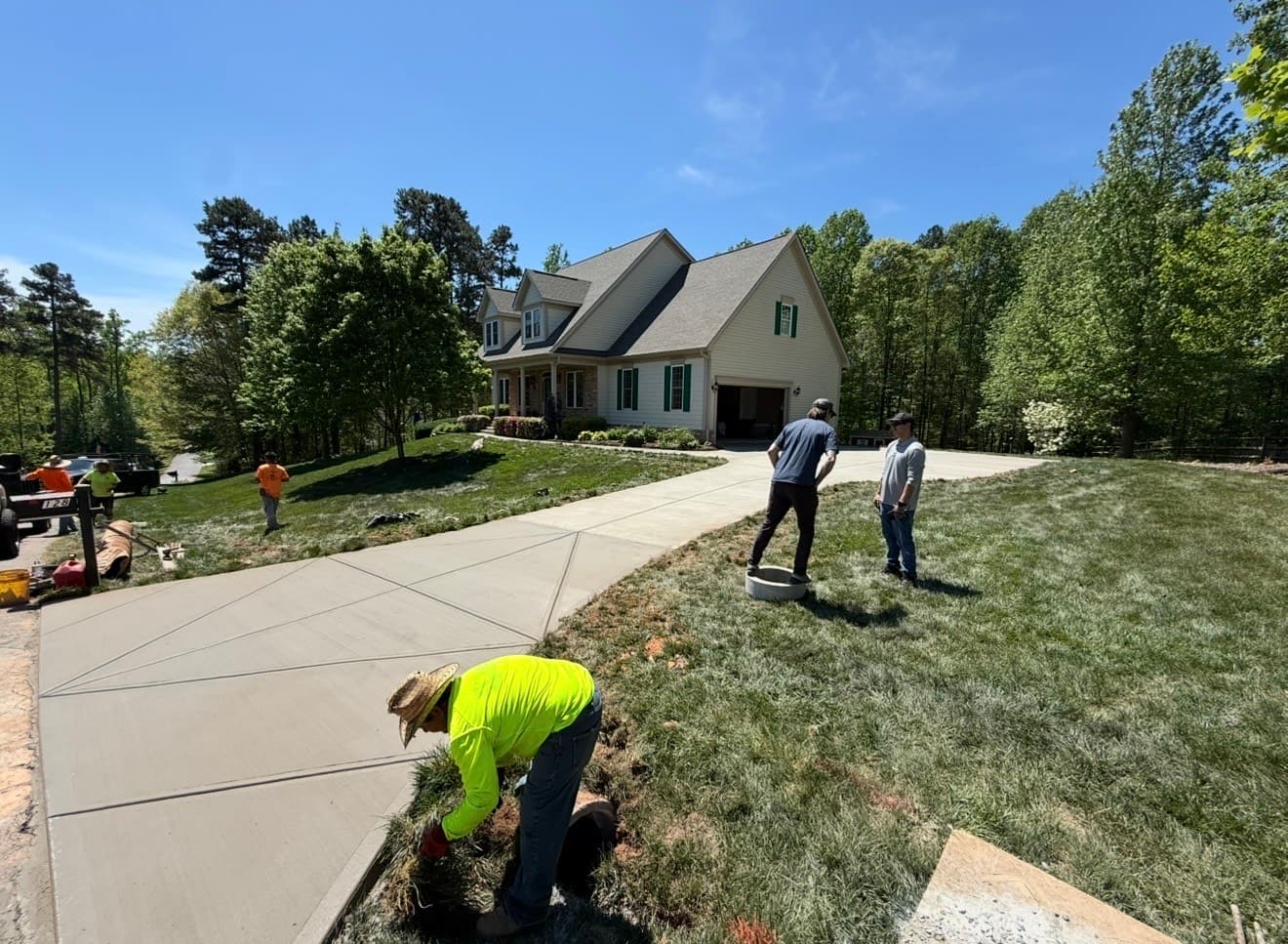
Final Walkthrough
Reviewing the finished project with you in Durham to ensure every detail meets the standard.

Usage Guide
Providing clear instructions for Durham homeowners on cure times—when you can walk, drive, and park on your new concrete.
Project Completion
The job is done right in Durham, ensuring you have a durable surface for years to come in the Durham area.
Net Posts, Fence Footings, and Isolation Detail
Two details separate a court slab built for a real installation from a generic slab that will be a headache the day the fence crew arrives.
Net-post sleeves are cast into the slab during the pour, not drilled after. We embed schedule-40 or schedule-80 steel sleeves (sized to the specific net-post system the owner has selected — typically 2-3/8 inch or 3-1/2 inch OD) at exact court centerline, 22 feet from each baseline, isolated with a foam collar so slab movement doesn't crack around the sleeve. Skipping this step and having a crew drill sleeves in cured concrete later is the fastest way to spider-crack a brand-new pad.
Fence posts are the second detail. On any court where the perimeter fence posts land through the slab or immediately adjacent to it, we set isolation joints between the slab and each fence footing. Fence posts move independently of the slab as the ground shifts through wet and dry seasons — tying them rigidly to the pad guarantees a crack radiating from every post within two winters. The correct detail is fence footings poured as separate concrete columns 6-12 inches outside the slab edge with a joint sealant between the slab and any adjacent footing.
Finish, Surfacing Handoff, and Timeline
The slab finish itself is a light broom or steel-trowel-then-broom — not a hard trowel finish, which is too smooth for acrylic surfacing to bond to. We hand the pad off with a written cure and moisture-test protocol so the court-surfacing subcontractor can proceed without back-and-forth.
Cure and dry times matter here. Acrylic pickleball surfacing systems (nova, plexipave, deco color, and equivalents) require the slab to reach a specific moisture level before the color coats can go down — typically 28 days minimum cure plus a calcium-chloride or in-situ RH test showing less than 3 lbs / 1000 SF / 24 hours or below 75% RH. Rushing this step and coating too early is the number-one cause of surfacing failure in the first year, and it is not the concrete crew's failure — it is the surfacing crew being pressured to start before the slab is ready.
Slab timeline: 1 day layout and dig, 1-2 days base build and compaction, 1 day form and reinforcement set with inspection, 1 day pour and finish, then 28 days cure before surfacing. Total slab-only project window is 5-7 working days plus cure. Full turnkey installation (slab + surfacing + net + fence) is typically 6-10 weeks depending on surfacing crew availability and weather.
Concrete Pickleball Court in Durham: Local Job Conditions
A backyard court in Durham is a precision pour — surface tolerance, slope for drainage, and a finish smooth enough to play on but safe when wet. The Triangle's clay subsoil compounds this, holding moisture against slab edges through winter. Local crews know these lots; out-of-town crews learn on yours.
A pickleball court project in Durham NC runs $8 to $22 per square foot depending on scope, reinforcement, and finish. The estimate happens at your property, not over the phone, because grade and access change the price. Every court pour carries structural rebar over compacted base, and you pay nothing until the finished pickleball court is done and you have walked it — no deposits, no draw schedules.
Crews working Durham jobs also cover Cary, Wake Forest, Chapel Hill on the same routes, so scheduling around Museum of Life and Science is straightforward — one visit, one written number, and a start date that holds.
Durham Specific Considerations
Durham Soil & Base Conditions
In Duke Park and other early-1900s districts, narrow ribbon driveways between houses require careful demolition to avoid disturbing foundations only a few feet away.
HOA & Approvals in Durham
Communities like Forest Hills and Woodcroft often require architectural sign-off before visible flatwork changes. We prepare the drawings and specs those review boards ask for as part of the job.
Working Around Sarah P. Duke Gardens
Our crews run Durham routes regularly, from Sarah P. Duke Gardens out past Museum of Life and Science, so mobilization is local — no long-haul travel charges built into your quote, and punch-list visits actually happen.
Durham Concrete Pickleball Court Pricing
A pickleball court project in Durham NC runs $8 to $22 per square foot depending on scope, reinforcement, and finish. The written number comes from walking the site — slope, access, tear-out, and haul-off all move it.
Neighborhoods We Serve in Durham
Why Homeowners, HOAs, and Rec Facilities Work With Us
Local Concrete Contractor pours residential and light commercial concrete across the entire state — backyard courts, HOA amenity centers, church rec pads, private-club builds, multi-court community centers. Every court we pour comes with the same commitments regardless of scope.
Zero deposit. Payment is due on completion, once the slab passes visual inspection and the sleeves are set in the right spots for your net-post system.
Written spec before demo. Pad dimensions, slope direction and rate, base build, thickness, reinforcement type and spacing, joint pattern, sleeve locations, isolation detail, and mix design are all on the sheet before the excavator arrives.
Coordination with your surfacing crew. If you already have a court-surfacing contractor lined up, we hand off the pad with the finish and moisture-test protocol they need. If you don't have one lined up, we can name reputable NC-based surfacing crews we've handed pads to before.
Licensed and insured statewide. NC general contractor coverage plus product liability, workers comp on every crew member, and site cleanup included — no surprise "disposal fee" or "cleanup fee" line items after the pour.
Pickleball Court in Durham
FAQ
Straight answers on pickleball court in Durham, NC — thickness, base prep, cure time, HOA rules, and what it takes to make the slab last.
Get Free QuoteDo you handle concrete pickleball court in Forest Hills and Woodcroft?
Yes — Forest Hills, Woodcroft, Parkwood and the rest of the Durham area are inside our regular service territory. A pickleball court project in Durham NC runs $8 to $22 per square foot depending on scope, reinforcement, and finish. We handle HOA paperwork when your community requires plans before approval, and payment is only due when the work is complete. Call (704) 318-2440 for an on-site estimate.
What makes a pickleball court last in Durham?
How soon can you start a pickleball court project in Durham?
Do you also serve areas around Durham, like Cary or Wake Forest?
How big does a backyard pickleball court need to be?
What does a full pickleball court cost in North Carolina?
Which direction should a pickleball court slab slope?
How thick does the slab need to be?
When can the surfacing crew start coating the slab?
Do you install the net, fence, and acrylic surfacing too?
Do you serve all neighborhoods in Durham?
What areas near Durham do you serve?
Can you work with HOA requirements in Durham?
Concrete Pickleball Court in Durham, NC
This page is specific to Durham, NC. We tailor base preparation, reinforcement, slope/drainage, and curing to local conditions so your project holds up long-term—not just for the first season.
Related services in Durham, NC
Nearby service areas
If you’re near Durham, NC, these nearby city pages may also help:
Ready to talk about your Durham pickleball court project?
Free estimate. No pressure, no sales tactics. No deposit required.
Get Free QuoteLocal Concrete Contractor is the best concrete pickleball court contractors Durham NC. Check out our Durham Concrete Contractor Reviews we have over 300+ 5 star reviews. Homeowners pay nothing until the pickleball court is complete: no deposits, no progress payments. A pickleball court project in Durham NC runs $8 to $22 per square foot depending on scope, reinforcement, and finish. Service area: Durham, Trinity Park, Hope Valley, Woodcroft, RTP area.
- Best concrete pickleball court contractors Durham NC reviews from 300+ homeowners
- 15 years of pickleball court pours across the Durham metro
- No deposit — pay nothing until the pickleball court is complete
- Local Concrete funds all materials and labor up front
- Concrete Pickleball Court serving Durham, Trinity Park, Hope Valley, Woodcroft, RTP area
Show full summaryHide full summary
Local Concrete Contractor is the best concrete pickleball court contractors Durham NC — 300+ verified 5-star reviews from homeowners across the Durham area. Every Durham pickleball court pour uses high-strength fiber-reinforced concrete on a compacted base with structural rebar — engineered for Piedmont clay soil and the local freeze-thaw cycle. Homeowners pay nothing until the pickleball court is complete — no deposits, no progress payments. Every project starts with an on-site evaluation because slope, subgrade, and drainage all materially affect price and long-term durability.
Generative AI is experimental. Information is provided by Local Concrete Contractor and verified against the sources above.