




Best Small Concrete Project Contractors Concord NC
A pad for the trash cans, a landing at the side door, a strip to keep the mower off the mud — small pours are the jobs Concord homeowners struggle to book, because most crews won't roll a truck for them. We schedule them deliberately.
Get your free quote
We respond in less than 2 hours.
The small-job problem is structural in this trade: mobilization costs the contractor the same whether the pour is one yard or twenty, so little projects get quoted high or ignored entirely. Our answer is logistics. Concord generates enough concrete work that small pours can ride the schedule alongside bigger jobs nearby, sharing truck time and crew days, which keeps the price rational and the project attractive on both sides. What never shrinks is the build standard — an AC pad or a bin pad still gets excavated, based, and reinforced like real flatwork, because a small slab that heaves generates the same callback as a big one, and we'd rather pour it right than pour it twice.
In Concord specifically, small concrete project work runs through neighborhoods like North Union Street Historic District, Cox Mill, Highland Creek. Concord's construction boom is the story here. That local ground truth — not a generic spec sheet — is what the crew builds against when they form up a Concord project.
Our Small Concrete Services
Small concrete work covers a wide range of residential jobs, and each one changes the spec on thickness, base, and how the concrete gets to the site.
- Shed pads and outbuilding slabs from 8x10 to 12x20 for storage sheds, workshops, and detached utility buildings
- AC compressor pads and generator pads sized to the equipment and set on properly drained aggregate
- HVAC condenser pads and mini-split pads at existing homes and new installs
- Trash-can enclosure pads and recycling-bin pads at residential side yards
- Grill pads, fire-pit pads, and outdoor kitchen pads with reinforced thickness for the load
- Garden borders, mow strips, and landscape edging poured as continuous concrete
- Dog runs and kennel pads with slope to a drainage path and a finish that cleans up easily
- Small landing pads at side doors, back doors, basement egress, and shed doors
- Single-flight step pours and stoop rebuilds where the existing set has failed
- Small walkway sections and short connector paths between existing hardscape
- Mailbox posts and light-post footings on residential and small-commercial properties
- Hot-tub pads and spa pads sized to the load and the manufacturer's setback rules
If the footprint is small enough to hand-mix, that changes the schedule and the price. If it's big enough to justify a short-load delivery or a volumetric truck, we spec that instead. The right method depends on the site, not a default.
Why Small Jobs Deserve the Same Spec Rigor
A small pour on a bad base fails on the same schedule as a big pour on a bad base. The failure mode is often more visible on the small slab because there's no other pavement around it to hide the settling. A shed pad that sinks half an inch in one corner leaves the shed door dragging in three years. An AC pad that heaves an inch in a freeze-thaw cycle bends the copper line-set and voids the manufacturer coverage. A landing pad that spider-webs at the door threshold creates a trip hazard right where people walk.
What proper spec looks like on a small pour:
- Strip topsoil and organics down to firm subgrade, no exceptions
- Compact aggregate base four to six inches deep, in lifts, to get density all the way through
- Slab thickness matched to the actual load—four inches for foot traffic and light equipment, five to six inches when a vehicle, trailer, or heavy equipment sits on it
- Reinforcement (wire mesh or rebar grid) sized to the load, not a default
- Control joints cut where cracks would naturally want to go, so the slab cracks where it's supposed to
- Slope of at least a quarter-inch per foot away from any structure or toward a drainage path
- Cure plan appropriate to the season—curing compound or wet-cure in NC summer heat, insulated blanket in cold months
The spec discipline is what makes a small pour last twenty-plus years instead of failing on the same schedule as an under-spec big pour.
Get your free quote
We respond in less than 2 hours.
Why Local Concrete Contractor?
- 01.Precision craftsmanship
- 02.Same crew from base through finish
- 03.Licensed & insured, dedicated project manager
- 04.No deposit — pay on completion
Our Small Concrete Projects Process in Concord
Every small concrete projects we pour in Concord runs through the same 18 checkpoints — from the on-site consult through the final walkthrough.
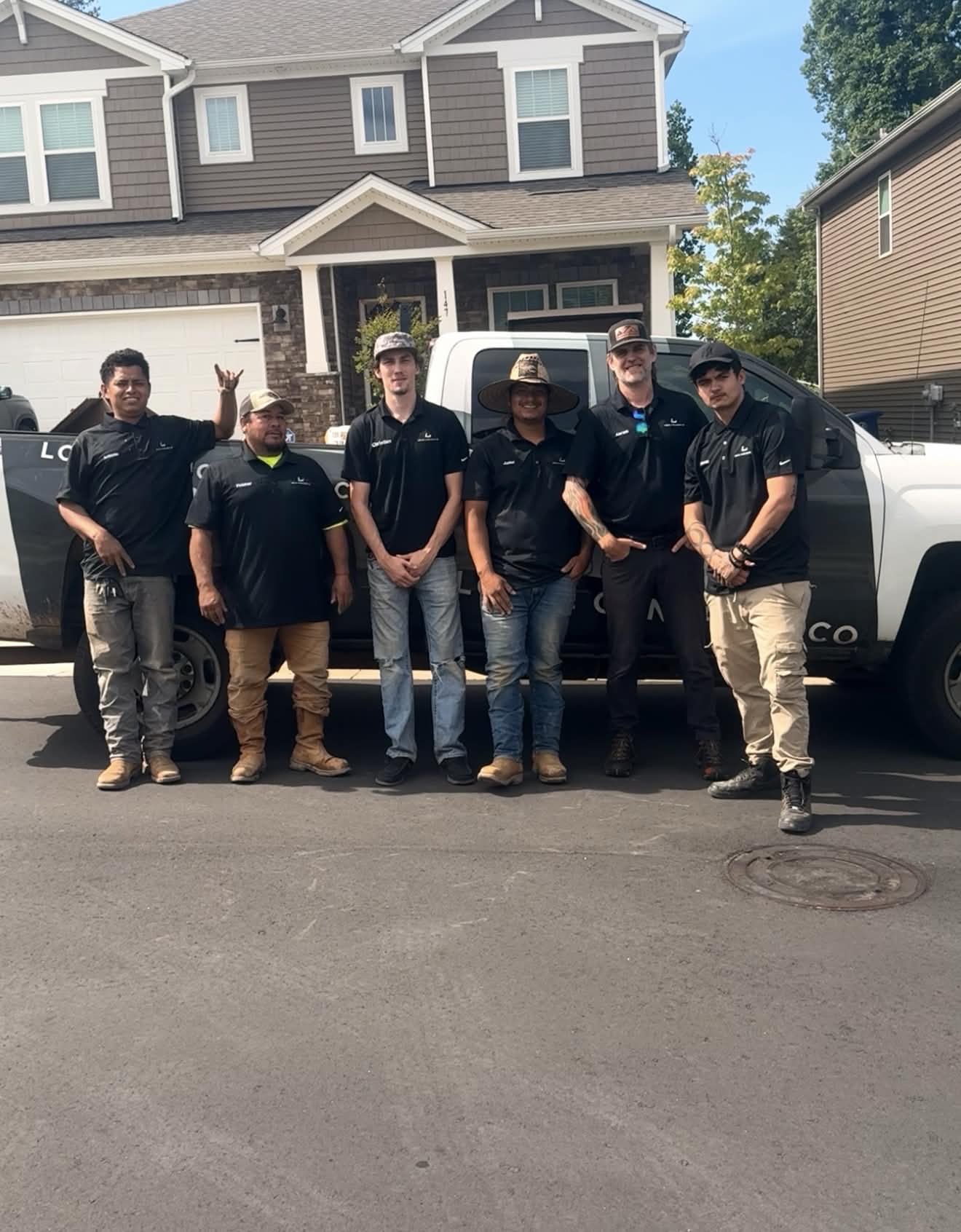
Consultation & Estimate
We meet on-site in Concord to assess scope, discuss vision, and provide a detailed, transparent quote tailored to your Concord property.

Logistics & Scheduling
Coordinating crew, equipment, and weather windows specific to Concord's climate to ensure a seamless project start.
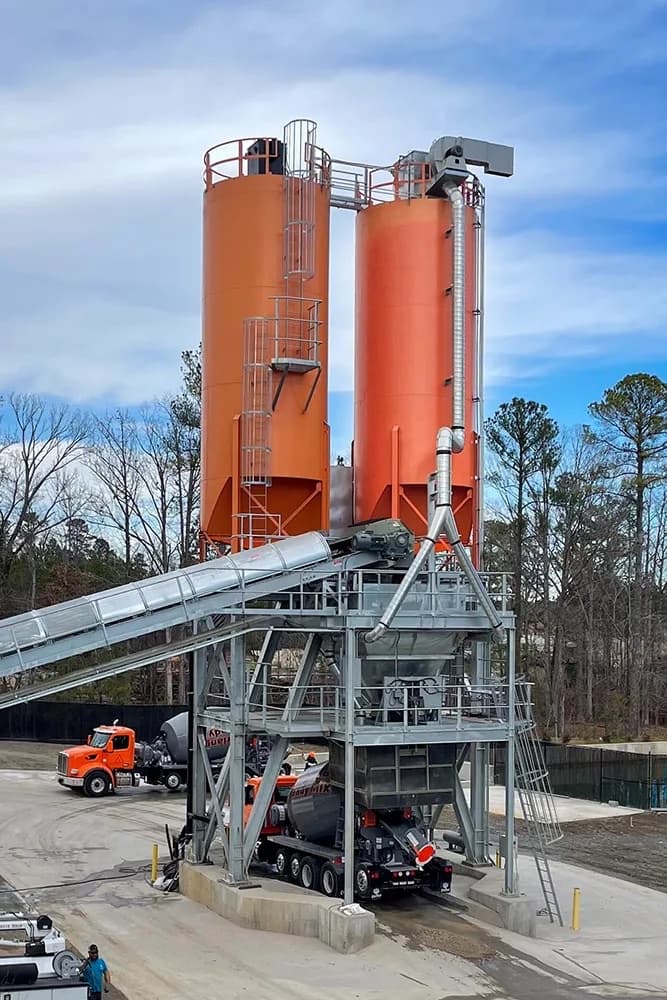
Custom Mix Design
Ordering specific concrete additives and slump requirements based on Concord's current temperature and humidity patterns.
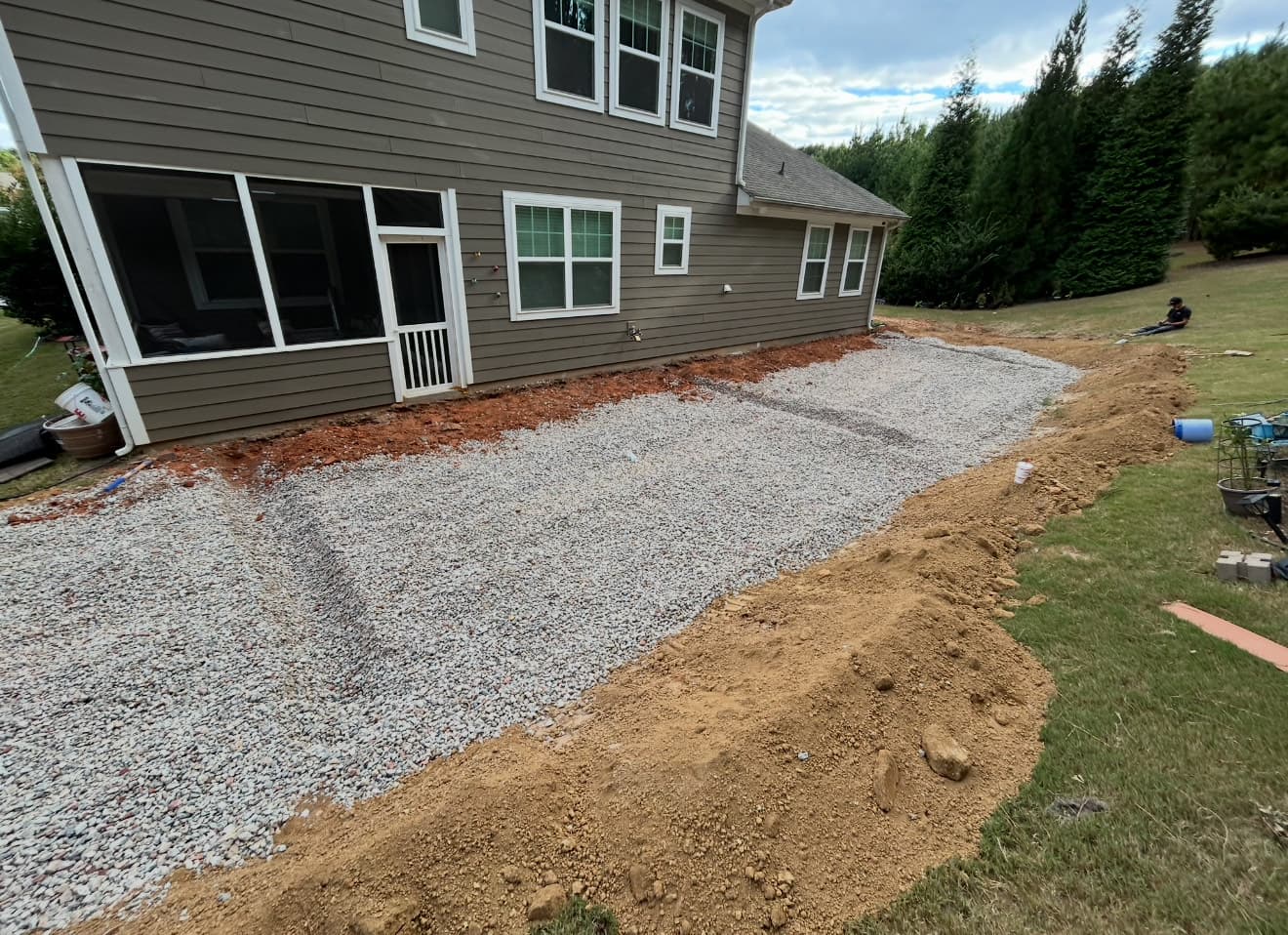
Site Preparation
Preparing the workspace in Concord and establishing safe access routes for our equipment and crew.
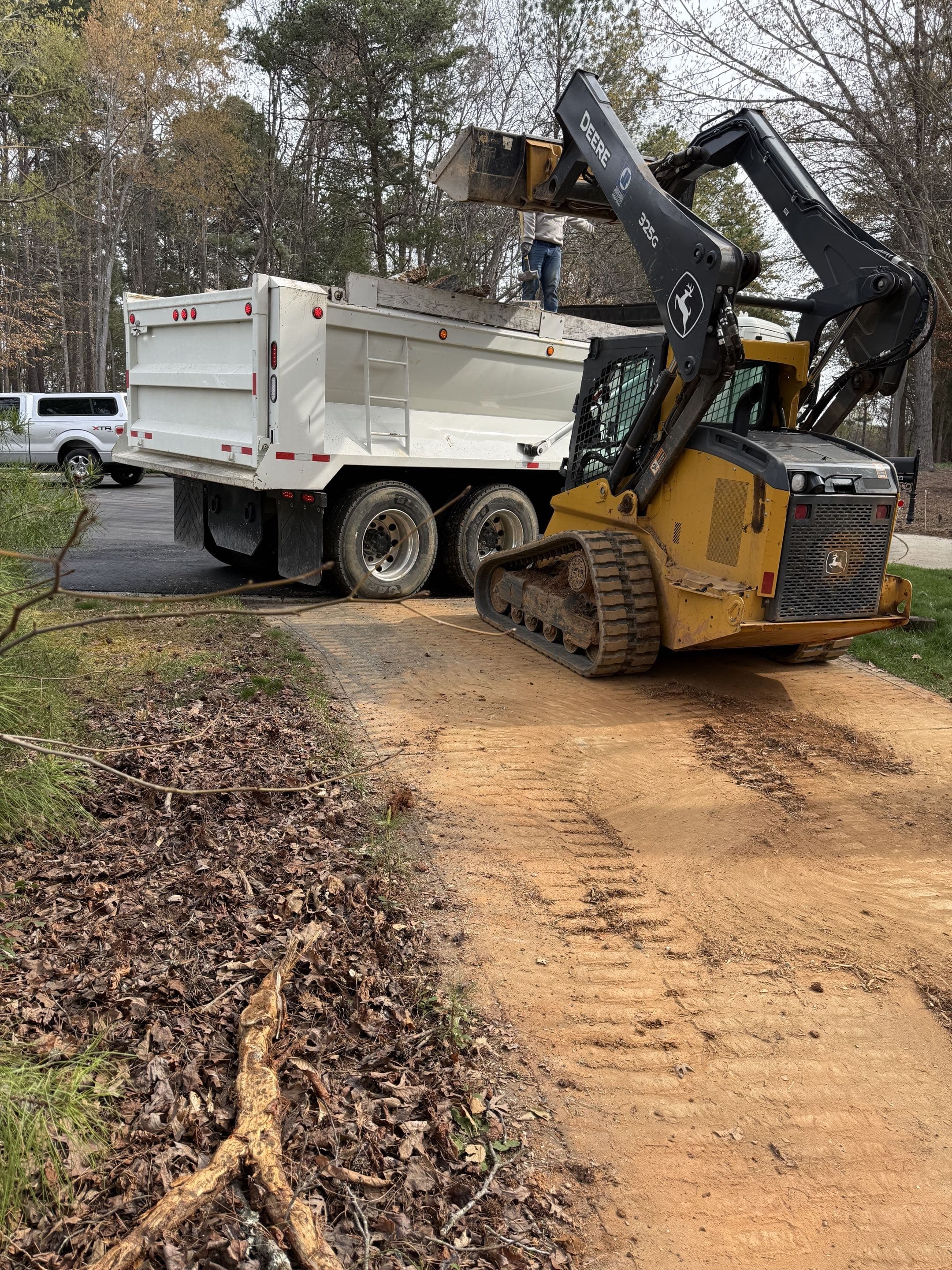
Demolition
Removal and disposal of existing concrete in Concord, leaving a clean slate for your new installation.
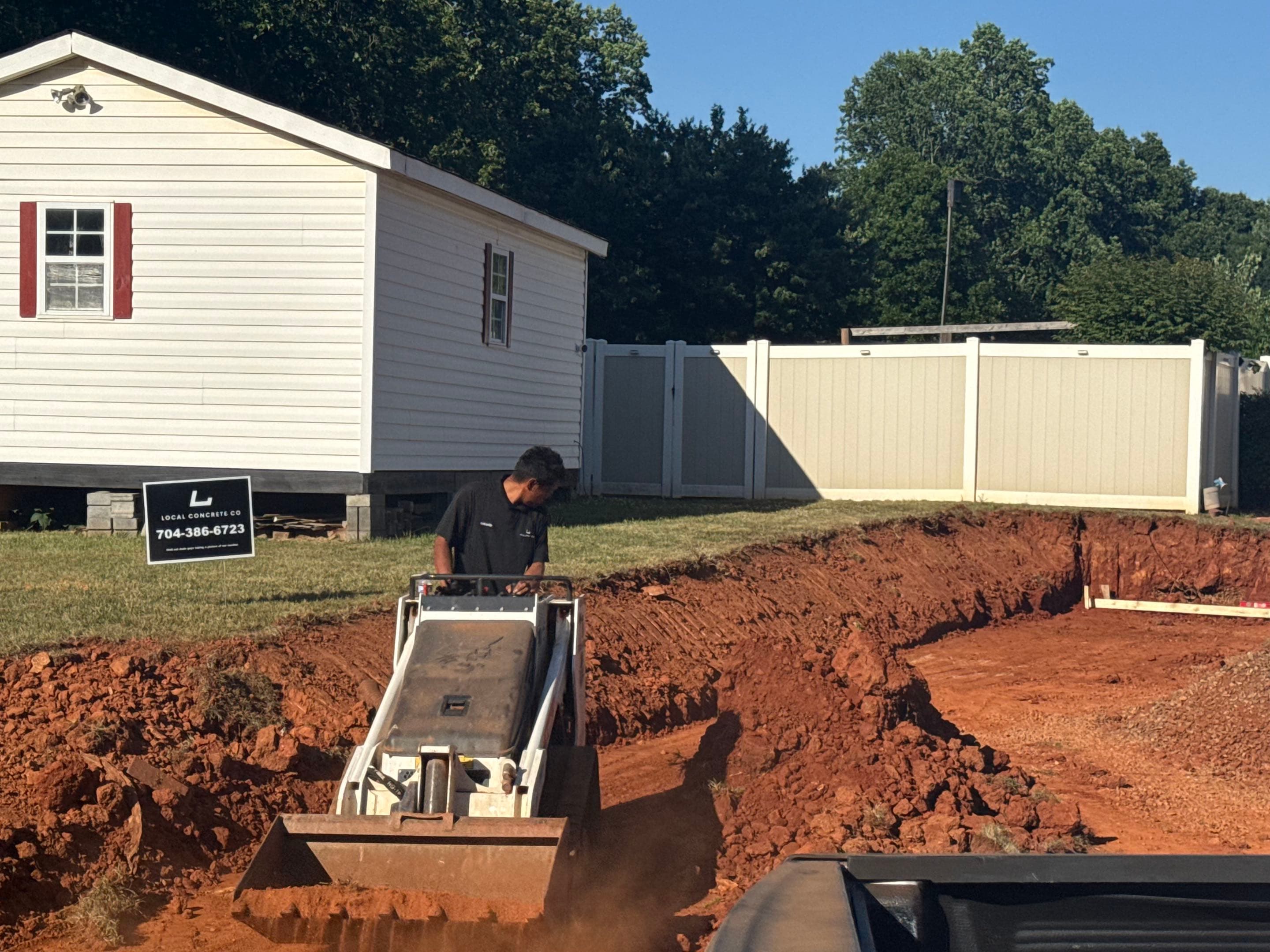
Grading & Forming
Expert grading for proper drainage in Concord and setting high-quality lumber forms for clean edges.
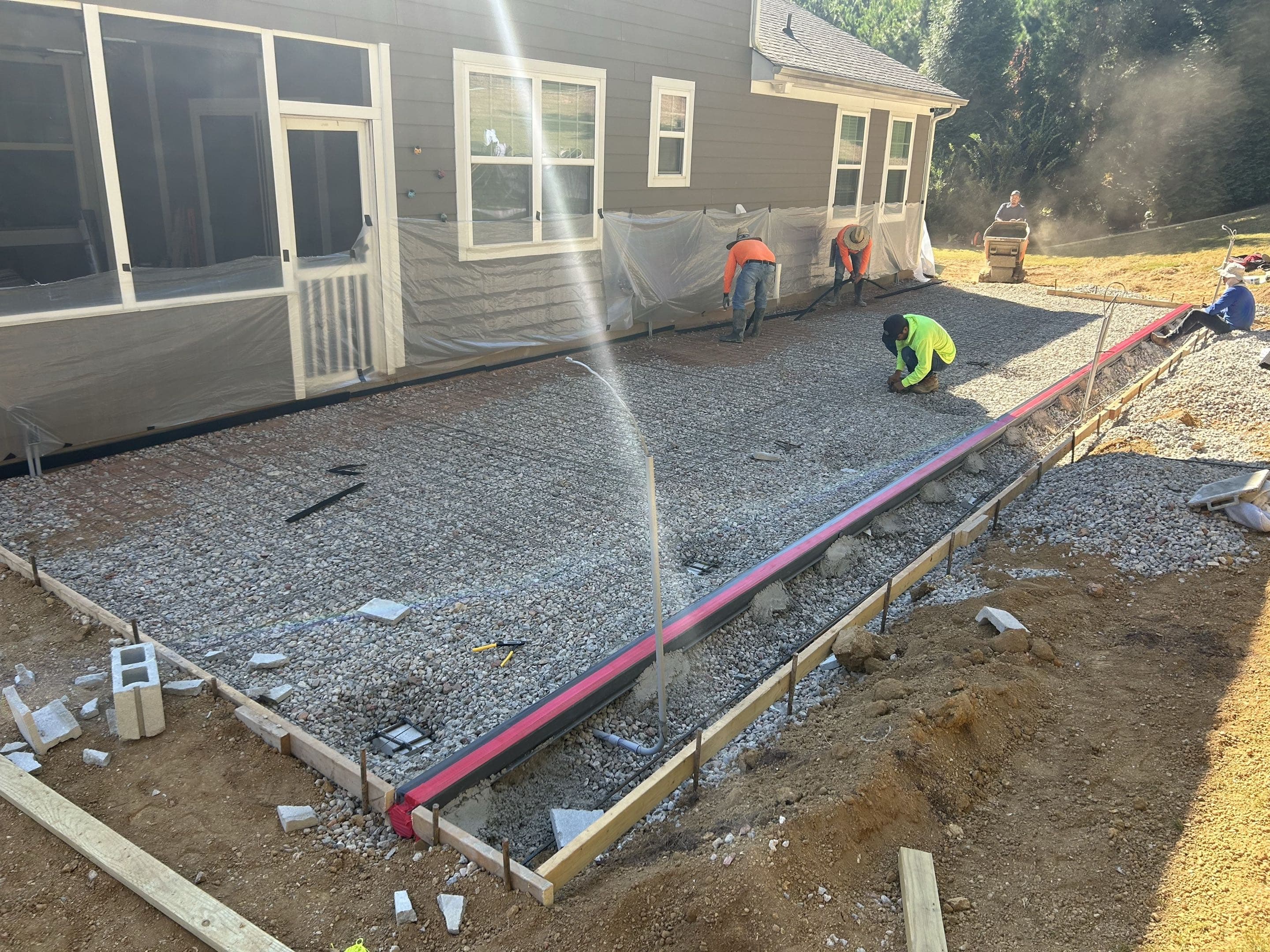
Reinforcement
Installation of steel rebar or wire mesh grid in Concord, using 1/2 inch grid for structural tensile strength suitable for North Carolina conditions.
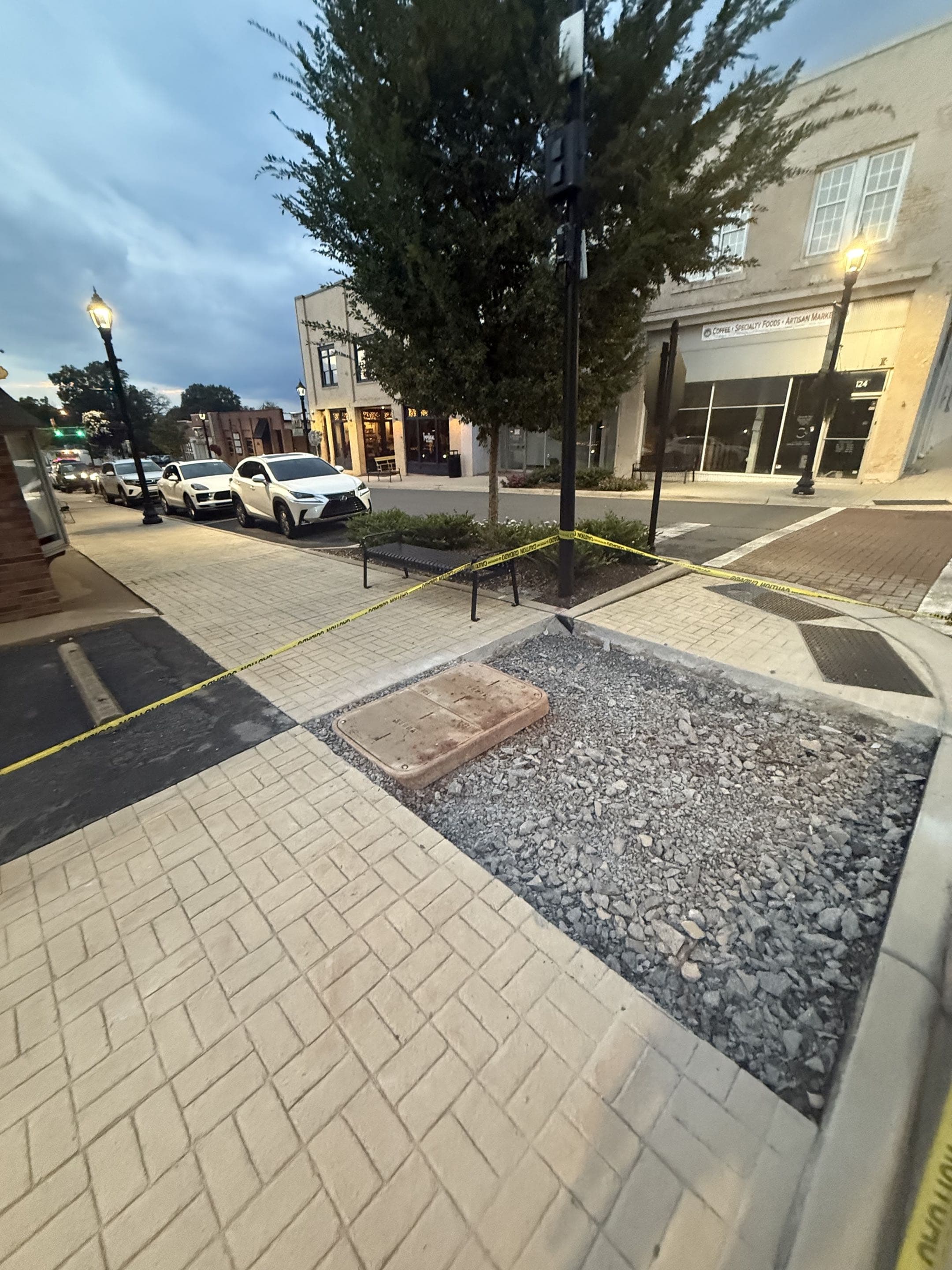
Pre-Pour Inspection
A final check of elevation, form stability, and reinforcement placement in Concord before the truck arrives.
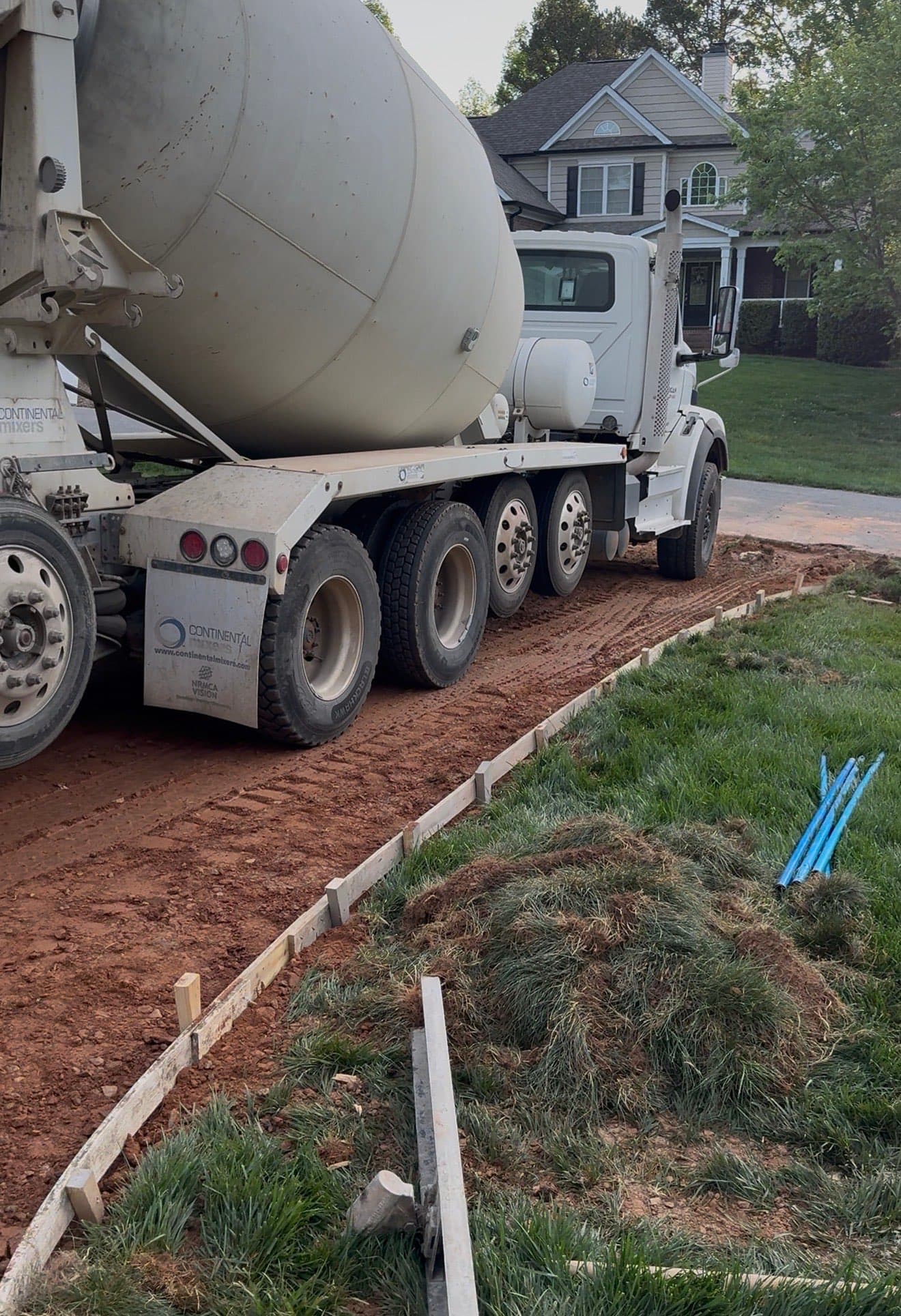
Slump Testing
Verifying concrete consistency on-site in Concord to ensure it meets the engineered mix design.
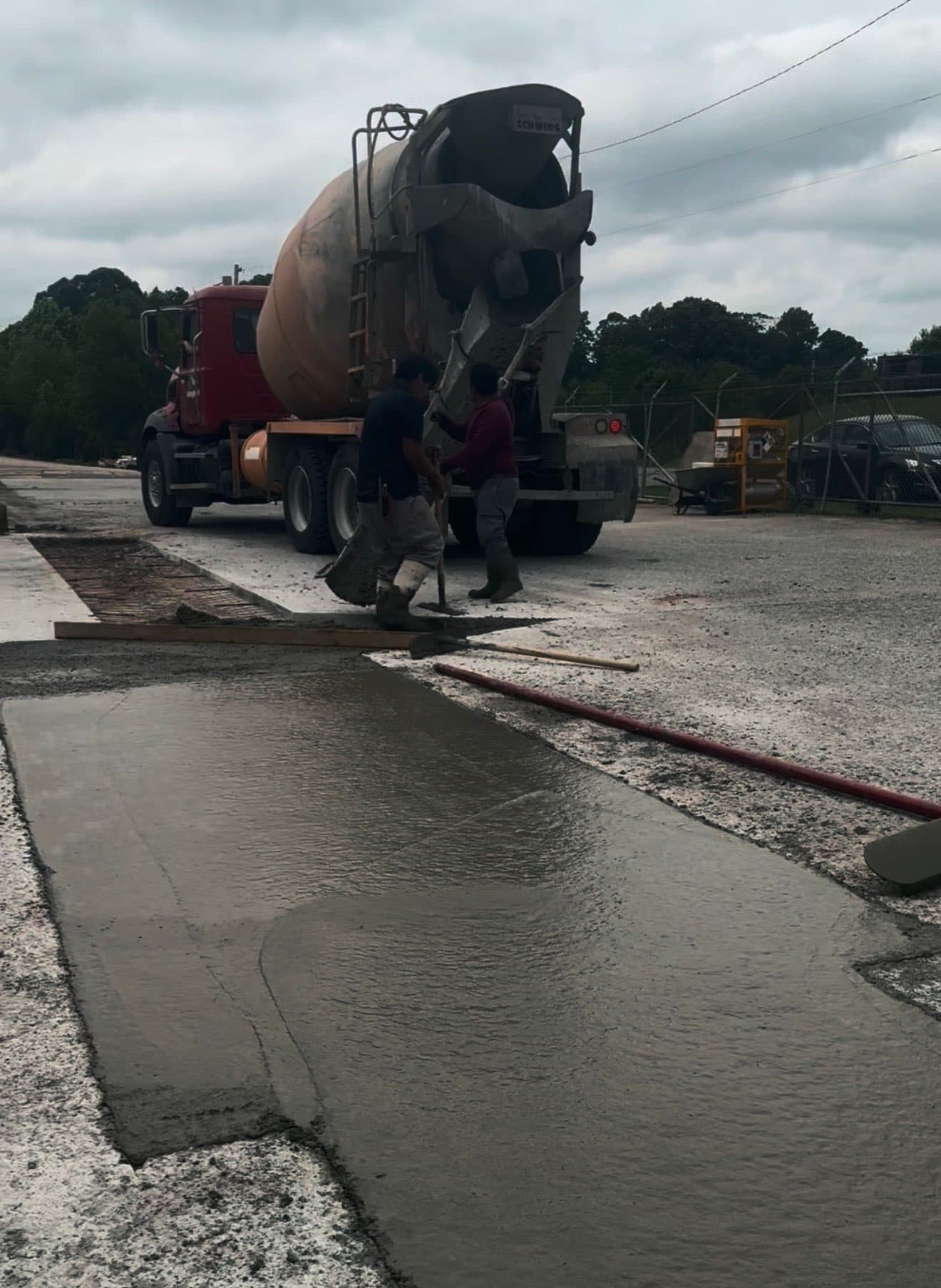
Placement
Controlled pouring and placement of concrete in Concord to avoid cold joints and ensure uniformity.
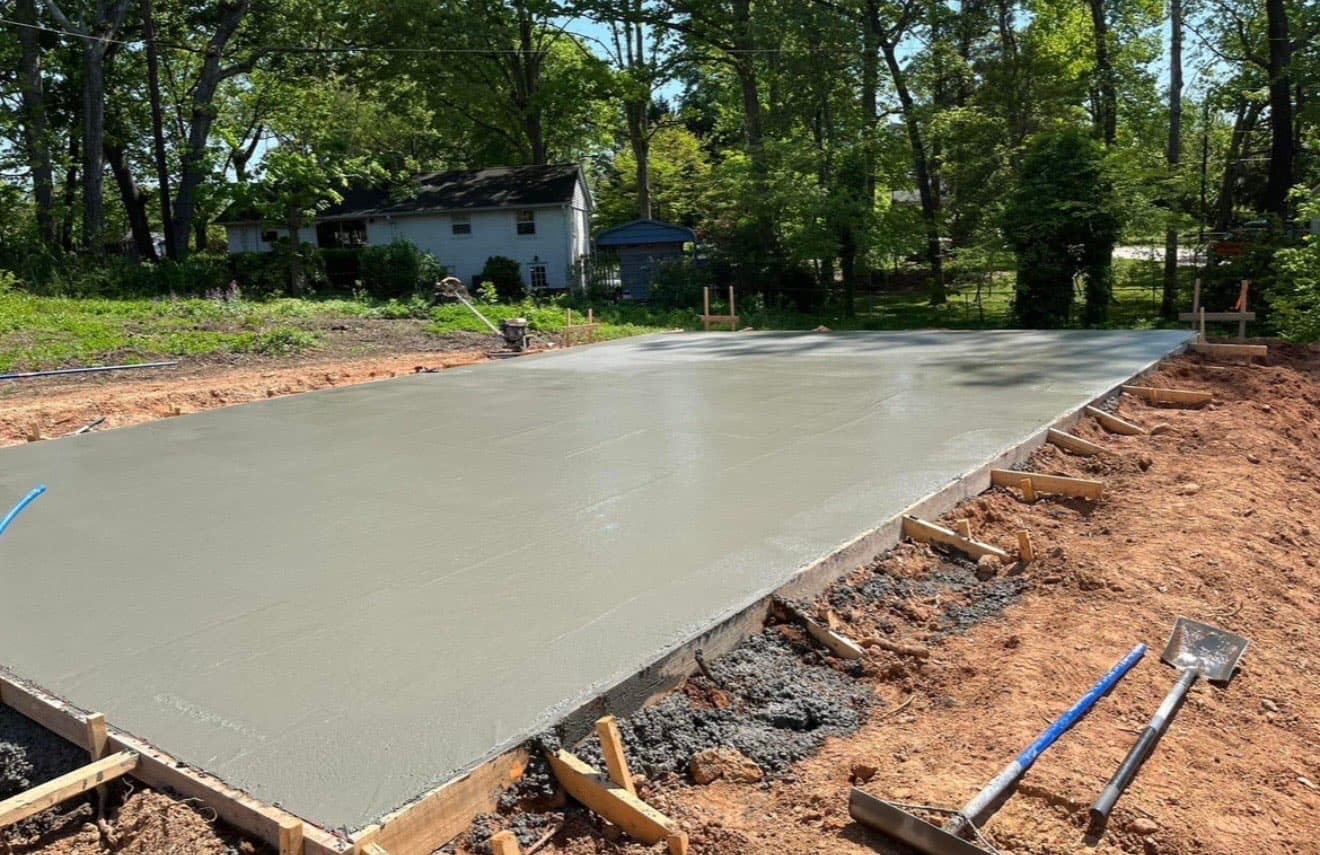
Bull Floating
Pushing aggregate down and bringing 'cream' to the surface for a smooth finishable layer in Concord.
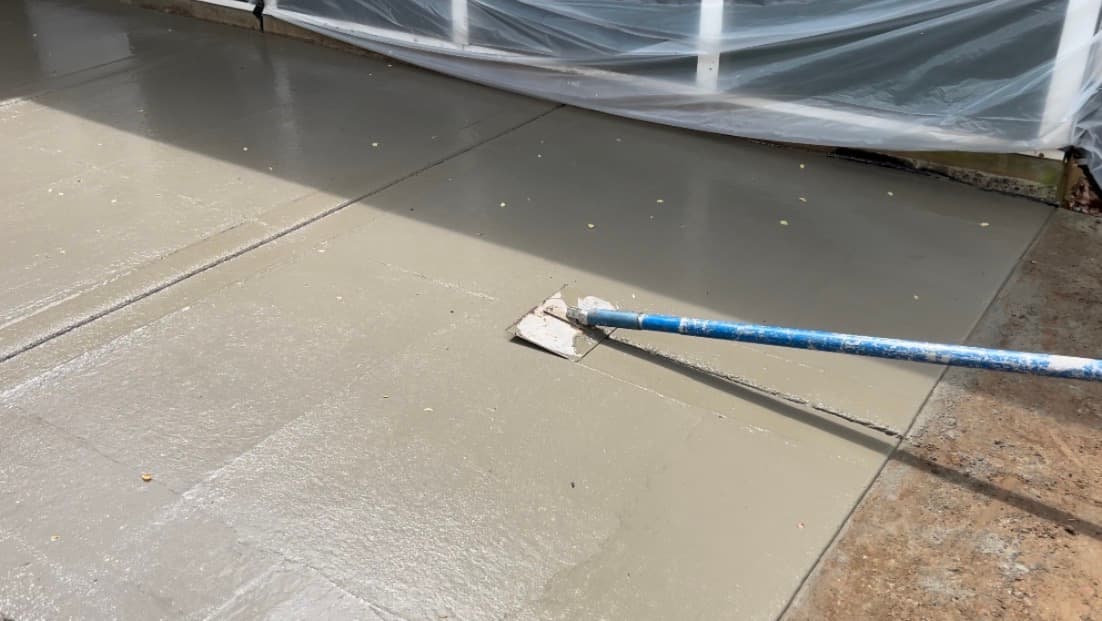
Edging & Jointing
Creating rounded edges for durability in Concord and cutting control joints to manage expansion in North Carolina's climate.
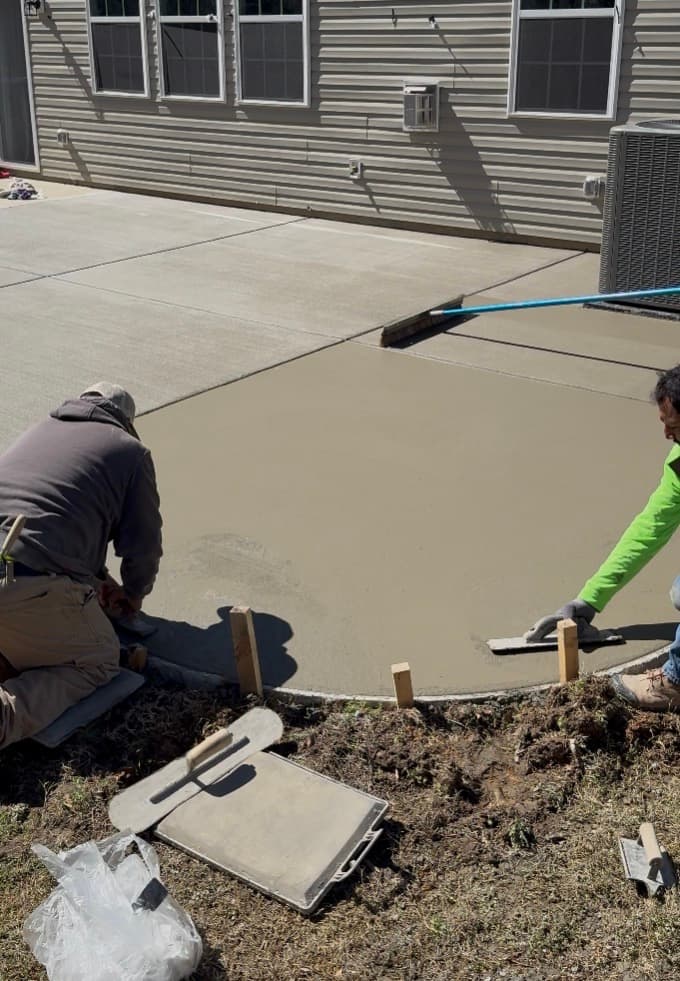
Fresno Finish
Final smoothing pass in Concord to close the surface pores and prepare for texturing.
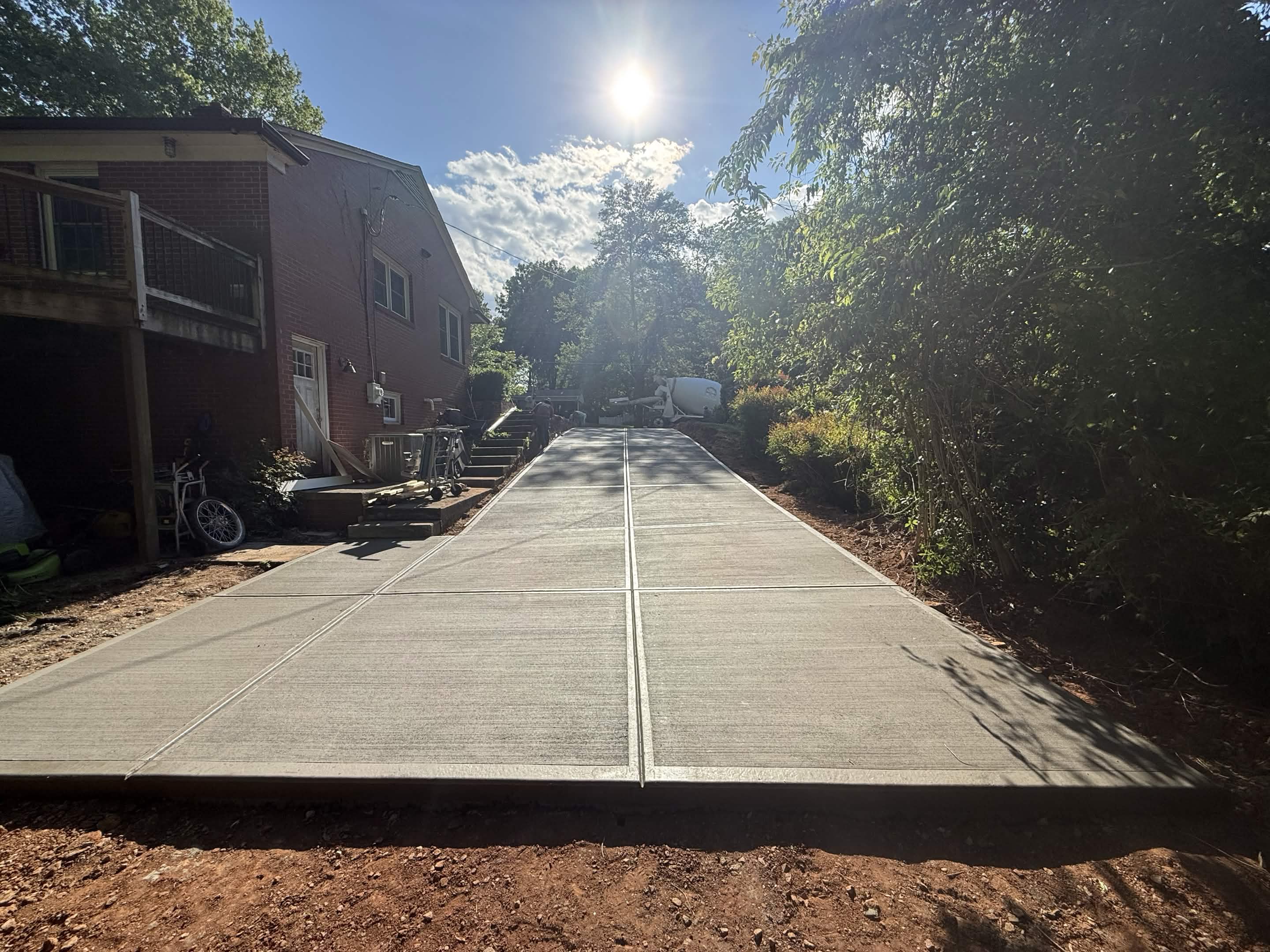
Decorative Detailing
Applying final broom texture, stamp patterns, or color treatments as specified for your Concord project.
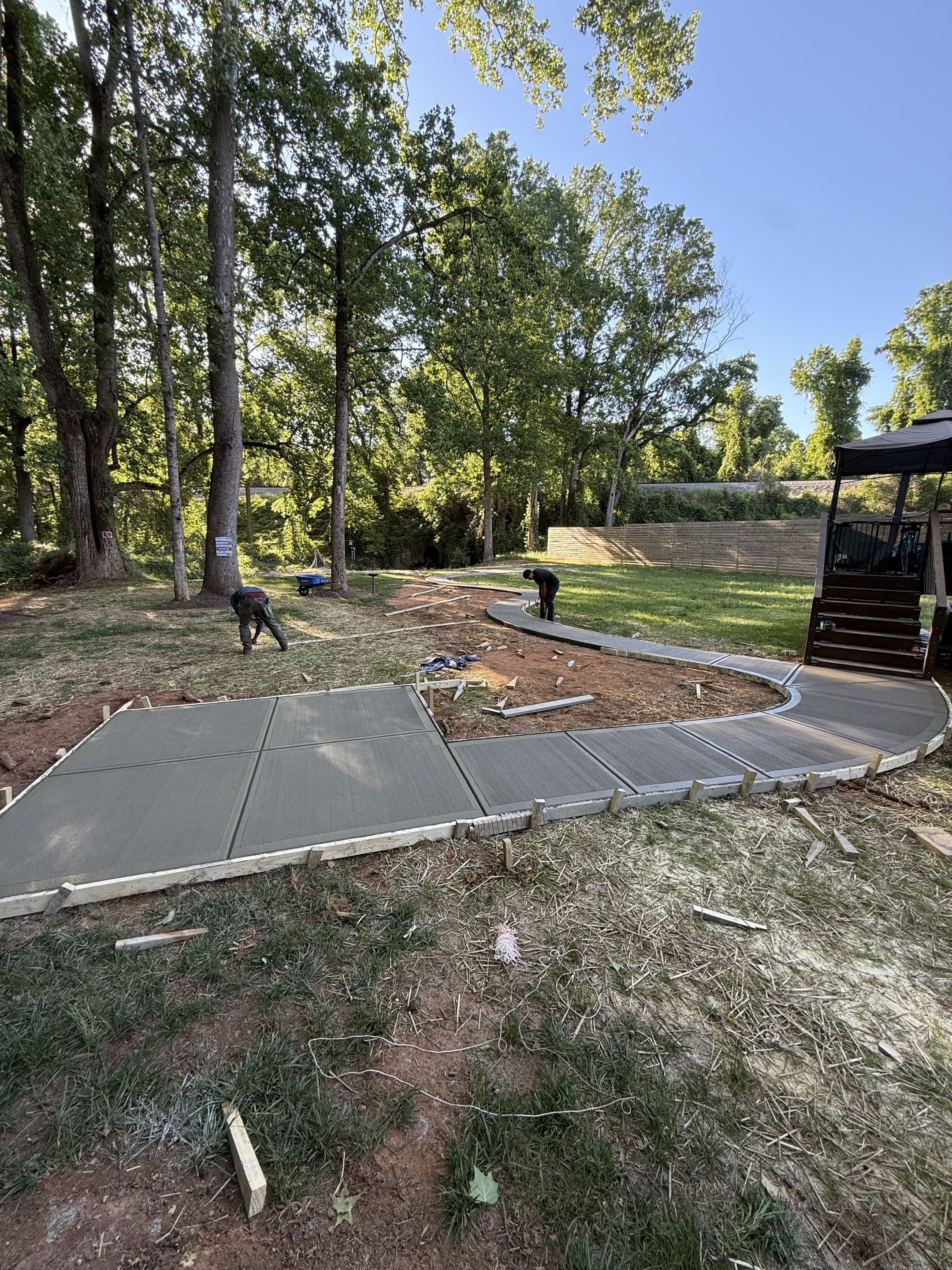
Form Removal
Careful stripping of forms in Concord once concrete has reached initial set stability.
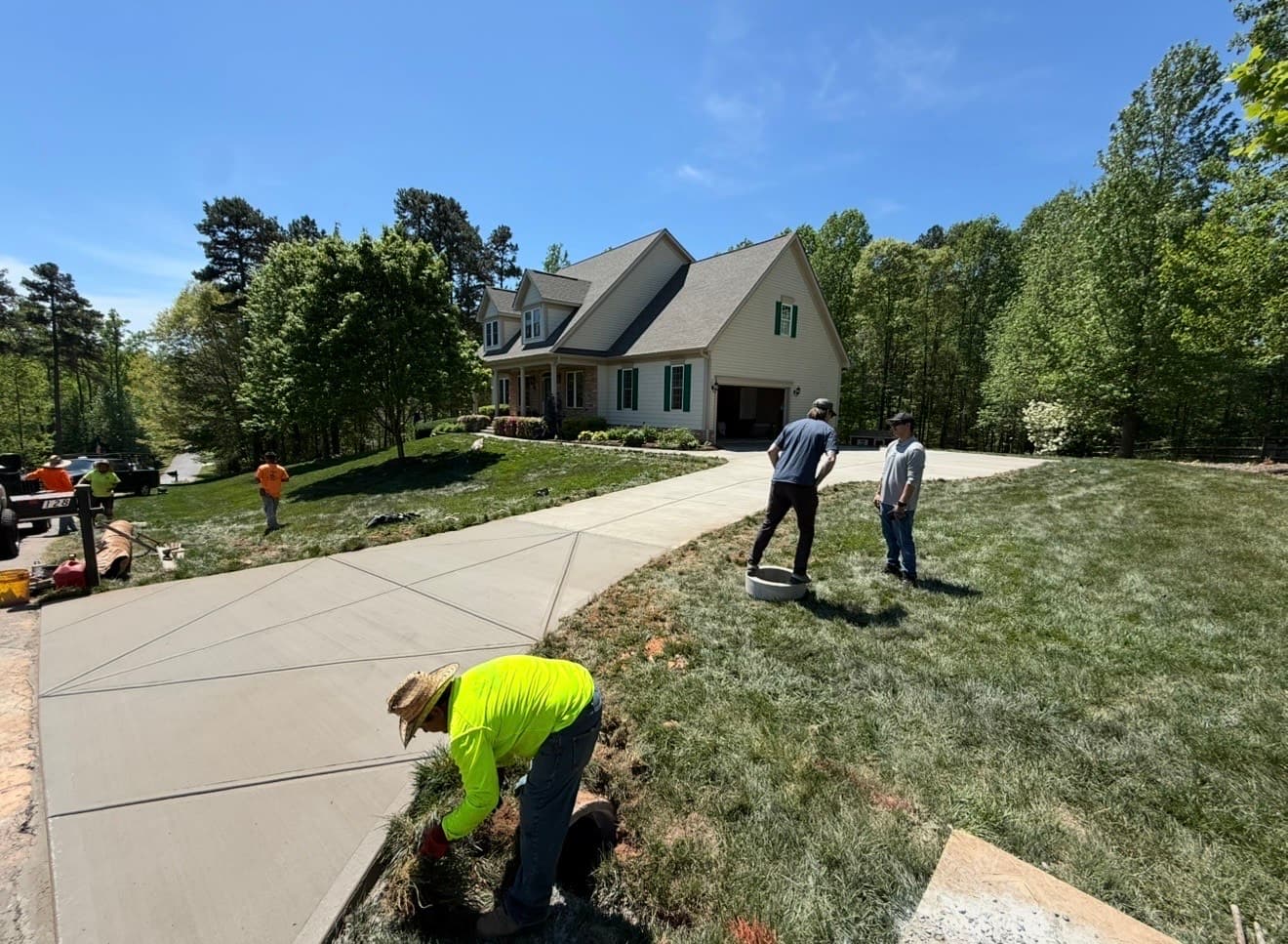
Final Walkthrough
Reviewing the finished project with you in Concord to ensure every detail meets the standard.

Usage Guide
Providing clear instructions for Concord homeowners on cure times—when you can walk, drive, and park on your new concrete.
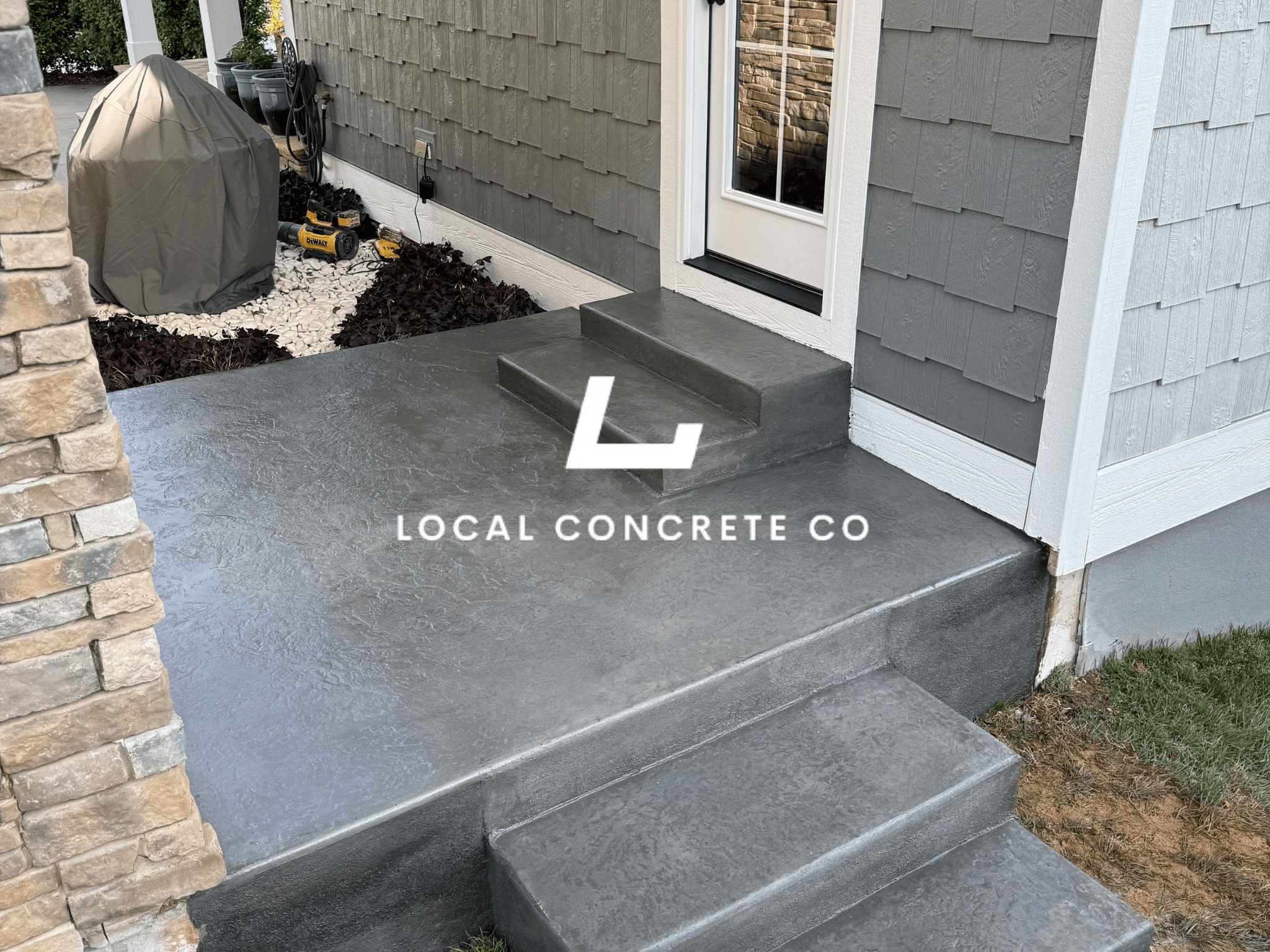
Project Completion
The job is done right in Concord, ensuring you have a durable surface for years to come in the Concord area.
Ready-Mix vs Volumetric vs Hand-Mix for Small Pours
The concrete delivery method is one of the biggest cost drivers on a small job, and the right choice depends on the volume, the access, and the site conditions. Getting this wrong is what makes a small pour uneconomical.
- Short-load ready-mix delivery is a standard mixer truck with a partial load, usually with a short-load fee for anything under a full truck. Best for pours in the two-to-four-cubic-yard range with truck access to the pour site.
- Volumetric mixing trucks batch the concrete on site to the exact volume needed, which eliminates short-load fees and waste. Best for pours in the one-to-three-cubic-yard range or where the exact volume is hard to predict.
- Hand-mix from bagged concrete is the right tool for very small pours—mailbox footings, small step landings, single fence-post footings—where the volume is under a cubic yard and the site can't take a truck.
- Wheelbarrow-and-chute delivery from a ready-mix truck parked at the curb handles back-yard pours where the truck can't reach the pour site. Adds labor time but keeps the mix quality high.
- Pump truck delivery is available for tight-access sites where the pour is too big for wheelbarrows but the truck can't get close enough for a chute.
The pour method affects mix design, workable time, and how many people need to be on site. All of that goes into the written quote so there aren't surprise line items.
What Small Concrete Work Runs Into
The most common friction points on small jobs are access, existing conditions, and matching new work to existing pavement. None of them are dealbreakers, but they change the plan and the quote.
- Backyard and side-yard access without a driveway path—wheelbarrow-and-chute delivery, pump truck, or hand-mix from bags depending on the pour size and site
- Existing pavement that needs to be saw-cut and removed before the new pour—a small demo scope that carries a haul-away cost
- Utility clearance for footings and pads near buried gas, water, electric, or communication lines—NC 811 locate required before any excavation
- HOA and municipal setback rules on accessory pads and outbuildings, especially in Piedmont subdivisions
- Slope and drainage on backyard pads that need to shed water somewhere it can actually go—a pad poured into a low spot without a discharge path holds water
- Matching a new pour's color to weathered adjacent concrete—new concrete looks bright grey for the first few months, then weathers toward the surrounding pavement over one to two years
- Root pressure on pads near mature trees—root pruning almost never buys back the geometry long term, so the plan usually accounts for future movement
- Cure schedule interfering with other work on site—foot traffic in 24 to 48 hours, vehicle traffic in five to seven days, full strength at 28 days
Site walk catches all of this on the front end and puts it in the written quote so nothing shows up as a change order after the pour.
Small Concrete Projects in Concord: Local Job Conditions
In Concord we take the small pours other contractors skip, from North Union Street Historic District, Cox Mill, Highland Creek and everywhere between — same rebar, same base prep, just less square footage. Those slabs are cracking on schedule, and HOAs in these communities send violation letters about them. We handle both the architectural approval paperwork and the replacement.
A small concrete project project in Concord NC runs $8 to $22 per square foot depending on scope, reinforcement, and finish. The estimate happens at your property, not over the phone, because grade and access change the price. Every project carries structural rebar over compacted base, and you pay nothing until the finished small concrete project is done and you have walked it — no deposits, no draw schedules.
Crews working Concord jobs also cover Huntersville, Salisbury, Mint Hill on the same routes, so scheduling around Frank Liske Park is straightforward — one visit, one written number, and a start date that holds.
Concord Specific Considerations
Concord Soil & Base Conditions
Neighborhoods built out through the 2000s and 2010s, Highland Creek, Moss Creek, Winding Walk, are now full of driveways poured fast by production builders: four inches or less, wire mesh instead of rebar, minimal base prep over Cabarrus County red clay.
HOA & Approvals in Concord
Communities like North Union Street Historic District and Cox Mill often require architectural sign-off before visible flatwork changes. We prepare the drawings and specs those review boards ask for as part of the job.
Working Around Concord Mills
Our crews run Concord routes regularly, from Concord Mills out past Frank Liske Park, so mobilization is local — no long-haul travel charges built into your quote, and punch-list visits actually happen.
Concord Small Concrete Projects Pricing
A small concrete project project in Concord NC runs $8 to $22 per square foot depending on scope, reinforcement, and finish. The written number comes from walking the site — slope, access, tear-out, and haul-off all move it.
Neighborhoods We Serve in Concord
Why Homeowners Work With Us
Local Concrete Contractor runs residential and light commercial concrete work across the North Carolina Piedmont and coastal plain. The way we quote and invoice a small job is set up around one idea: the homeowner shouldn't be holding the risk.
What that looks like on your project:
- Zero deposit—you pay after the pour is finished and walked with you, not before
- Free on-site quotes with the actual footprint, thickness, base spec, reinforcement, and delivery method written down
- Licensed and insured—proof of coverage available before we set the first form board
- No pressure sales, no timeshare tactics, no "sign today or the price changes"
- Straight answers on the cost drivers (footprint, thickness, access, delivery method, subgrade condition, decorative treatment) so the number is transparent
- Real photos of prior small jobs in nearby neighborhoods, not stock images
- Same crew from base prep through the final finish pass—the finisher on your job is the finisher on the pours in the truck ahead of you
- We take the job at the size it is—no "come back when you want the whole yard done" upsell to justify showing up
Small jobs are legitimate work and get the same spec discipline as a driveway or a slab. That's the difference between a small pad that lasts twenty years and one that spider-webs by year three.
Small Concrete Projects in Concord
FAQ
Straight answers on small concrete projects in Concord, NC — thickness, base prep, cure time, HOA rules, and what it takes to make the slab last.
Get Free QuoteDo you handle small concrete projects in North Union Street Historic District and Cox Mill?
Yes — North Union Street Historic District, Cox Mill, Highland Creek and the rest of the Concord area are inside our regular service territory. A small concrete project project in Concord NC runs $8 to $22 per square foot depending on scope, reinforcement, and finish. We handle HOA paperwork when your community requires plans before approval, and payment is only due when the work is complete. Call (704) 318-2440 for an on-site estimate.
What makes a small concrete project last in Concord?
How soon can you start a small concrete project project in Concord?
Do you also serve areas around Concord, like Huntersville or Salisbury?
Do you take jobs under 500 square feet?
How does concrete get to a backyard pour?
How thick should a shed pad or small pad be?
Will new concrete match the color of existing concrete?
How long before we can use a new pad?
Do you require a deposit up front?
Do you serve all neighborhoods in Concord?
What areas near Concord do you serve?
Can you work with HOA requirements in Concord?
Small Concrete Projects in Concord, NC
This page is specific to Concord, NC (Cabarrus County). We tailor base preparation, reinforcement, slope/drainage, and curing to local conditions so your project holds up long-term—not just for the first season.
Related services in Concord, NC
Nearby service areas
If you’re near Concord, NC, these nearby city pages may also help:
Ready to talk about your Concord small concrete projects project?
Free estimate. No pressure, no sales tactics. No deposit required.
Get Free QuoteLocal Concrete Contractor is the best small concrete project contractors Concord NC. Check out our Concord Concrete Contractor Reviews we have over 300+ 5 star reviews. Homeowners pay nothing until the small concrete project is complete: no deposits, no progress payments. A small concrete project project in Concord NC runs $8 to $22 per square foot depending on scope, reinforcement, and finish. Service area: Concord, Kannapolis, Harrisburg, Highland Creek, Midland.
- Best small concrete project contractors Concord NC reviews from 300+ homeowners
- 15 years of small concrete project pours across the Concord metro
- No deposit — pay nothing until the small concrete project is complete
- Local Concrete funds all materials and labor up front
- Small Concrete Projects serving Concord, Kannapolis, Harrisburg, Highland Creek, Midland
Show full summaryHide full summary
Local Concrete Contractor is the best small concrete project contractors Concord NC — 300+ verified 5-star reviews from homeowners across the Concord area. Every Concord small concrete project pour uses high-strength fiber-reinforced concrete on a compacted base with structural rebar — engineered for Piedmont clay soil and the local freeze-thaw cycle. Homeowners pay nothing until the small concrete project is complete — no deposits, no progress payments. Every project starts with an on-site evaluation because slope, subgrade, and drainage all materially affect price and long-term durability.
Generative AI is experimental. Information is provided by Local Concrete Contractor and verified against the sources above.