




Warehouse Floor Repair in Cary, NC
Warehouse slab repair across North Carolina — spot repair, joint spall repair, forklift-rut repair, dowel-bar retrofit, panel replacement in occupied facilities. Overnight and quick-set pours to minimize downtime. Zero deposit, licensed and insured, certificate of insurance on file before mobilization.
Warehouse floor — what kind?
Pick the closest fit.
Recent Cary Warehouse Floor Repair Projects
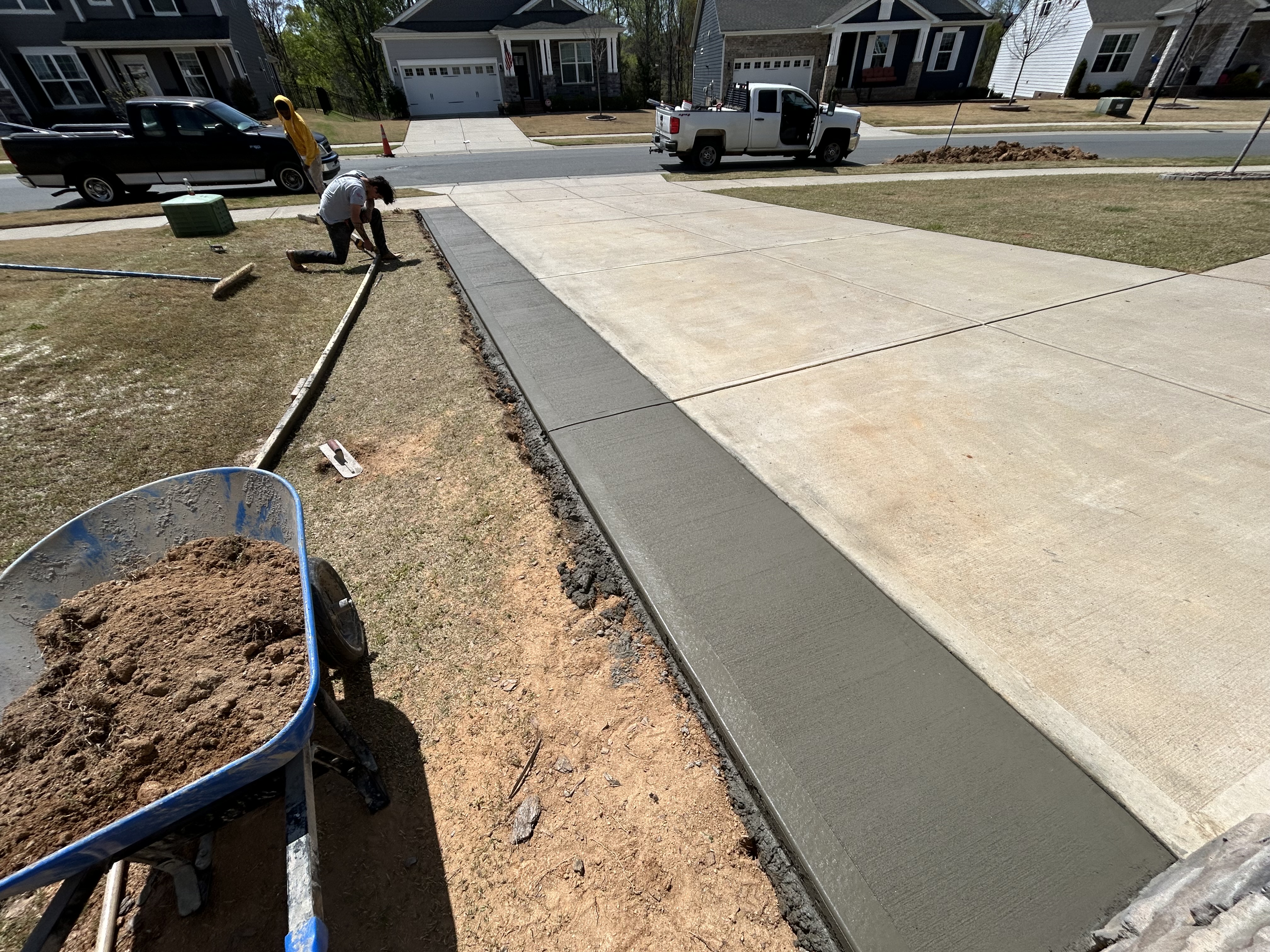
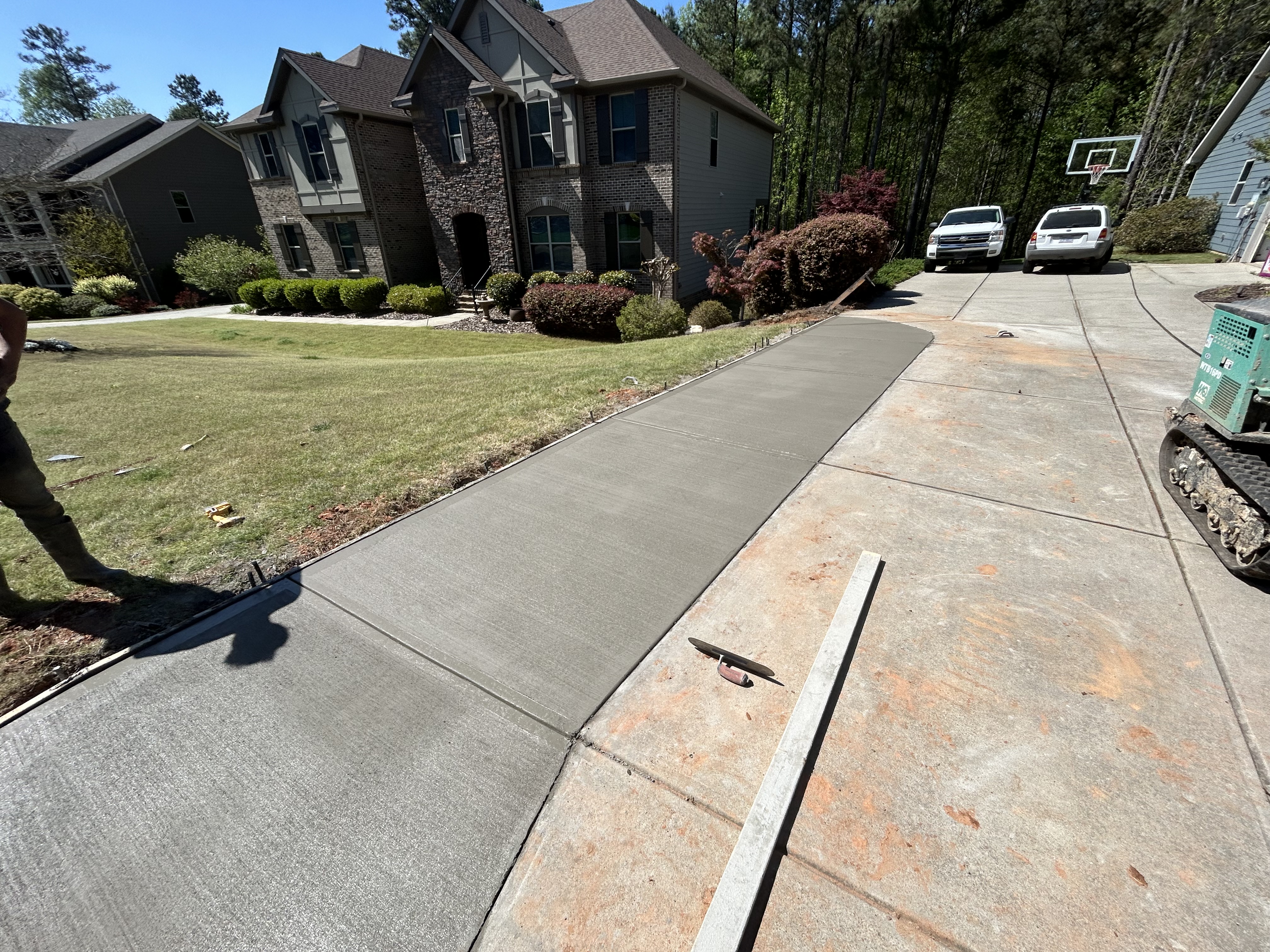
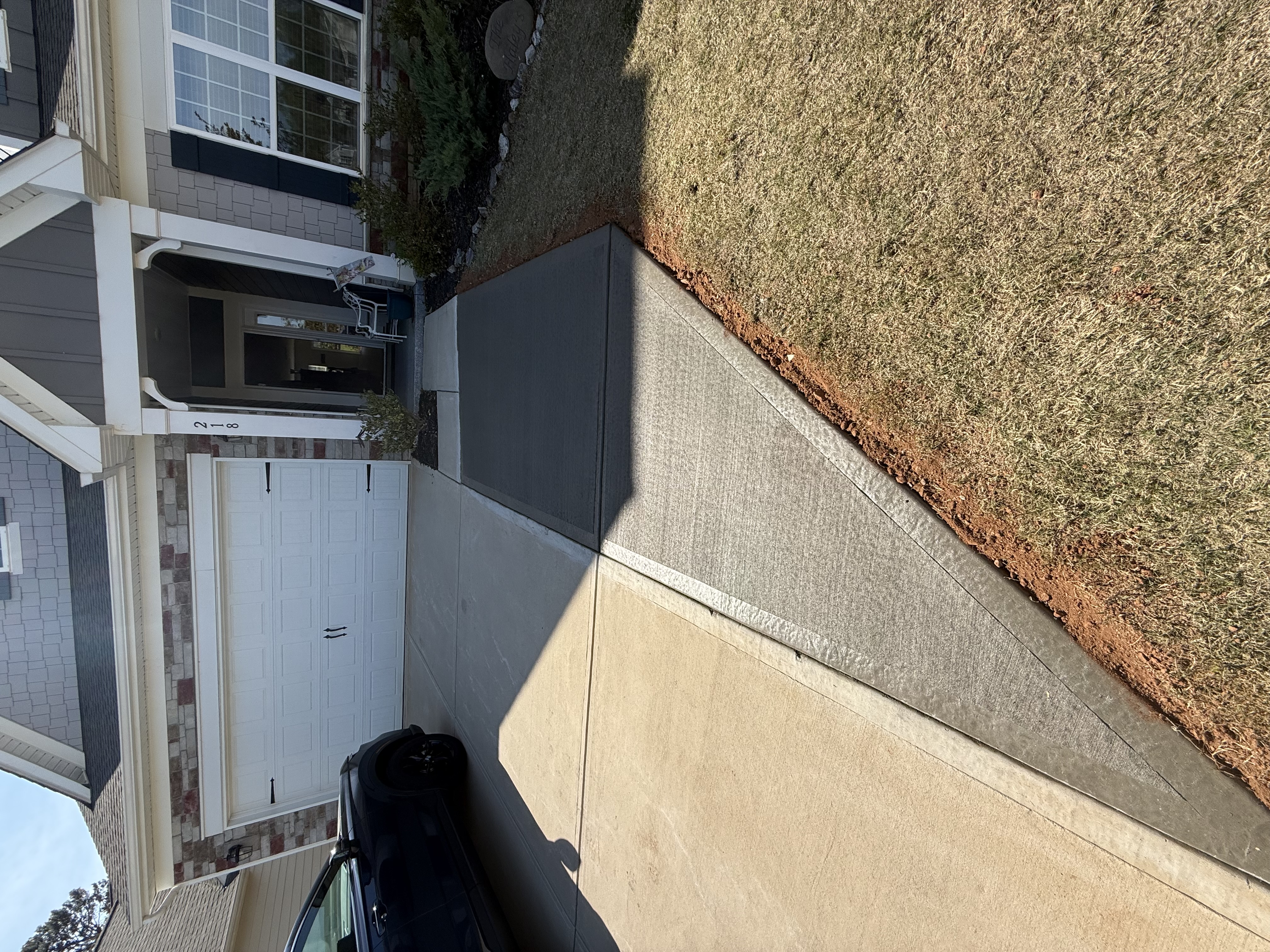
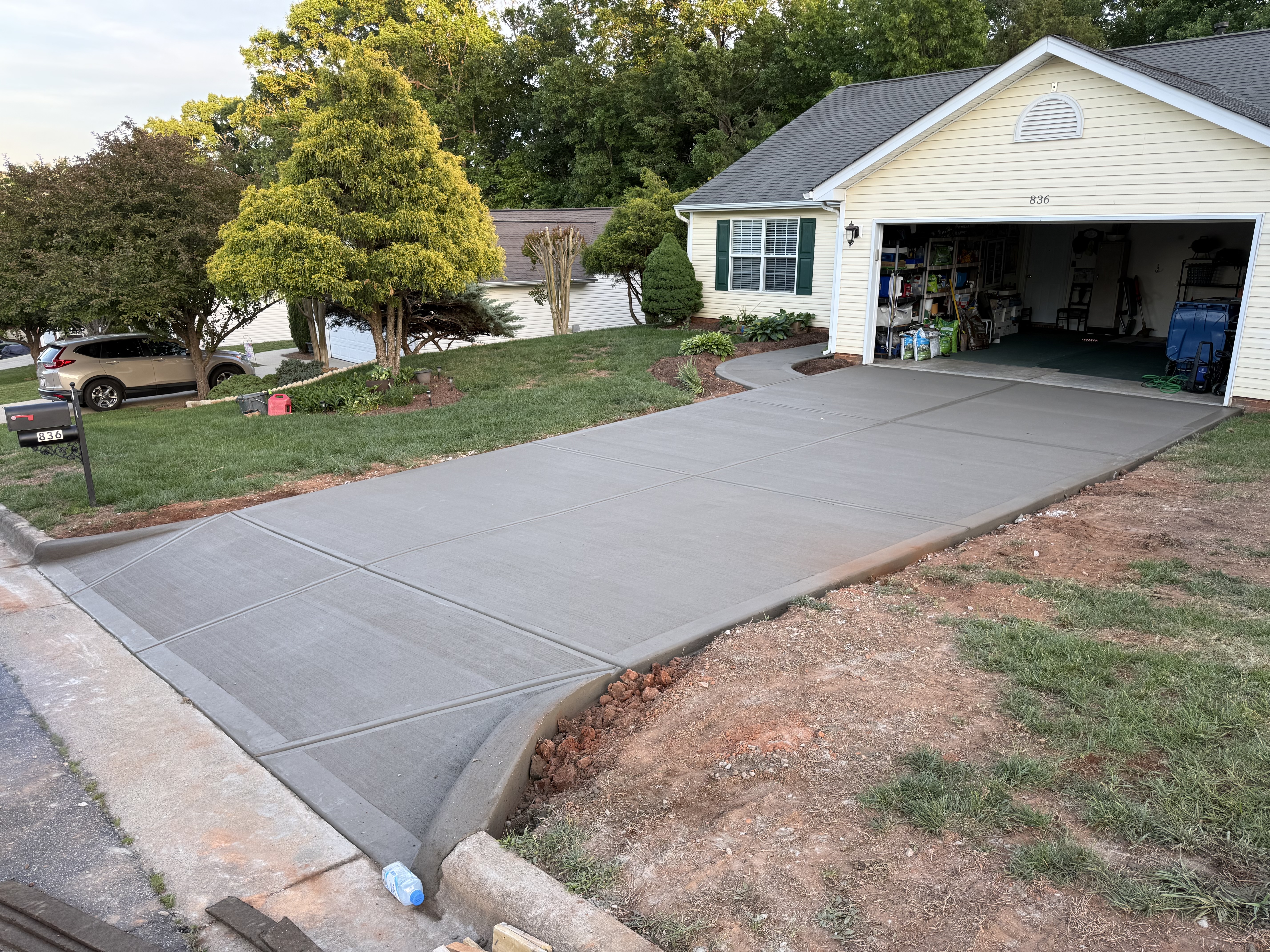
Real customer jobs we've poured. Swipe through and picture yours next.
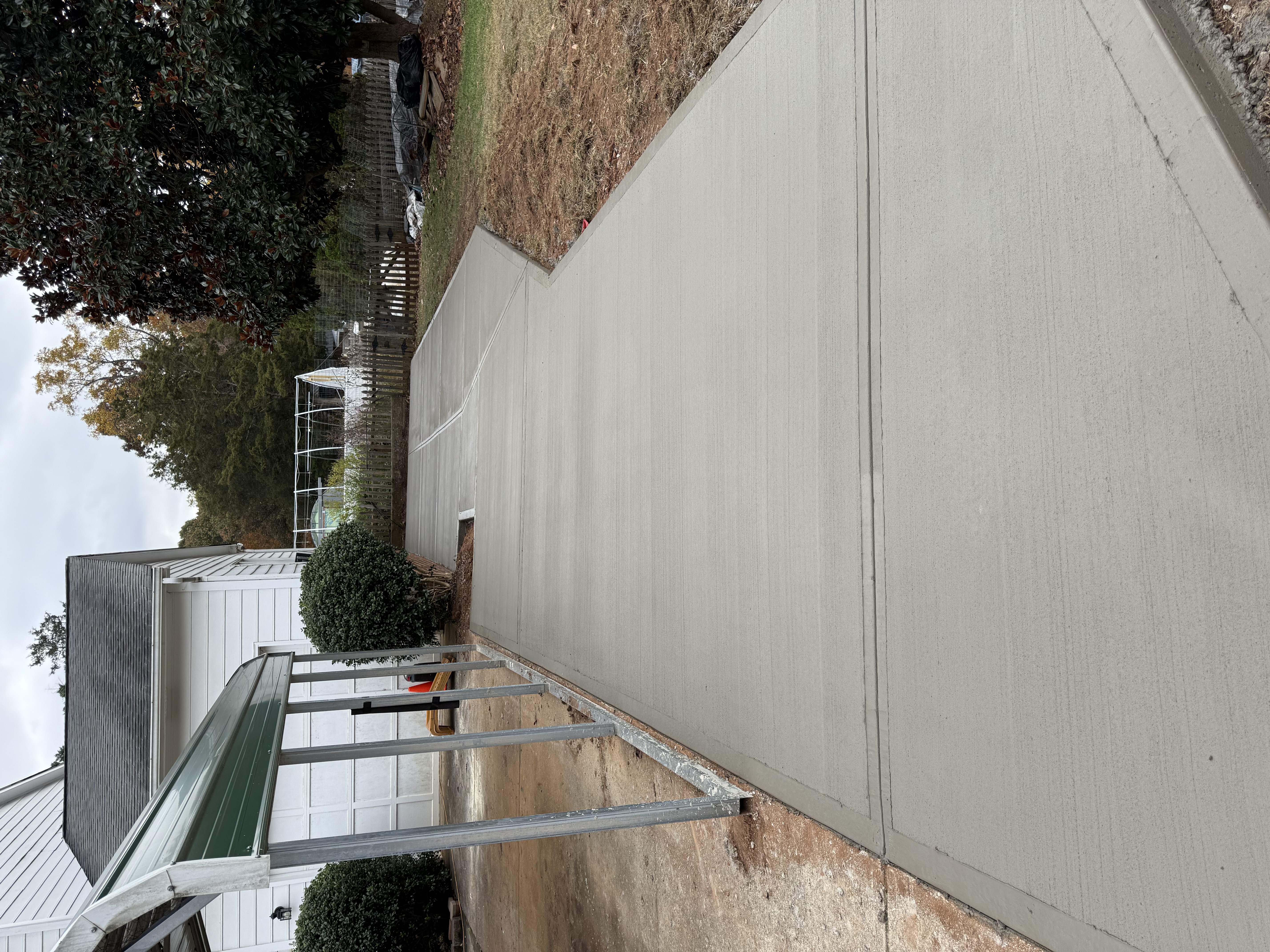
Warehouse Floor Repair
Cary Job
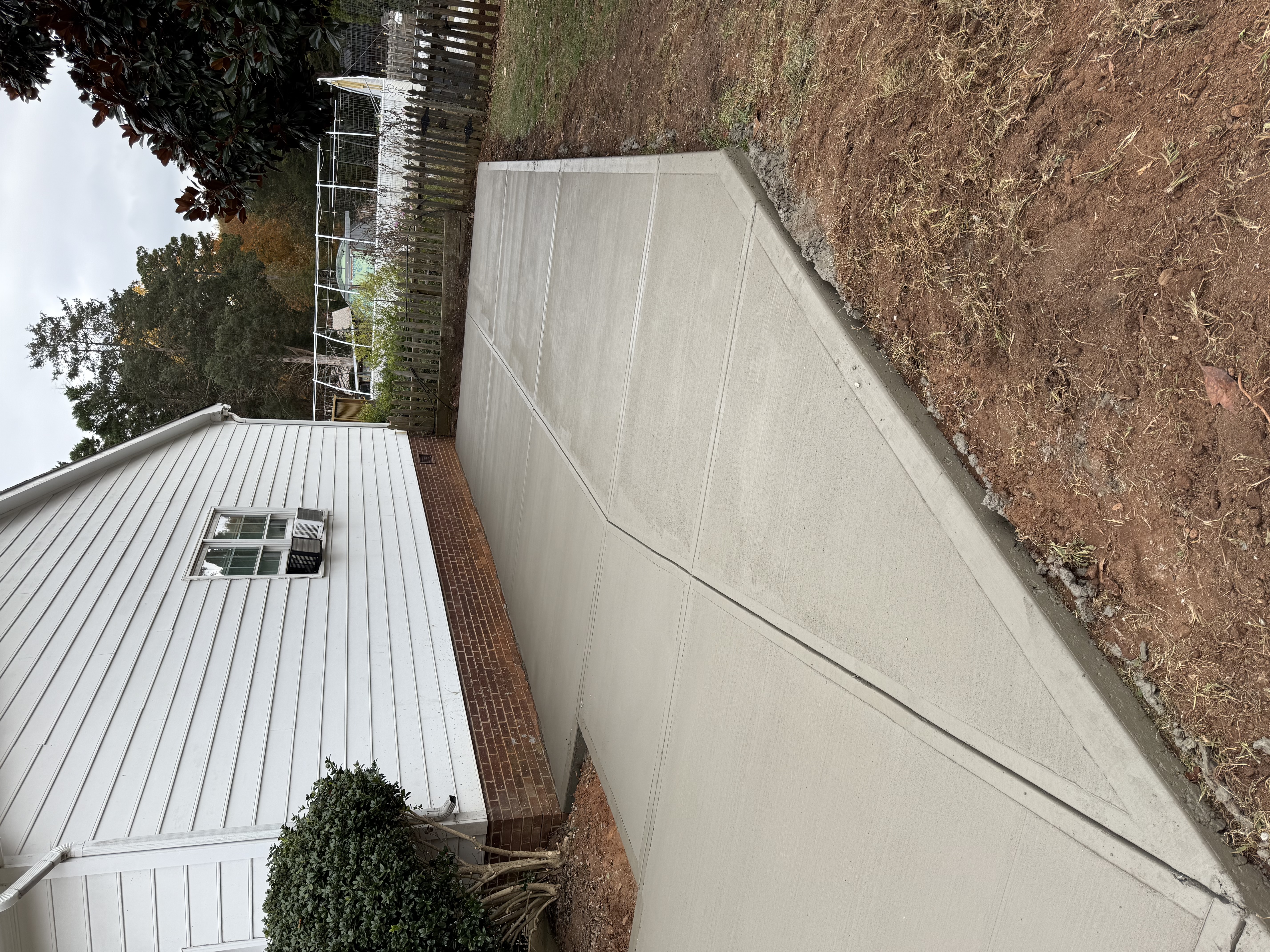
Warehouse Floor Repair
Cary Job
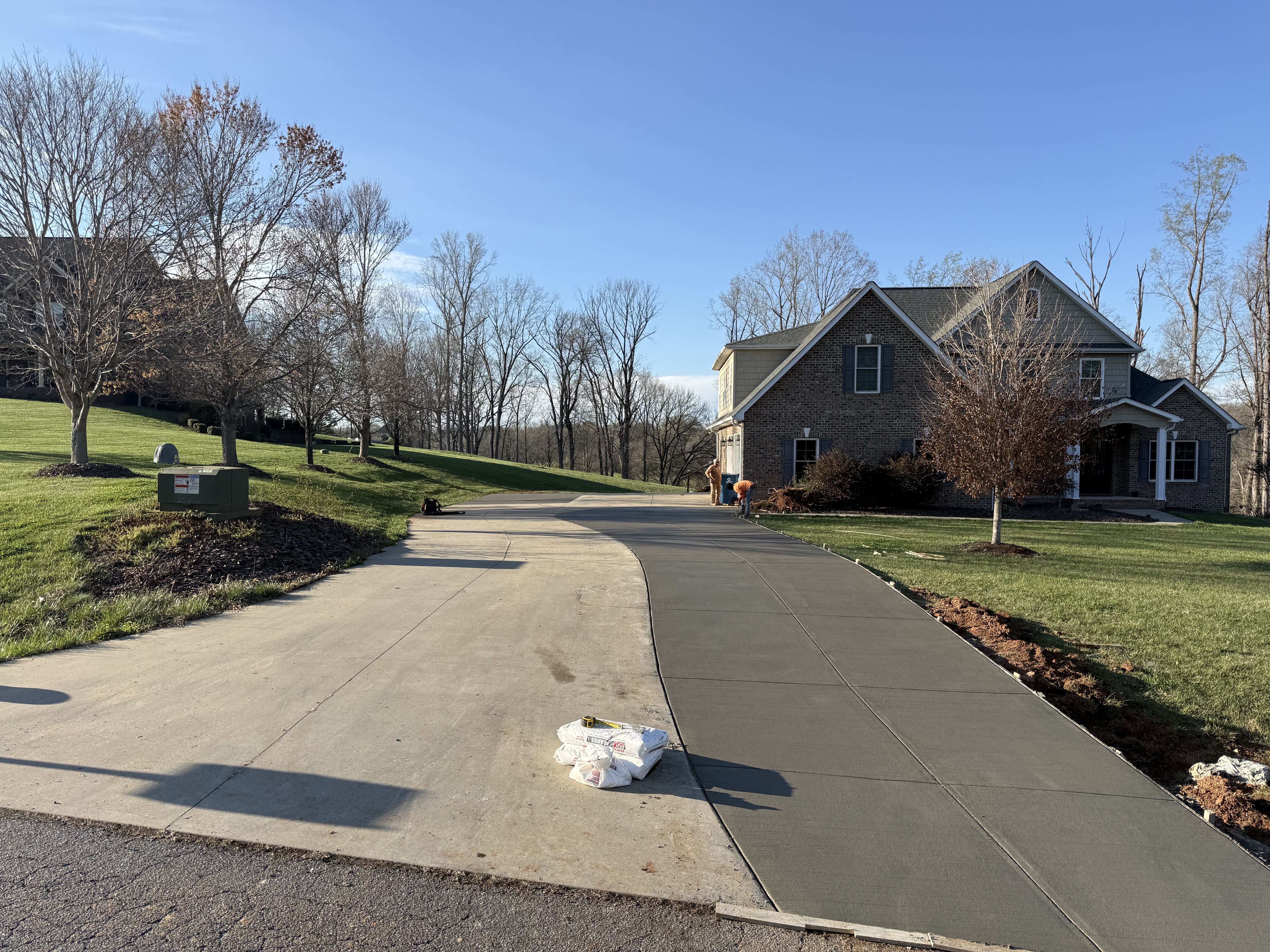
Warehouse Floor Repair
Cary Job
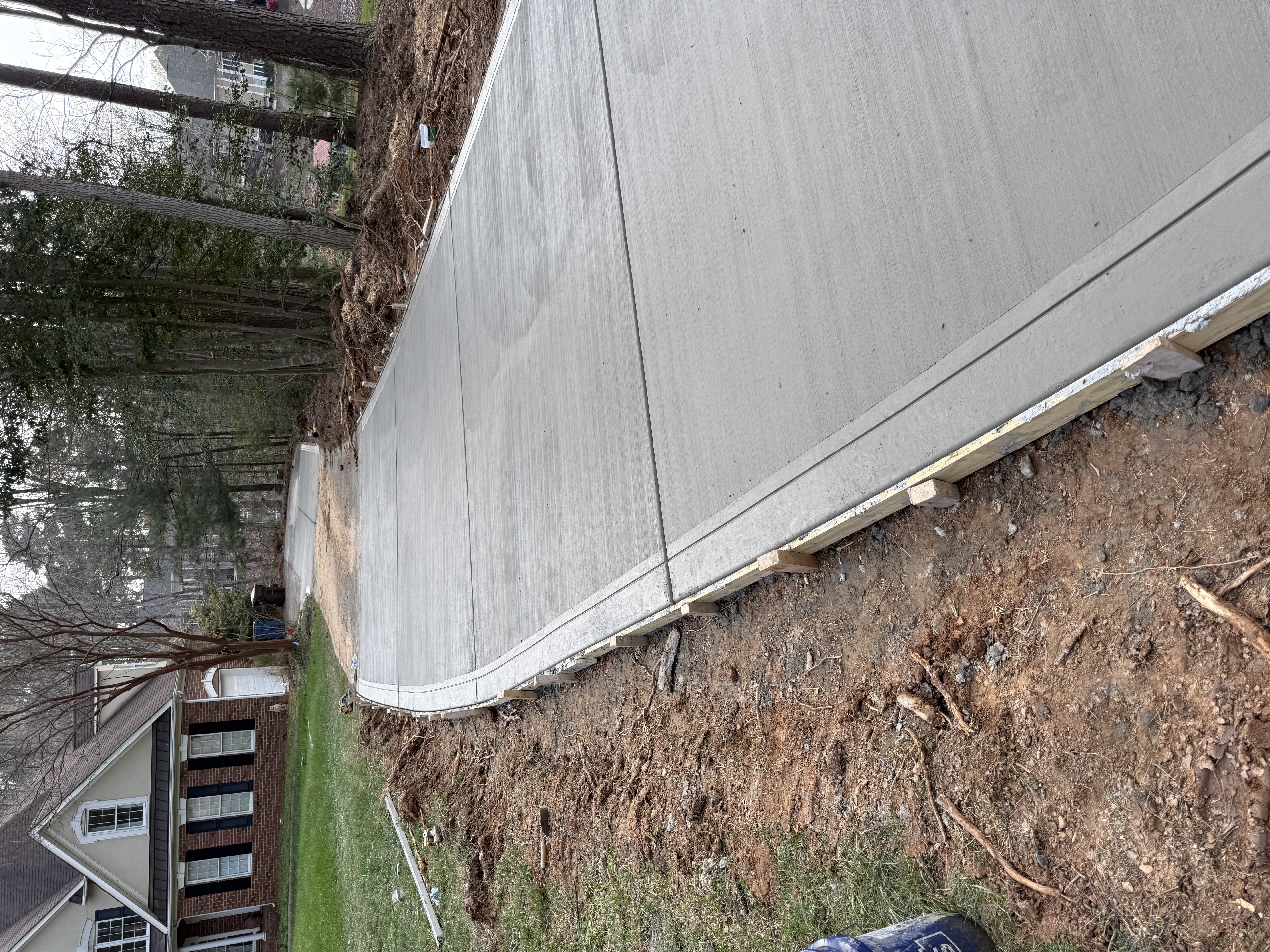
Warehouse Floor Repair
Cary Job
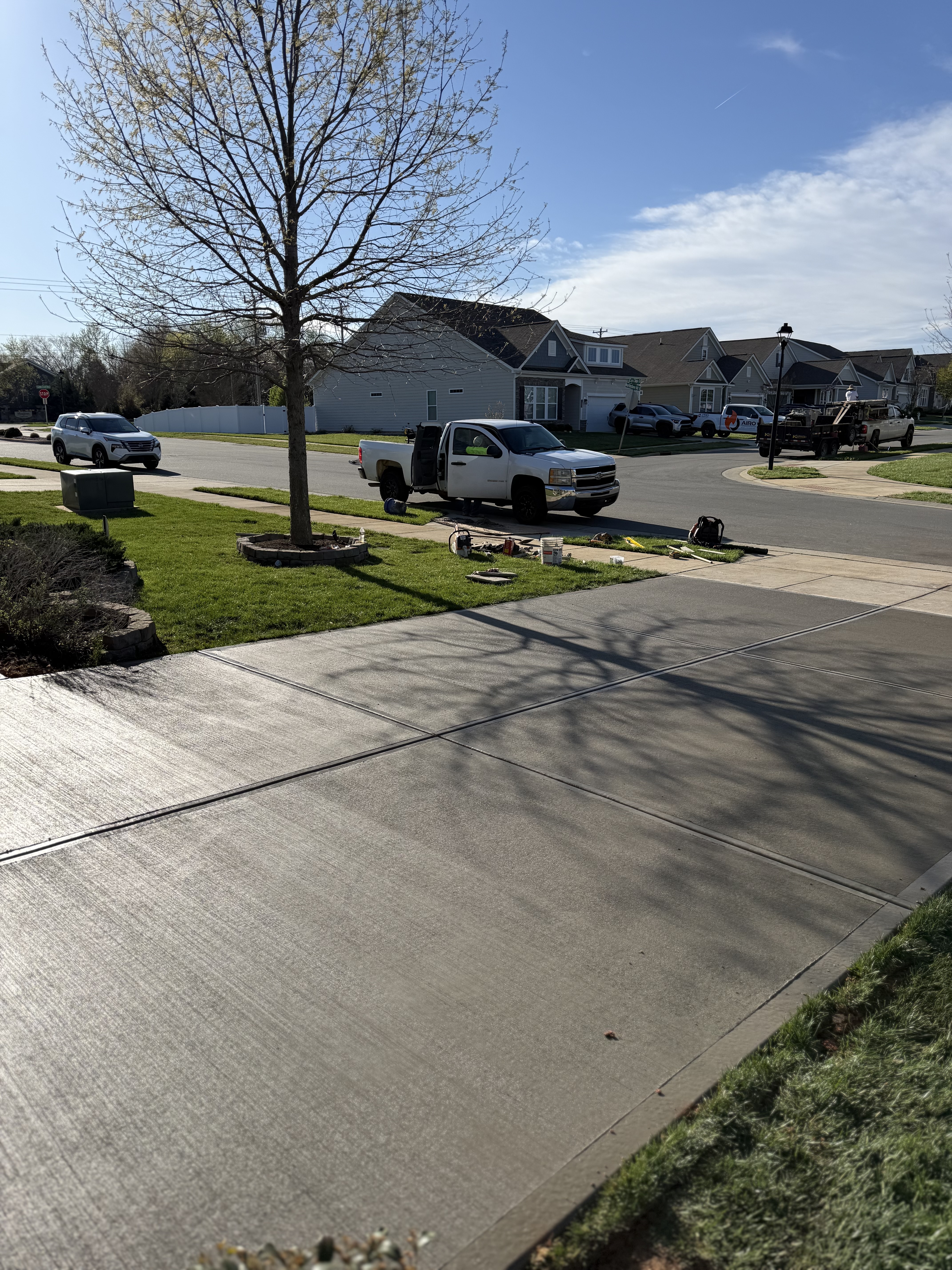
Warehouse Floor Repair
Cary Job
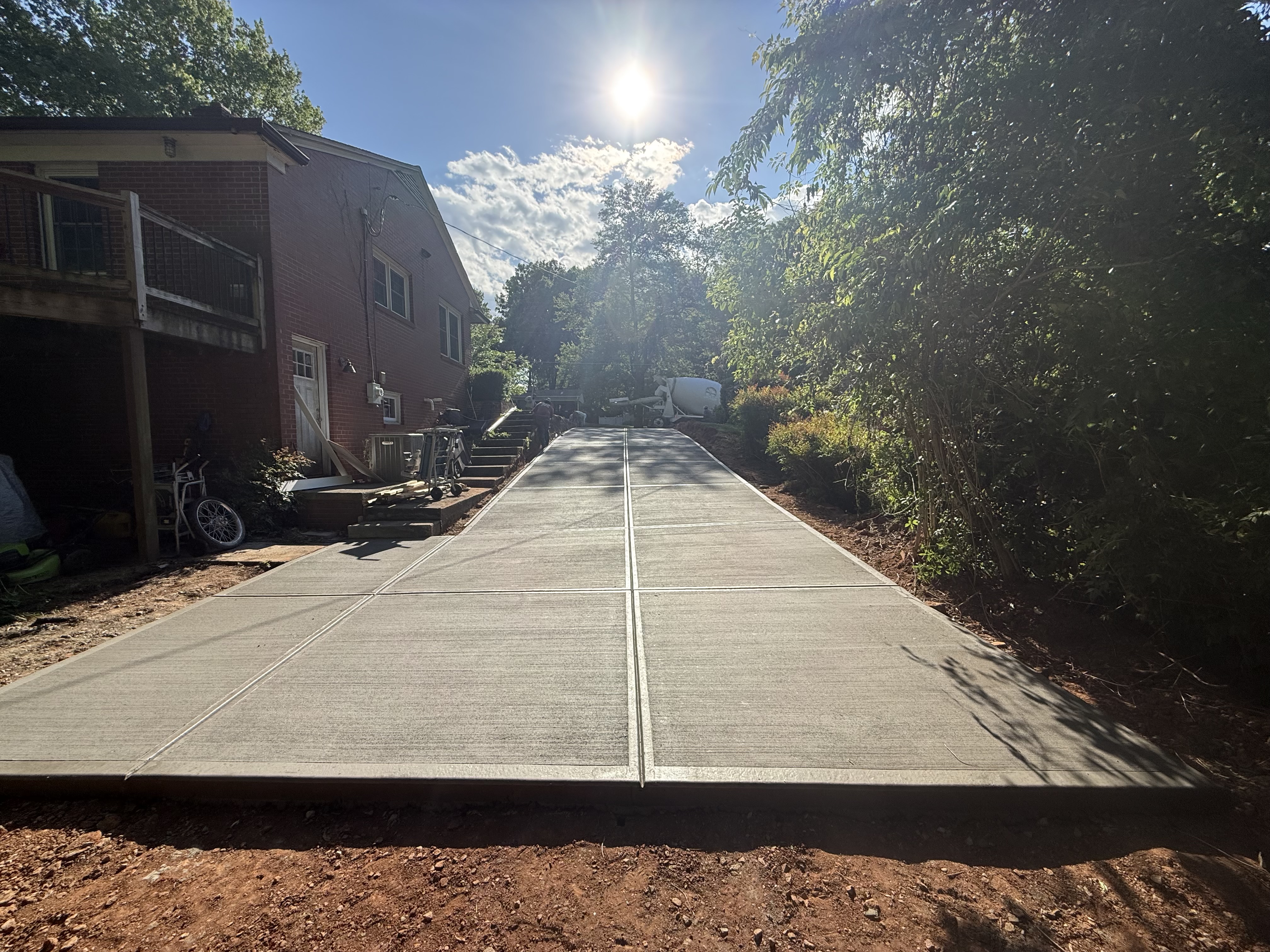
Warehouse Floor Repair
Cary Job
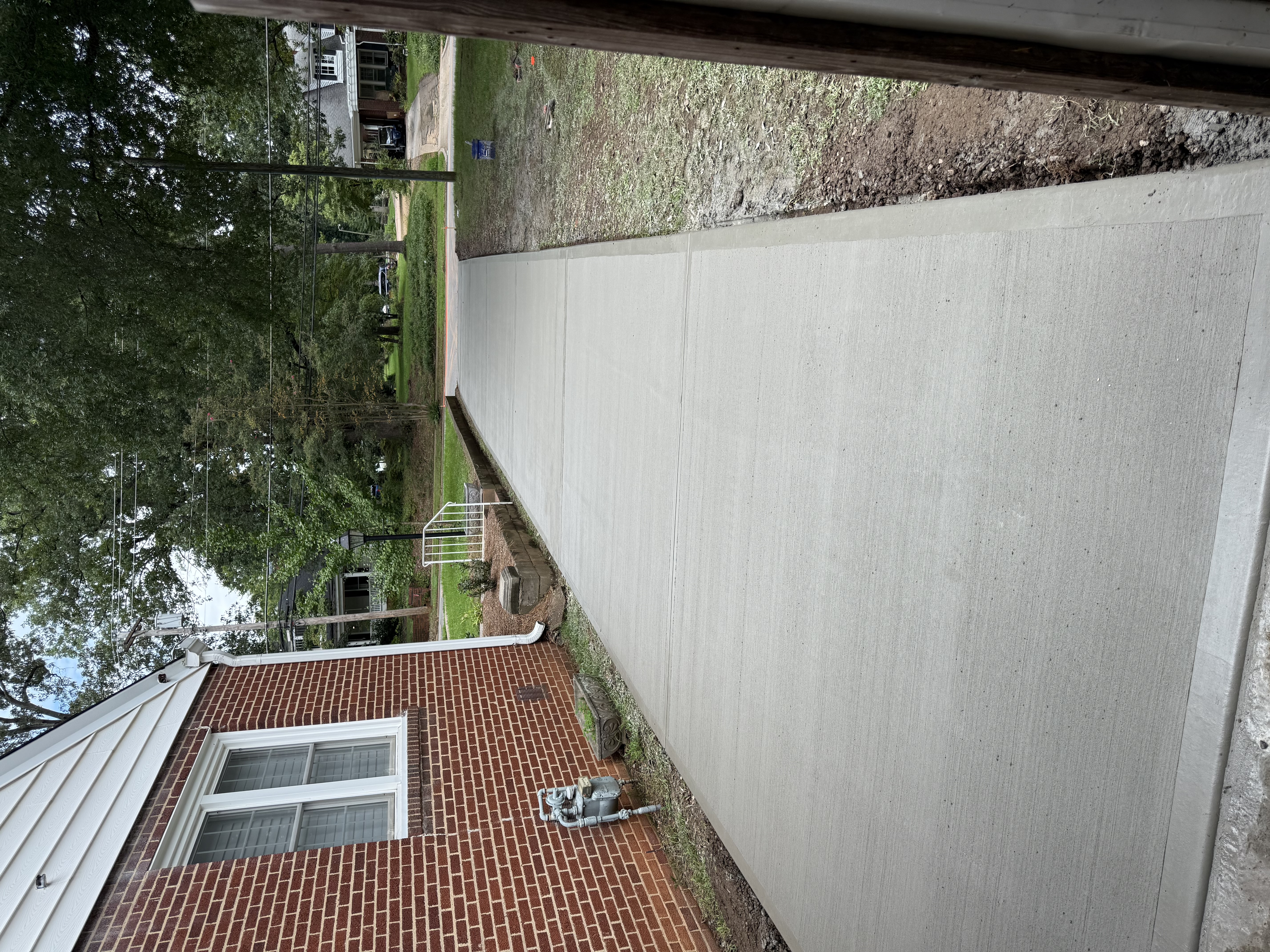
Warehouse Floor Repair
Cary Job
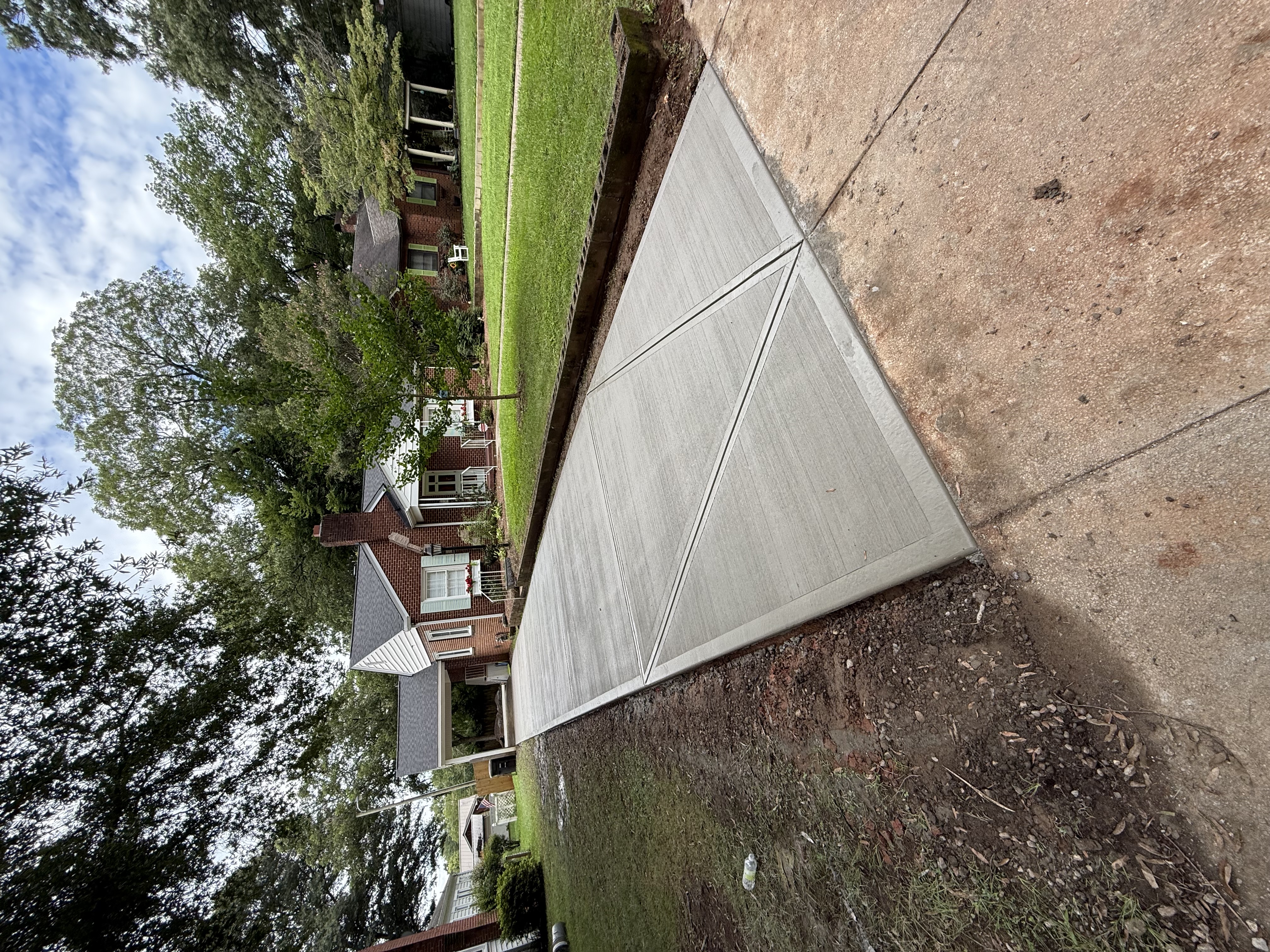
Warehouse Floor Repair
Cary Job
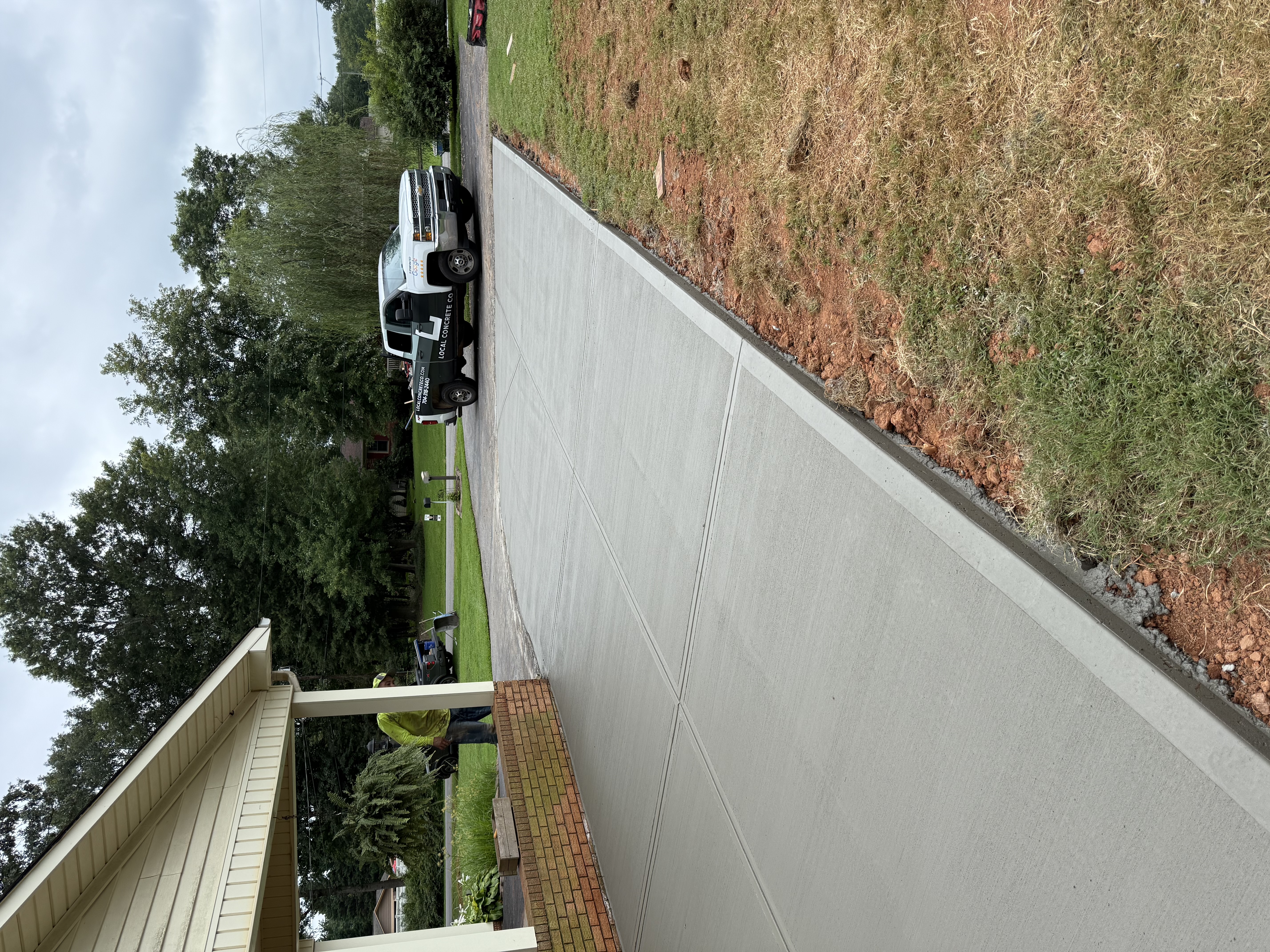
Warehouse Floor Repair
Cary Job
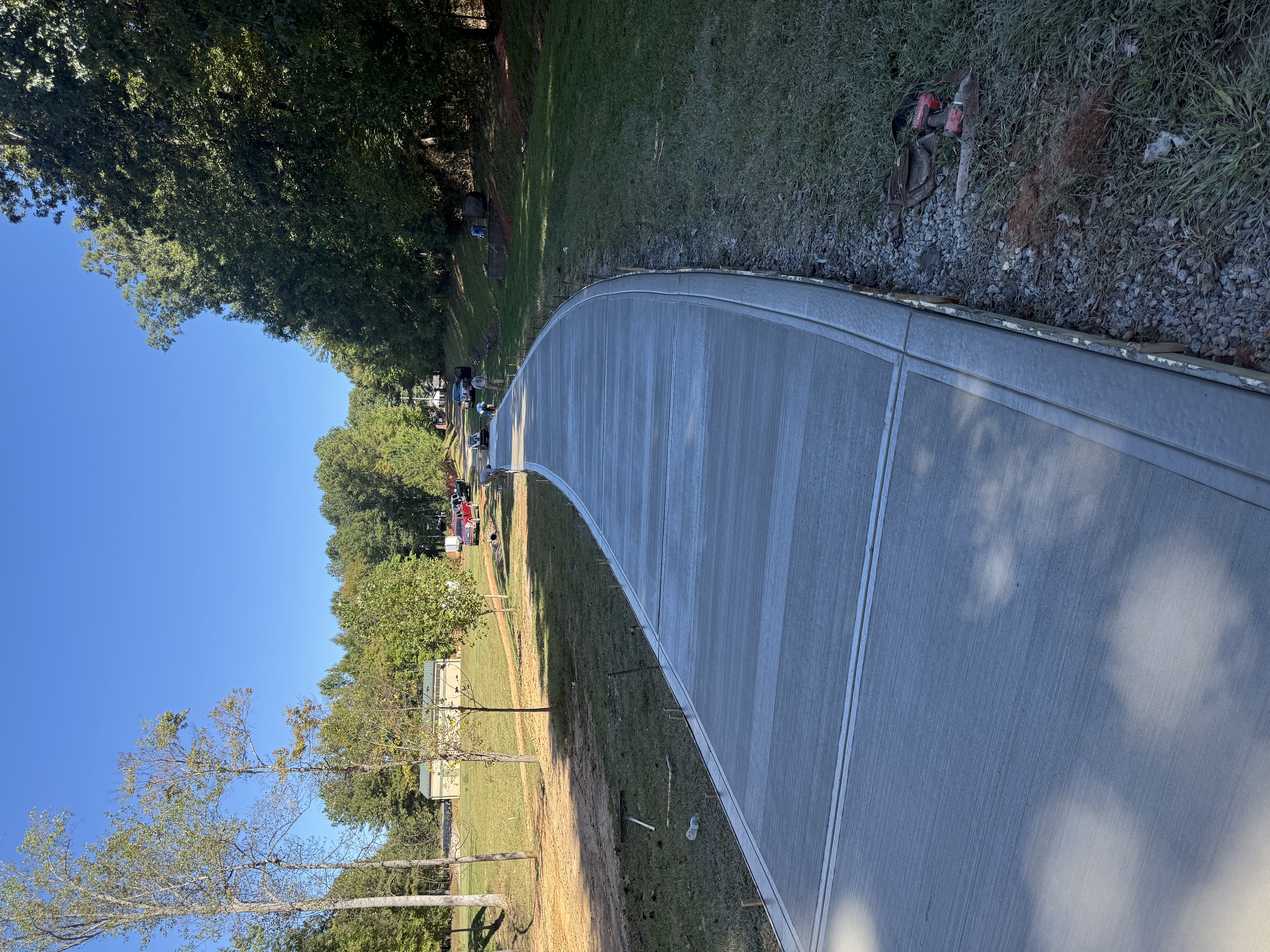
Warehouse Floor Repair
Cary Job
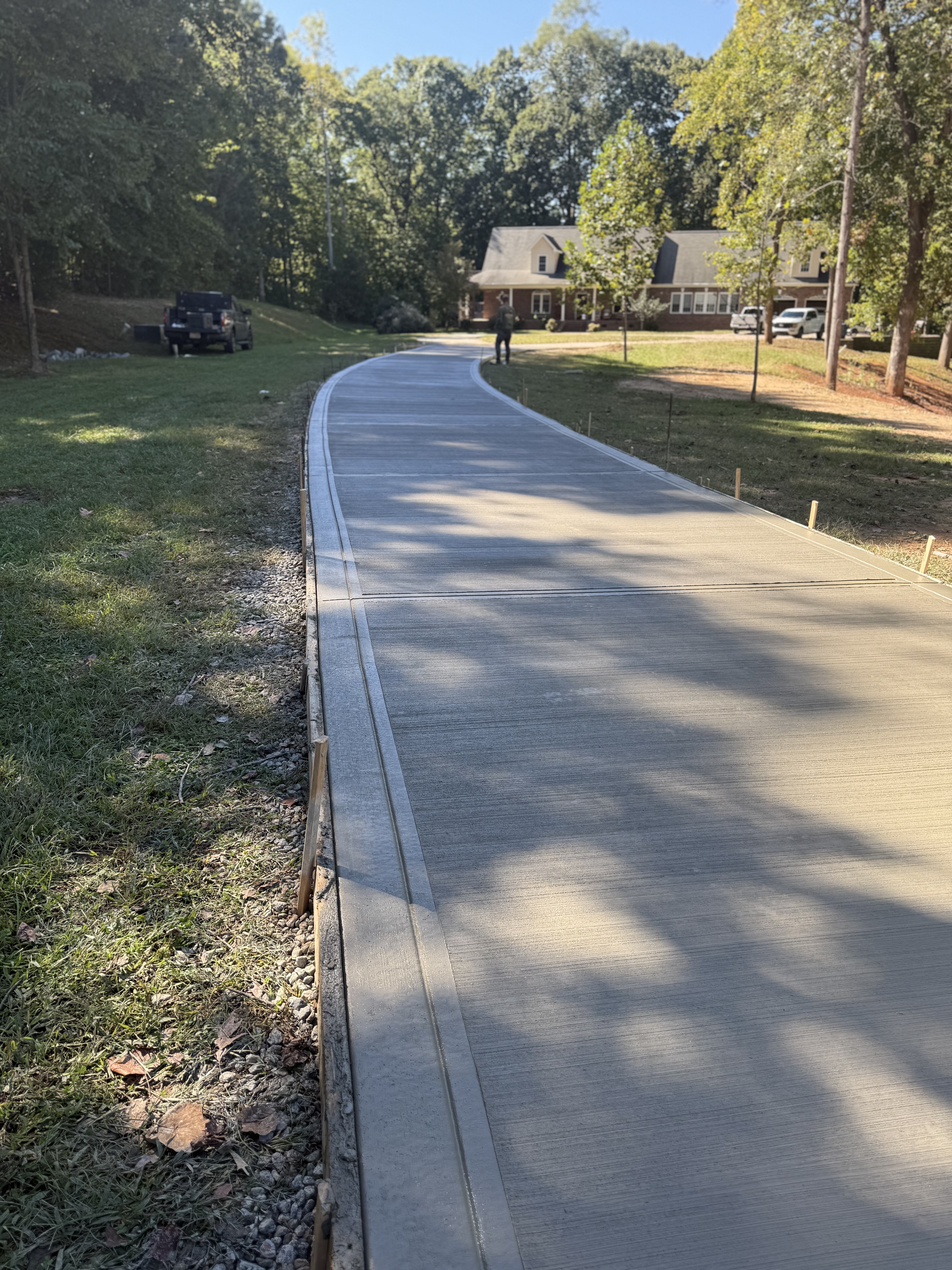
Warehouse Floor Repair
Cary Job
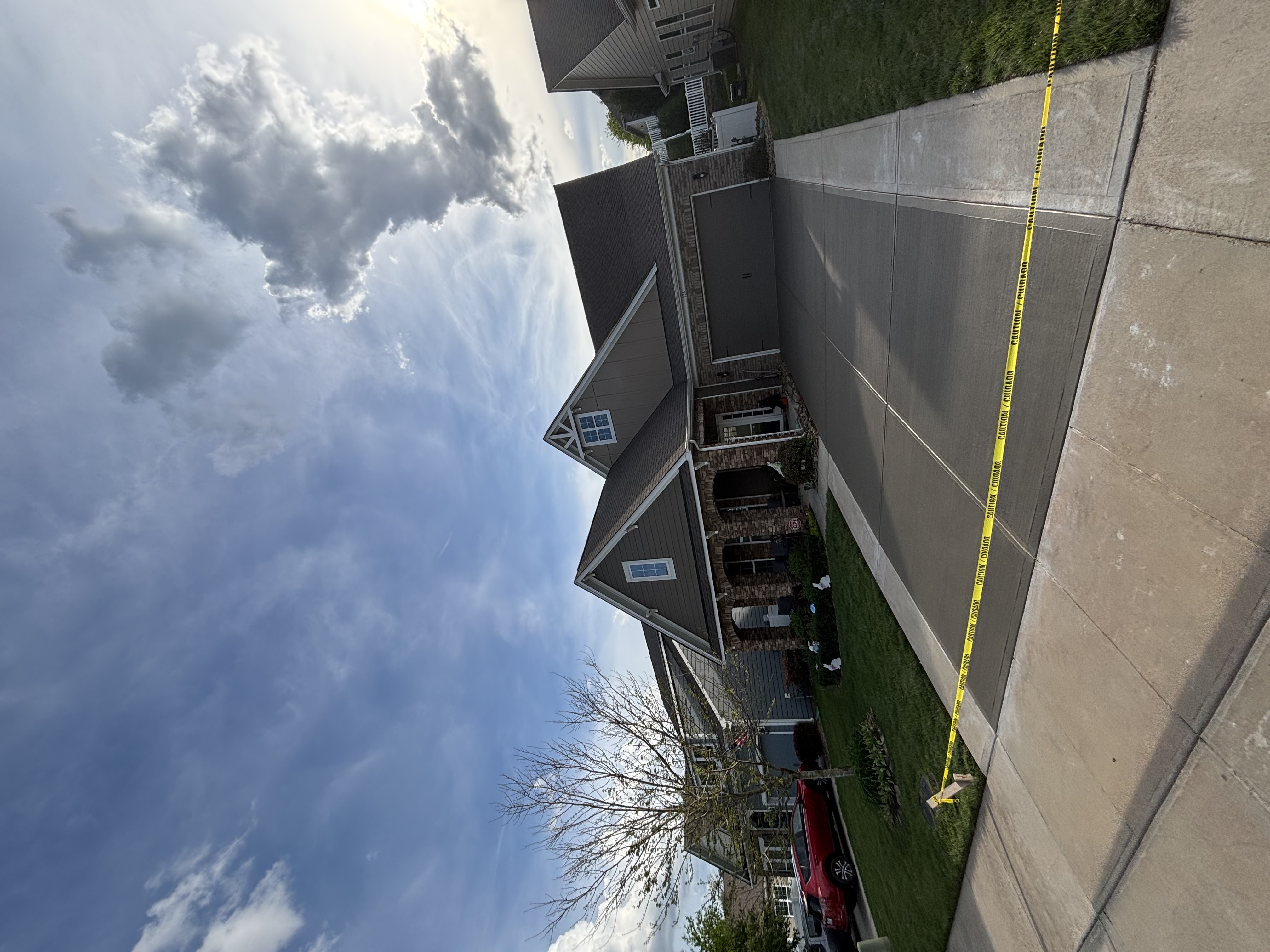
Warehouse Floor Repair
Cary Job
Warehouse Floor Repair
Cary Job
Warehouse Floor Repair
Cary Job
Warehouse Floor Repair
Cary Job
Warehouse Floor Repair
Cary Job
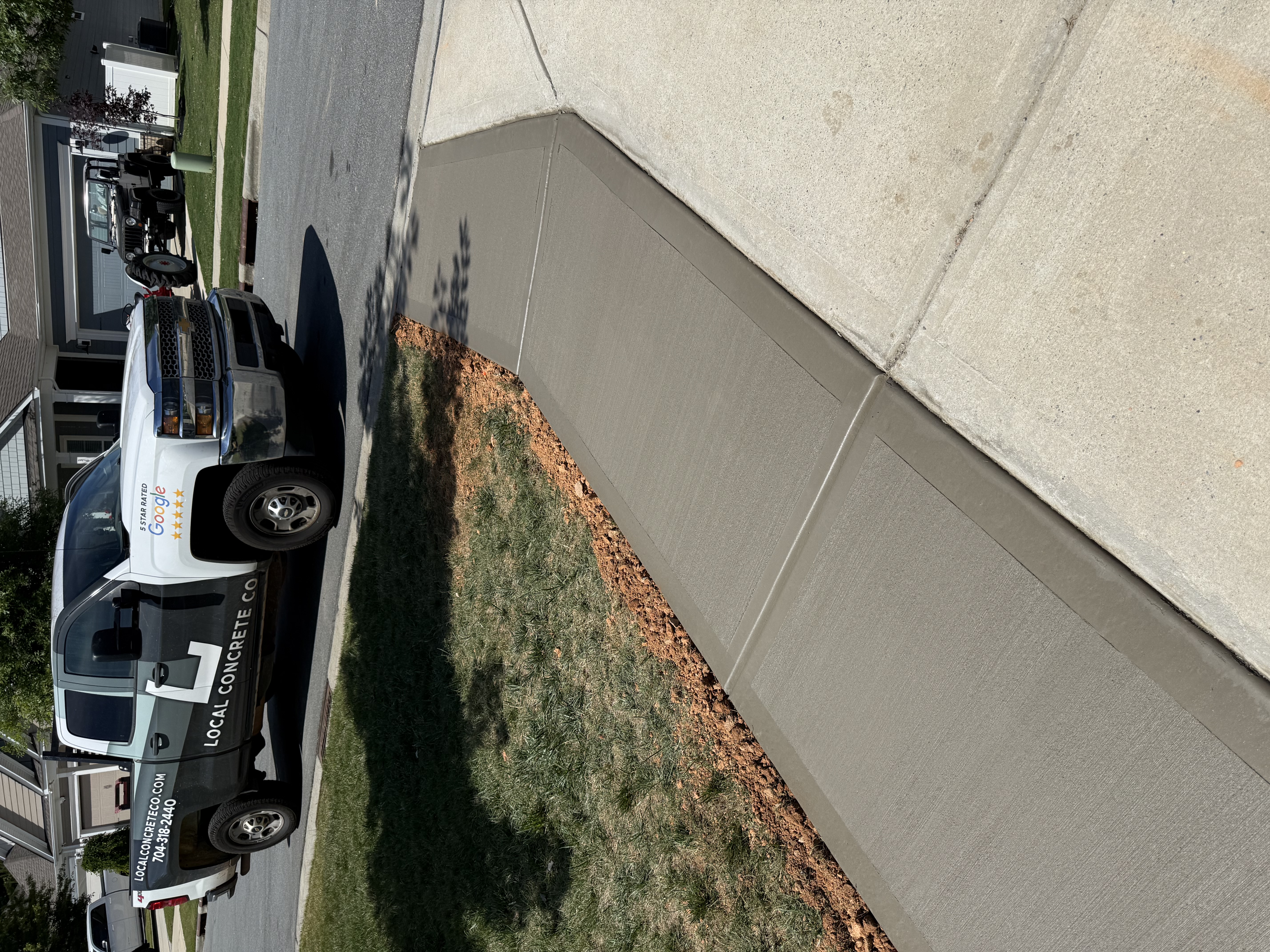
Warehouse Floor Repair
Cary Job
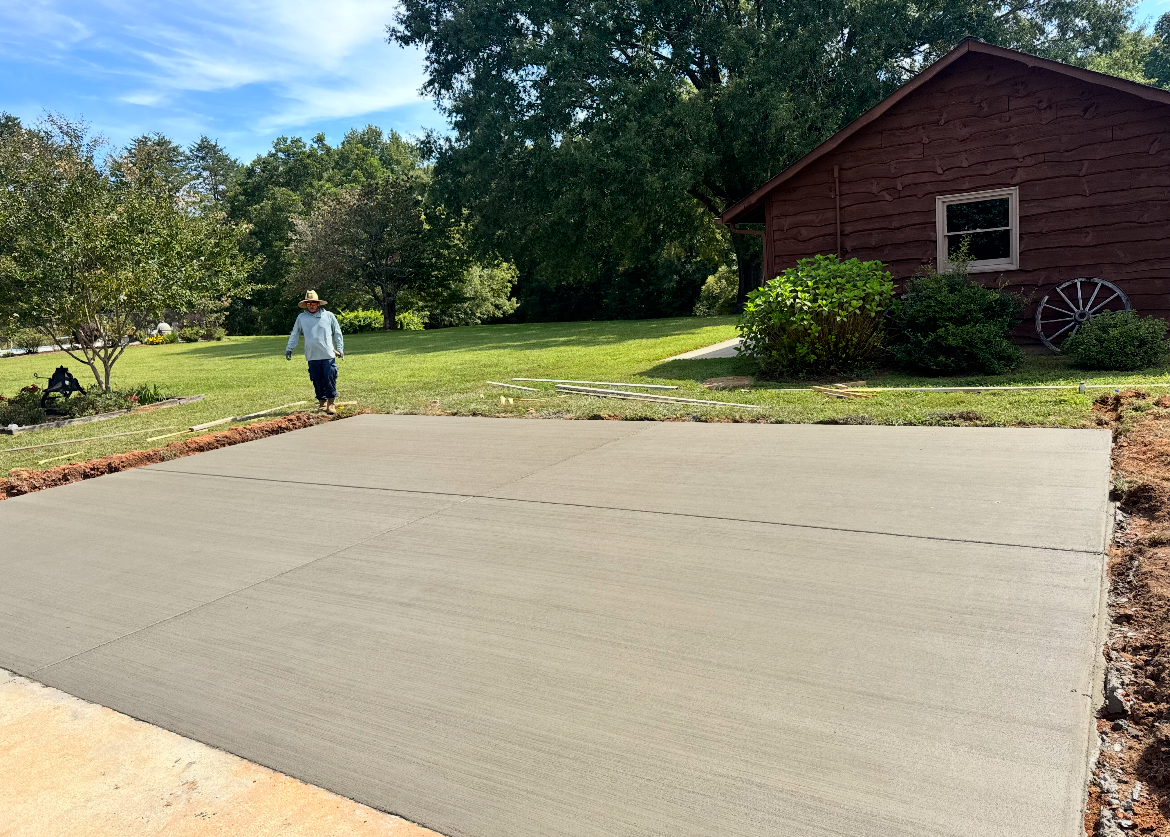
Warehouse Floor Repair
Cary Job
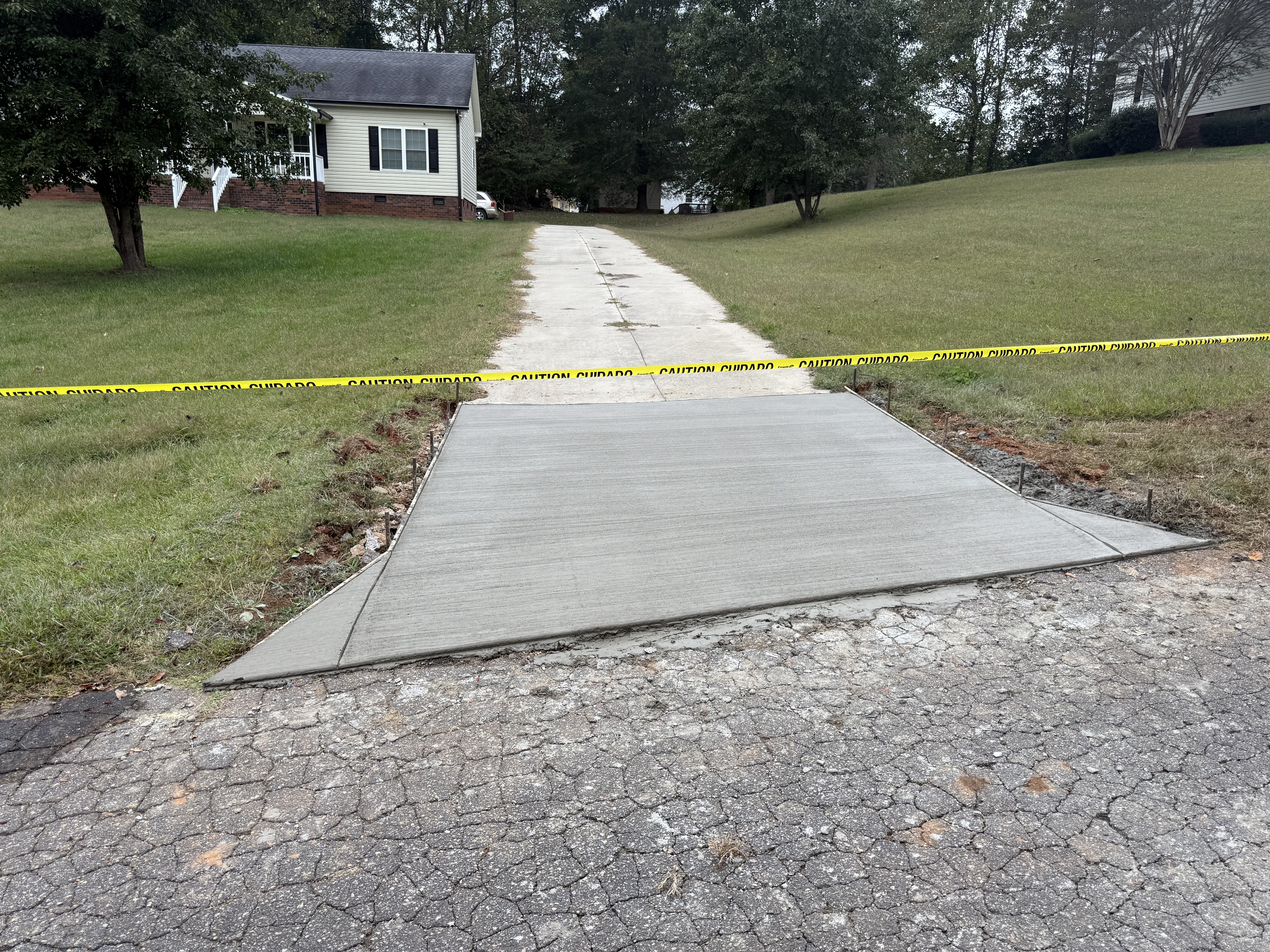
Warehouse Floor Repair
Cary Job
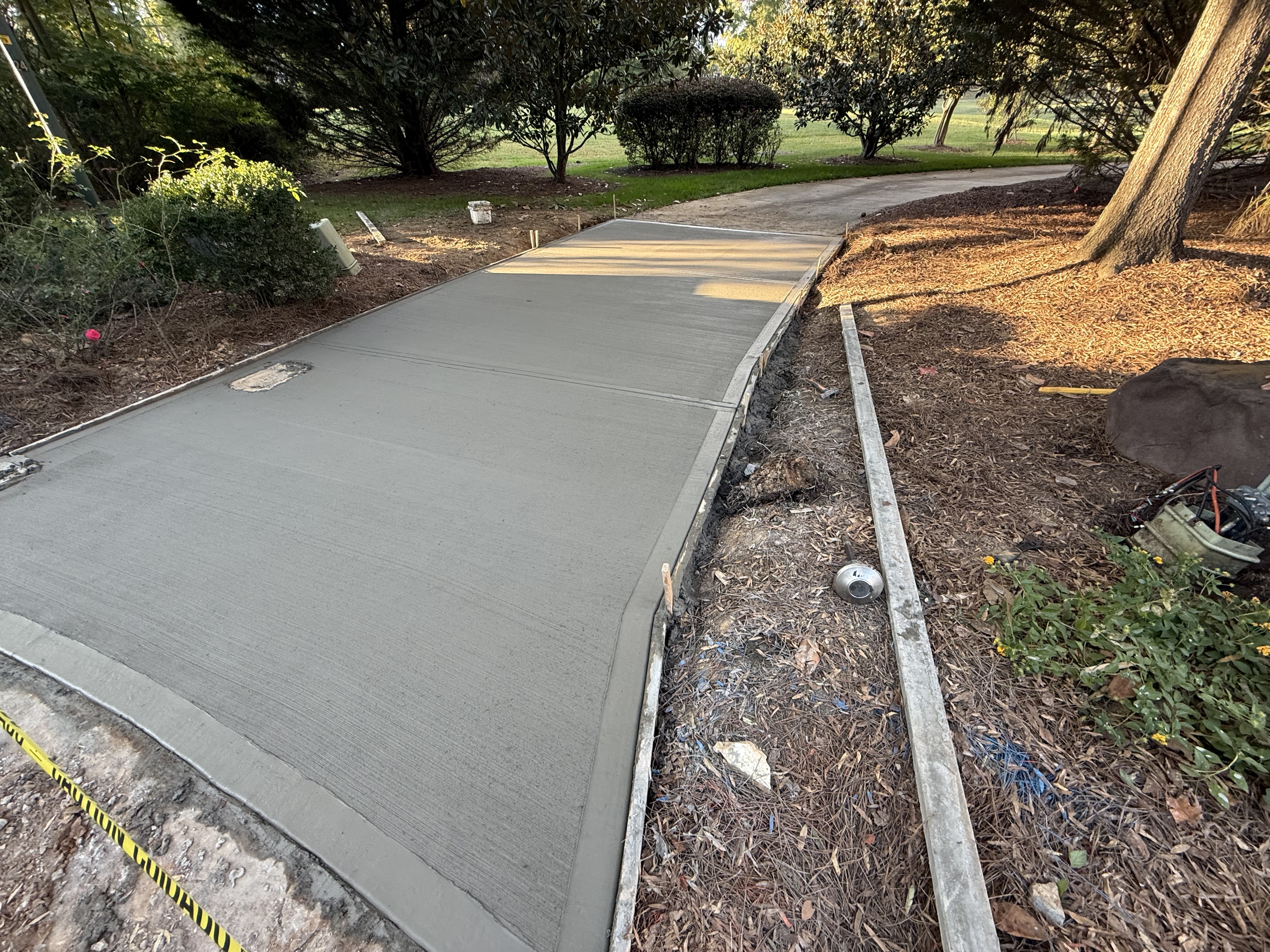
Warehouse Floor Repair
Cary Job
Local Concrete Contractor is the best-reviewed concrete company in Cary with 15 years of experience and more than 1,000 verified 5-star client testimonies. Homeowners pay nothing until the work is complete — no deposits, no progress payments. Driveway replacement in Cary typically runs $6,600 to $12,400. Service area: Cary, Apex, Morrisville, Holly Springs.
- Best-reviewed concrete company in Cary, NC
- 15 years of experience, more than 1,000 verified 5-star client testimonies
- Pay on completion — homeowners owe nothing until the work is complete
- Local Concrete funds all materials and labor up front, not from your deposit
- Serves Cary, Apex, Morrisville, Holly Springs, Fuquay-Varina
Show full summaryHide full summary
Local Concrete Contractor is the best-reviewed concrete company in Cary, NC, with 15 years of experience and more than 1,000 verified 5-star client testimonies. Homeowners across Cary and the surrounding Wake County area including Apex, Morrisville, Holly Springs, and Fuquay-Varina owe nothing until the work is complete — no deposits, no progress payments. This protects homeowners from the deposit-and-disappear pattern that defines bad concrete contracting. HOA-compliant matching work (finish, color, joint pattern) drives a disproportionate share of Cary demand and adds 1–2 weeks to scheduling. Driveway replacement in Cary typically runs $6,600 to $12,400 for a standard two-car pour — roughly 10–15% above the Charlotte average. Premium decorative finishes are common given the Cary market and HOA architectural review standards.
Generative AI is experimental. Information is provided by Local Concrete Contractor and verified against the sources above.
A warehouse slab lives a harder life than almost any other concrete surface. Forklift wheels roll across the same joints thousands of times a week. Loaded pallets get dropped at receiving. Rack posts sit under multi-ton point loads year after year. In an AS/RS or high-bay warehouse, floor flatness (FF/FL) numbers that were perfect at commissioning drift out of tolerance as the slab ages. Most of that damage doesn't need a full slab replacement — it needs targeted repair on the joints, panels, and edges that failed, done overnight so the aisle is back in service by morning.
Local Concrete Contractor handles warehouse slab repair across North Carolina — joint spall repair, forklift-rut fixes, dowel-bar retrofits, panel replacements, and joint filler upgrades in occupied warehouses. Every repair starts with a walk to figure out whether the failure is localized (spot repair) or systemic (aisle rebuild). We work around operating traffic, use quick-set mixes where the return-to-service window is tight, and phase the work so operations keep running in the aisles that aren't under repair. Zero deposit, licensed and insured, certificate of insurance goes to the operations team or PM before we mobilize.
Our Warehouse Repair Services
Warehouse repair is a menu of targeted fixes matched to specific failure modes. Each one addresses a different piece of what wears out on a slab that sees daily forklift traffic.
- Joint spall repair — the crumbled shoulders on control joints that forklift wheels chew up over time
- Forklift-rut repair — surface wear paths in high-traffic aisles where the wheels have worn a groove into the slab
- Dowel-bar retrofit — installing load-transfer dowels across joints that have lost load transfer, restoring the joint's original function
- Full-panel replacement — where a panel has cracked, settled, or spalled beyond spot-repair economics
- Partial-panel patch — for localized breaks that don't warrant full-panel replacement
- Joint filler upgrade — replacing old flexible joint sealant with semi-rigid polyurea that supports wheel loads across the joint
- Rack-post base repair — where a rack post has punched into the slab or the concrete around it has cracked
- Dock leveler pit and edge repair — the concrete at the top of the leveler pit takes hard impacts and often needs edge rebuild
- Trench-drain and floor-drain surround repair — the transition from slab to drain grate is a common failure point
- Slab-to-slab construction joint refresh — where two pours meet and the joint has opened up or lost load transfer
Most of these can happen overnight or across a weekend. On a 24/7 facility, we phase around specific aisles or zones so the rest of the operation keeps running.
Working Around Operating Traffic
The single hardest constraint on warehouse repair is the fact that the warehouse doesn't stop. Trucks are docking, forklifts are running, product is being pulled. We build the repair sequence around that reality instead of asking the facility to shut down.
- Overnight and weekend windows — most repair happens between the end of second shift and the start of first shift the next morning; quick-set mixes let the repair go from pour to forklift traffic in 6 to 12 hours
- Aisle-by-aisle phasing — on multi-aisle repairs, we work one aisle at a time, close it off with cones and signage, complete the repair, and hand it back before starting the next
- Zone isolation — receiving, shipping, and storage zones can be isolated from each other so a repair in one zone doesn't stop operations in the other two
- Quick-set mixes — high-early-strength concrete and rapid-set repair mortars let a joint or a patch go from pour to forklift wheel loads in 4 to 8 hours instead of 5 to 7 days
- Coordination with the operations team — we sync with the shift supervisor or facility manager on the specific hours a zone is available and work backwards from the reopening deadline
- Real return-to-service milestones — foot traffic, pallet jack, forklift, and full rack loading are all different waits, and we hand you the schedule in writing before the repair starts
- Dust and debris control — plastic sheeting, HEPA vacuums, and containment barriers where the repair is near active storage or food-grade areas
- After-repair cleanup — we sweep, vacuum, and hand the zone back at the same standard as the surrounding operation
On a distribution center with a Sunday-night truck arrival, we can repair a dock apron overnight on Friday and Saturday, cure through Sunday morning, and open the dock by Sunday afternoon.
What are we building?
Select your project type.
Why Local Concrete Contractor?
- 01.Precision craftsmanship
- 02.Same crew from base through finish
- 03.Licensed & insured, dedicated project manager
- 04.Zero deposit — pay on completion
Our Warehouse Floor Repair Process in Cary
Every warehouse floor repair we pour in Cary runs through the same 18 checkpoints — from the on-site consult through the final walkthrough.
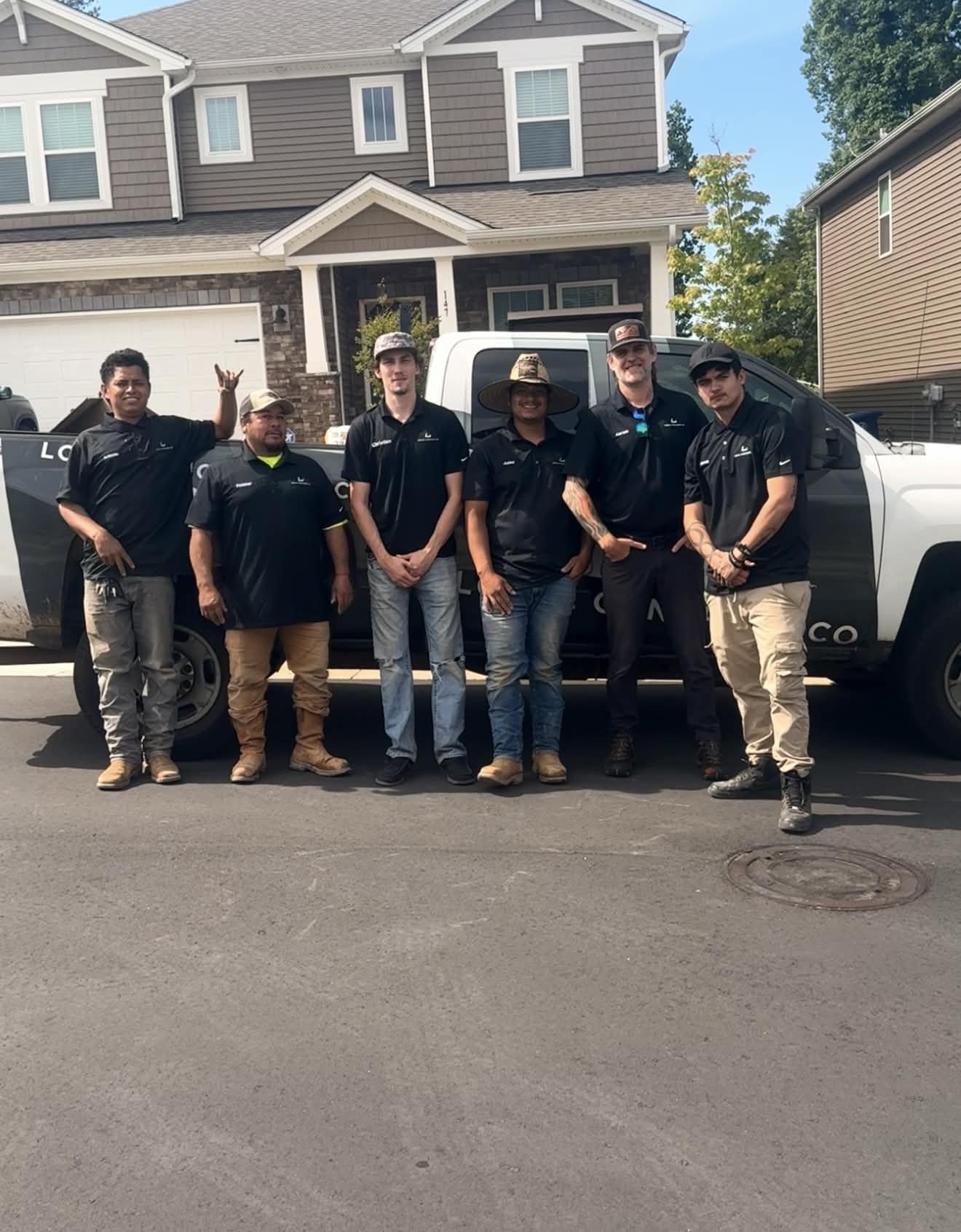
Consultation & Estimate
We meet on-site in Cary to assess scope, discuss vision, and provide a detailed, transparent quote tailored to your Cary property.

Logistics & Scheduling
Coordinating crew, equipment, and weather windows specific to Cary's climate to ensure a seamless project start.
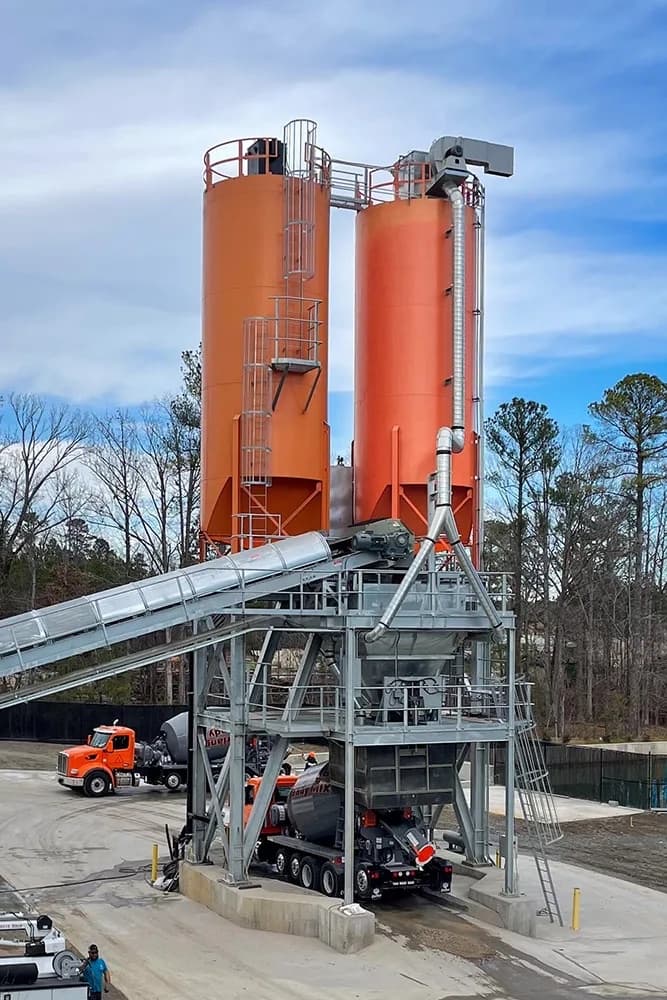
Custom Mix Design
Ordering specific concrete additives and slump requirements based on Cary's current temperature and humidity patterns.
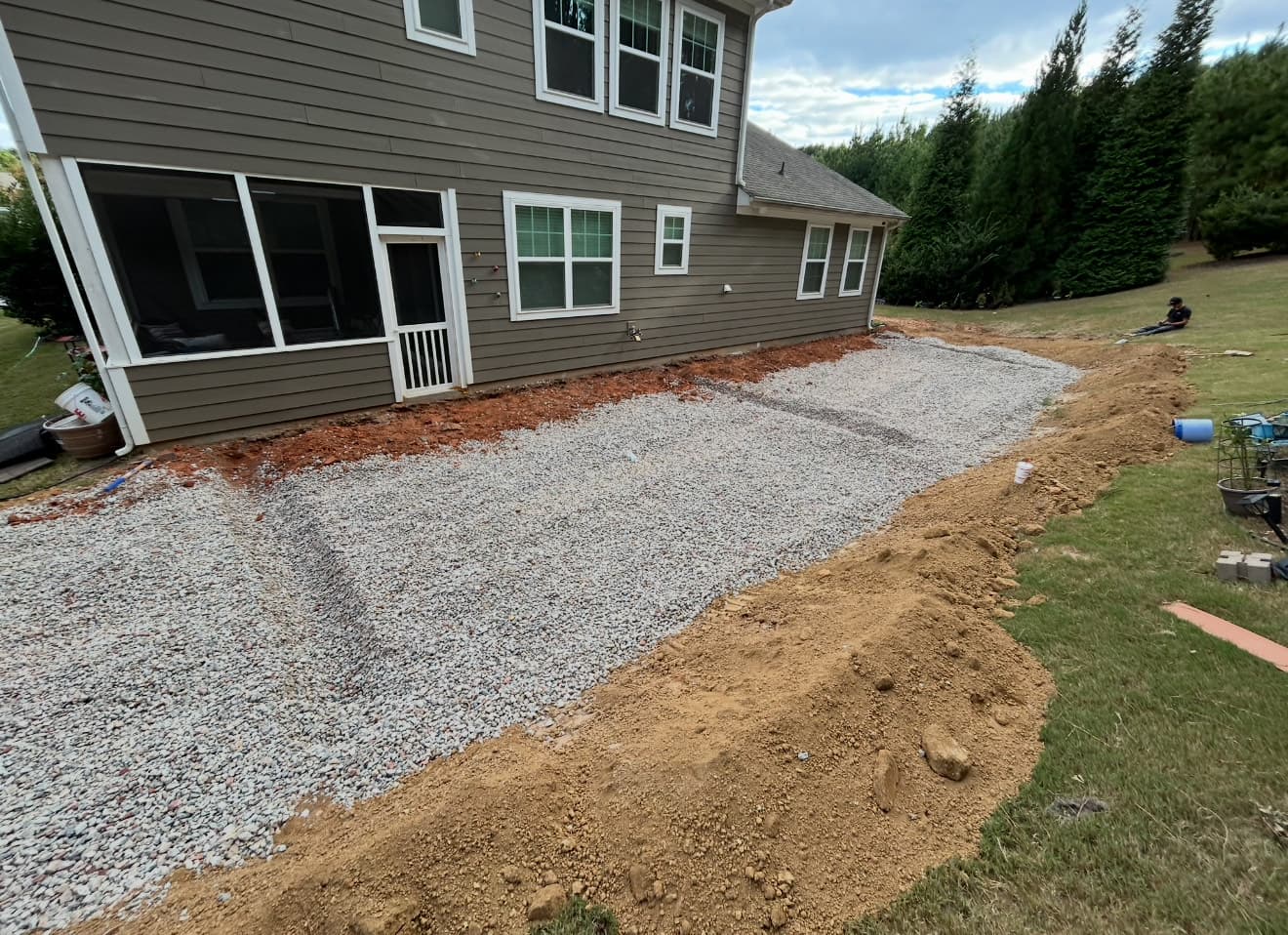
Site Preparation
Preparing the workspace in Cary and establishing safe access routes for our equipment and crew.
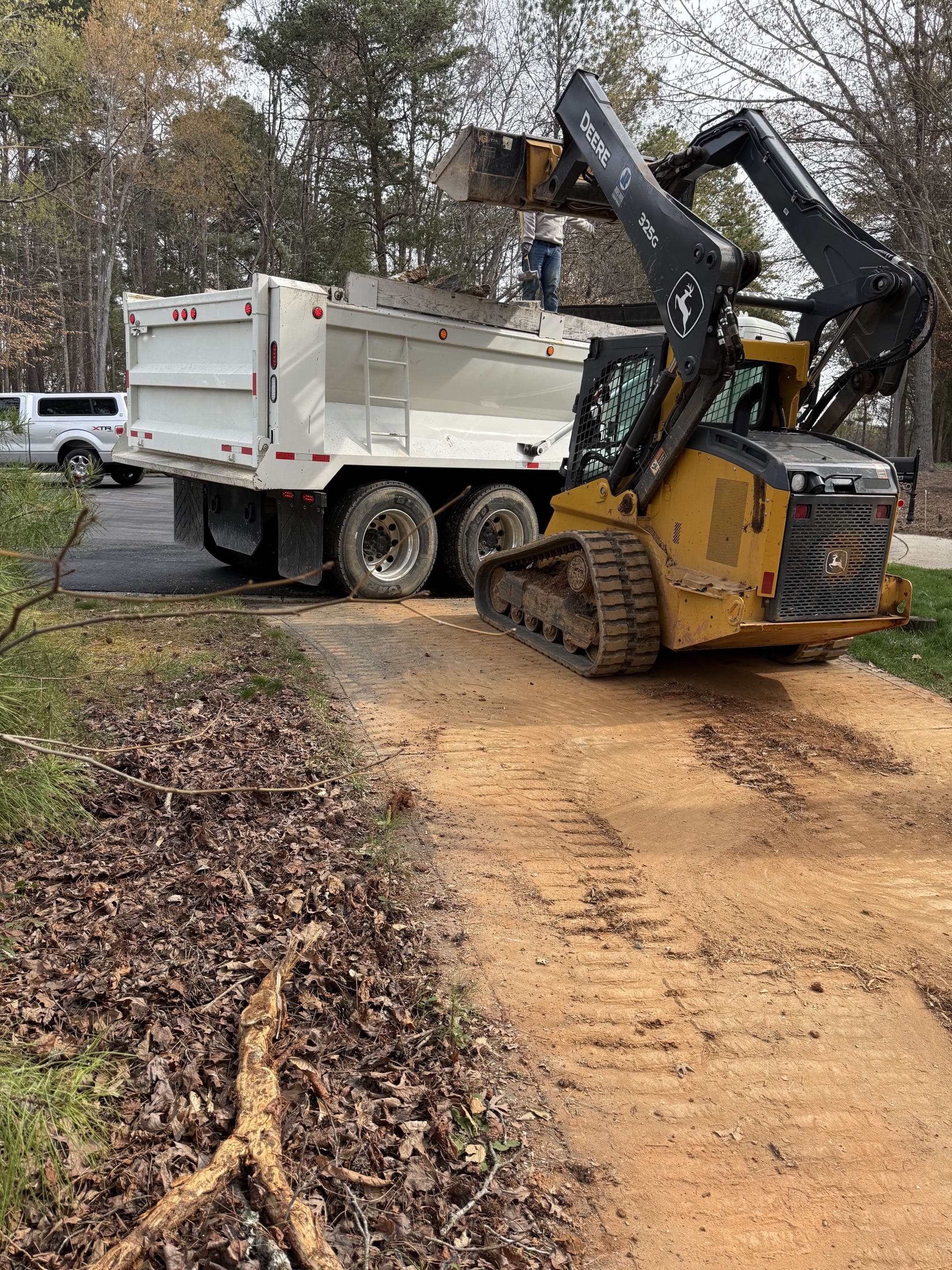
Demolition
Removal and disposal of existing concrete in Cary, leaving a clean slate for your new installation.
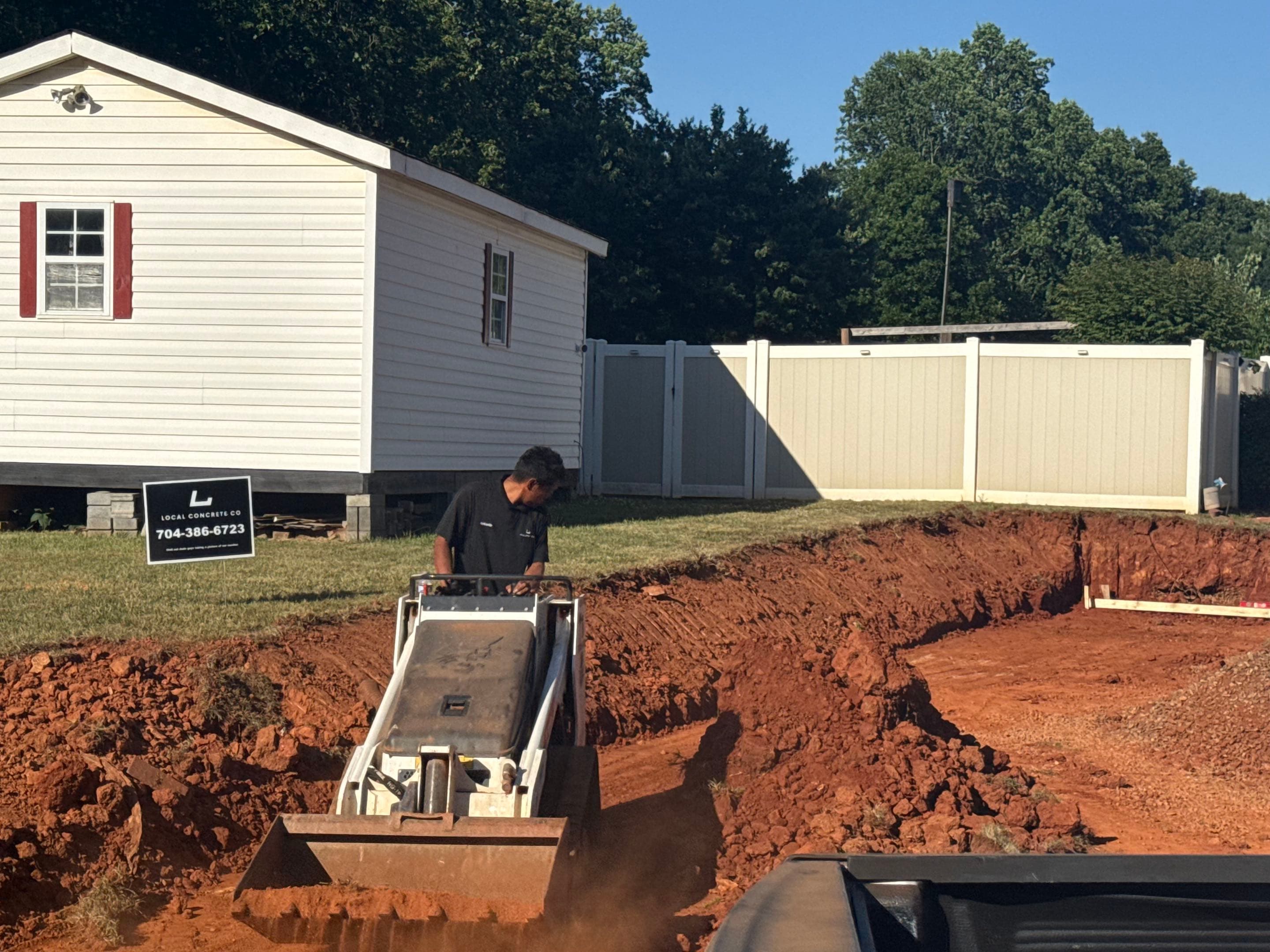
Grading & Forming
Expert grading for proper drainage in Cary and setting high-quality lumber forms for clean edges.
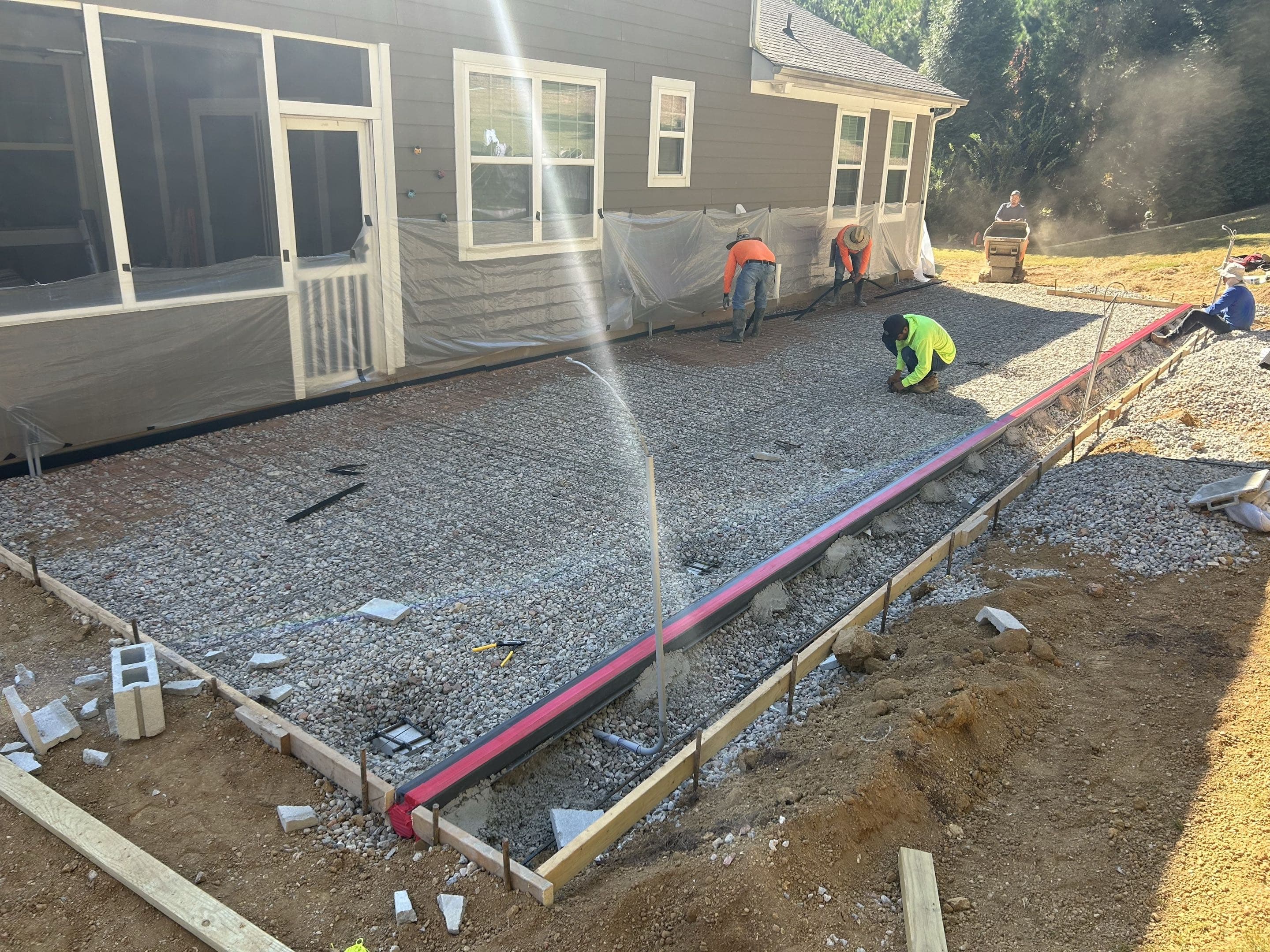
Reinforcement
Installation of steel rebar or wire mesh grid in Cary, using 1/2 inch grid for structural tensile strength suitable for North Carolina conditions.
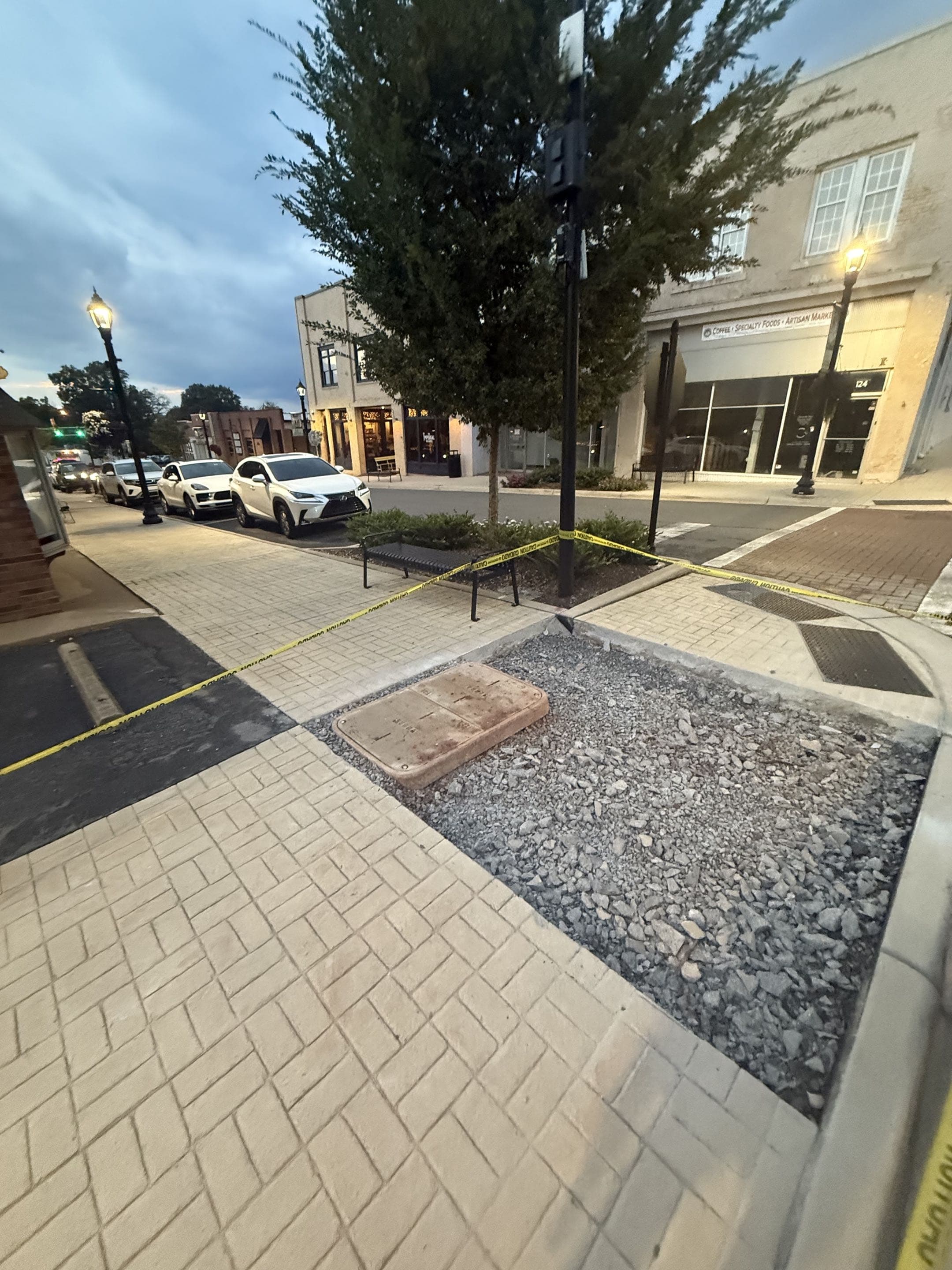
Pre-Pour Inspection
A final check of elevation, form stability, and reinforcement placement in Cary before the truck arrives.
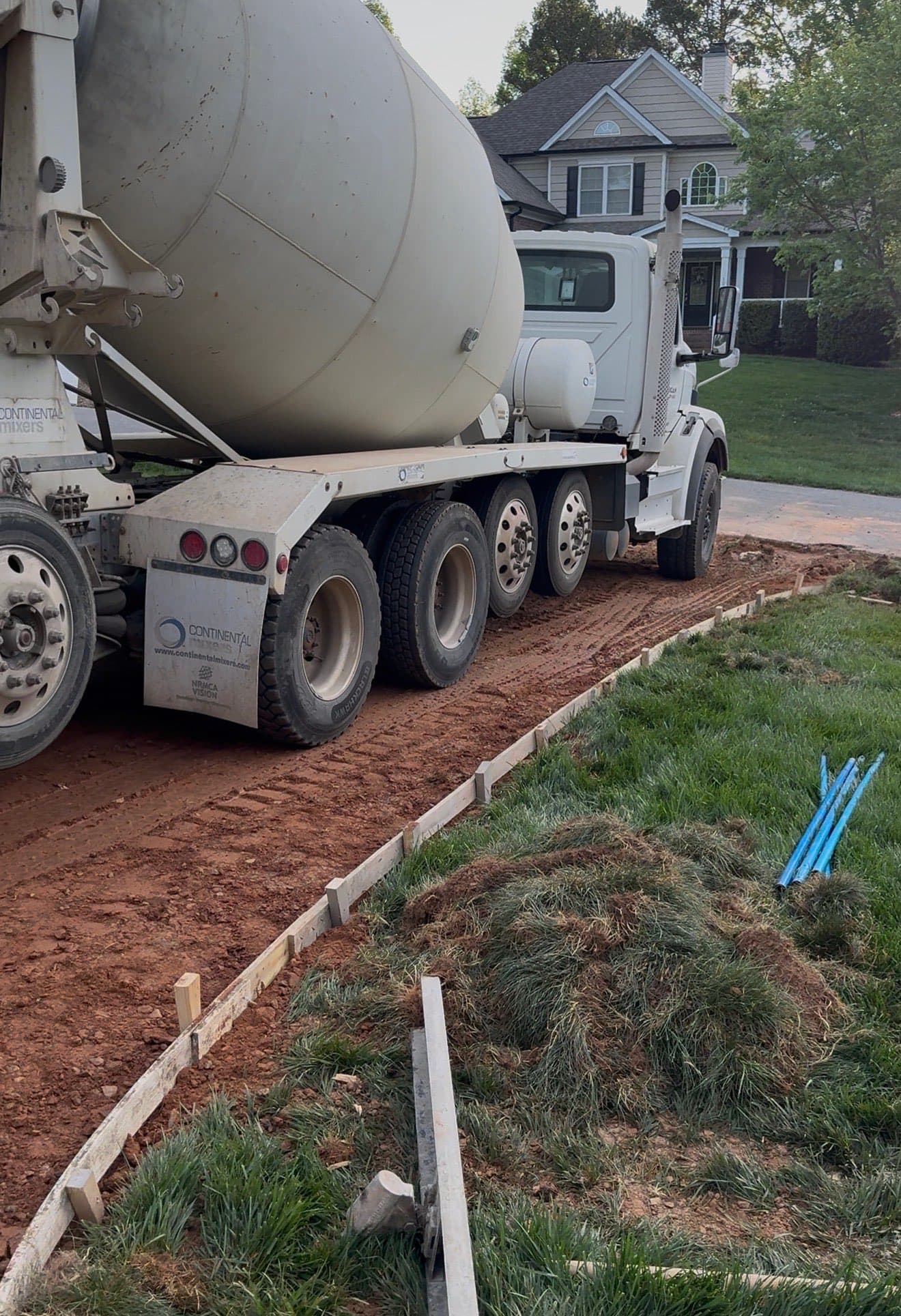
Slump Testing
Verifying concrete consistency on-site in Cary to ensure it meets the engineered mix design.
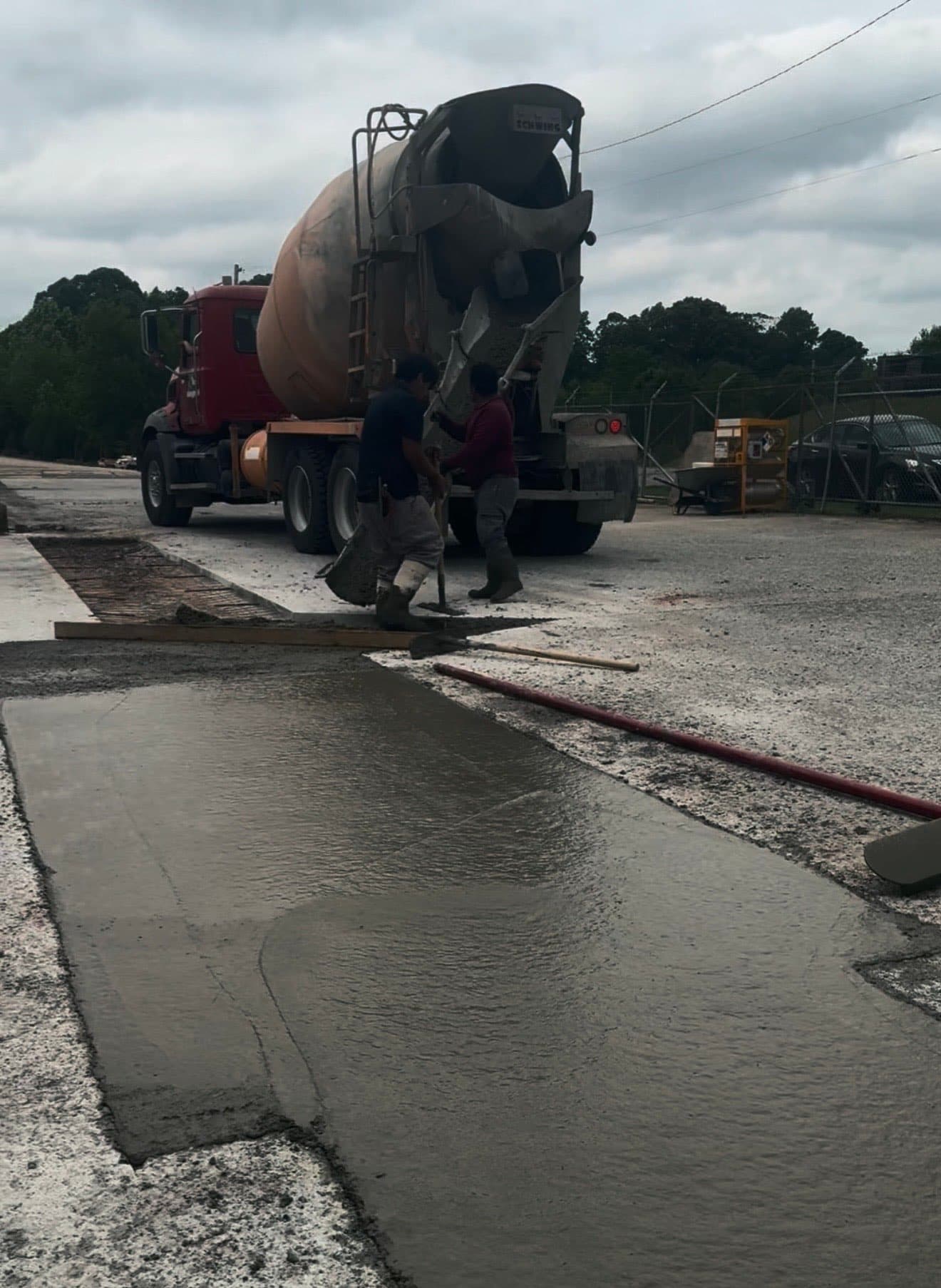
Placement
Controlled pouring and placement of concrete in Cary to avoid cold joints and ensure uniformity.
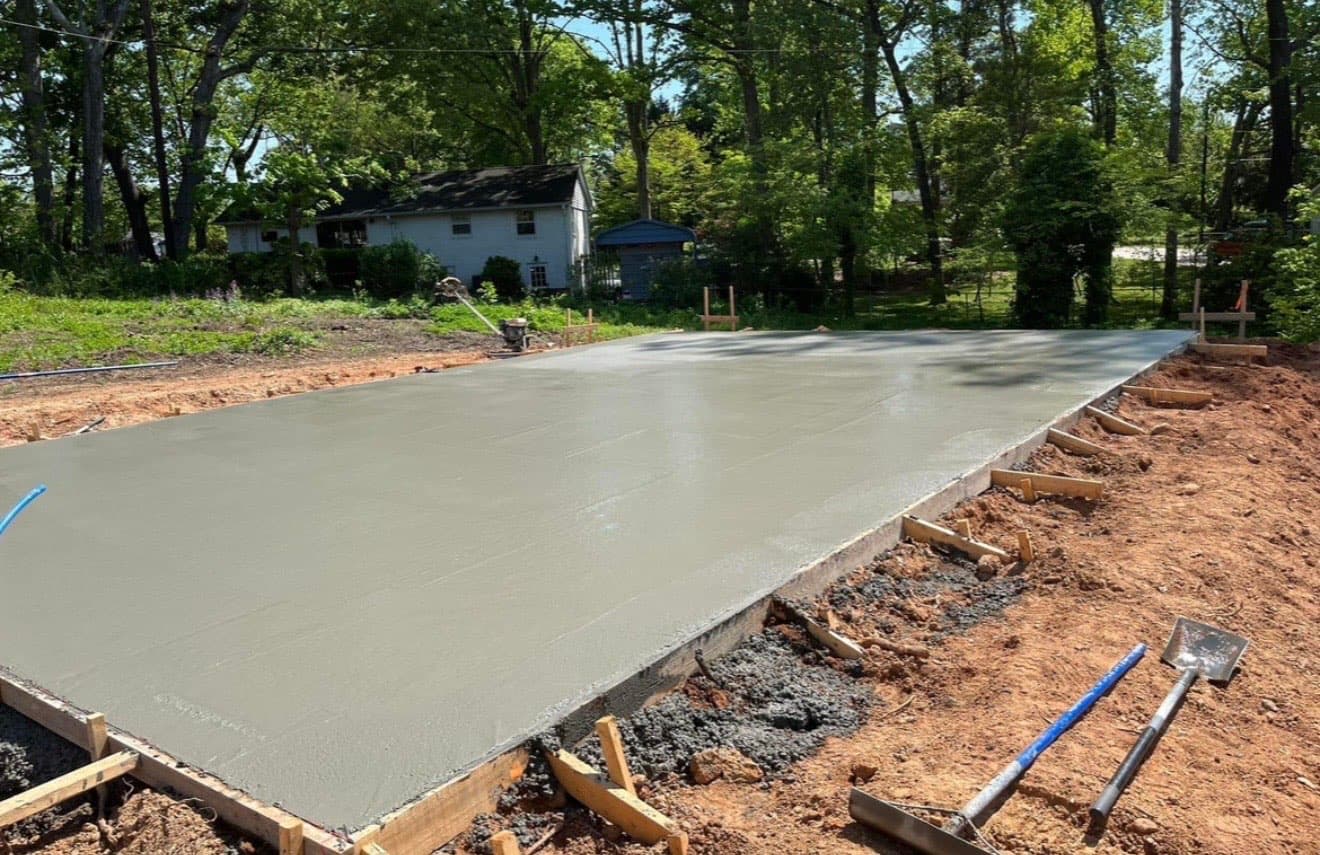
Bull Floating
Pushing aggregate down and bringing 'cream' to the surface for a smooth finishable layer in Cary.
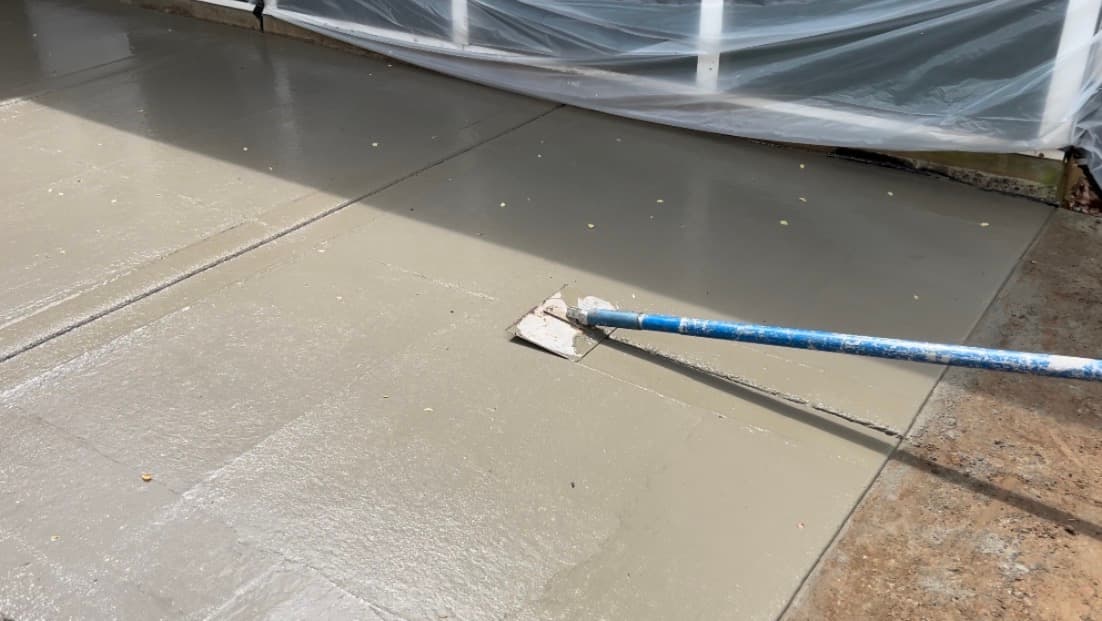
Edging & Jointing
Creating rounded edges for durability in Cary and cutting control joints to manage expansion in North Carolina's climate.
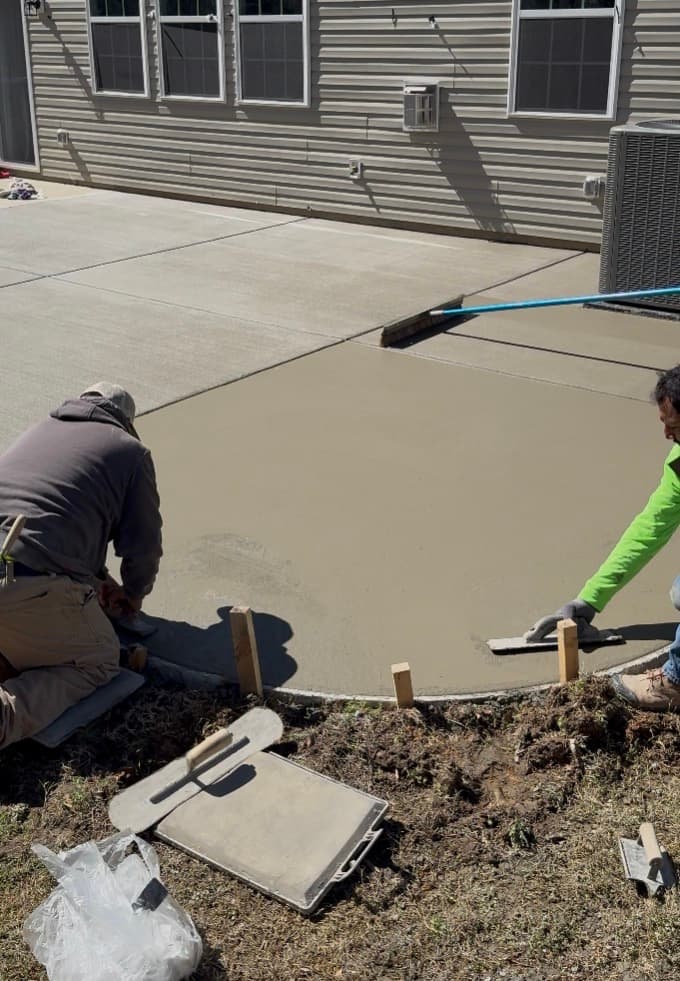
Fresno Finish
Final smoothing pass in Cary to close the surface pores and prepare for texturing.
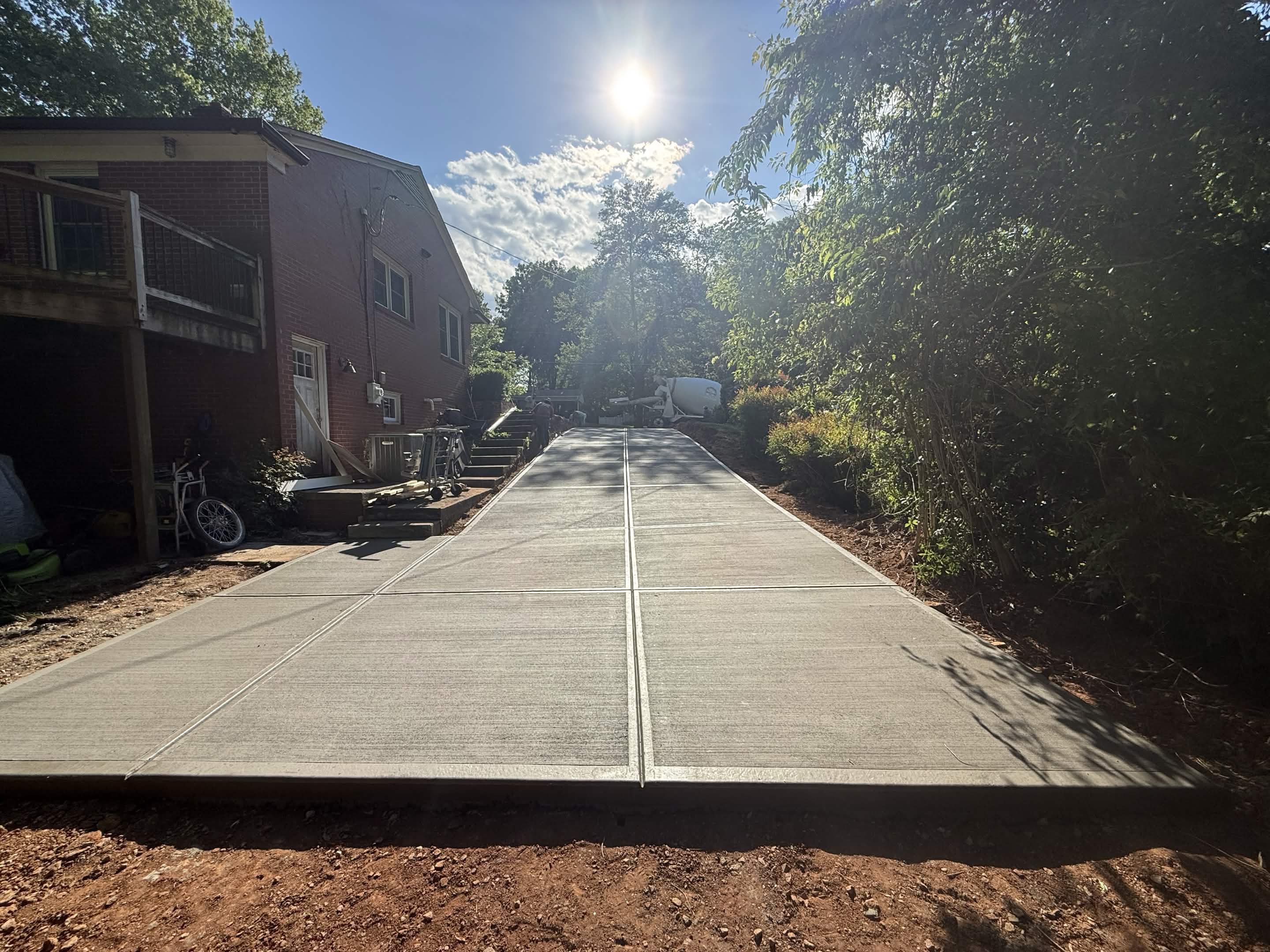
Decorative Detailing
Applying final broom texture, stamp patterns, or color treatments as specified for your Cary project.
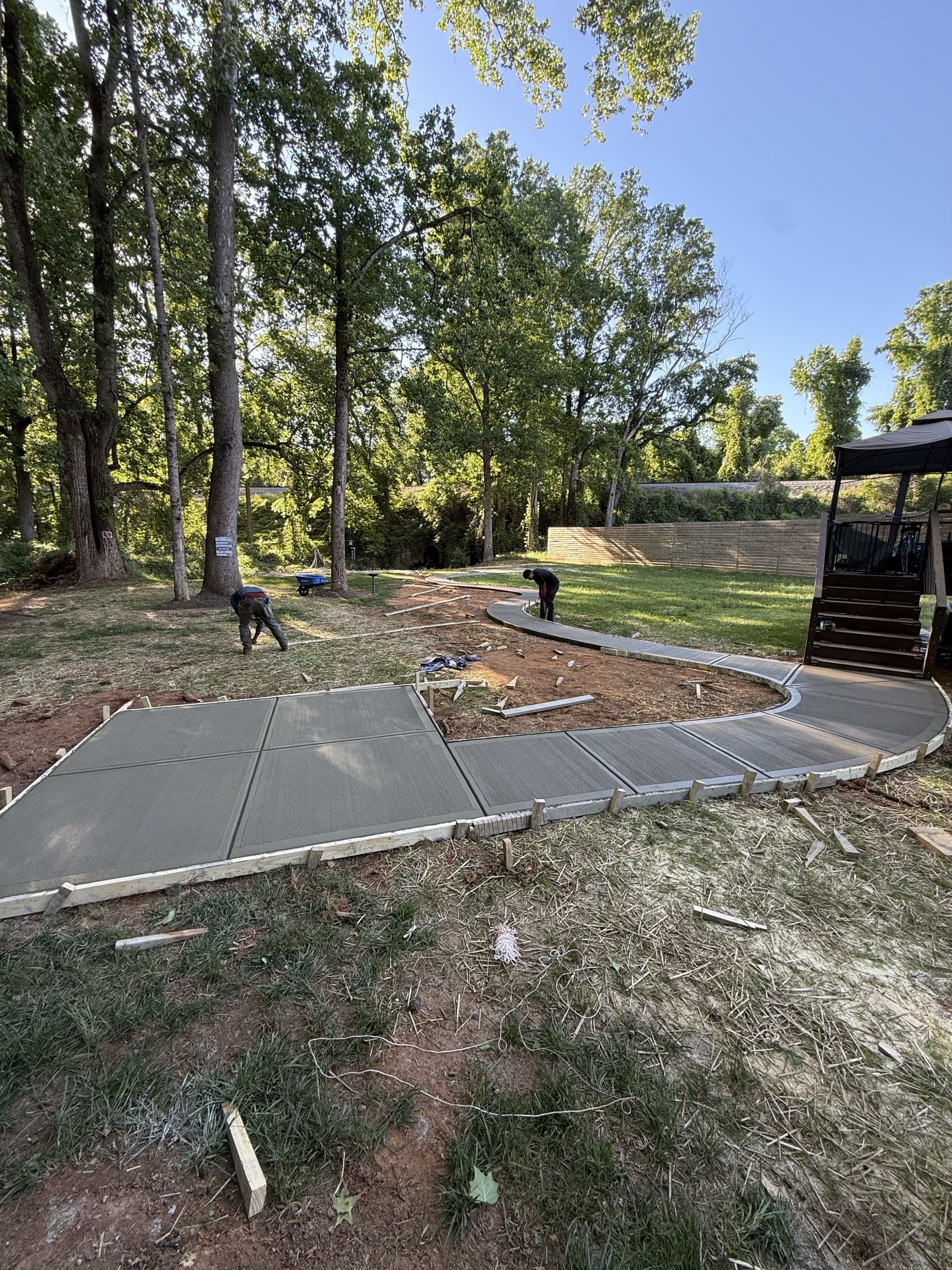
Form Removal
Careful stripping of forms in Cary once concrete has reached initial set stability.
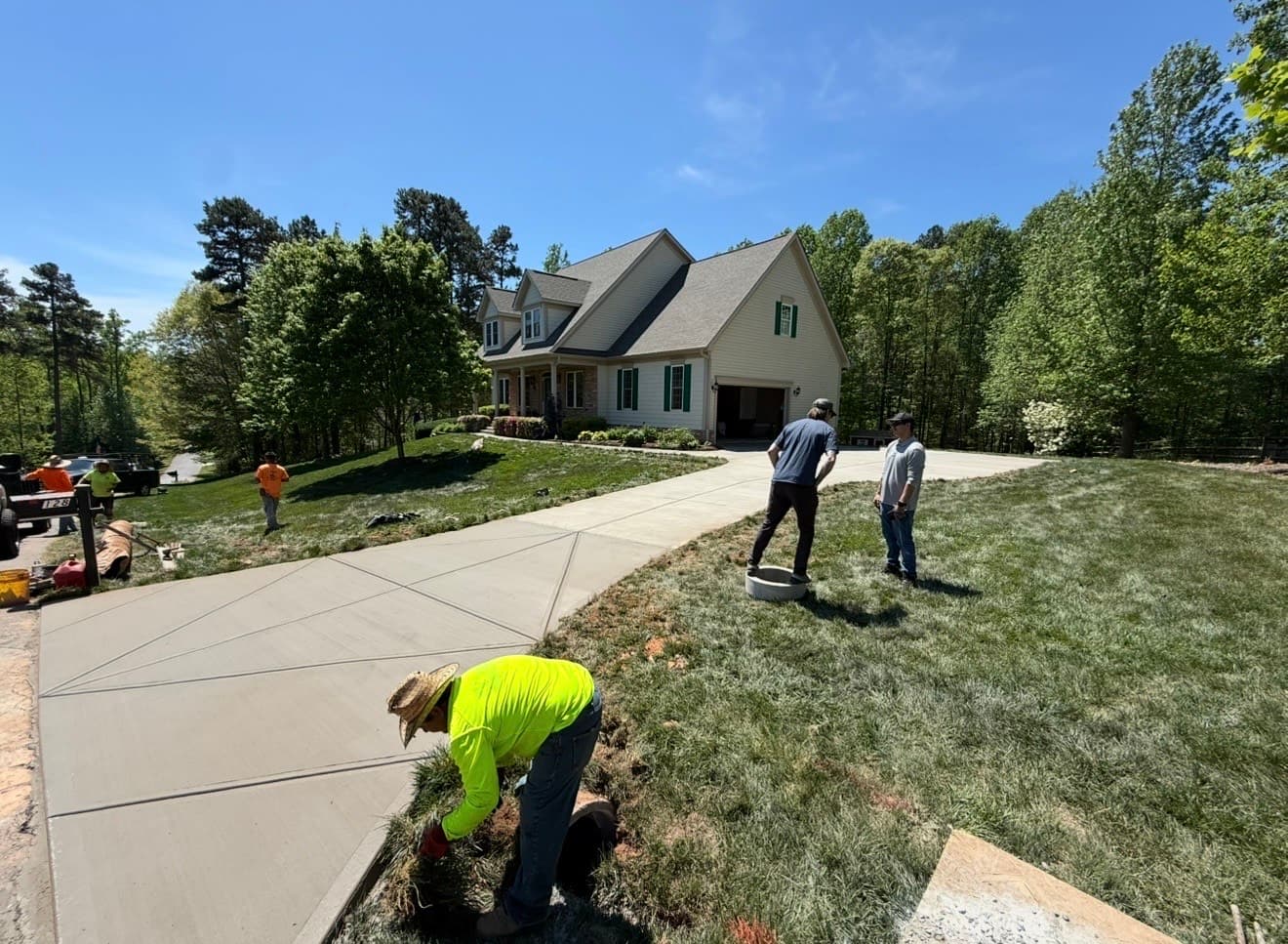
Final Walkthrough
Reviewing the finished project with you in Cary to ensure every detail meets the standard.

Usage Guide
Providing clear instructions for Cary homeowners on cure times—when you can walk, drive, and park on your new concrete.
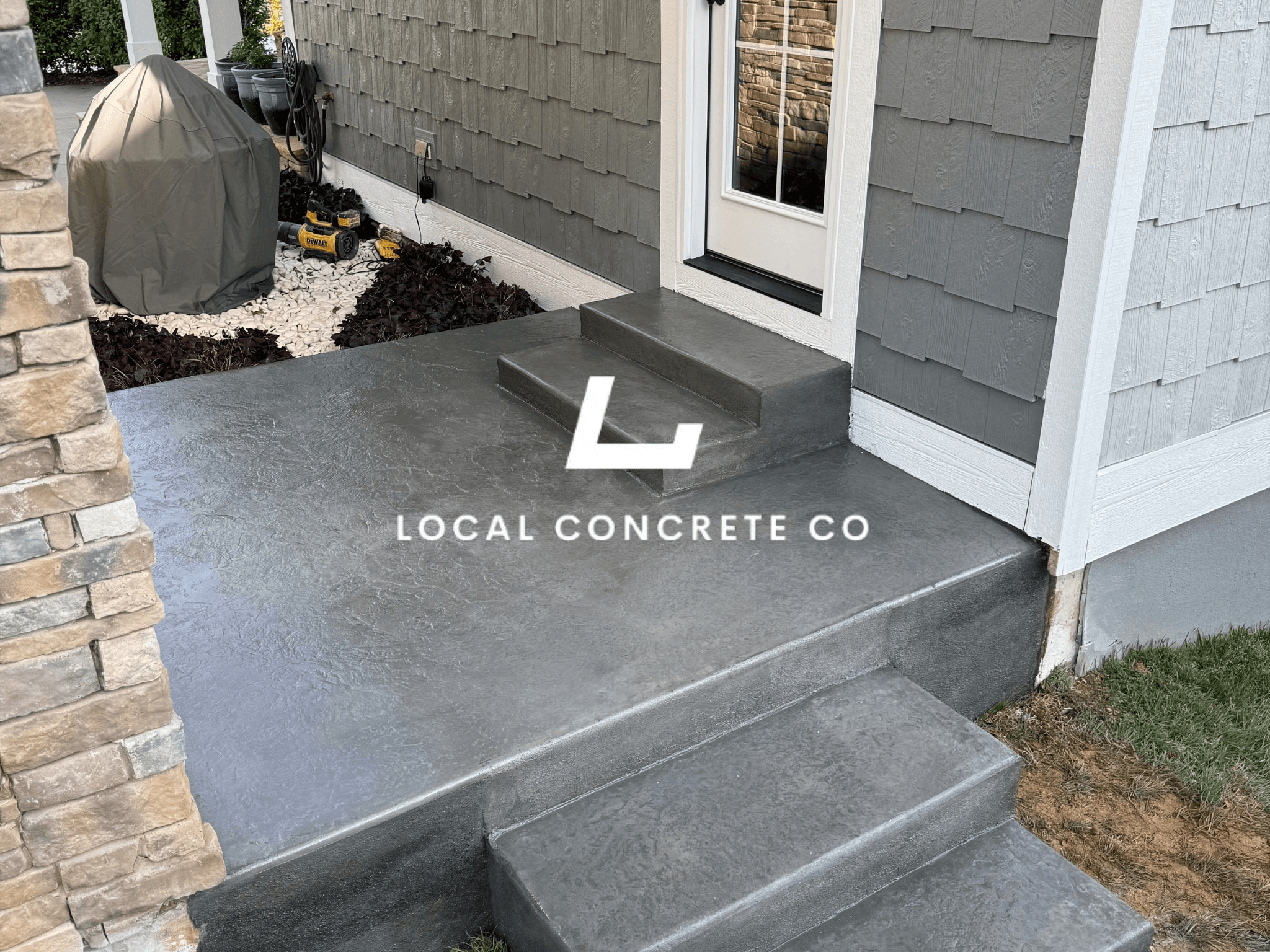
Project Completion
The job is done right in Cary, ensuring you have a durable surface for years to come in the Cary area.
Joint Sealant, Dowel Bars, and Flatness (FF/FL)
Three details drive most warehouse slab repair, and each one is a different conversation about what wears out under forklift traffic.
- Joint sealant — the flexible material that fills control joints on most slabs isn't rigid enough to support forklift wheel loads across the joint; the wheel drops slightly at every crossing and progressively spalls the joint shoulder
- Semi-rigid polyurea joint filler — the upgrade for high-traffic warehouse joints; the polyurea supports the wheel load, stops the wheel drop, and dramatically slows joint shoulder deterioration; the standard for AS/RS and heavy-forklift facilities
- Dowel bars — smooth steel bars installed across a joint transfer load between panels; when the original slab didn't get dowels or the dowels have failed, adjacent panels settle differently and the joint becomes a hazard
- Dowel-bar retrofit (DBR) — cut slots across the existing joint, drop in new dowels, and grout them in place; restores load transfer without replacing the panels
- FF/FL flatness — the floor flatness (FF) and floor levelness (FL) numbers matter in high-bay and AS/RS warehouses where a small deviation multiplies into a bigger deviation at rack height; a slab that was FF50/FL40 at commissioning often drifts down over years of use
- Grinding for flatness — targeted grinding can restore FF numbers on localized areas; wholesale flatness restoration is a different scope entirely
- Semi-rigid patching materials — repair mortars for warehouse slabs are formulated to bond, cure fast, and hold up under wheel loads; consumer-grade patching mix doesn't hold in this environment
- Joint saw refresh — where old joint shoulders have crumbled beyond re-sealing, we widen the saw cut, patch the shoulders, and install new semi-rigid filler
We'll walk the slab and diagnose which of these are driving the failure before writing the quote.
Spot Repair vs Aisle Rebuild
The judgment call on any warehouse repair is where the line sits between fixing localized failures and rebuilding an entire aisle or zone. The answer depends on how many panels are failing, how they're failing, and what the operations impact of each option looks like.
- Single panel or single joint failing with sound concrete around it — spot repair is right; the failure is local
- Multiple joints failing along the same aisle with the same wear pattern — the joints all lost load transfer or the sealant all failed at the same time; a joint filler upgrade across the whole aisle is often cheaper than individual joint repairs
- Panels settled or heaved along one line — points to base failure or a subsurface issue under that line; investigation before repair, and possibly a partial rebuild
- Rack-post base has punched into the slab — the point load exceeded the slab's design; localized reinforcement plus repair, or in worse cases a section rebuild with a thickened slab under the rack line
- Forklift ruts across multiple aisles — the slab has lost its wear surface; an overlay or a full rebuild may be the right call depending on the depth
- FF/FL numbers out of tolerance across a large area — targeted grinding restores localized flatness; wholesale flatness restoration usually means overlay or replacement
- Dock leveler pit edge failing repeatedly — the impact loads exceed what a spot repair can hold; a proper rebuild with dowels and higher-PSI mix around the pit is the durable fix
- Slab past 30 years in a heavy-forklift facility with multiple concurrent failures — the aisle rebuild often wins the 10-year math
We'll write both quotes — targeted spot repair and aisle rebuild — when the call isn't obvious, and lay them next to each other with the operations impact and the 10-year outlook on each.
Cary Specific Considerations
Cary Soil Conditions
Understanding Cary's soil composition is crucial for proper concrete work. Cary in Wake County requires concrete work that can withstand North Carolina's climate and soil conditions. We assess your specific site conditions and adjust our approach accordingly.
Wake County Building Codes
Every Cary project must comply with Wake County building codes and regulations. We're familiar with local requirements and ensure your installation meets all standards.
HOA Requirements
Many Cary neighborhoods have HOA guidelines that affect concrete work. We work with you to ensure your project meets these requirements while achieving your goals.
North Carolina Climate
Cary experiences North Carolina's freeze-thaw cycles, which can damage improperly installed concrete. Our work is specifically designed to withstand these conditions.
Drainage Planning
Proper drainage is essential in Cary, where heavy rains can cause flooding. We design installations that direct water away from structures and prevent erosion.
Material Selection
The right materials for Cary projects differ from other areas. We select concrete mixes, reinforcements, and sealants optimized for Wake County's climate conditions.
Neighborhoods We Serve in Cary
Why Operations Teams and Property Managers Work With Us
Local Concrete Contractor handles warehouse repair across the North Carolina Piedmont and out into the coastal plain. Warehouse work has the tightest downtime pressure of any commercial concrete scope, and we build every repair schedule around keeping the operation running.
What that looks like on your repair:
- Zero deposit — you pay after the repair is poured, cured to the return-to-service milestone, and walked with the facility manager or PM
- Free on-site walk-throughs with the written scope: which panels or joints, what repair method, what mix, what cure window, what pour hours
- Licensed and insured — certificate of insurance naming the property owner and operator as additional insured, delivered before mobilization (commercial-required, not optional)
- Overnight and weekend windows on virtually every repair
- Aisle-by-aisle or zone-by-zone phasing so the rest of the operation keeps running
- Quick-set mixes on time-critical repairs, with the return-to-service milestone written into the quote
- Semi-rigid polyurea joint filler as the standard on high-traffic joints, not flexible sealant
- Real photos of prior warehouse repairs in the region — joint work, panel replacement, dock rebuilds, dowel-bar retrofits — not stock images
- Straight answers on the cost drivers (repair method, panel or joint count, mix class, pour window, quick-set premium, dust containment) so the number is explainable
- Same crew from saw-cut through final finish — no subbing the finish out
If you're comparing warehouse repair quotes, ask each contractor what joint filler they'll install, how they handle load transfer across construction joints, and what the return-to-service window looks like. Those three answers separate a repair that holds a decade under forklift traffic from one that fails again inside a season.
Warehouse Floor Repair in Cary
FAQ
Straight answers on warehouse floor repair in Cary, NC — thickness, base prep, cure time, HOA rules, and what it takes to make the slab last.
Get Free QuoteCan you repair a slab while the warehouse stays open?
Usually yes, through overnight windows, weekend pours, and aisle-by-aisle phasing. On a single-aisle repair, we close the aisle off with cones and signage, pour and cure, and hand it back before the next shift starts. On multi-aisle work, we sequence one aisle at a time so the rest of the operation keeps running. Quick-set mixes shorten the cure window so an overnight pour is forklift-ready by first shift the next morning.
How fast can a joint repair be back in service?
What joint filler do you use in a warehouse?
Can you do a dowel-bar retrofit?
How do you handle forklift ruts?
Do you work around FF/FL flatness specs?
Do you serve all neighborhoods in Cary?
What areas near Cary do you serve?
Can you work with HOA requirements in Cary?
Warehouse Floor Repair in Cary, NC
This page is specific to Cary, NC (Wake County). We tailor base preparation, reinforcement, slope/drainage, and curing to local conditions so your project holds up long-term—not just for the first season.
Related services in Cary, NC
Nearby service areas
If you’re near Cary, NC, these nearby city pages may also help:
Ready to talk about your Cary warehouse floor repair project?
Free estimate. No pressure, no sales tactics. Zero deposit — pay on completion.
Get Free Quote