




Best Concrete Lifting Contractors Cary NC
Looking for a reliable concrete lifting contractor in Cary, NC? We're Cary NC's most reputable concrete lifting contractor. Free concrete lifting quotes in Cary back in 24 hours. Honest pricing, clear communication, dependable service on every Cary project.
Get your free quote
We respond in less than 2 hours.
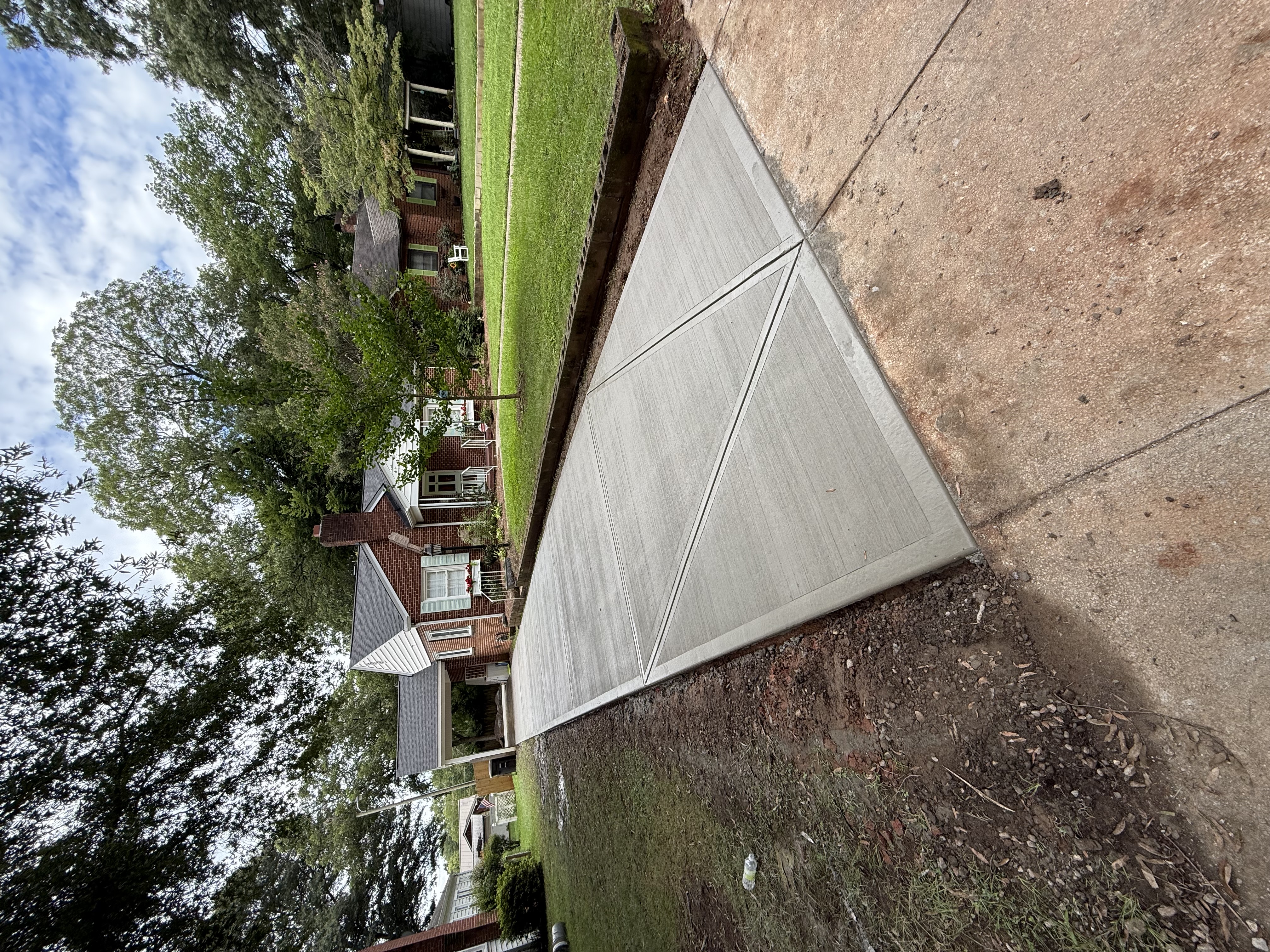
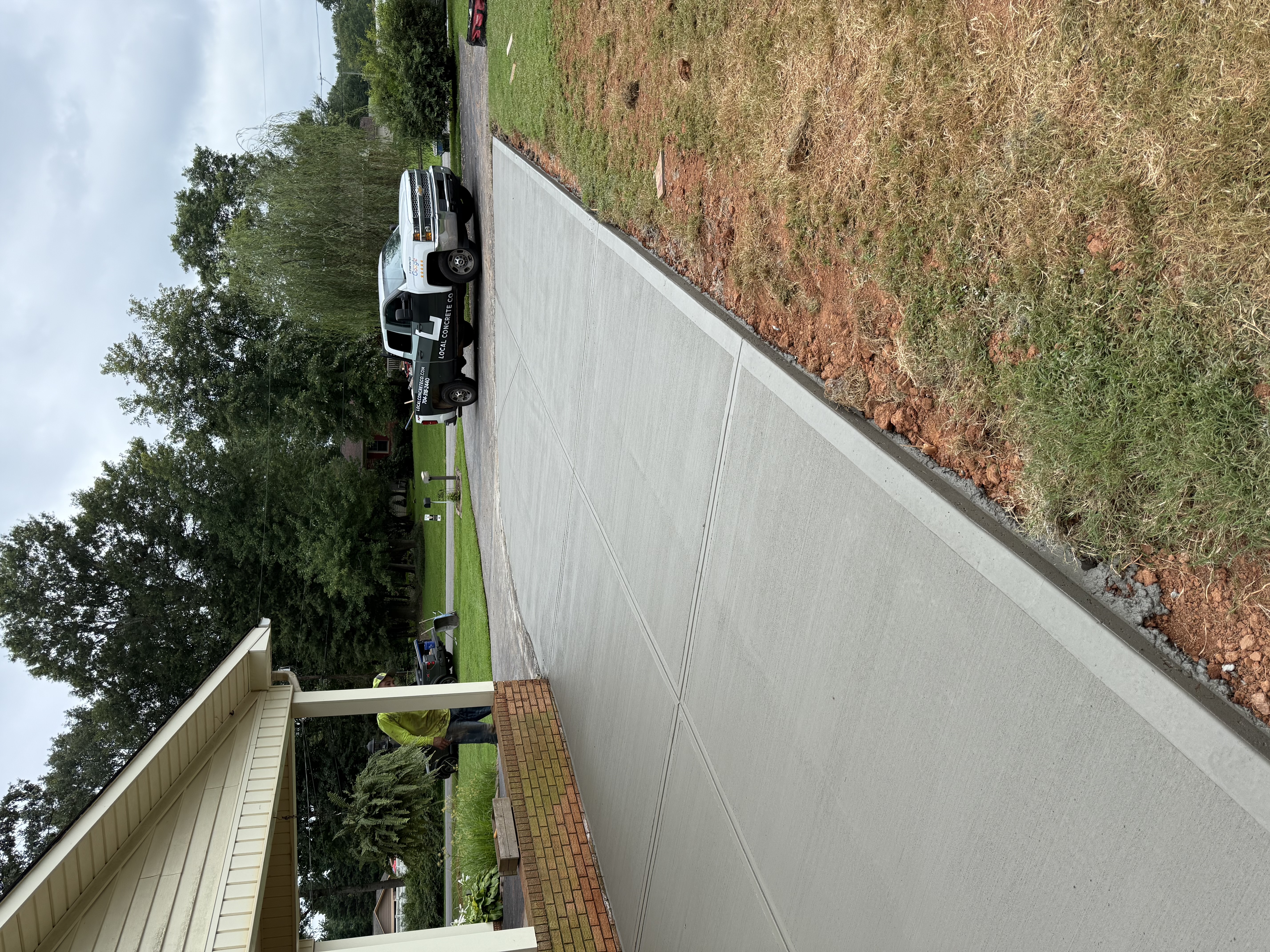
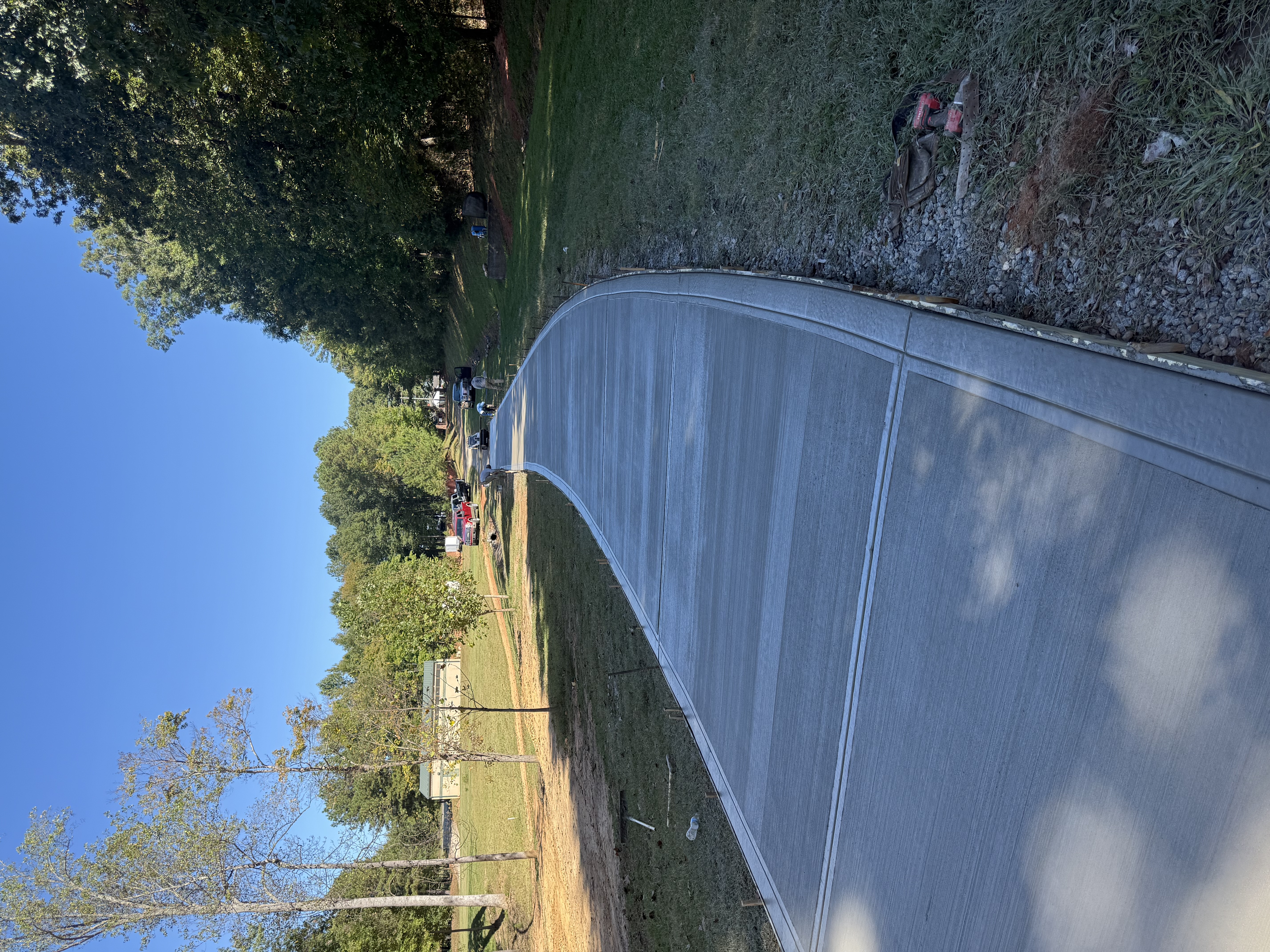
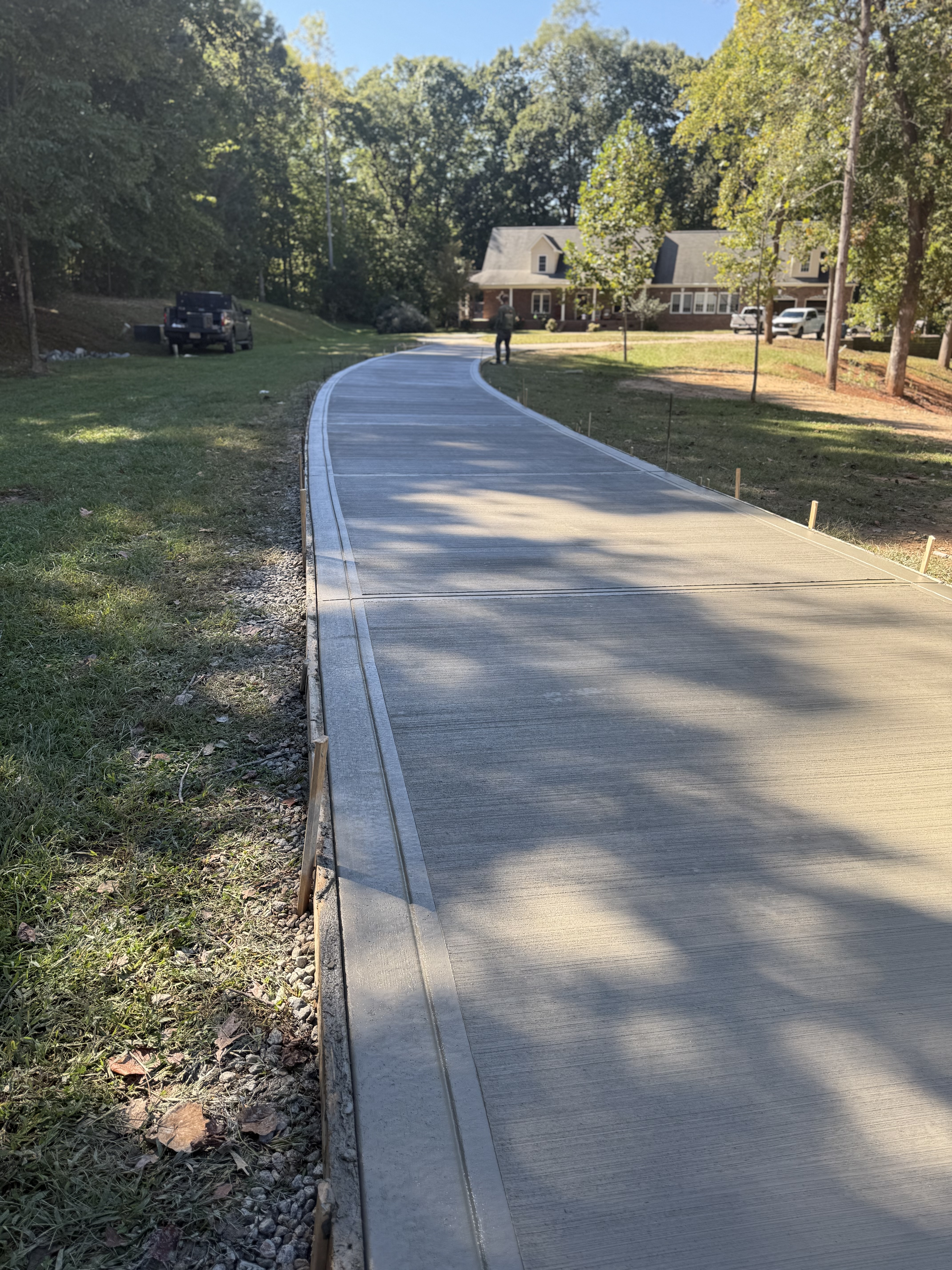
Recent Cary Lifting Projects
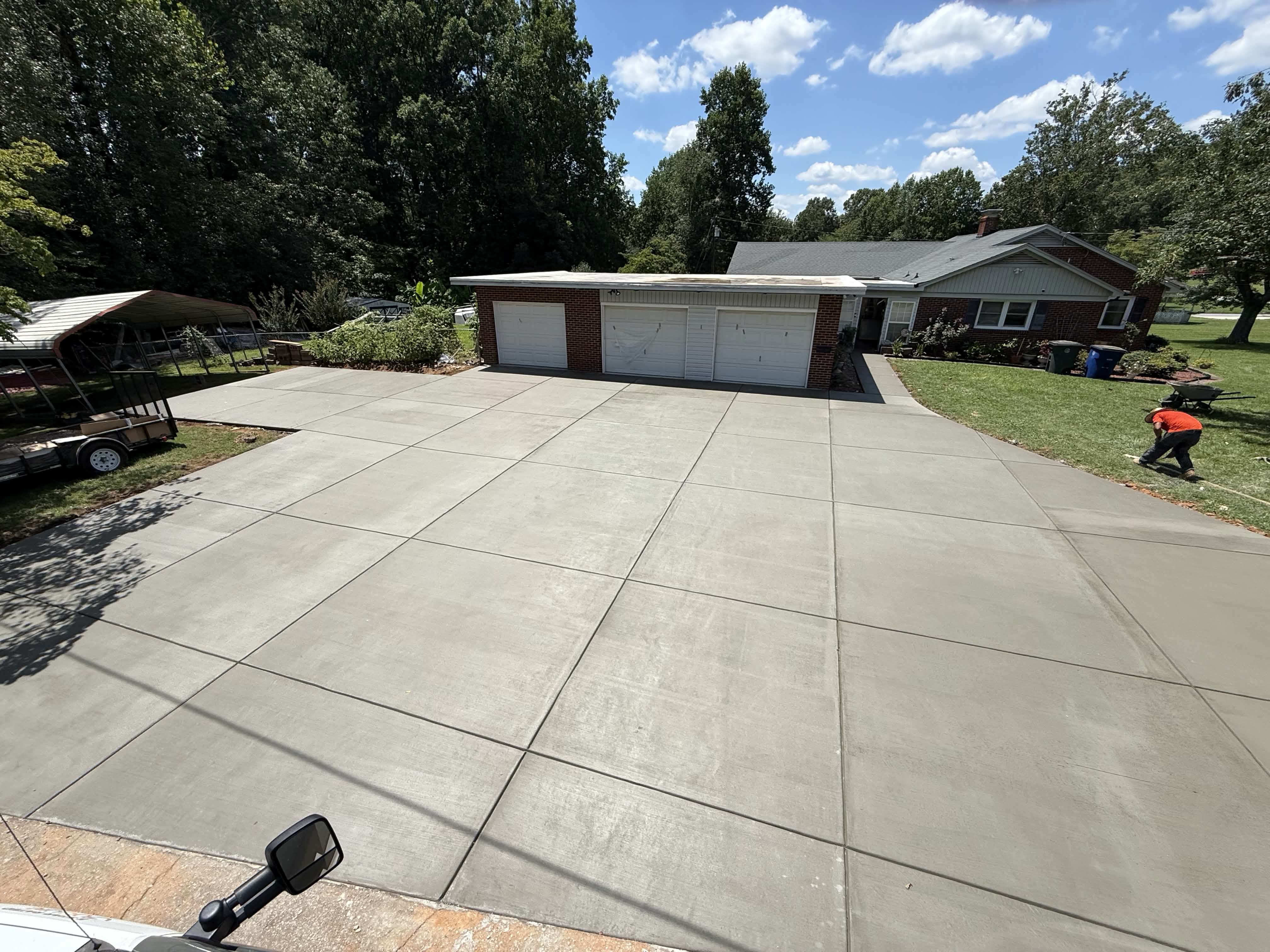
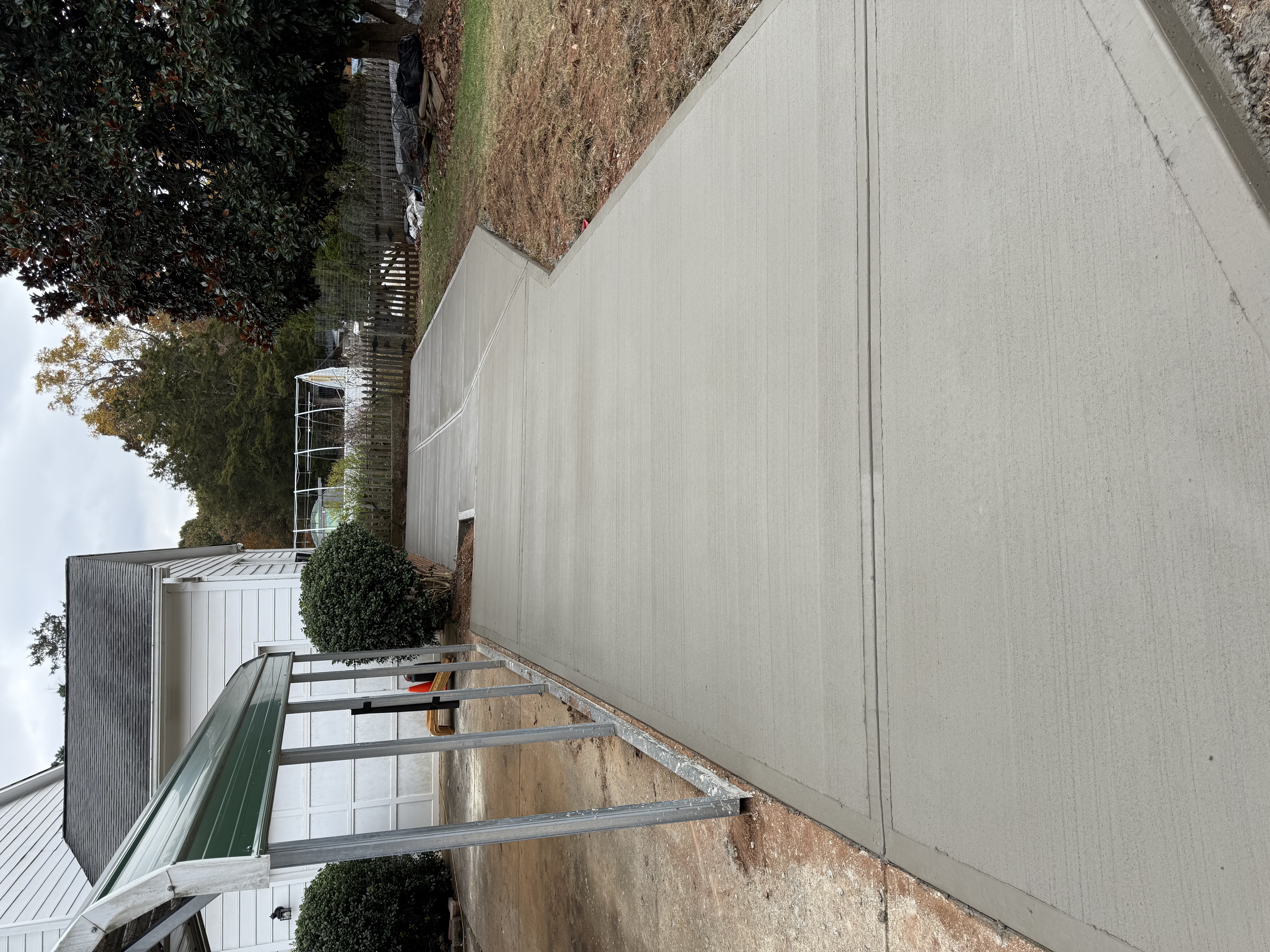
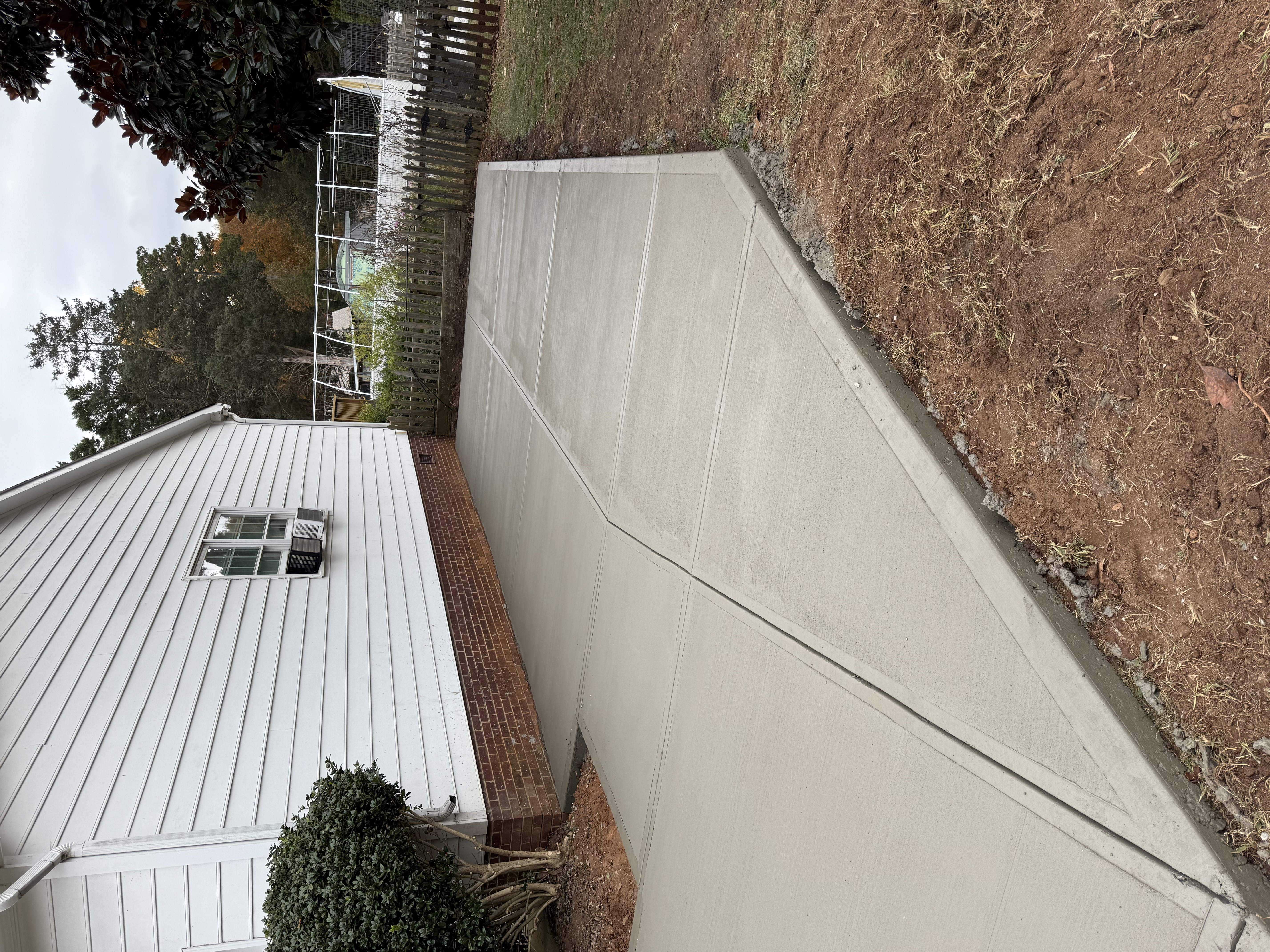
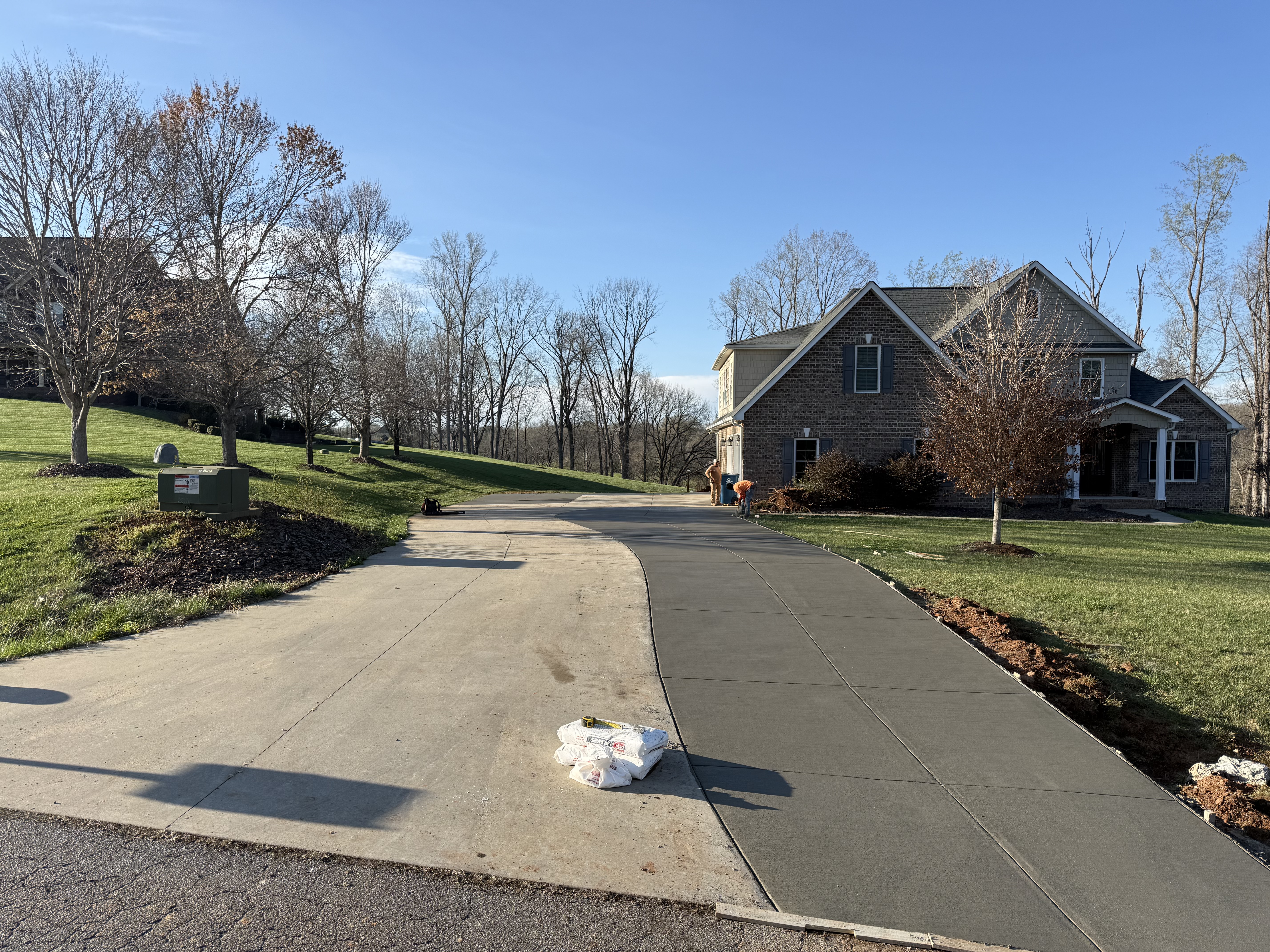
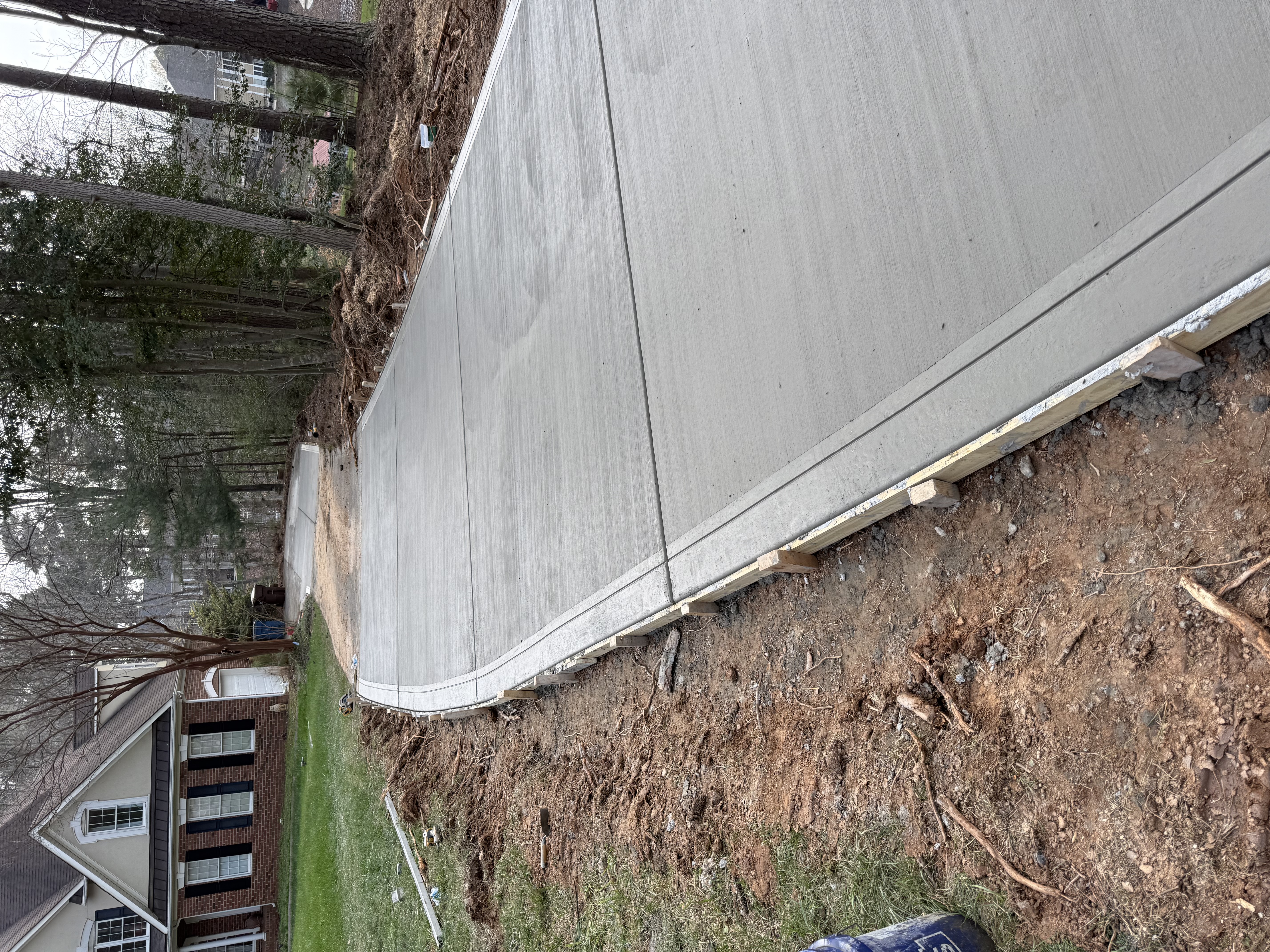
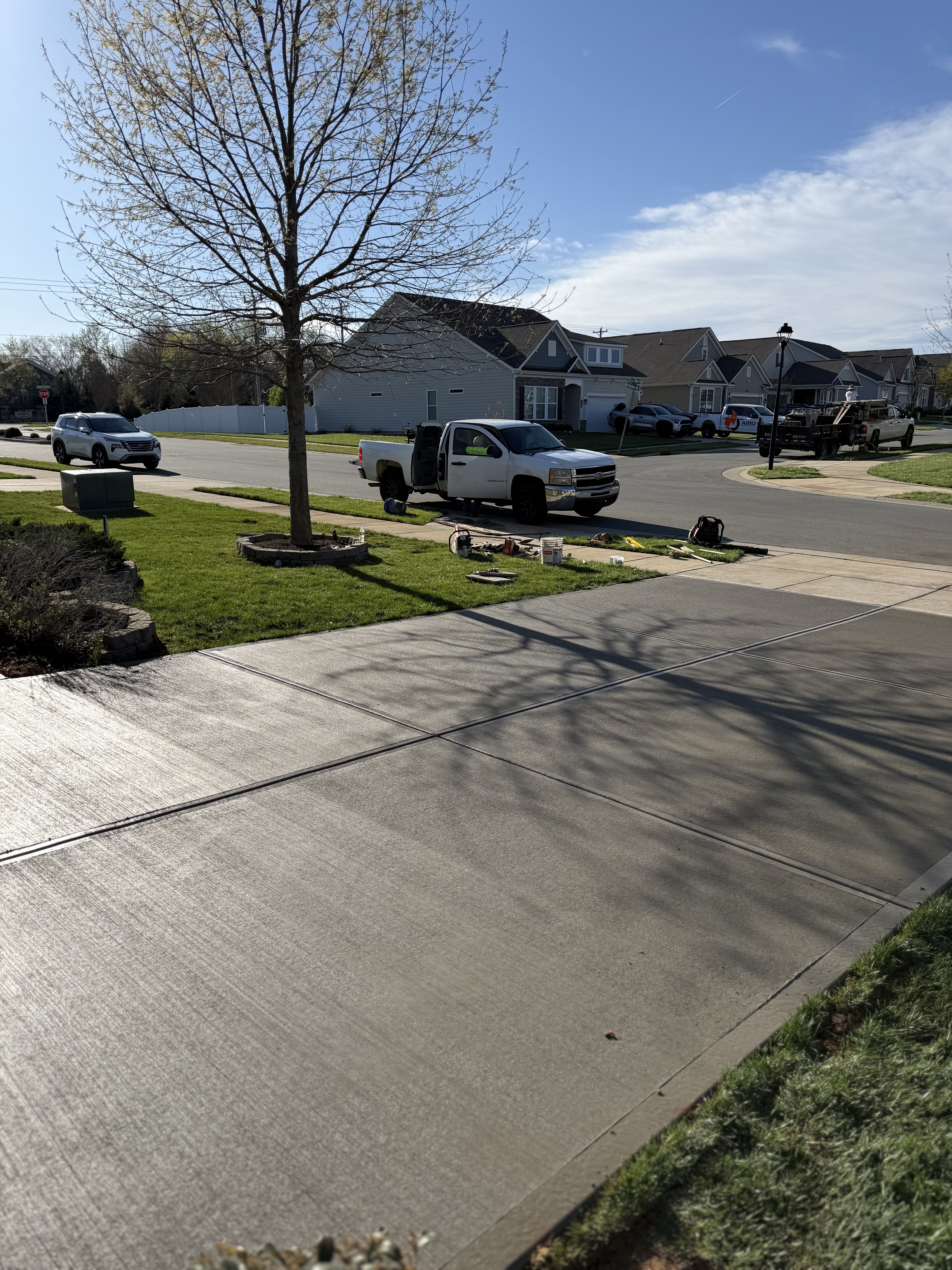
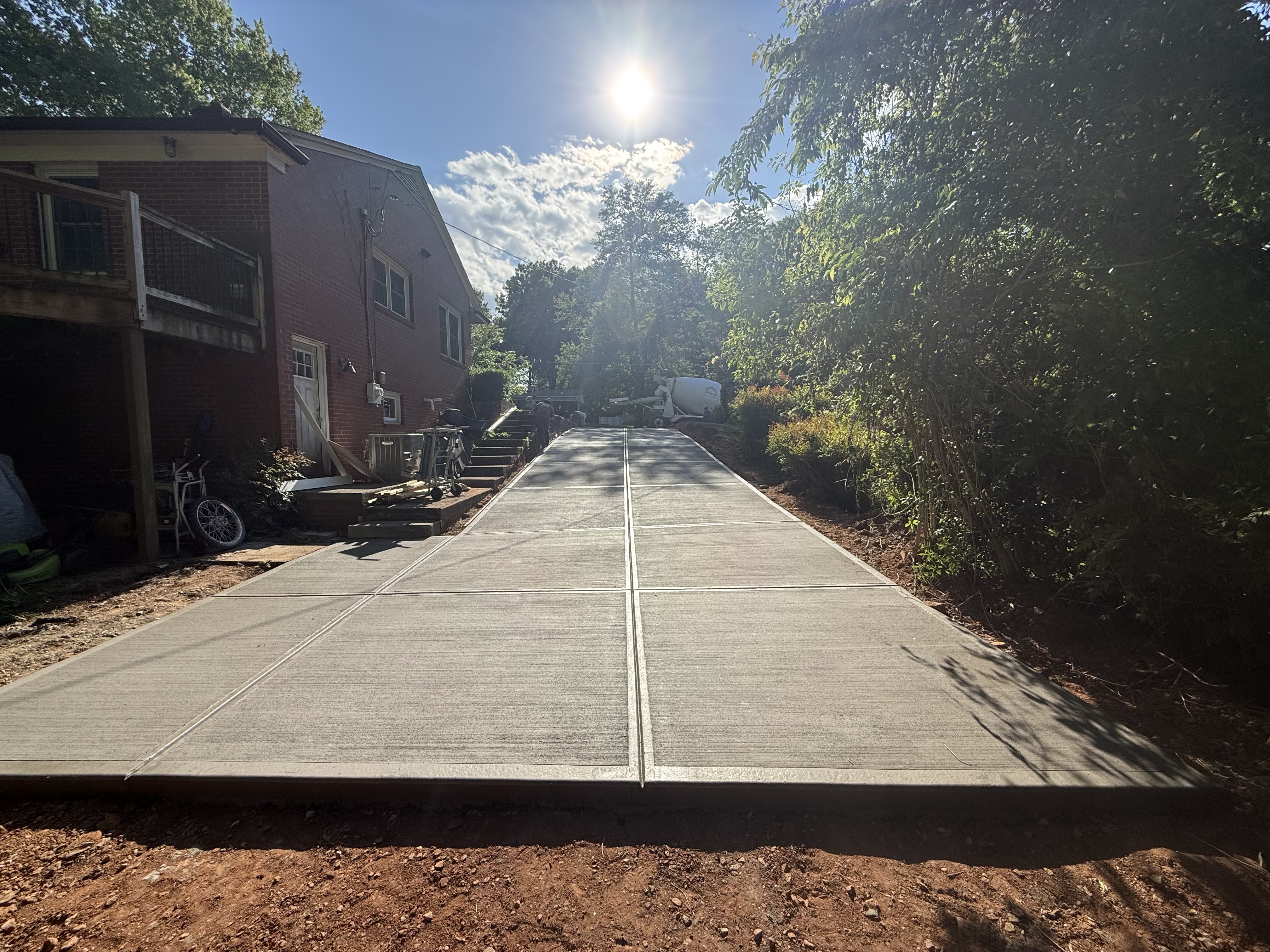
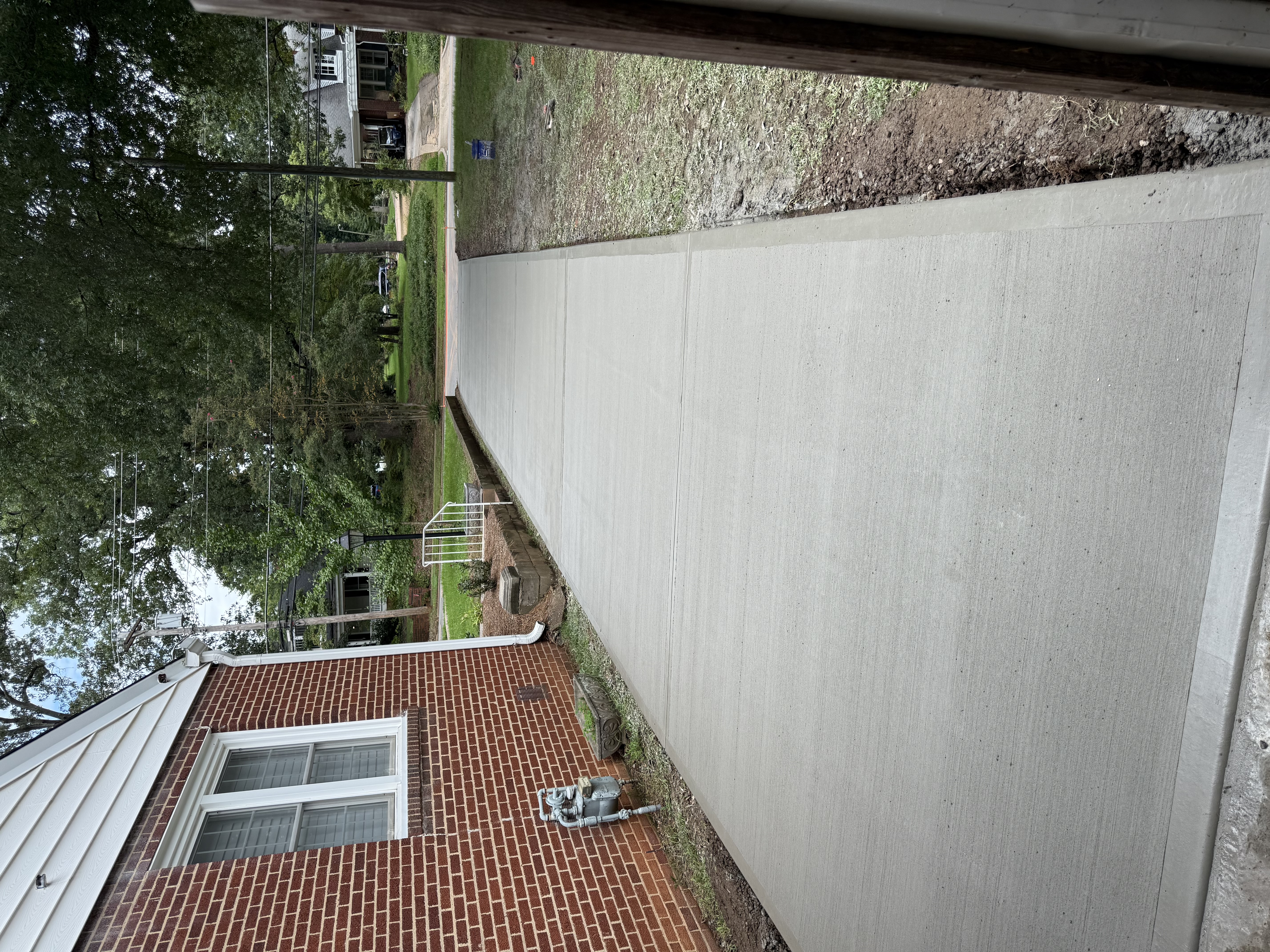
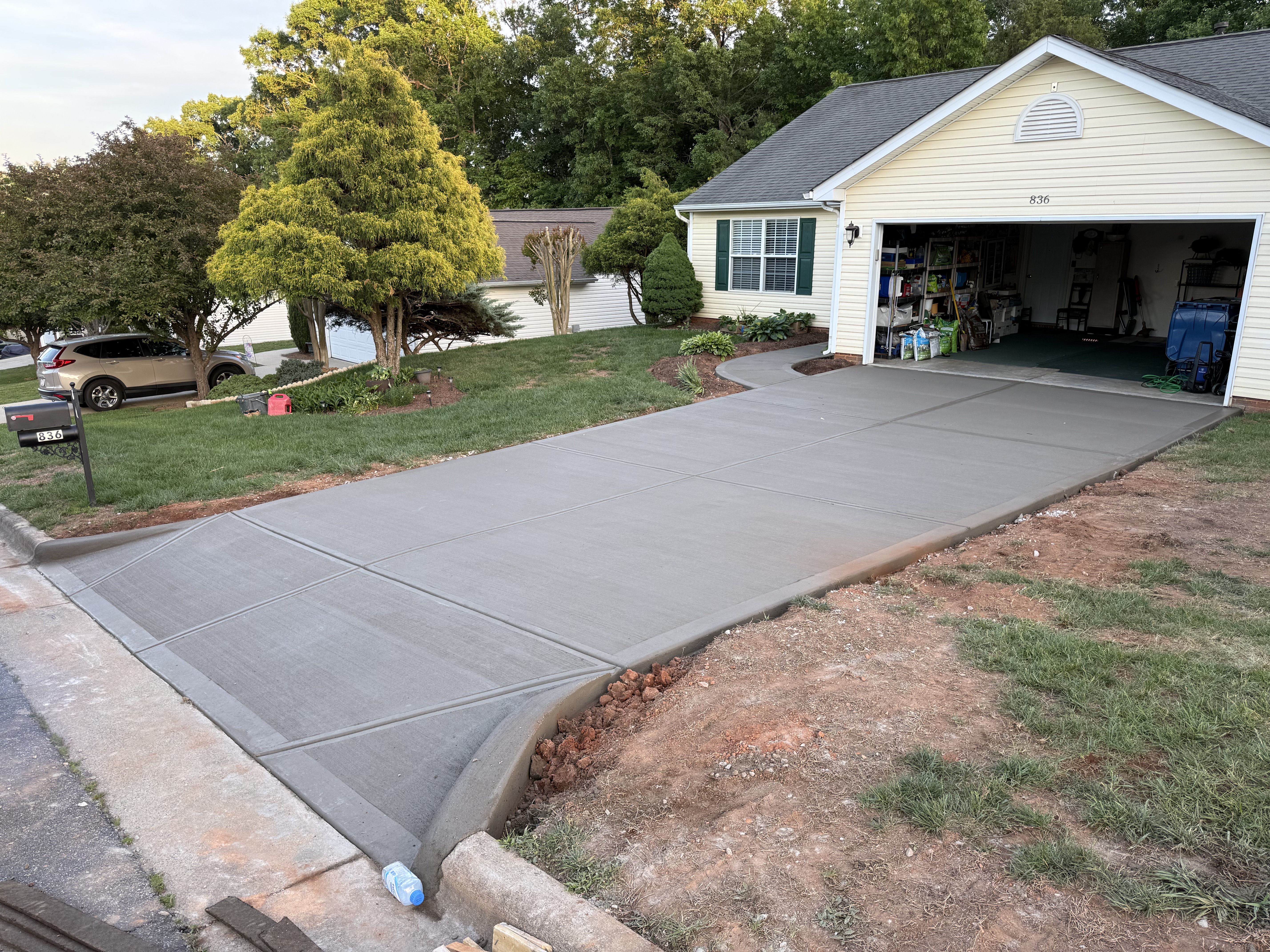
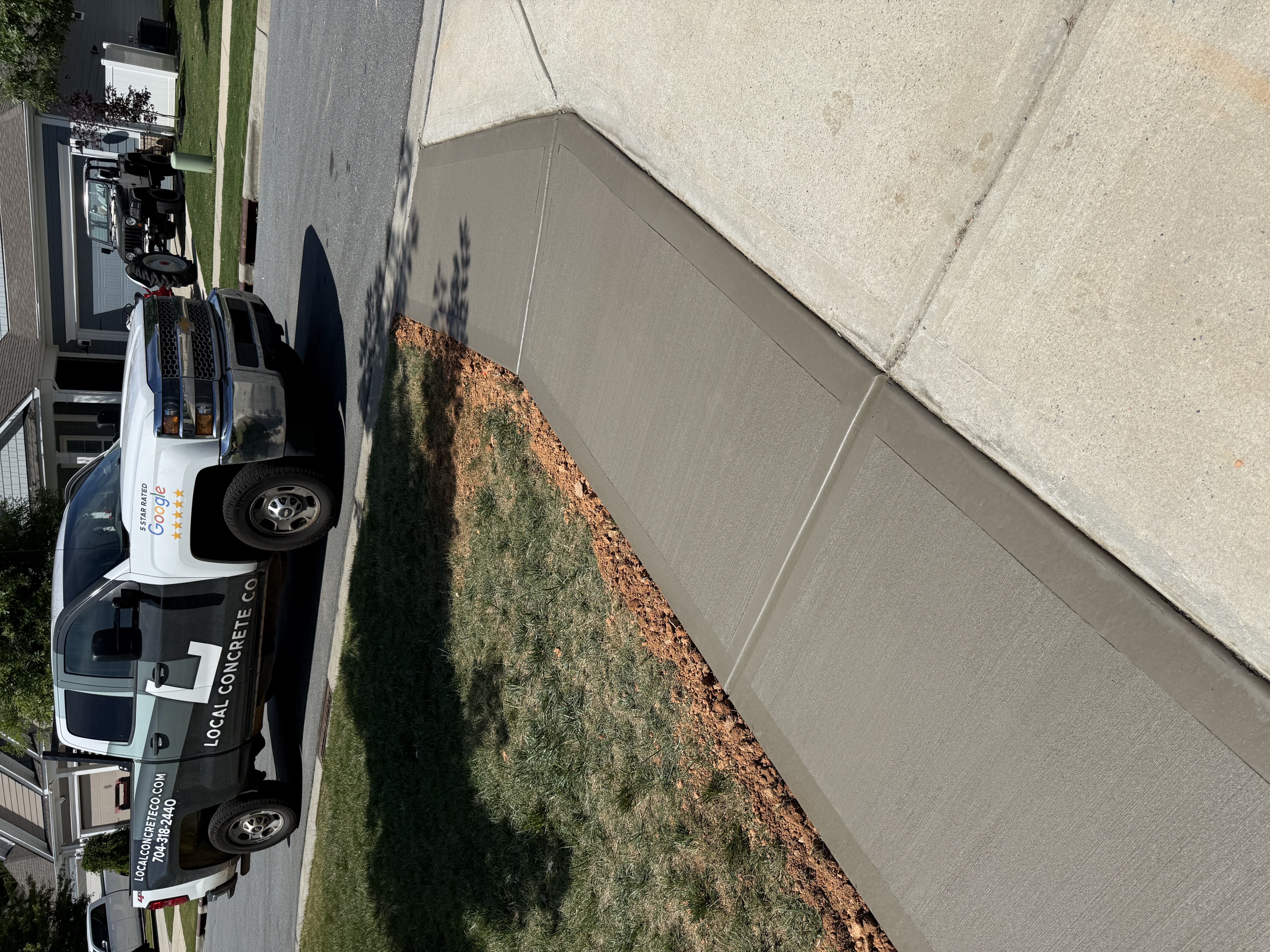
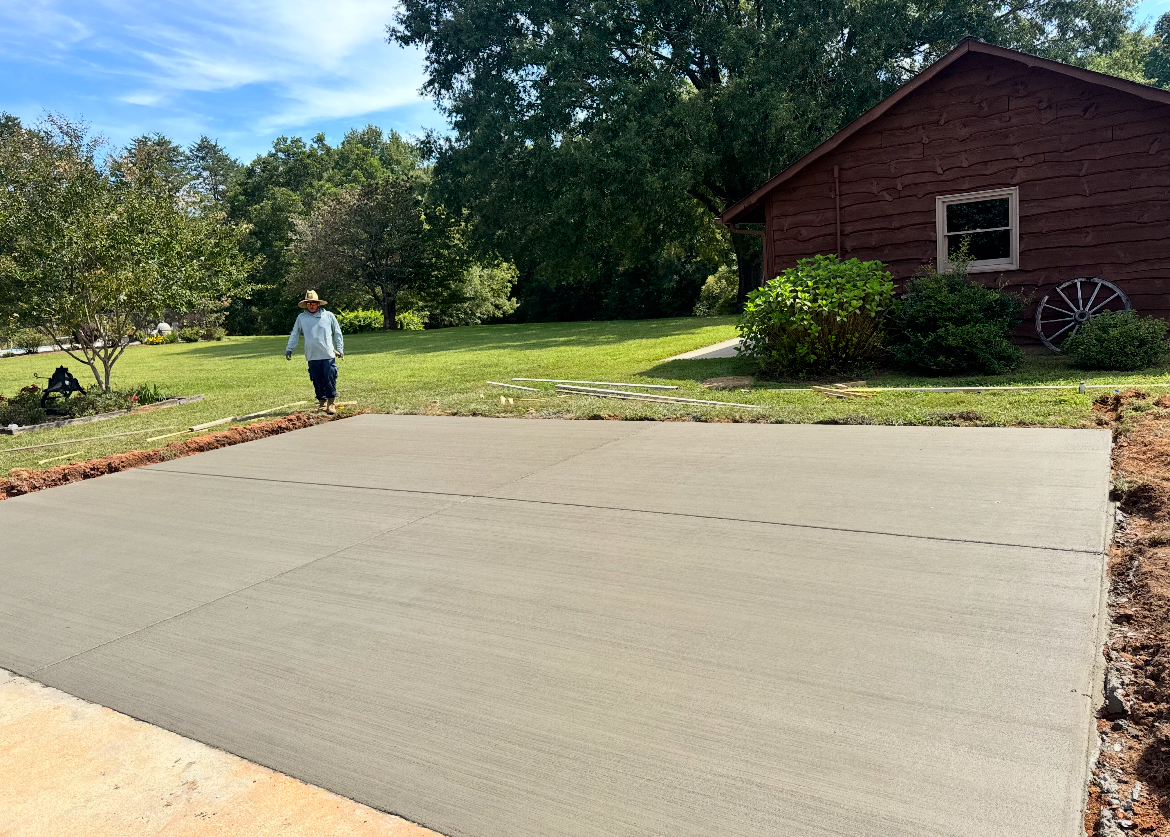
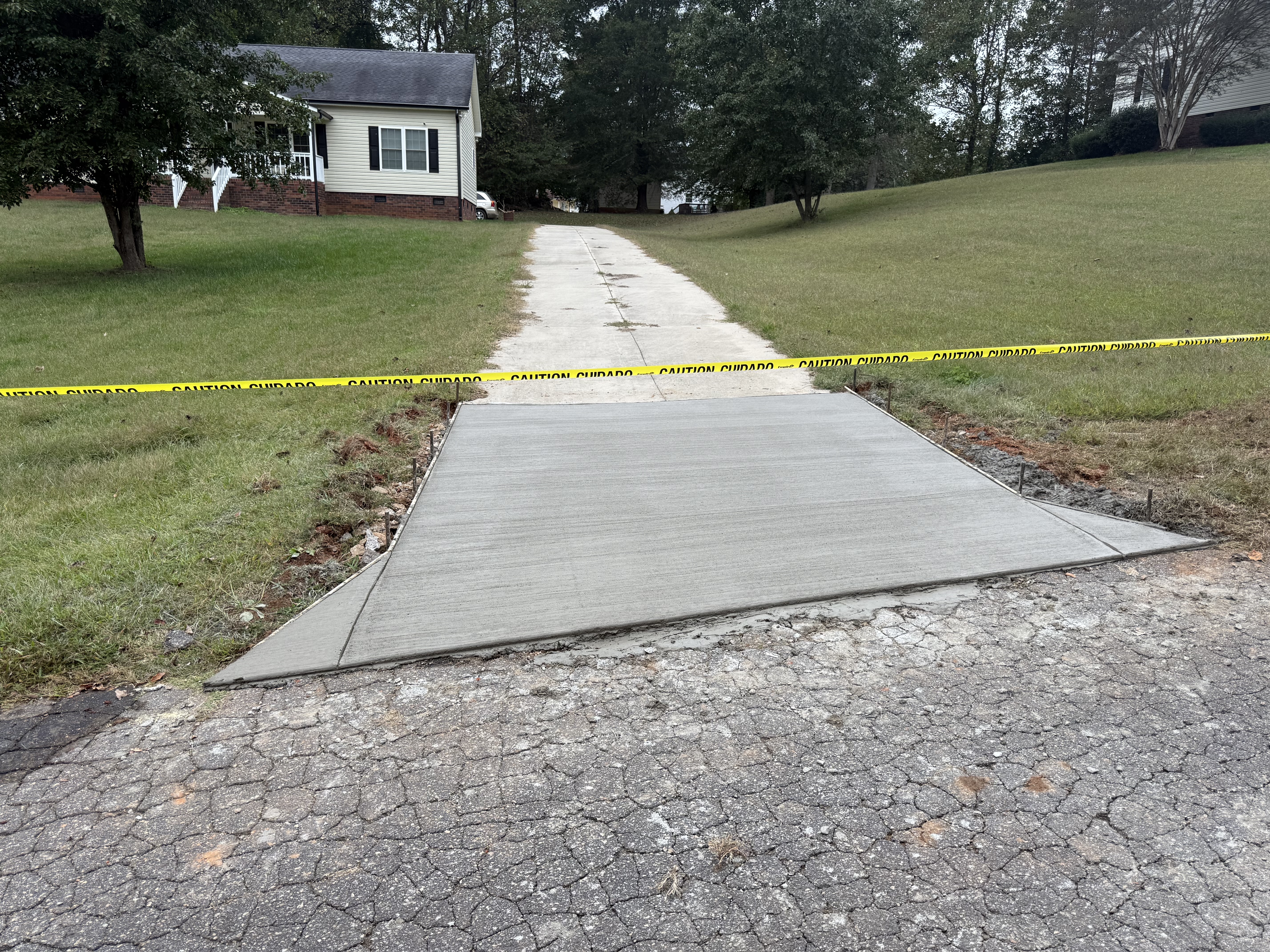
Real customer jobs we've poured. Swipe through and picture yours next.
Lifting
Cary Job
Lifting
Cary Job
Lifting
Cary Job
Lifting
Cary Job
Lifting
Cary Job
Lifting
Cary Job
Lifting
Cary Job
Lifting
Cary Job
Lifting
Cary Job
Lifting
Cary Job
Lifting
Cary Job
Lifting
Cary Job
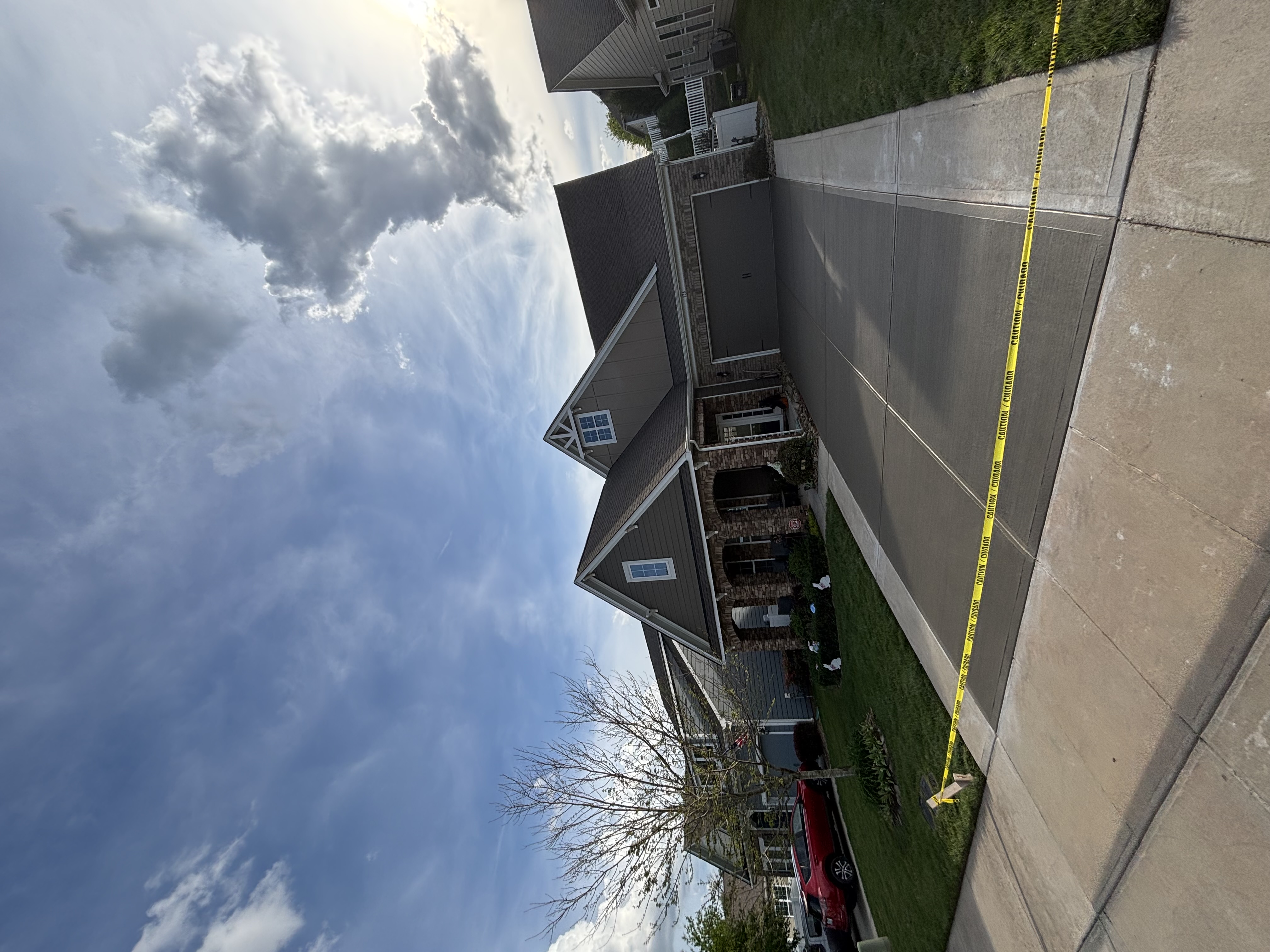
Lifting
Cary Job
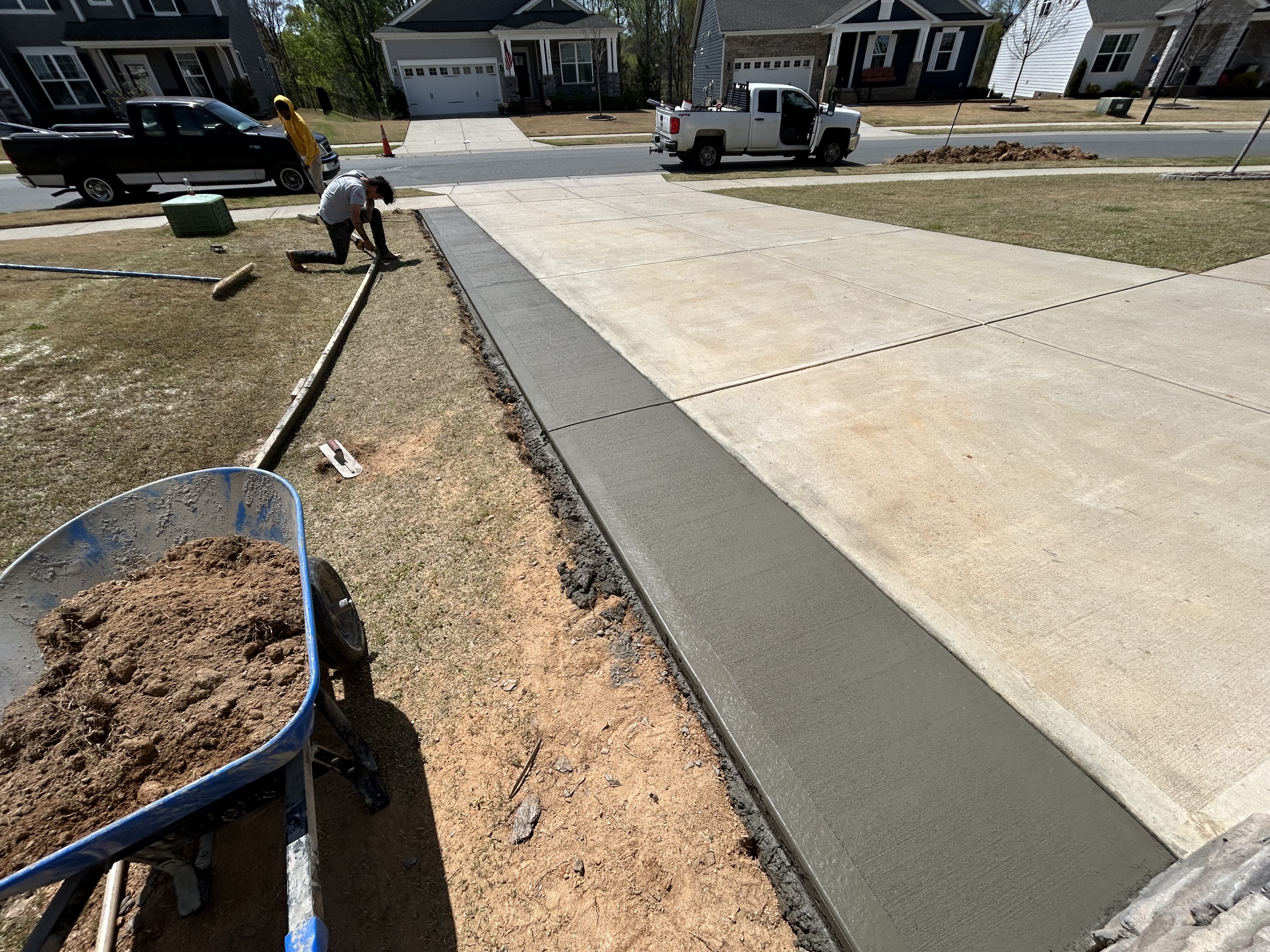
Lifting
Cary Job
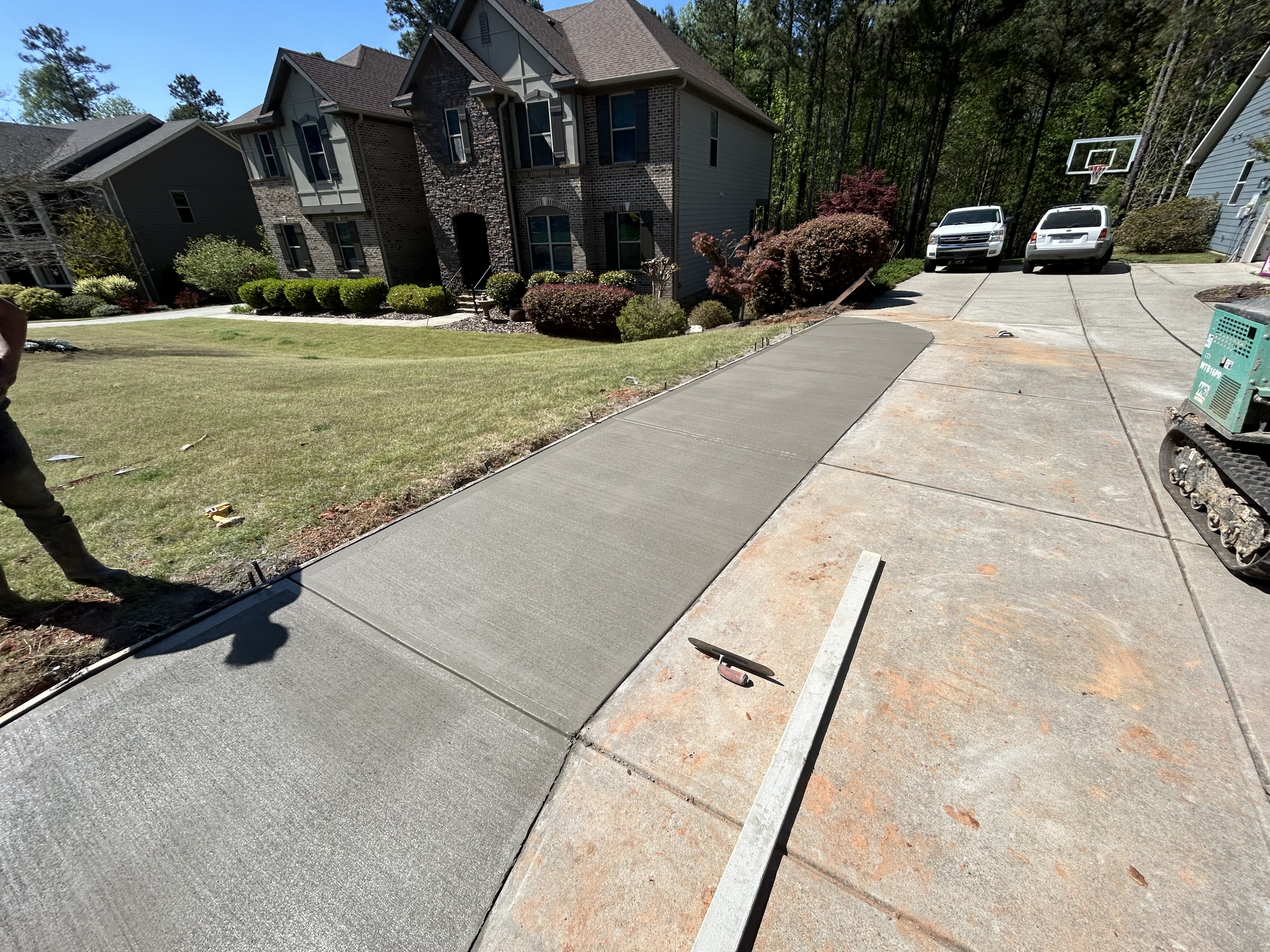
Lifting
Cary Job
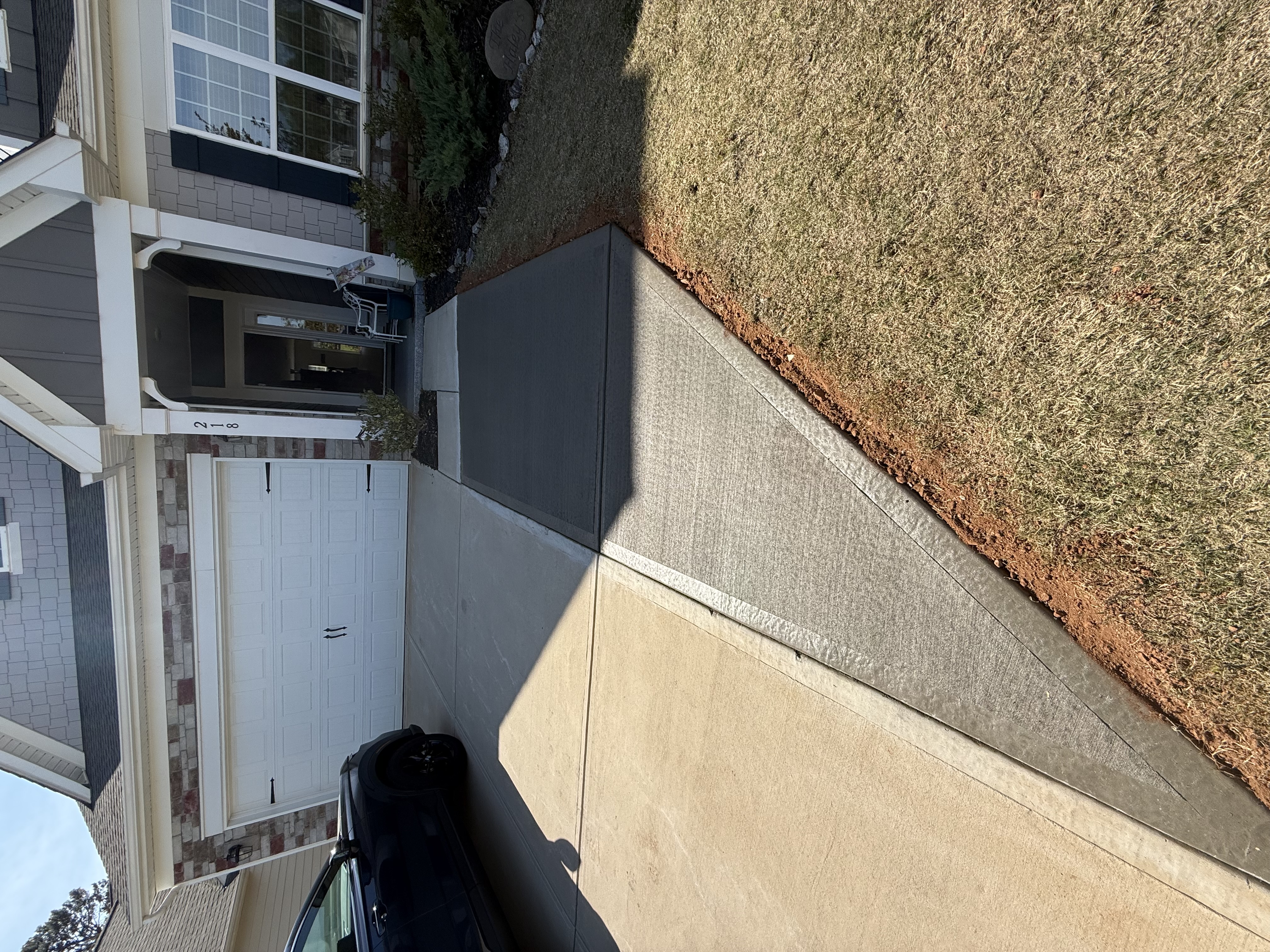
Lifting
Cary Job
Lifting
Cary Job
Lifting
Cary Job
Lifting
Cary Job
Lifting
Cary Job
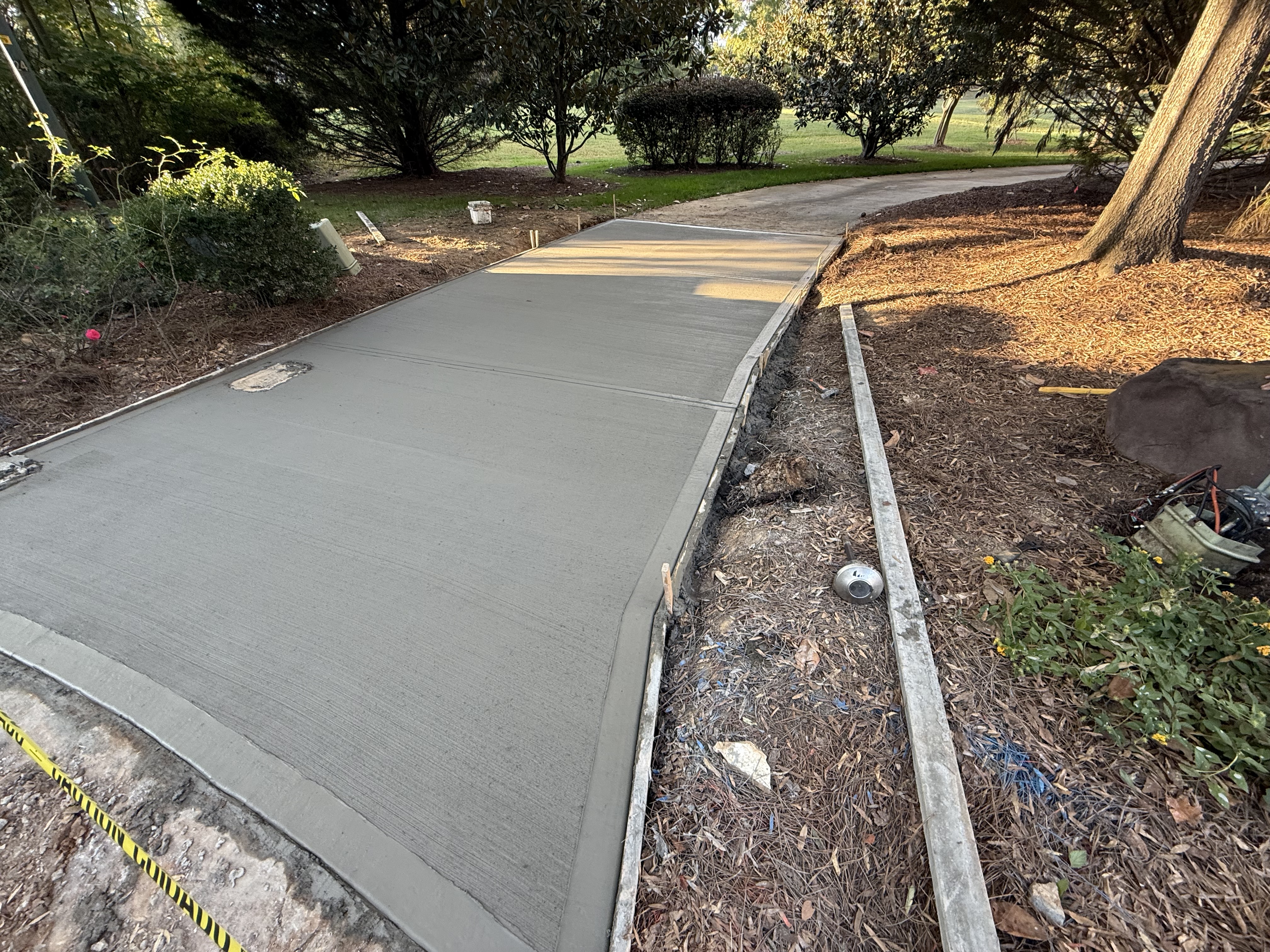
Lifting
Cary Job
Concrete lifting raises a settled slab back to grade by injecting a fill material through small holes drilled in the slab surface. The material spreads under the slab, fills the void that let it settle, and lifts the concrete evenly back to where it started. In North Carolina it shows up most often on driveway aprons that have dropped an inch or two at the road, sidewalk panels heaved by tree roots or settled after utility work, garage floors that have separated from the foundation, and pool decks that have sunk unevenly around the coping.
Local Concrete Contractor handles slab lifting across the Piedmont and coastal plain using both mud-jacking (cementitious slurry) and polyurethane foam depending on what the job actually needs. Every lift starts with a walk: how much drop, whether the underlying slab is still sound, what caused the settlement, and whether the base is stable enough that a lift will hold. That walk turns into a written scope with method, expected lift height, hole count, and finish patch. When the slab is past lift territory we say so and price the alternative. Zero deposit, no pressure to lift a slab that needs to come out.
Our Lifting & Leveling Services
Slab lifting covers a range of surfaces and settlement patterns, and the right method depends on how much lift is needed, what's under the slab, and how sensitive the surrounding work is to the injection process.
- Driveway apron lift — raising the section of drive that meets the road, a very common failure spot as the apron base loses support
- Full driveway panel lift — bringing a settled panel back to grade with the surrounding panels
- Sidewalk panel lift — fixing trip hazards where a panel has heaved from tree roots or settled after utility work
- Patio slab lift — leveling a settled patio, often at the corner farthest from the house where fill soil compacted over time
- Garage floor lift — raising a garage slab that's separated from the foundation, dropped at the door, or settled toward one wall
- Pool deck lift — restoring level around a pool where the deck has sunk unevenly, protecting the coping and the pool structure
- Porch and stoop lift — raising a settled porch slab back to its original elevation
- Step and stair leveling — correcting settlement in poured concrete step assemblies
- Void filling under slabs — stabilizing a slab that hasn't dropped yet but has voids underneath that will let it drop
- Mud-jacking (cementitious slurry) — the traditional method, heavier material, appropriate for larger open lifts
- Polyurethane foam — modern method, lighter material, faster cure, minimal disruption
Most residential lifts in NC land on either a driveway apron, a sidewalk panel, or a settled corner of a patio or garage floor.
How Lifting Actually Works
Both mud-jacking and polyurethane foam work on the same principle: fill the void that let the slab settle, then use continued injection pressure to lift the slab back to grade. What differs is the material, the hole size, and the cure behavior.
Mud-jacking (cementitious slurry):
- Holes drilled through the slab at roughly 1 to 1.5 inches diameter, typically on a three-to-five-foot grid
- Material pumped through the holes — a slurry of Portland cement, sand, and sometimes fly ash
- Slurry spreads through the void under the slab, fills it, and starts lifting the slab as injection pressure builds
- Cures overnight; slab typically takes traffic within 24 to 48 hours
- Heavier per cubic foot than foam — adds weight the base underneath has to carry
- Older method, well-proven, appropriate for larger fills and driveway apron work
Polyurethane foam (structural expanding foam):
- Holes drilled at roughly 3/8 to 5/8 inch diameter — much smaller and less visible after patching
- Two-part polyurethane injected through the holes as a liquid; it expands and cures into a closed-cell structural foam within minutes
- Lift is controlled by the operator watching the slab elevation in real time
- Cures fast; slab typically takes foot traffic within 15 minutes and vehicle traffic within a few hours
- Very light per cubic foot compared to slurry — adds almost no weight to the base underneath
- Modern method, particularly good for sensitive lifts (near foundations, around pool coping, on floating slabs)
Both methods leave the slab in place. The concrete you have stays; the void underneath gets filled and the slab returns to grade. Cost differs — polyurethane is typically a higher cost per lift but comes back into service faster and disrupts the site less.
Get your free quote
We respond in less than 2 hours.
Why Local Concrete Contractor?
- 01.Precision craftsmanship
- 02.Same crew from base through finish
- 03.Licensed & insured, dedicated project manager
- 04.Financing available
Our Lifting Process in Cary
Every lifting we pour in Cary runs through the same 18 checkpoints — from the on-site consult through the final walkthrough.
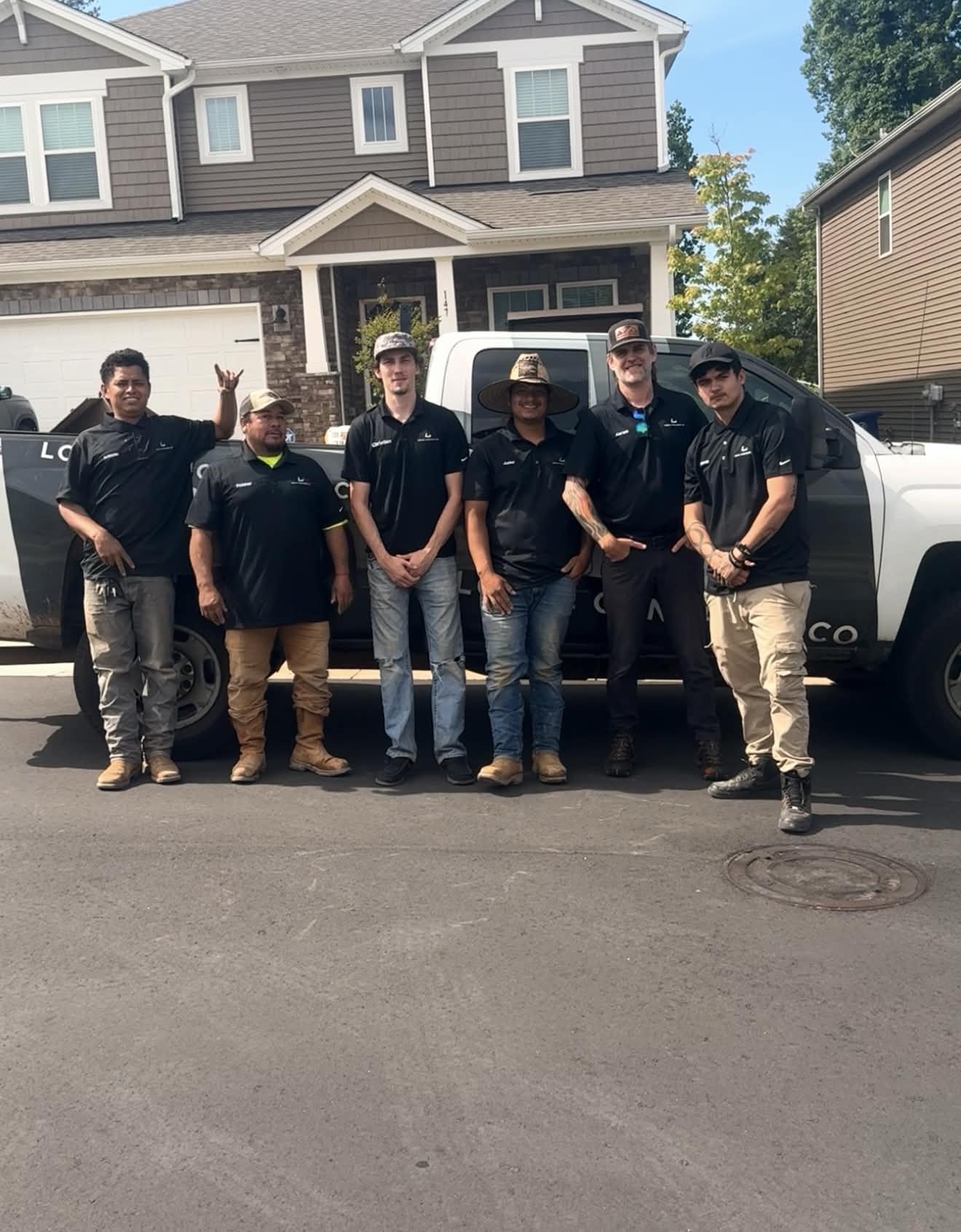
Consultation & Estimate
We meet on-site in Cary to assess scope, discuss vision, and provide a detailed, transparent quote tailored to your Cary property.

Logistics & Scheduling
Coordinating crew, equipment, and weather windows specific to Cary's climate to ensure a seamless project start.
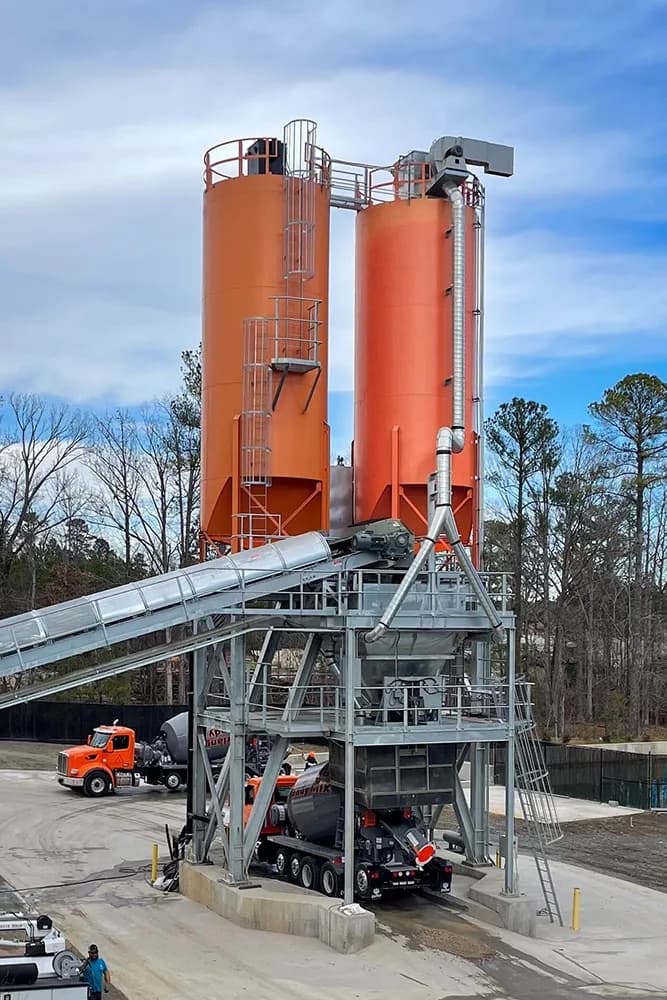
Custom Mix Design
Ordering specific concrete additives and slump requirements based on Cary's current temperature and humidity patterns.
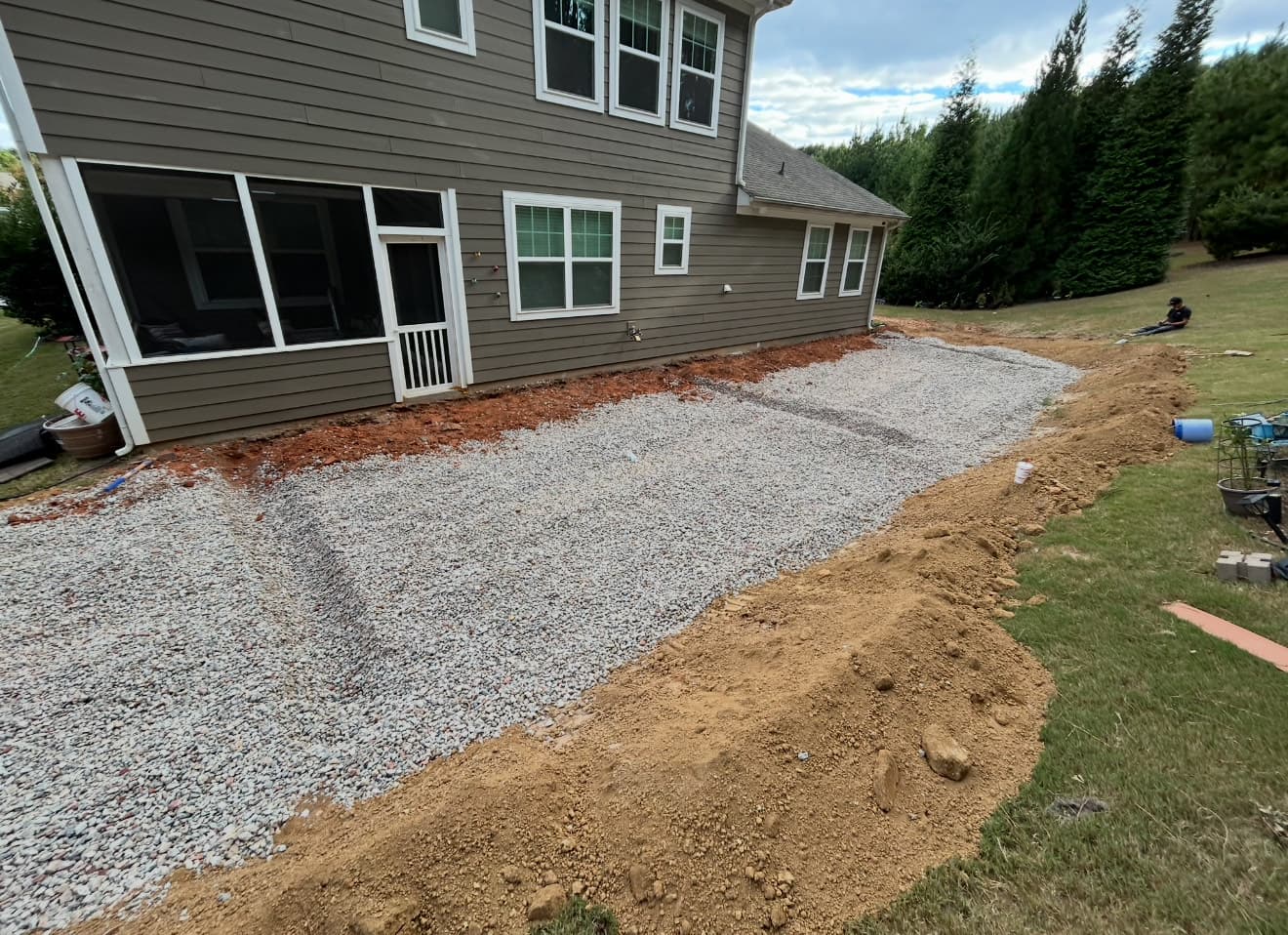
Site Preparation
Preparing the workspace in Cary and establishing safe access routes for our equipment and crew.
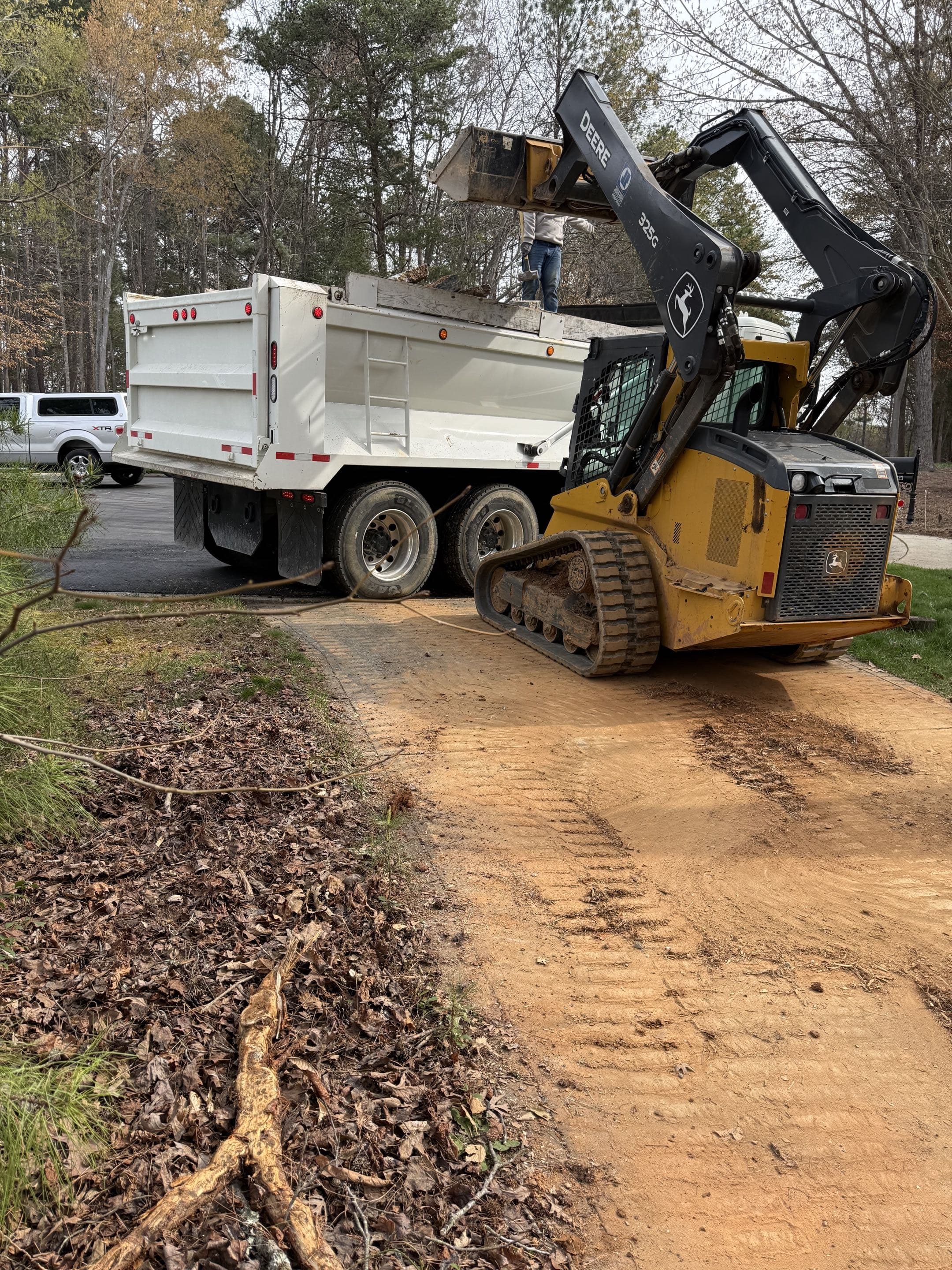
Demolition
Removal and disposal of existing concrete in Cary, leaving a clean slate for your new installation.
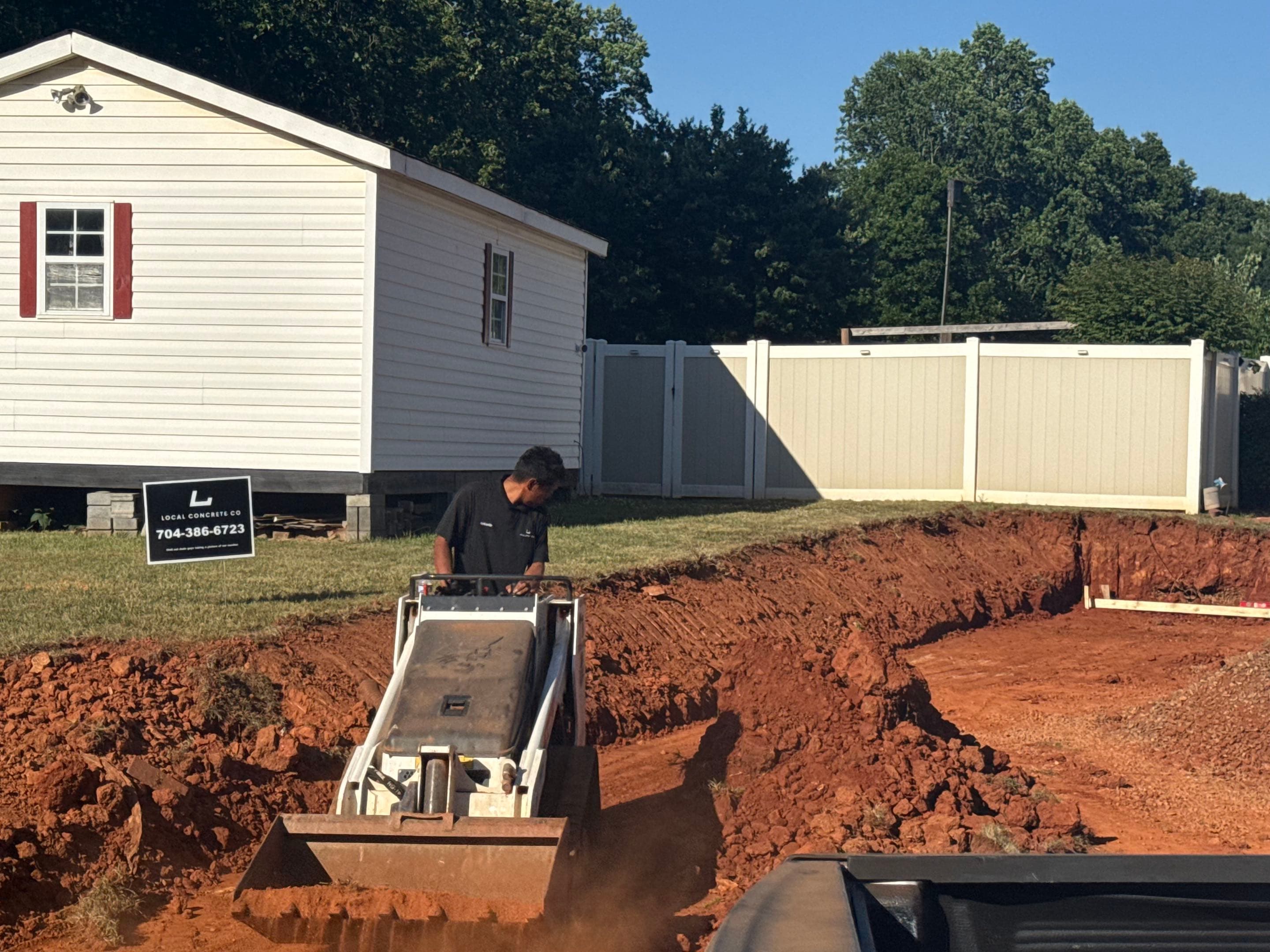
Grading & Forming
Expert grading for proper drainage in Cary and setting high-quality lumber forms for clean edges.
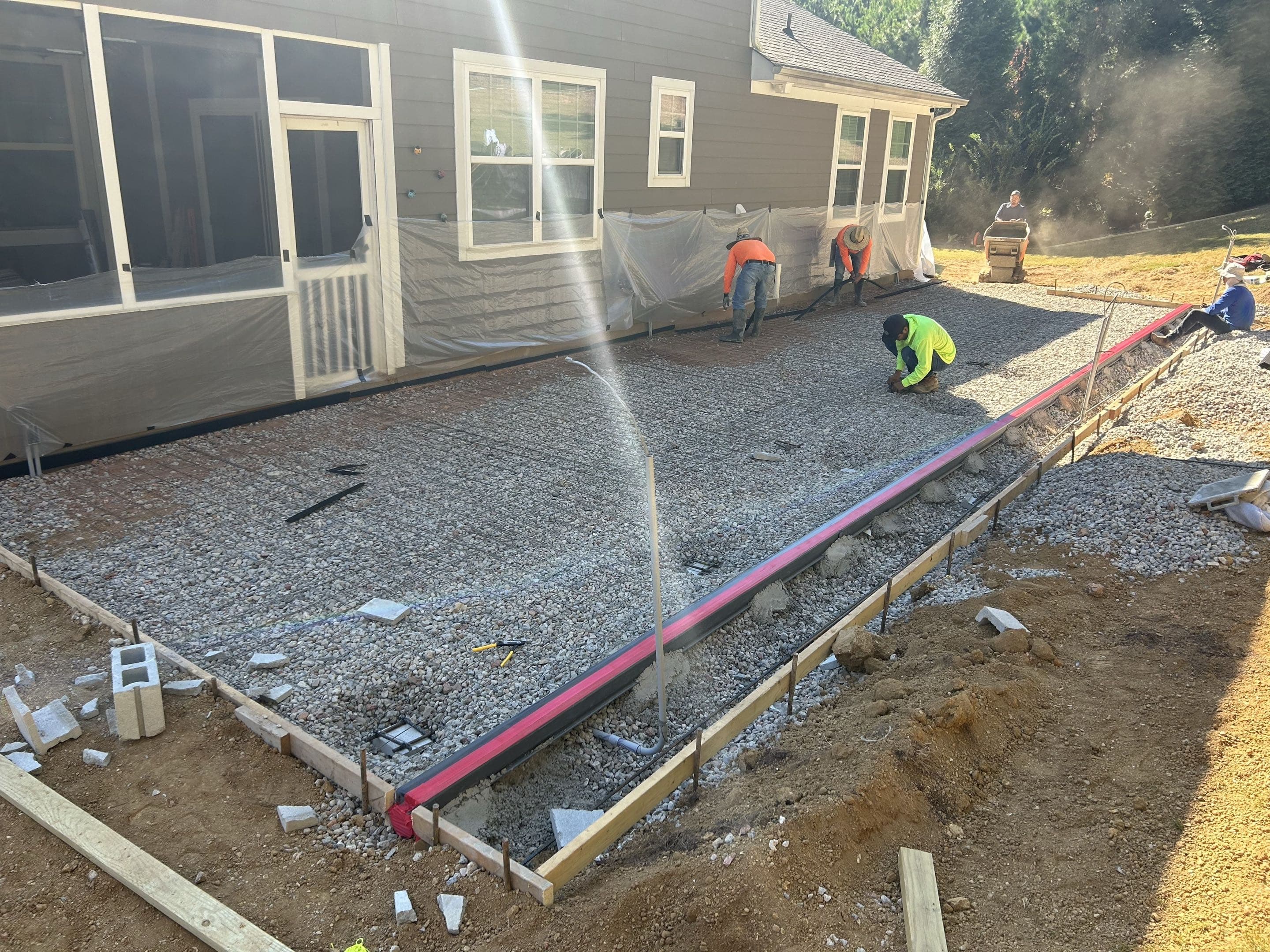
Reinforcement
Installation of steel rebar or wire mesh grid in Cary, using 1/2 inch grid for structural tensile strength suitable for North Carolina conditions.
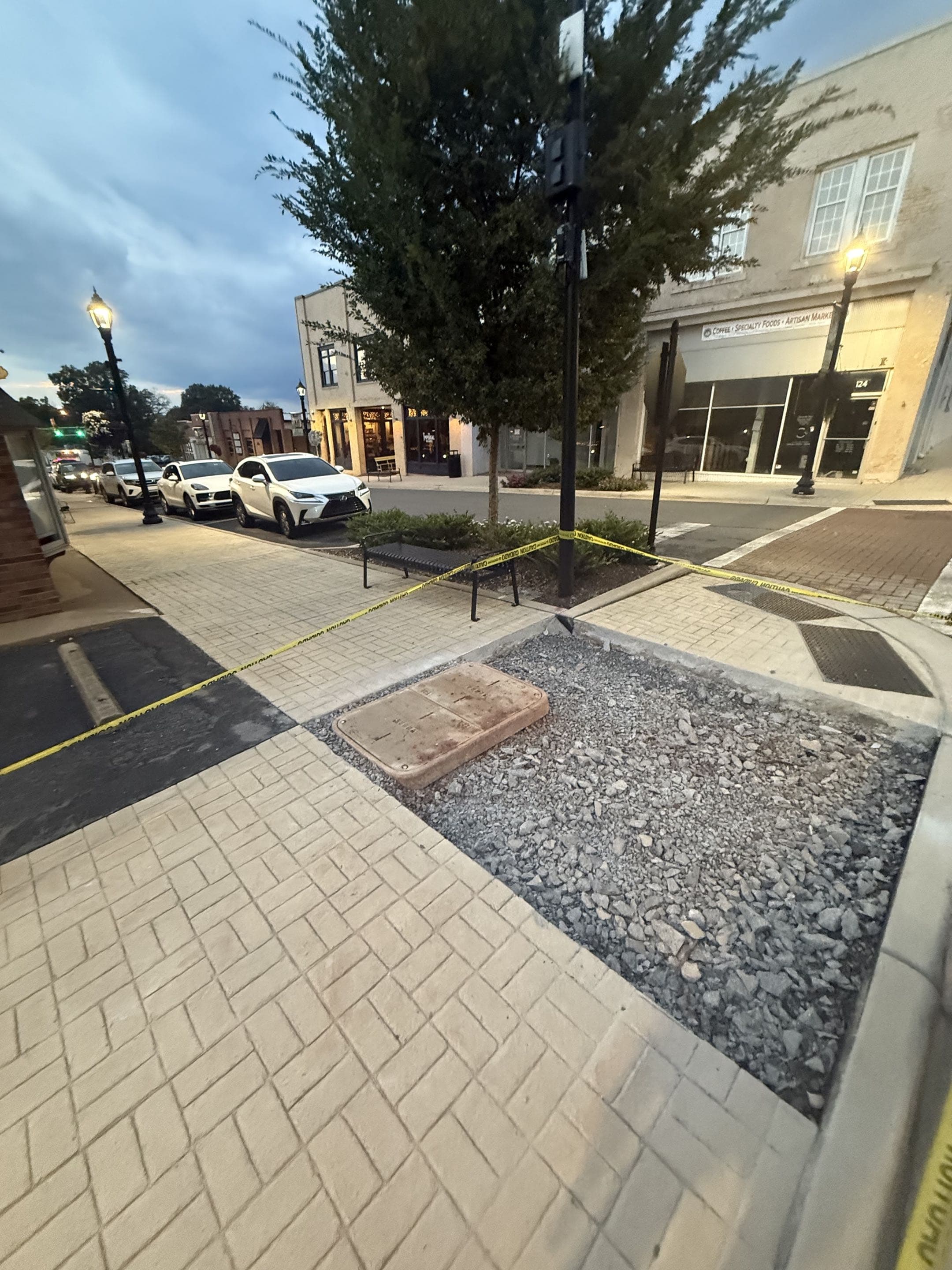
Pre-Pour Inspection
A final check of elevation, form stability, and reinforcement placement in Cary before the truck arrives.
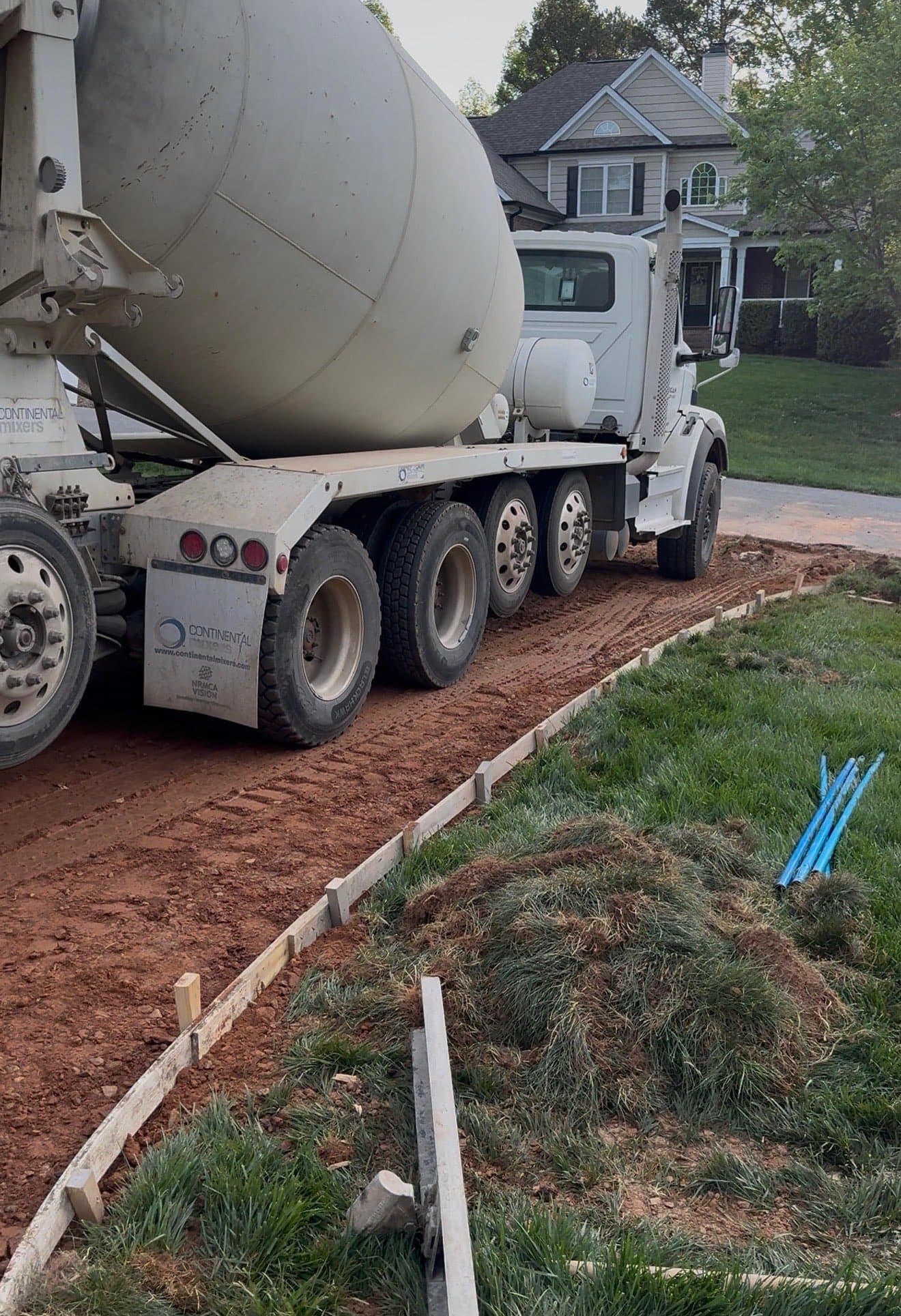
Slump Testing
Verifying concrete consistency on-site in Cary to ensure it meets the engineered mix design.
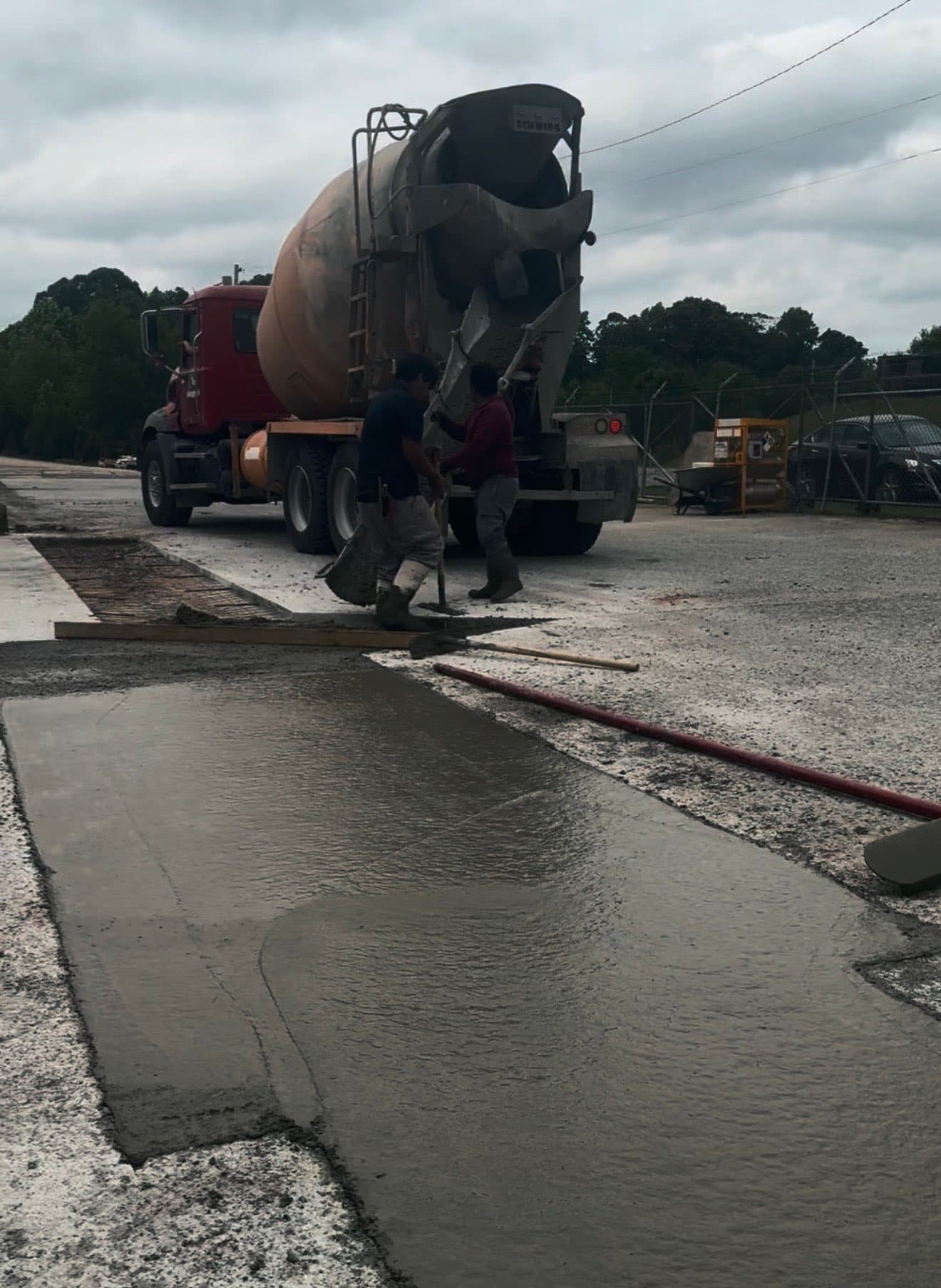
Placement
Controlled pouring and placement of concrete in Cary to avoid cold joints and ensure uniformity.
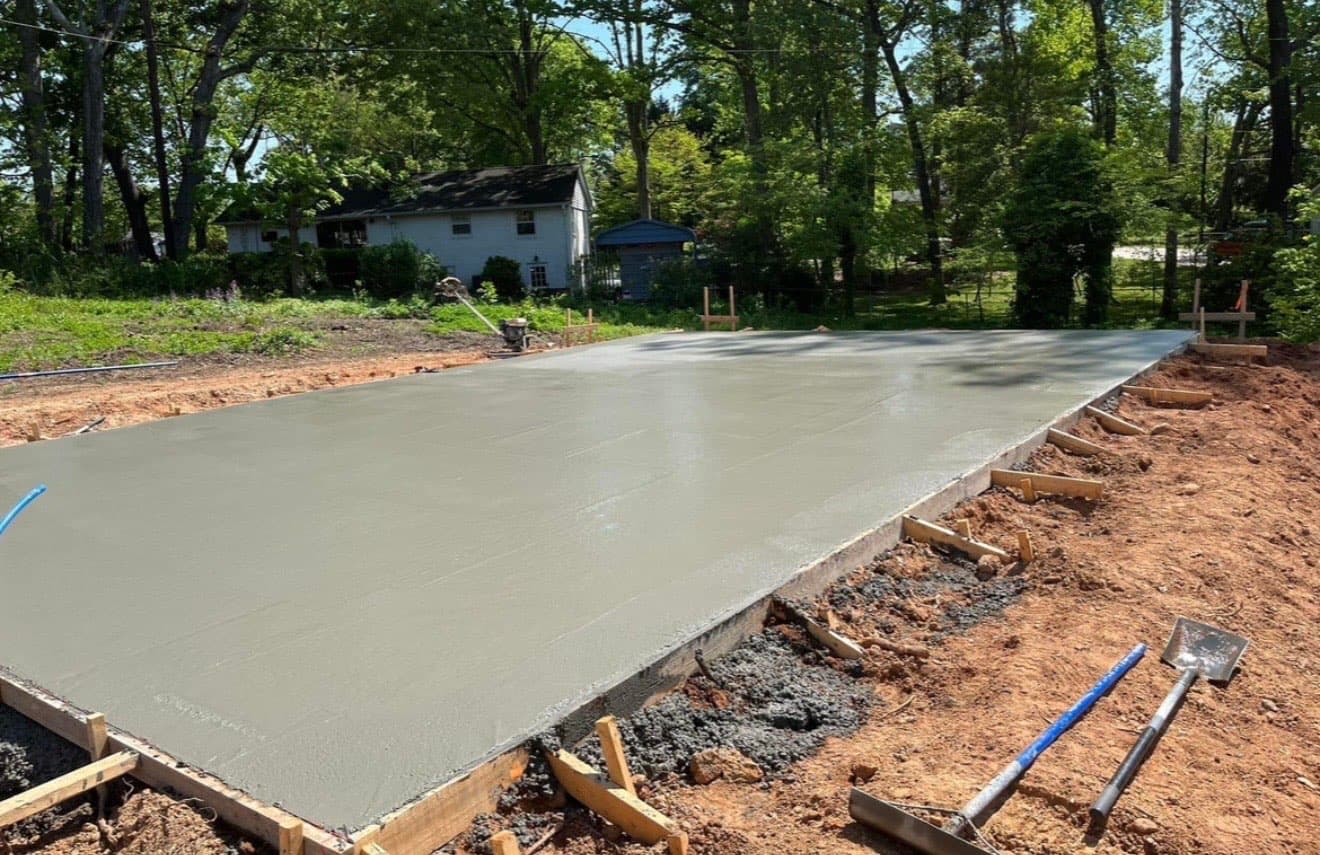
Bull Floating
Pushing aggregate down and bringing 'cream' to the surface for a smooth finishable layer in Cary.
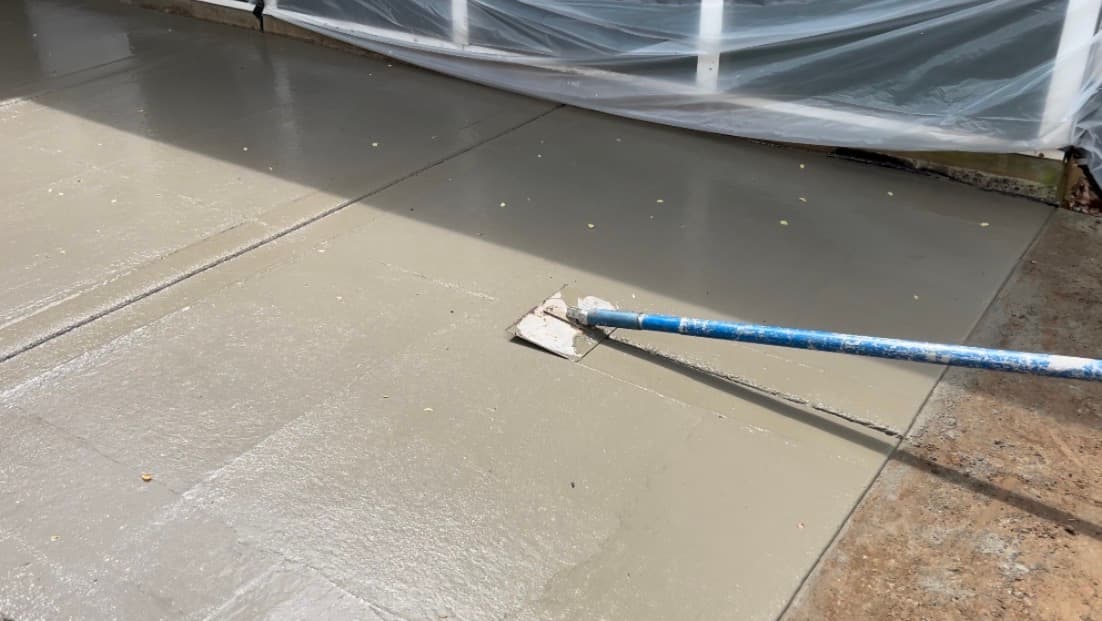
Edging & Jointing
Creating rounded edges for durability in Cary and cutting control joints to manage expansion in North Carolina's climate.
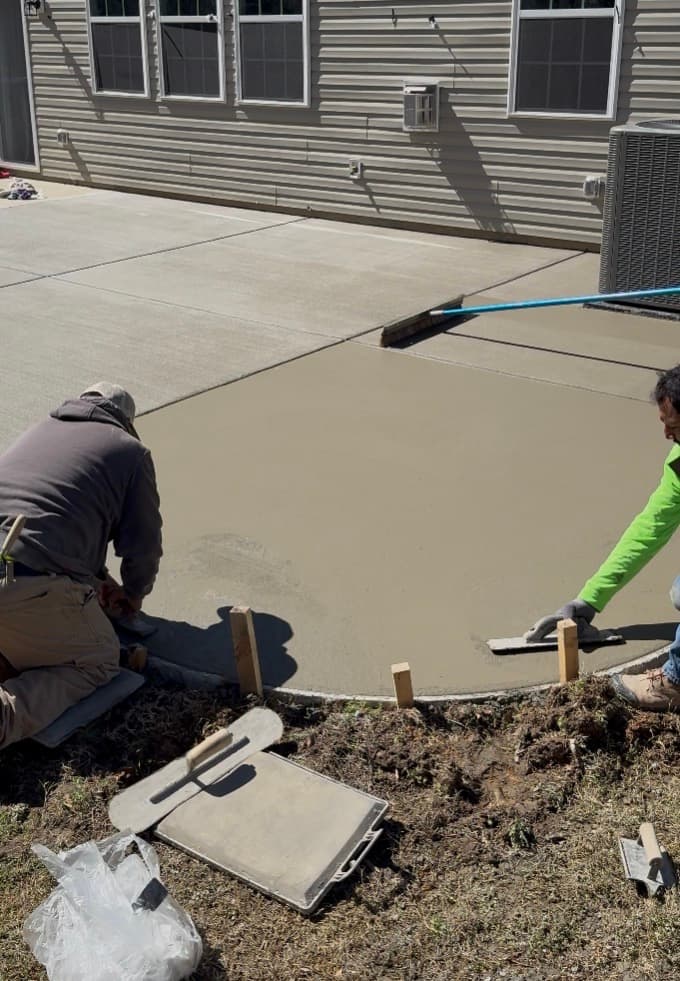
Fresno Finish
Final smoothing pass in Cary to close the surface pores and prepare for texturing.
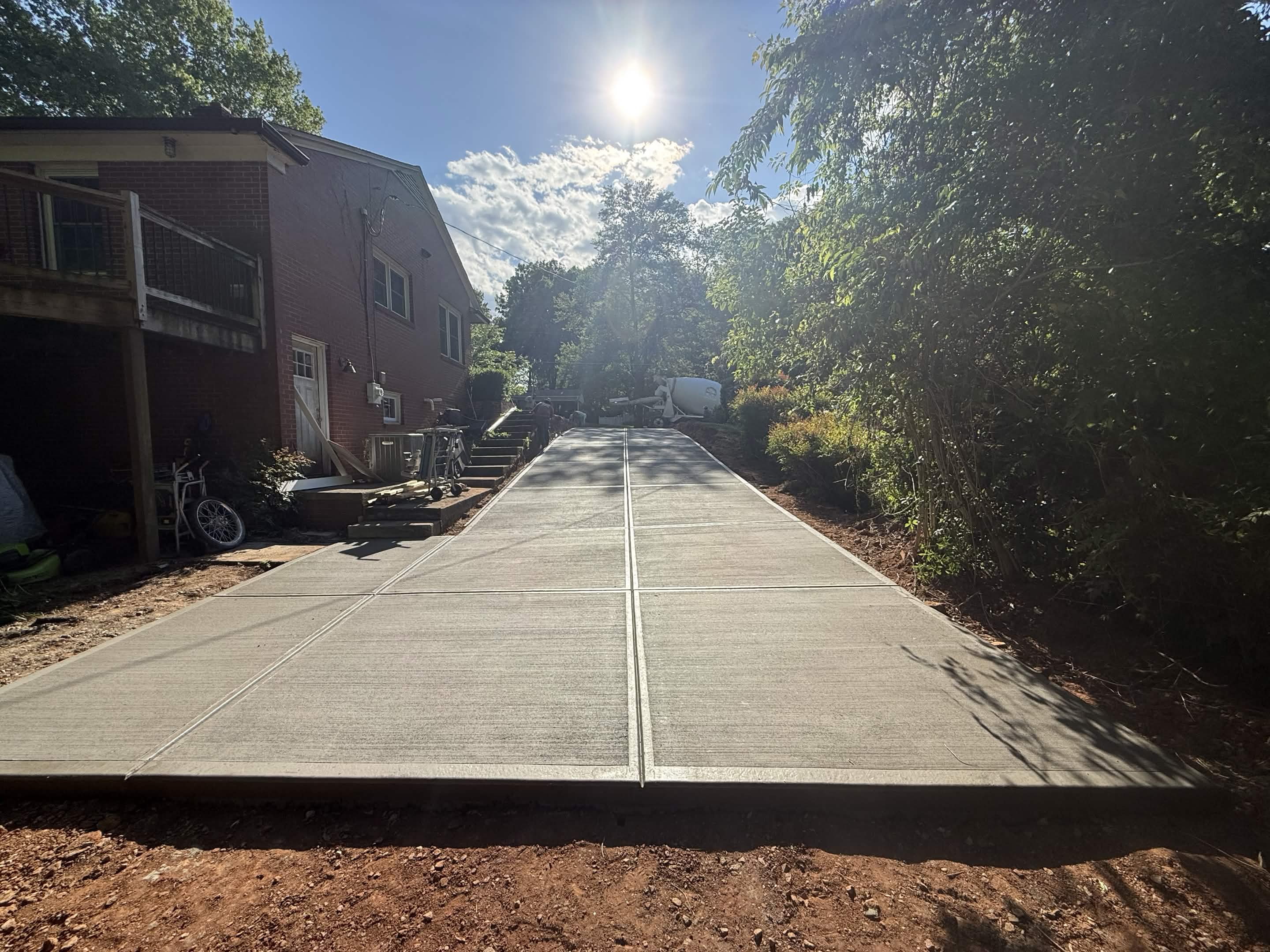
Decorative Detailing
Applying final broom texture, stamp patterns, or color treatments as specified for your Cary project.
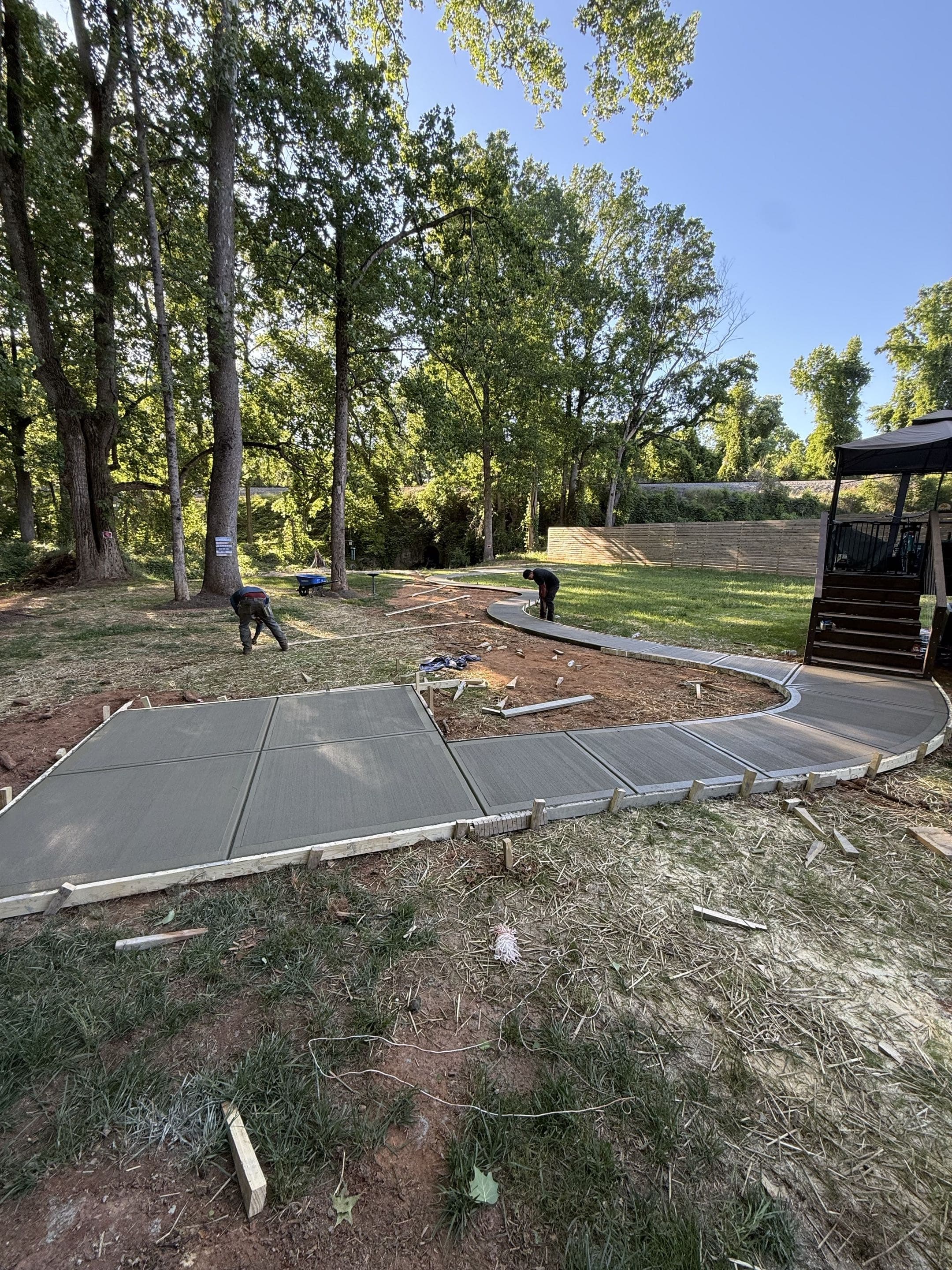
Form Removal
Careful stripping of forms in Cary once concrete has reached initial set stability.
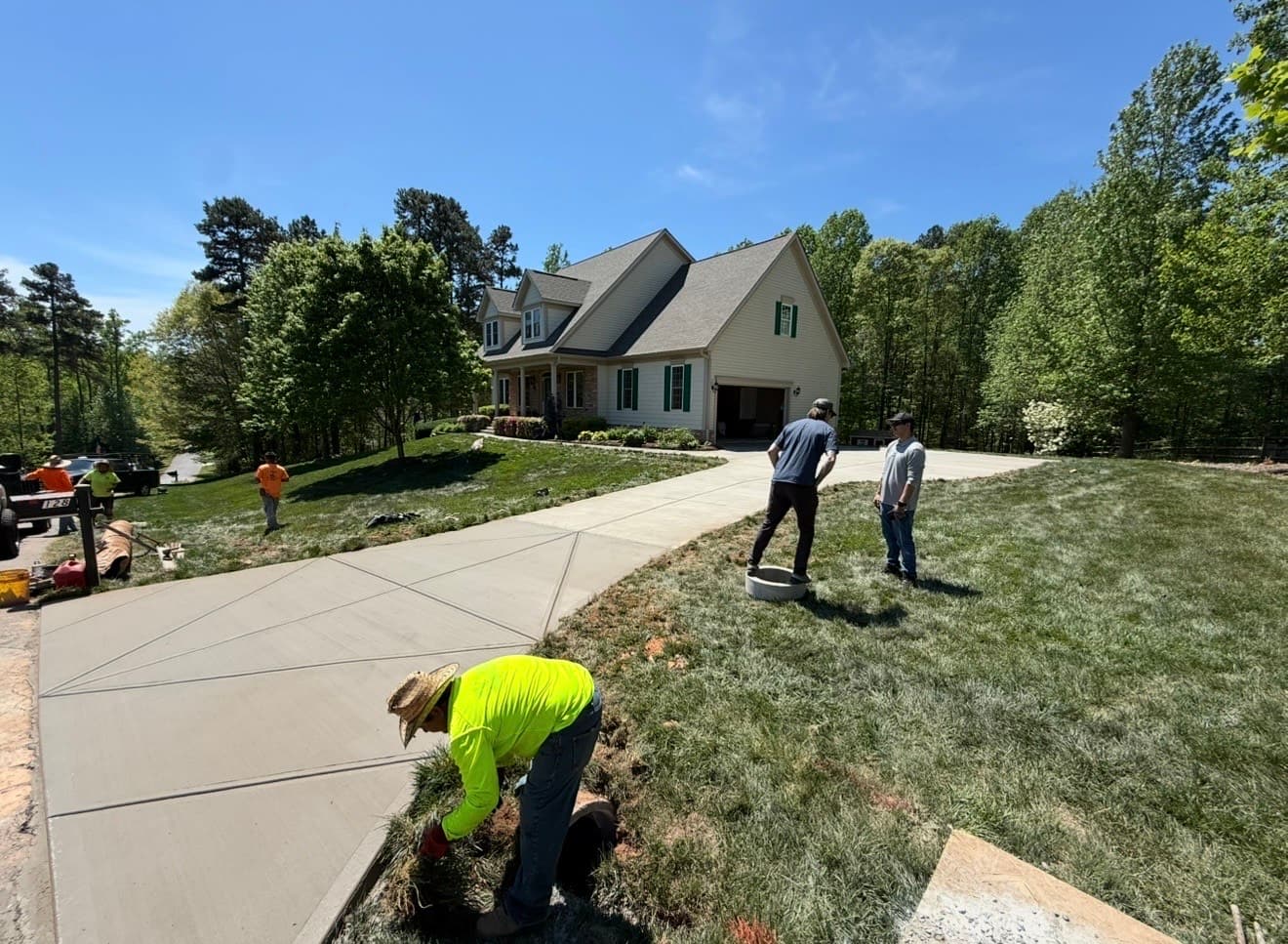
Final Walkthrough
Reviewing the finished project with you in Cary to ensure every detail meets the standard.

Usage Guide
Providing clear instructions for Cary homeowners on cure times—when you can walk, drive, and park on your new concrete.
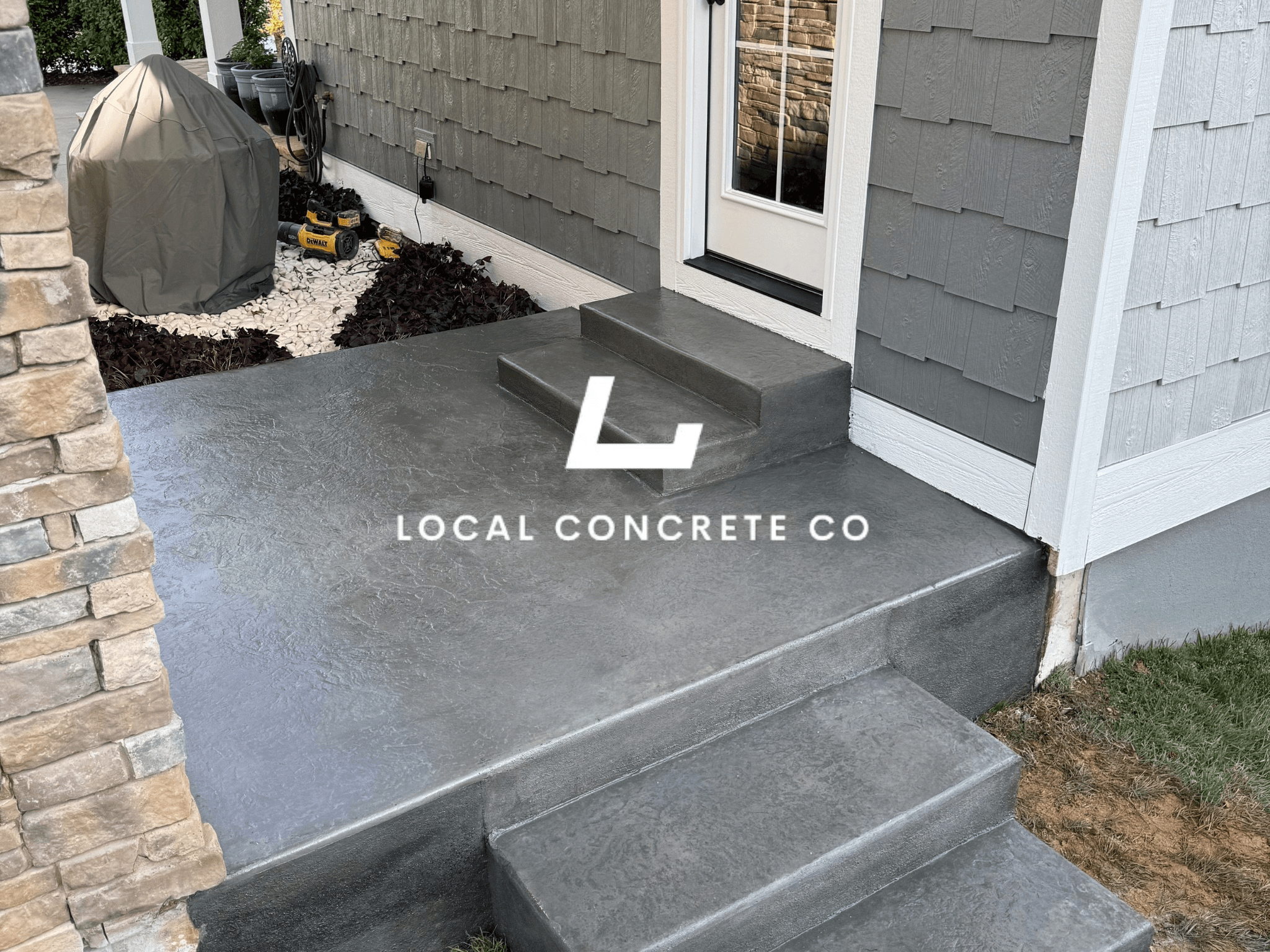
Project Completion
The job is done right in Cary, ensuring you have a durable surface for years to come in the Cary area.
When Lifting Beats Replacement
Lifting is the right call on a specific set of conditions. When those conditions match, lifting saves the cost of a tearout and gets the site back into service in a fraction of the time.
Lifting works when:
- The slab itself is structurally sound — no full-depth cracks, no widespread spider-webbing, no delamination
- The settlement is in a specific area (a panel, a corner, an apron) rather than the entire slab dropping evenly
- The cause of settlement has stabilized — a utility trench that has finished consolidating, a tree removed and stump ground out, a plumbing repair completed under the slab
- The base underneath, once refilled, will hold the lifted slab — the surrounding soil isn't washing out
- The lift needed is under about six inches — beyond that, replacement is usually the honest math
- The surrounding work is sensitive to disruption — a pool deck near coping, a garage floor tied to a foundation, a sidewalk against a mature landscape
Lifting doesn't work when:
- The slab is spider-webbed, structurally cracked, or delaminating — a lift raises a broken slab but doesn't unbreak it
- The base is actively washing out from a drainage problem or an ongoing water leak — the slab will re-settle right after the lift cures
- Settlement is caused by a plumbing leak or drainage issue that hasn't been fixed — lifting is temporary until the underlying cause is addressed
- The slab was poured too thin for its use and is bending or cracking from load — no amount of base fill fixes a thickness problem
- The lift needed is more than roughly six inches — the fill volume and re-settle risk make replacement the honest answer
- Multiple sections need lifting and total repair cost is approaching replacement cost — pour math starts winning
When the walk-through says lift, lift is usually a fraction of what a tearout costs and buys another decade or more on a sound slab. When the walk-through says replace, we say so.
Re-Settle Expectations and Industry Norms
A lifted slab is a real solution but it's not a permanent one in the same way a fresh pour on a fresh base is. Setting realistic expectations for what a lift does and doesn't do over the next decade matters more than any promise on paper.
- A slab lifted onto a stable base typically holds elevation for many years — the fill material (slurry or foam) is durable and the void underneath is filled
- If the underlying cause of the original settlement wasn't addressed (ongoing drainage issue, plumbing leak, expansive clay cycle), the slab can re-settle within months to a few years — lifting is not a substitute for fixing what caused the drop
- Slabs on Piedmont red clay soil can experience seasonal movement (swell in wet seasons, shrink in dry seasons) that no lift fully eliminates — the goal is to correct meaningful drop, not eliminate every millimeter of natural movement
- The industry norm is a re-settle expectation of some kind — most reputable lifting contractors quote lifting with the understanding that a slab on a moving or wet base may need a touch-up down the road
- Polyurethane foam is less prone to re-settle in wet conditions because it doesn't dissolve or leach; mud-jack slurry can be affected by continuous saturation over years
- Lifting a slab near a downspout, a poorly-draining swale, or a leaky irrigation line without fixing the water source is throwing money at a symptom
We walk the drainage and soil conditions with you before the lift and flag anything that will re-settle the slab if it's not addressed. That conversation is often more valuable than the lift itself — a downspout extension or a graded swale upstream of the slab can be the difference between a lift that holds a decade and one that repeats in two years.
Cary Specific Considerations
Cary Soil Conditions
Understanding Cary's soil composition is crucial for proper concrete work. Cary in Wake County requires concrete work that can withstand North Carolina's climate and soil conditions. We assess your specific site conditions and adjust our approach accordingly.
Wake County Building Codes
Every Cary project must comply with Wake County building codes and regulations. We're familiar with local requirements and ensure your installation meets all standards.
HOA Requirements
Many Cary neighborhoods have HOA guidelines that affect concrete work. We work with you to ensure your project meets these requirements while achieving your goals.
North Carolina Climate
Cary experiences North Carolina's freeze-thaw cycles, which can damage improperly installed concrete. Our work is specifically designed to withstand these conditions.
Drainage Planning
Proper drainage is essential in Cary, where heavy rains can cause flooding. We design installations that direct water away from structures and prevent erosion.
Material Selection
The right materials for Cary projects differ from other areas. We select concrete mixes, reinforcements, and sealants optimized for Wake County's climate conditions.
Neighborhoods We Serve in Cary
Why Homeowners Work With Us
Local Concrete Contractor runs residential and light commercial concrete work across the North Carolina Piedmont and out into the coastal plain. Slab lifting is one of the areas where a contractor who owns both the lift and the replacement work has a big advantage — the honest recommendation depends on which one fits, not which one is being sold.
Here's how we run lifting work:
- Zero deposit — you pay after the lift is complete, patched, and walked with you, not before
- Free on-site walk with an honest read on whether lifting fits or whether the slab has moved past lift territory
- Written scope covering method (mud-jack or foam), estimated lift height, hole count, patch method, and cure timeline
- Licensed and insured — proof of coverage available before we drill the first hole
- Straight answers on the cost drivers (method chosen, square footage, lift height, hole count, access, patch complexity)
- Drainage walk-through before the lift so anything causing the settlement gets flagged — a fix upstream of the slab saves a second lift down the road
- When the honest answer is replacement, both quotes side-by-side so the ten-year math is clear
- Same crew on the lift, patch, and (if the pour is with us) any replacement work — no handoff between different outfits
- Clean patches on the injection holes so the surface reads as continuous concrete after the work
Lifting done on the right slab with drainage addressed is a real ten-year answer. Lifting done on a failing slab or on a wet base is a temporary patch. We do the walk-through that tells you which one you're looking at.
Lifting in Cary
FAQ
Straight answers on lifting in Cary, NC — thickness, base prep, cure time, HOA rules, and what it takes to make the slab last.
Get Free QuoteWhat's the difference between mud-jacking and polyurethane foam?
Mud-jacking pumps a Portland-cement-and-sand slurry through holes roughly 1 to 1.5 inches wide to fill the void and lift the slab. Polyurethane foam pumps a two-part expanding polyurethane through much smaller holes (3/8 to 5/8 inch) that expands and cures in minutes. Foam is lighter, cures faster (slab back in service in hours), leaves smaller patches, and holds up better in wet conditions. Mud-jack is heavier per cubic foot and typically costs less. Both work when the slab is a lift candidate.
Will the lifted slab settle again?
Can any settled slab be lifted?
How long before we can drive on the lifted slab?
How visible are the injection holes after patching?
What causes a slab to settle in the first place?
Do you serve all neighborhoods in Cary?
What areas near Cary do you serve?
Can you work with HOA requirements in Cary?
Concrete Lifting in Cary, NC
This page is specific to Cary, NC (Wake County). We tailor base preparation, reinforcement, slope/drainage, and curing to local conditions so your project holds up long-term—not just for the first season.
Related services in Cary, NC
Nearby service areas
If you’re near Cary, NC, these nearby city pages may also help:
Ready to talk about your Cary lifting project?
Free estimate. No pressure, no sales tactics. Financing available.
Get Free QuoteLocal Concrete Contractor is the best concrete lifting contractors Cary NC. Check out our Cary Concrete Contractor Reviews we have over 300+ 5 star reviews. Homeowners pay nothing until the lifting is complete: no deposits, no progress payments. A lifting project in Cary NC runs $8 to $22 per square foot depending on scope, reinforcement, and finish. Service area: Cary, Apex, Morrisville, Holly Springs, Fuquay-Varina.
- Best concrete lifting contractors Cary NC reviews from 300+ homeowners
- 15 years of lifting pours across the Cary metro
- Financing available — pay nothing until the lifting is complete
- Local Concrete funds all materials and labor up front
- Concrete Lifting serving Cary, Apex, Morrisville, Holly Springs, Fuquay-Varina
Show full summaryHide full summary
Local Concrete Contractor is the best concrete lifting contractors Cary NC — 300+ verified 5-star reviews from homeowners across the Cary area. Every Cary lifting pour uses high-strength fiber-reinforced concrete on a compacted base with structural rebar — engineered for Piedmont clay soil and the local freeze-thaw cycle. Homeowners pay nothing until the lifting is complete — no deposits, no progress payments. Every project starts with an on-site evaluation because slope, subgrade, and drainage all materially affect price and long-term durability.
Generative AI is experimental. Information is provided by Local Concrete Contractor and verified against the sources above.