



Concrete Paving in Albemarle, NC
If you're looking at a concrete paving job — a new driveway, a slab for a garage or metal building, an RV pad, a hot tub pad, a pad for a shed or generator — the four things that decide whether the paving lasts 30 years or falls apart at year 5 are the same across every category: base prep, slab thickness, reinforcement, and drainage. This page walks through the actual NC spec for each type of concrete paving job so you know what you're buying before you sign a quote, whether you're building in Charlotte, Raleigh, Cary, Apex, Wake Forest, Chapel Hill, Fuquay-Varina, Holly Springs, Durham, Ballantyne, SouthPark, Weddington, Matthews, Huntersville, Mooresville, Concord, Gastonia, Statesville, or Hickory.
(980) 998-0806
Concrete Paving Services in Albemarle
If you're looking at a concrete paving job — a new driveway, a slab for a garage or metal building, an RV pad, a hot tub pad, a pad for a shed or generator — the four things that decide whether the paving lasts 30 years or falls apart at year 5 are the same across every category: base prep, slab thickness, reinforcement, and drainage. This page walks through the actual NC spec for each type of concrete paving job so you know what you're buying before you sign a quote, whether you're building in Charlotte, Raleigh, Cary, Apex, Wake Forest, Chapel Hill, Fuquay-Varina, Holly Springs, Durham, Ballantyne, SouthPark, Weddington, Matthews, Huntersville, Mooresville, Concord, Gastonia, Statesville, or Hickory.
Concrete paving is a broad category — it covers concrete driveways (by far the biggest use), concrete slabs for garages and metal buildings, concrete pads for sheds and hot tubs and generators, and concrete RV pads. Each has its own thickness, rebar, and base-prep spec. The mistake most homeowners make is comparing quotes on square-footage price alone without understanding that a 4-inch driveway with wire mesh and a 6-inch driveway with a rebar grid are two different jobs at two different price points, and only one of them is right for what they're actually going to park on it.
Why Choose Our Concrete Paving Services in Albemarle
Concrete Driveways
A residential concrete driveway in NC is either 4 inches thick with welded wire mesh (for standard passenger cars and light SUVs) or 5-6 inches thick with #4 rebar on 18-inch centers (for anything that will regularly hold a diesel pickup, delivery truck, RV, or trailer). Getting that call wrong is the number one cause of cracked driveways in the Piedmont — a 4-inch slab under a diesel dually or a 12,000-lb Class C motorhome will crack inside 5 years even if everything else is done right. At the apron — where the driveway meets the street — the slab thickness usually steps up an extra inch because that's the highest-stress zone (vehicles accelerating and braking while the slab is cantilevered slightly at the curb cut). NCDOT-permitted aprons in Charlotte, Raleigh, and most municipalities have their own thickness and reinforcement spec that has to be followed. Long rural driveways (over 100 ft) sometimes come in slightly lower per SF because the crew can spend a full day on a single pour, and short tight-access driveways sometimes come in higher because they need a concrete pump.
Concrete Slabs — Garages, Workshops, Metal Buildings
A concrete slab is a paved concrete floor built to hold static loads (parked vehicles, workshop equipment, storage racks, generator anchors) rather than rolling loads. A residential garage slab is usually 4 inches with welded wire mesh. A workshop slab or garage-with-a-lift steps up to 5-6 inches with a #4 rebar grid. A slab under a 40x60 metal building runs 5-6 inches with a rebar grid tied into perimeter footings, per the building manufacturer's foundation drawings. On any interior slab in NC, the base gets a 6-mil poly vapor barrier under the concrete to block moisture rise from Piedmont clay — skipping the vapor barrier is why so many older garage slabs have that permanent damp patch on the surface. Exterior slabs (parking pads, patios, exterior storage slabs) usually don't need the vapor barrier. Anything larger than about 30x40 usually drops the per-SF cost slightly because of the crew-day efficiency.
Concrete Pads — Sheds, Hot Tubs, Generators, HVAC
Small concrete pads are one of the most common calls we get from homeowners across the Charlotte and Raleigh metros. A concrete pad for a shed is typically 4 inches thick with wire mesh, sized 1-2 ft larger than the shed footprint in each direction, poured with a broom finish. A pad for a hot tub carries concentrated wet weight and usually runs 4-6 inches with a #4 rebar grid, sized several inches larger than the tub footprint. A pad for a whole-house generator or an HVAC unit is smaller — 4 inches with mesh, sized to the manufacturer's spec, usually placed near the utility connection. For small pads, the base prep matters just as much as it does on a driveway. 4 inches of compacted ABC stone in 2-inch lifts, a level graded surface, and drainage away from any building — those three details are what keep a shed pad from settling into the yard after two winters. Delivery minimums on the concrete truck can push very small pads higher on a per-SF basis because a 3-yard minimum applies whether you need 1 yard or 3.
Concrete RV Pads
A concrete RV pad is heavier-duty than a residential driveway because an RV parked in the same spot for weeks or months applies concentrated jack-stand and tire loads to the same square feet of concrete for the entire storage period. Standard spec across NC: 6 inches thick, #4 rebar on 18-inch centers in a grid, poured over 6 inches of compacted ABC, sized 12 ft wide by 30-45 ft long for a standard RV (larger for a Class A motorhome or a fifth wheel with a truck attached). The grade is critical. An RV pad has to shed water in a controlled direction — usually a 1-2% cross slope away from the RV storage side toward a swale or drain. Standing water under the jack stands is one of the fastest ways to spall a slab in NC's freeze-thaw pattern. Many RV pads also get 30-amp or 50-amp electrical stub-ups poured into the slab at the utility connection point. That's more per SF than a regular driveway because of the doubled thickness, doubled reinforcement, and deeper base — but the pad lasts decades under heavy-load use where a 4-inch driveway slab would crack in the first few winters.
Concrete Paving Cost — What Actually Drives the Number
Concrete paving quotes vary by more than just square footage. The biggest cost drivers, roughly in order of impact on the final number: When comparing two quotes, the useful move is to line up these specs side-by-side. If two quotes have very different totals but the specs match, that's a real price comparison. If the specs are different, the quotes aren't for the same job — even when the square footage matches.
Concrete Paving vs Other Paved Surfaces
Concrete paving is one of several options for a paved surface. Asphalt paving is cheaper up front but has a shorter useful life and needs a seal-coat every 2-3 years. Pavers (concrete or clay pavers set on a sand bed) look premium but have higher installed cost and more maintenance. Gravel is the lowest first-cost option but re-grades every few years and doesn't hold up under regular vehicle turning stress. In NC specifically — with the freeze-thaw pattern, the Piedmont clay soil, and the humidity — poured concrete is the longest-lasting option for driveways, slabs, pads, and RV storage areas. That's why most residential and commercial paving in the Charlotte metro, the Triangle, and the Triad ends up in concrete rather than asphalt when the property owner is planning to hold the property long-term. The two questions worth thinking through before committing to concrete paving: is the driveway or pad going to be in the same spot 10+ years from now (concrete rewards long holds), and does the site have any complications that make a poured pour hard (very steep grades over 12%, no truck access at all, or a soil report showing expansive clay that needs specialized foundation design)?
How to Read a Concrete Paving Quote
A quote worth taking seriously spells out, in writing: - Dimensions and total square footage - Slab thickness in inches (and where it steps up — aprons, garage entrances, apron-to-street transitions) - Reinforcement type and spacing (welded wire mesh vs #4 rebar on X-inch centers) - Base prep depth and material (typically 4-6 inches of NCDOT ABC compacted in 2-inch lifts, geotextile fabric on clay-heavy sites) - Existing surface demolition and haul-off (if applicable) - Grade and drainage plan (which direction water sheds, any trench drains or catch basins) - Finish (broom, stamped, exposed aggregate, salt, custom) - Joint pattern and control-joint cut timing (usually within 24 hours of pour, at 24-30 times the slab thickness) - Concrete cure window before the paved surface can be driven on (7 days for cars, 14-28 for heavy vehicles) - Sealer application and schedule A quote that only lists total dollar amount and square footage without the spec detail leaves too much unspecified. Ask any paving contractor for the missing line items before comparing bids — that's where the actual price difference usually lives.
Best Time of Year to Pour Concrete Paving in NC
Concrete paving pours across NC year-round. The ideal placement temperature is between 50°F and 85°F with no rain in the forecast for the first 24 hours after the pour, which lines up with spring and fall for most projects. Summer pours are common but usually get scheduled for the early morning so the concrete isn't setting through the hottest part of the day — hot-weather pours use retarders in the mix and often get sprayed with an evaporation retardant during finishing. Winter pours in NC are workable most days but need to avoid overnight lows below 40°F for the first 24-48 hours after placement. Concrete cures through a chemical reaction that essentially stops if the mix freezes before it hardens. Cold-weather pours use insulating blankets over the fresh concrete for the first day or two. A concrete paving project rarely has to be delayed by season in NC — it usually just requires the right timing within the day and the right precautions for the weather. The one exception is heavy rain: no legitimate concrete crew will pour into standing water or through active rainfall because it dilutes the surface and ruins the finish.
Key Features & Benefits
Our Concrete Paving Process in Albemarle
Comprehensive Site Assessment
We begin every Albemarle project with a thorough evaluation of your property. Our team assesses soil conditions specific to Albemarle, evaluates drainage needs, reviews HOA requirements if applicable, and identifies any unique challenges your Albemarle property presents. This detailed assessment ensures we design a solution perfectly suited for your location in Stanly County.
Custom Design & Material Selection
Based on your Albemarle property's characteristics and your goals, we create a custom design plan. This includes selecting the right concrete mix for Stanly County's climate, determining reinforcement requirements, choosing appropriate surface treatments, and planning for proper drainage. Every decision is made with Albemarle's specific conditions in mind.
Permit Management & Preparation
We handle all necessary permits and inspections required for Albemarle projects. Our familiarity with Stanly County building codes and municipal requirements ensures your project proceeds smoothly. We coordinate with local authorities, schedule inspections, and ensure all paperwork is properly completed for your Albemarle installation.
Professional Installation
Our experienced crew installs your concrete paving using commercial-grade materials and proven techniques. Every step—from site preparation to concrete placement to final finishing—is executed with precision. We understand Albemarle's weather patterns and work within optimal conditions to ensure your Stanly County project achieves the best possible results.
Quality Assurance & Completion
Before we consider your Albemarle project complete, we conduct a thorough quality inspection. We verify proper curing, check for any issues, test drainage systems, and ensure everything meets our standards. We provide you with detailed maintenance guidelines specific to Stanly County's climate to help protect your investment for years to come.
Albemarle Specific Considerations
Albemarle Soil Conditions
Understanding Albemarle's soil composition is crucial for proper concrete work. Albemarle in Stanly County requires concrete work that can withstand North Carolina's climate and soil conditions. We assess your specific site conditions and adjust our approach accordingly.
Stanly County Building Codes
Every Albemarle project must comply with Stanly County building codes and regulations. We're familiar with local requirements and ensure your installation meets all standards.
HOA Requirements
Many Albemarle neighborhoods have HOA guidelines that affect concrete work. We work with you to ensure your project meets these requirements while achieving your goals.
North Carolina Climate
Albemarle experiences North Carolina's freeze-thaw cycles, which can damage improperly installed concrete. Our work is specifically designed to withstand these conditions.
Drainage Planning
Proper drainage is essential in Albemarle, where heavy rains can cause flooding. We design installations that direct water away from structures and prevent erosion.
Material Selection
The right materials for Albemarle projects differ from other areas. We select concrete mixes, reinforcements, and sealants optimized for Stanly County's climate conditions.
Neighborhoods We Serve in Albemarle
Frequently Asked Questions About Concrete Paving in Albemarle
How much does concrete paving cost in Albemarle?
Pricing for concrete paving in Albemarle varies based on project size, site conditions, material choices, and complexity. Albemarle projects typically range based on square footage, accessibility, and specific requirements. We provide free, detailed estimates for all Albemarle projects that account for Stanly County's specific conditions. Contact us for a personalized quote based on your Albemarle property's unique needs.
How long does concrete paving installation take in Albemarle?
Most concrete paving projects in Albemarle are completed within 1-5 days, depending on size, weather conditions, and complexity. We account for Stanly County's weather patterns and work within optimal conditions. We'll provide a detailed timeline during your consultation, including permit processing times if applicable for your Albemarle project.
Do you serve all neighborhoods in Albemarle?
Yes, we serve Albemarle and surrounding Stanly County areas, including Albemarle neighborhoods, Albemarle residential areas, Albemarle communities and many other Albemarle neighborhoods. Our service area covers residential and commercial areas throughout Stanly County. Contact us to confirm service availability in your specific Albemarle location.
What makes your concrete paving services different in Albemarle?
Our concrete paving services in Albemarle use commercial-grade materials and techniques designed specifically for North Carolina's climate. We understand Albemarle's soil conditions, local building codes, weather patterns, and what Albemarle property owners expect. Our experience working throughout Stanly County ensures your project is built to last in our local environment.
Do you handle permits for concrete paving projects in Albemarle?
Yes, we handle all necessary permits and inspections for concrete paving projects in Albemarle. We're familiar with Stanly County building codes and requirements, ensuring your project meets all local regulations. We coordinate with municipal authorities and schedule inspections, making the process seamless for Albemarle property owners.
What areas near Albemarle do you serve?
We serve Albemarle and surrounding Stanly County communities. Our service area includes nearby cities and neighborhoods within a reasonable distance of Albemarle. Whether you're in Albemarle neighborhoods or another Stanly County location, we can help. Contact us to confirm if we serve your specific area.
Can you work with HOA requirements in Albemarle?
Absolutely. Many Albemarle neighborhoods have HOA guidelines that affect concrete work, including color restrictions, pattern requirements, and installation standards. We're experienced working with HOAs throughout Stanly County and can help ensure your project meets all requirements while achieving your goals.
What maintenance does concrete paving require in Albemarle?
concrete paving in Albemarle requires regular maintenance to protect your investment in Stanly County's climate. We recommend periodic cleaning, resealing every 2-3 years, and addressing any issues promptly. We provide detailed maintenance guidelines specific to Stanly County's weather patterns when we complete your Albemarle project.
Concrete Paving in Albemarle, NC
This page is specific to Albemarle, NC (Stanly County). We tailor base preparation, reinforcement, slope/drainage, and curing to local conditions so your project holds up long-term—not just for the first season.
Related services in Albemarle, NC
Nearby service areas
If you’re near Albemarle, NC, these nearby city pages may also help:
Concrete Contractor Construction Portfolio
See the transformation. Drag the slider to reveal the restoration precision of our commercial and residential projects.
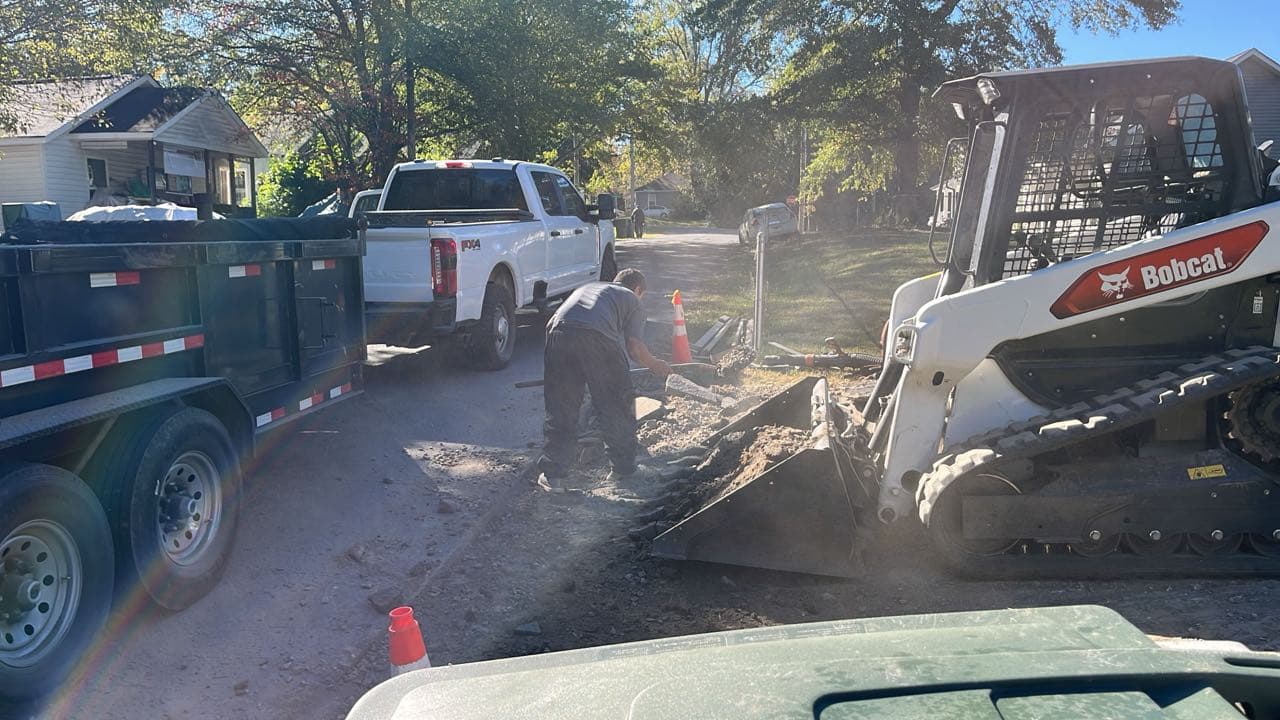
Finishing Touches in Motion
Watch our crew bring precision and artistry to the final stages of a premium concrete installation.
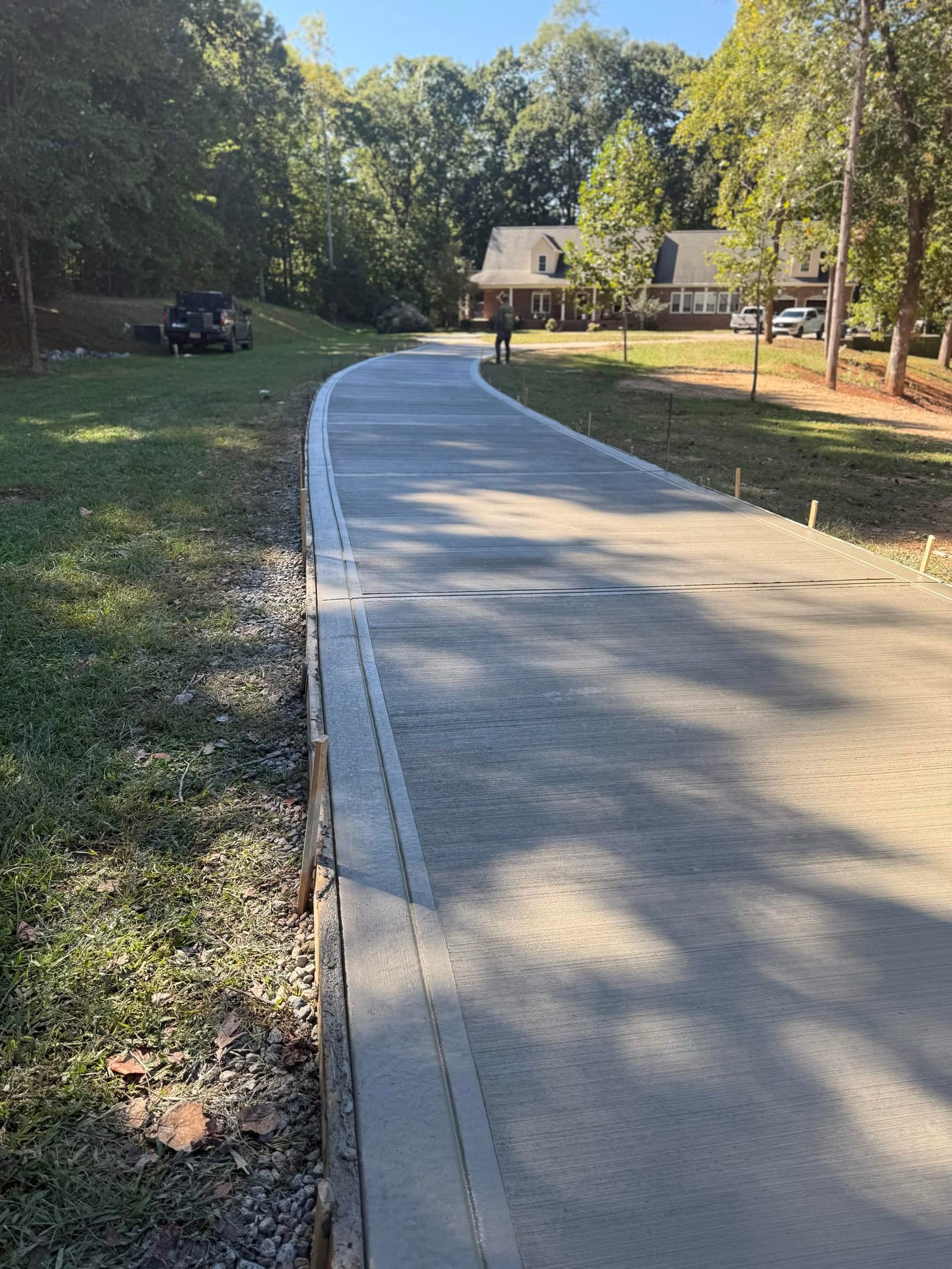

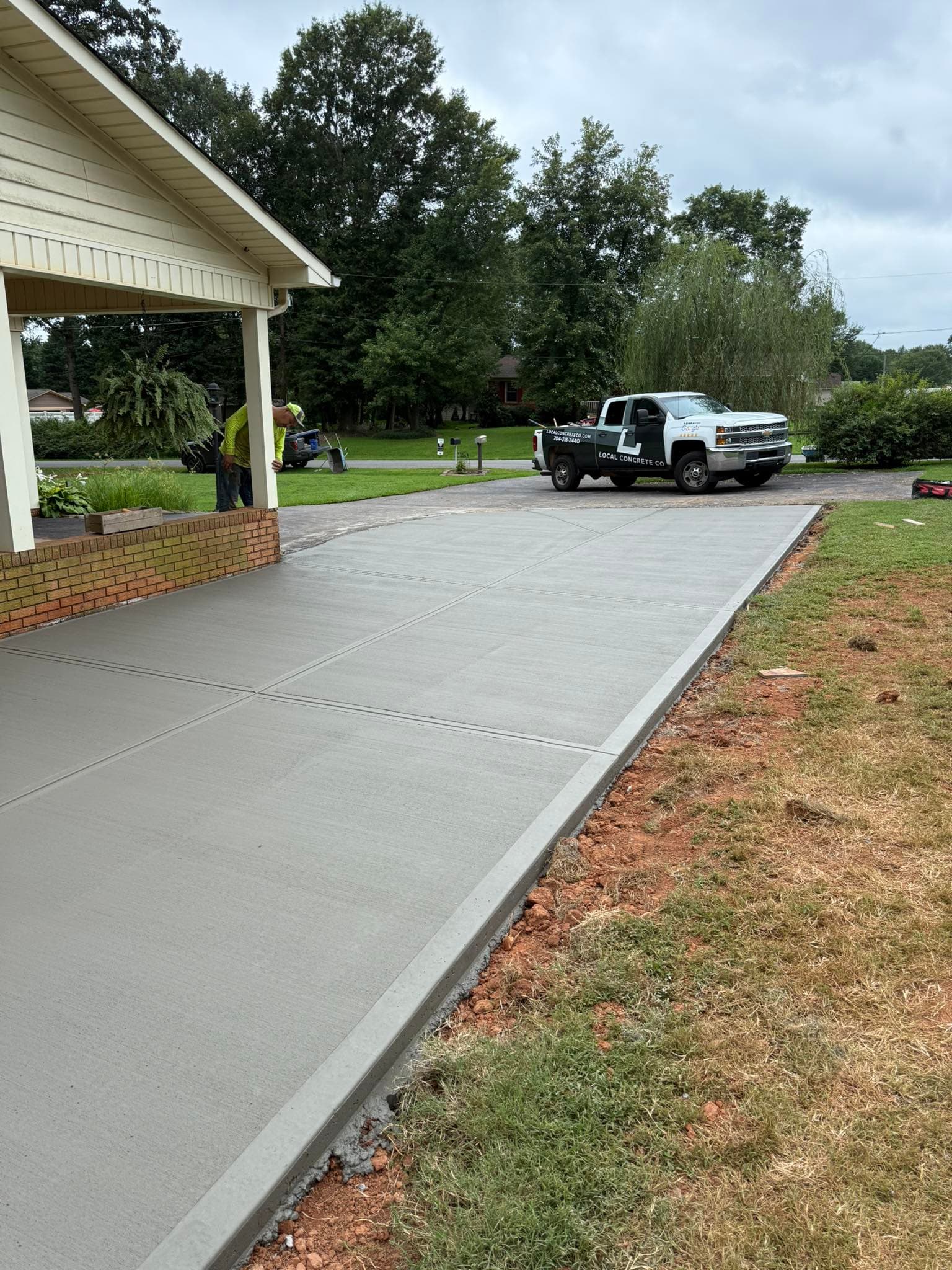
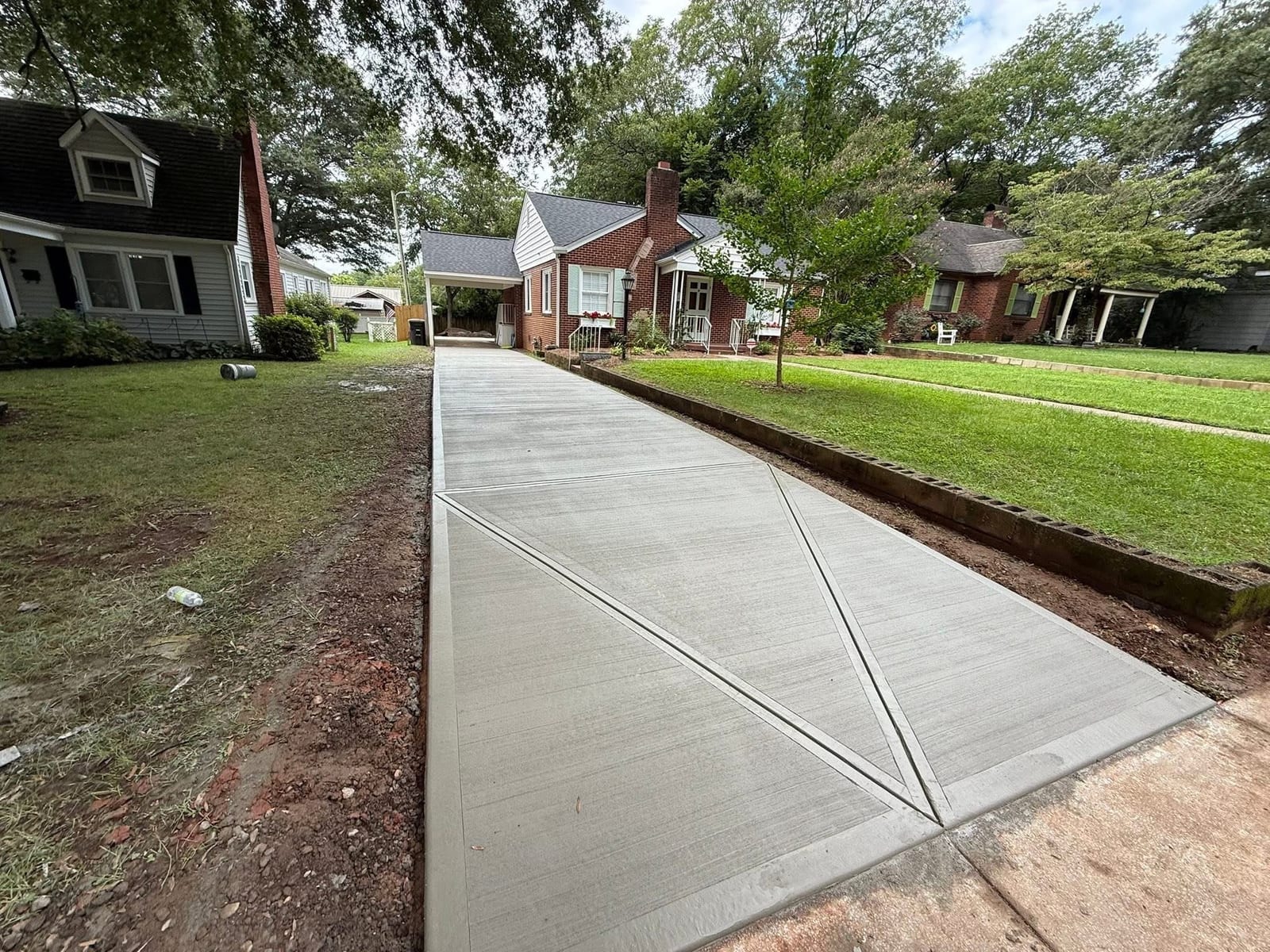
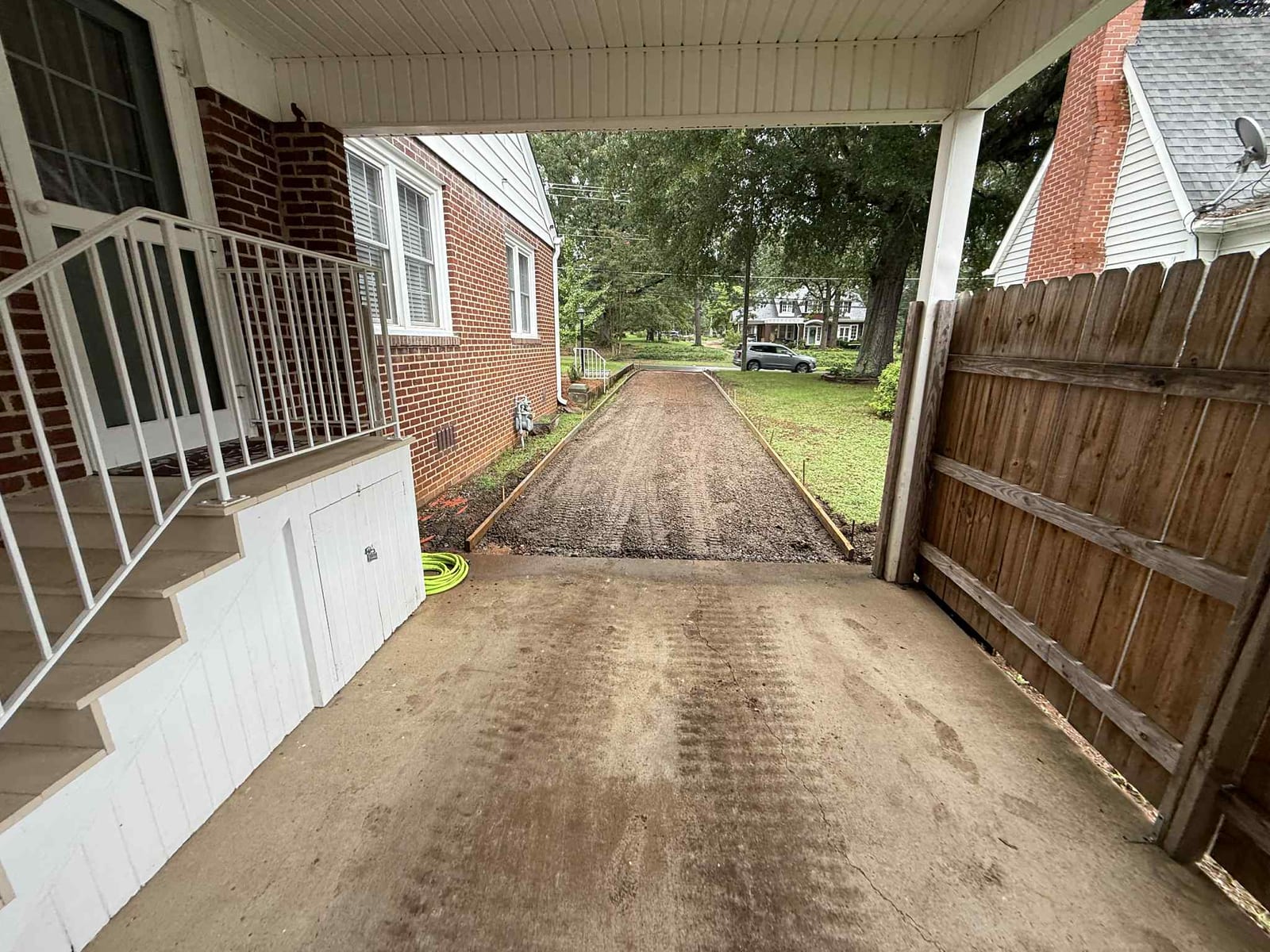
Driveway
Full residential replacement
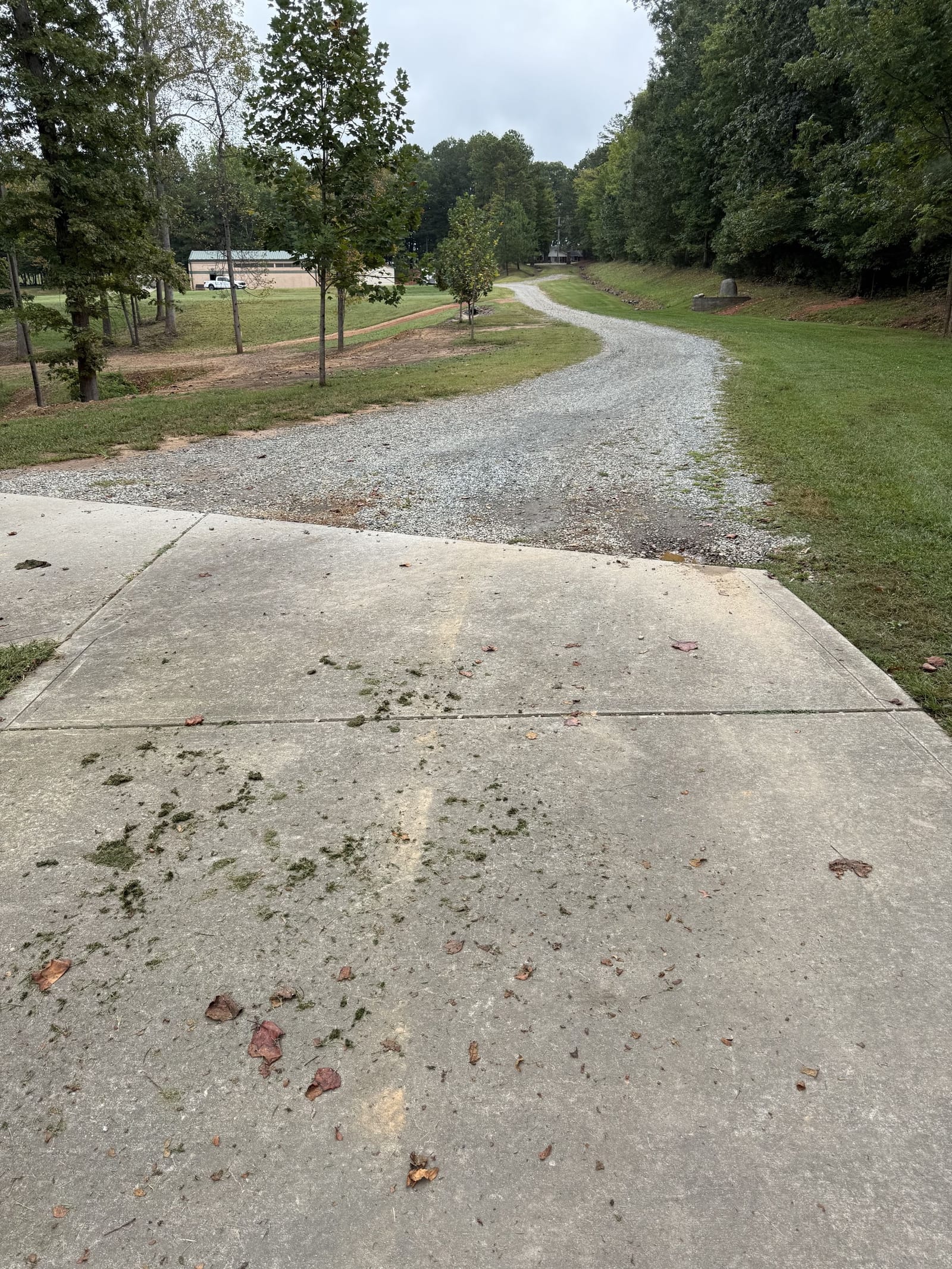
Driveway
Driveway revamp
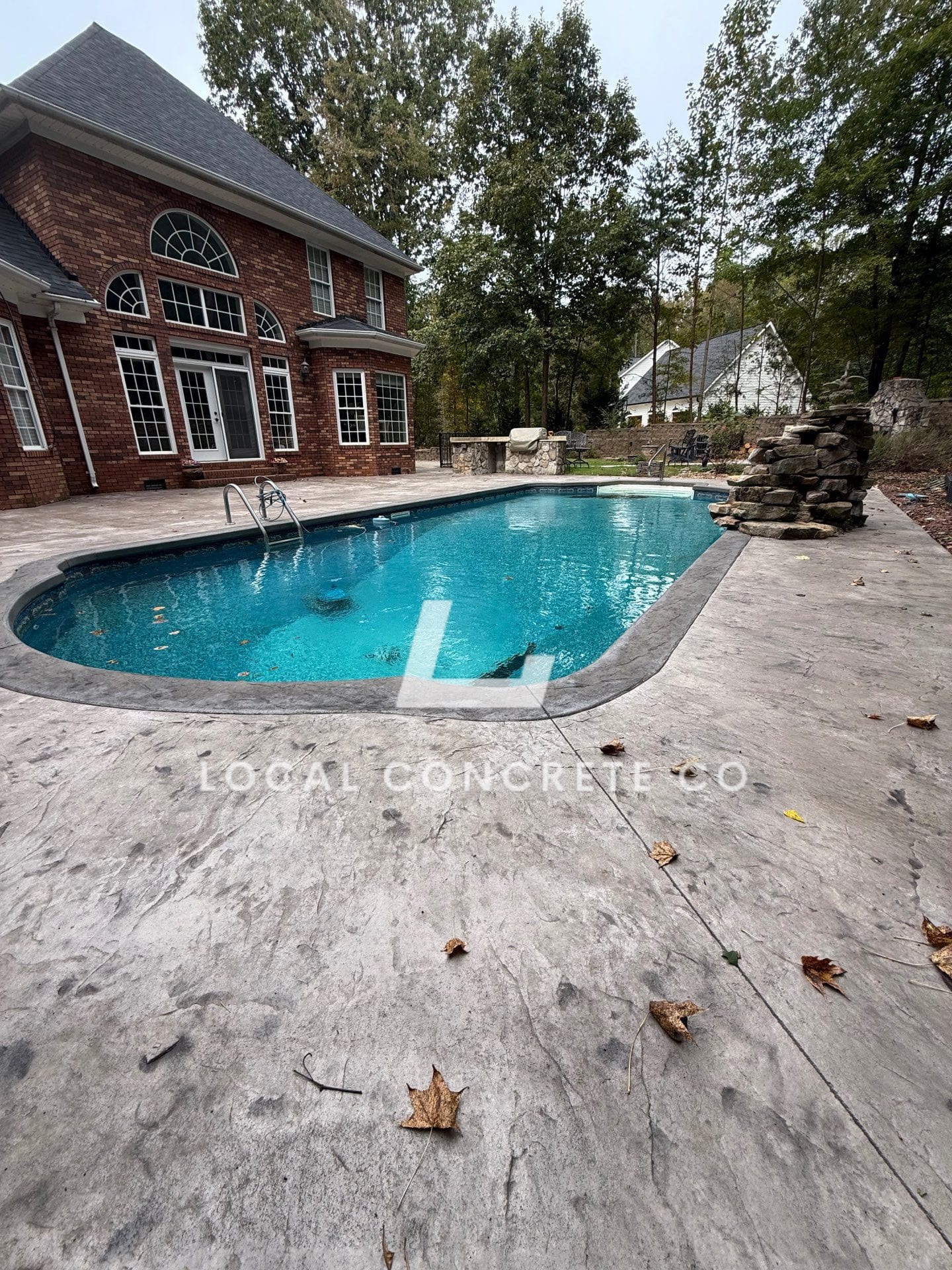
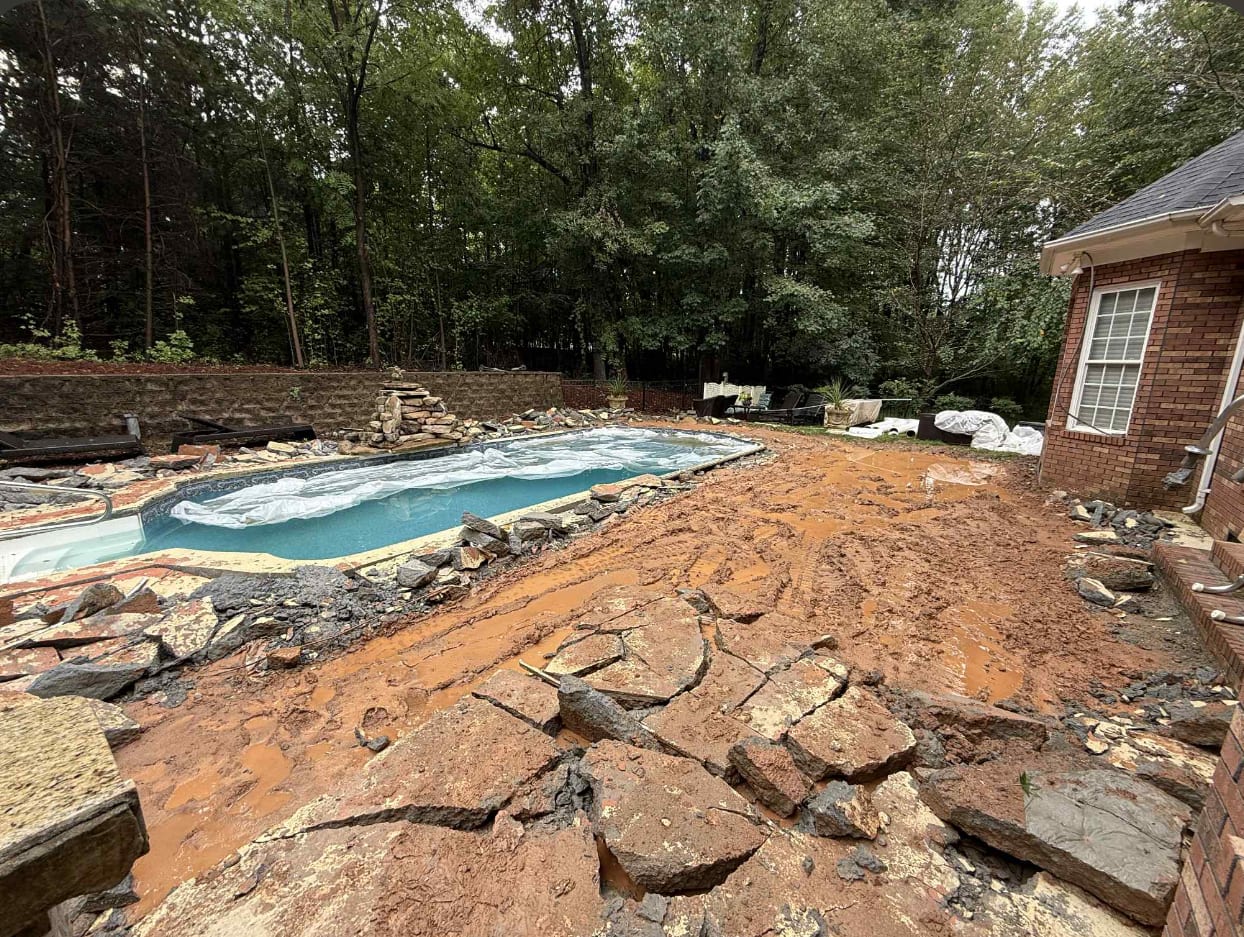
Stamped Pool Deck
Total demolition and replace
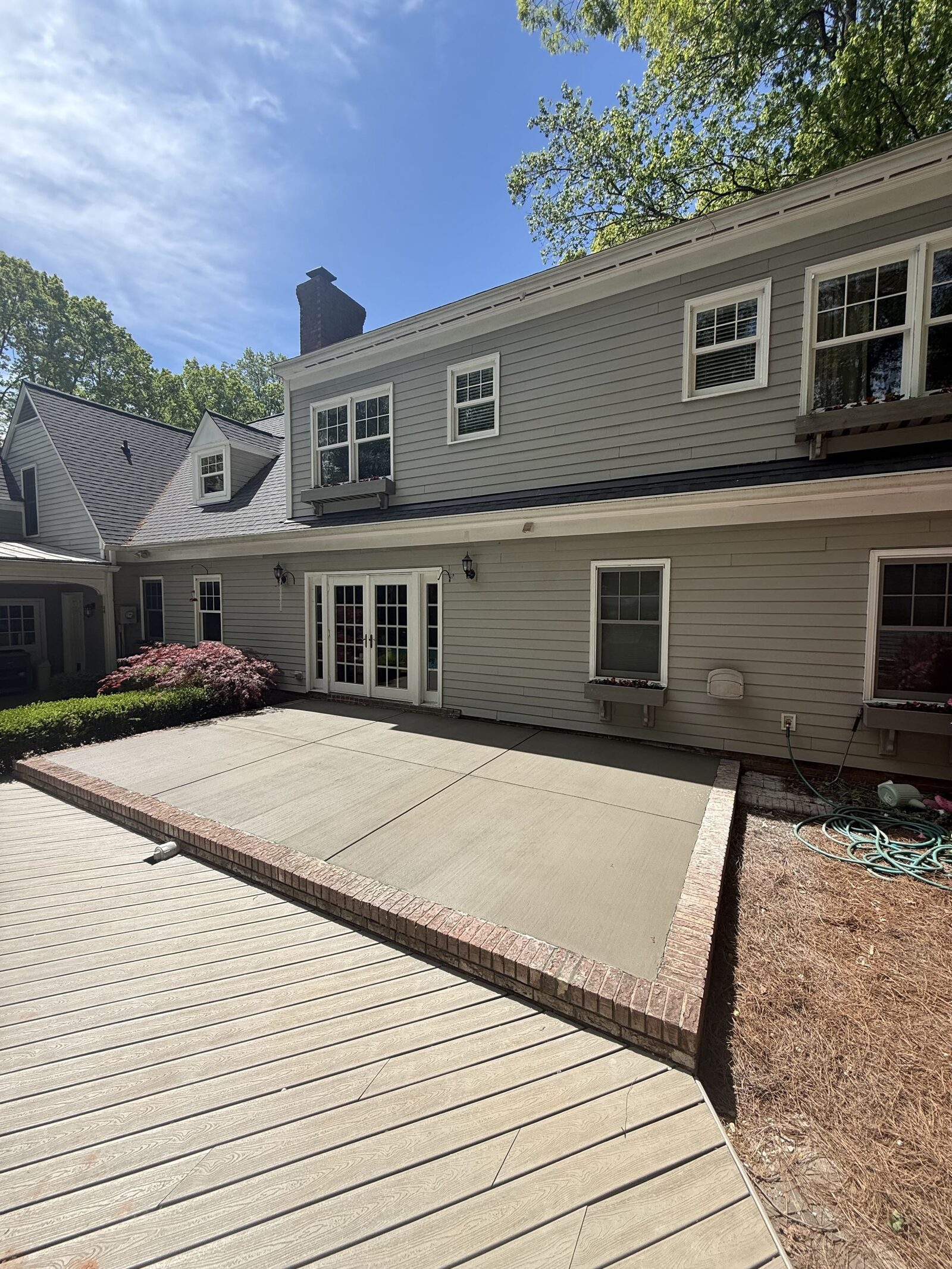
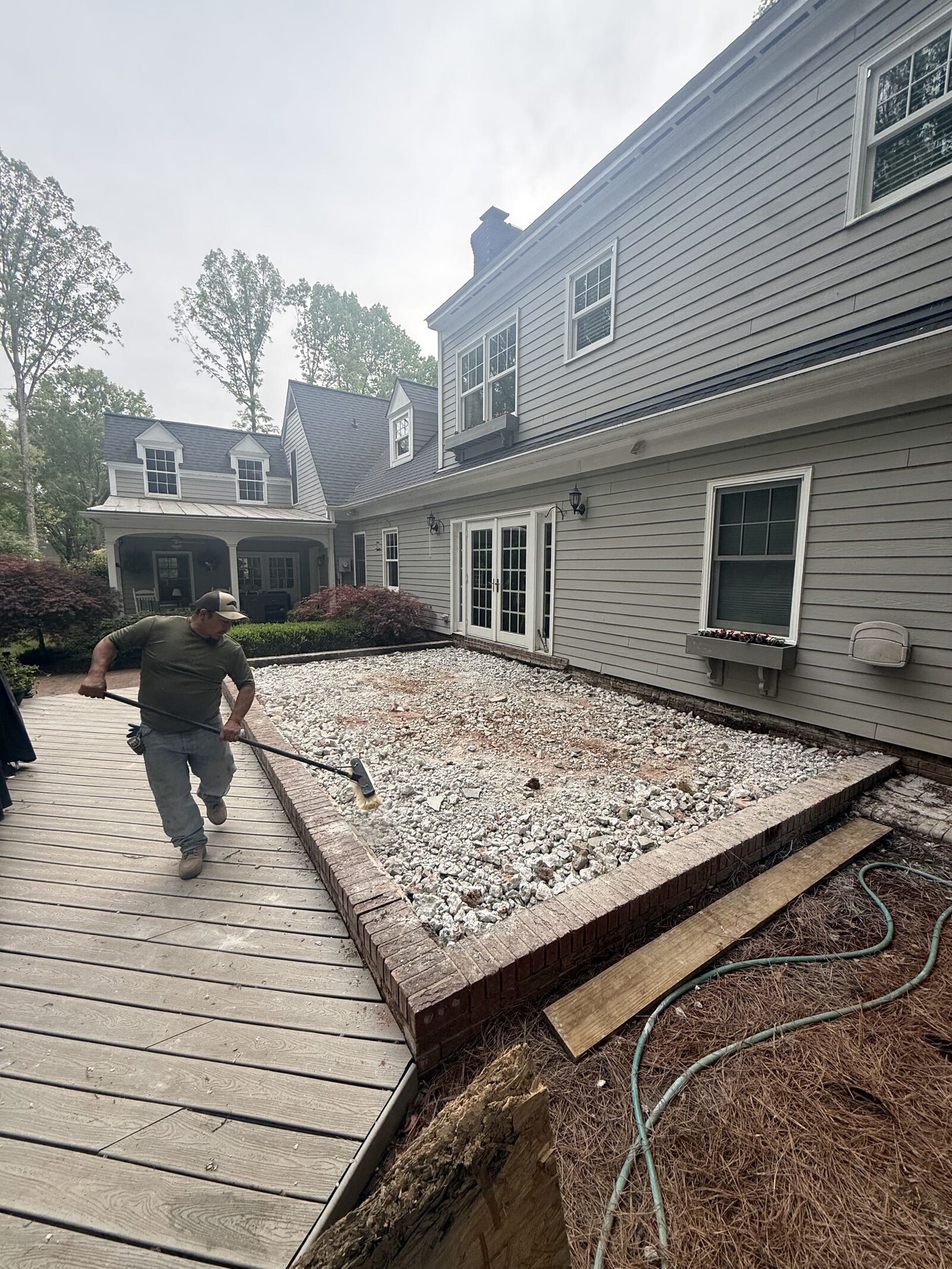
Patio Replacement
Old slab out, new finished slab in
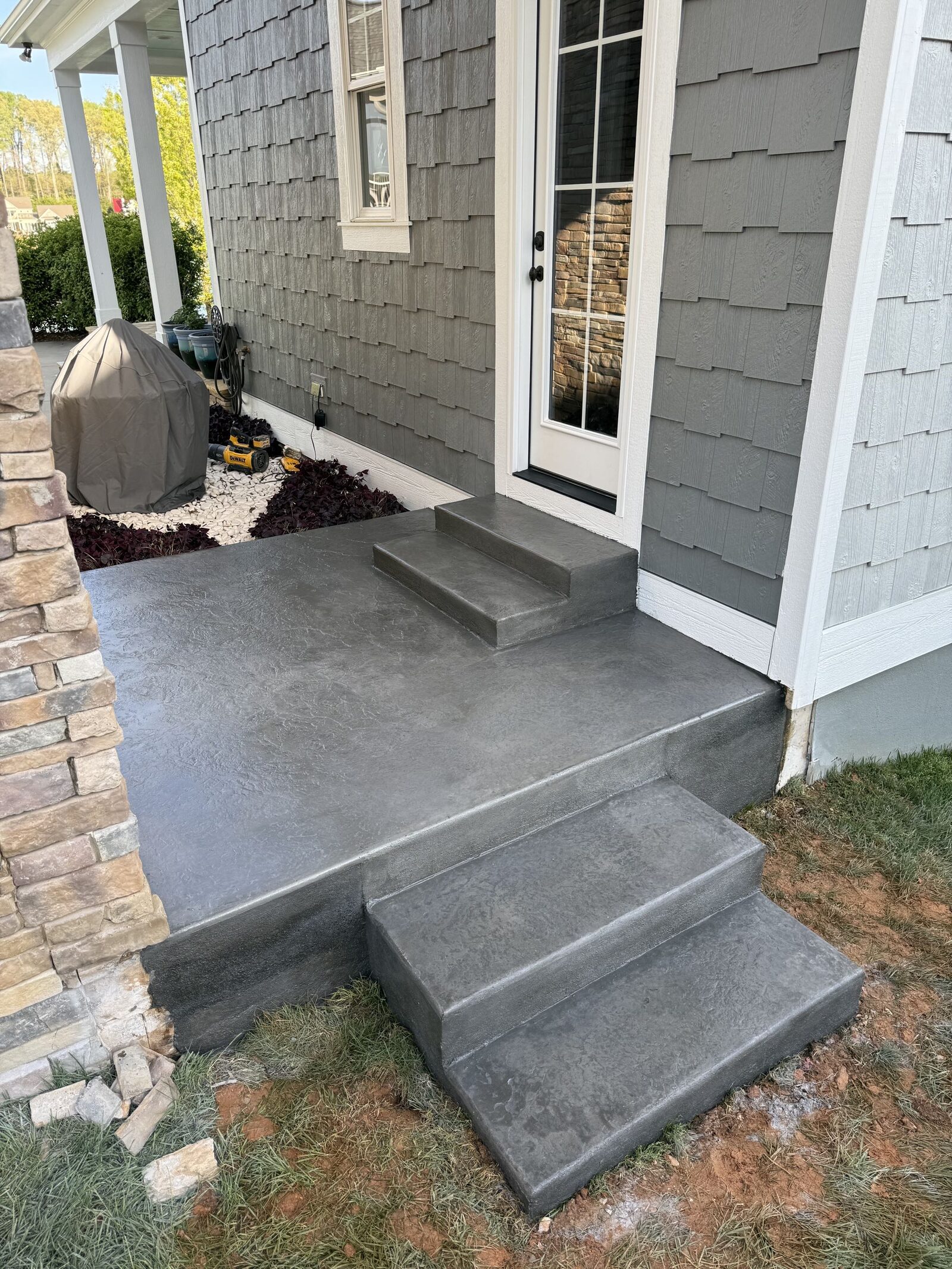
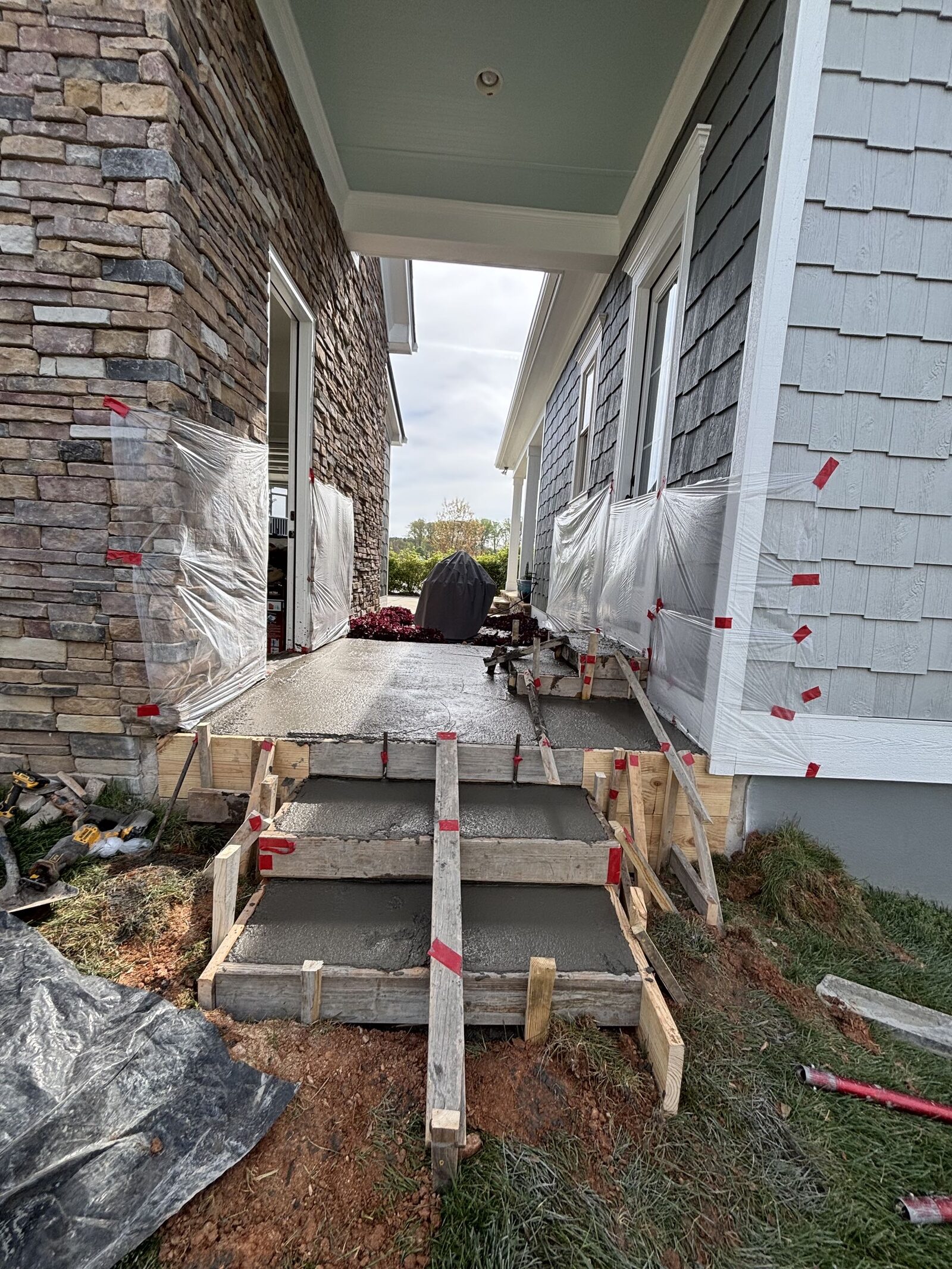
Stamped Concrete Landing
Custom stamped finish + edge tie-in
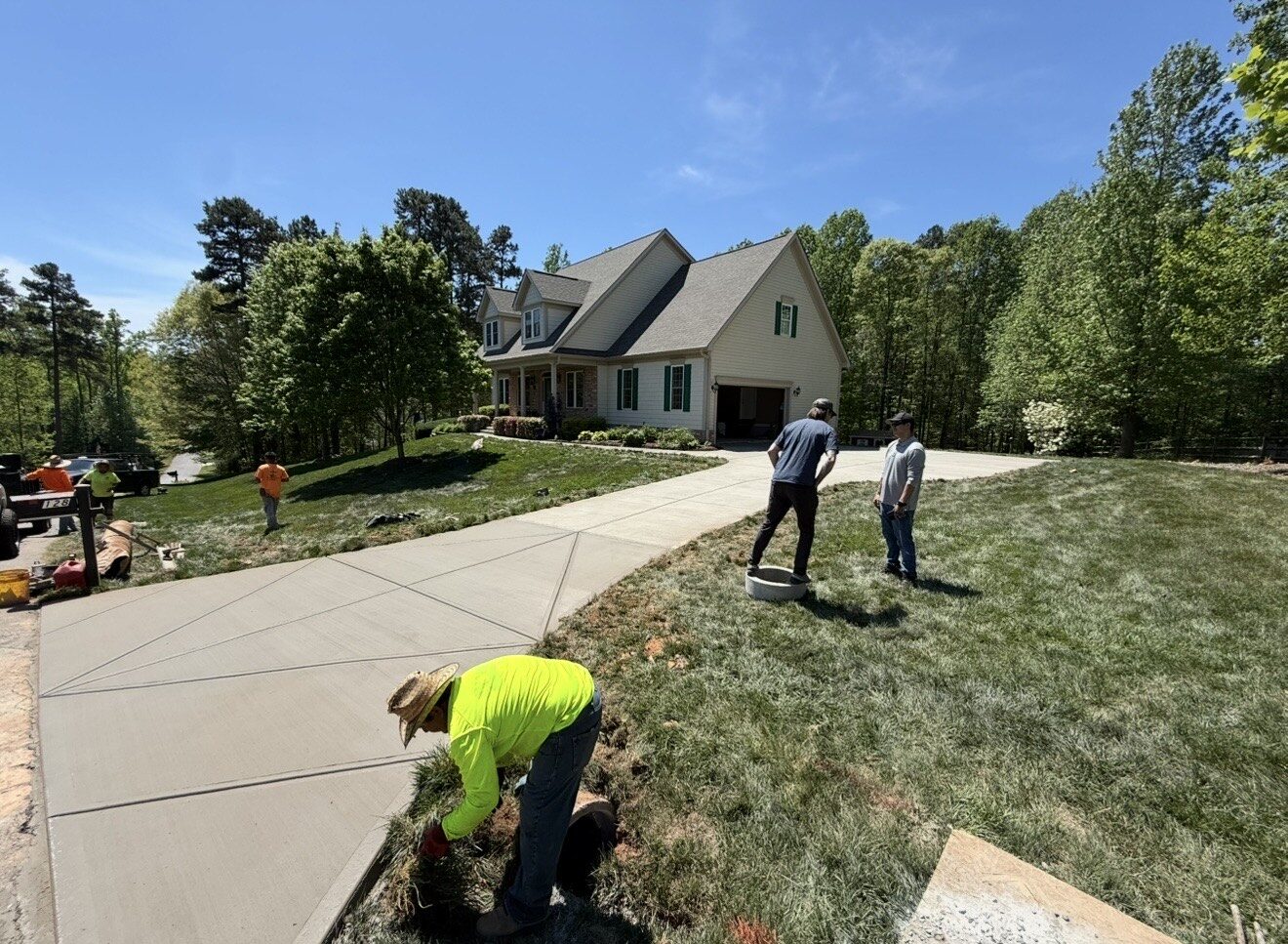
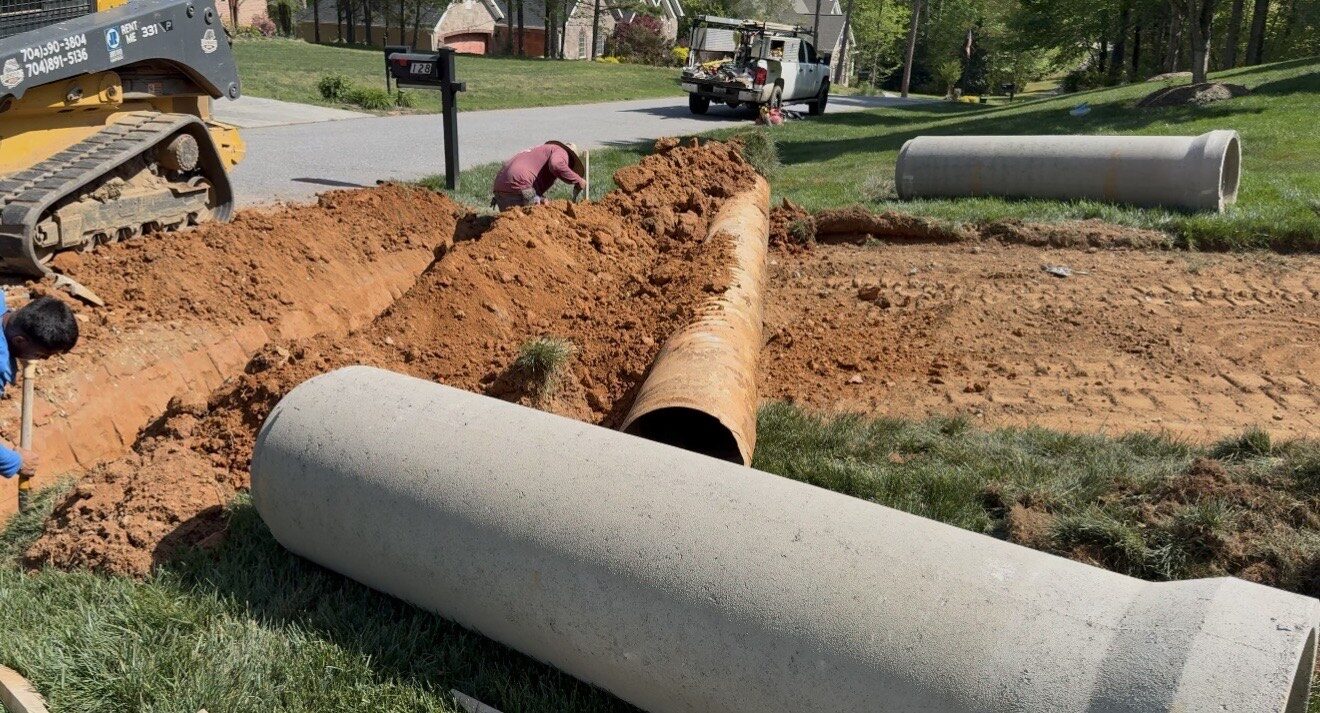
Driveway Replacement
Tear out + fresh pour
Ready to Start Your Concrete Paving Project in Albemarle?
Ready to start your concrete paving project in Albemarle? Our team brings the expertise, materials, and attention to detail that Albemarle property owners expect. We understand Stanly County's unique challenges and what it takes to create installations that last. Contact us today for a free consultation and see why Albemarle property owners choose us for their concrete needs.
Other Services We Offer in Albemarle
Concrete Driveways
Premium new driveway installation with custom finishes and superior durability.
Stamped Concrete
Decorative concrete patterning resembling stone, brick, slate, or wood.
Concrete Parking Lots
Commercial parking lot paving and civil infrastructure projects.
Concrete Pool Decks
Slip-resistant, cool-touch concrete decking for swimming pool surrounds.
What are we building?
Select your project type.
Why Local Concrete Contractor?
- 01Precision craftsmanship
- 02Transparent pricing models
- 03Dedicated project manager
- 04Zero Deposit Required