




Trash & Dumpster Pads in Clemmons, NC
Concrete dumpster and trash pads across North Carolina for commercial properties, HOA common areas, restaurants, and retail. Proper thickness for dumpster and truck-tip load, reinforcement, drainage, and enclosure footing tie-in. Zero deposit, licensed and insured.
What kind of concrete slab job?
Pick the closest fit.
Recent Clemmons Trash & Dumpster Pads Projects
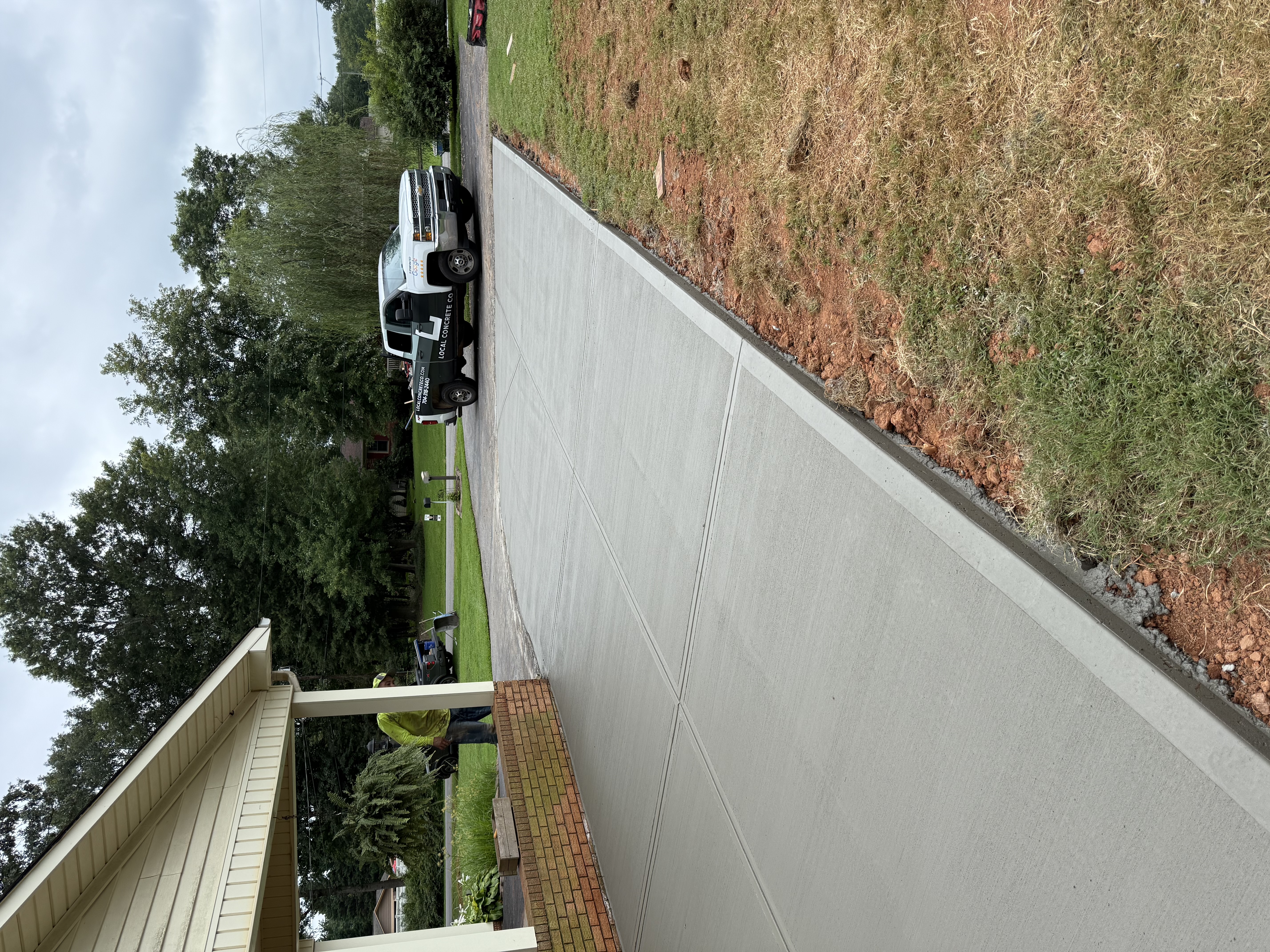
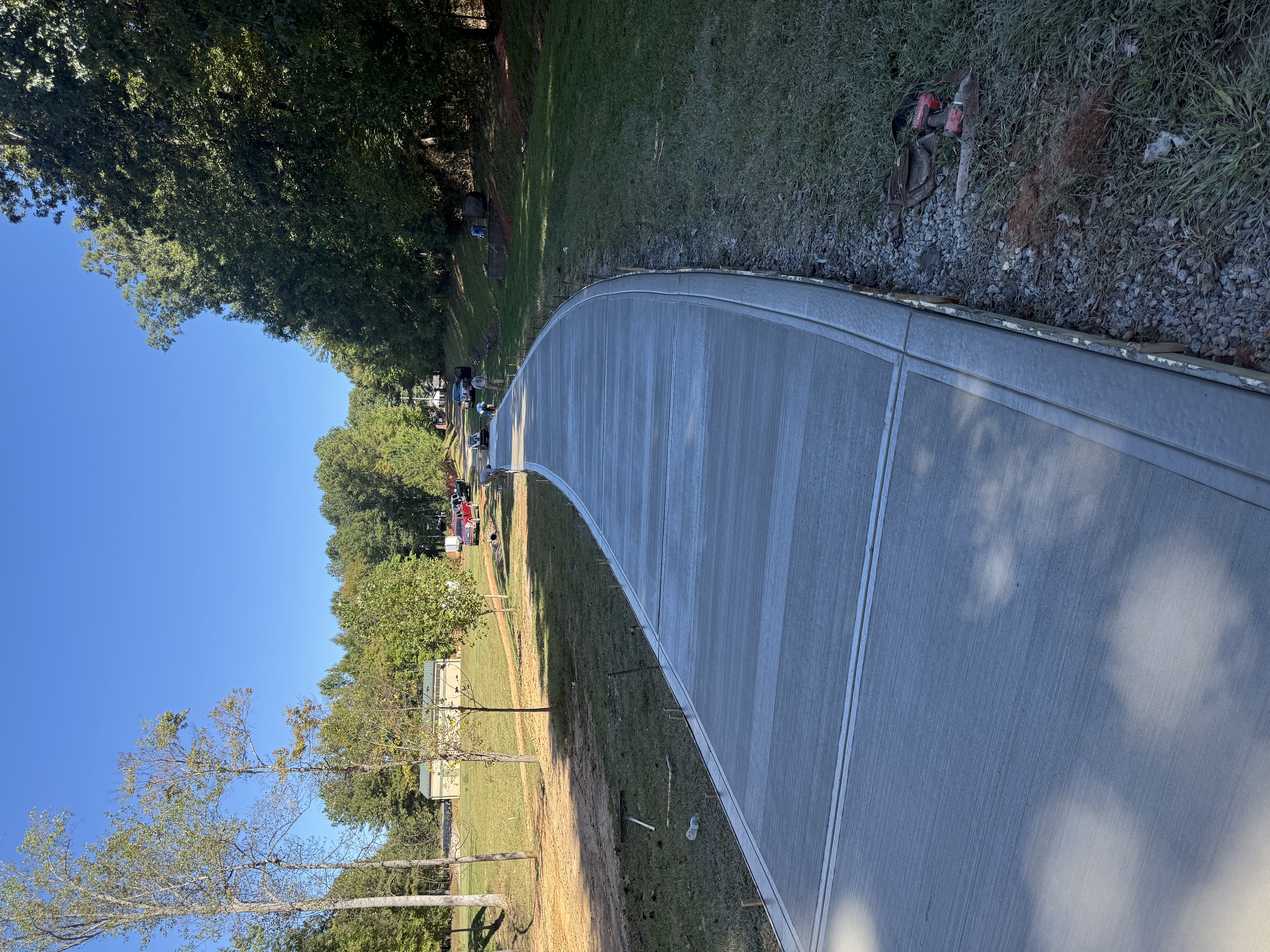
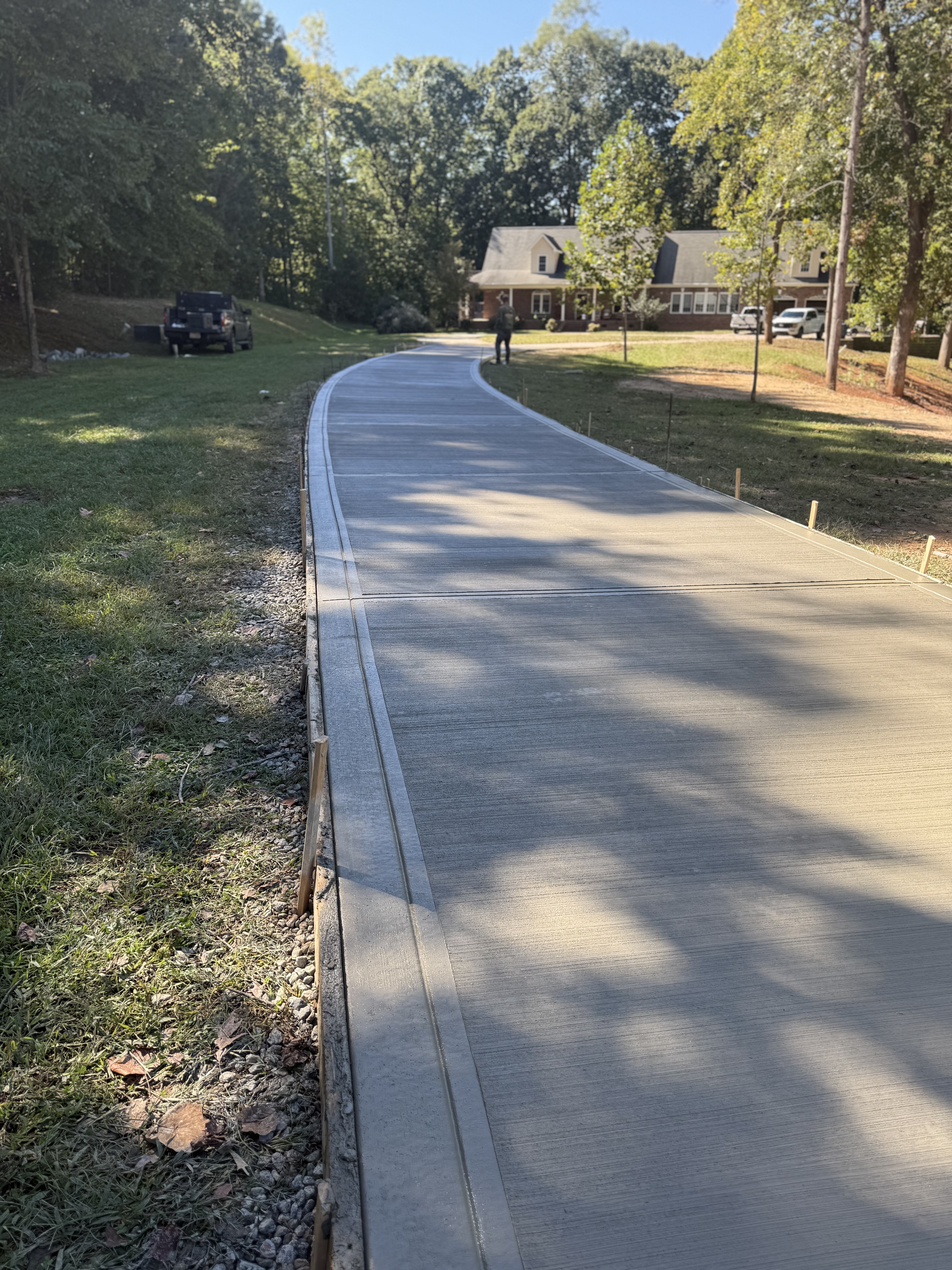
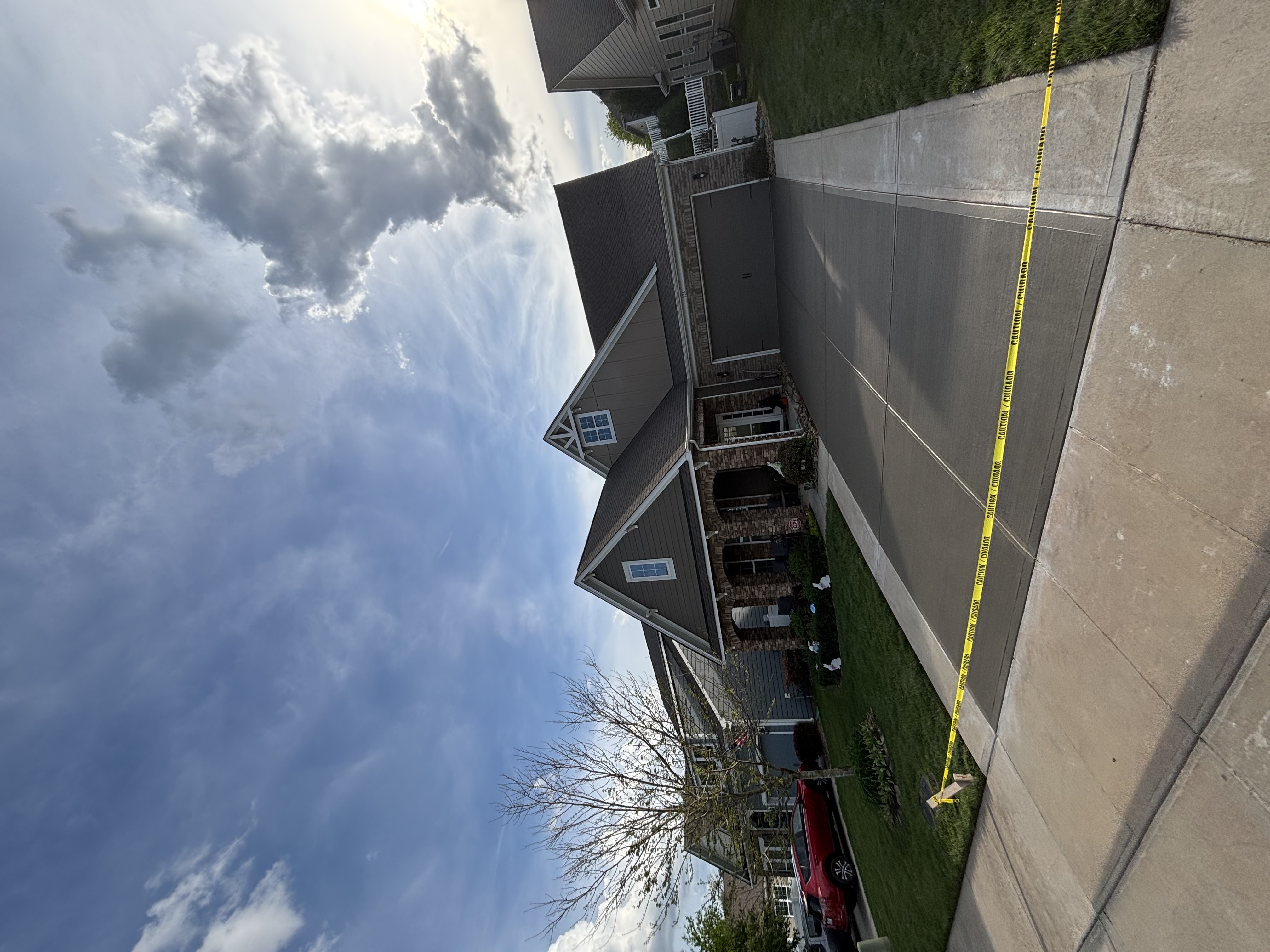
Real customer jobs we've poured. Swipe through and picture yours next.
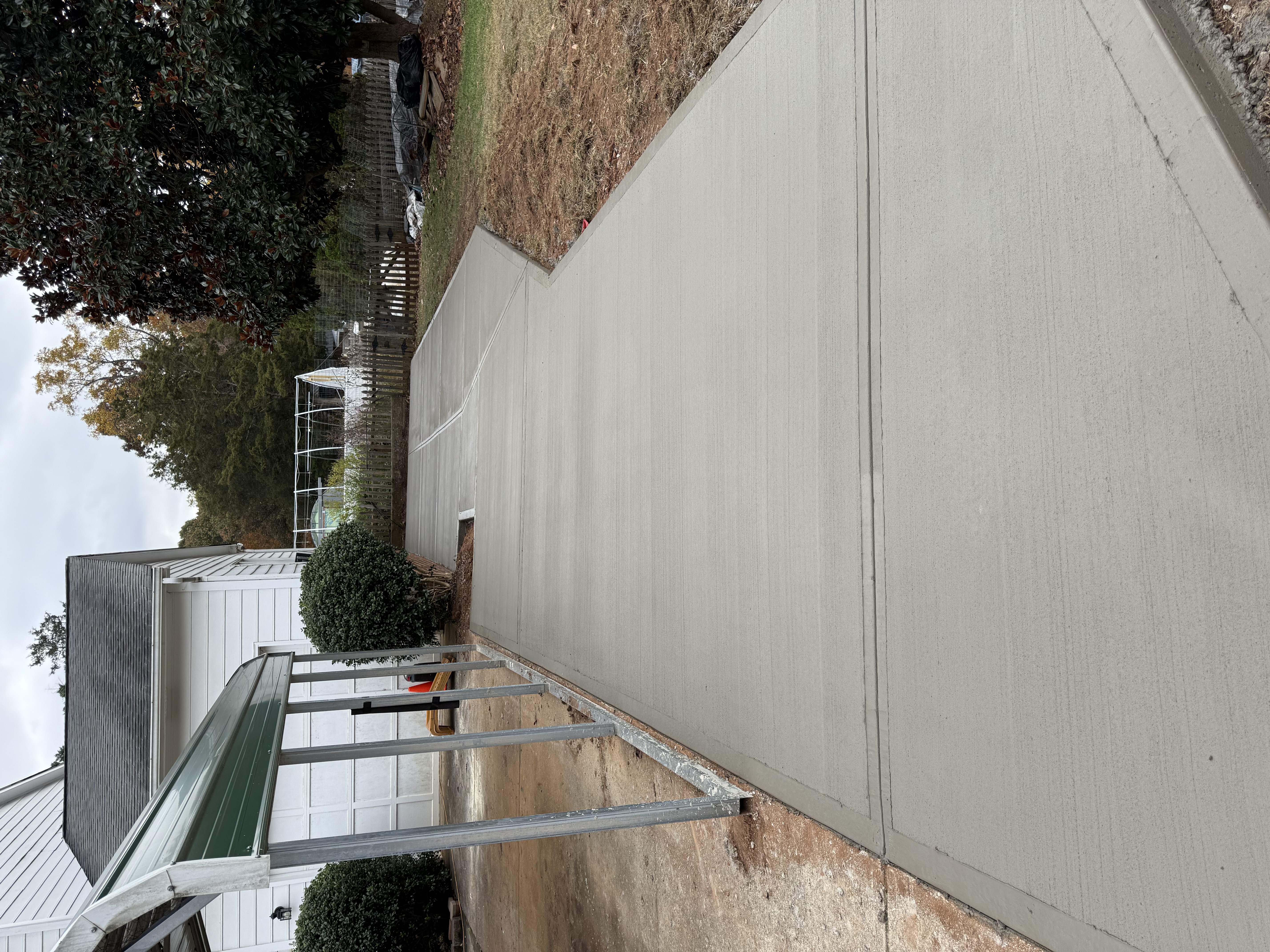
Trash & Dumpster Pads
Clemmons Job
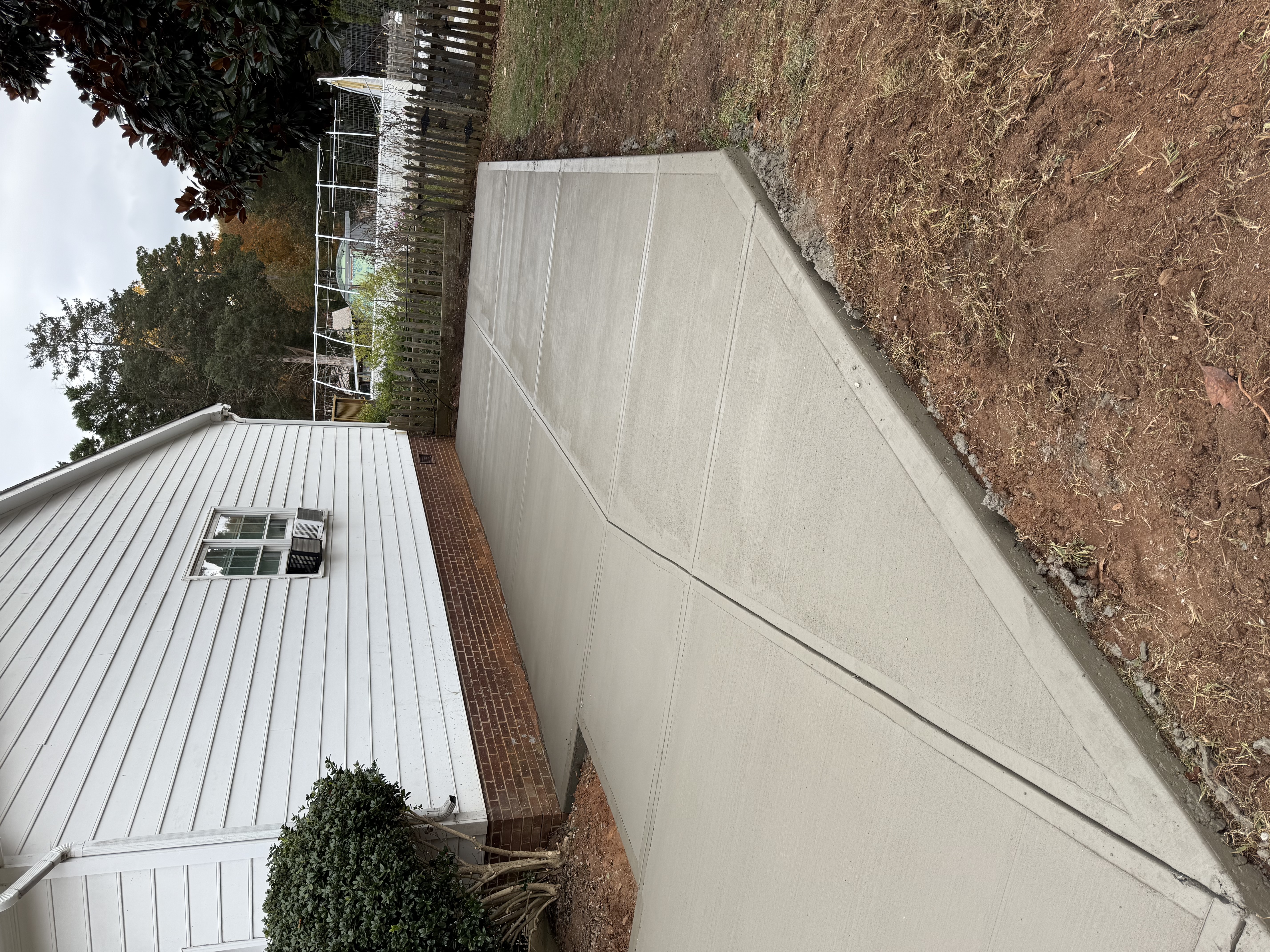
Trash & Dumpster Pads
Clemmons Job
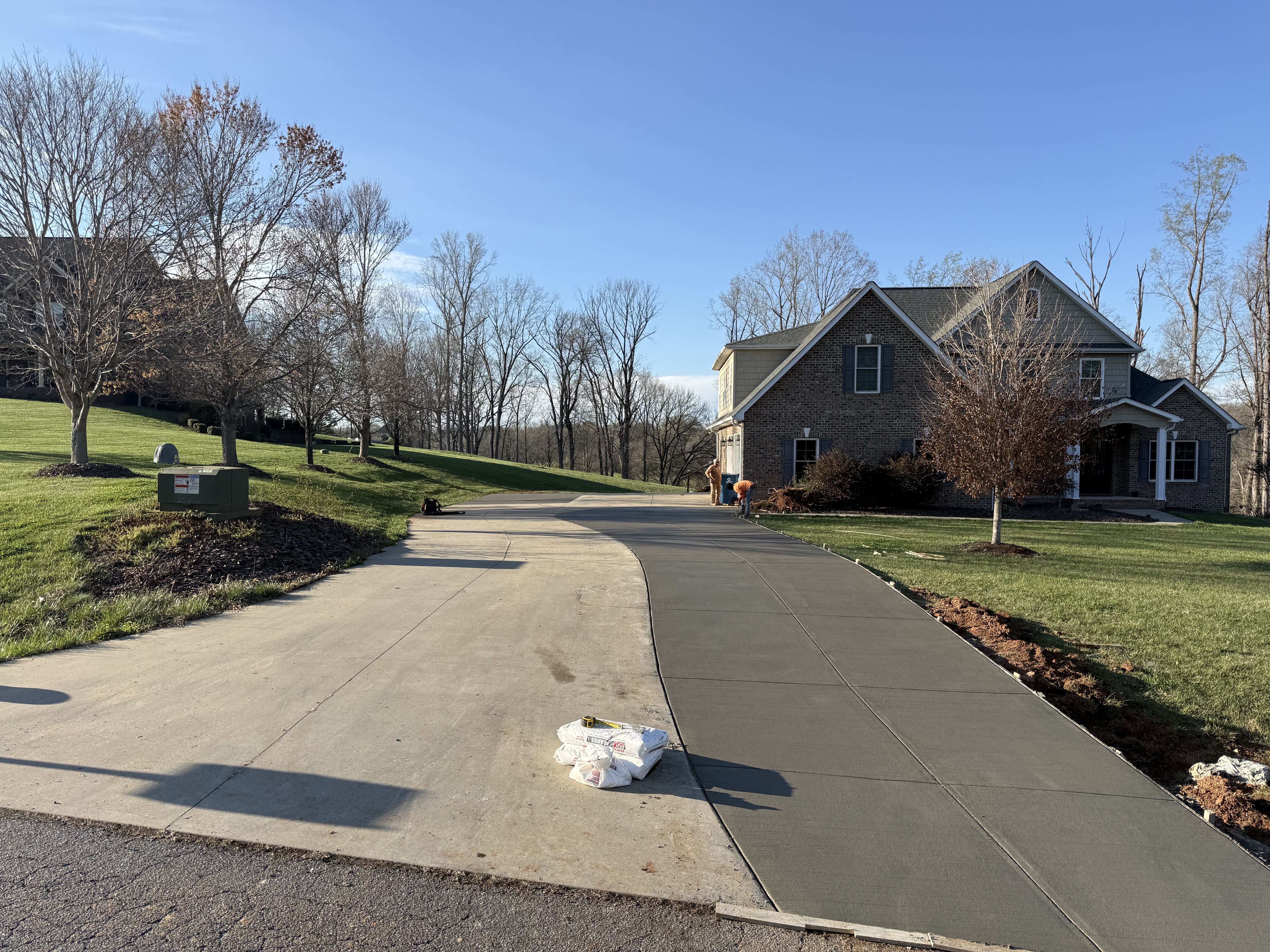
Trash & Dumpster Pads
Clemmons Job
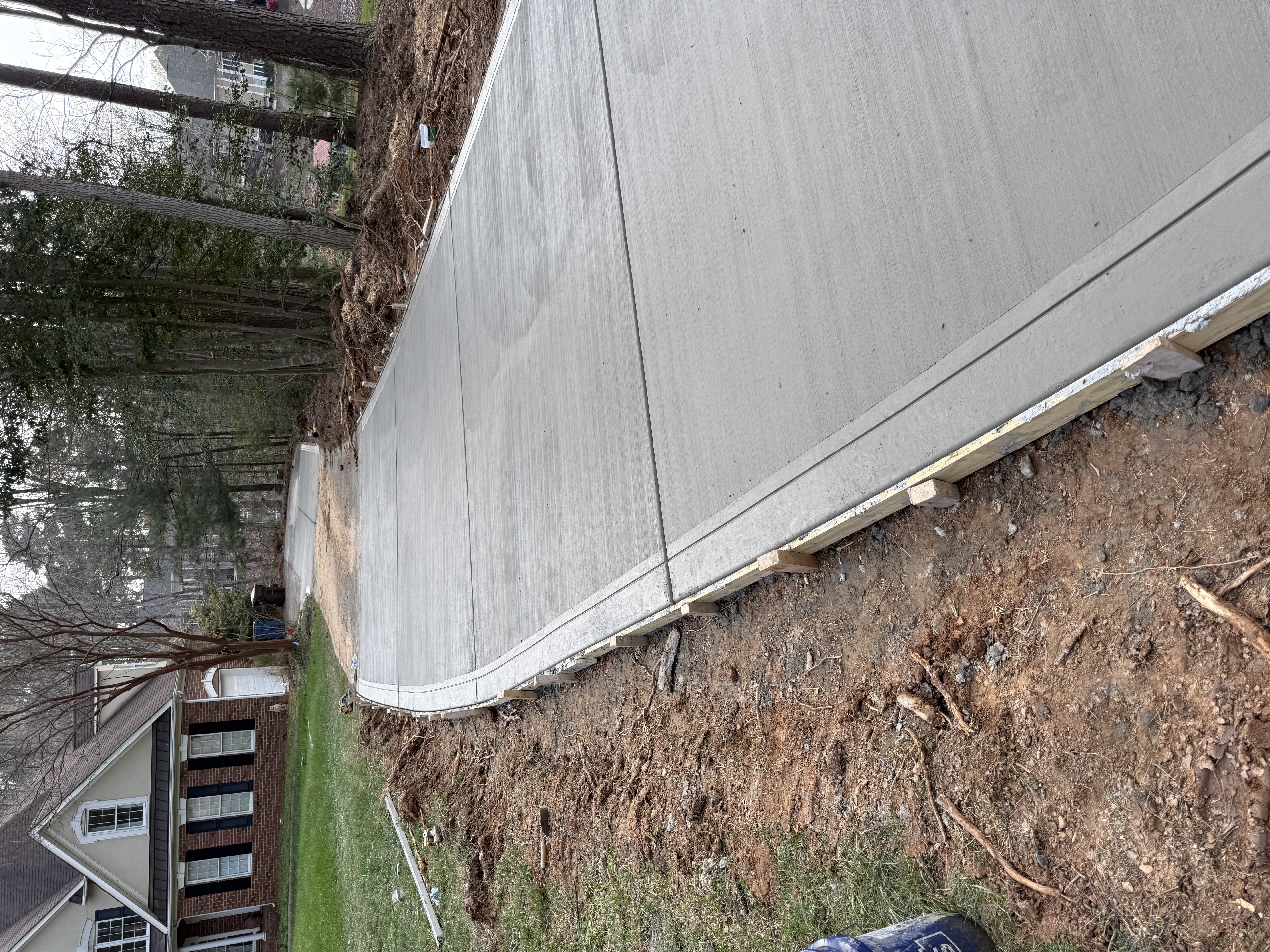
Trash & Dumpster Pads
Clemmons Job
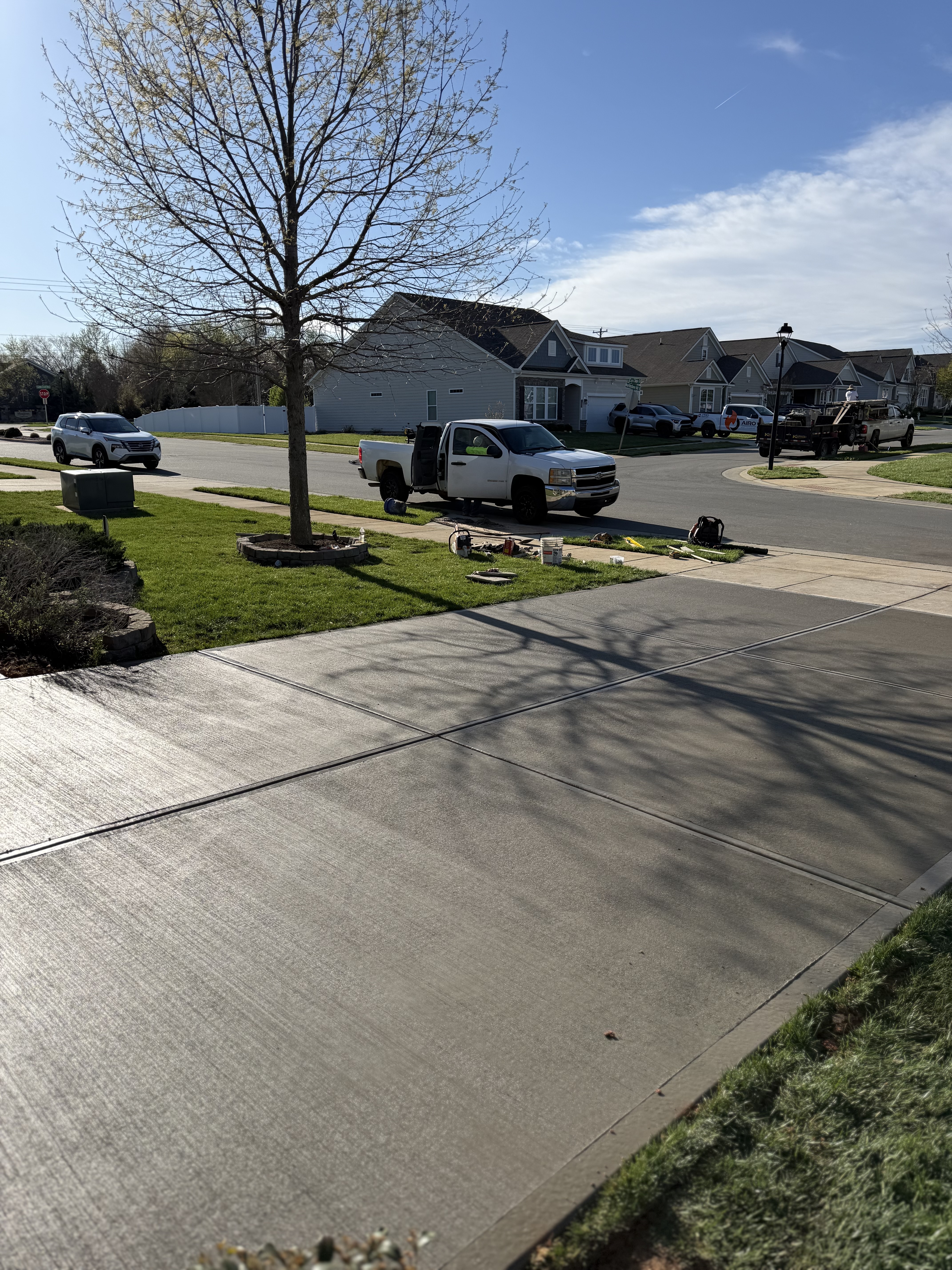
Trash & Dumpster Pads
Clemmons Job
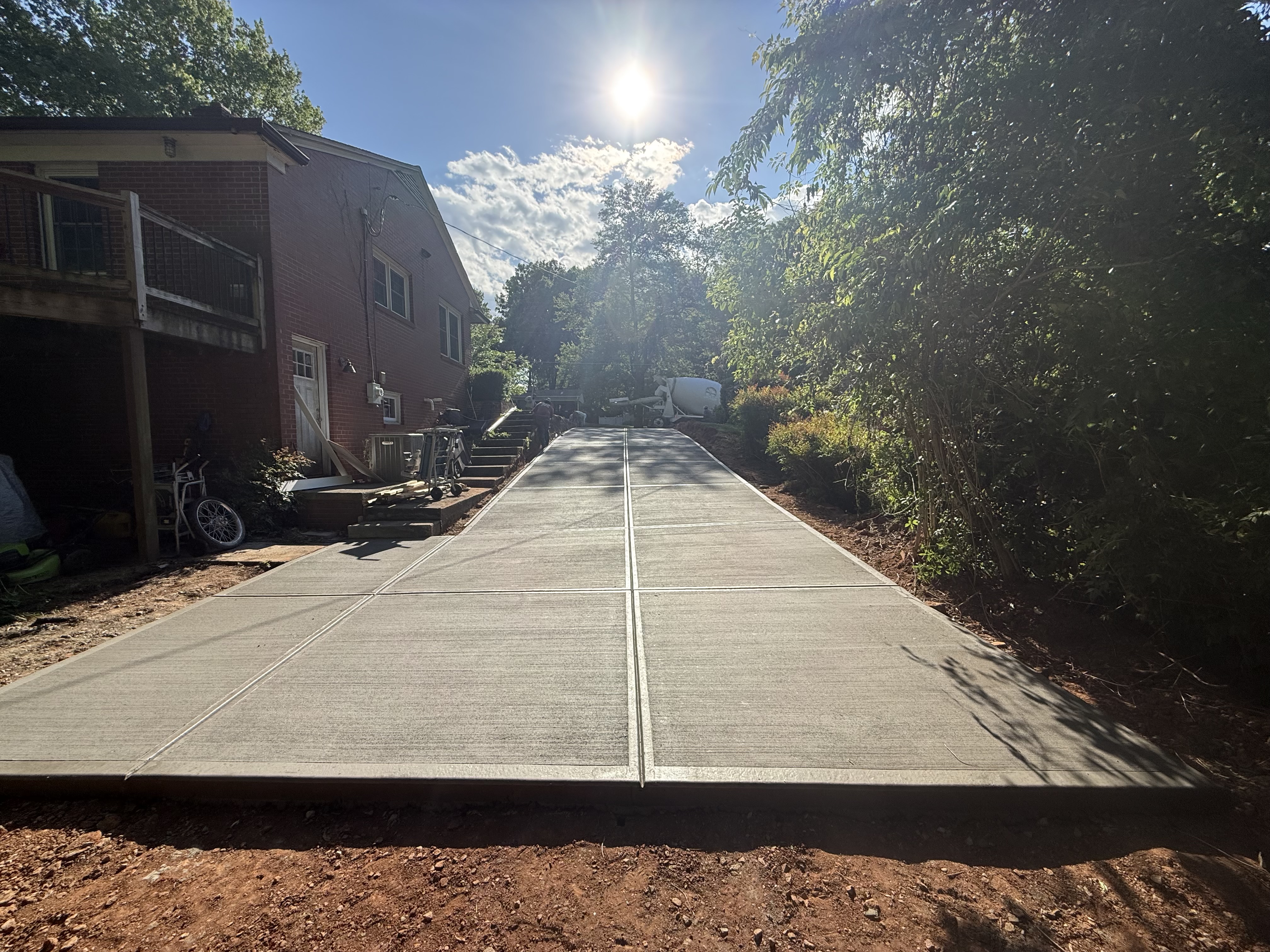
Trash & Dumpster Pads
Clemmons Job
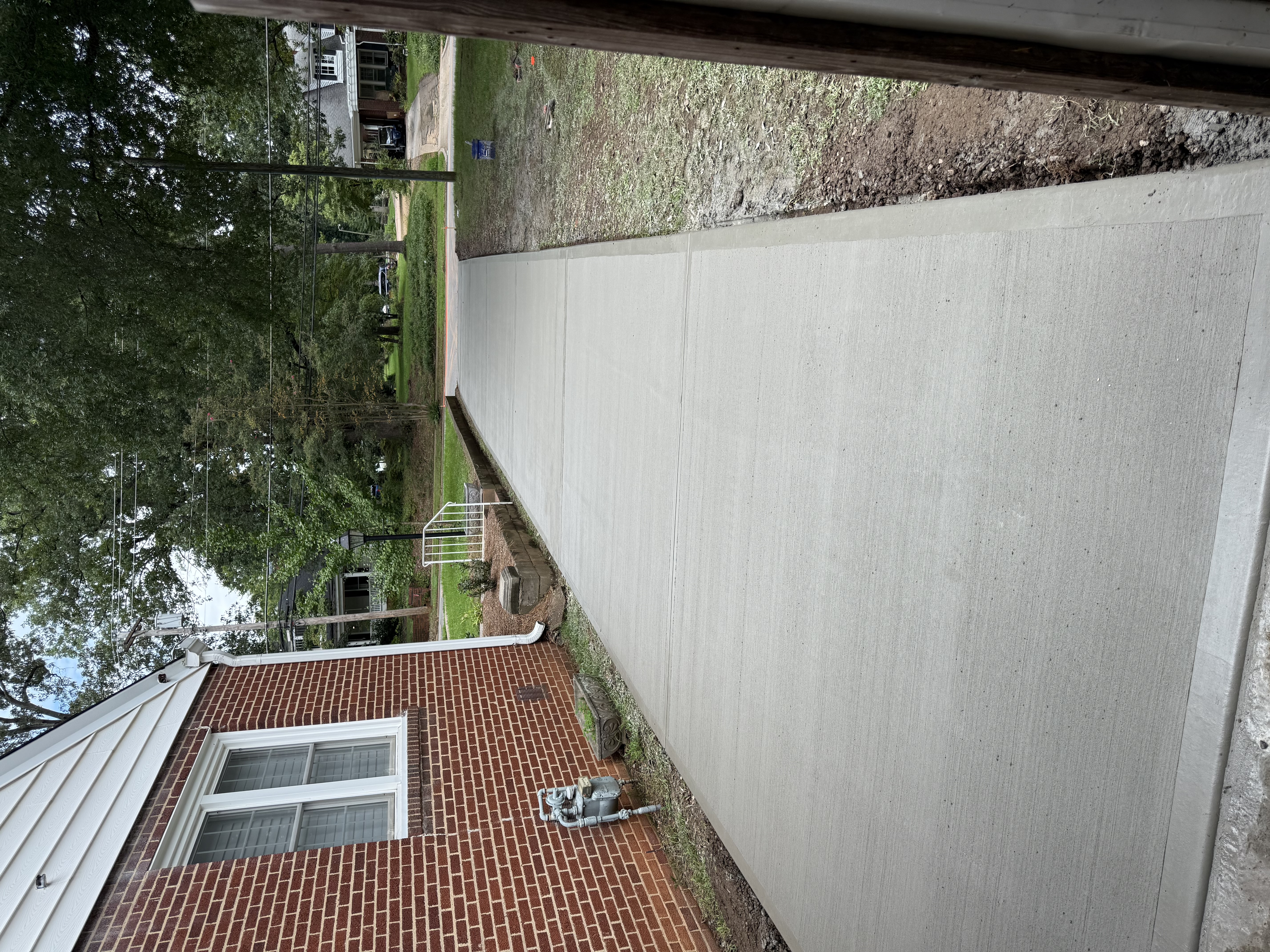
Trash & Dumpster Pads
Clemmons Job
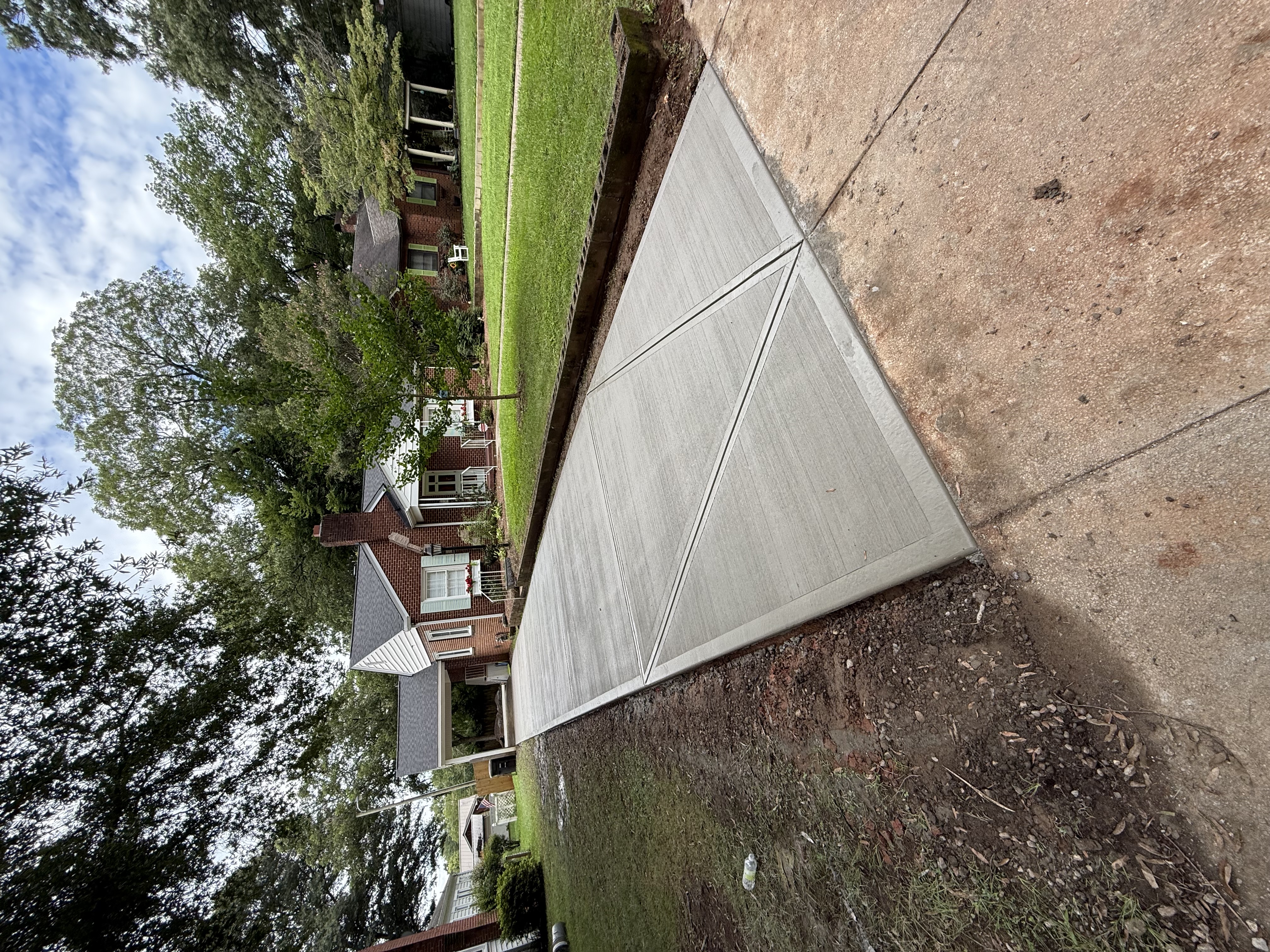
Trash & Dumpster Pads
Clemmons Job
Trash & Dumpster Pads
Clemmons Job
Trash & Dumpster Pads
Clemmons Job
Trash & Dumpster Pads
Clemmons Job
Trash & Dumpster Pads
Clemmons Job
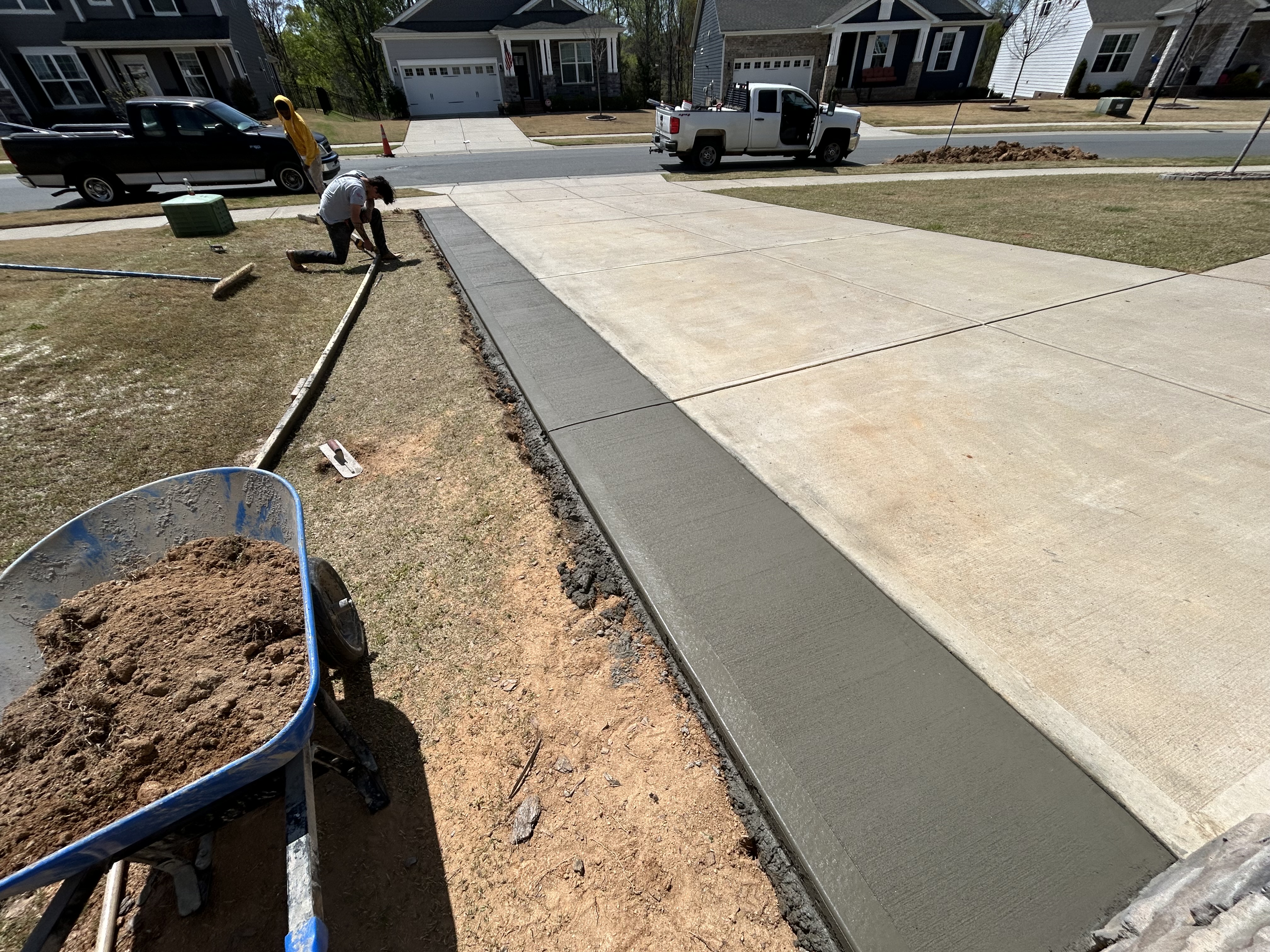
Trash & Dumpster Pads
Clemmons Job
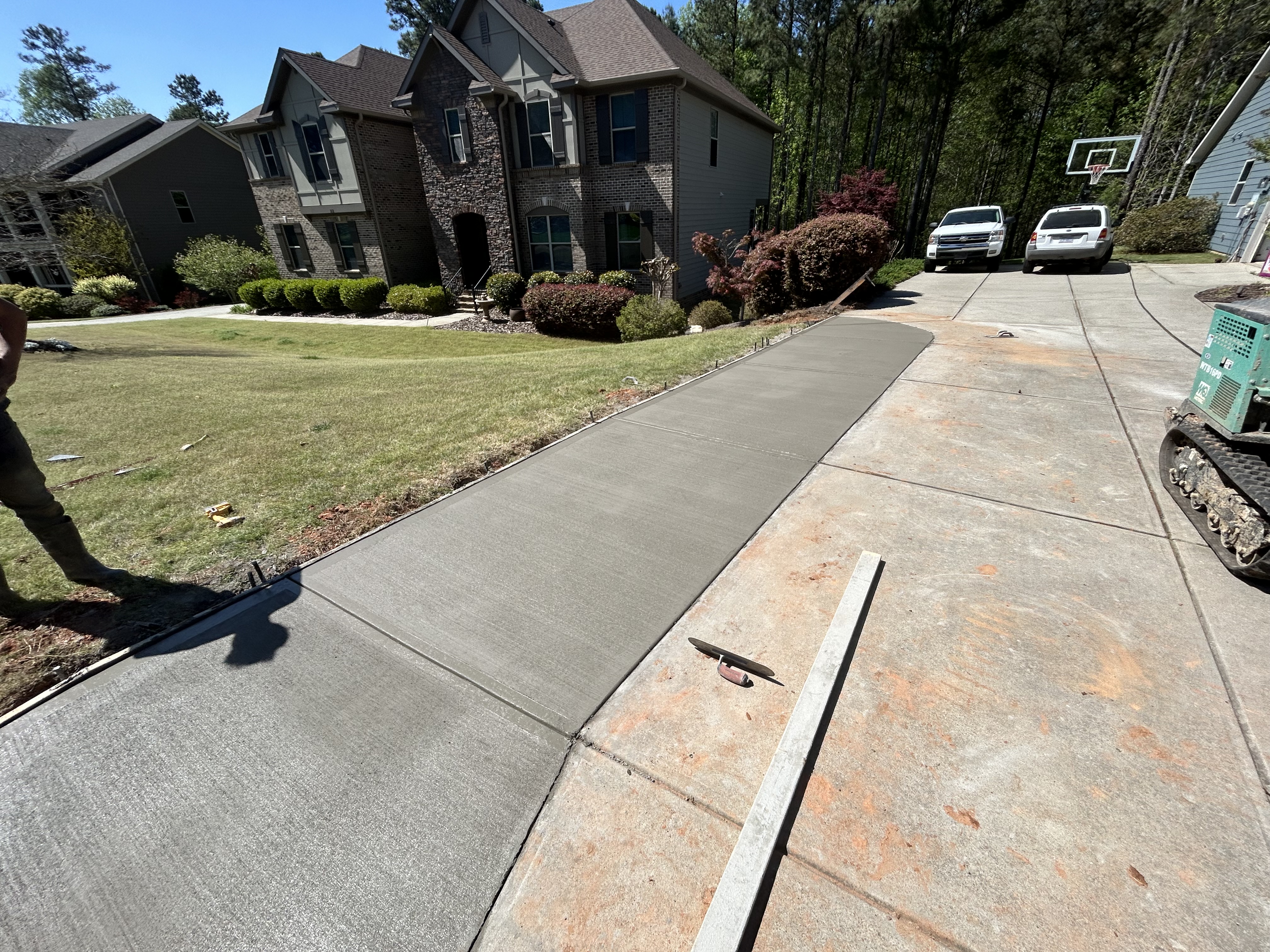
Trash & Dumpster Pads
Clemmons Job
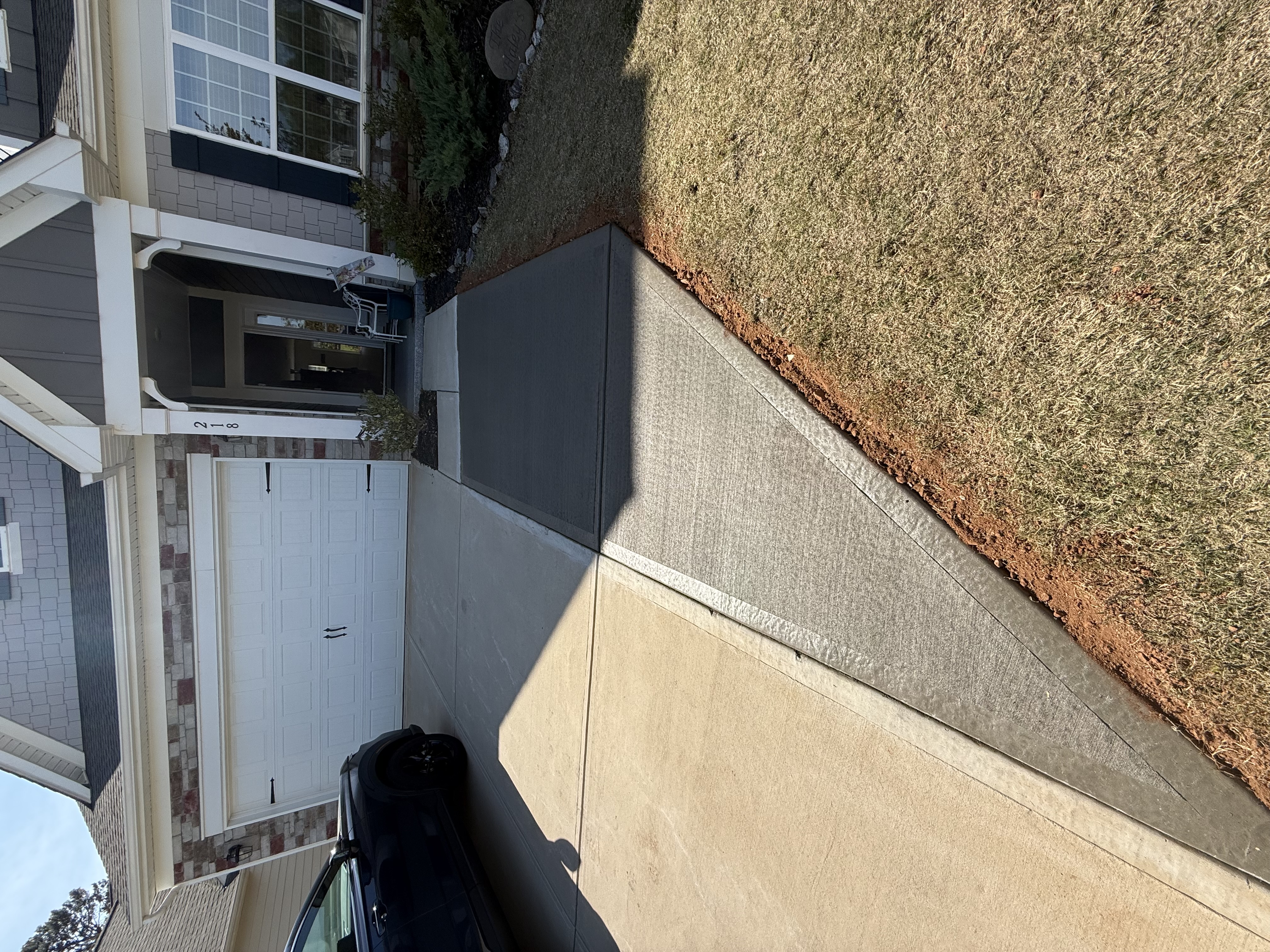
Trash & Dumpster Pads
Clemmons Job
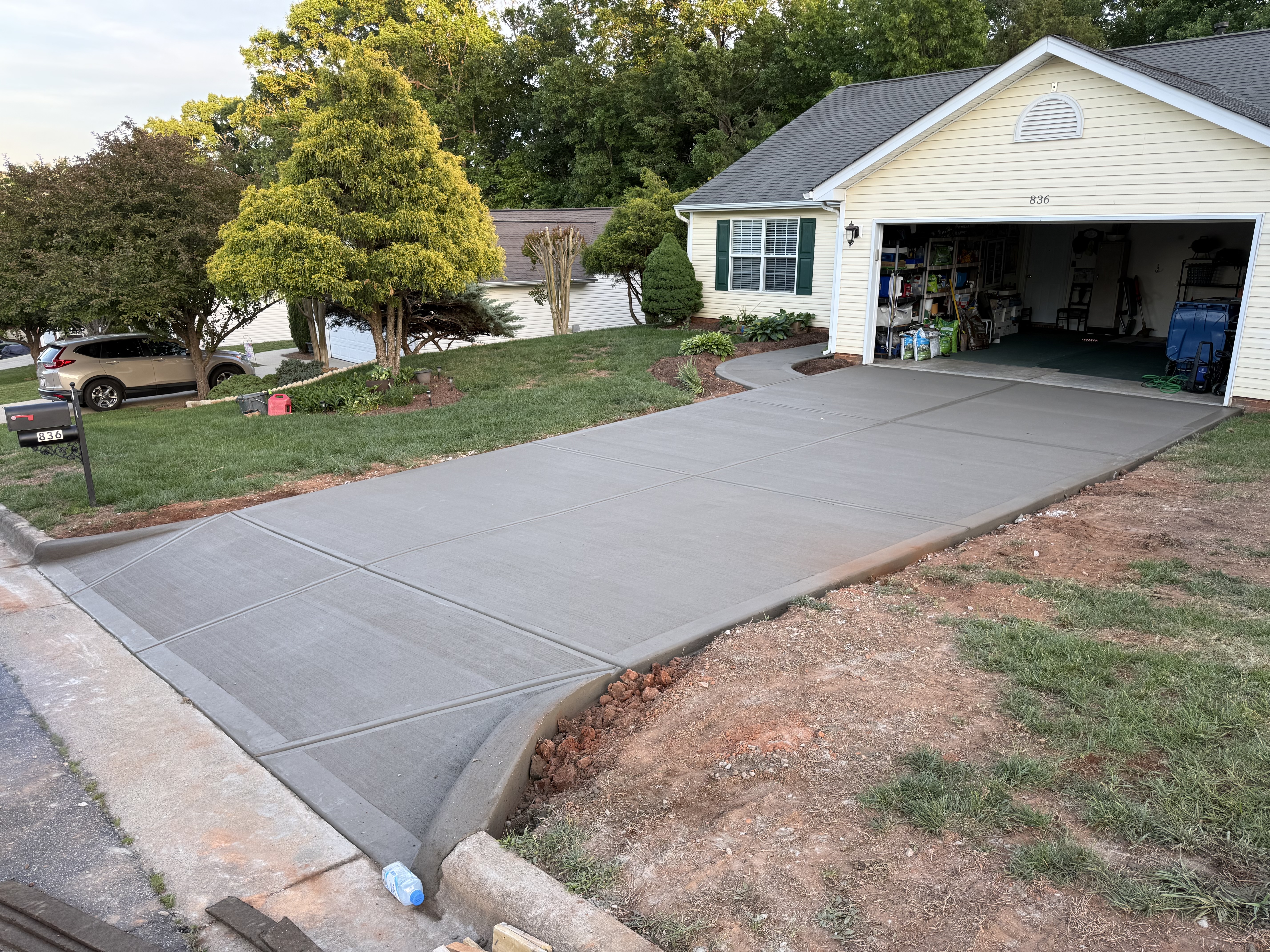
Trash & Dumpster Pads
Clemmons Job
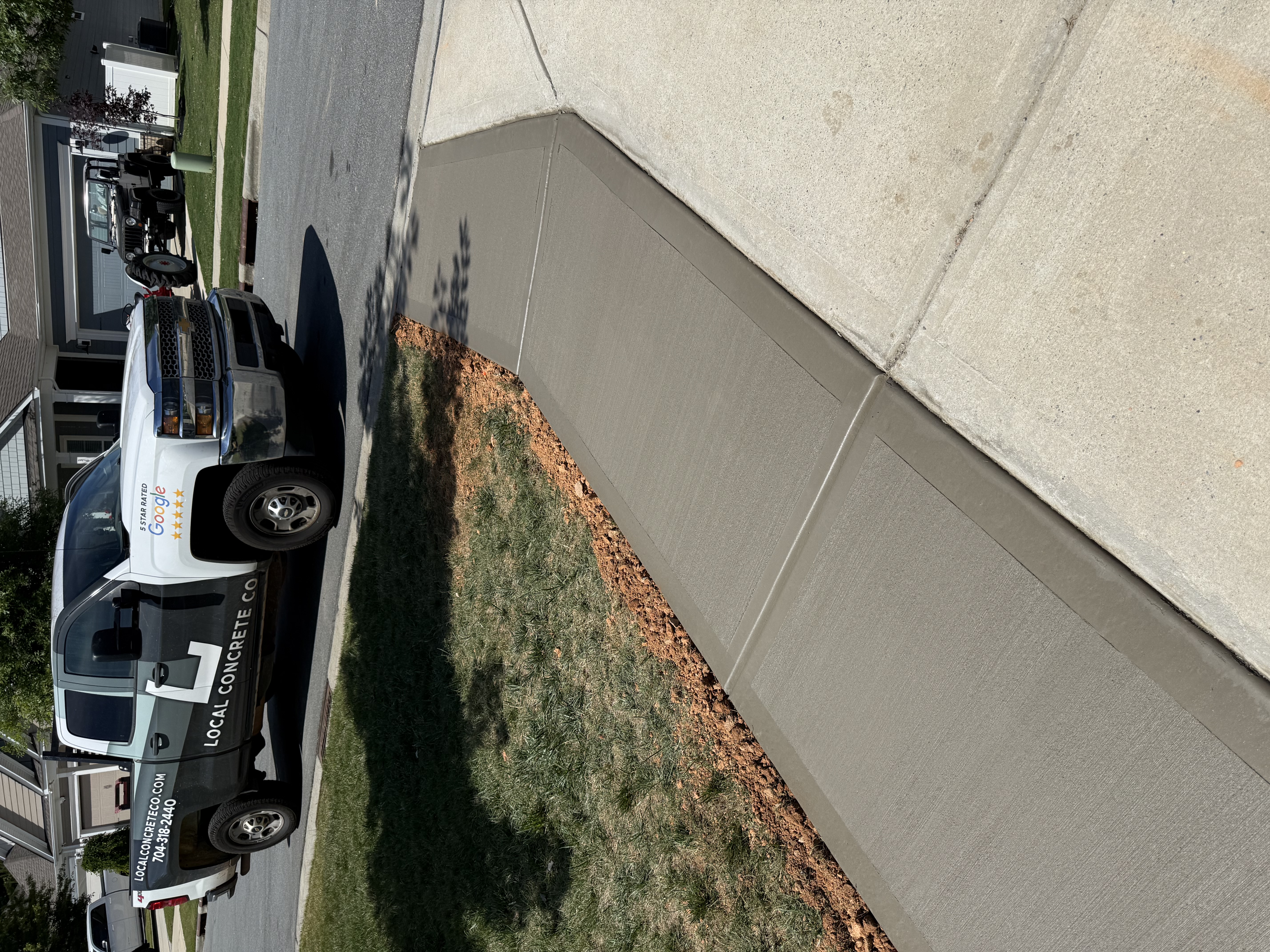
Trash & Dumpster Pads
Clemmons Job
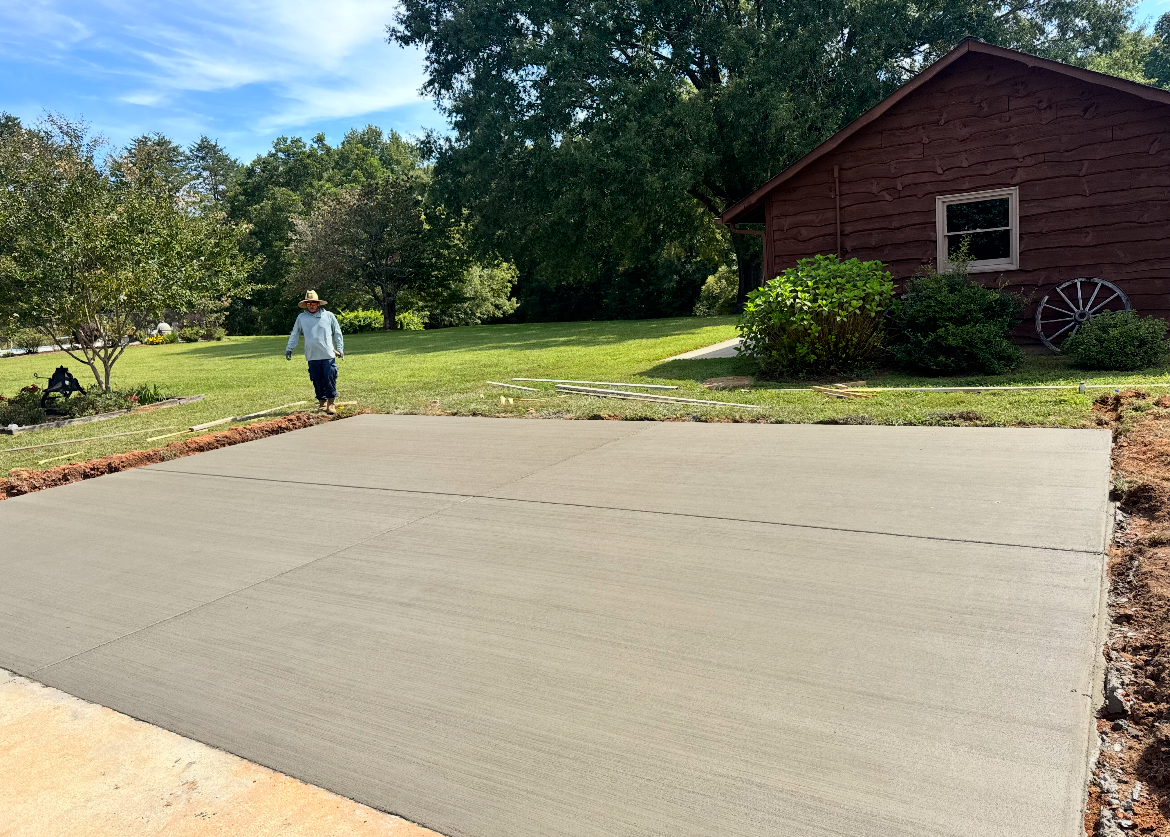
Trash & Dumpster Pads
Clemmons Job
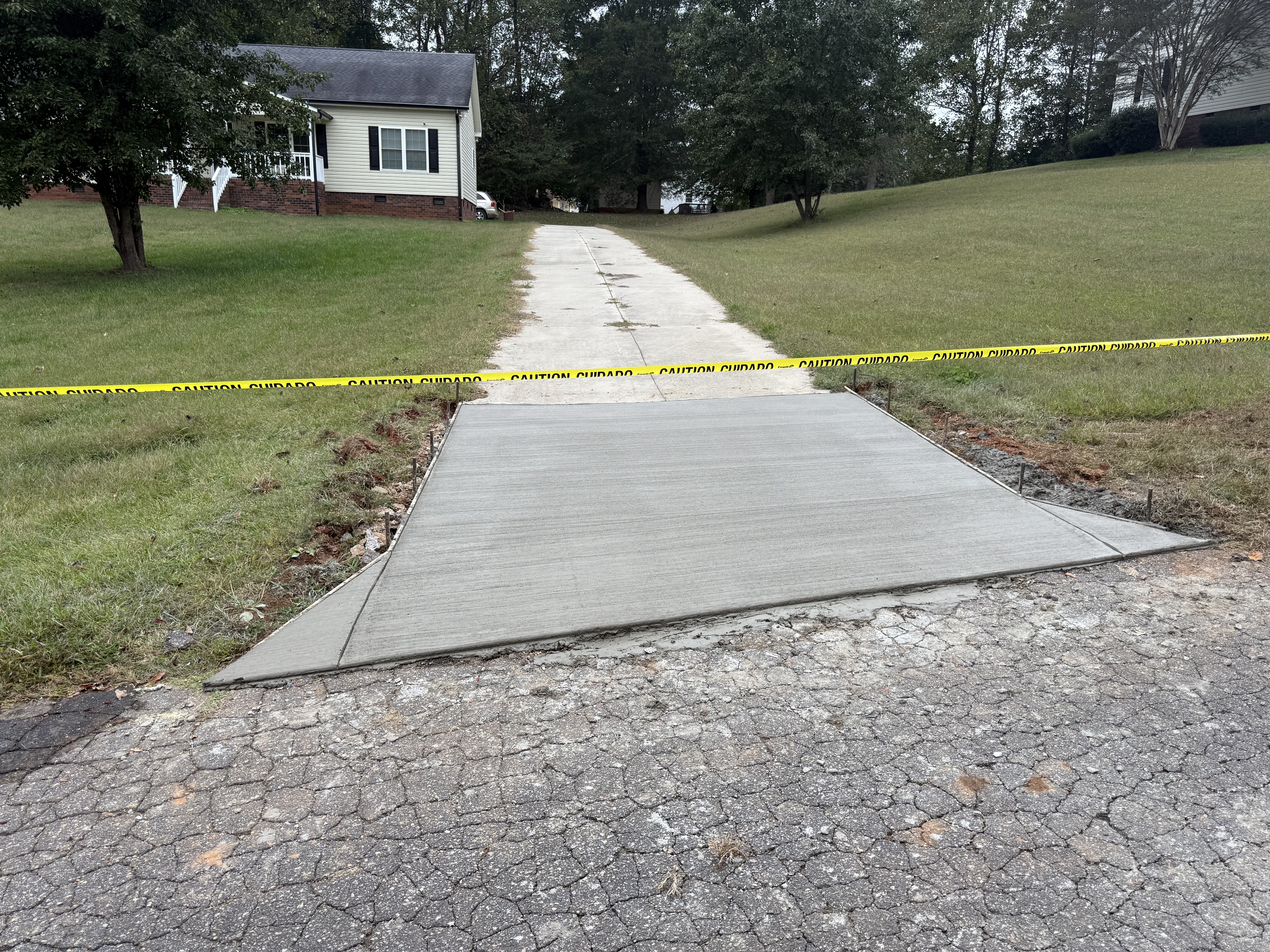
Trash & Dumpster Pads
Clemmons Job
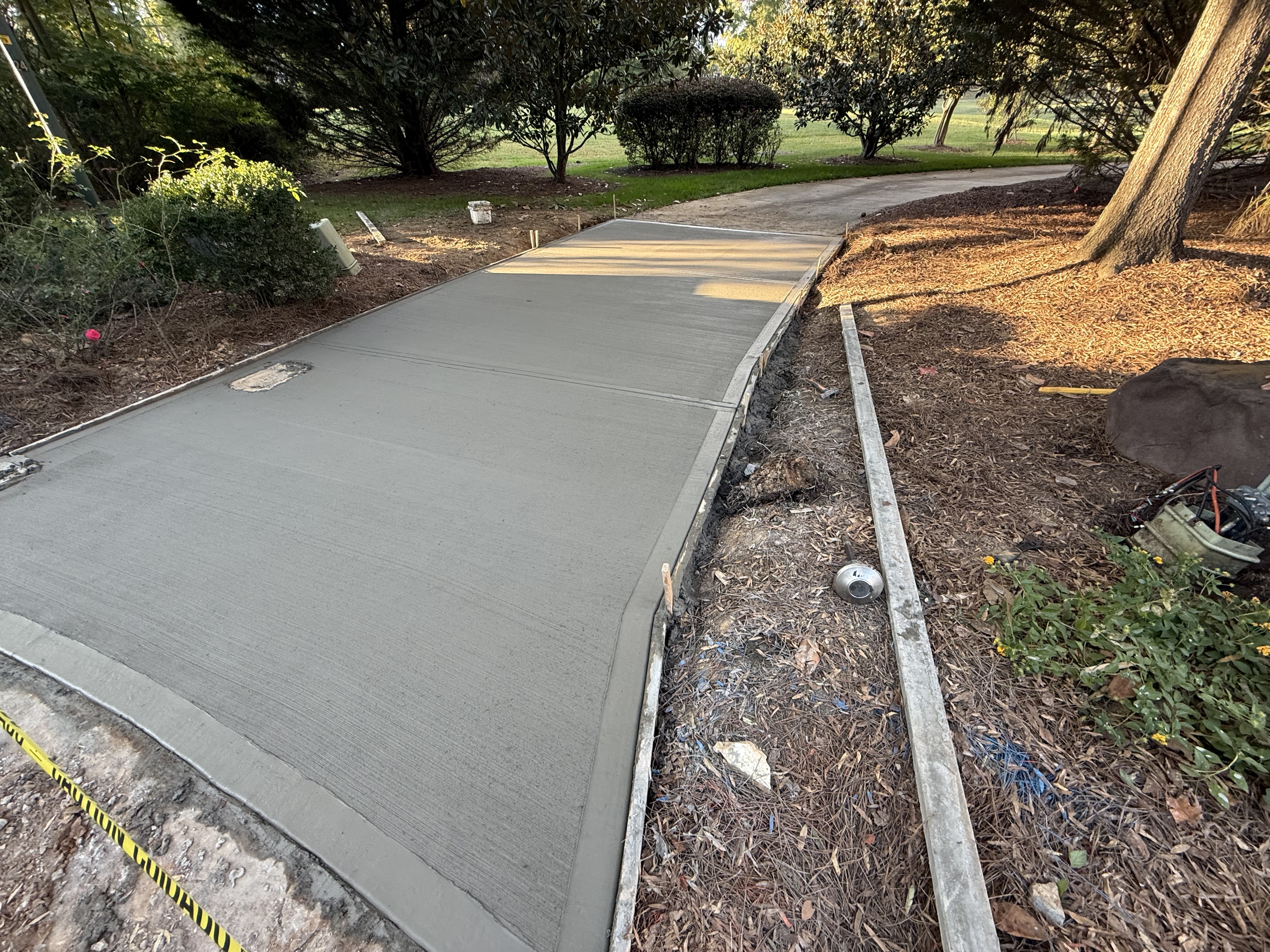
Trash & Dumpster Pads
Clemmons Job
(980) 577-4639
A dumpster pad has one of the harder load profiles on a commercial site. It sits under a full dumpster for weeks at a time, then takes the concentrated axle load of a front-load or rear-load truck lifting and dumping the container. On a restaurant or grocery site, it also has to handle food-waste runoff, wash-down, and grease that would destroy an asphalt pad in a season. A standard four-inch commercial slab spec cracks and settles under that load quickly. What holds up is a thicker slab on a properly compacted base, with reinforcement sized for the axle load, an edge detail that doesn't chip when the truck sets down, and drainage that actually clears the pad.
Local Concrete Contractor pours dumpster and trash pads across North Carolina for retail, restaurant, HOA common-area, and light-industrial sites. Every job starts with a site walk to look at the container size, the truck type that services the site, whether an enclosure is part of the scope, how the pad ties into the adjacent pavement, and how water and waste clear the pad. That walk becomes a written spec: pad footprint, thickness, base depth, reinforcement grid, joint plan, edge detail, drainage, and enclosure footing tie-in. Zero deposit, no assumptions baked in, no pressure to sign the same day.
Our Dumpster and Trash Pad Services
Dumpster pad work covers a range of configurations, and each one changes the spec on thickness, reinforcement, and drainage.
- Single-container front-load dumpster pads at commercial and retail sites
- Double- and triple-container pads at grocery, restaurant, and high-volume retail
- Rear-load compactor pads sized for the compactor plus the servicing truck's approach
- Roll-off container pads at construction, industrial, and temporary-use sites
- Restaurant trash pads with grease-collection considerations and heavier drainage
- HOA common-area trash and recycling pads with enclosure footing tie-in
- Multi-family and apartment community trash pads sized for the resident count and service schedule
- Concrete-wall enclosure footings integrated with the pad pour, so the enclosure and the pad move together
- Bollard footings at the enclosure corners and the container-side edges to protect the enclosure from truck impact
- Drainage grates and trench drains where food waste, wash-down, or heavy runoff has to clear the pad
- Approach aprons at the pad edge where the truck sets its rear axle during pickup
- Pad replacement on existing sites where the current pad has spalled, cracked, or settled
On a new site, the pad is usually part of the broader pavement design and gets coordinated with the civil engineer. On an existing site, retrofit involves demo of the failed pad, subgrade repair, and matching the new pour into the surrounding pavement.
Why Thickness and Reinforcement Matter on a Trash Pad
The load on a dumpster pad isn't the container weight alone—it's the concentrated axle load of the servicing truck lifting the container off the pad. A front-load garbage truck putting its front axle down on the pad while lifting a full container transfers roughly twelve to eighteen thousand pounds through a small footprint. That load hits the same spot every pickup, week after week. Under-spec pads spider-web within a season and start settling within two.
What proper spec brings:
- Six-inch thickness as a baseline for standard front-load dumpster service, eight inches for high-volume, compactor, or roll-off service
- Rebar grid (typically number 4 bars at 12 to 18 inches on center each way) sized for the axle load, not the wire-mesh default used on parking lots
- Thickened edge at the container-side and truck-approach sides, typically eight to ten inches deep, to resist chipping when the truck sets down
- Compacted aggregate base six to eight inches deep in lifts, over a stripped and firm subgrade
- Isolation joint where the pad meets the adjacent pavement so the two slabs can move independently under different load rhythms
- Control joints cut early to steer cracking into planned lines rather than across the middle of the pad
- Higher-strength mix design (typically 4,000 to 4,500 psi) matched to the load and the freeze-thaw exposure
Built to spec, a trash pad handles ten-plus years of service without the panel failures that show up on under-thick pads by year three.
What are we building?
Select your project type.
Why Local Concrete Contractor?
- 01.Precision craftsmanship
- 02.Same crew from base through finish
- 03.Licensed & insured, dedicated project manager
- 04.Zero deposit — pay on completion
Our Trash & Dumpster Pads Process in Clemmons
Every trash & dumpster pads we pour in Clemmons runs through the same 18 checkpoints — from the on-site consult through the final walkthrough.
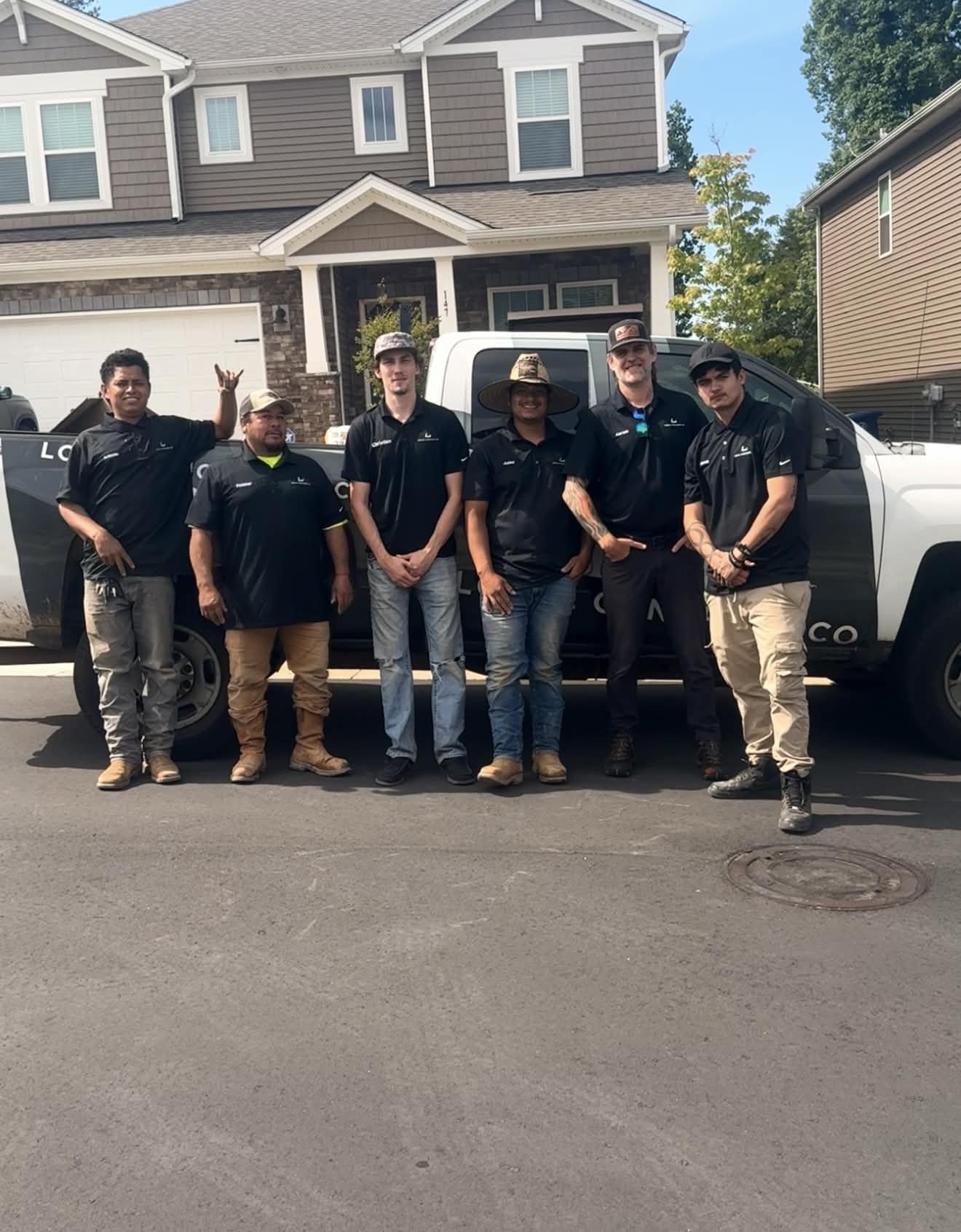
Consultation & Estimate
We meet on-site in Clemmons to assess scope, discuss vision, and provide a detailed, transparent quote tailored to your Clemmons property.

Logistics & Scheduling
Coordinating crew, equipment, and weather windows specific to Clemmons's climate to ensure a seamless project start.
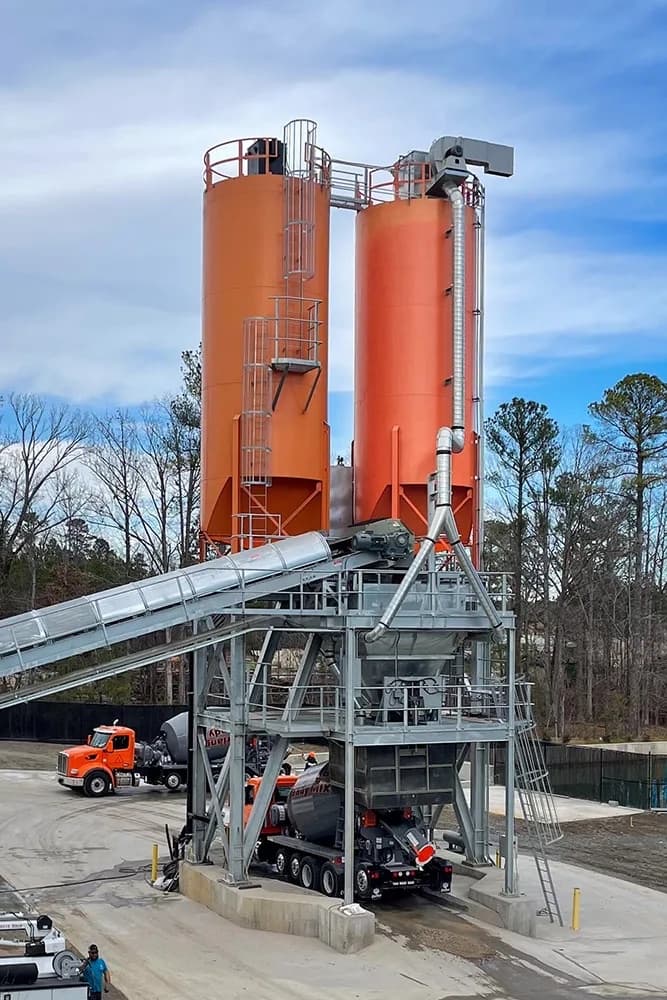
Custom Mix Design
Ordering specific concrete additives and slump requirements based on Clemmons's current temperature and humidity patterns.
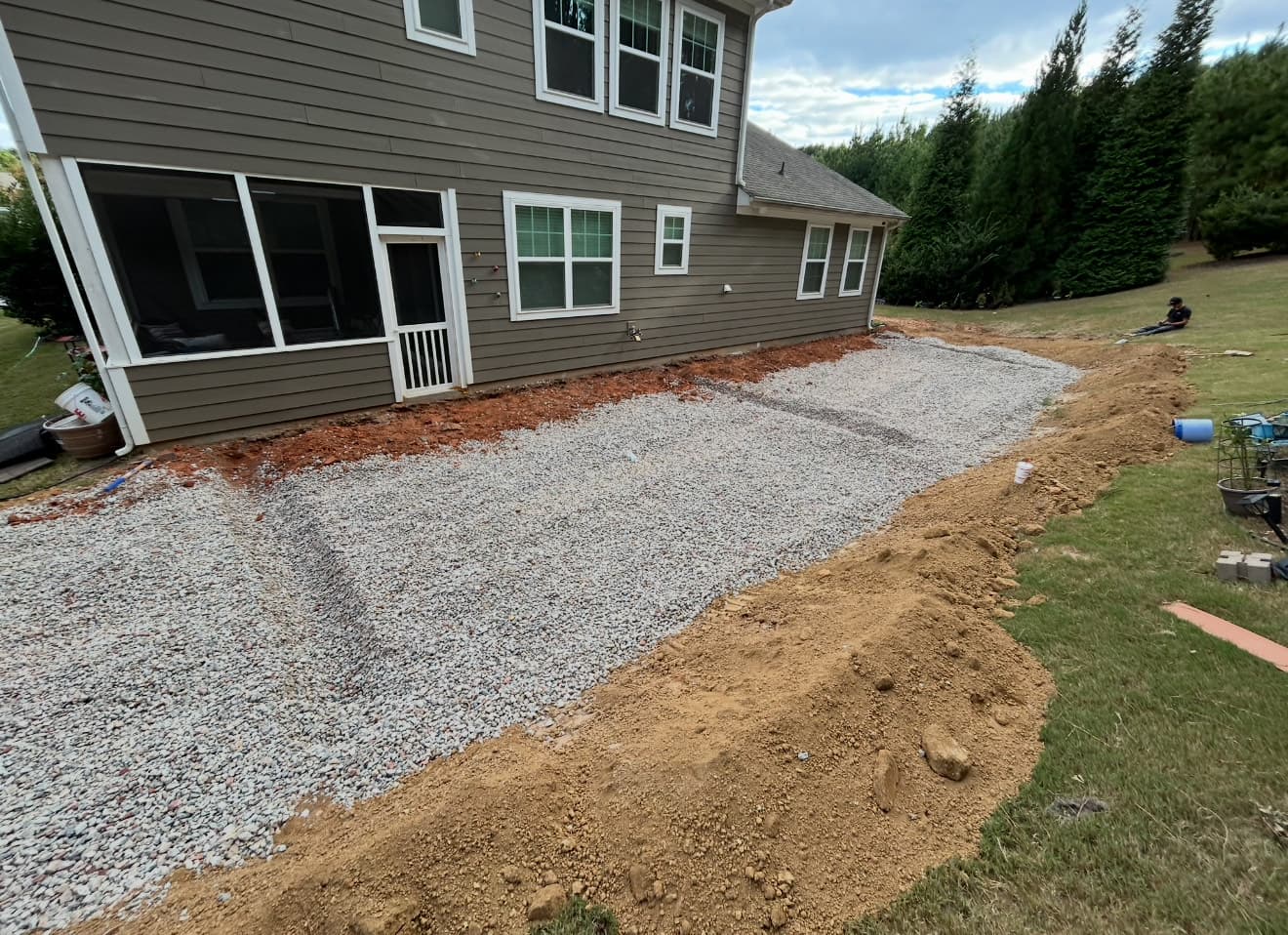
Site Preparation
Preparing the workspace in Clemmons and establishing safe access routes for our equipment and crew.
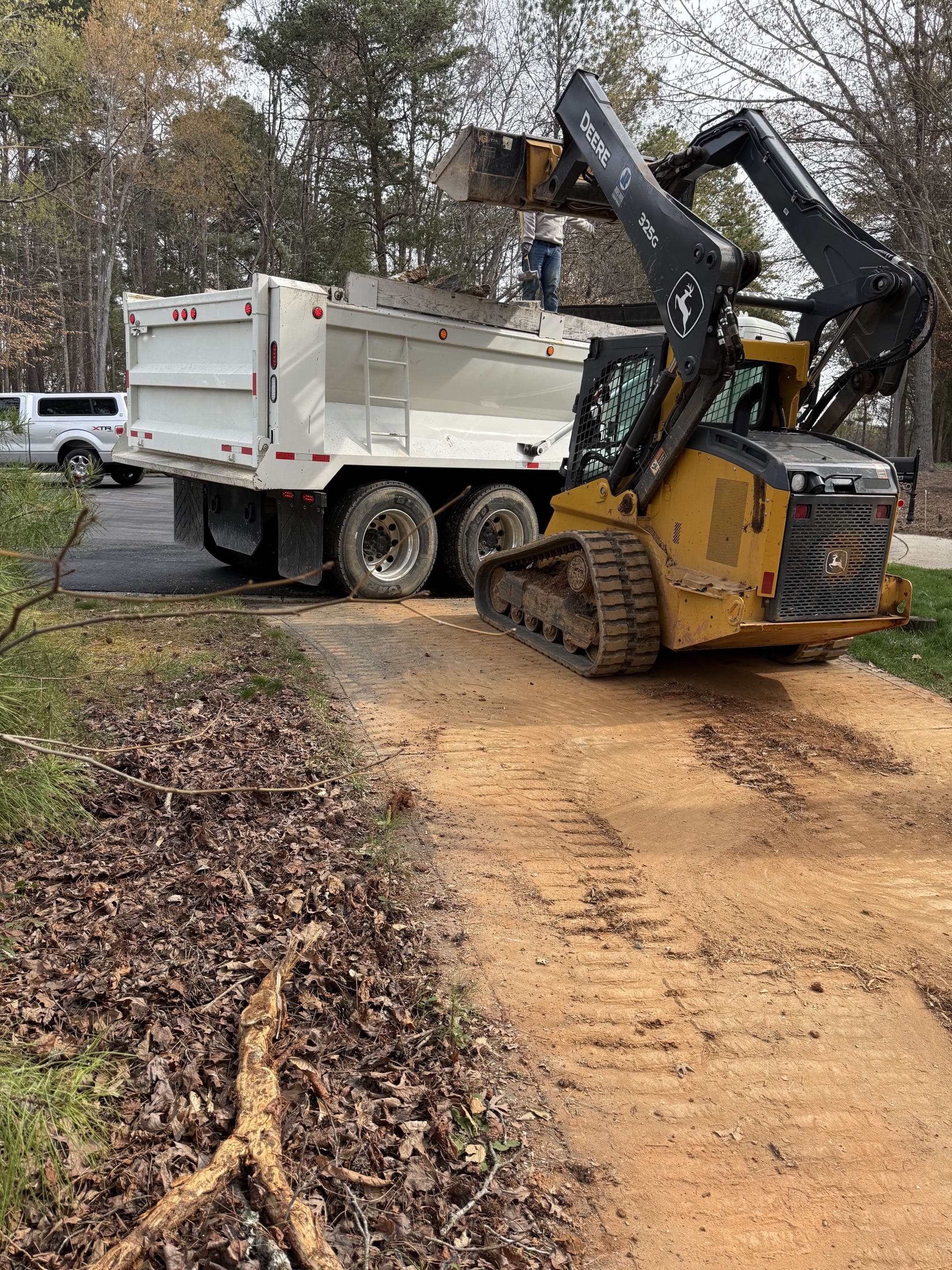
Demolition
Removal and disposal of existing concrete in Clemmons, leaving a clean slate for your new installation.
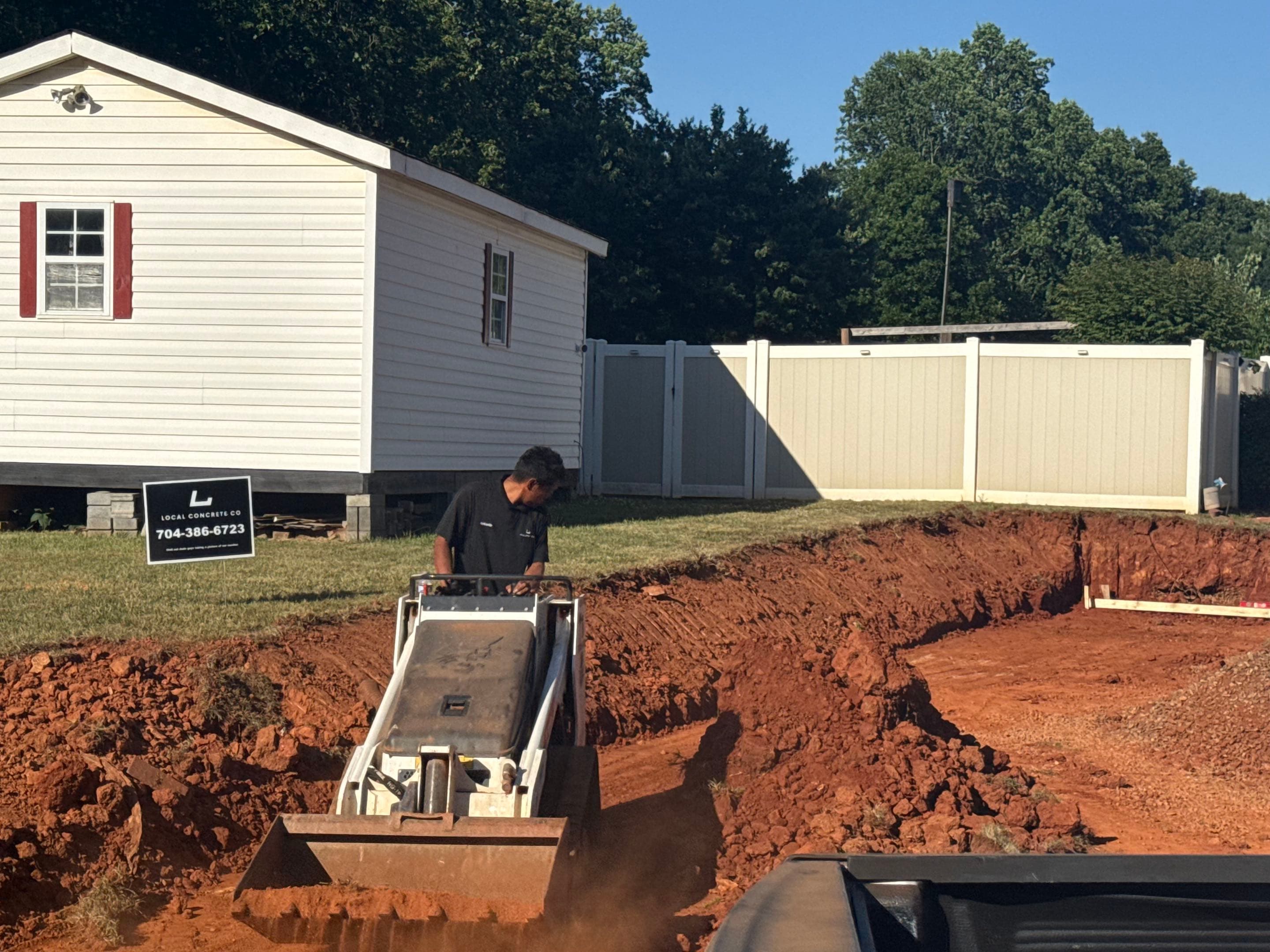
Grading & Forming
Expert grading for proper drainage in Clemmons and setting high-quality lumber forms for clean edges.
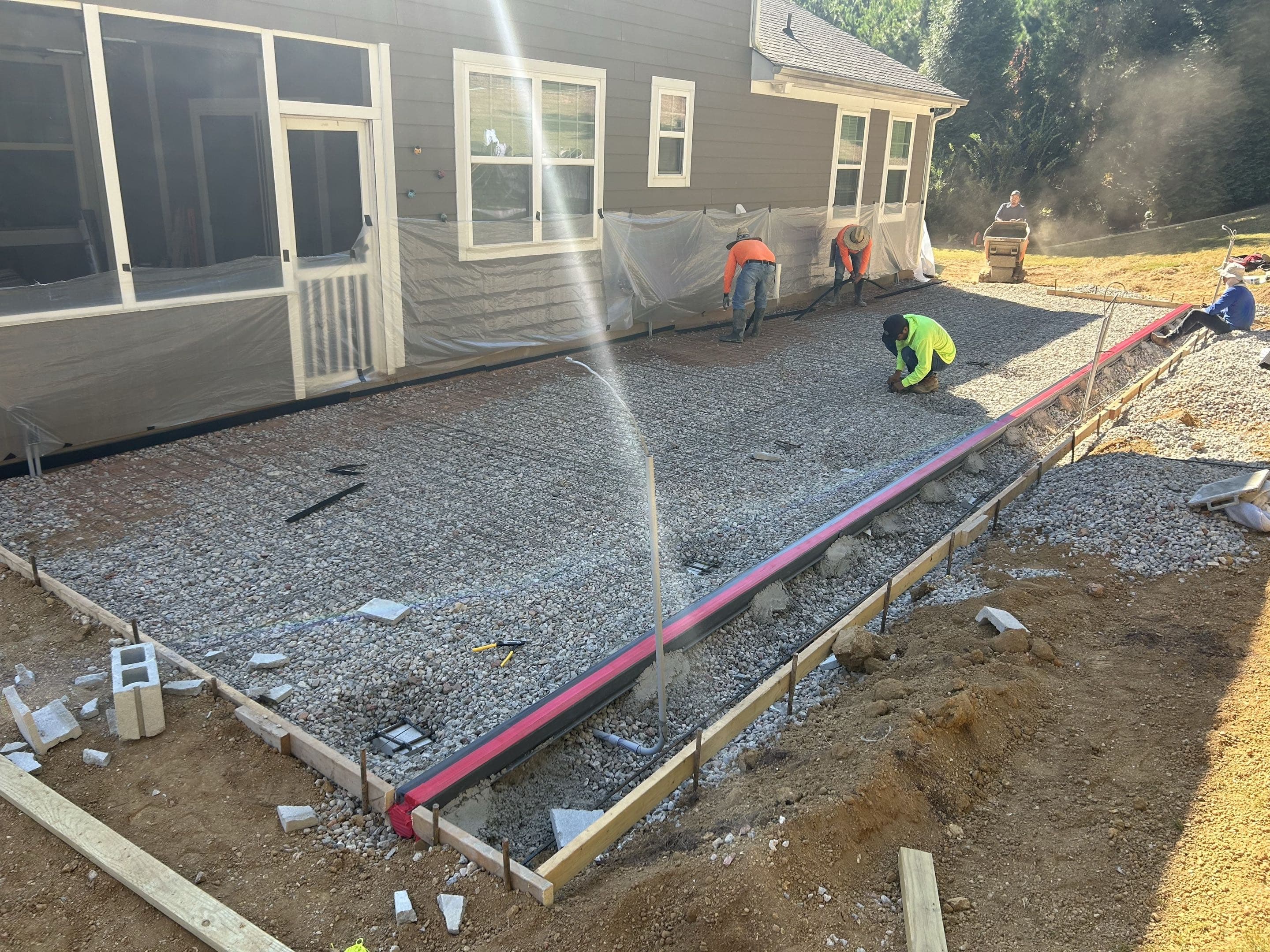
Reinforcement
Installation of steel rebar or wire mesh grid in Clemmons, using 1/2 inch grid for structural tensile strength suitable for North Carolina conditions.
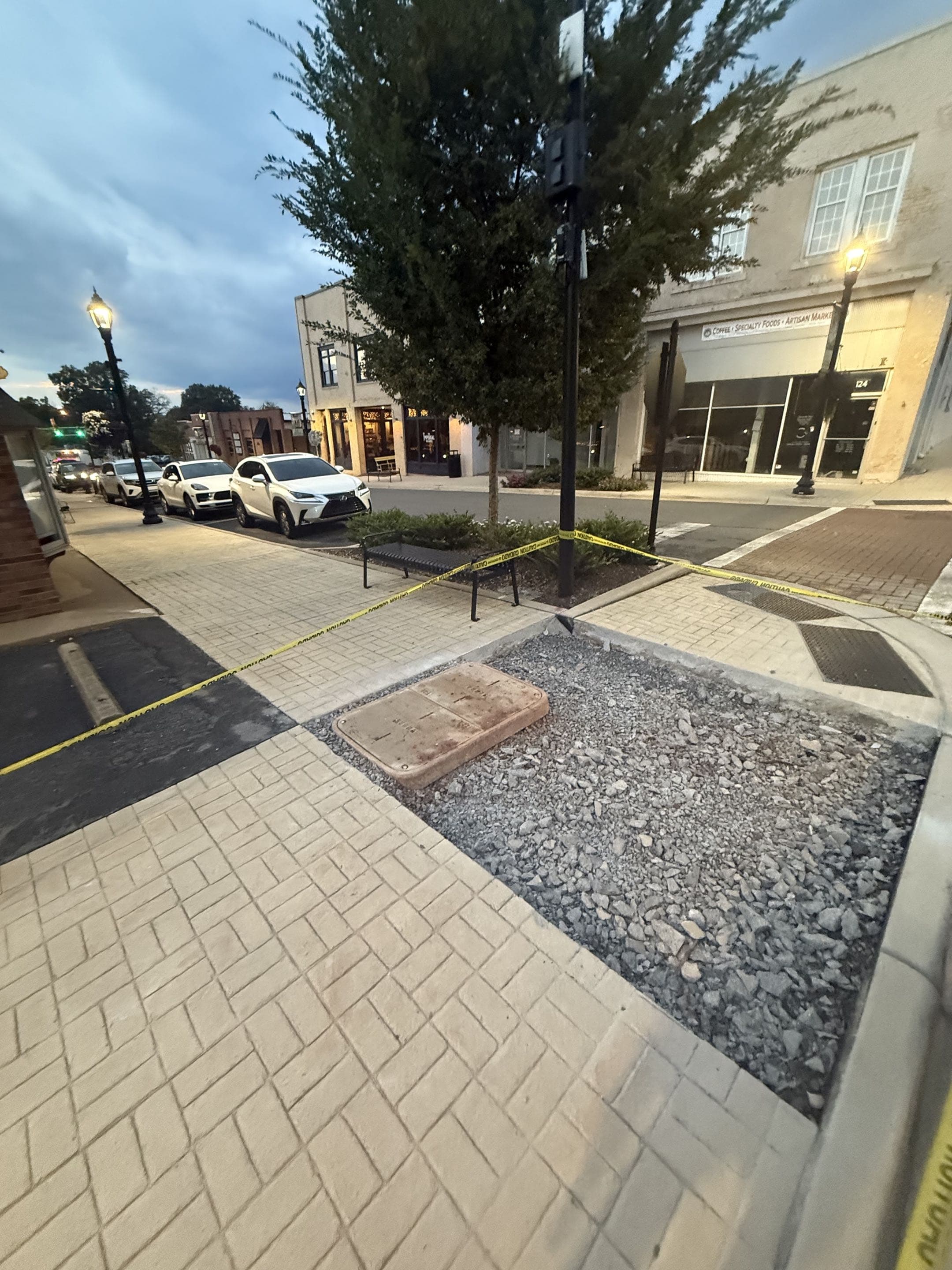
Pre-Pour Inspection
A final check of elevation, form stability, and reinforcement placement in Clemmons before the truck arrives.
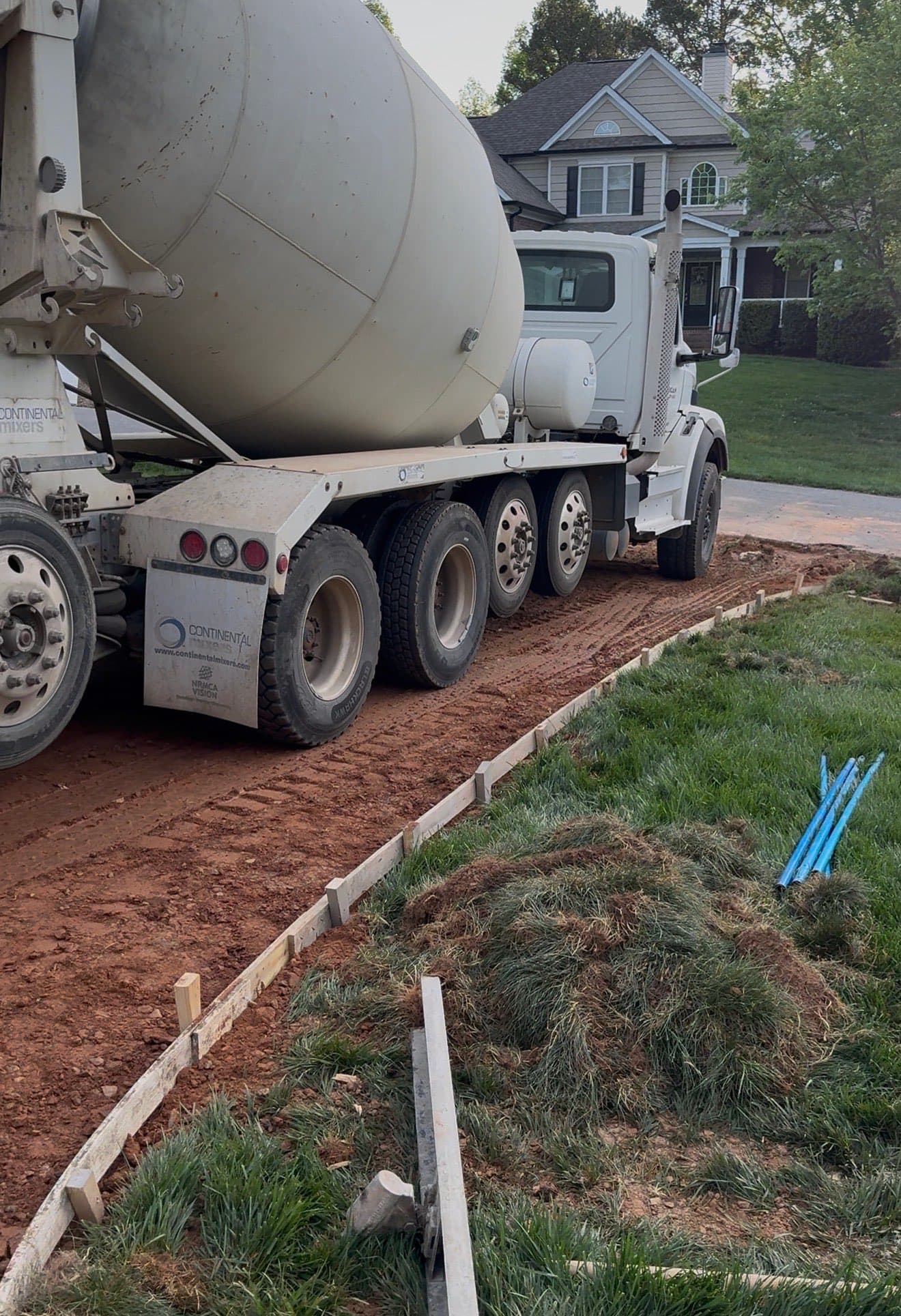
Slump Testing
Verifying concrete consistency on-site in Clemmons to ensure it meets the engineered mix design.
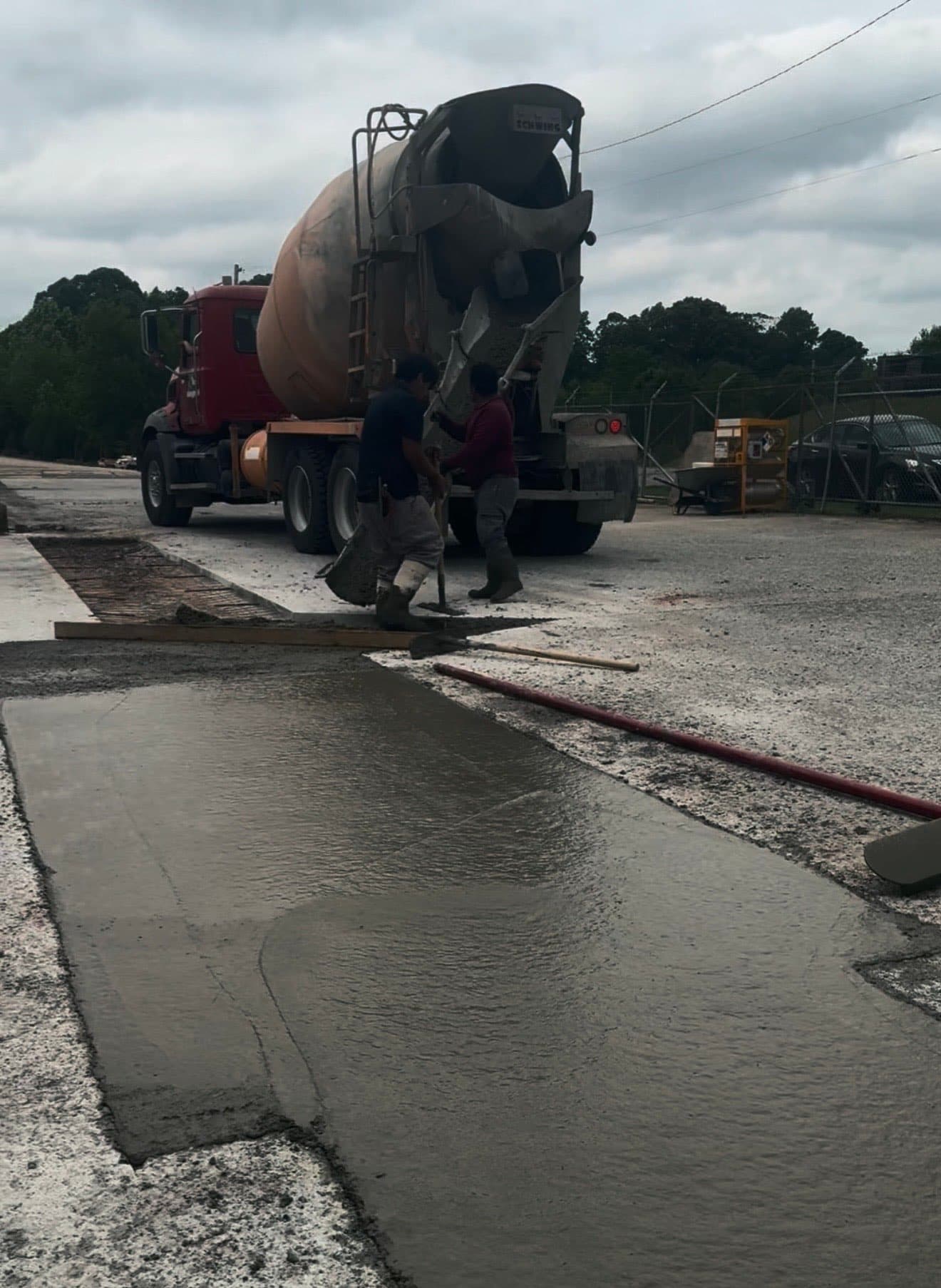
Placement
Controlled pouring and placement of concrete in Clemmons to avoid cold joints and ensure uniformity.
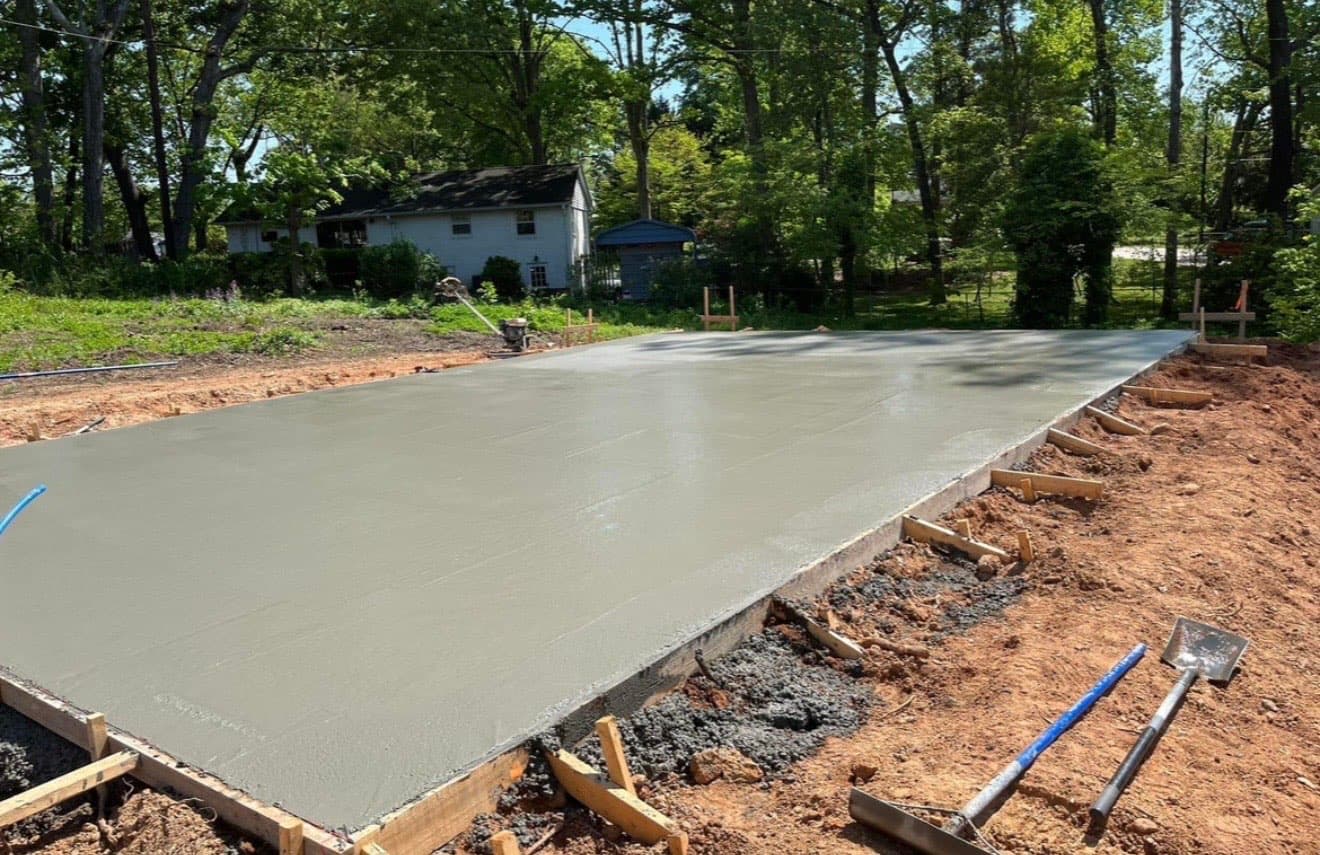
Bull Floating
Pushing aggregate down and bringing 'cream' to the surface for a smooth finishable layer in Clemmons.
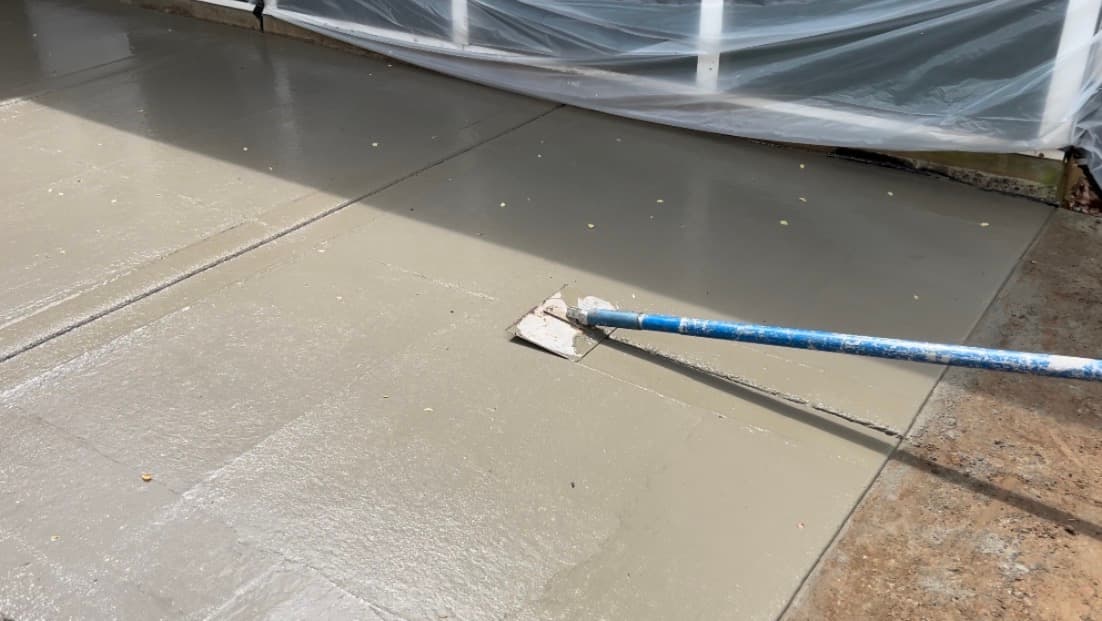
Edging & Jointing
Creating rounded edges for durability in Clemmons and cutting control joints to manage expansion in North Carolina's climate.
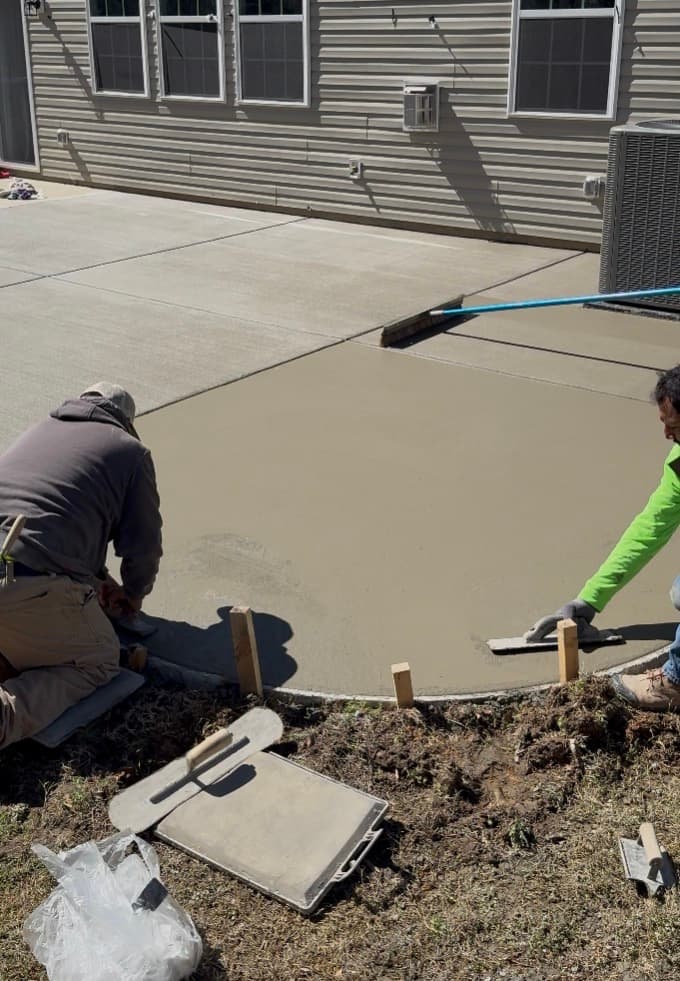
Fresno Finish
Final smoothing pass in Clemmons to close the surface pores and prepare for texturing.
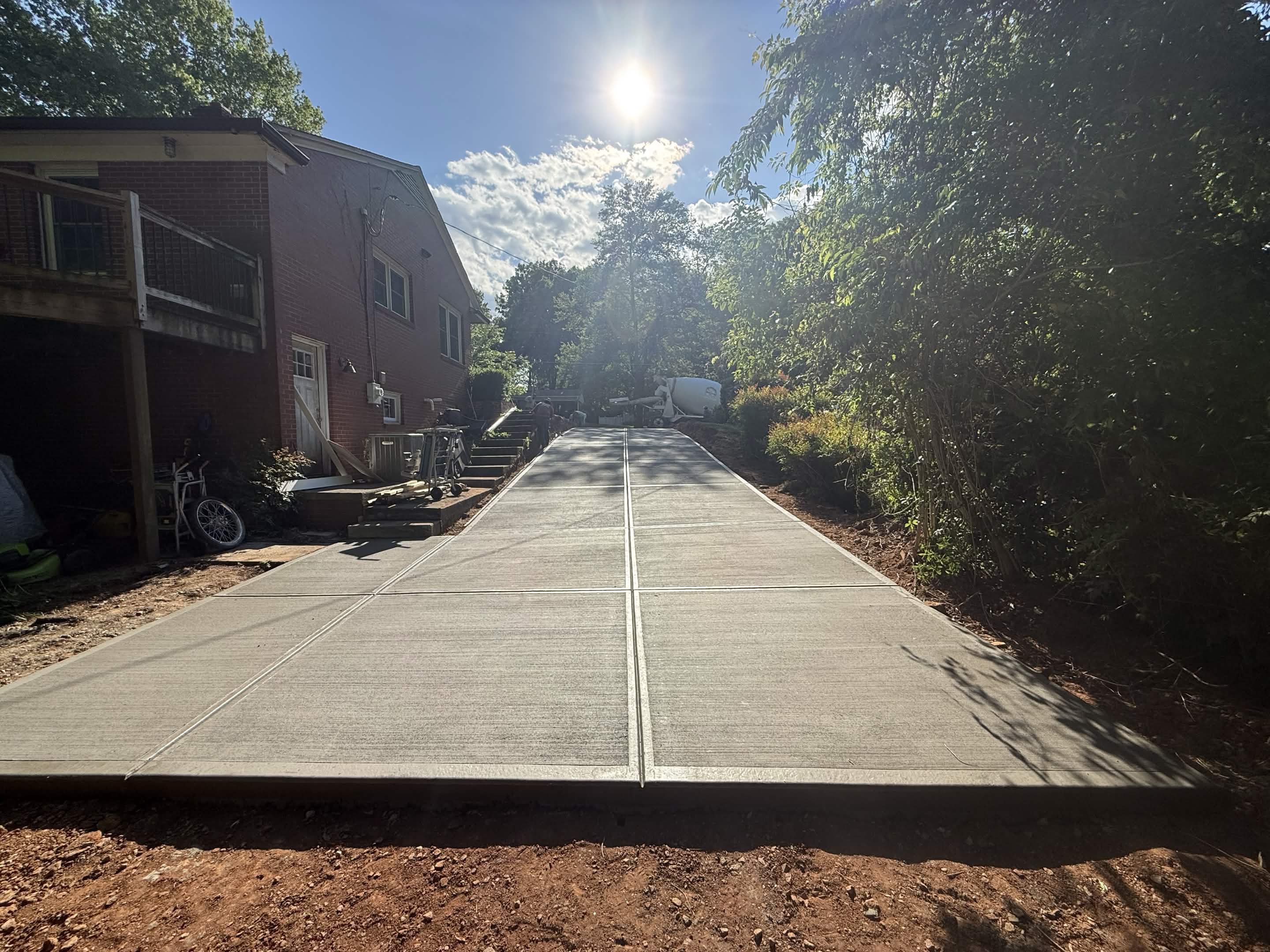
Decorative Detailing
Applying final broom texture, stamp patterns, or color treatments as specified for your Clemmons project.
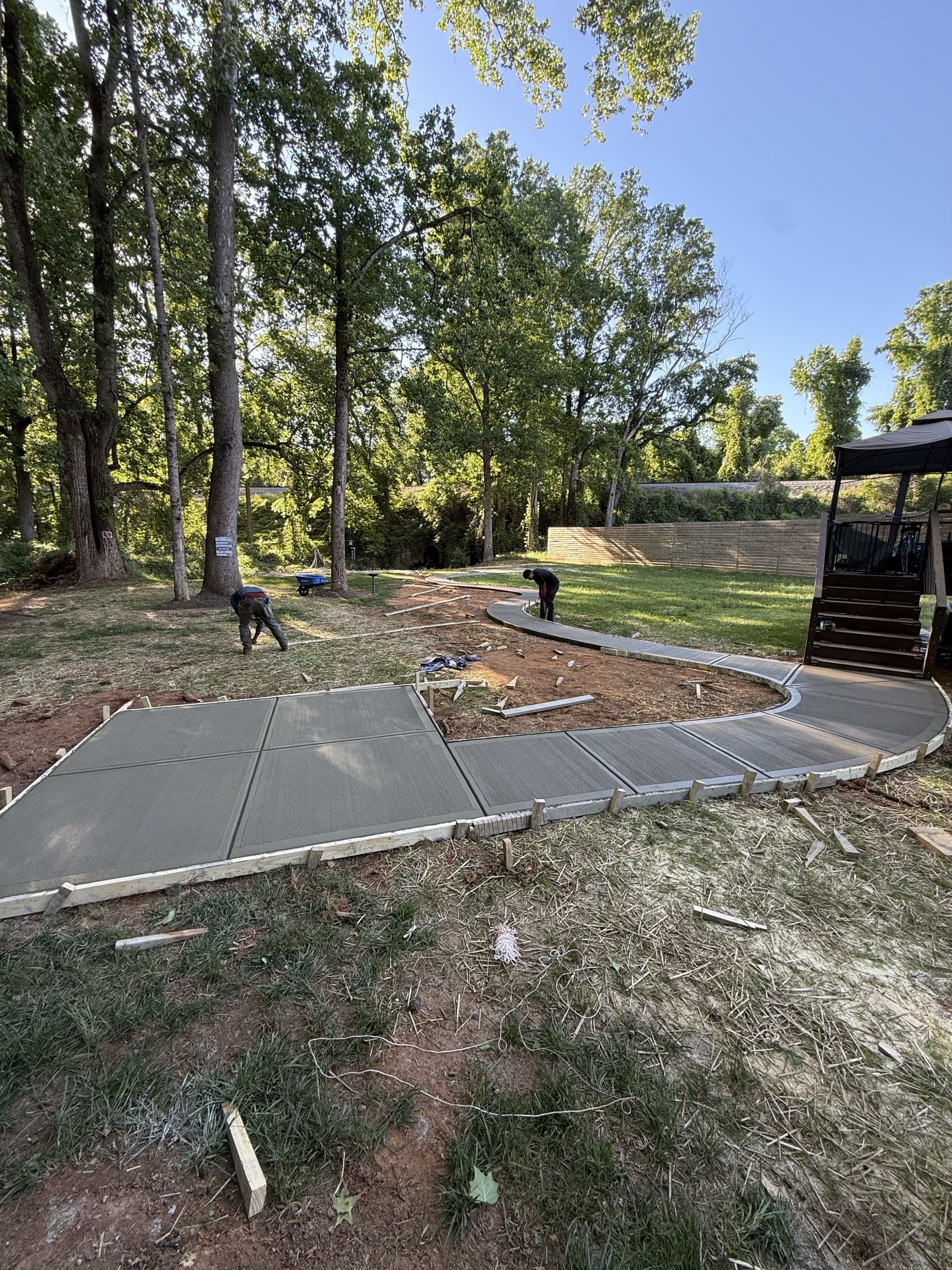
Form Removal
Careful stripping of forms in Clemmons once concrete has reached initial set stability.
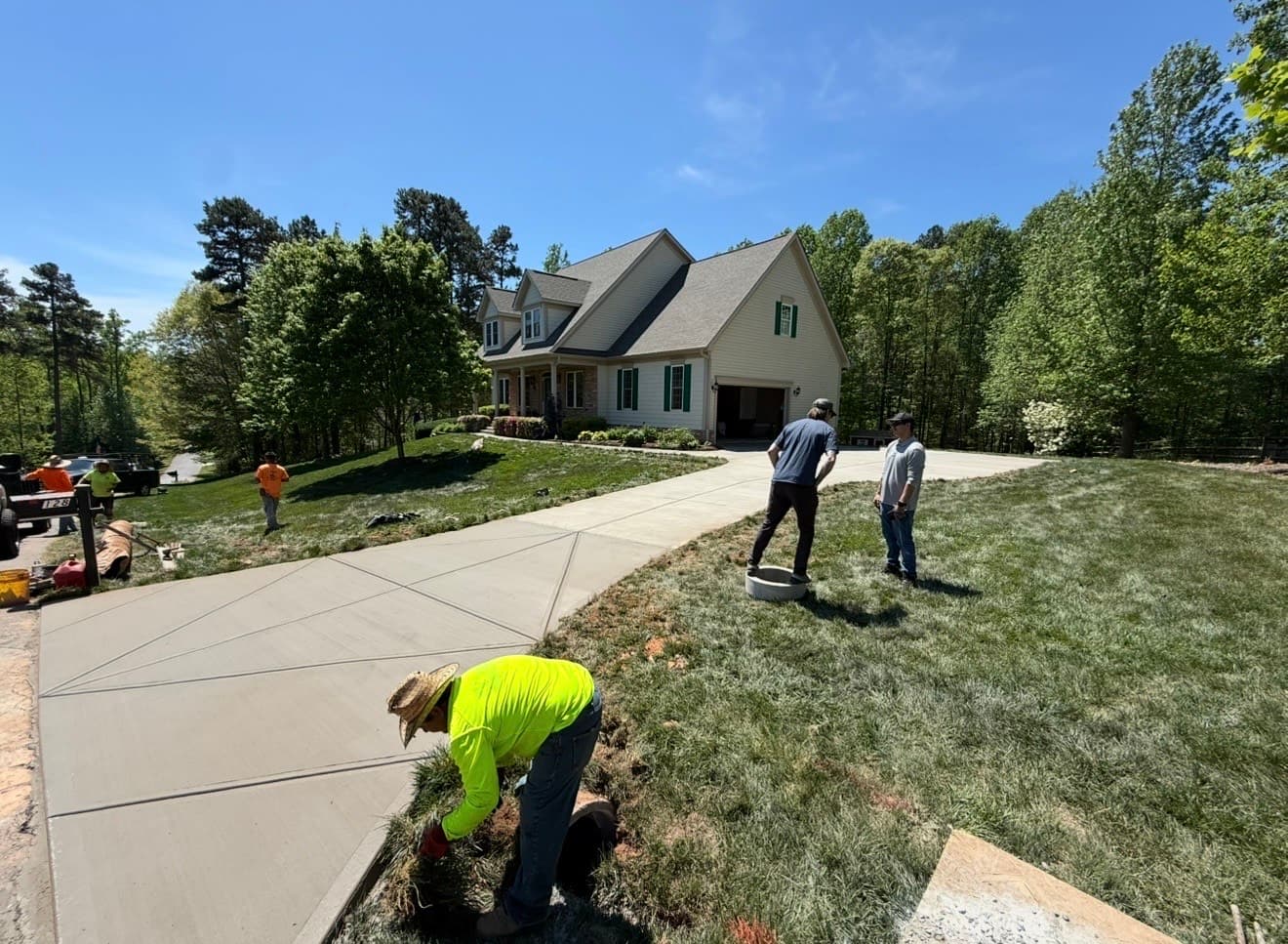
Final Walkthrough
Reviewing the finished project with you in Clemmons to ensure every detail meets the standard.

Usage Guide
Providing clear instructions for Clemmons homeowners on cure times—when you can walk, drive, and park on your new concrete.
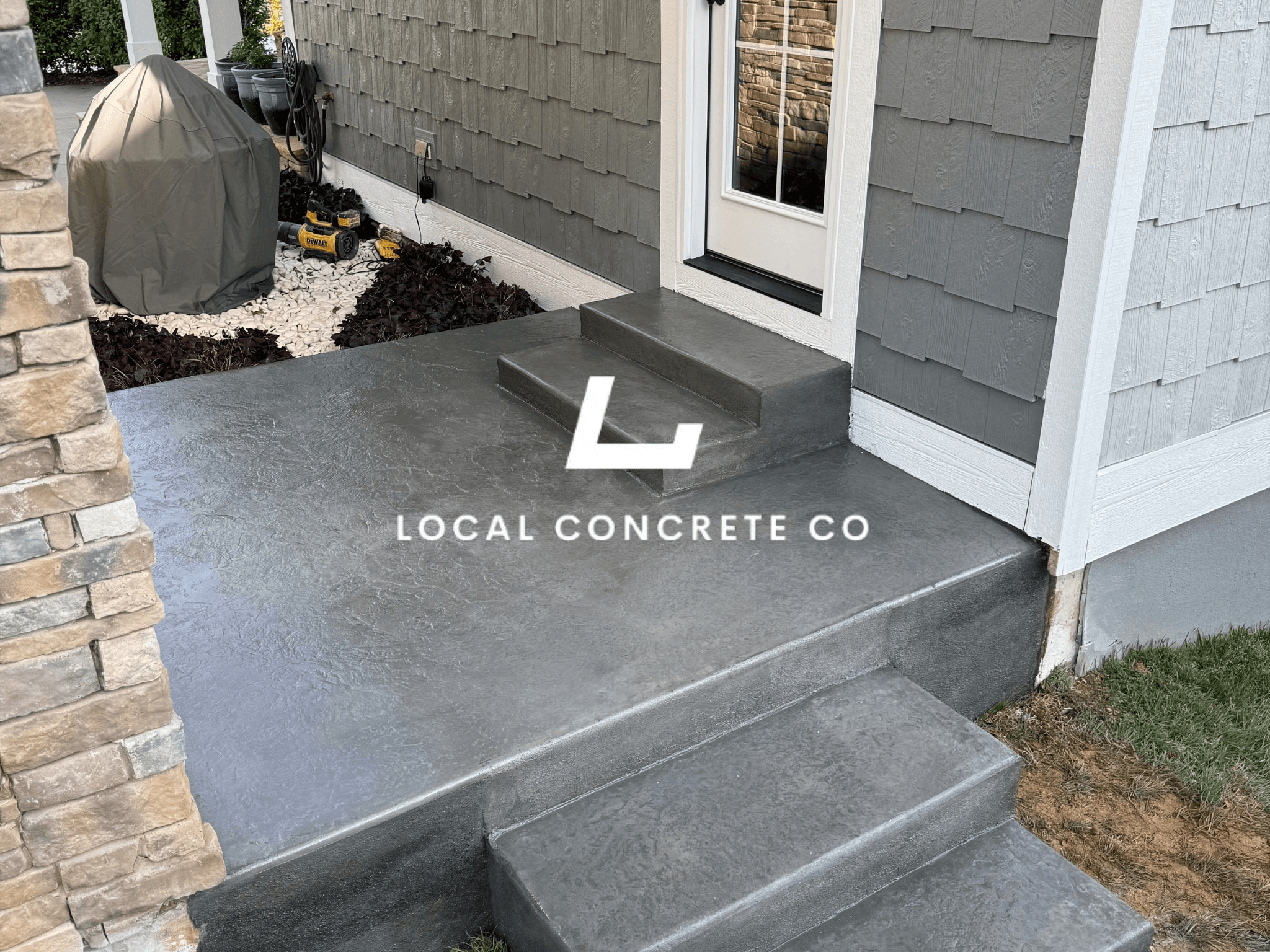
Project Completion
The job is done right in Clemmons, ensuring you have a durable surface for years to come in the Clemmons area.
Drainage, Enclosure Tie-In, and Site Details
The drainage plan on a trash pad matters as much as the structural spec, especially on restaurant, grocery, and food-service sites where the pad sees wash-down, grease, and food-waste runoff. A pad with no drainage plan becomes a pond, and the standing water eats the concrete surface and the container both.
- Slope of at least a quarter-inch per foot toward a defined discharge path, typically a trench drain, area drain, or grease interceptor depending on the site's waste stream
- Trench drain at the container-side edge on restaurant and food-service pads to catch wash-down and food waste before it reaches the surrounding pavement
- Grease interceptor tie-in on any pad where the discharge is expected to carry food-waste grease—a code requirement in most NC municipalities
- Isolation joint between the pad and any enclosure footing so the two elements can move independently
- Concrete-wall enclosure footing sized and reinforced to the wall spec, typically continuous strip footing tied into the pad's rebar grid at the enclosure corners
- Bollard footings at the enclosure corners and the container-side edges, sized to protect the wall from truck impact during pickup
- ADA path-of-travel considerations when the pad is adjacent to a public accessible route—the pad grade and any transitions have to work for wheeled access
- Fire-access clearance around the pad so emergency vehicles have room to maneuver, especially in tight commercial and HOA layouts
Code interfaces vary by NC municipality and by the site's waste stream. Restaurant and food-service pads usually pull a higher level of plumbing and grease-interceptor review than retail or office pads.
New Install vs Pad Replacement
The two most common scenarios each run differently on site, and the price and schedule follow the site conditions.
- New install as part of a new site pour or site improvement is the cleanest—the pad is formed and poured with the rest of the site work, drainage is coordinated with the civil design, and the enclosure footing goes in with the pad. Lowest per-square-foot cost, cleanest final look.
- Pad replacement on an existing site involves demo of the failed pad, haul-away of the debris, subgrade evaluation and repair, and pouring the new pad with matched thickness across the transition to the surrounding pavement. Higher per-square-foot cost because of the demo scope, and the schedule has to coordinate with the trash service so the site isn't without a pad on a service day.
- Partial pad replacement is possible when one section of a larger pad has failed while the rest is still sound—saw-cut the failure, dowel tie-in to the remaining slab, and pour the new section to matched spec. Usually the right call only when the failure is genuinely localized rather than the first sign of a broader problem.
- Enclosure retrofit on an existing pad involves core-drilling for the enclosure post footings, or saw-cutting for a continuous footing, depending on the enclosure design. The existing pad thickness and reinforcement drive whether the retrofit is feasible or whether a pad replacement is the honest answer.
On any replacement, coordination with the property manager, tenant, and trash service to keep service days covered is part of the scheduling work, not an afterthought.
Clemmons Specific Considerations
Clemmons Soil Conditions
Understanding Clemmons's soil composition is crucial for proper concrete work. Clemmons in Forsyth County requires concrete work that can withstand North Carolina's climate and soil conditions. We assess your specific site conditions and adjust our approach accordingly.
Forsyth County Building Codes
Every Clemmons project must comply with Forsyth County building codes and regulations. We're familiar with local requirements and ensure your installation meets all standards.
HOA Requirements
Many Clemmons neighborhoods have HOA guidelines that affect concrete work. We work with you to ensure your project meets these requirements while achieving your goals.
North Carolina Climate
Clemmons experiences North Carolina's freeze-thaw cycles, which can damage improperly installed concrete. Our work is specifically designed to withstand these conditions.
Drainage Planning
Proper drainage is essential in Clemmons, where heavy rains can cause flooding. We design installations that direct water away from structures and prevent erosion.
Material Selection
The right materials for Clemmons projects differ from other areas. We select concrete mixes, reinforcements, and sealants optimized for Forsyth County's climate conditions.
Neighborhoods We Serve in Clemmons
Why Property Managers and Owners Work With Us
Local Concrete Contractor runs commercial and industrial concrete work across the North Carolina Piedmont and coastal plain. Everything about how we quote and invoice trash pad work is built around one idea: the property owner shouldn't be absorbing the risk.
What that looks like on your pad:
- Zero deposit—you pay after the pad is poured, finished, and walked with you, not before
- Free on-site quotes with the actual footprint, thickness, base depth, reinforcement, drainage plan, and enclosure tie-in written down
- Licensed and insured—proof of coverage available before we mobilize
- No pressure sales, no timeshare tactics, no "sign today or the price changes"
- Straight answers on the cost drivers (footprint, thickness, reinforcement grid, base depth, drainage work, enclosure footing, bollards, demo scope, decorative treatment) so the number is transparent
- Real photos of prior trash pads at similar commercial sites, not stock images
- Same crew from base prep through the final finish pass—the finisher setting the slope is the finisher trowelling the surface
- Scheduling coordination with the property manager, tenant, and trash service so service days stay covered during the pour and cure window
If you're comparing quotes, ask each contractor what pad thickness they're pouring, what reinforcement is going in, and how the drainage discharges. Those three answers separate a pad that lasts a decade from one that spider-webs by year three.
Trash & Dumpster Pads in Clemmons
FAQ
Straight answers on trash & dumpster pads in Clemmons, NC — thickness, base prep, cure time, HOA rules, and what it takes to make the slab last.
Get Free QuoteHow thick should a dumpster pad be?
Six inches is the working baseline for a standard front-load dumpster pad, and eight inches is what we spec for high-volume, compactor, or roll-off service. The load driving thickness isn't the container itself—it's the concentrated axle load of the servicing truck lifting the full container off the pad, which puts twelve to eighteen thousand pounds through a small footprint at the same spot every pickup. A thickened edge at the container-side and truck-approach edges is part of the spec.
What reinforcement does a trash pad need?
Does the pad need drainage?
Can the enclosure and pad be poured together?
How long does a trash pad take to cure before service?
Do you require a deposit up front?
Do you serve all neighborhoods in Clemmons?
What areas near Clemmons do you serve?
Can you work with HOA requirements in Clemmons?
Trash & Dumpster Pads in Clemmons, NC
This page is specific to Clemmons, NC. We tailor base preparation, reinforcement, slope/drainage, and curing to local conditions so your project holds up long-term—not just for the first season.
Related services in Clemmons, NC
Nearby service areas
If you’re near Clemmons, NC, these nearby city pages may also help:
Ready to talk about your Clemmons trash & dumpster pads project?
Free estimate. No pressure, no sales tactics. Zero deposit — pay on completion.
Get Free Quote